
Search
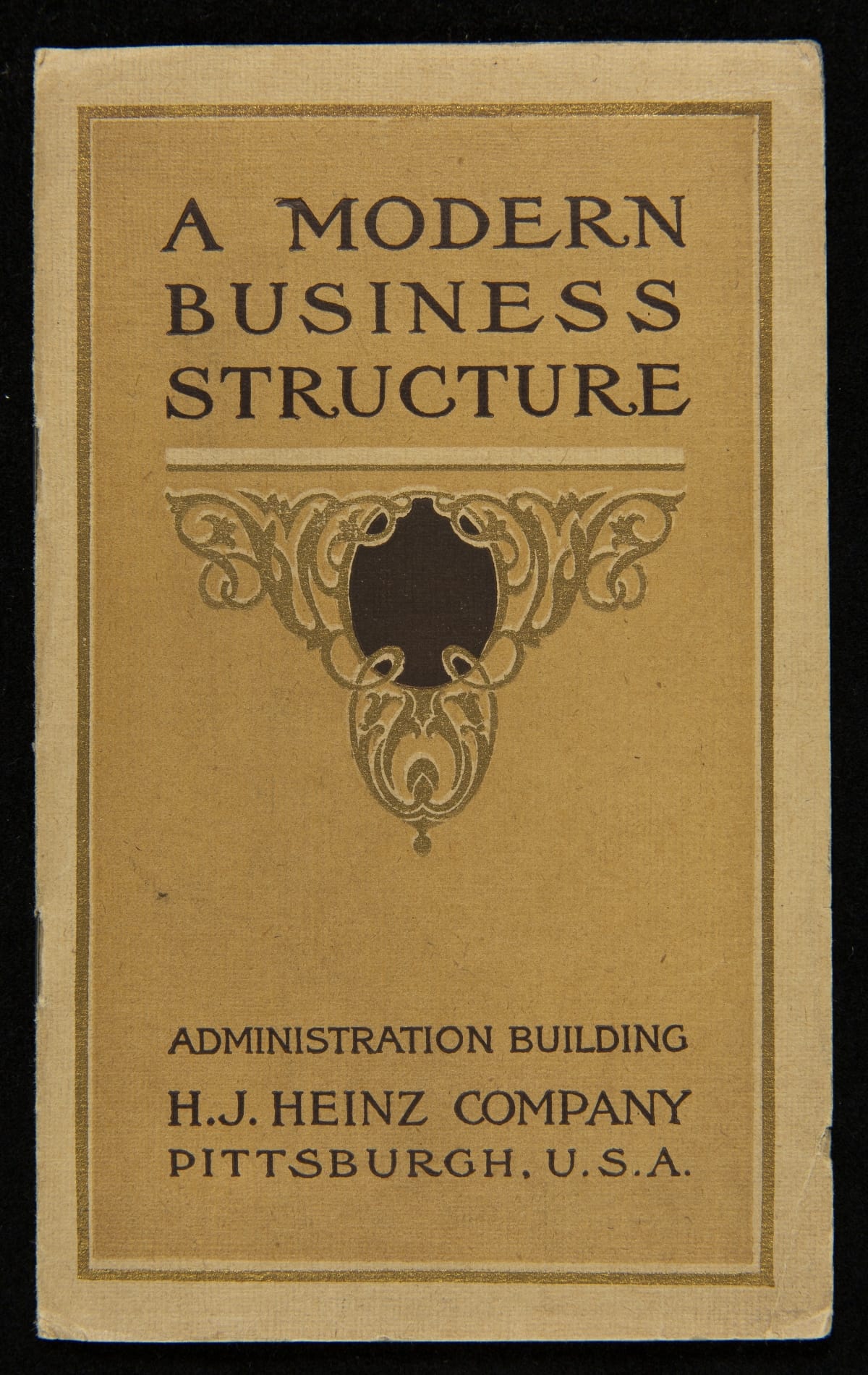
- "A Modern Business Structure," H. J. Heinz Company, Pittsburgh, Pennsylvania, circa 1910 - By the early 1900s, the H.J. Heinz Company had become well-known in the manufactured food industry. Its success resulted in the expansion of its production and distribution operations, which in turn created a need for larger executive quarters. This booklet provides an overview of the Administration Building at the Pittsburgh, Pennsylvania, factory, and describes the mural decorations which adorn its walls.
- circa 1910
- Collections - Artifact
"A Modern Business Structure," H. J. Heinz Company, Pittsburgh, Pennsylvania, circa 1910
By the early 1900s, the H.J. Heinz Company had become well-known in the manufactured food industry. Its success resulted in the expansion of its production and distribution operations, which in turn created a need for larger executive quarters. This booklet provides an overview of the Administration Building at the Pittsburgh, Pennsylvania, factory, and describes the mural decorations which adorn its walls.
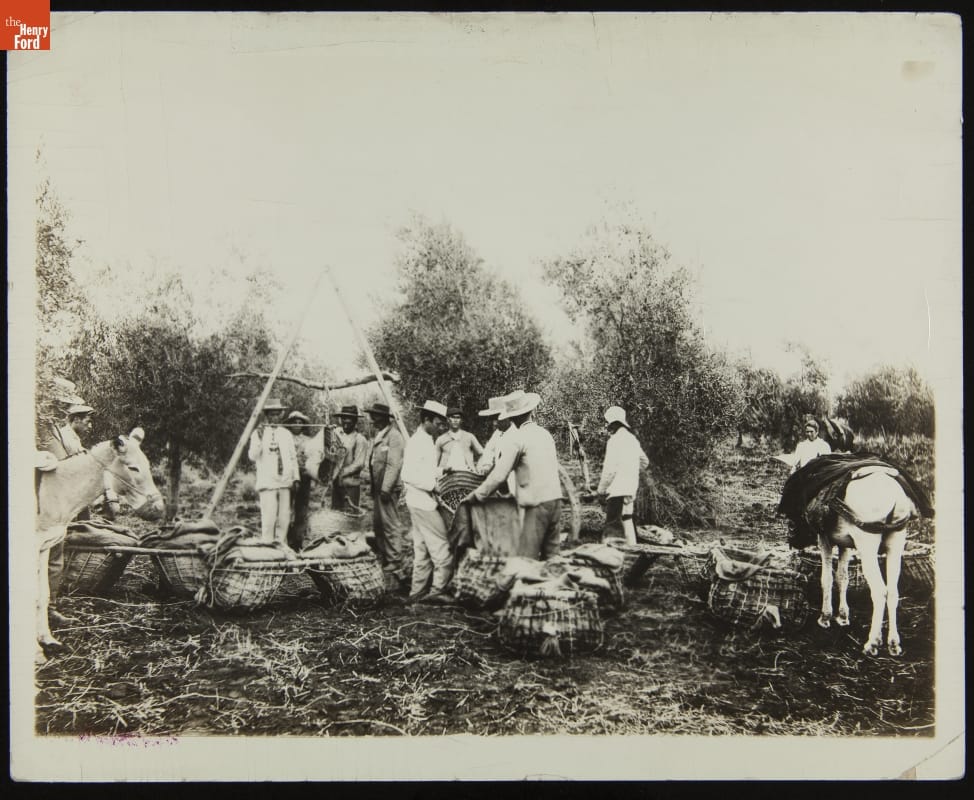
- Harvesting Olives, H. J. Heinz Company, Seville, Spain, circa 1915 - H. J. Heinz recognized that specific climates and soil-types were best for each fruit and vegetable, ensuring a better taste for his products. He considered Spain to be the best for olives. Laborers picked the olives and sent them to the nearby Heinz factory where they were cleaned, processed, and packaged in clear glass jars for market.
- circa 1915
- Collections - Artifact
Harvesting Olives, H. J. Heinz Company, Seville, Spain, circa 1915
H. J. Heinz recognized that specific climates and soil-types were best for each fruit and vegetable, ensuring a better taste for his products. He considered Spain to be the best for olives. Laborers picked the olives and sent them to the nearby Heinz factory where they were cleaned, processed, and packaged in clear glass jars for market.
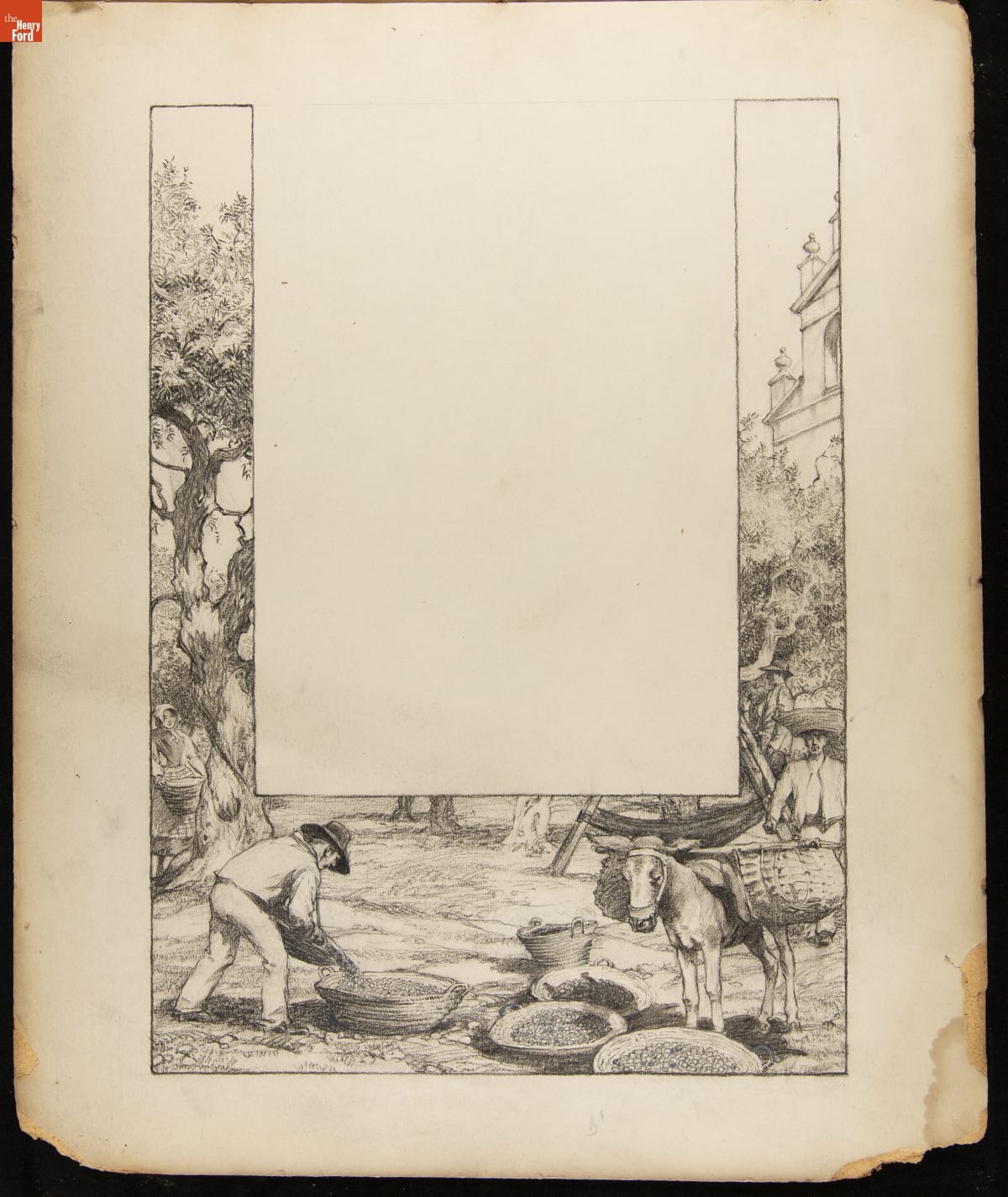
- Advertising Layout Drawing of Heinz Company Olive Harvesters in Seville, Spain, March 31, 1910 - The H.J. Heinz Company published pamphlets, brochures, and booklets that detailed the company's history and manufacturing process. Sometimes, hand-drawn images accompanied text related to a specific topic. This advertising layout drawing of olive harvesters in Seville, Spain, was drawn for publication purposes and would have surrounded text related to Heinz's olive production in Spain.
- March 31, 1910
- Collections - Artifact
Advertising Layout Drawing of Heinz Company Olive Harvesters in Seville, Spain, March 31, 1910
The H.J. Heinz Company published pamphlets, brochures, and booklets that detailed the company's history and manufacturing process. Sometimes, hand-drawn images accompanied text related to a specific topic. This advertising layout drawing of olive harvesters in Seville, Spain, was drawn for publication purposes and would have surrounded text related to Heinz's olive production in Spain.
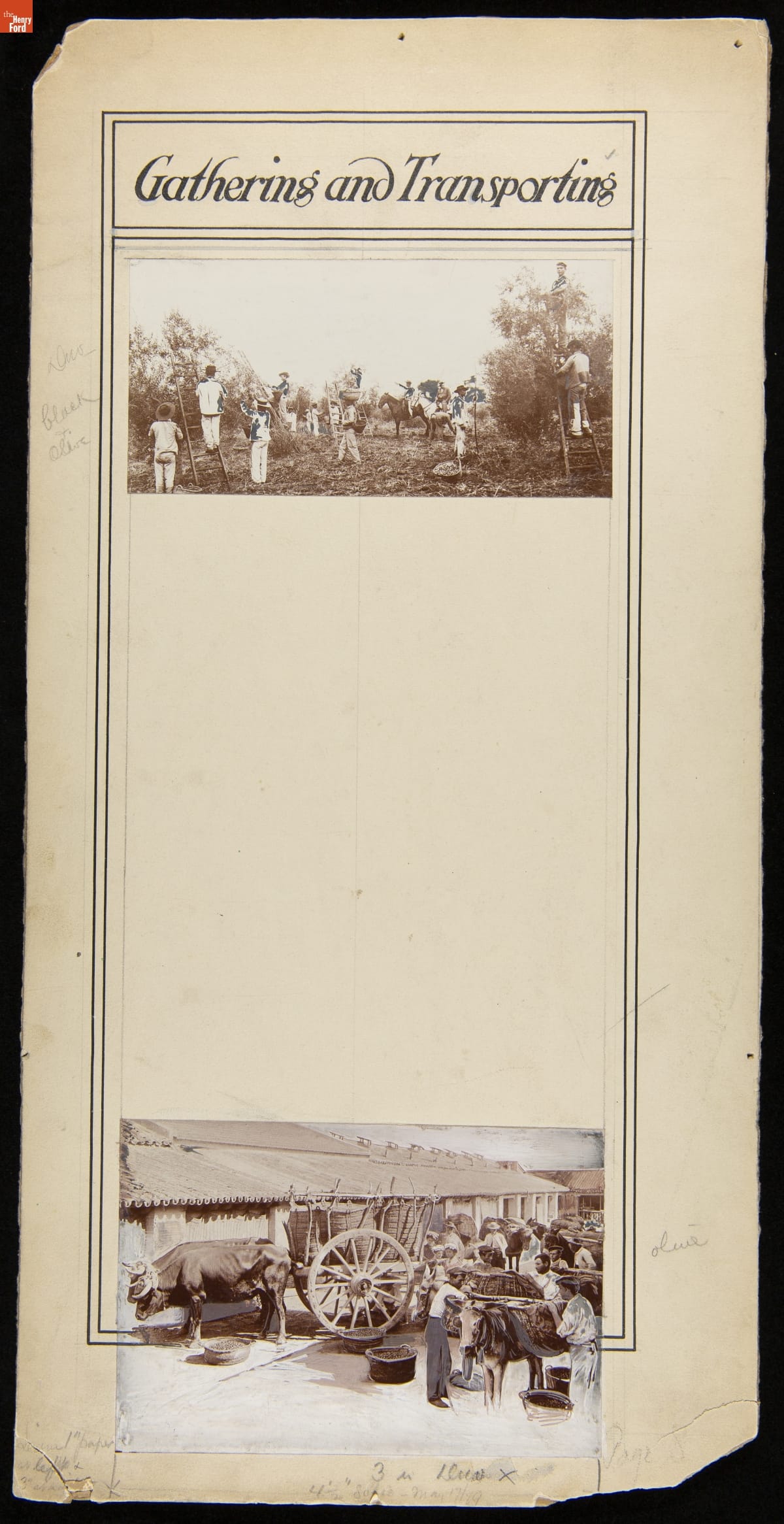
- Advertising Layout Photograph of Heinz Employees Harvesting Olives in Seville, Spain, circa 1920 - The H.J. Heinz Company published pamphlets, brochures, and booklets that detailed the company's history and manufacturing process. Sometimes, images accompanied text related to a specific topic. This advertising layout features modified photographs of men picking olives in Spain and ox carts being loaded for transport. This layout would have surrounded text related to Heinz's olive production in Spain.
- circa 1920
- Collections - Artifact
Advertising Layout Photograph of Heinz Employees Harvesting Olives in Seville, Spain, circa 1920
The H.J. Heinz Company published pamphlets, brochures, and booklets that detailed the company's history and manufacturing process. Sometimes, images accompanied text related to a specific topic. This advertising layout features modified photographs of men picking olives in Spain and ox carts being loaded for transport. This layout would have surrounded text related to Heinz's olive production in Spain.
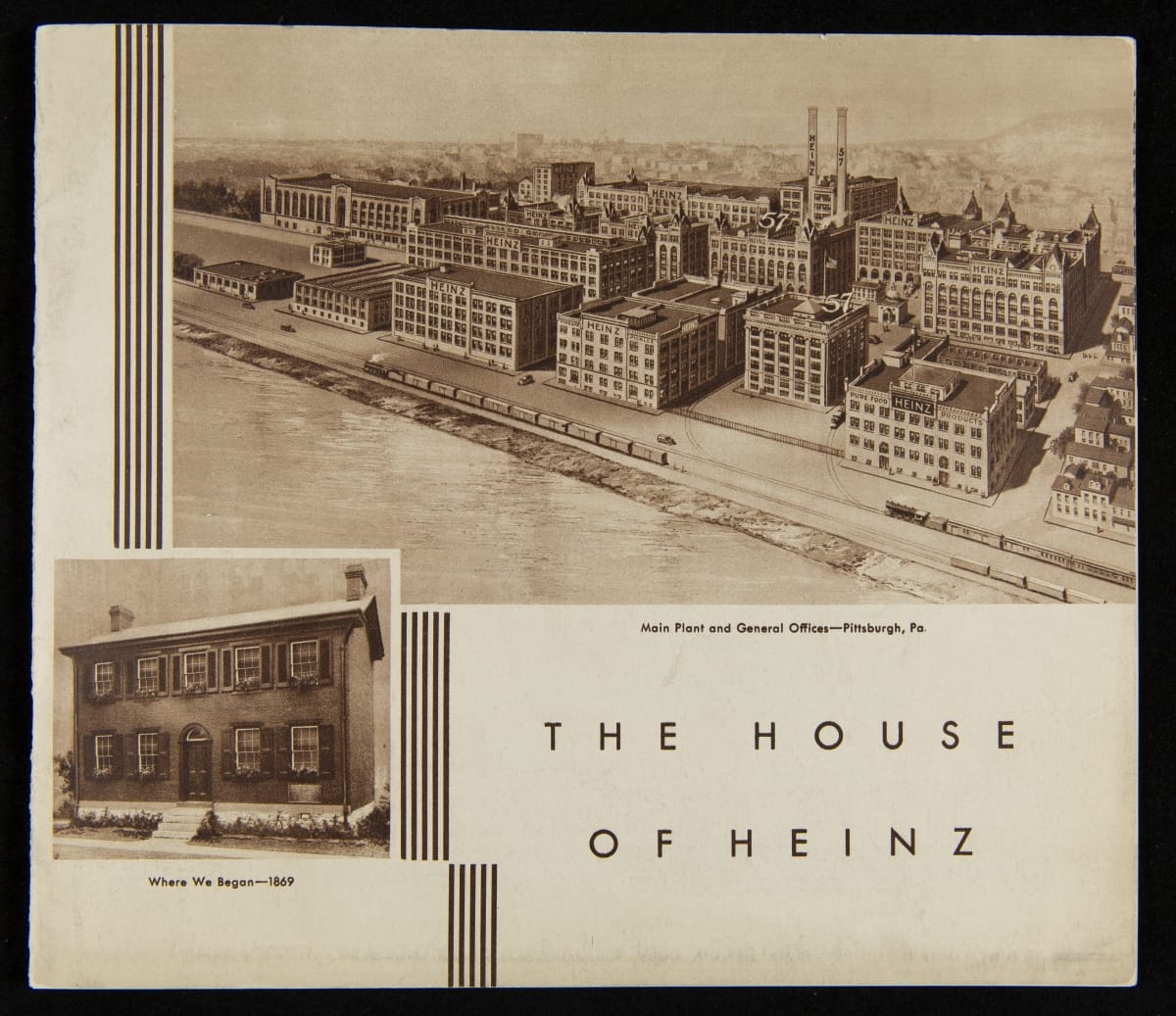
- The House of Heinz, circa 1929 - The H.J. Heinz Company was founded from humble beginnings in 1869. By the turn of the century it had become a well-known manufacturer of processed food. Its rapid success resulted in the expansion of its operations at home and abroad. This booklet from 1929 provides an overview of the many branch factories and buildings operated by the company, referred to as "The House of Heinz."
- circa 1929
- Collections - Artifact
The House of Heinz, circa 1929
The H.J. Heinz Company was founded from humble beginnings in 1869. By the turn of the century it had become a well-known manufacturer of processed food. Its rapid success resulted in the expansion of its operations at home and abroad. This booklet from 1929 provides an overview of the many branch factories and buildings operated by the company, referred to as "The House of Heinz."
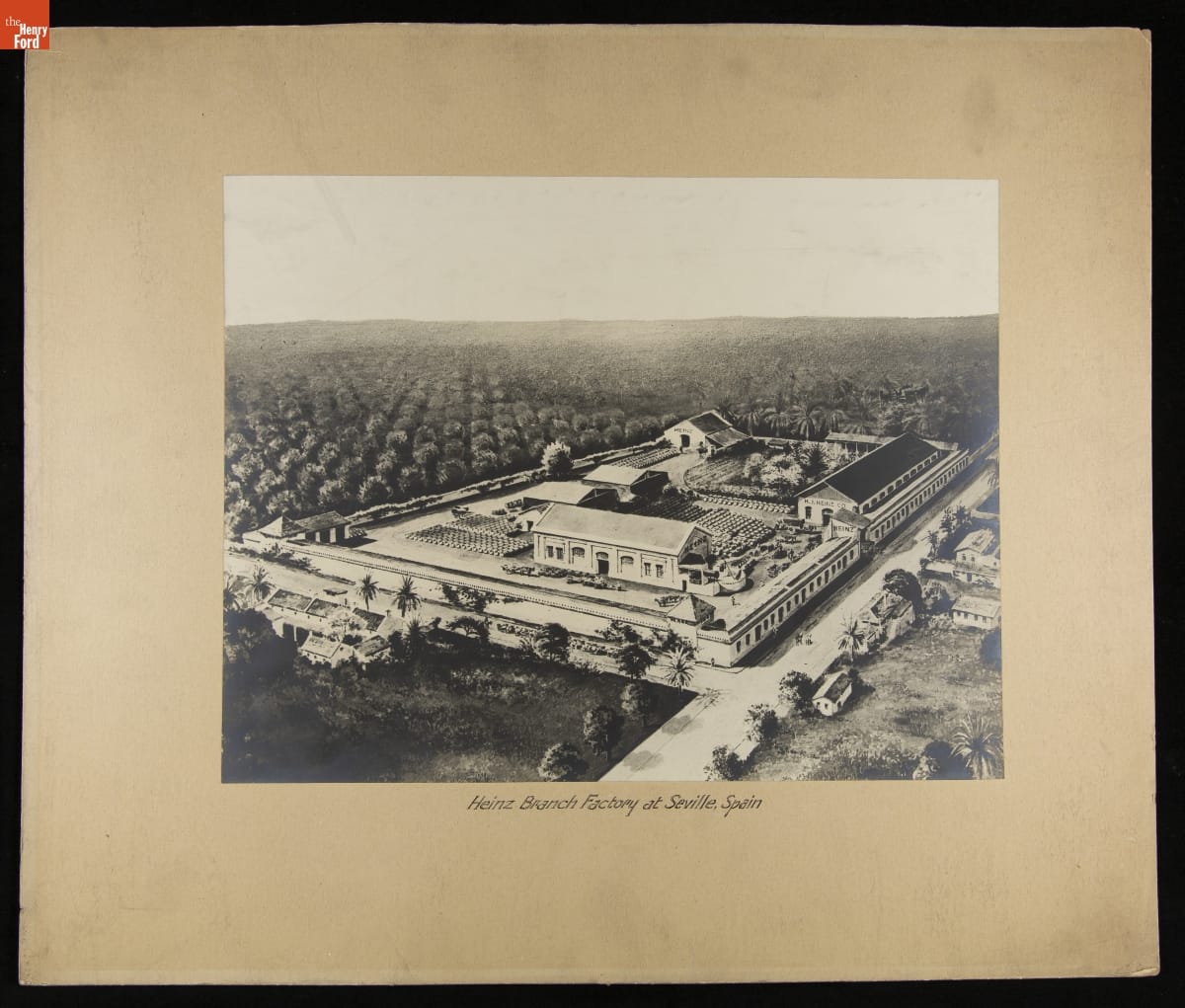
- Heinz Branch Factory in Seville, Spain, circa 1905 - H. J. Heinz recognized that specific climates and soil-types were best for each fruit and vegetable, ensuring a better taste for his products. He considered Spain to be the best for olives. Laborers picked the olives and sent them to the nearby Heinz factory (seen here) where they were cleaned, processed, and packaged in clear glass jars for market.
- circa 1905
- Collections - Artifact
Heinz Branch Factory in Seville, Spain, circa 1905
H. J. Heinz recognized that specific climates and soil-types were best for each fruit and vegetable, ensuring a better taste for his products. He considered Spain to be the best for olives. Laborers picked the olives and sent them to the nearby Heinz factory (seen here) where they were cleaned, processed, and packaged in clear glass jars for market.
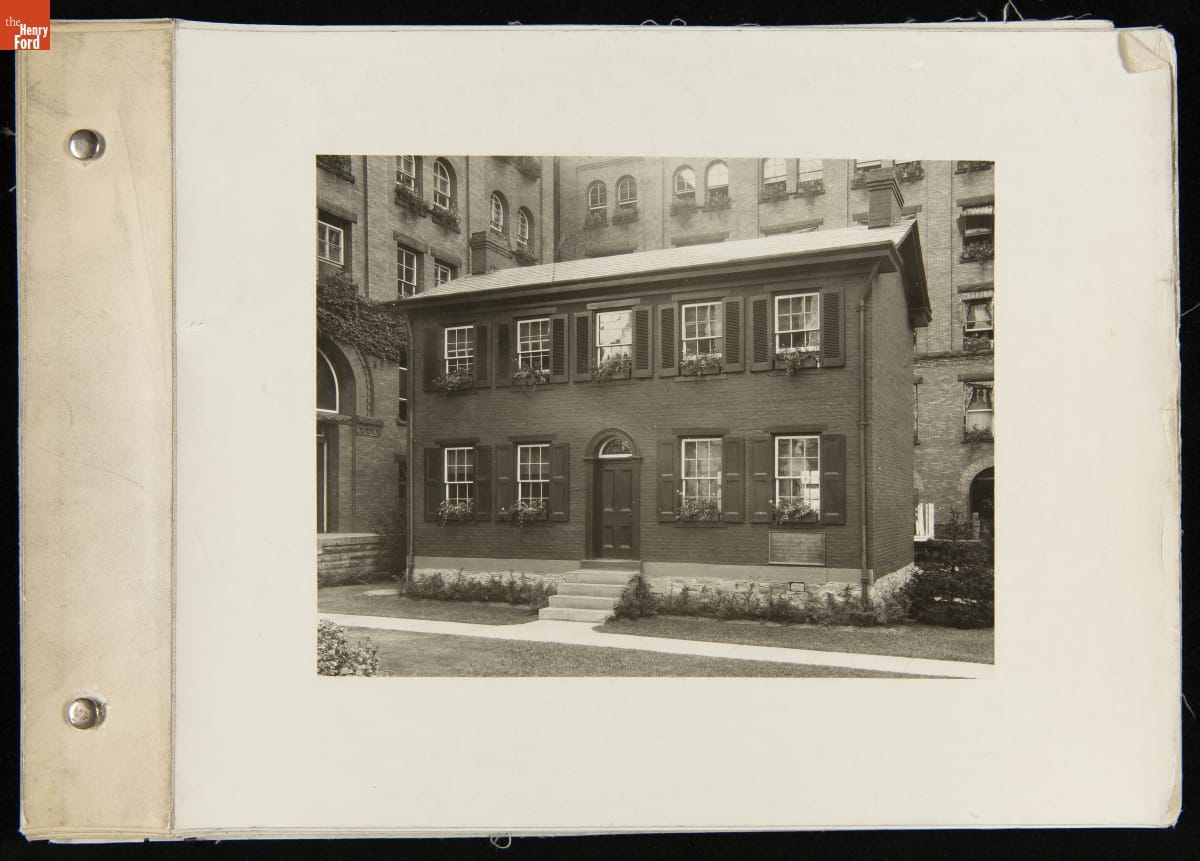
- Photograph Album of Heinz Company Buildings and Grocery Store Product Displays, circa 1930 - Company photograph albums are often reminders of the company's history, significant moments in time, and the employees who worked there. This album, compiled by the H.J. Heinz Company, includes photographs of Heinz House, Heinz Ocean Pier, window and store displays, factory plants, and employees.
- circa 1930
- Collections - Artifact
Photograph Album of Heinz Company Buildings and Grocery Store Product Displays, circa 1930
Company photograph albums are often reminders of the company's history, significant moments in time, and the employees who worked there. This album, compiled by the H.J. Heinz Company, includes photographs of Heinz House, Heinz Ocean Pier, window and store displays, factory plants, and employees.
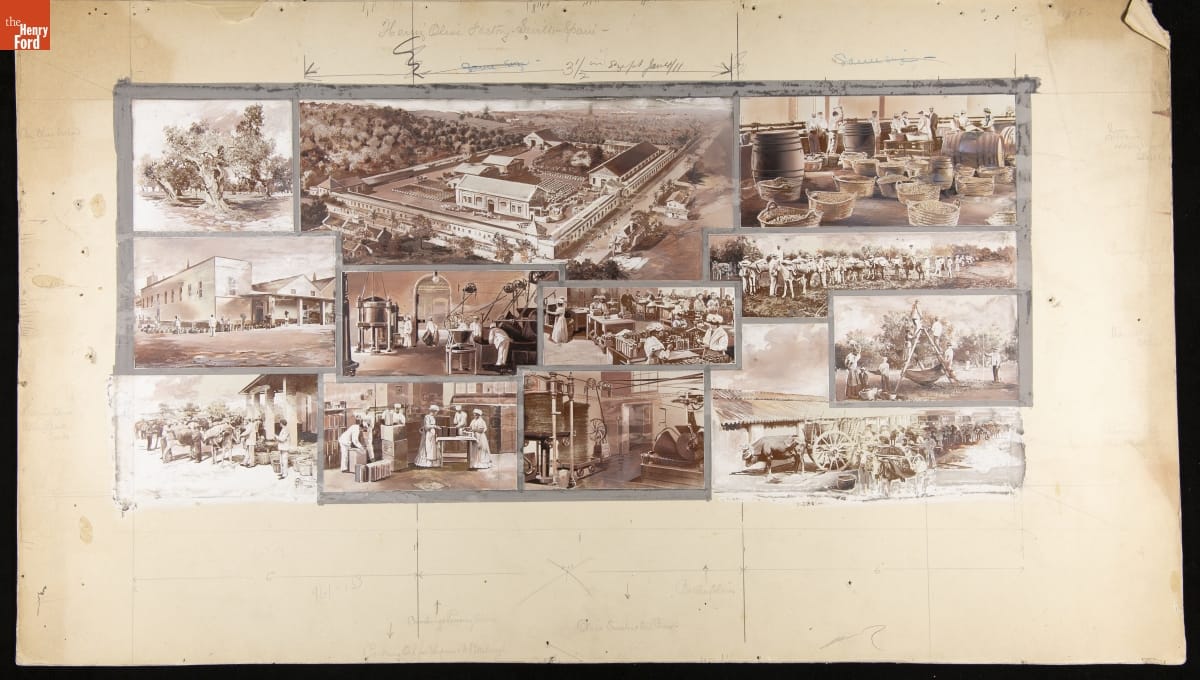
- Photomontage Showing Heinz Employees Processing Olives at the Heinz Factory in Seville, Spain, June 17, 1909 - Photographs of the H.J. Heinz factory -- including buildings, employees, and the manufacturing process -- were often taken and then modified for advertising and publications. This advertising layout features several modified photographs of the olive processing facility in Seville, Spain. The arrangement of these photos, featured in the catalog, "Home of the 57 Varieties," is a visual representation of how Heinz olive products are made.
- June 17, 1909
- Collections - Artifact
Photomontage Showing Heinz Employees Processing Olives at the Heinz Factory in Seville, Spain, June 17, 1909
Photographs of the H.J. Heinz factory -- including buildings, employees, and the manufacturing process -- were often taken and then modified for advertising and publications. This advertising layout features several modified photographs of the olive processing facility in Seville, Spain. The arrangement of these photos, featured in the catalog, "Home of the 57 Varieties," is a visual representation of how Heinz olive products are made.
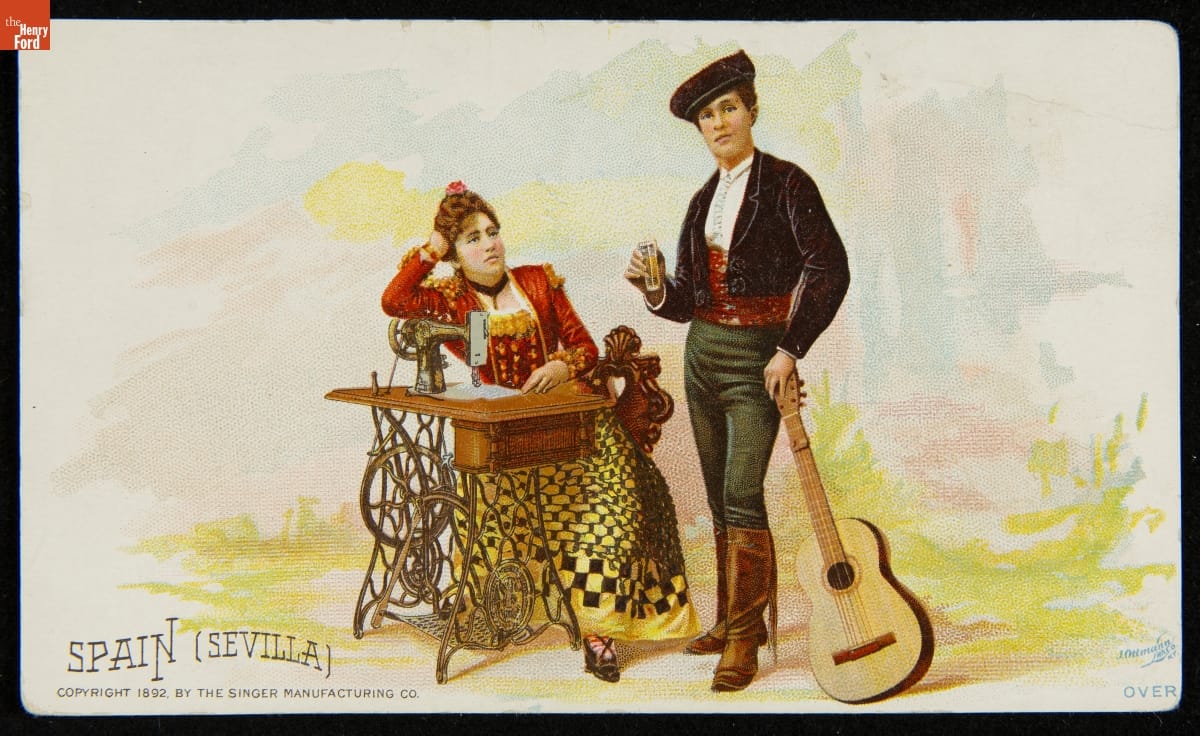
- Trade Card for Singer Sewing Machines, 1892 - As color printing gained momentum in the late 19th century, trade cards became a major means of advertising goods and services. Americans enjoyed and often saved the vibrant little advertisements found in product packages or distributed by local merchants. The Singer Sewing Machine Company had a series of trade cards, like this one, offering images of Singer machine users from around the world in their national dress.
- circa 1892
- Collections - Artifact
Trade Card for Singer Sewing Machines, 1892
As color printing gained momentum in the late 19th century, trade cards became a major means of advertising goods and services. Americans enjoyed and often saved the vibrant little advertisements found in product packages or distributed by local merchants. The Singer Sewing Machine Company had a series of trade cards, like this one, offering images of Singer machine users from around the world in their national dress.
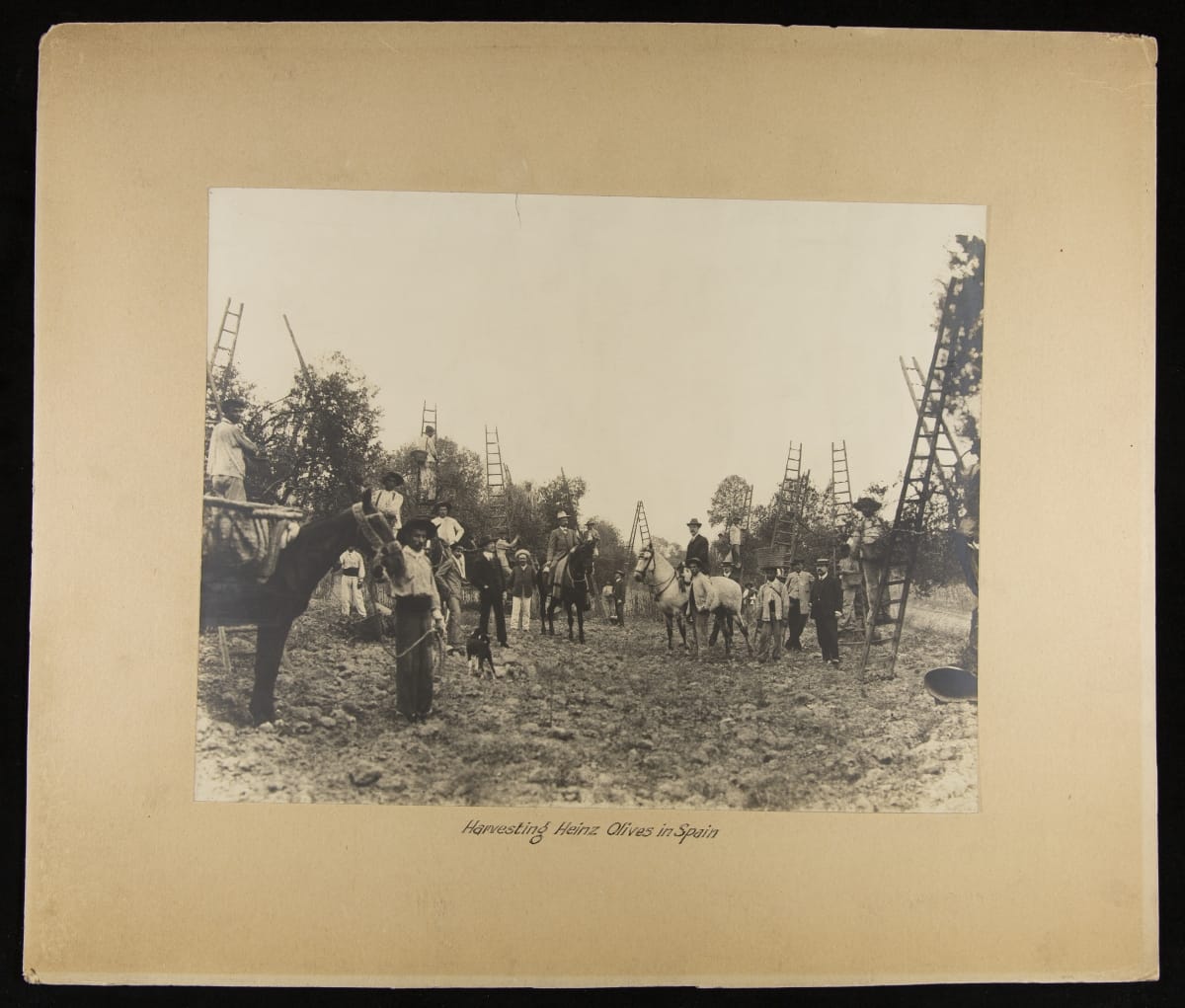
- Harvesting Olives in Seville, Spain, H. J. Heinz Company, 1904-1910 - H. J. Heinz recognized that specific climates and soil-types were best for each fruit and vegetable, ensuring a better taste for his products. He considered Spain to be the best for olives. Laborers picked the olives and sent them to the nearby Heinz factory where they were cleaned, processed, and packaged in clear glass jars for market.
- Collections - Artifact
Harvesting Olives in Seville, Spain, H. J. Heinz Company, 1904-1910
H. J. Heinz recognized that specific climates and soil-types were best for each fruit and vegetable, ensuring a better taste for his products. He considered Spain to be the best for olives. Laborers picked the olives and sent them to the nearby Heinz factory where they were cleaned, processed, and packaged in clear glass jars for market.