
Search
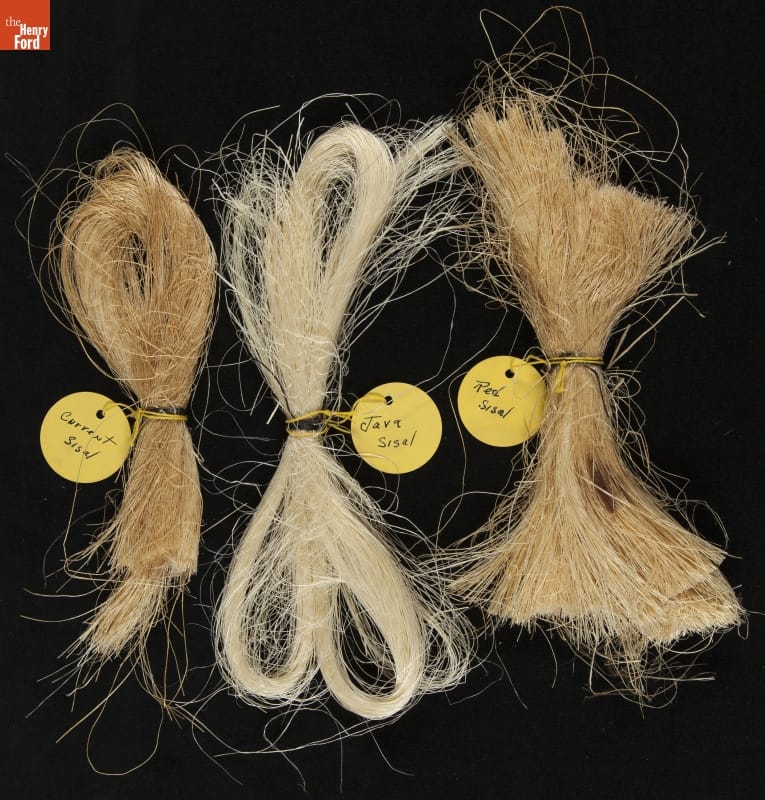
- "Plant Samples--Sample #73--Java Sisal, Red Sisal and Current Sisal, 1931" - In 1928, Henry Ford established rubber tree plantations in the Brazilian rainforest to supply rubber for automobile production. He also explored how to profit from the native plants already growing on his land holdings. Samples of Brazilian plants like this were sent to Ford's Rouge factory in Dearborn, Michigan, to determine if they could be used to make commercially viable products.
- June 04, 1931
- Collections - Artifact
"Plant Samples--Sample #73--Java Sisal, Red Sisal and Current Sisal, 1931"
In 1928, Henry Ford established rubber tree plantations in the Brazilian rainforest to supply rubber for automobile production. He also explored how to profit from the native plants already growing on his land holdings. Samples of Brazilian plants like this were sent to Ford's Rouge factory in Dearborn, Michigan, to determine if they could be used to make commercially viable products.
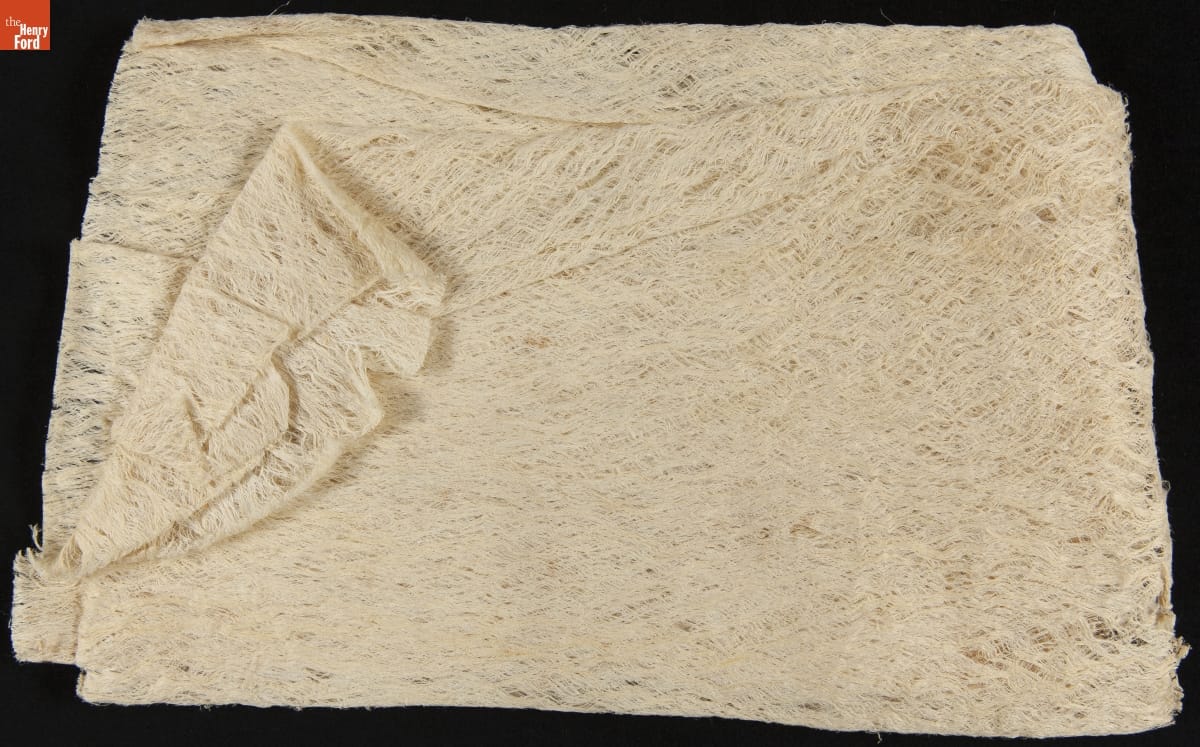
- Tree Bark and Wood Pulp Samples from Brazil, Sample #12, 1925-1928 - In 1928, Henry Ford established rubber tree plantations in the Brazilian rainforest to supply rubber for automobile production. He also explored how to profit from the native plants already growing on his land holdings. Samples of Brazilian plants like this were sent to Ford's Rouge factory in Dearborn, Michigan, to determine if they could be used to make commercially viable products.
- 1925-1928
- Collections - Artifact
Tree Bark and Wood Pulp Samples from Brazil, Sample #12, 1925-1928
In 1928, Henry Ford established rubber tree plantations in the Brazilian rainforest to supply rubber for automobile production. He also explored how to profit from the native plants already growing on his land holdings. Samples of Brazilian plants like this were sent to Ford's Rouge factory in Dearborn, Michigan, to determine if they could be used to make commercially viable products.
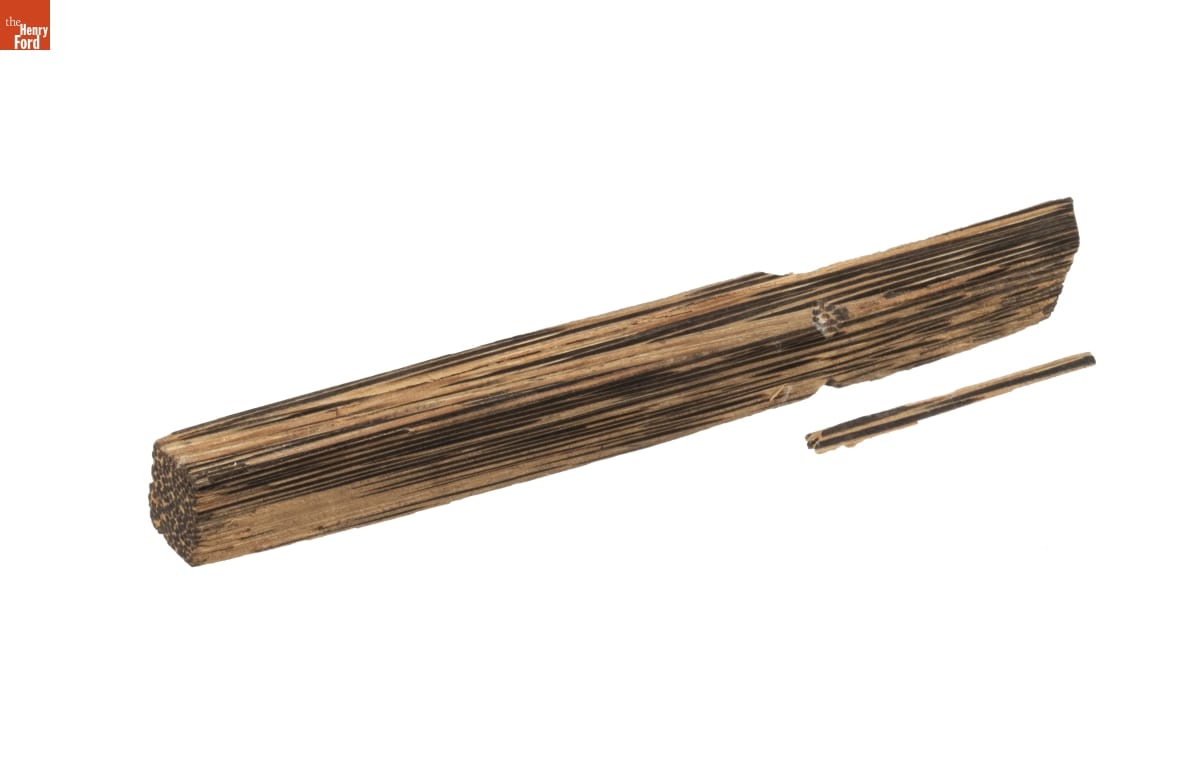
- Grugru Palmwood Sample -
- Collections - Artifact
Grugru Palmwood Sample
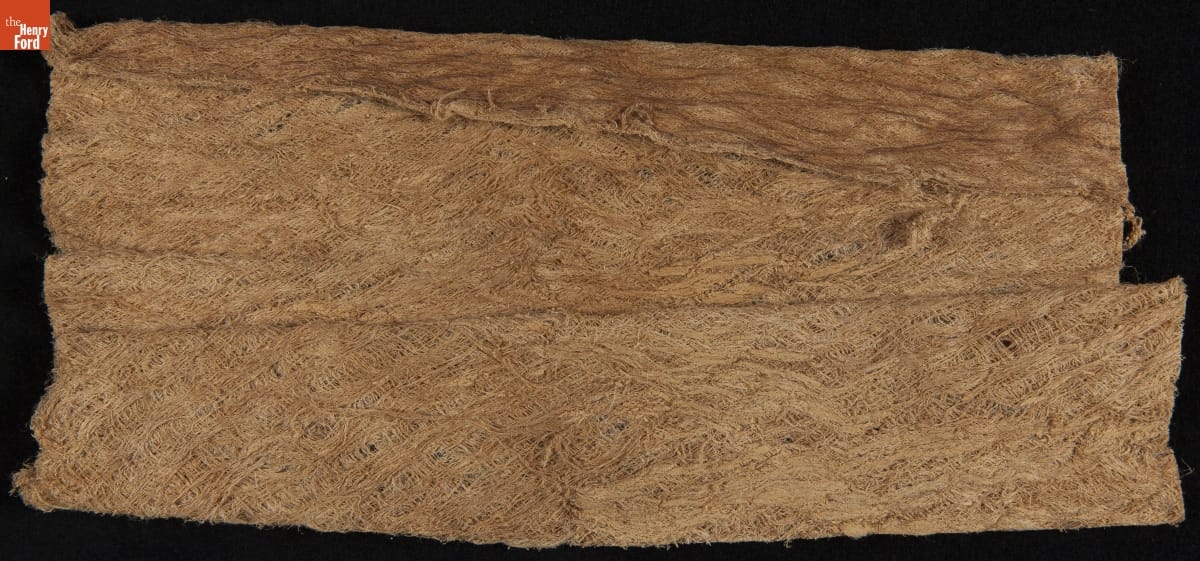
- Tree Bark and Wood Pulp Samples from Brazil, Sample #14, 1925-1928 - In 1928, Henry Ford established rubber tree plantations in the Brazilian rainforest to supply rubber for automobile production. He also explored how to profit from the native plants already growing on his land holdings. Samples of Brazilian plants like this were sent to Ford's Rouge factory in Dearborn, Michigan, to determine if they could be used to make commercially viable products.
- 1925-1928
- Collections - Artifact
Tree Bark and Wood Pulp Samples from Brazil, Sample #14, 1925-1928
In 1928, Henry Ford established rubber tree plantations in the Brazilian rainforest to supply rubber for automobile production. He also explored how to profit from the native plants already growing on his land holdings. Samples of Brazilian plants like this were sent to Ford's Rouge factory in Dearborn, Michigan, to determine if they could be used to make commercially viable products.
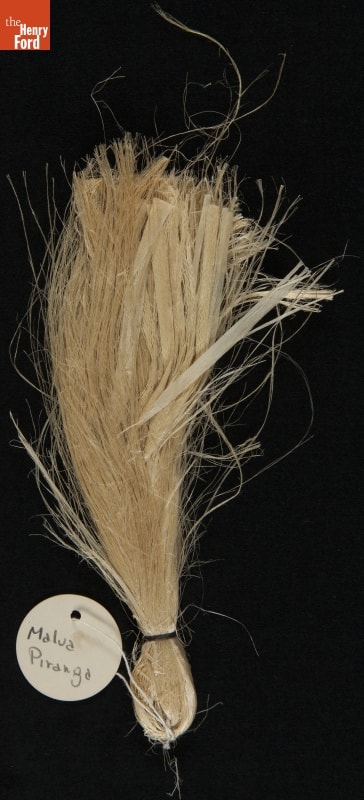
- "Plant Samples--Sample #49--Malva Pirango, 1931" - In 1928, Henry Ford established rubber tree plantations in the Brazilian rainforest to supply rubber for automobile production. He also explored how to profit from the native plants already growing on his land holdings. Samples of Brazilian plants like this were sent to Ford's Rouge factory in Dearborn, Michigan, to determine if they could be used to make commercially viable products.
- May 01, 1931
- Collections - Artifact
"Plant Samples--Sample #49--Malva Pirango, 1931"
In 1928, Henry Ford established rubber tree plantations in the Brazilian rainforest to supply rubber for automobile production. He also explored how to profit from the native plants already growing on his land holdings. Samples of Brazilian plants like this were sent to Ford's Rouge factory in Dearborn, Michigan, to determine if they could be used to make commercially viable products.
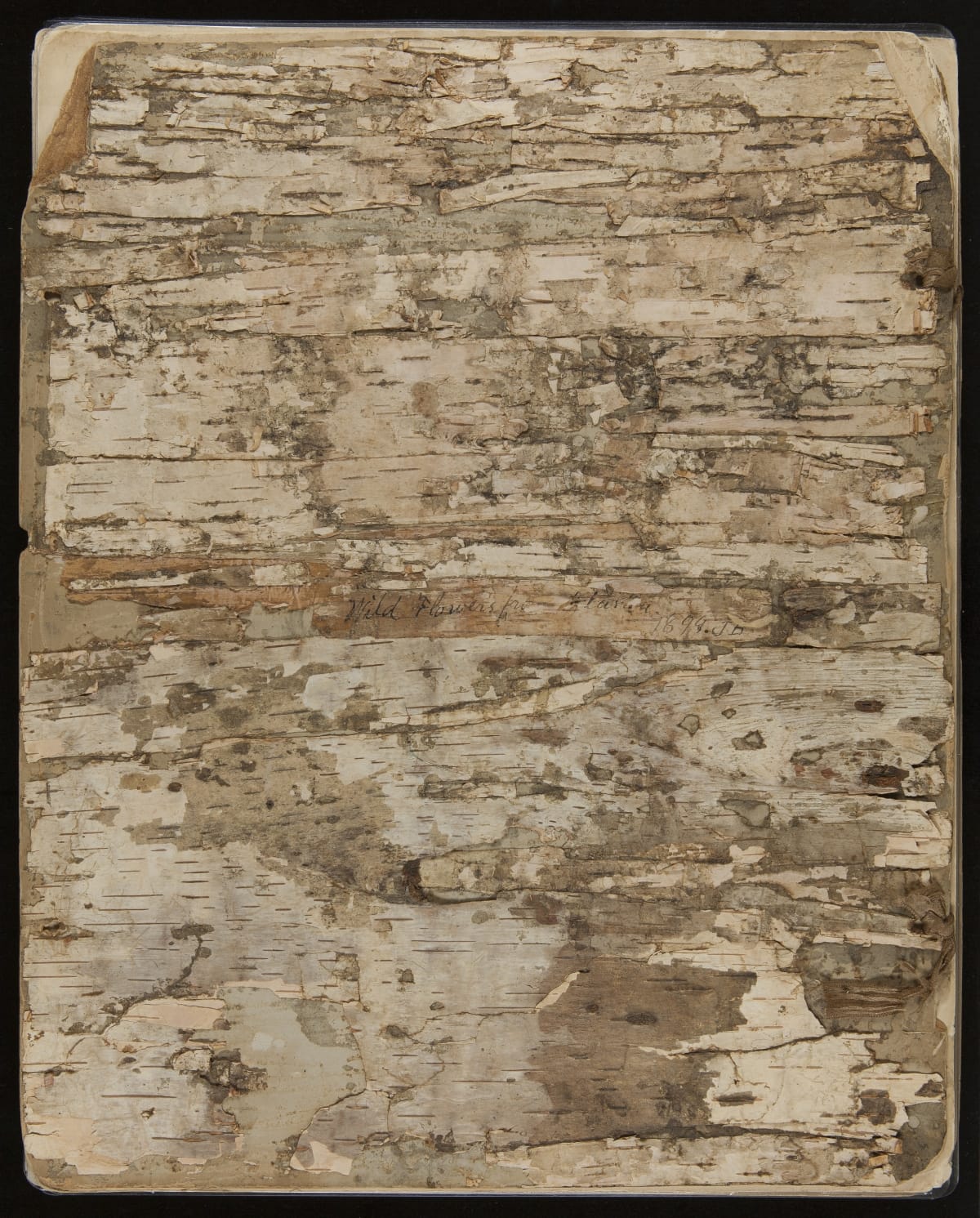
- John Burroughs' Album of Pressed Wildflowers Gathered during the Harriman Alaska Expedition, 1899 - In 1899, John Burroughs joined a group of more than 20 scientists, naturalists, and artists for a scientific exploration of the Alaskan coast. Financed and accompanied by railroad tycoon Edward H. Harriman, the expedition traveled aboard the lavishly refitted <EM>George W. Elder</EM>, collecting specimens along the way. Those specimens included native wildflowers, hand-picked by Burroughs and pressed into this book.
- 1899
- Collections - Artifact
John Burroughs' Album of Pressed Wildflowers Gathered during the Harriman Alaska Expedition, 1899
In 1899, John Burroughs joined a group of more than 20 scientists, naturalists, and artists for a scientific exploration of the Alaskan coast. Financed and accompanied by railroad tycoon Edward H. Harriman, the expedition traveled aboard the lavishly refitted George W. Elder, collecting specimens along the way. Those specimens included native wildflowers, hand-picked by Burroughs and pressed into this book.
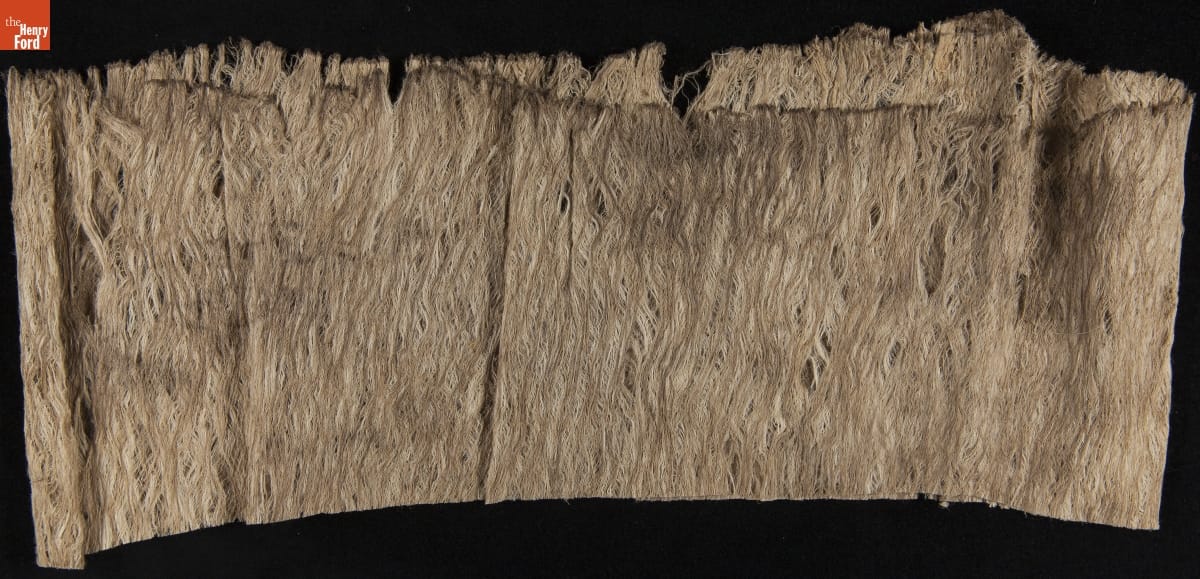
- Tree Bark and Wood Pulp Samples from Brazil, Sample #10, 1925-1928 - In 1928, Henry Ford established rubber tree plantations in the Brazilian rainforest to supply rubber for automobile production. He also explored how to profit from the native plants already growing on his land holdings. Samples of Brazilian plants like this were sent to Ford's Rouge factory in Dearborn, Michigan, to determine if they could be used to make commercially viable products.
- 1925-1928
- Collections - Artifact
Tree Bark and Wood Pulp Samples from Brazil, Sample #10, 1925-1928
In 1928, Henry Ford established rubber tree plantations in the Brazilian rainforest to supply rubber for automobile production. He also explored how to profit from the native plants already growing on his land holdings. Samples of Brazilian plants like this were sent to Ford's Rouge factory in Dearborn, Michigan, to determine if they could be used to make commercially viable products.
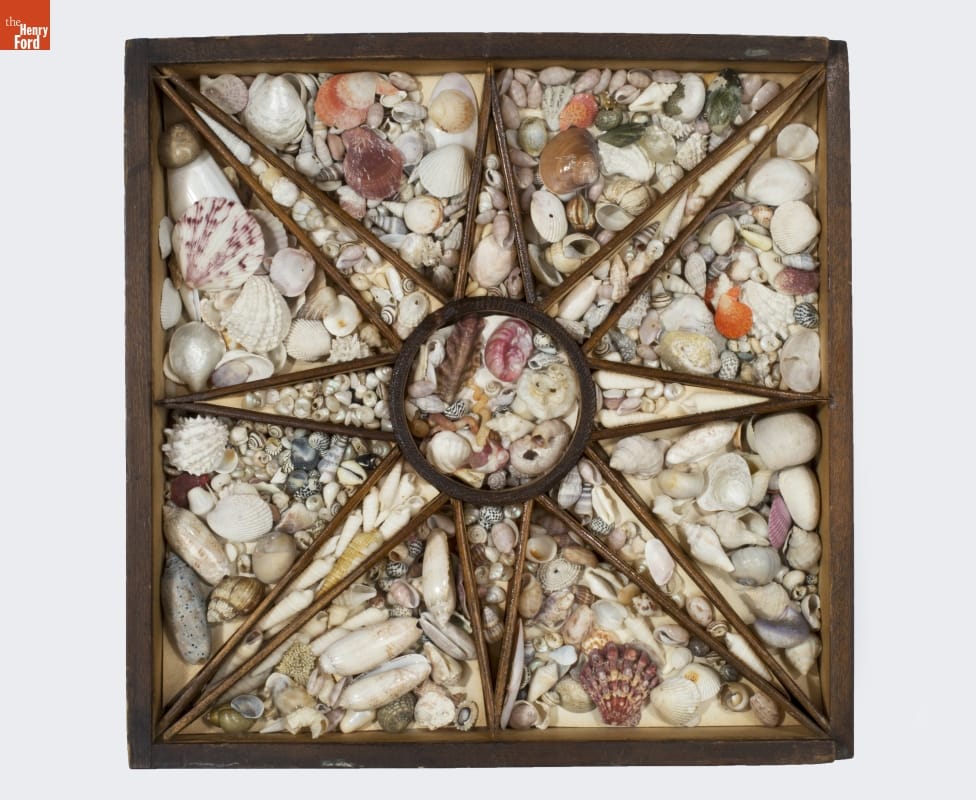
- Seashells, Collected by Thomas Edison, Fort Myers, Florida, circa 1885 -
- circa 1885
- Collections - Artifact
Seashells, Collected by Thomas Edison, Fort Myers, Florida, circa 1885
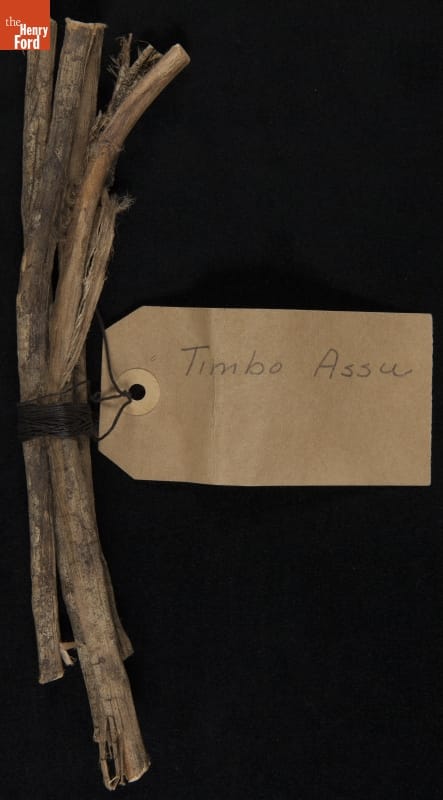
- Tree Bark and Wood Pulp Samples from Brazil, Sample #1, Timbo Assu, 1925-1928 - In 1928, Henry Ford established rubber tree plantations in the Brazilian rainforest to supply rubber for automobile production. He also explored how to profit from the native plants already growing on his land holdings. Samples of Brazilian plants like this were sent to Ford's Rouge factory in Dearborn, Michigan, to determine if they could be used to make commercially viable products.
- 1925-1928
- Collections - Artifact
Tree Bark and Wood Pulp Samples from Brazil, Sample #1, Timbo Assu, 1925-1928
In 1928, Henry Ford established rubber tree plantations in the Brazilian rainforest to supply rubber for automobile production. He also explored how to profit from the native plants already growing on his land holdings. Samples of Brazilian plants like this were sent to Ford's Rouge factory in Dearborn, Michigan, to determine if they could be used to make commercially viable products.
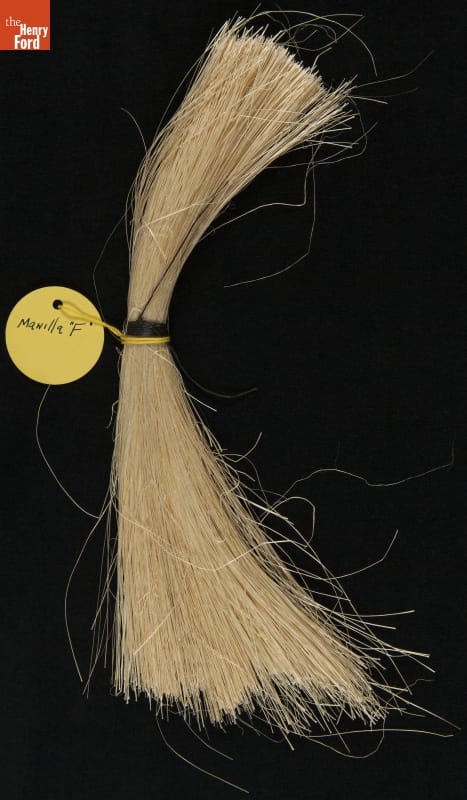
- "Plant Samples--Sample #9--Manilla String, 1931" - In 1928, Henry Ford established rubber tree plantations in the Brazilian rainforest to supply rubber for automobile production. He also explored how to profit from the native plants already growing on his land holdings. Samples of Brazilian plants like this were sent to Ford's Rouge factory in Dearborn, Michigan, to determine if they could be used to make commercially viable products.
- 1931
- Collections - Artifact
"Plant Samples--Sample #9--Manilla String, 1931"
In 1928, Henry Ford established rubber tree plantations in the Brazilian rainforest to supply rubber for automobile production. He also explored how to profit from the native plants already growing on his land holdings. Samples of Brazilian plants like this were sent to Ford's Rouge factory in Dearborn, Michigan, to determine if they could be used to make commercially viable products.