
Search
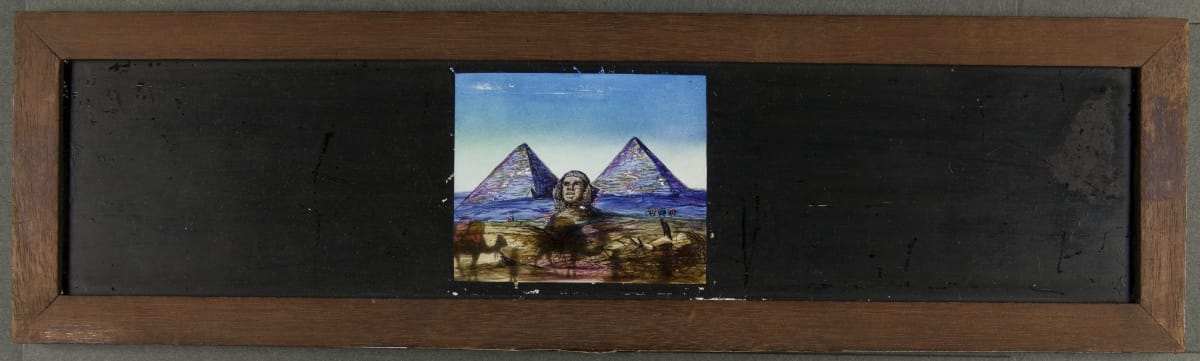
- Magic Lantern Slide Titled "The Pyramids of Egypt," 1880-1910 - Magic lanterns use a concave mirror and light source to project images on glass slides with painted or photographic scenes. Developed in the 17th century, magic lanterns predate slide projectors and motion pictures. In the hands of magicians, they became "lanterns of fright," projecting wondrous images and apparitions. Slide themes ranged widely: exotic travel, folklore, advertising, history, science, and art.
- 1880-1910
- Collections - Artifact
Magic Lantern Slide Titled "The Pyramids of Egypt," 1880-1910
Magic lanterns use a concave mirror and light source to project images on glass slides with painted or photographic scenes. Developed in the 17th century, magic lanterns predate slide projectors and motion pictures. In the hands of magicians, they became "lanterns of fright," projecting wondrous images and apparitions. Slide themes ranged widely: exotic travel, folklore, advertising, history, science, and art.
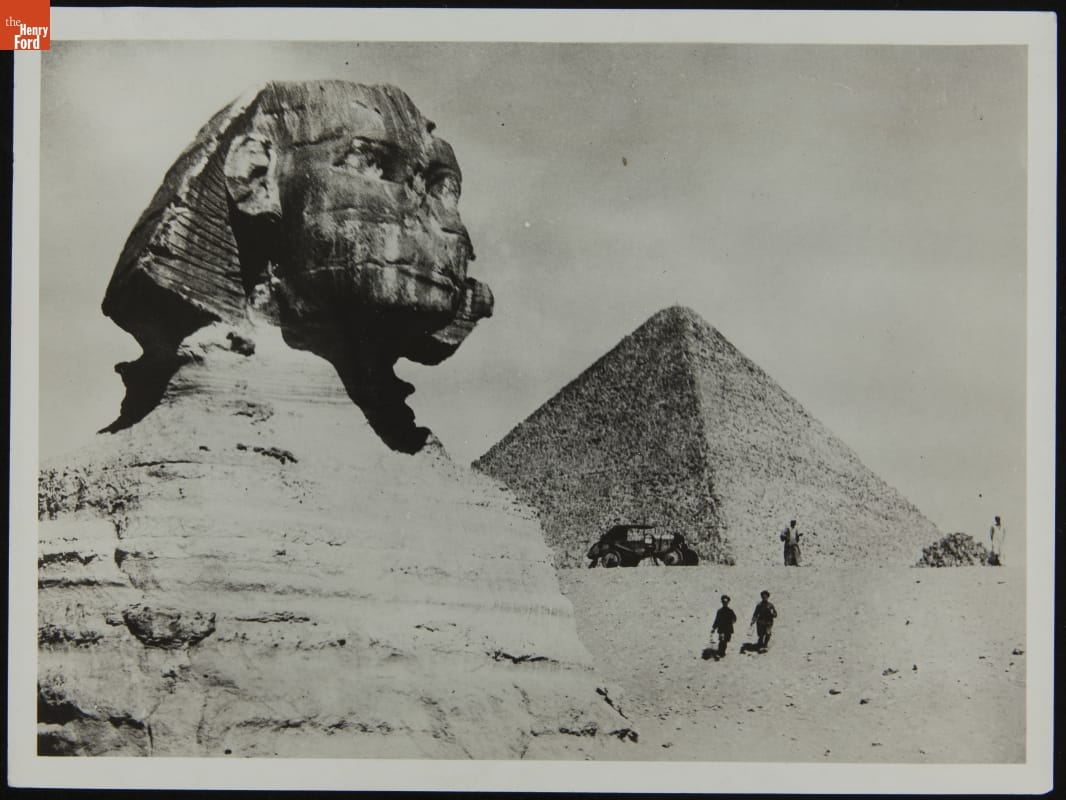
- Aloha Wanderwell Arrives at the Sphinx - Aloha Wanderwell Baker, born Idris Galcia Hall, was adventurous. In 1922, at the age of 16, she answered an ad to join the globe-trekking Captain Walter Wanderwell on his travels. Aloha crisscrossed Europe, journeyed across Africa and Asia, and then sailed for America and more adventures. Along the way, she became known as "the world's most traveled girl."
- 1924
- Collections - Artifact
Aloha Wanderwell Arrives at the Sphinx
Aloha Wanderwell Baker, born Idris Galcia Hall, was adventurous. In 1922, at the age of 16, she answered an ad to join the globe-trekking Captain Walter Wanderwell on his travels. Aloha crisscrossed Europe, journeyed across Africa and Asia, and then sailed for America and more adventures. Along the way, she became known as "the world's most traveled girl."
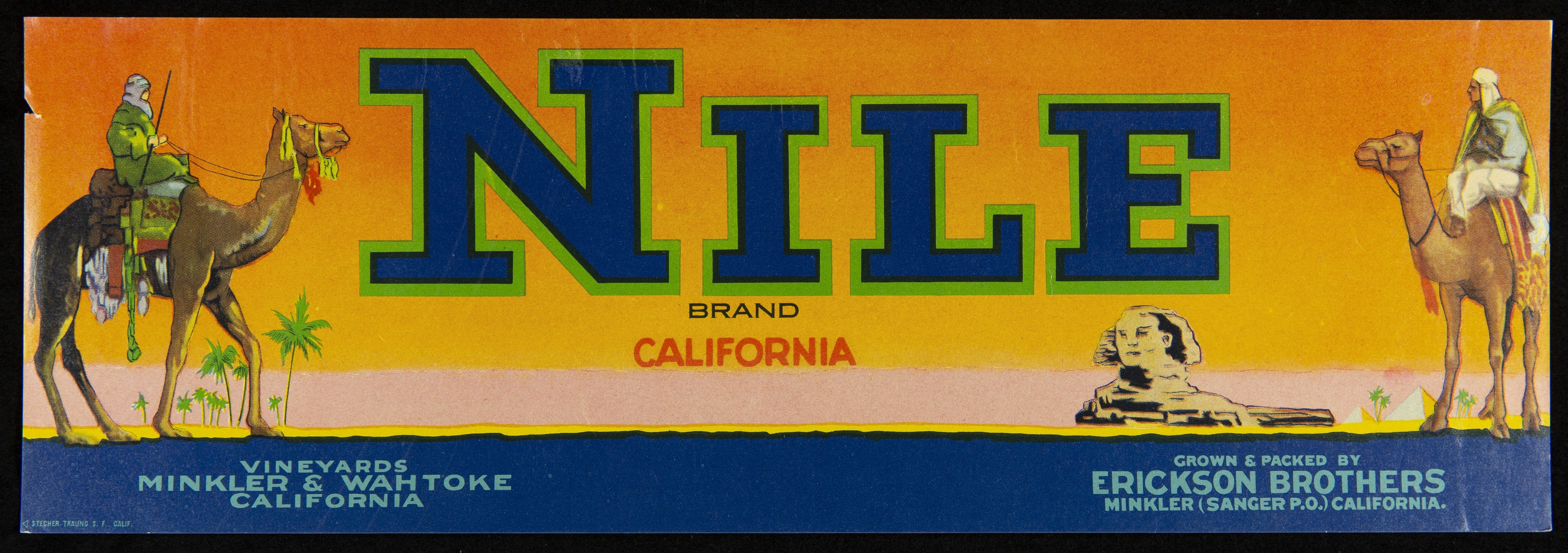
- Crate Label, "Nile Brand Product," circa 1940 - In 1869, the transcontinental railroad opened eastern markets to the West Coast produce industry for the first time. As produce companies shipped crates of fruits and vegetables across the country, they needed a way to distinguish their goods from their competitors'. Colorful, eye-catching labels, like this one for Nile Brand Produce, were created to attract grocers purchasing goods from wholesale markets.
- circa 1940
- Collections - Artifact
Crate Label, "Nile Brand Product," circa 1940
In 1869, the transcontinental railroad opened eastern markets to the West Coast produce industry for the first time. As produce companies shipped crates of fruits and vegetables across the country, they needed a way to distinguish their goods from their competitors'. Colorful, eye-catching labels, like this one for Nile Brand Produce, were created to attract grocers purchasing goods from wholesale markets.
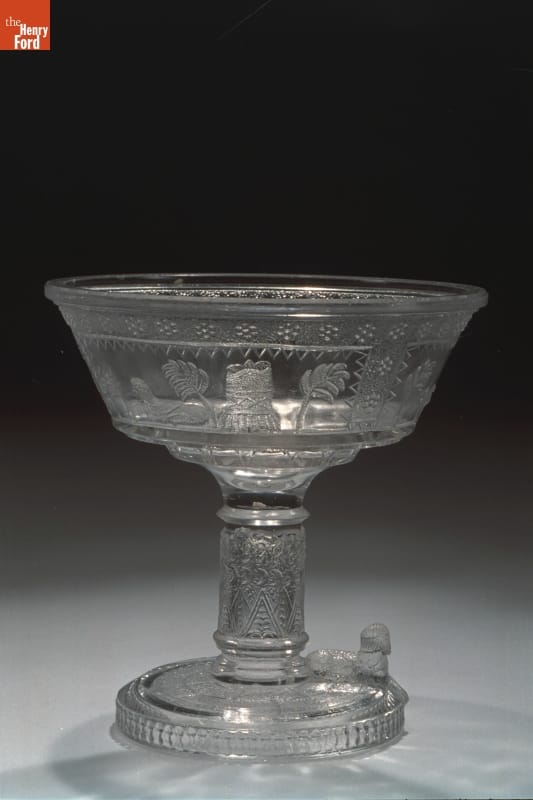
- Compote, 1880-1895 - Compotes are all-purpose serving dishes. These usually footed bowls -- with or without lids or covers -- held special desserts, fruits, candies or sauces, jellies and other foods. Blown or pressed glass compotes provided a culinary presentation method suitable to 19th-century middle-class households.
- 1880-1895
- Collections - Artifact
Compote, 1880-1895
Compotes are all-purpose serving dishes. These usually footed bowls -- with or without lids or covers -- held special desserts, fruits, candies or sauces, jellies and other foods. Blown or pressed glass compotes provided a culinary presentation method suitable to 19th-century middle-class households.