
Search
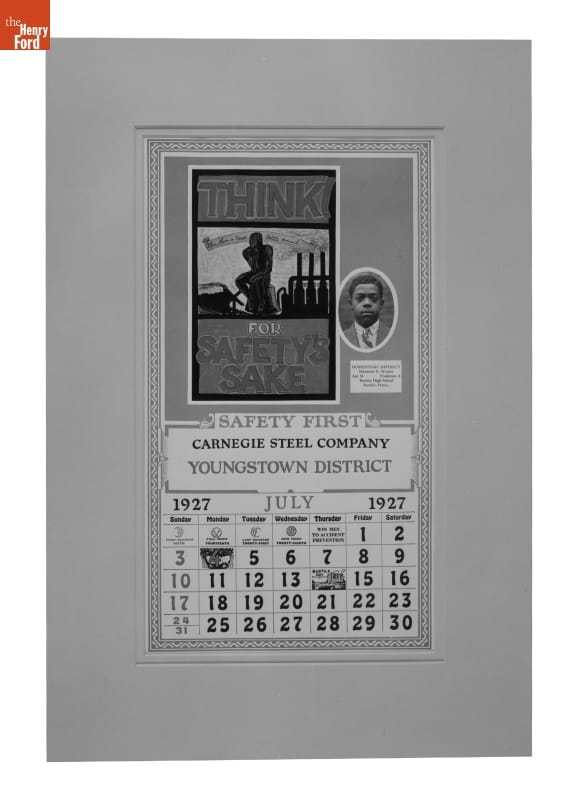
- Carnegie Steel Company "Safety First" Calendar, 1927 -
- 1927
- Collections - Artifact
Carnegie Steel Company "Safety First" Calendar, 1927
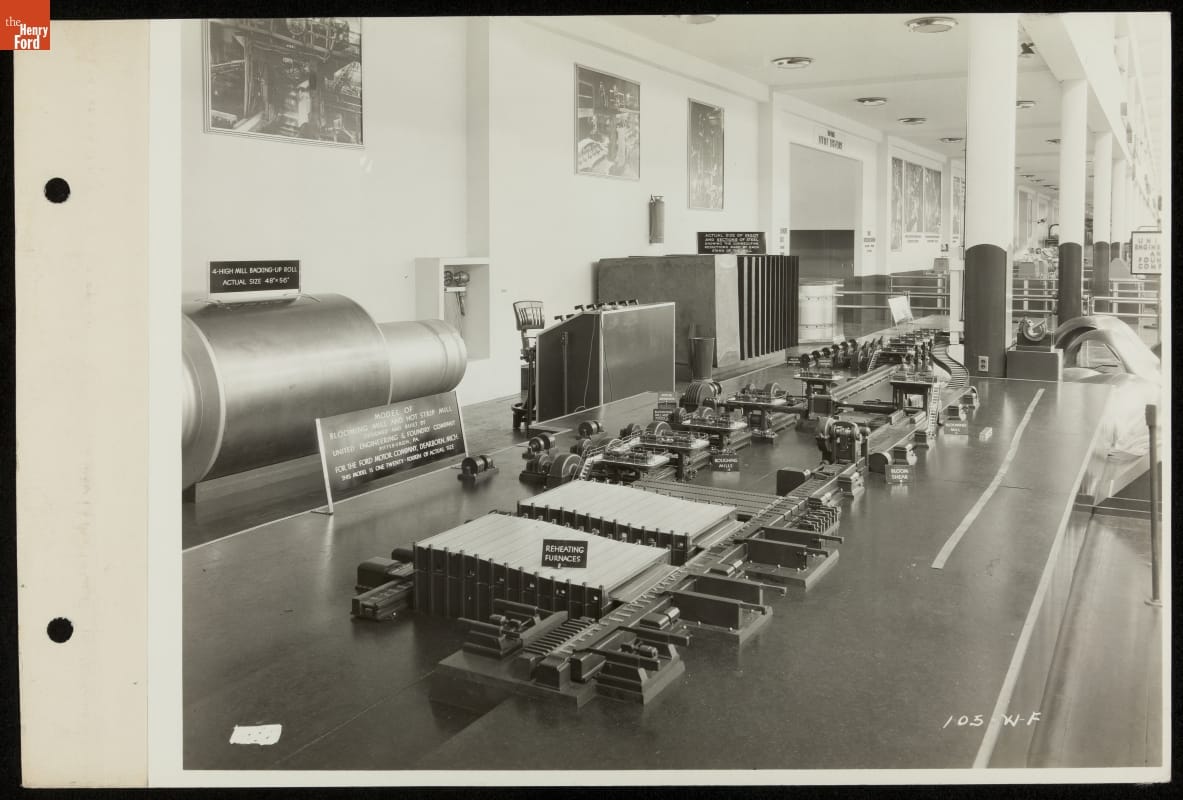
- Scale Model of Steel Industry Components, Ford Exhibition Building, Century of Progress International Exposition, Chicago, 1934 - Chicago's 1933-34 Century of Progress Exposition used the theme of progress to encourage optimism during the Depression. The Ford Exhibition Building, which sat on eleven acres at the fair and featured industrial demonstrations and informative displays like this, became the most talked-about exhibit of 1934.
- 1934
- Collections - Artifact
Scale Model of Steel Industry Components, Ford Exhibition Building, Century of Progress International Exposition, Chicago, 1934
Chicago's 1933-34 Century of Progress Exposition used the theme of progress to encourage optimism during the Depression. The Ford Exhibition Building, which sat on eleven acres at the fair and featured industrial demonstrations and informative displays like this, became the most talked-about exhibit of 1934.
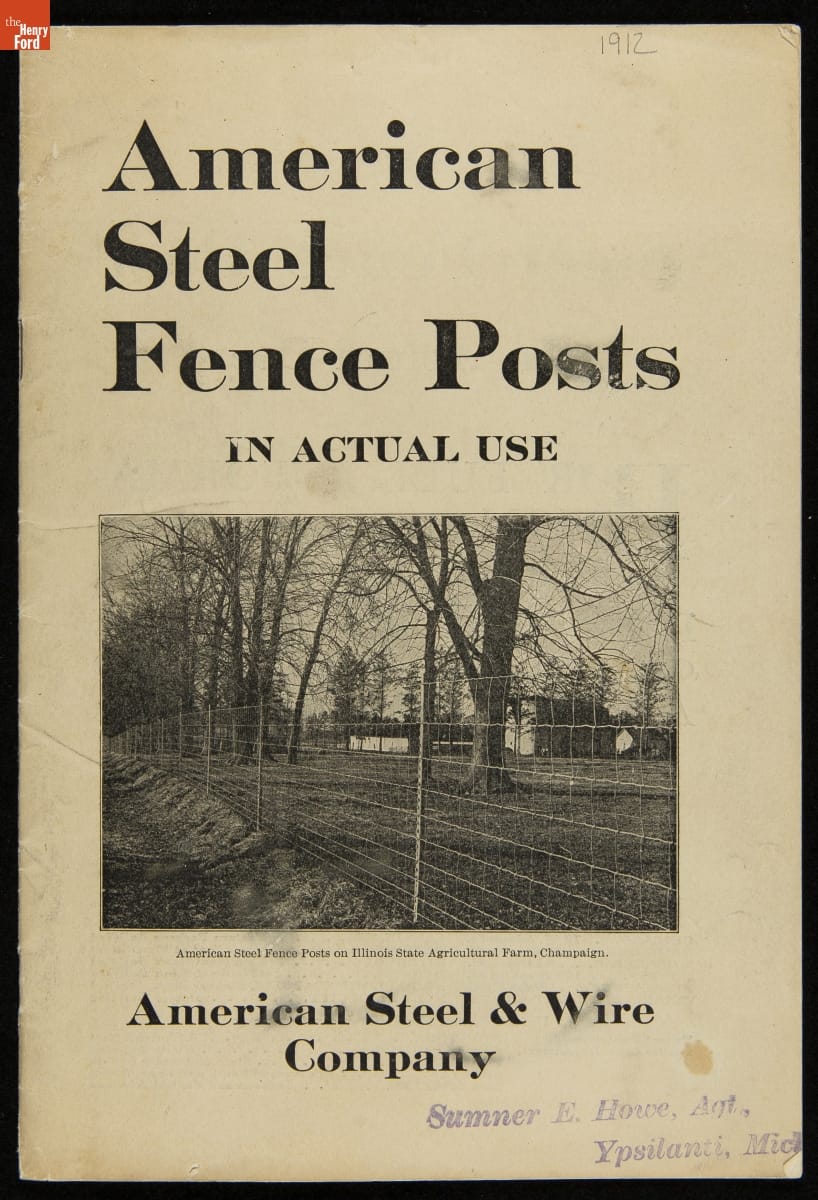
- American Steel and Wire Co. Trade Catalog, "American Steel Fence Posts in Actual Use," May 1912 -
- May 01, 1912
- Collections - Artifact
American Steel and Wire Co. Trade Catalog, "American Steel Fence Posts in Actual Use," May 1912
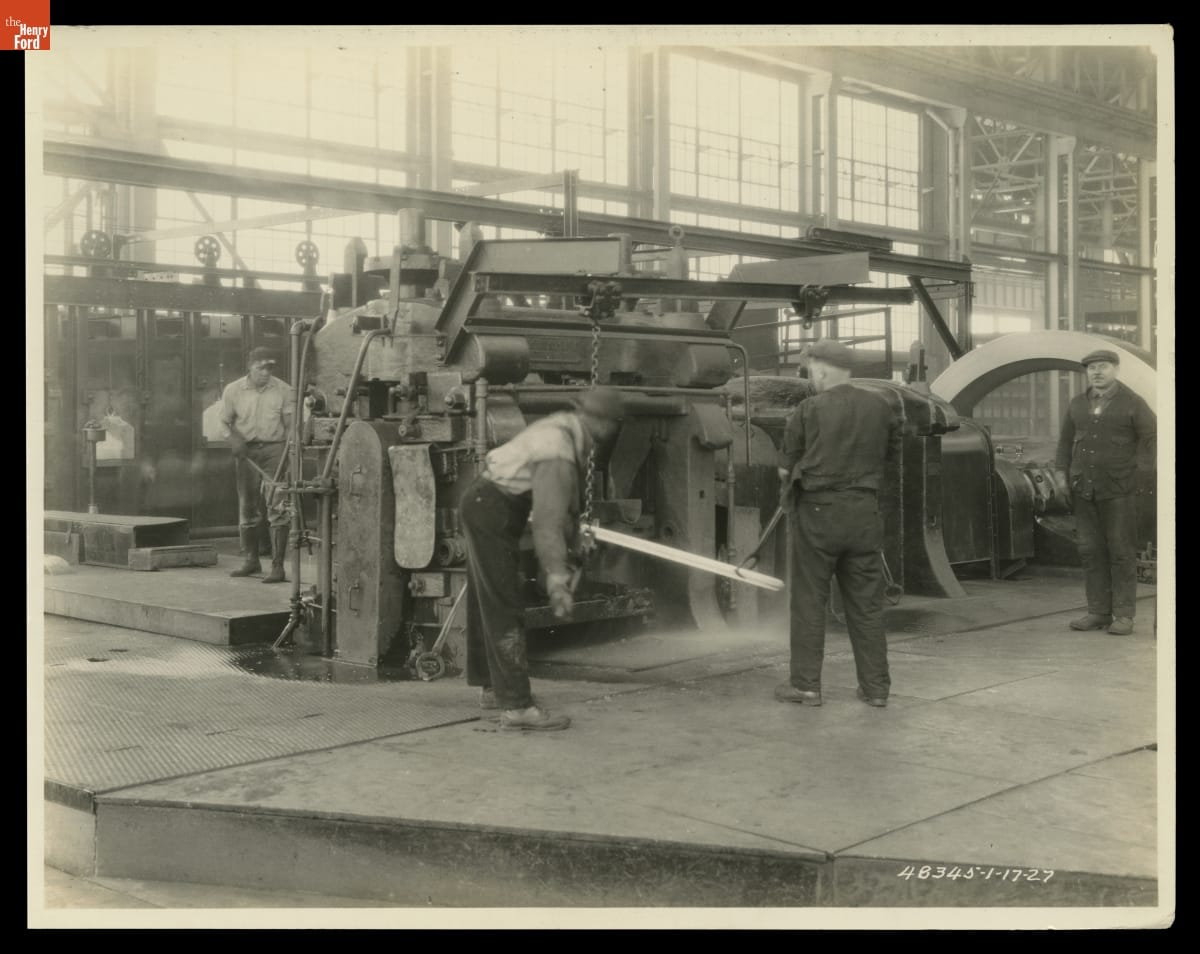
- Workers in Steel Mill at Fordson Tractor Plant, Dearborn, Michigan, January 1927 -
- January 17, 1927
- Collections - Artifact
Workers in Steel Mill at Fordson Tractor Plant, Dearborn, Michigan, January 1927
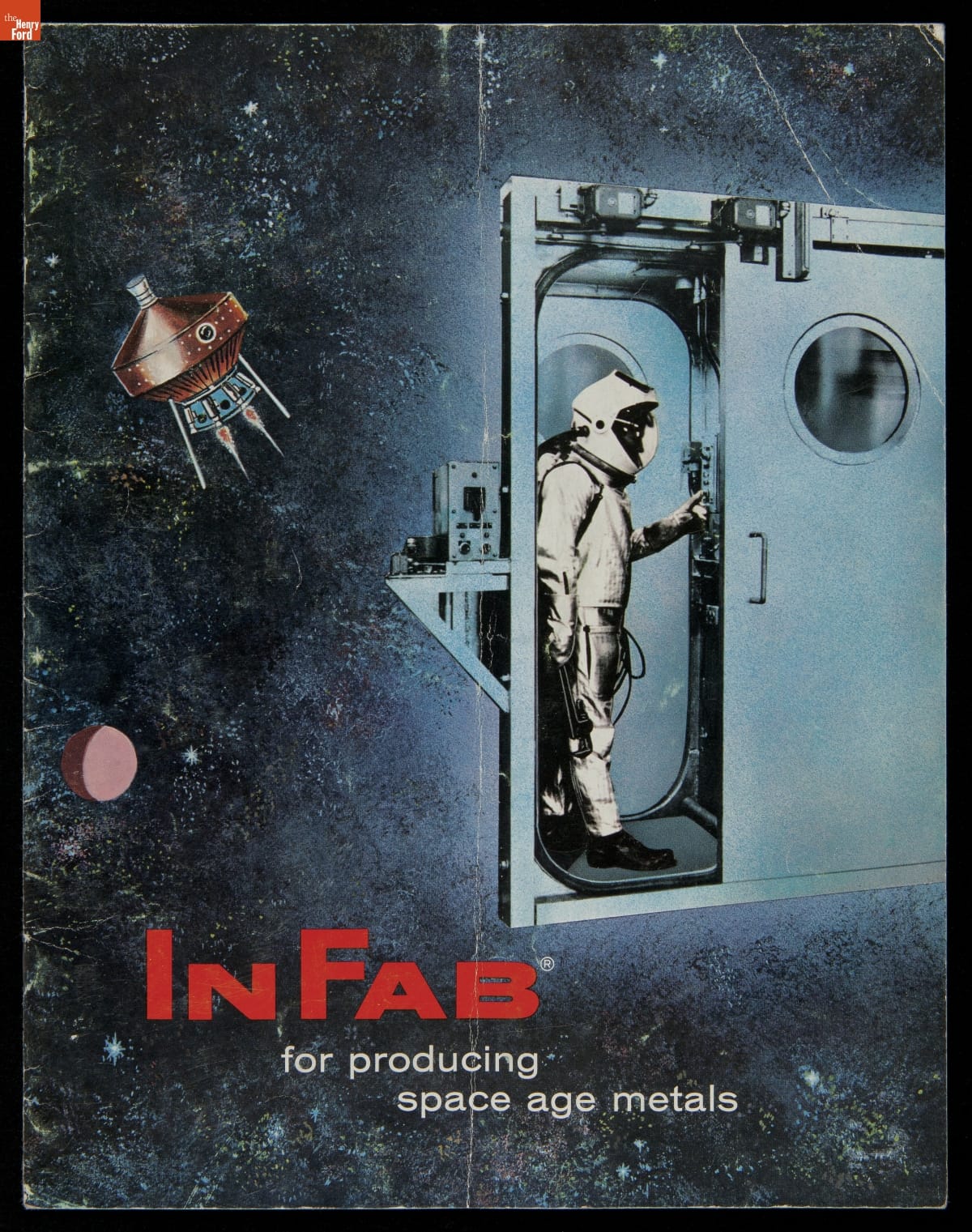
- Universal Cyclops Steel Corporation Brochure, "InFab for Producing Space Age Materials," 1959-1961 -
- 1959-1961
- Collections - Artifact
Universal Cyclops Steel Corporation Brochure, "InFab for Producing Space Age Materials," 1959-1961
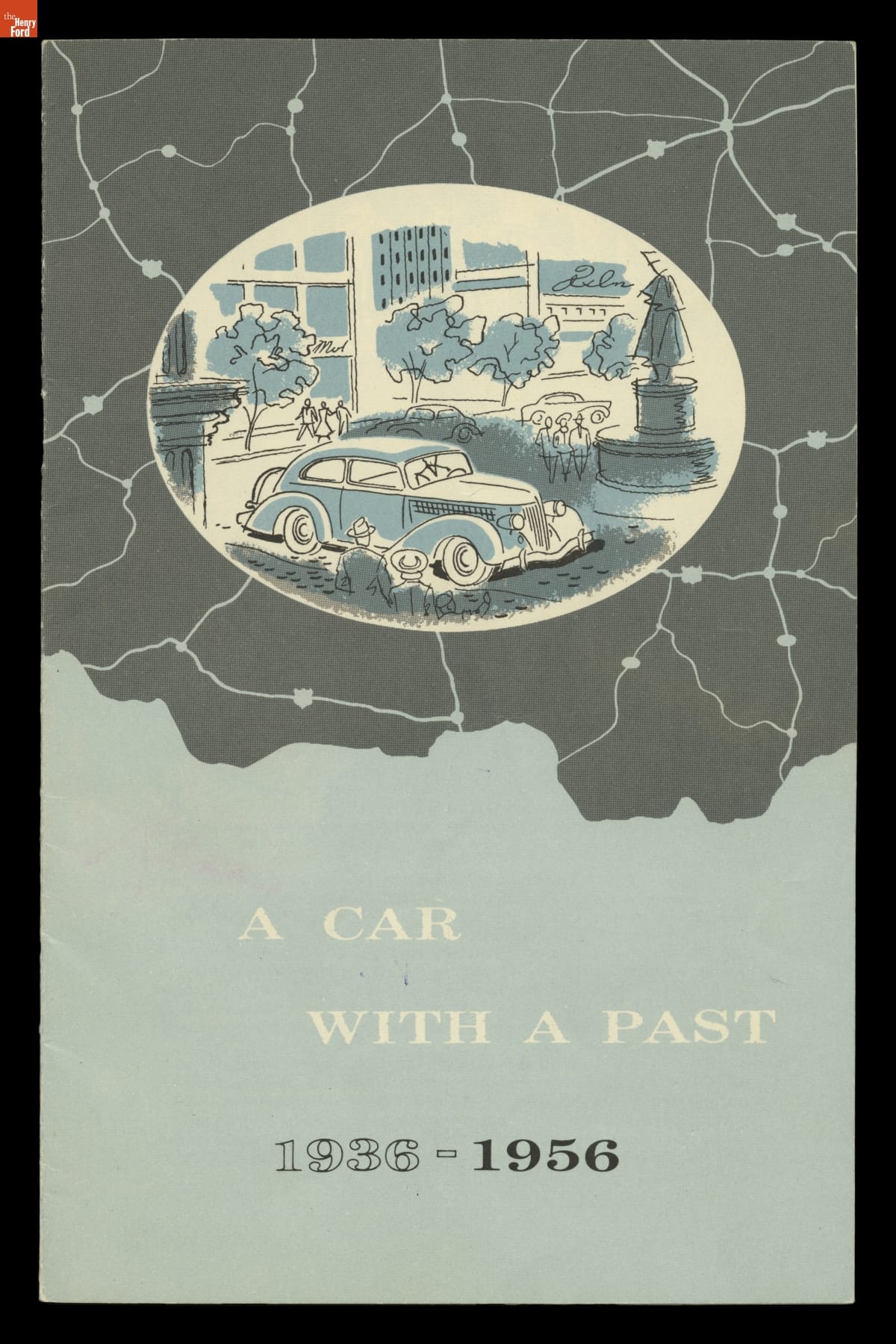
- Sales Brochure, "A Car with a Past," 1956 - In 1936, Pittsburgh's Allegheny Ludlum Steel Corporation partnered with Ford Motor Company to build six automobiles with stainless steel bodies. The cars promoted the strength and corrosion resistance of Allegheny Ludlum's special high-chromium metal. Each car was driven some 200,000 miles before the fleet was retired in 1946 -- and the rust-free bodies still looked great.
- 1936-1956
- Collections - Artifact
Sales Brochure, "A Car with a Past," 1956
In 1936, Pittsburgh's Allegheny Ludlum Steel Corporation partnered with Ford Motor Company to build six automobiles with stainless steel bodies. The cars promoted the strength and corrosion resistance of Allegheny Ludlum's special high-chromium metal. Each car was driven some 200,000 miles before the fleet was retired in 1946 -- and the rust-free bodies still looked great.
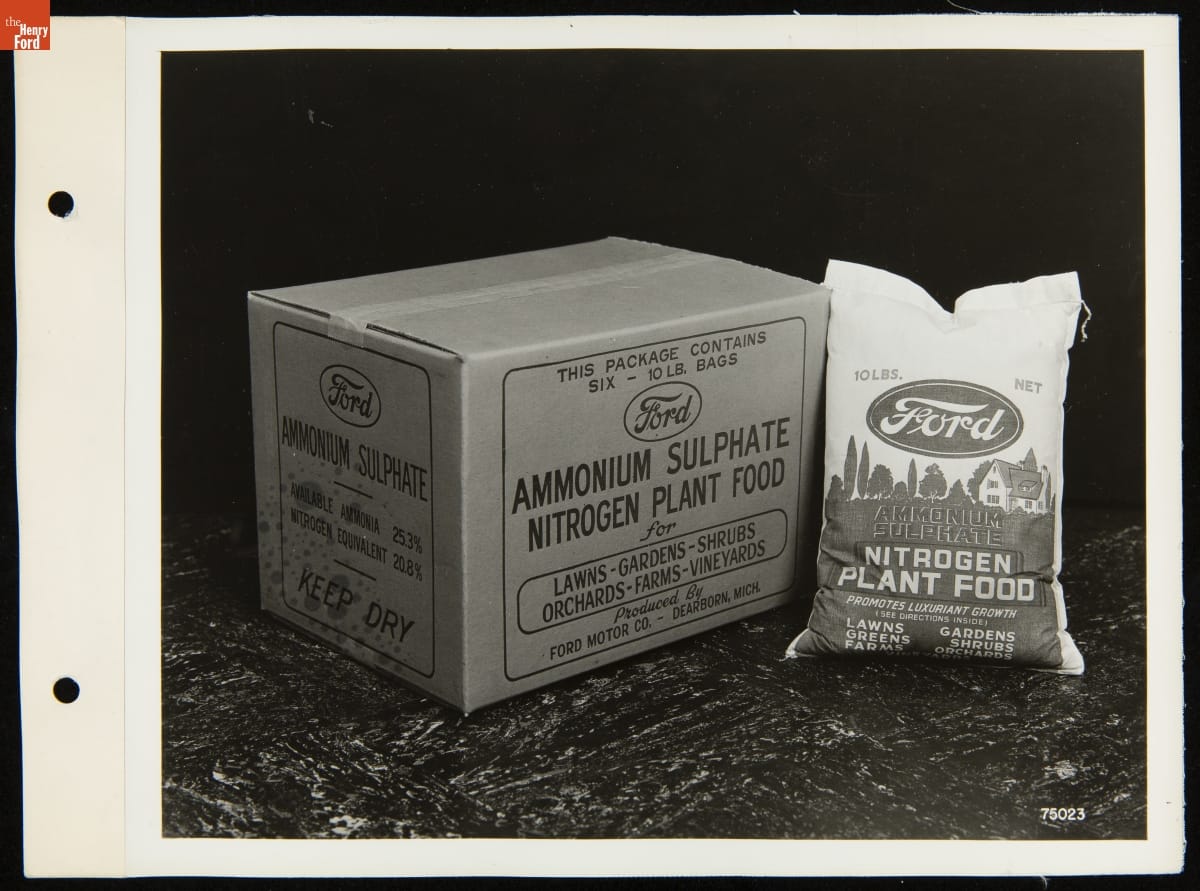
- Ford Ammonium Sulphate Nitrogen Plant Food, February 19, 1941 -
- February 19, 1941
- Collections - Artifact
Ford Ammonium Sulphate Nitrogen Plant Food, February 19, 1941
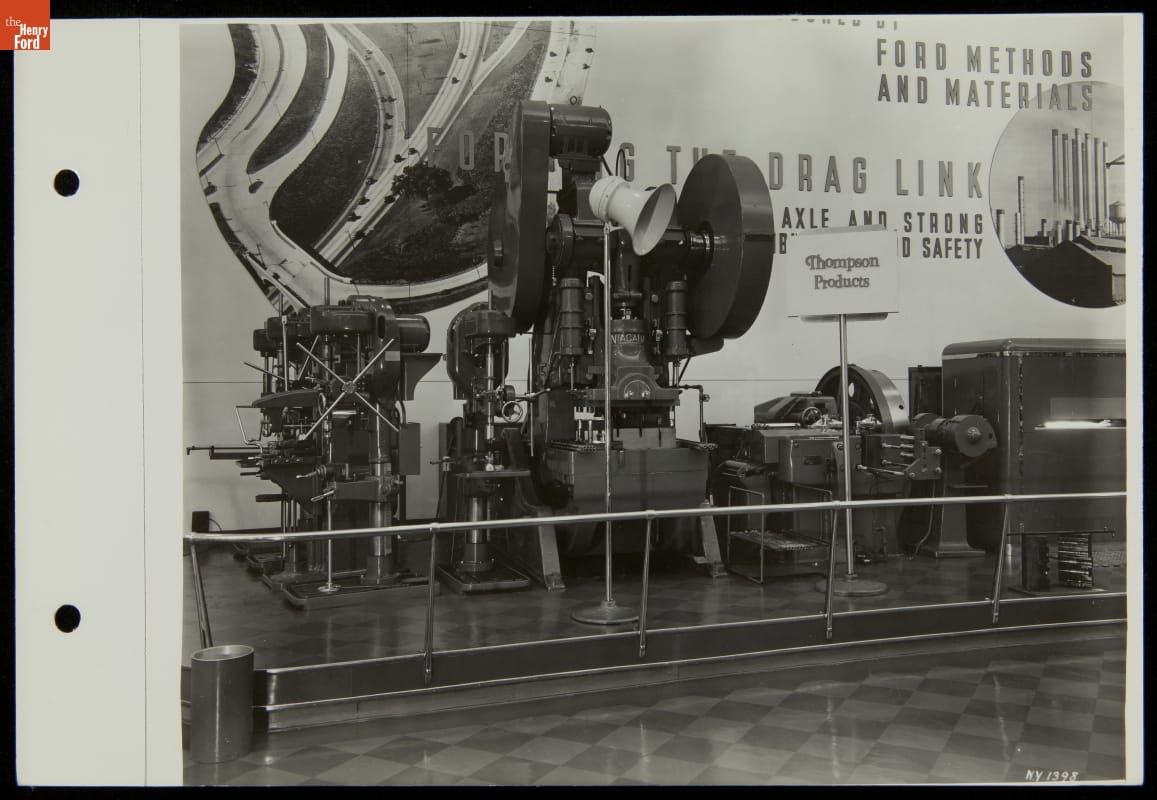
- Industrial Hall Exhibit, "Forging the Drag Link," Ford Exposition, New York World's Fair, 1939 - Ford Motor Company poured resources into the 1939-40 New York World's Fair, spending more than $5 million to construct and maintain its elaborate and well-attended exhibition space. Ford's massive exhibition building attracted fairgoers with industrial demonstrations and informative displays, such as this exhibit in the industrial hall.
- October 30, 1939
- Collections - Artifact
Industrial Hall Exhibit, "Forging the Drag Link," Ford Exposition, New York World's Fair, 1939
Ford Motor Company poured resources into the 1939-40 New York World's Fair, spending more than $5 million to construct and maintain its elaborate and well-attended exhibition space. Ford's massive exhibition building attracted fairgoers with industrial demonstrations and informative displays, such as this exhibit in the industrial hall.
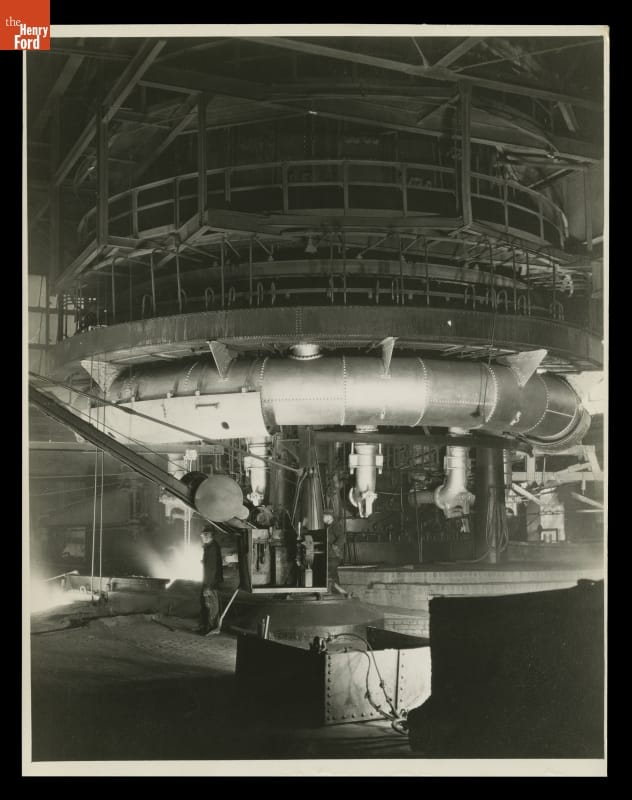
- Blast Furnace at Ford Rouge Plant, 1927 - In 1927 Ford Motor Company commissioned Charles Sheeler to do a series of documentary photographs of its River Rouge industrial complex near Dearborn, Michigan. This photograph shows a blast furnace cast house. The bustle pipe, used to blast hot air into the furnace, encircles the base. Sheeler captures the breathtaking moment when the brightly shining molten metal illuminates the interior.
- 1927
- Collections - Artifact
Blast Furnace at Ford Rouge Plant, 1927
In 1927 Ford Motor Company commissioned Charles Sheeler to do a series of documentary photographs of its River Rouge industrial complex near Dearborn, Michigan. This photograph shows a blast furnace cast house. The bustle pipe, used to blast hot air into the furnace, encircles the base. Sheeler captures the breathtaking moment when the brightly shining molten metal illuminates the interior.
- Brochure, "Study in Steel - 1962" -
- 1962
- Collections - Artifact
Brochure, "Study in Steel - 1962"