
Search
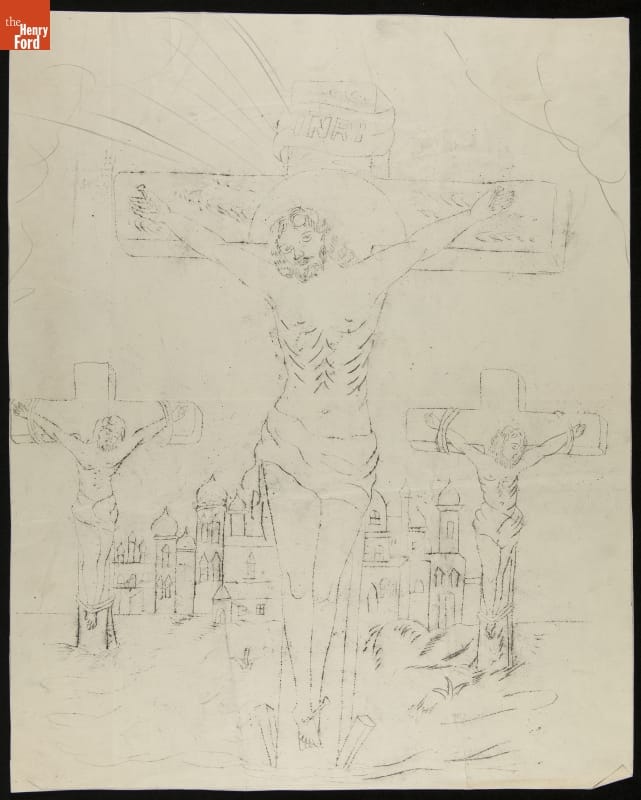
- Tattoo Stencil, 1915-1950 - Tattoos communicate stories. Their content ranges from deeply personal and traditional--to regrettable and frivolous. In the early 1900s, "Professor" Waters apprenticed as a tattoo artist in carnivals and New York's Bowery District. He ran a successful supply shop in Detroit (1918-1939), patenting the standard "two-coil" tattoo machine in 1929. Designs from his flash sheets continue to inspire tattooists today.
- 1915-1950
- Collections - Artifact
Tattoo Stencil, 1915-1950
Tattoos communicate stories. Their content ranges from deeply personal and traditional--to regrettable and frivolous. In the early 1900s, "Professor" Waters apprenticed as a tattoo artist in carnivals and New York's Bowery District. He ran a successful supply shop in Detroit (1918-1939), patenting the standard "two-coil" tattoo machine in 1929. Designs from his flash sheets continue to inspire tattooists today.
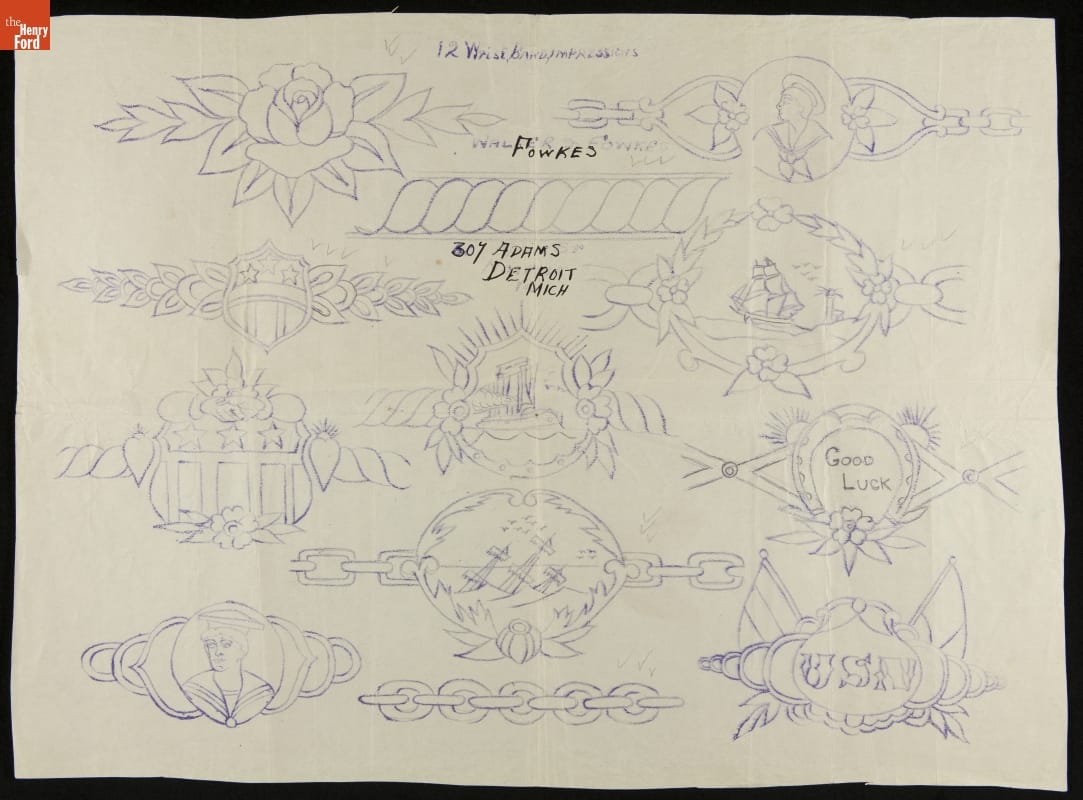
- Tattoo Stencils, 1920-1922 - Tattoo stencils range in material from disposable paper to plastic. Designs were drawn on transfer paper or scratched into plastic with a needle. With plastic stencils, powdered charcoal was rubbed into the lines; Vaseline was applied to the skin. When the stencil was pressed against the skin, the charcoal transferred as an outline. Stencils allowed tattooists to circulate and exchange ideas.
- 1920-1922
- Collections - Artifact
Tattoo Stencils, 1920-1922
Tattoo stencils range in material from disposable paper to plastic. Designs were drawn on transfer paper or scratched into plastic with a needle. With plastic stencils, powdered charcoal was rubbed into the lines; Vaseline was applied to the skin. When the stencil was pressed against the skin, the charcoal transferred as an outline. Stencils allowed tattooists to circulate and exchange ideas.
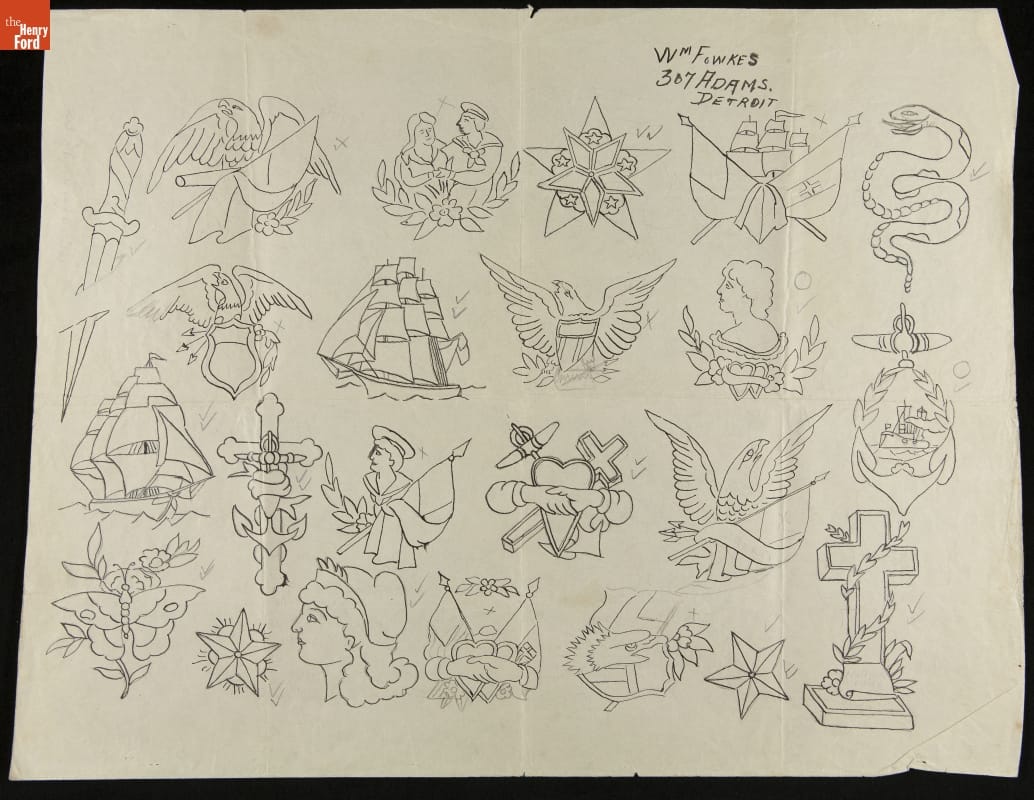
- Tattoo Stencils, 1923-1926 - Tattoo stencils range in material from disposable paper to plastic. Designs were drawn on transfer paper or scratched into plastic with a needle. With plastic stencils, powdered charcoal was rubbed into the lines; Vaseline was applied to the skin. When the stencil was pressed against the skin, the charcoal transferred as an outline. Stencils allowed tattooists to circulate and exchange ideas.
- 1923-1926
- Collections - Artifact
Tattoo Stencils, 1923-1926
Tattoo stencils range in material from disposable paper to plastic. Designs were drawn on transfer paper or scratched into plastic with a needle. With plastic stencils, powdered charcoal was rubbed into the lines; Vaseline was applied to the skin. When the stencil was pressed against the skin, the charcoal transferred as an outline. Stencils allowed tattooists to circulate and exchange ideas.
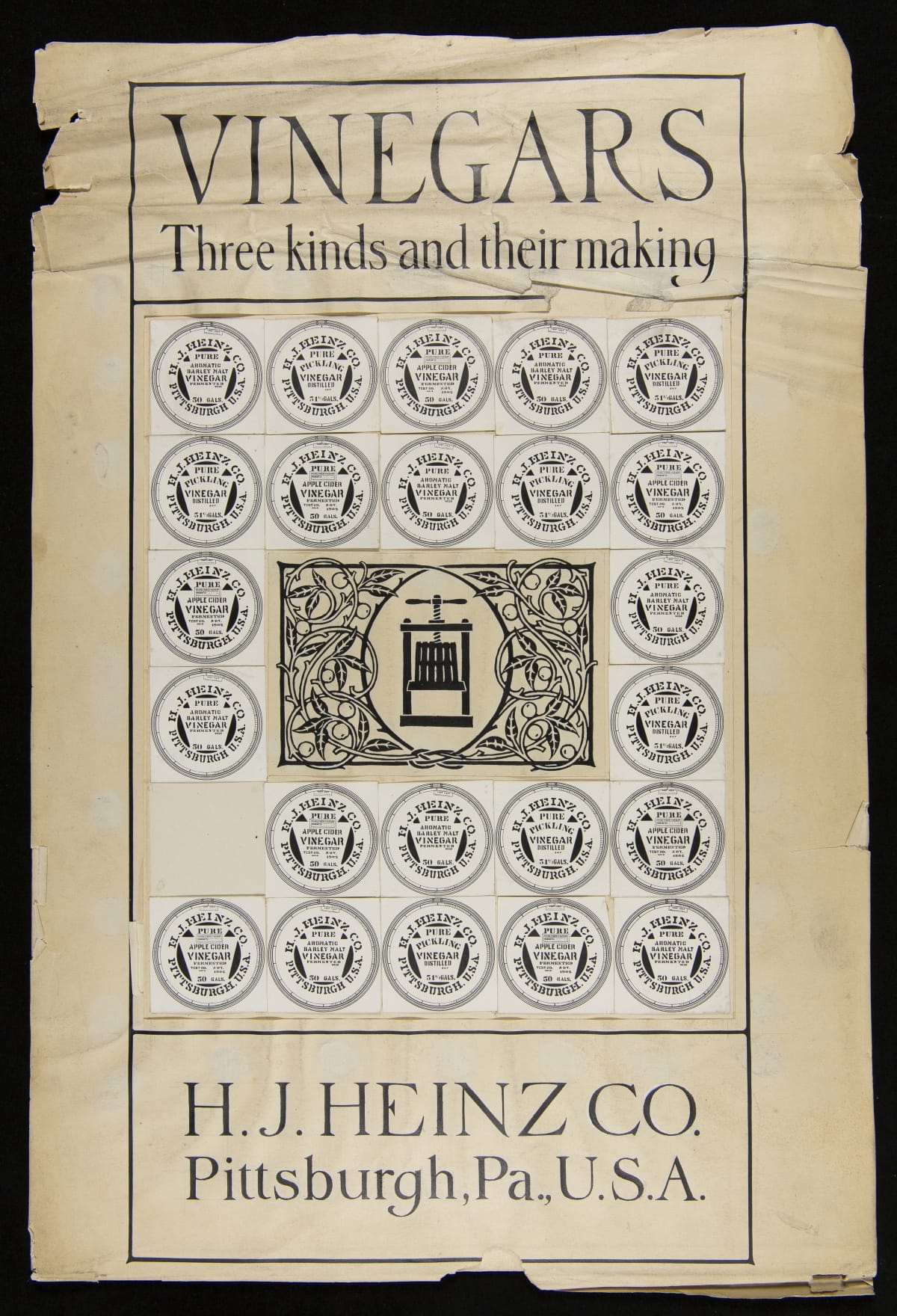
- Layout for Heinz Company Publication, "Vinegars: Three Kinds and Their Making," 1915-1925 - The H.J. Heinz Company published pamphlets, brochures, and booklets that detailed the company's history and manufacturing process. This advertising layout was created for a pamphlet that informed readers about Heinz vinegar products. The famous "57 Varieties" of the H.J. Heinz Company included several kinds of vinegar. This pamphlet highlighted the company's Malt Barley, Apple Cider, and Pickling vinegars.
- 1915-1925
- Collections - Artifact
Layout for Heinz Company Publication, "Vinegars: Three Kinds and Their Making," 1915-1925
The H.J. Heinz Company published pamphlets, brochures, and booklets that detailed the company's history and manufacturing process. This advertising layout was created for a pamphlet that informed readers about Heinz vinegar products. The famous "57 Varieties" of the H.J. Heinz Company included several kinds of vinegar. This pamphlet highlighted the company's Malt Barley, Apple Cider, and Pickling vinegars.
- Tattoo Stencil, 1915-1950 - Tattoos communicate stories. Their content ranges from deeply personal and traditional--to regrettable and frivolous. In the early 1900s, "Professor" Waters apprenticed as a tattoo artist in carnivals and New York's Bowery District. He ran a successful supply shop in Detroit (1918-1939), patenting the standard "two-coil" tattoo machine in 1929. Designs from his flash sheets continue to inspire tattooists today.
- 1915-1950
- Collections - Artifact
Tattoo Stencil, 1915-1950
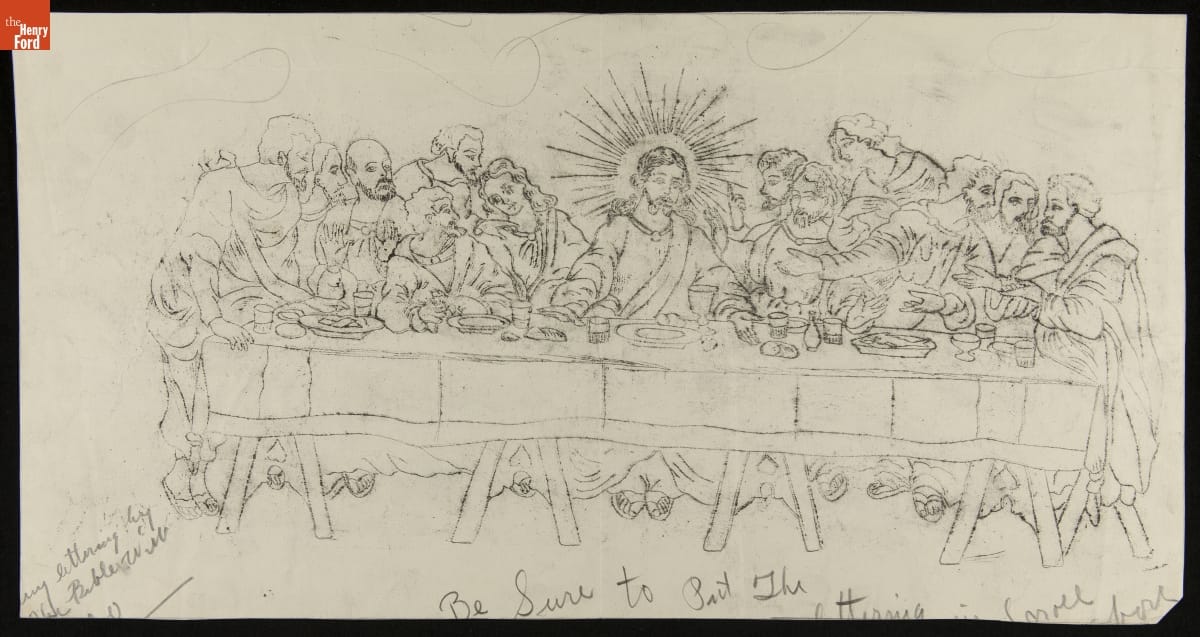
Tattoos communicate stories. Their content ranges from deeply personal and traditional--to regrettable and frivolous. In the early 1900s, "Professor" Waters apprenticed as a tattoo artist in carnivals and New York's Bowery District. He ran a successful supply shop in Detroit (1918-1939), patenting the standard "two-coil" tattoo machine in 1929. Designs from his flash sheets continue to inspire tattooists today.
- Tattoo Stencil, 1915-1950 - Tattoos communicate stories. Their content ranges from deeply personal and traditional--to regrettable and frivolous. In the early 1900s, "Professor" Waters apprenticed as a tattoo artist in carnivals and New York's Bowery District. He ran a successful supply shop in Detroit (1918-1939), patenting the standard "two-coil" tattoo machine in 1929. Designs from his flash sheets continue to inspire tattooists today.
- 1915-1950
- Collections - Artifact
Tattoo Stencil, 1915-1950
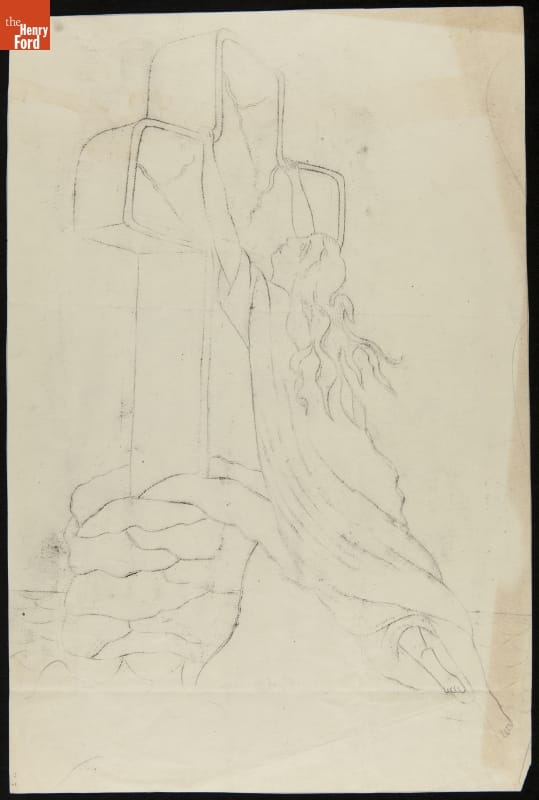
Tattoos communicate stories. Their content ranges from deeply personal and traditional--to regrettable and frivolous. In the early 1900s, "Professor" Waters apprenticed as a tattoo artist in carnivals and New York's Bowery District. He ran a successful supply shop in Detroit (1918-1939), patenting the standard "two-coil" tattoo machine in 1929. Designs from his flash sheets continue to inspire tattooists today.
- Stencil of an H. J. Heinz Company Barrel Head, 1905-1910 - The famous "57 Varieties" of the H.J. Heinz Company included several kinds of vinegar. Vinegar was often stored in barrels, and with many different varieties, the barrels had to be properly identified. Stencils, like this one, helped ensure that the vinegars didn't get mixed up.
- 1905-1910
- Collections - Artifact
Stencil of an H. J. Heinz Company Barrel Head, 1905-1910
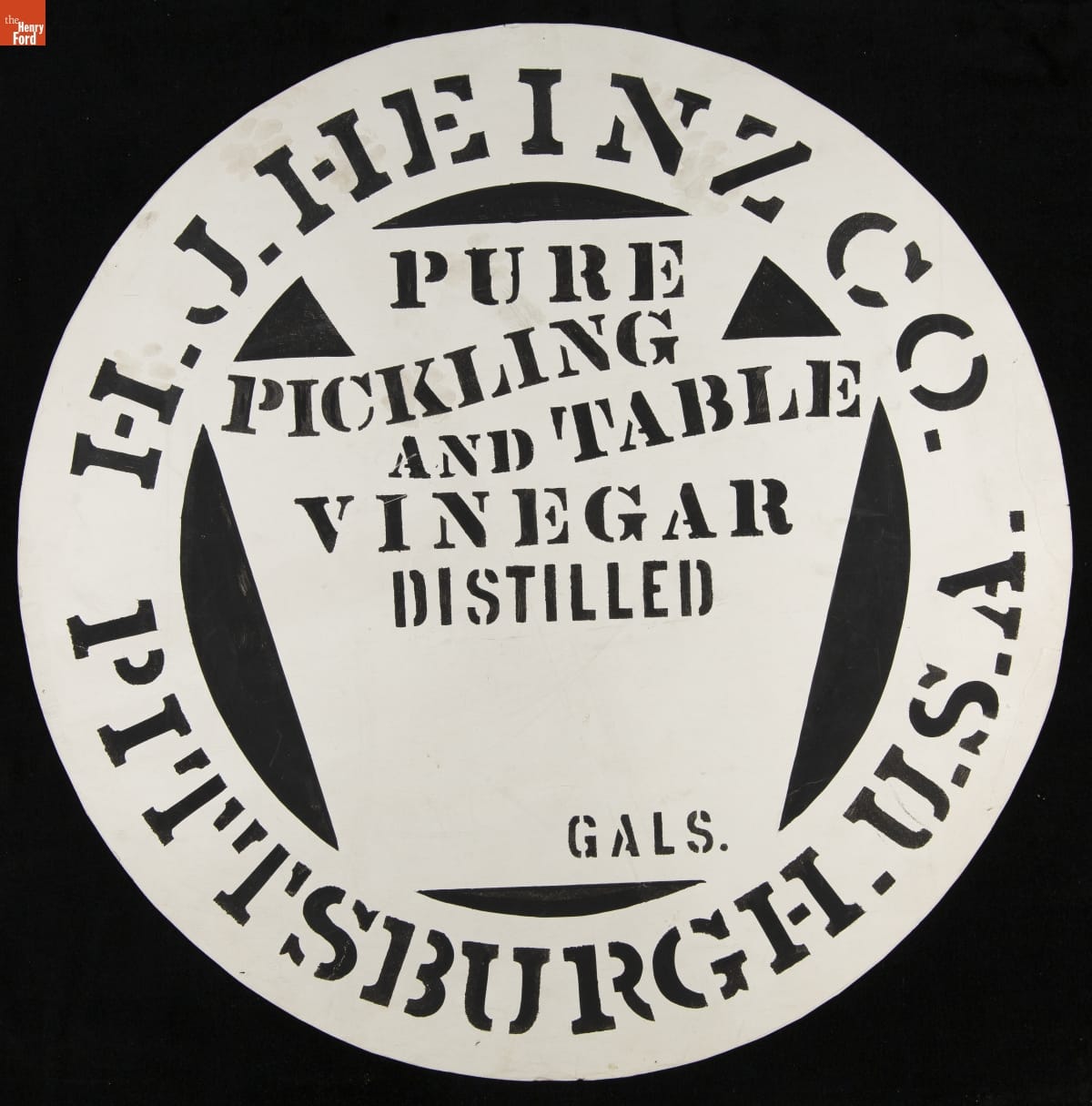
The famous "57 Varieties" of the H.J. Heinz Company included several kinds of vinegar. Vinegar was often stored in barrels, and with many different varieties, the barrels had to be properly identified. Stencils, like this one, helped ensure that the vinegars didn't get mixed up.
- Tattoo Stencil, 1915-1950 - Tattoos communicate stories. Their content ranges from deeply personal and traditional--to regrettable and frivolous. In the early 1900s, "Professor" Waters apprenticed as a tattoo artist in carnivals and New York's Bowery District. He ran a successful supply shop in Detroit (1918-1939), patenting the standard "two-coil" tattoo machine in 1929. Designs from his flash sheets continue to inspire tattooists today.
- 1915-1950
- Collections - Artifact
Tattoo Stencil, 1915-1950
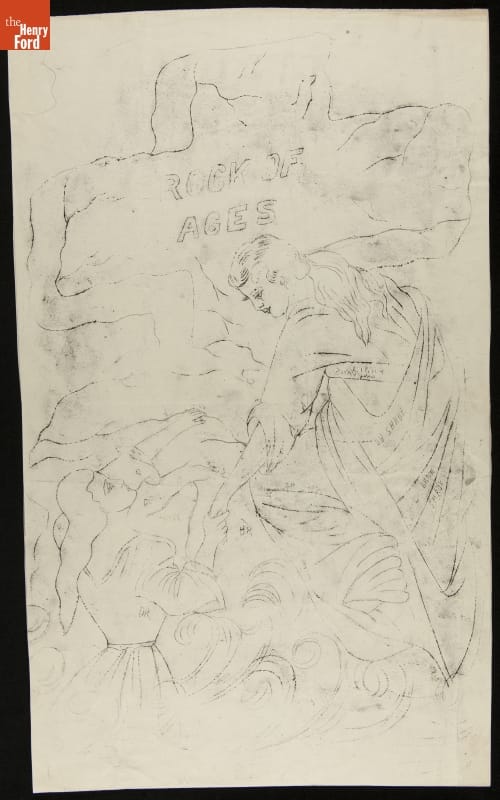
Tattoos communicate stories. Their content ranges from deeply personal and traditional--to regrettable and frivolous. In the early 1900s, "Professor" Waters apprenticed as a tattoo artist in carnivals and New York's Bowery District. He ran a successful supply shop in Detroit (1918-1939), patenting the standard "two-coil" tattoo machine in 1929. Designs from his flash sheets continue to inspire tattooists today.