
Search
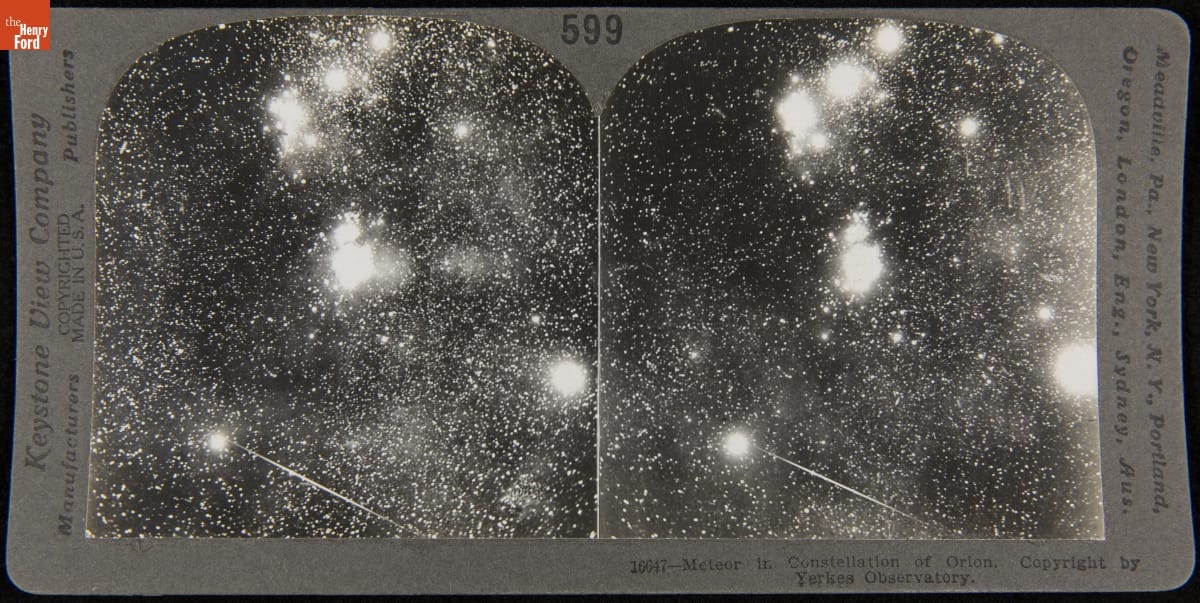
- Stereograph, "Meteor in Constellation of Orion," 1904 - Americans loved stereographs -- millions were made from the mid-1800s through the 1930s. A stereograph consists of two offset photos that appear to have three-dimensional depth when viewed through a stereoscope. These images entertained and educated. Stereographs could transport viewers to distant events, exotic places, and even worlds beyond, like this image of the Orion constellation.
- November 15, 1904
- Collections - Artifact
Stereograph, "Meteor in Constellation of Orion," 1904
Americans loved stereographs -- millions were made from the mid-1800s through the 1930s. A stereograph consists of two offset photos that appear to have three-dimensional depth when viewed through a stereoscope. These images entertained and educated. Stereographs could transport viewers to distant events, exotic places, and even worlds beyond, like this image of the Orion constellation.
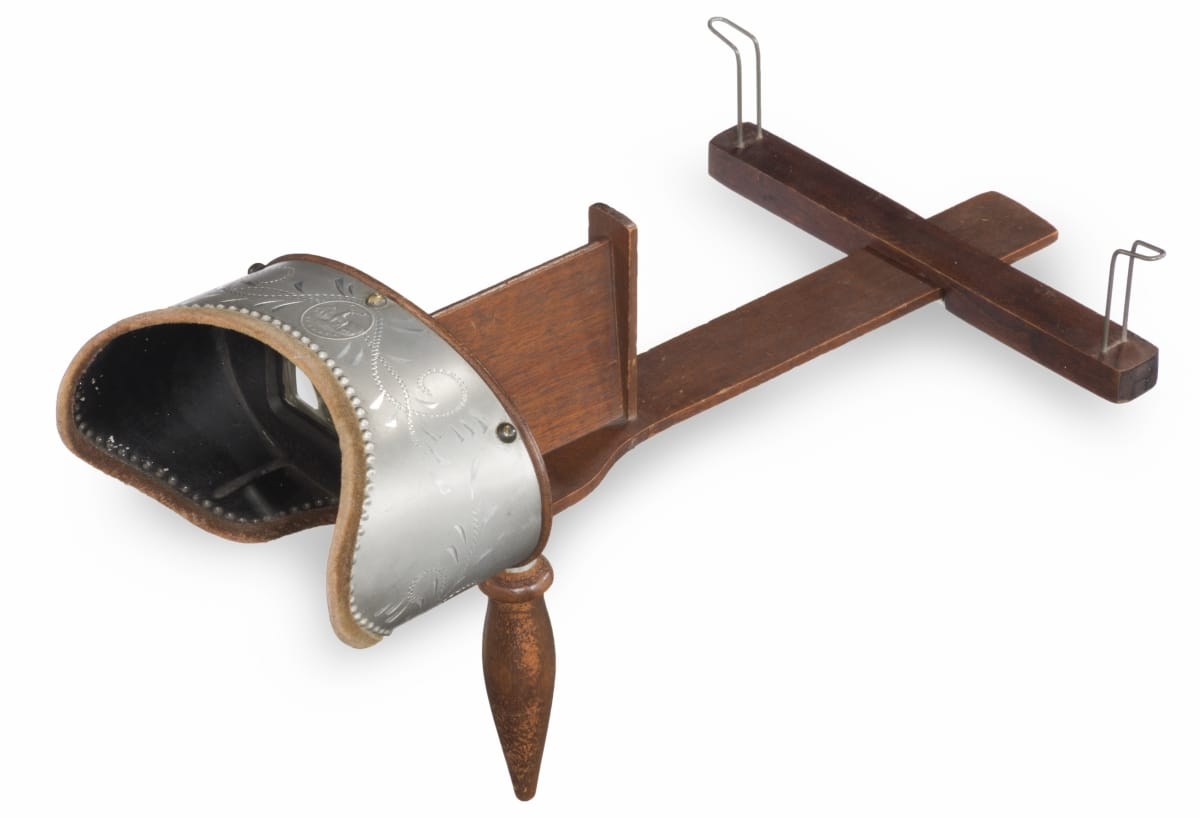
- Keystone View Company Stereoscope - From the late 1800s to the early 1900s, a stereoscope and a handful of stereographs provided Americans with hours of amusement and discovery. Stereoscopes combine the two-dimensional images printed on a stereograph into a single image -- one that gives an illusion of depth. These simple, handheld devices transformed millions of images into visual history lessons, entertaining illustrations of life, and encounters with far-away places.
- Collections - Artifact
Keystone View Company Stereoscope
From the late 1800s to the early 1900s, a stereoscope and a handful of stereographs provided Americans with hours of amusement and discovery. Stereoscopes combine the two-dimensional images printed on a stereograph into a single image -- one that gives an illusion of depth. These simple, handheld devices transformed millions of images into visual history lessons, entertaining illustrations of life, and encounters with far-away places.
- "View Master Bicentennial Gift Pak," 1976 -
- 1976
- Collections - Artifact
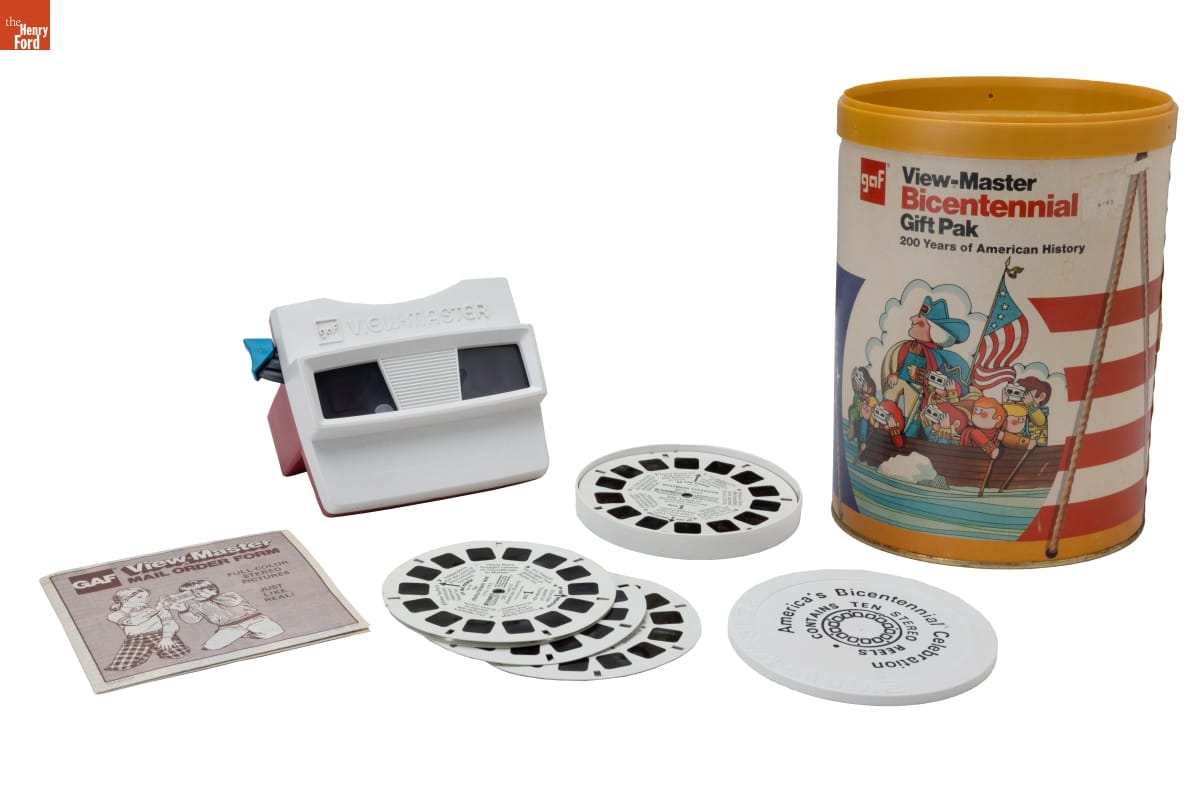
"View Master Bicentennial Gift Pak," 1976
- "Yosemite National Park" View-Master Reels, 1958-1960 -
- 1958-1966
- Collections - Artifact
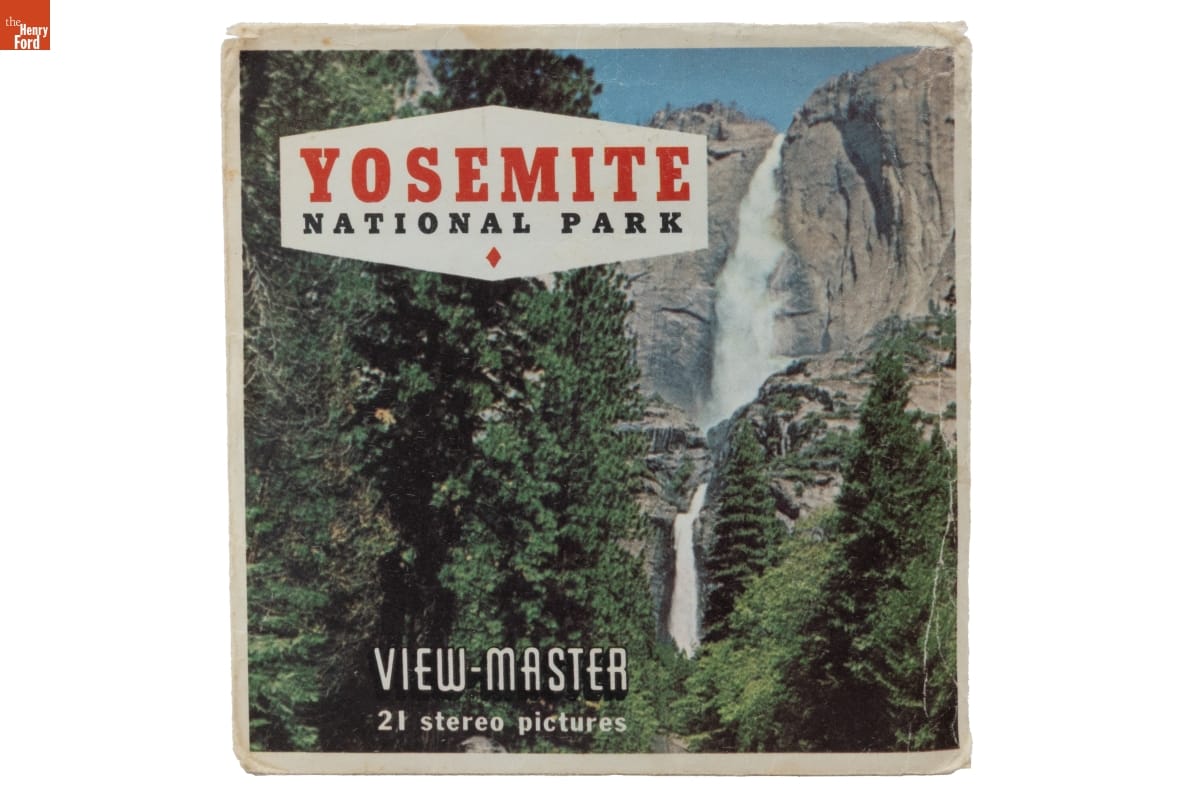
"Yosemite National Park" View-Master Reels, 1958-1960
- "Tom and Jerry in "Touche Pussycat"" View-Master Reel, 1970-1980 -
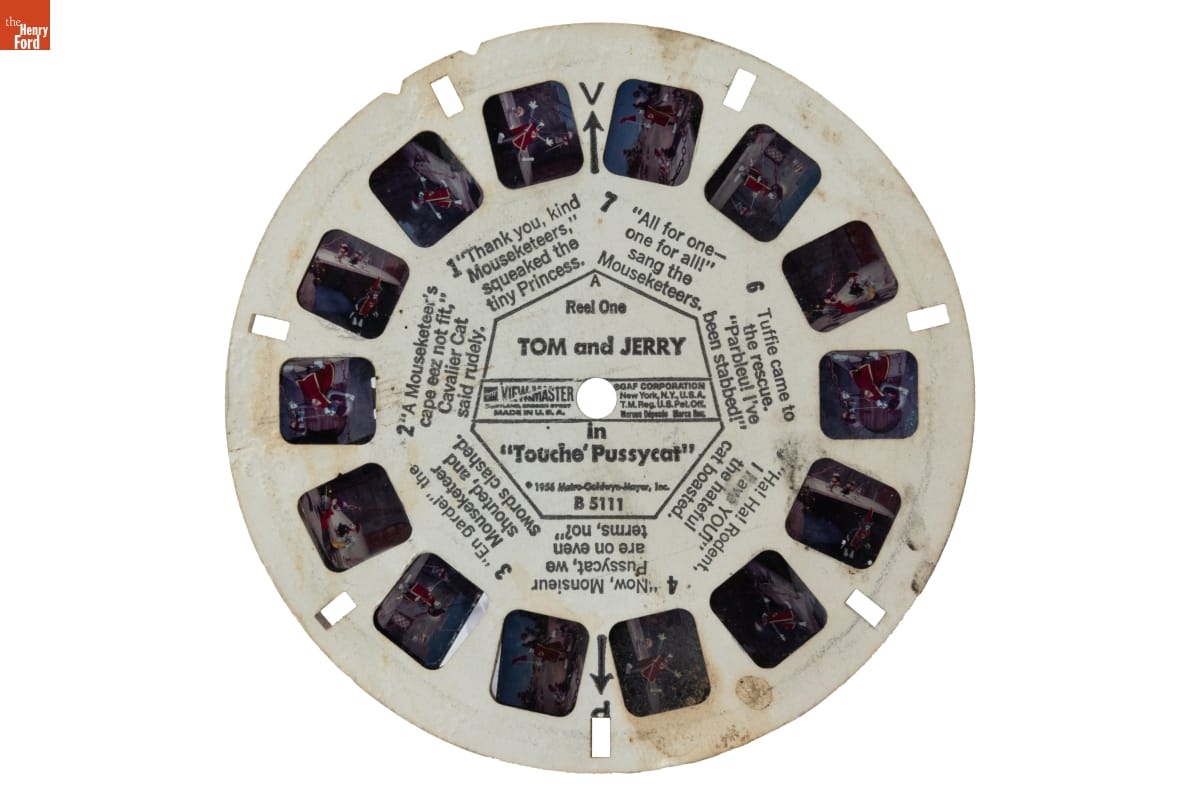
- 1870-1980
- Collections - Artifact
"Tom and Jerry in "Touche Pussycat"" View-Master Reel, 1970-1980
- "Picture Tour of Scenic Wonders U.S.A." View-Master Reel, 1960-1966 -
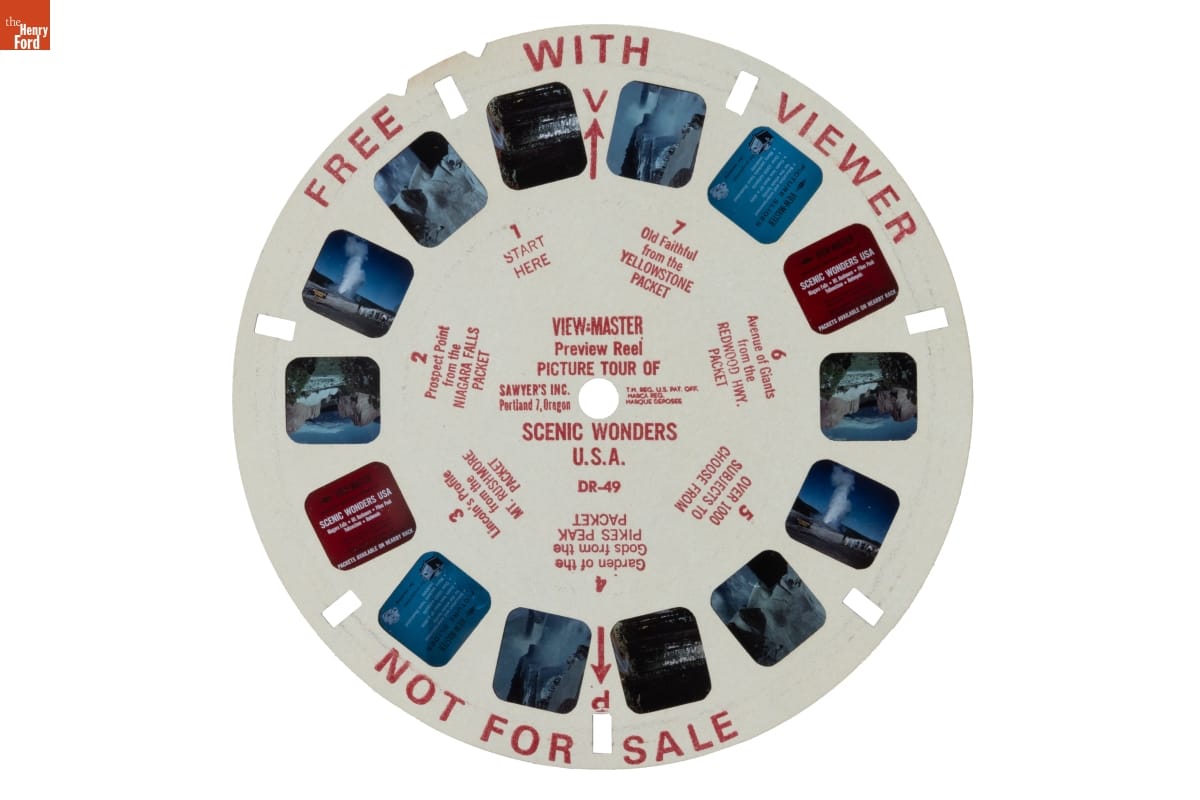
- 1960-1966
- Collections - Artifact
"Picture Tour of Scenic Wonders U.S.A." View-Master Reel, 1960-1966
- "Parrot Jungle" View-Master Reels, 1960-1966 - Parrot Jungle, a small zoological park in the heart of Miami, Florida, opened in 1936. Visitors wandered the park's winding pathways, enjoying the tropical birds, trees, and gardens. Bird shows featured colorful macaws, cockatoos, and parrots. This set of View-Master reels allowed viewers to enjoy the park without leaving home or, perhaps, relive their memorable visit to the attraction.
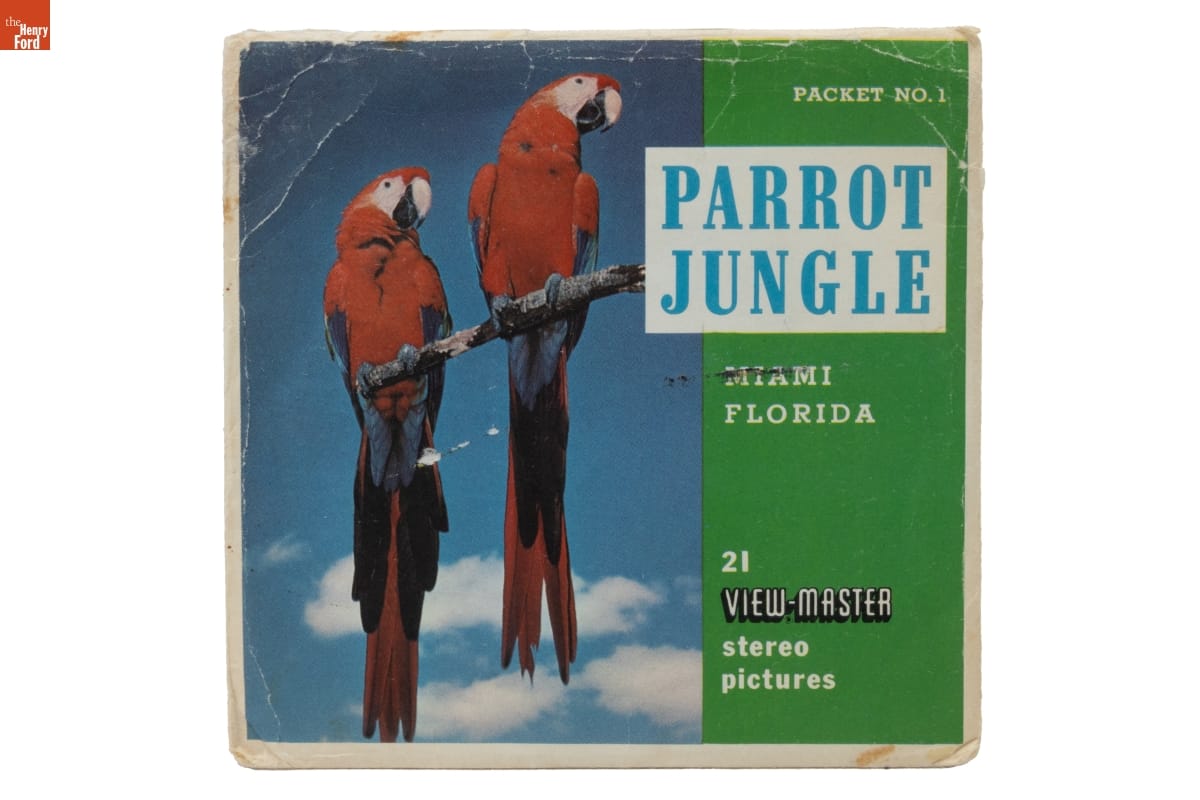
- 1960-1966
- Collections - Artifact
"Parrot Jungle" View-Master Reels, 1960-1966
Parrot Jungle, a small zoological park in the heart of Miami, Florida, opened in 1936. Visitors wandered the park's winding pathways, enjoying the tropical birds, trees, and gardens. Bird shows featured colorful macaws, cockatoos, and parrots. This set of View-Master reels allowed viewers to enjoy the park without leaving home or, perhaps, relive their memorable visit to the attraction.
- Catalogue of Stereoscopic Views by F. G. Weller, Littleton, N. H., 1870-1875 -
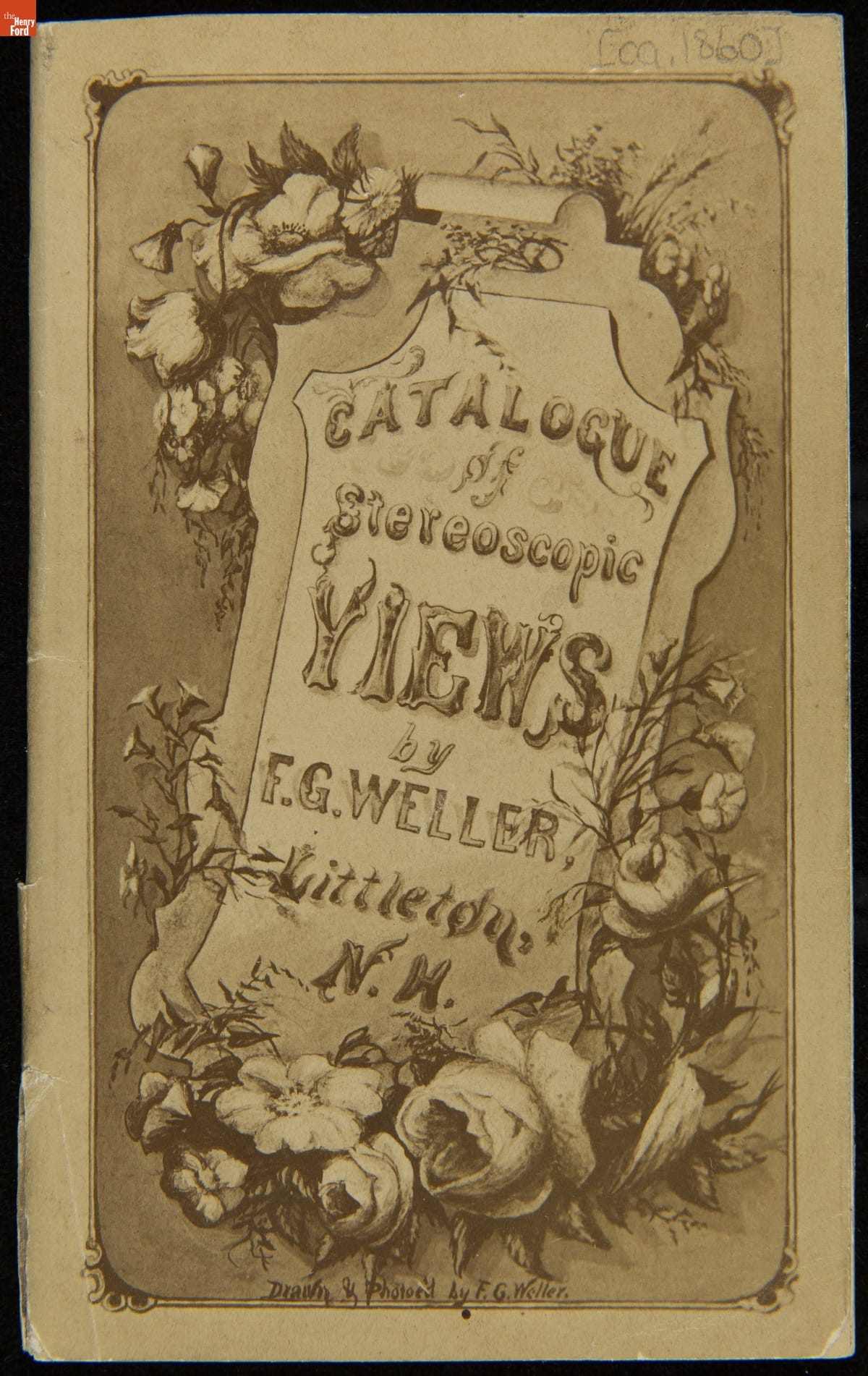
- 1870-1875
- Collections - Artifact
Catalogue of Stereoscopic Views by F. G. Weller, Littleton, N. H., 1870-1875
- Keystone View Company Stereoscope - From the late 1800s to the early 1900s, a stereoscope and a handful of stereographs provided Americans with hours of amusement and discovery. Stereoscopes combine the two-dimensional images printed on a stereograph into a single image -- one that gives an illusion of depth. These simple, handheld devices transformed millions of images into visual history lessons, entertaining illustrations of life, and encounters with far-away places.
- Collections - Artifact
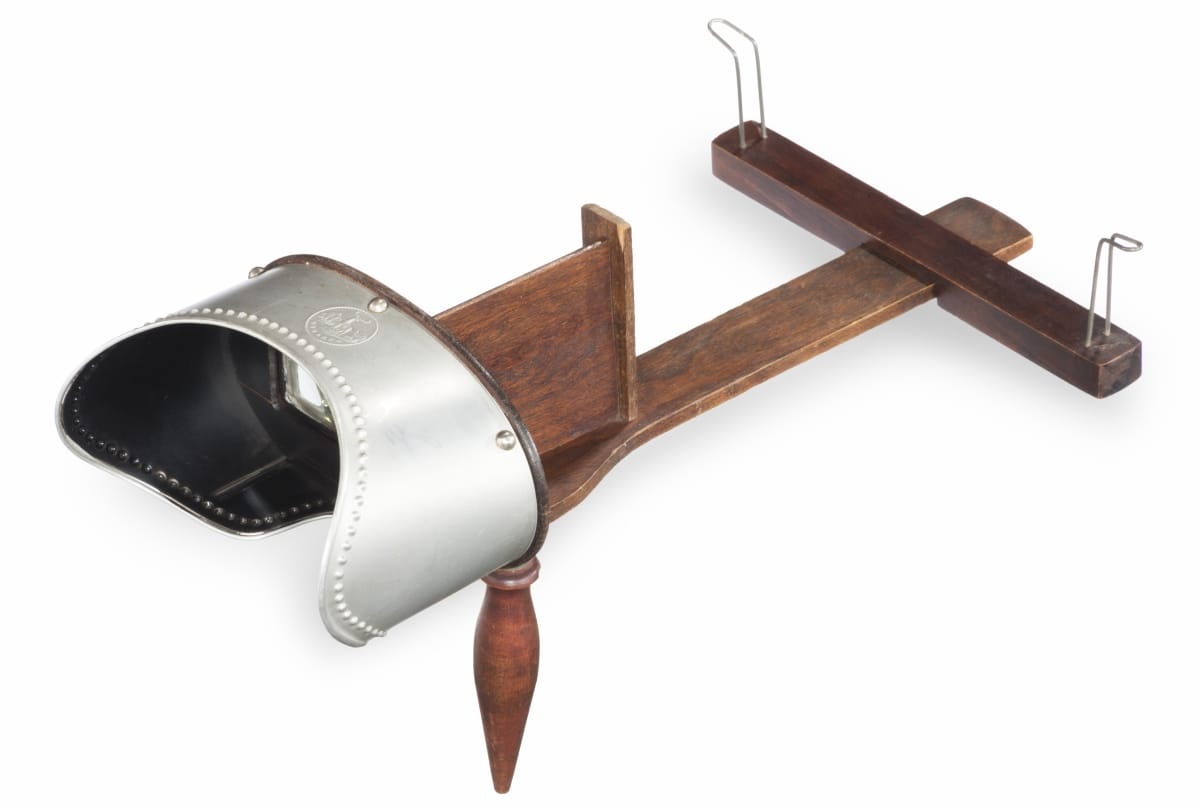
Keystone View Company Stereoscope
From the late 1800s to the early 1900s, a stereoscope and a handful of stereographs provided Americans with hours of amusement and discovery. Stereoscopes combine the two-dimensional images printed on a stereograph into a single image -- one that gives an illusion of depth. These simple, handheld devices transformed millions of images into visual history lessons, entertaining illustrations of life, and encounters with far-away places.
- Keystone View Company Stereoscope - From the late 1800s to the early 1900s, a stereoscope and a handful of stereographs provided Americans with hours of amusement and discovery. Stereoscopes combine the two-dimensional images printed on a stereograph into a single image -- one that gives an illusion of depth. These simple, handheld devices transformed millions of images into visual history lessons, entertaining illustrations of life, and encounters with far-away places.
- Collections - Artifact
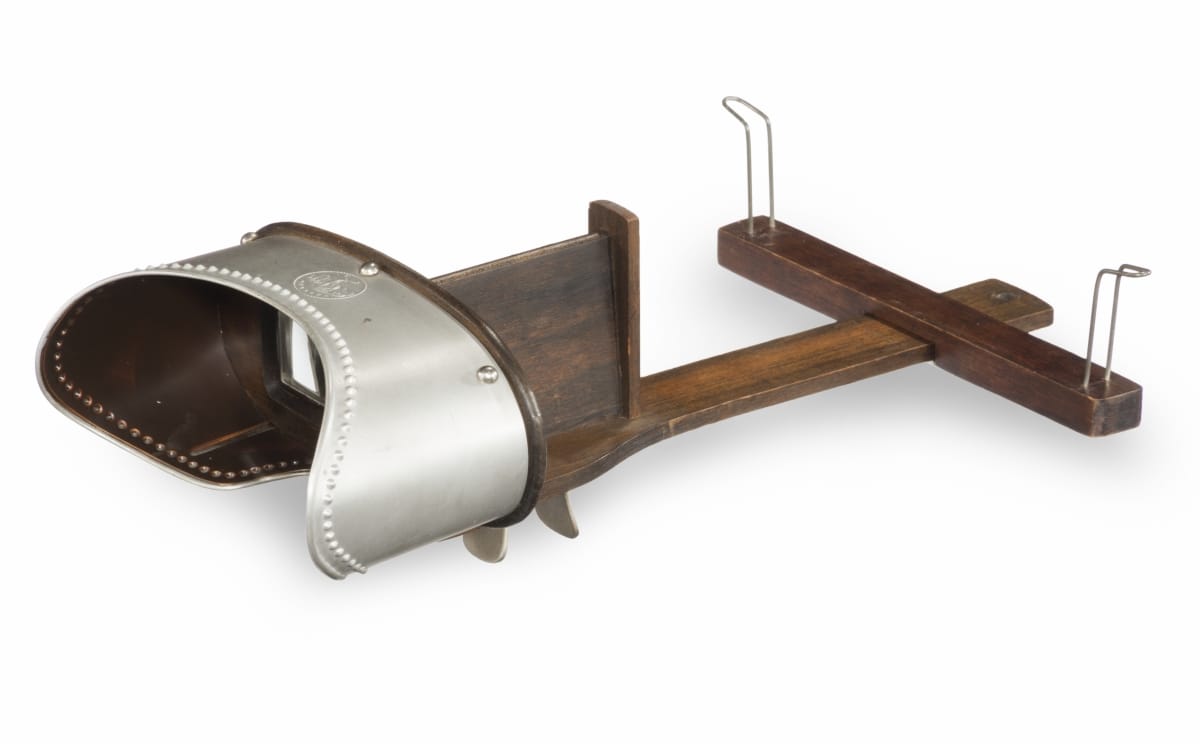
Keystone View Company Stereoscope
From the late 1800s to the early 1900s, a stereoscope and a handful of stereographs provided Americans with hours of amusement and discovery. Stereoscopes combine the two-dimensional images printed on a stereograph into a single image -- one that gives an illusion of depth. These simple, handheld devices transformed millions of images into visual history lessons, entertaining illustrations of life, and encounters with far-away places.