
Search
- Workmen Standing on Large Cut-stone Structure Holding Tools, Springfield Ohio, circa 1885 -
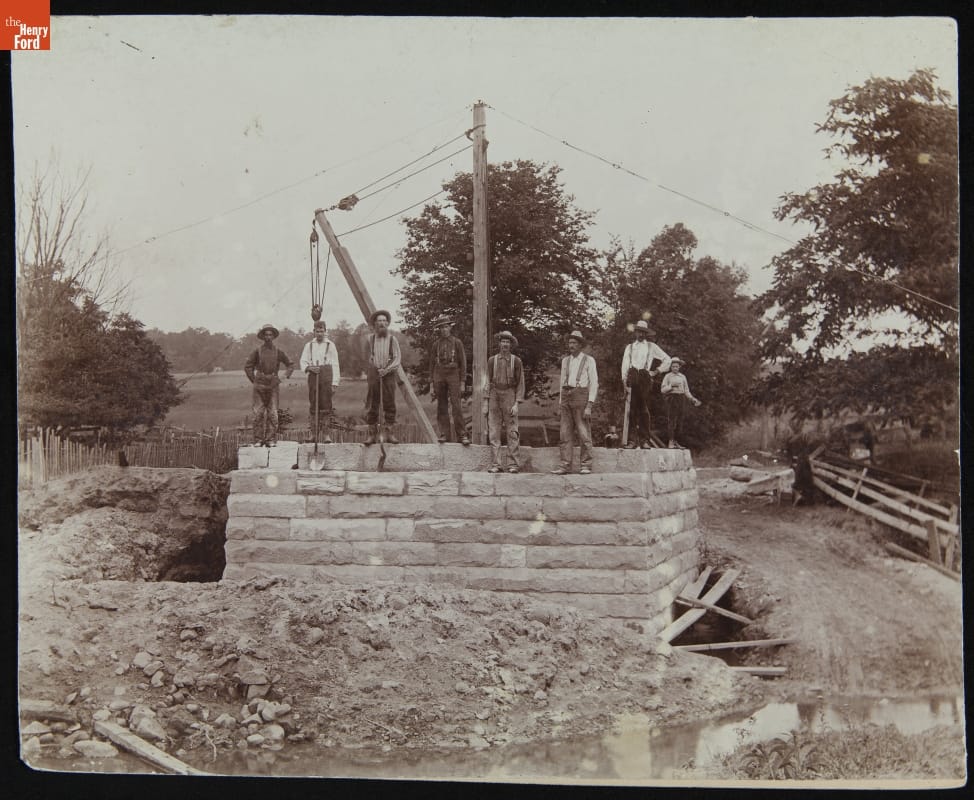
- circa 1885
- Collections - Artifact
Workmen Standing on Large Cut-stone Structure Holding Tools, Springfield Ohio, circa 1885
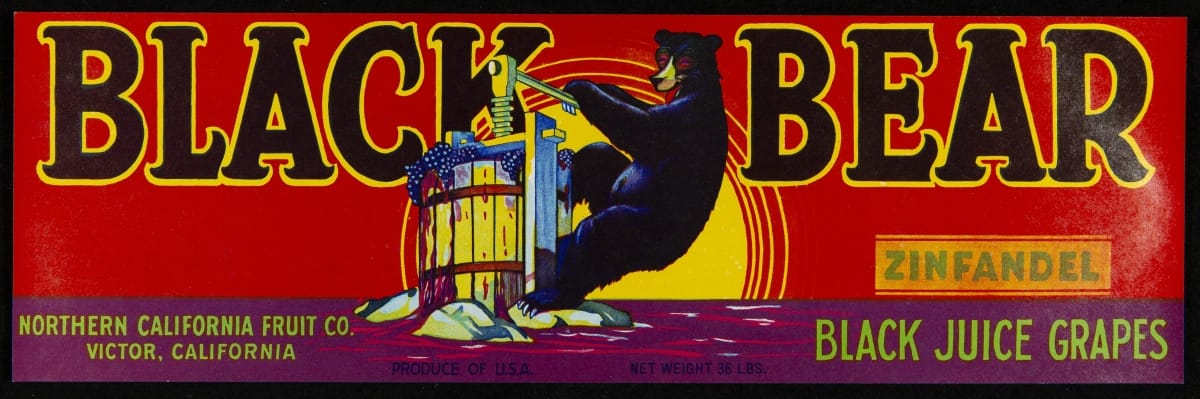
- Crate Label, "Black Bear Brand Zinfandel Grapes," circa 1940 - In 1869, the transcontinental railroad opened eastern markets to the West Coast produce industry for the first time. As produce companies shipped crates of fruits and vegetables across the country, they needed a way to distinguish their goods from their competitors'. Colorful, eye-catching labels, like this one for Black Bear Brand Zinfandel Grapes, were created to attract grocers purchasing goods from wholesale markets.
- circa 1940
- Collections - Artifact
Crate Label, "Black Bear Brand Zinfandel Grapes," circa 1940
In 1869, the transcontinental railroad opened eastern markets to the West Coast produce industry for the first time. As produce companies shipped crates of fruits and vegetables across the country, they needed a way to distinguish their goods from their competitors'. Colorful, eye-catching labels, like this one for Black Bear Brand Zinfandel Grapes, were created to attract grocers purchasing goods from wholesale markets.
- Drinkware Illustrated by Jason Polan for West Elm, 2011 - Jason Polan was a Michigan-born, New York-based illustrator whose visual storytelling sought to elevate the everyday—with humor and care. This collection documents Polan's life and prolific art practice, spanning childhood to adulthood; he was also a convener of creative communities. Inspiration, ideation, and completed projects are represented in preparatory material, printed matter, publications, product design, artwork, and personal collecting.

- 2011
- Collections - Artifact
Drinkware Illustrated by Jason Polan for West Elm, 2011
Jason Polan was a Michigan-born, New York-based illustrator whose visual storytelling sought to elevate the everyday—with humor and care. This collection documents Polan's life and prolific art practice, spanning childhood to adulthood; he was also a convener of creative communities. Inspiration, ideation, and completed projects are represented in preparatory material, printed matter, publications, product design, artwork, and personal collecting.
- Stone, 1890-1899 -
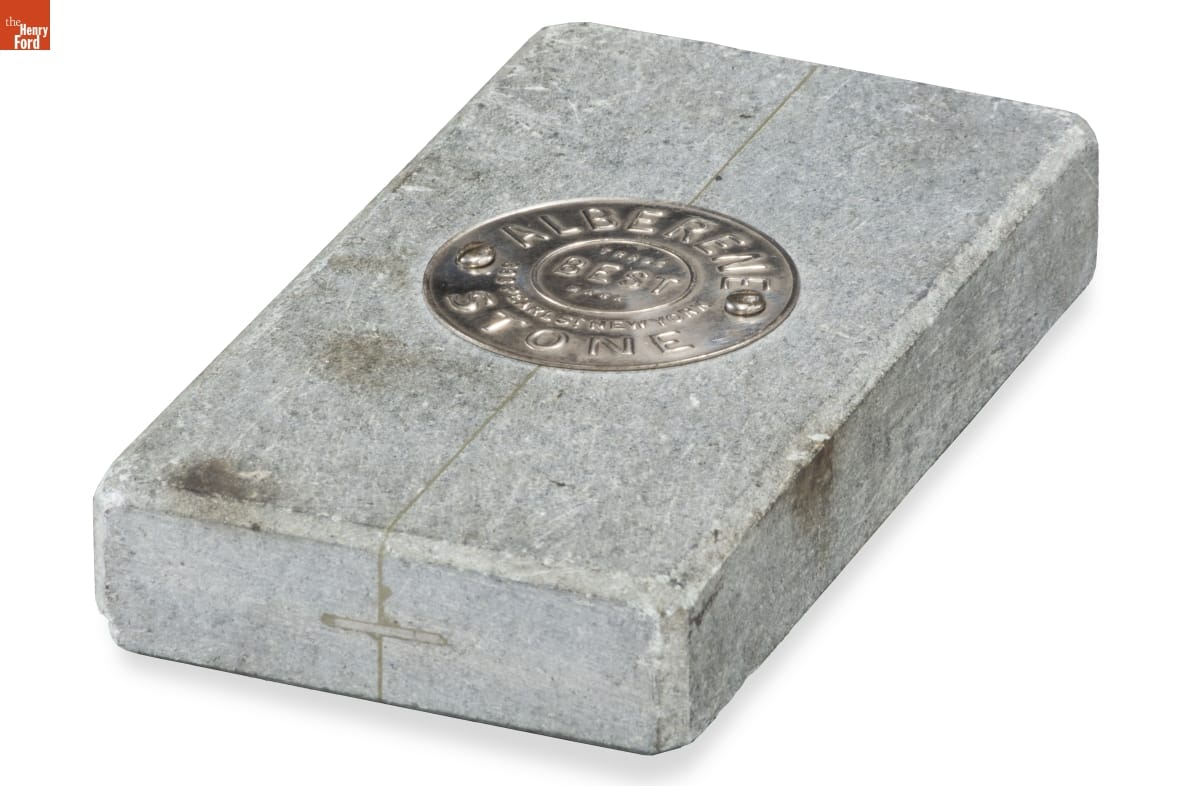
- 1890-1899
- Collections - Artifact
Stone, 1890-1899
- Vase, "CTVF Series #113" by Jon Kuhn, 1981 -
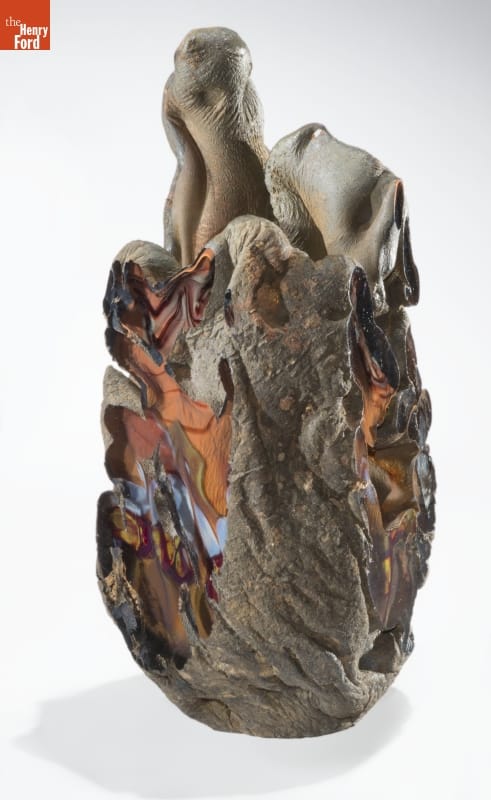
- 1981
- Collections - Artifact
Vase, "CTVF Series #113" by Jon Kuhn, 1981
- Fragment of Plymouth Rock, 1620 - Legend has it that Plymouth Rock was the <em>Mayflower</em> Pilgrims' landing site in 1620, though references don't appear until 1715. In the 1770s, the rock broke into three pieces when moved into town. These were later reunited on the original site. This fragment came from a piece that had been in private hands and chipped away at over the years.
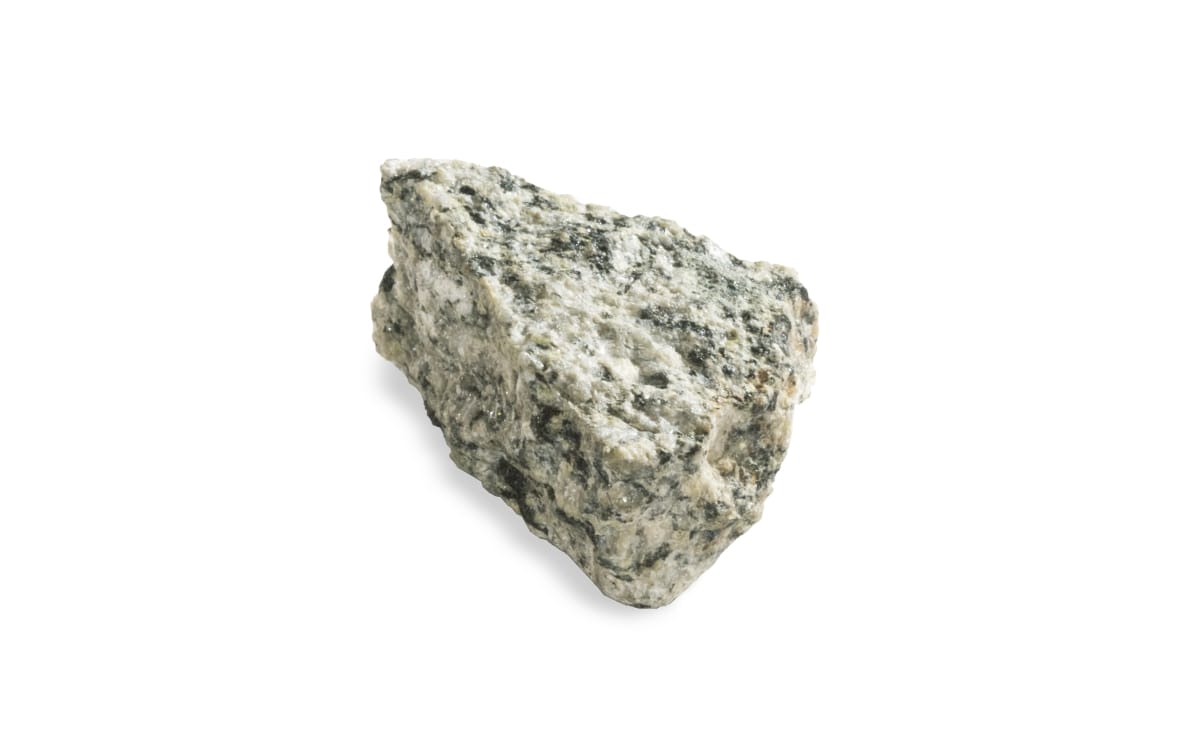
- 1620
- Collections - Artifact
Fragment of Plymouth Rock, 1620
Legend has it that Plymouth Rock was the Mayflower Pilgrims' landing site in 1620, though references don't appear until 1715. In the 1770s, the rock broke into three pieces when moved into town. These were later reunited on the original site. This fragment came from a piece that had been in private hands and chipped away at over the years.