
Search
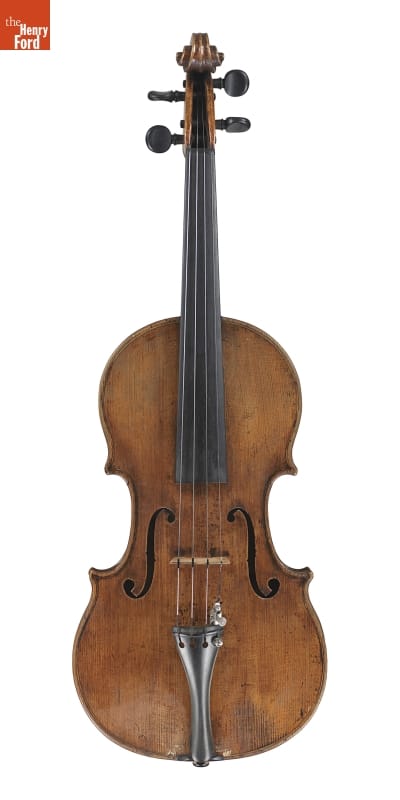
- Violin by Nicola Gagliano, 1735 - Nicola Gagliano's violins were inspired by the work of his father Alessandro Gagliano and master violinmaker Antonio Stradivari. Henry Ford purchased this Gagliano violin in the 1920s through Ole H. Bryant, a Boston violinmaker who served as principal repairer for the Boston Symphony Orchestra. This violin is said to have been once owned by a young Arthur Fielder, later conductor of the Boston Pops Orchestra.
- 1735
- Collections - Artifact
Violin by Nicola Gagliano, 1735
Nicola Gagliano's violins were inspired by the work of his father Alessandro Gagliano and master violinmaker Antonio Stradivari. Henry Ford purchased this Gagliano violin in the 1920s through Ole H. Bryant, a Boston violinmaker who served as principal repairer for the Boston Symphony Orchestra. This violin is said to have been once owned by a young Arthur Fielder, later conductor of the Boston Pops Orchestra.
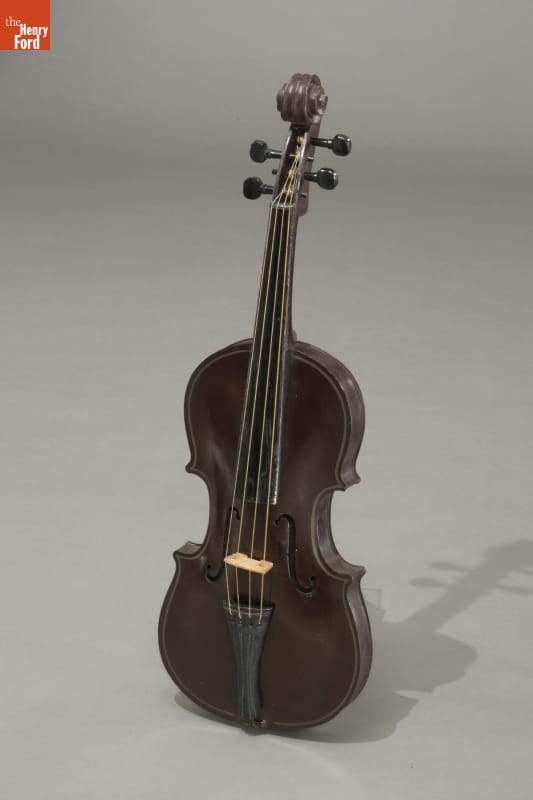
- Violin, Made from Parts of Model T Touring Car, 1932 - Henry Ford often received special gifts from ordinary people. Clay Speegle, an Alabama farmer, made this violin entirety out of parts from a discarded 1923 Ford Model T touring car. It took Speegle about 30 days to create this violin in his spare time. Combining Ford's love of violins with his car that changed the world--it's a quite appropriate gift for Henry Ford.
- 1932
- Collections - Artifact
Violin, Made from Parts of Model T Touring Car, 1932
Henry Ford often received special gifts from ordinary people. Clay Speegle, an Alabama farmer, made this violin entirety out of parts from a discarded 1923 Ford Model T touring car. It took Speegle about 30 days to create this violin in his spare time. Combining Ford's love of violins with his car that changed the world--it's a quite appropriate gift for Henry Ford.
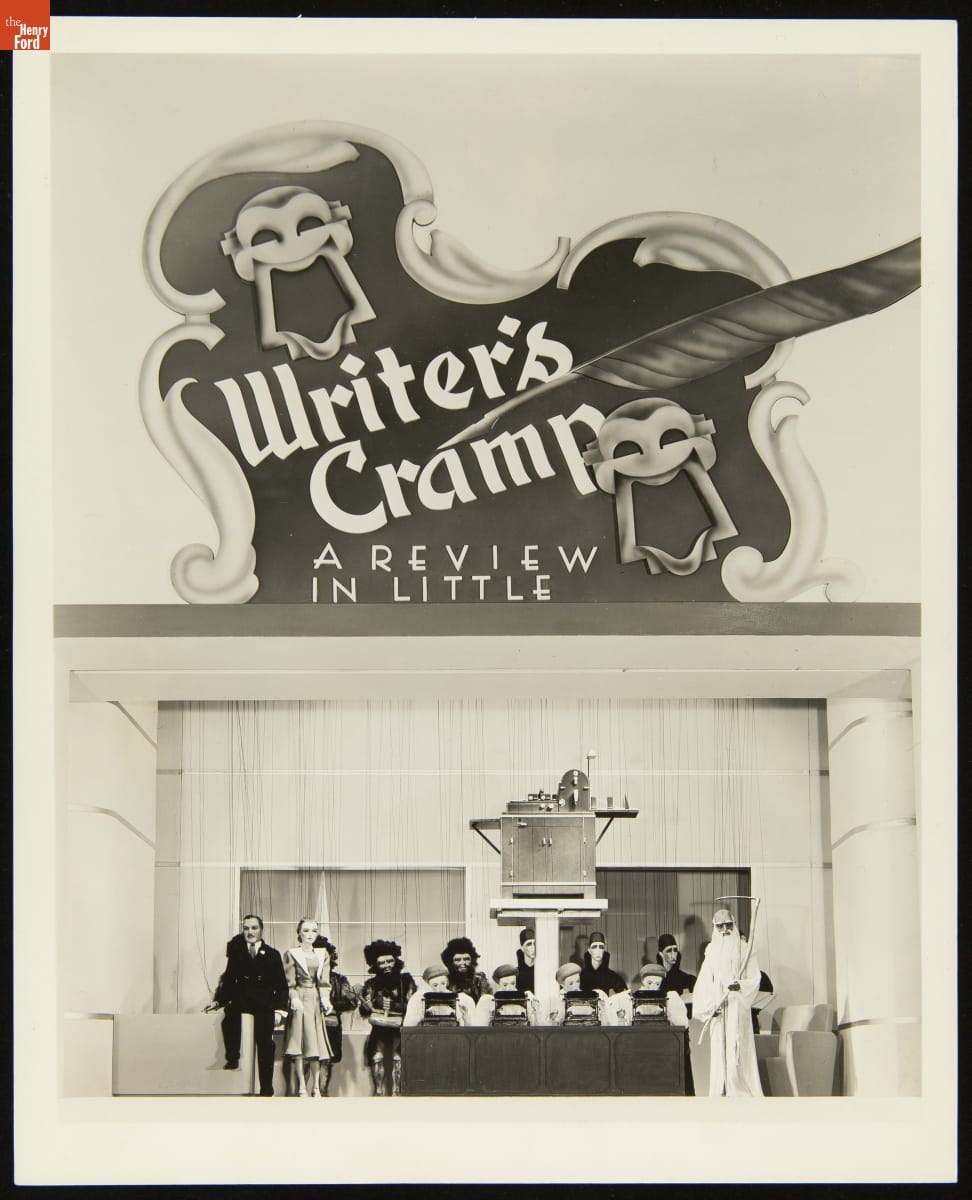
- "Writer's Cramp: A Review in Little" Marionette Show at the A.B. Dick Company Exhibit at the New York World's Fair, 1939 -
- 1939
- Collections - Artifact
"Writer's Cramp: A Review in Little" Marionette Show at the A.B. Dick Company Exhibit at the New York World's Fair, 1939
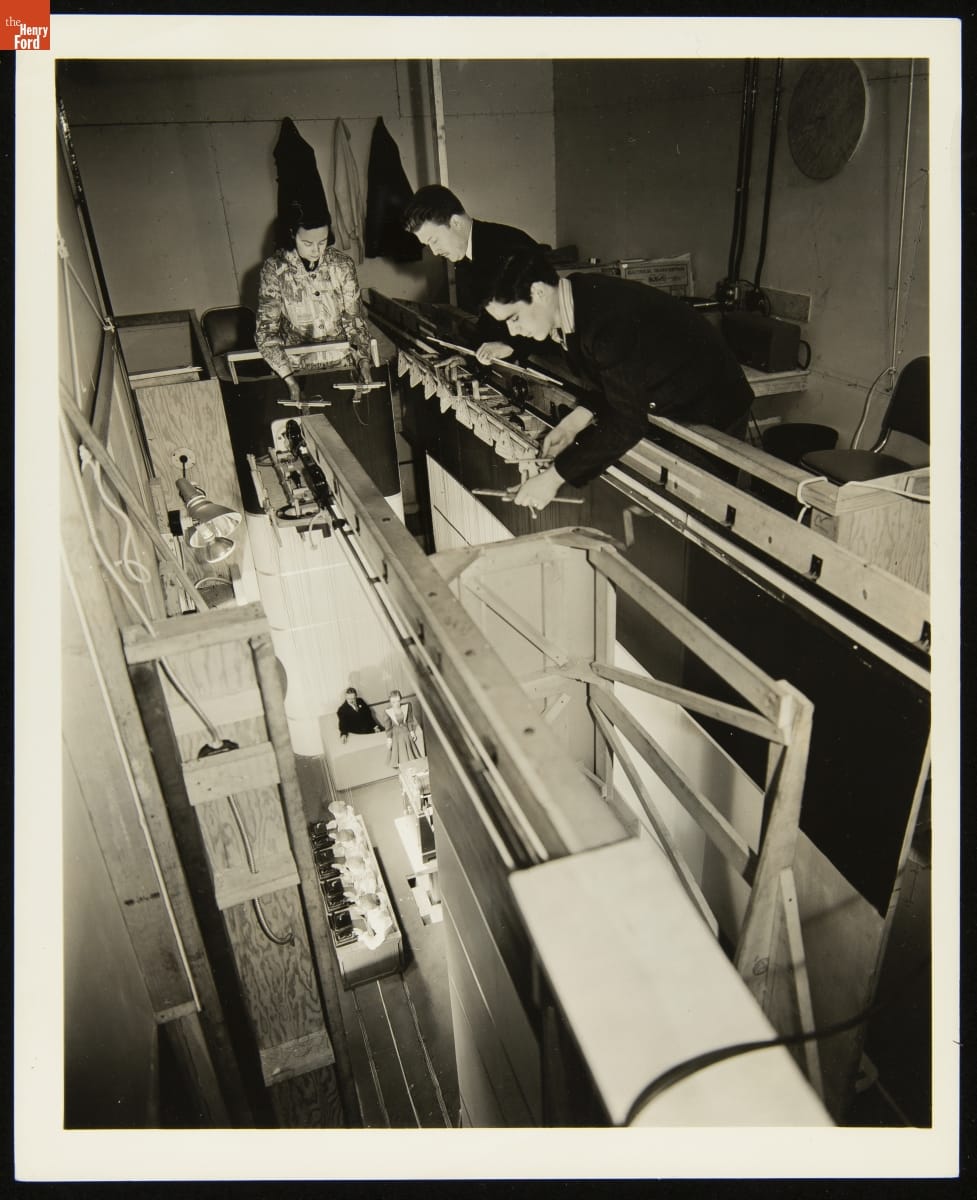
- Operating the Marionettes in "Writer's Cramp: A Review in Little" Marionette Show at the A.B. Dick Company Exhibit at the New York World's Fair, 1939 -
- 1939
- Collections - Artifact
Operating the Marionettes in "Writer's Cramp: A Review in Little" Marionette Show at the A.B. Dick Company Exhibit at the New York World's Fair, 1939
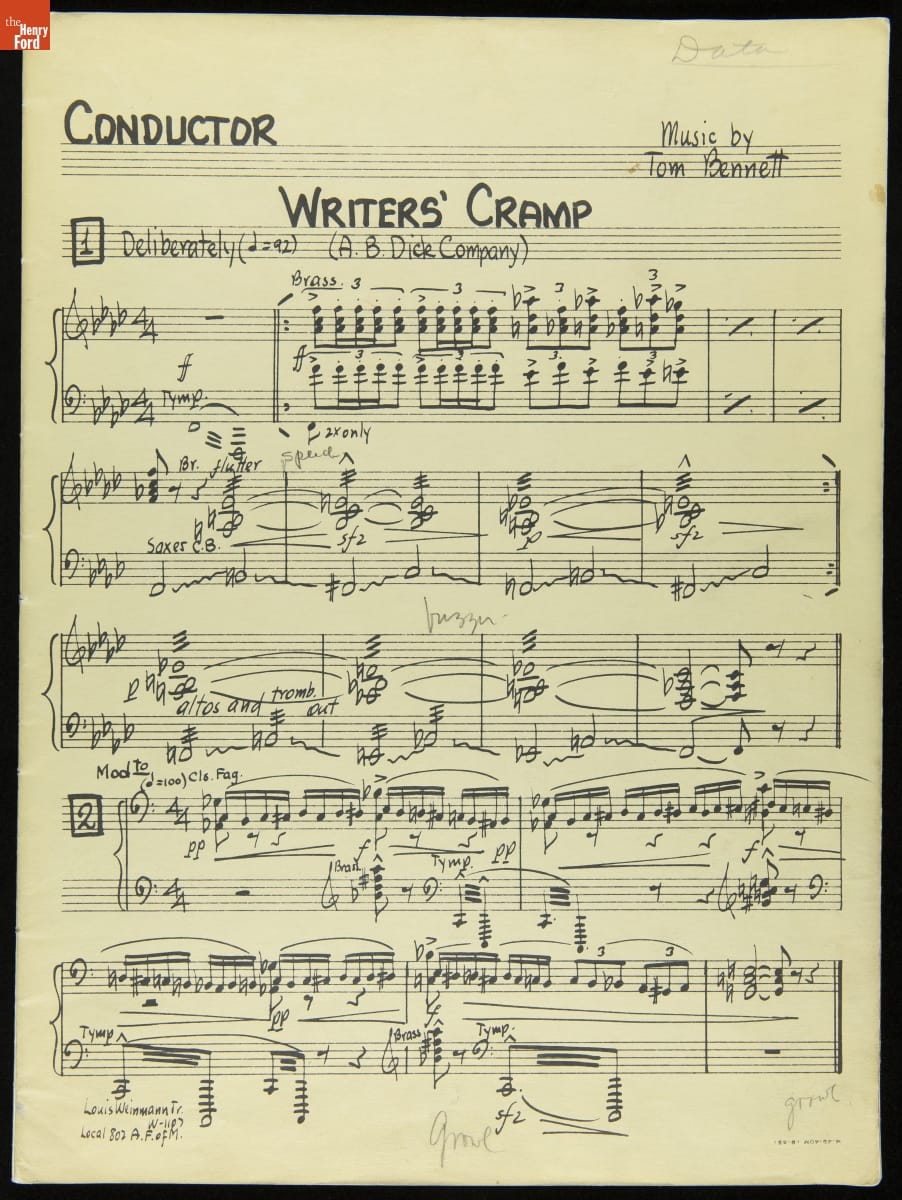
- Conductor's Score from "Writers' Cramp" Marionette Show, A.B. Dick Company Exhibit, New York World's Fair, 1939 -
- 1939
- Collections - Artifact
Conductor's Score from "Writers' Cramp" Marionette Show, A.B. Dick Company Exhibit, New York World's Fair, 1939
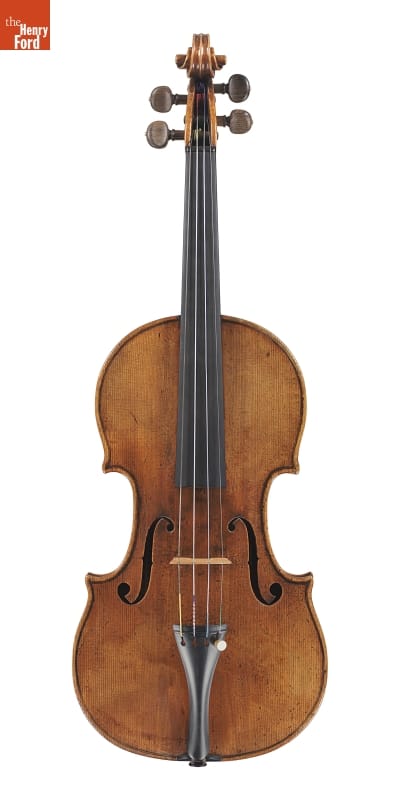
- Violin by Carlo Bergonzi, 1740 - In the 1920s, Henry Ford purchased several exquisite Italian violins, including this one by Carlo Bergonzi. Bergonzi's violins are prized for their powerful, yet sweet tone. This 1740 violin--one of the finest examples of Bergonzi's work--was owned by William Ackroyd from 1915 to about 1922. Ackroyd was the violin master at the Harrow School, a renowned school for boys located in London.
- 1740
- Collections - Artifact
Violin by Carlo Bergonzi, 1740
In the 1920s, Henry Ford purchased several exquisite Italian violins, including this one by Carlo Bergonzi. Bergonzi's violins are prized for their powerful, yet sweet tone. This 1740 violin--one of the finest examples of Bergonzi's work--was owned by William Ackroyd from 1915 to about 1922. Ackroyd was the violin master at the Harrow School, a renowned school for boys located in London.
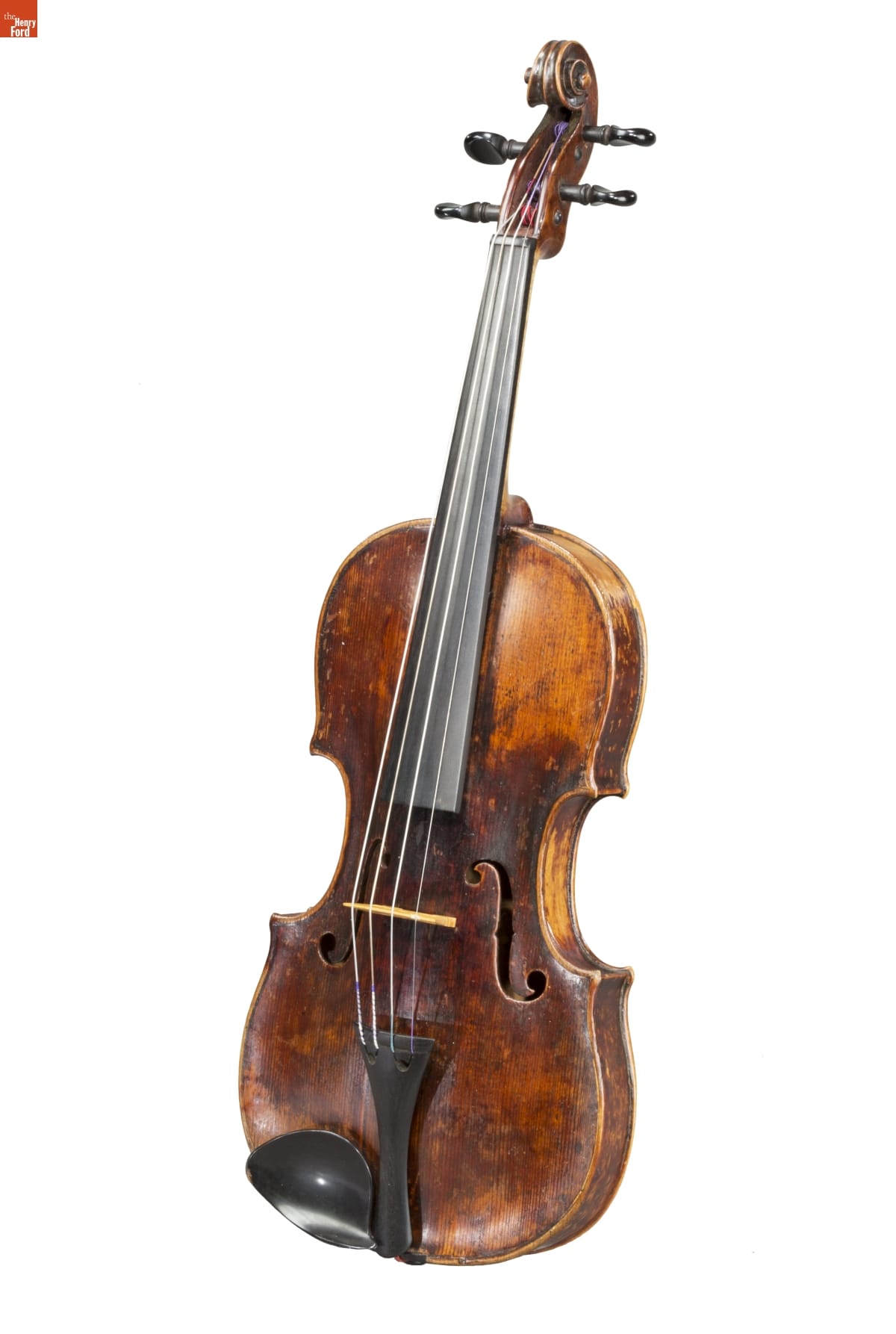
- Violin Used by Conrad Ambrose Hoffman -
- 1793
- Collections - Artifact
Violin Used by Conrad Ambrose Hoffman
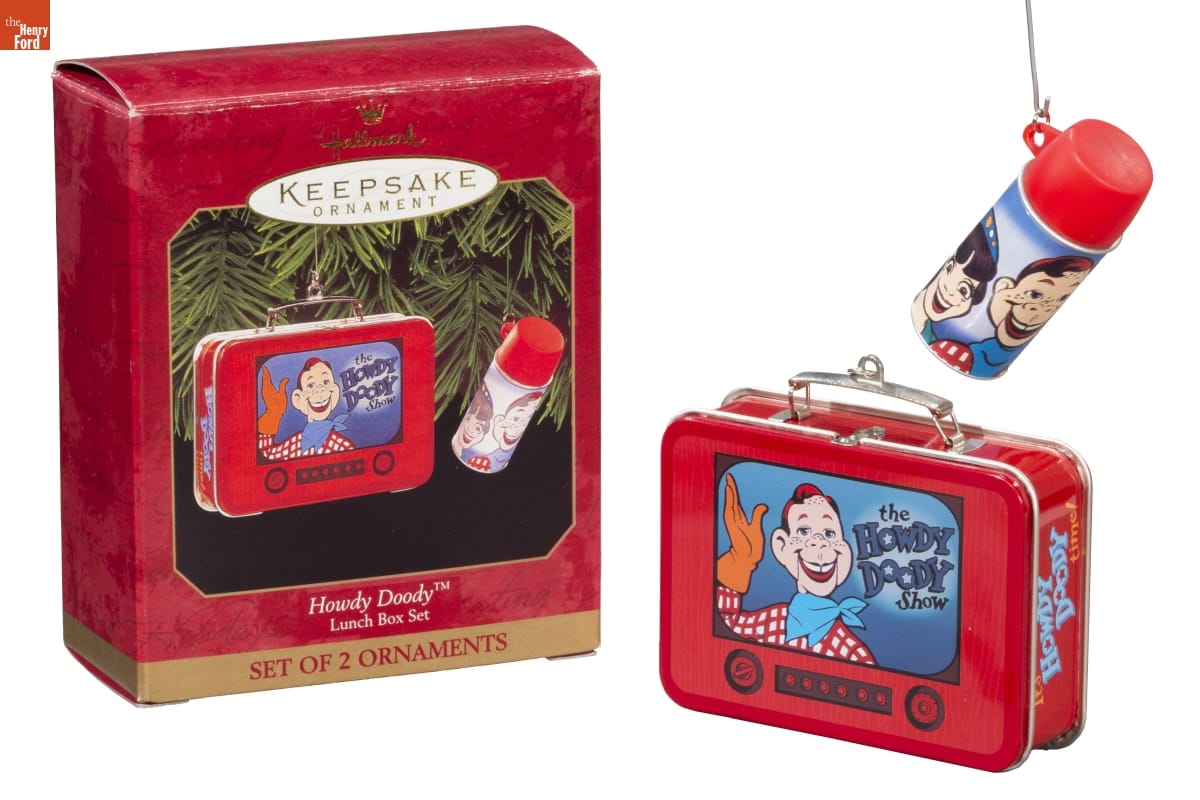
- Hallmark "Howdy Doody Lunch Box Set" Christmas Ornaments, 1999 - Already known for greeting cards, Hallmark introduced a line of Christmas ornaments in 1973. The company's annual release of an increasing array of ornaments revolutionized Christmas decorating, appealing to customers' interest in marking memories and milestones as well as expressing one's personality and unique tastes.
- 1999
- Collections - Artifact
Hallmark "Howdy Doody Lunch Box Set" Christmas Ornaments, 1999
Already known for greeting cards, Hallmark introduced a line of Christmas ornaments in 1973. The company's annual release of an increasing array of ornaments revolutionized Christmas decorating, appealing to customers' interest in marking memories and milestones as well as expressing one's personality and unique tastes.
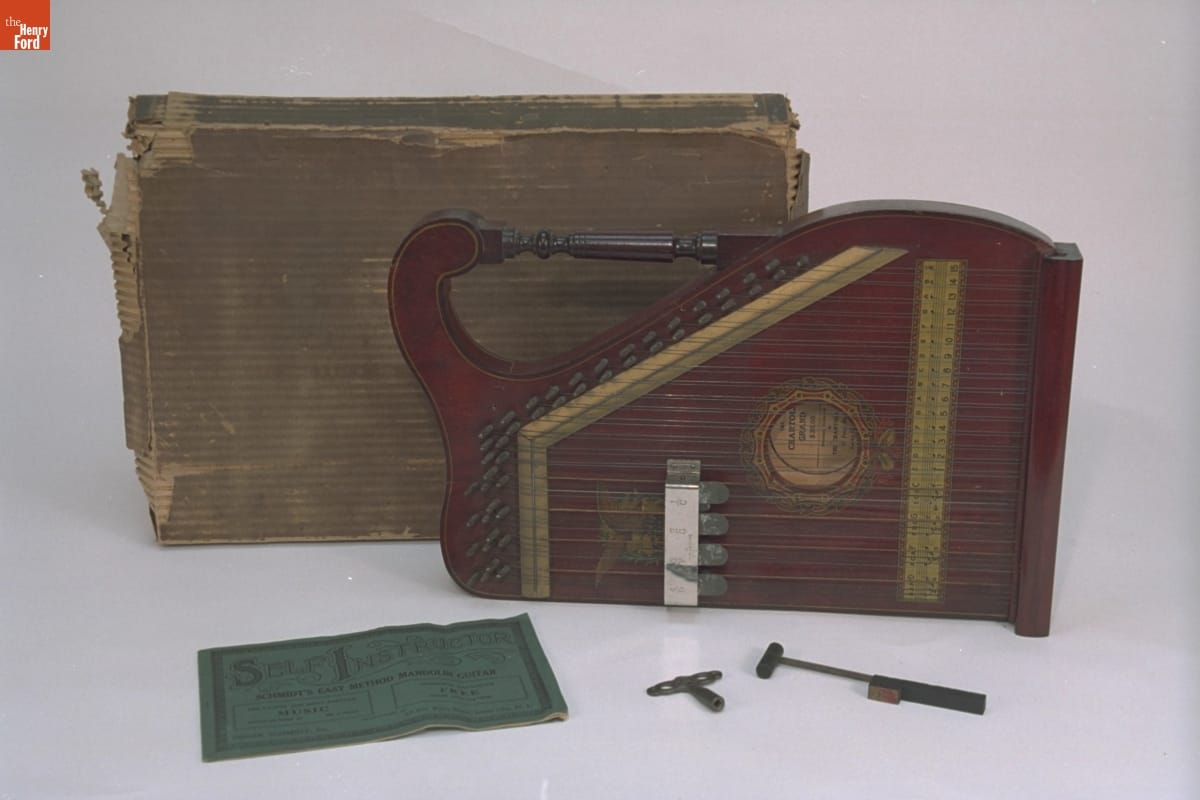
- Mandolin Guitar, circa 1923 -
- circa 1923
- Collections - Artifact
Mandolin Guitar, circa 1923
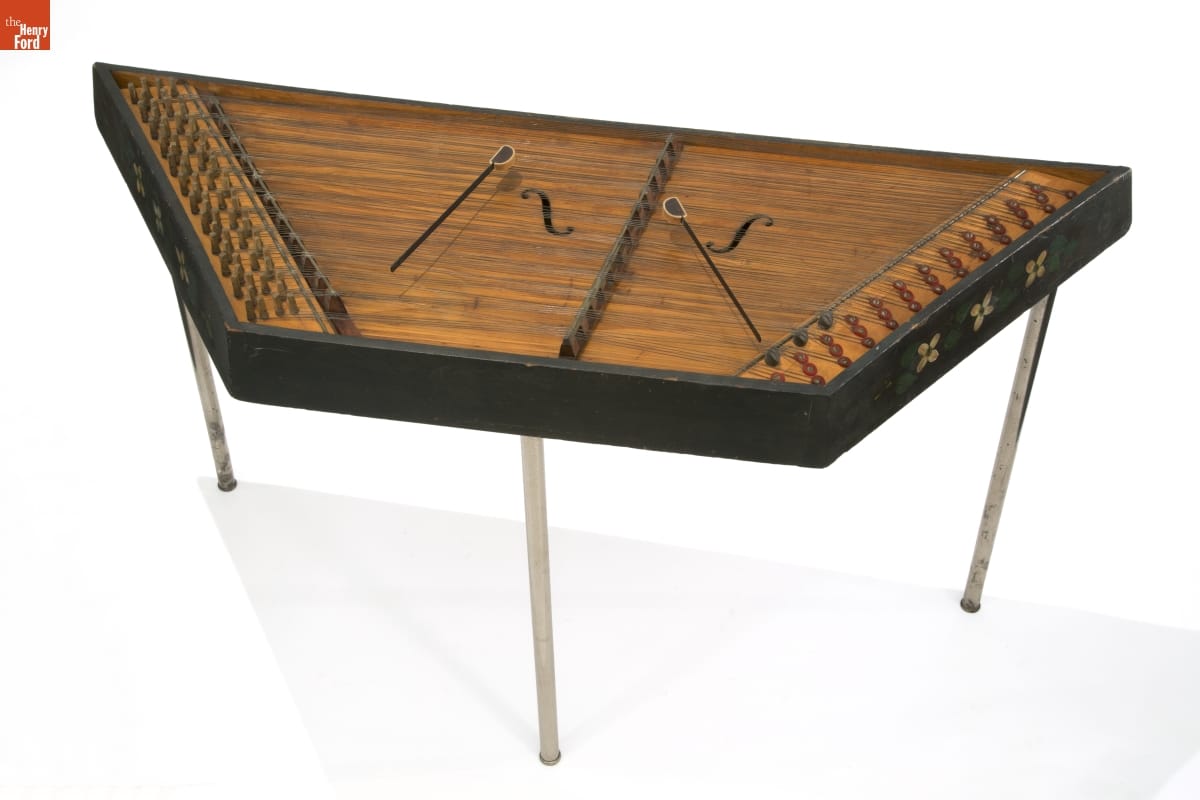
- Dulcimer, circa 1860 -
- circa 1860
- Collections - Artifact
Dulcimer, circa 1860