
Search
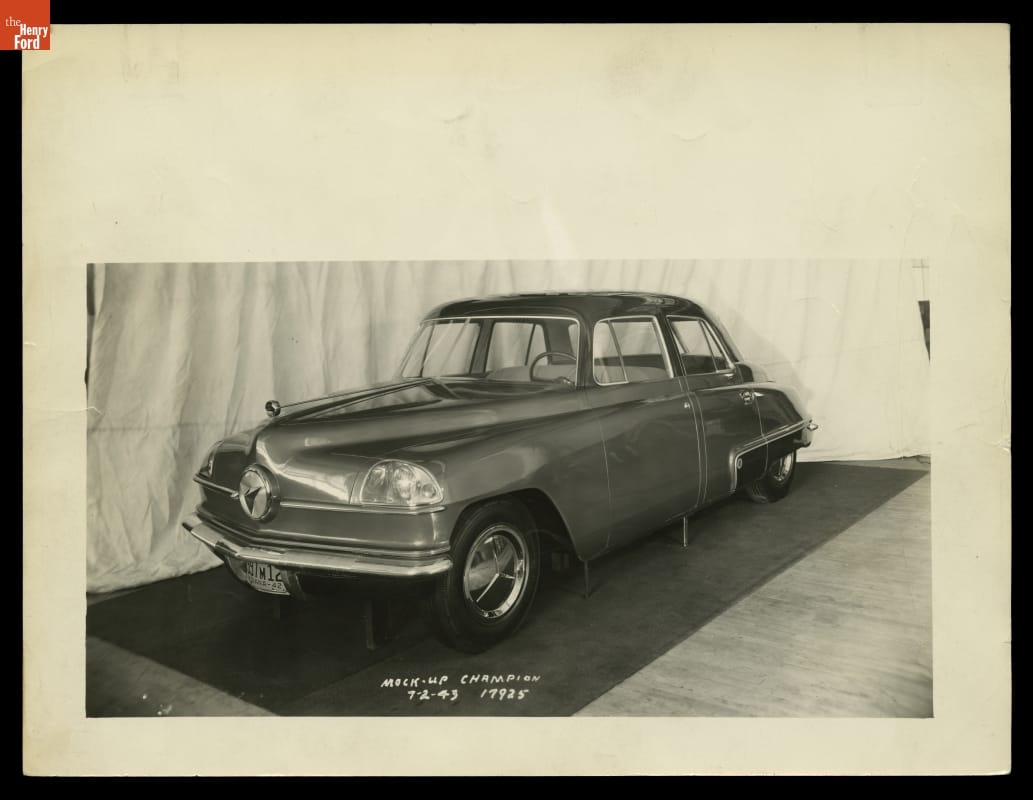
- Studebaker Champion Mock-Up, 1943 - Virgil Exner's long career in automotive design included time with General Motors, Raymond Loewy Associates, and Studebaker -- for which he produced this work. Exner is best remembered for his tenure as design head at Chrysler, where his dramatic "Forward Look" characterized the company's vehicles from 1955 to 1961.
- July 02, 1943
- Collections - Artifact
Studebaker Champion Mock-Up, 1943
Virgil Exner's long career in automotive design included time with General Motors, Raymond Loewy Associates, and Studebaker -- for which he produced this work. Exner is best remembered for his tenure as design head at Chrysler, where his dramatic "Forward Look" characterized the company's vehicles from 1955 to 1961.
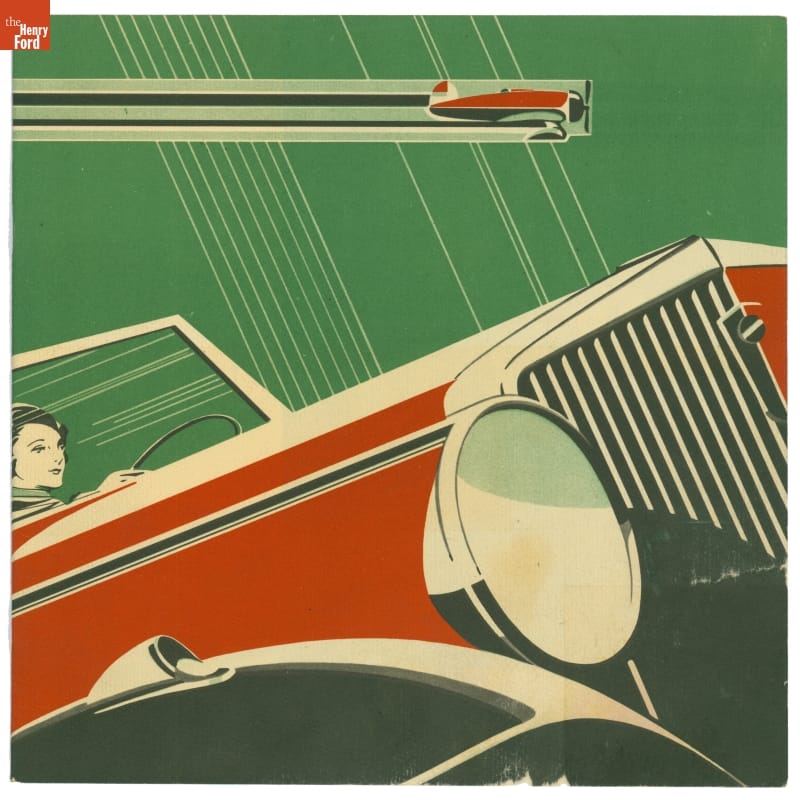
- Studebaker Sales Brochure, 1932 - Virgil Exner's long career in automotive design included time with General Motors, Raymond Loewy Associates, and Studebaker -- for which he produced this work. Exner is best remembered for his tenure as design head at Chrysler, where his dramatic "Forward Look" characterized the company's vehicles from 1955 to 1961.
- 1932
- Collections - Artifact
Studebaker Sales Brochure, 1932
Virgil Exner's long career in automotive design included time with General Motors, Raymond Loewy Associates, and Studebaker -- for which he produced this work. Exner is best remembered for his tenure as design head at Chrysler, where his dramatic "Forward Look" characterized the company's vehicles from 1955 to 1961.
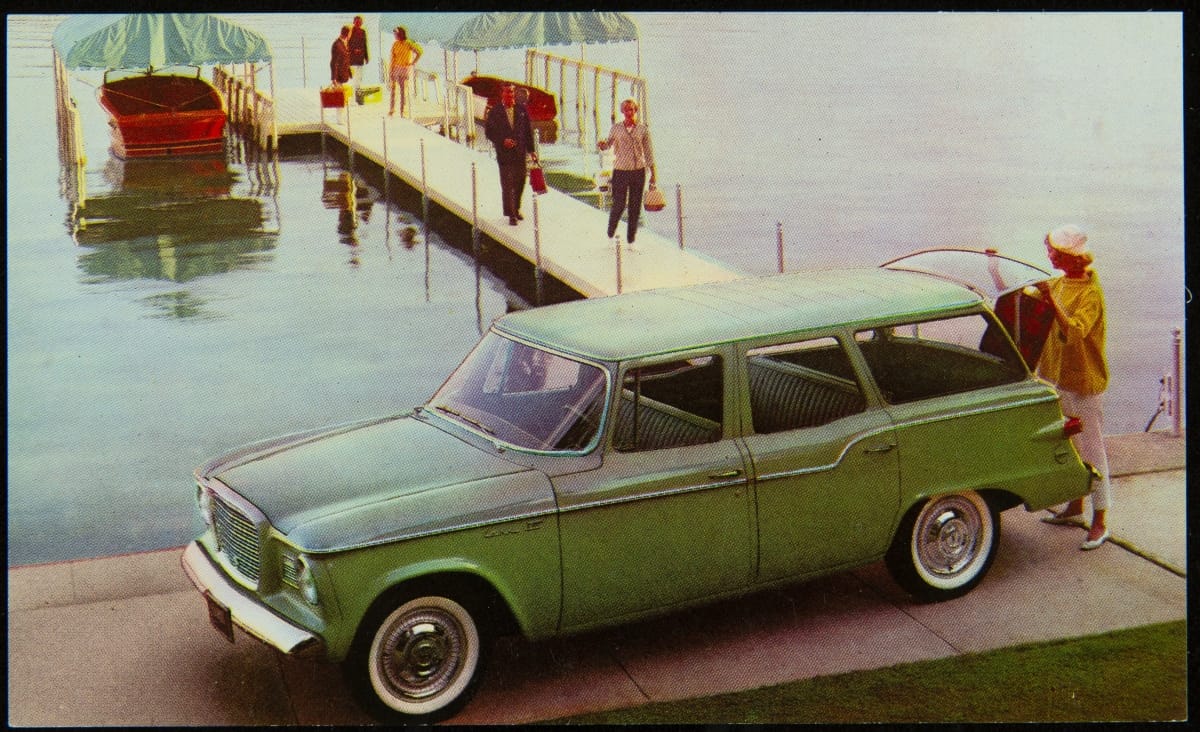
- Postcard Advertising the Studebaker Lark 4-Door Station Wagon, 1960 - When people started buying smaller imported cars, particularly Volkswagens, American automakers changed their "one size fits all" approach and offered small cars of their own. Studebaker of South Bend, Indiana, was one of the first. Its compact Lark debuted in 1959 and was a strong seller, partly for lack of competition. Chrysler, Ford, and General Motors introduced compacts for 1960.
- 1960
- Collections - Artifact
Postcard Advertising the Studebaker Lark 4-Door Station Wagon, 1960
When people started buying smaller imported cars, particularly Volkswagens, American automakers changed their "one size fits all" approach and offered small cars of their own. Studebaker of South Bend, Indiana, was one of the first. Its compact Lark debuted in 1959 and was a strong seller, partly for lack of competition. Chrysler, Ford, and General Motors introduced compacts for 1960.
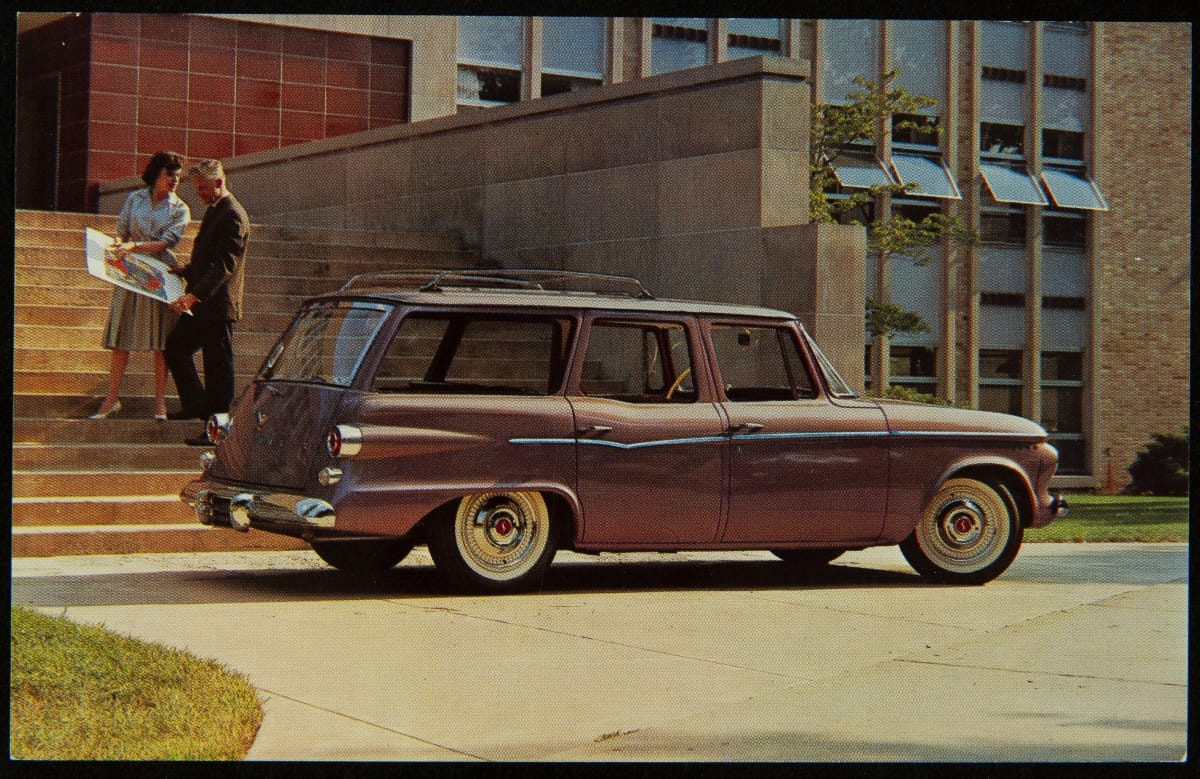
- Postcard Advertising the Studebaker Lark Station Wagon, 1962 - When people started buying smaller imported cars, particularly Volkswagens, American automakers changed their "one size fits all" approach and offered small cars of their own. Studebaker of South Bend, Indiana, was one of the first. Its compact Lark debuted in 1959 and was a strong seller, partly for lack of competition. Chrysler, Ford, and General Motors introduced compacts for 1960.
- 1962
- Collections - Artifact
Postcard Advertising the Studebaker Lark Station Wagon, 1962
When people started buying smaller imported cars, particularly Volkswagens, American automakers changed their "one size fits all" approach and offered small cars of their own. Studebaker of South Bend, Indiana, was one of the first. Its compact Lark debuted in 1959 and was a strong seller, partly for lack of competition. Chrysler, Ford, and General Motors introduced compacts for 1960.
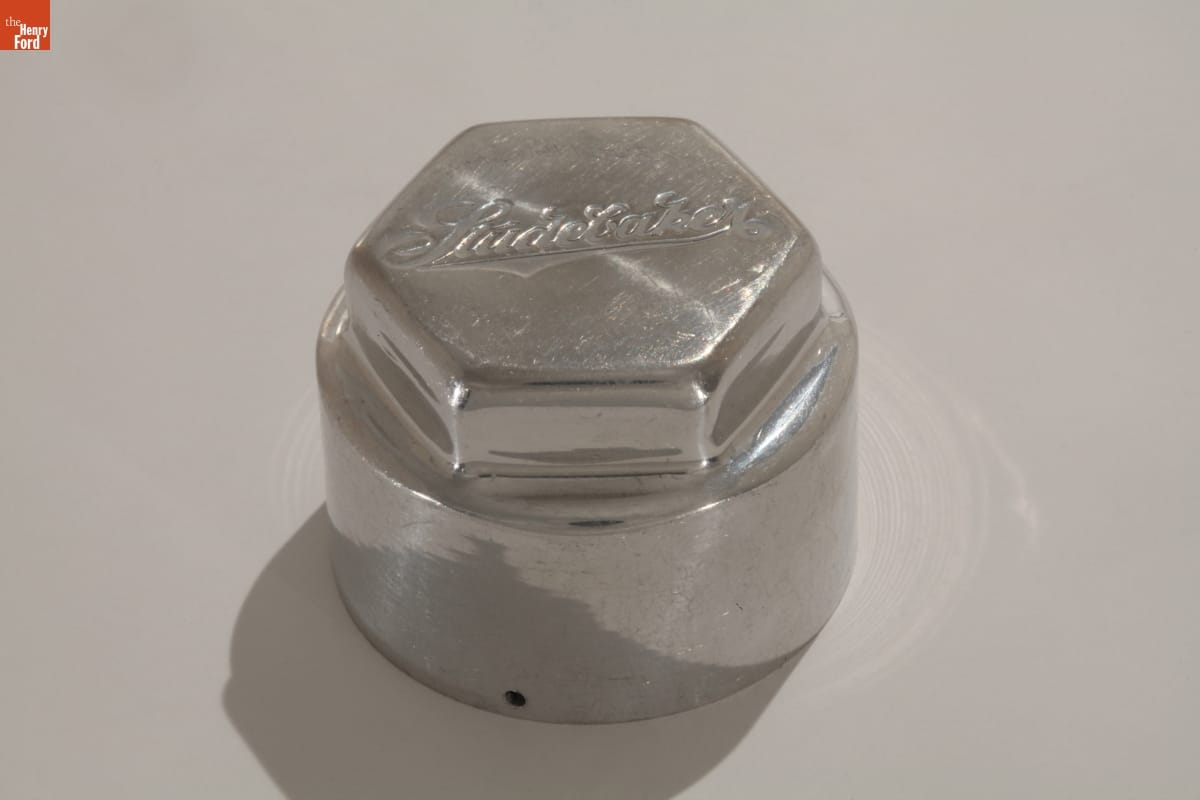
- Studebaker Hubcap, 1918-1928 - Early automobile wheels had a central hub with a greased wheel bearing. Hub caps kept grease in and dust out. As wheels evolved and hubcaps became functionally unnecessary, they remained important to both manufacturers -- who branded wheel covers with maker names or logos -- and consumers -- who identified with hubcaps as statements about their cars and themselves.
- 1918-1928
- Collections - Artifact
Studebaker Hubcap, 1918-1928
Early automobile wheels had a central hub with a greased wheel bearing. Hub caps kept grease in and dust out. As wheels evolved and hubcaps became functionally unnecessary, they remained important to both manufacturers -- who branded wheel covers with maker names or logos -- and consumers -- who identified with hubcaps as statements about their cars and themselves.
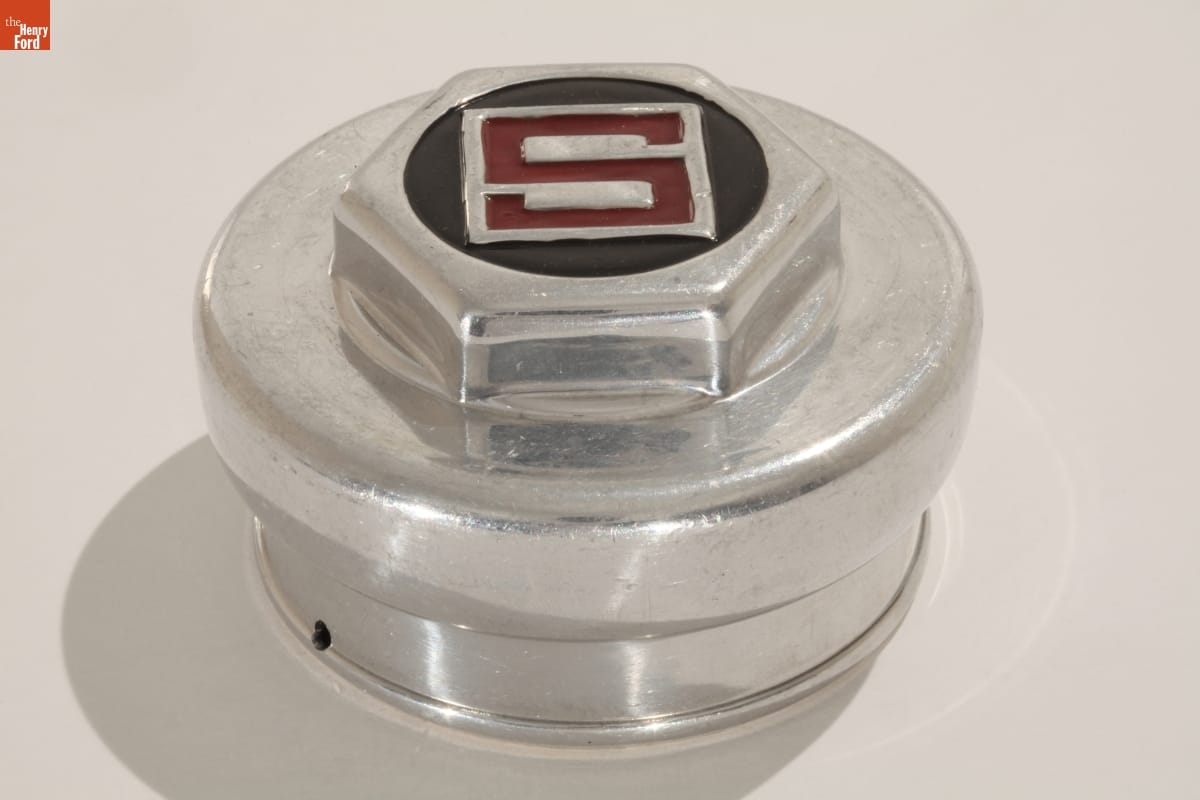
- Studebaker Big Six Hubcap, 1920-1926 - Early automobile wheels had a central hub with a greased wheel bearing. Hub caps kept grease in and dust out. As wheels evolved and hubcaps became functionally unnecessary, they remained important to both manufacturers -- who branded wheel covers with maker names or logos -- and consumers -- who identified with hubcaps as statements about their cars and themselves.
- 1920-1926
- Collections - Artifact
Studebaker Big Six Hubcap, 1920-1926
Early automobile wheels had a central hub with a greased wheel bearing. Hub caps kept grease in and dust out. As wheels evolved and hubcaps became functionally unnecessary, they remained important to both manufacturers -- who branded wheel covers with maker names or logos -- and consumers -- who identified with hubcaps as statements about their cars and themselves.
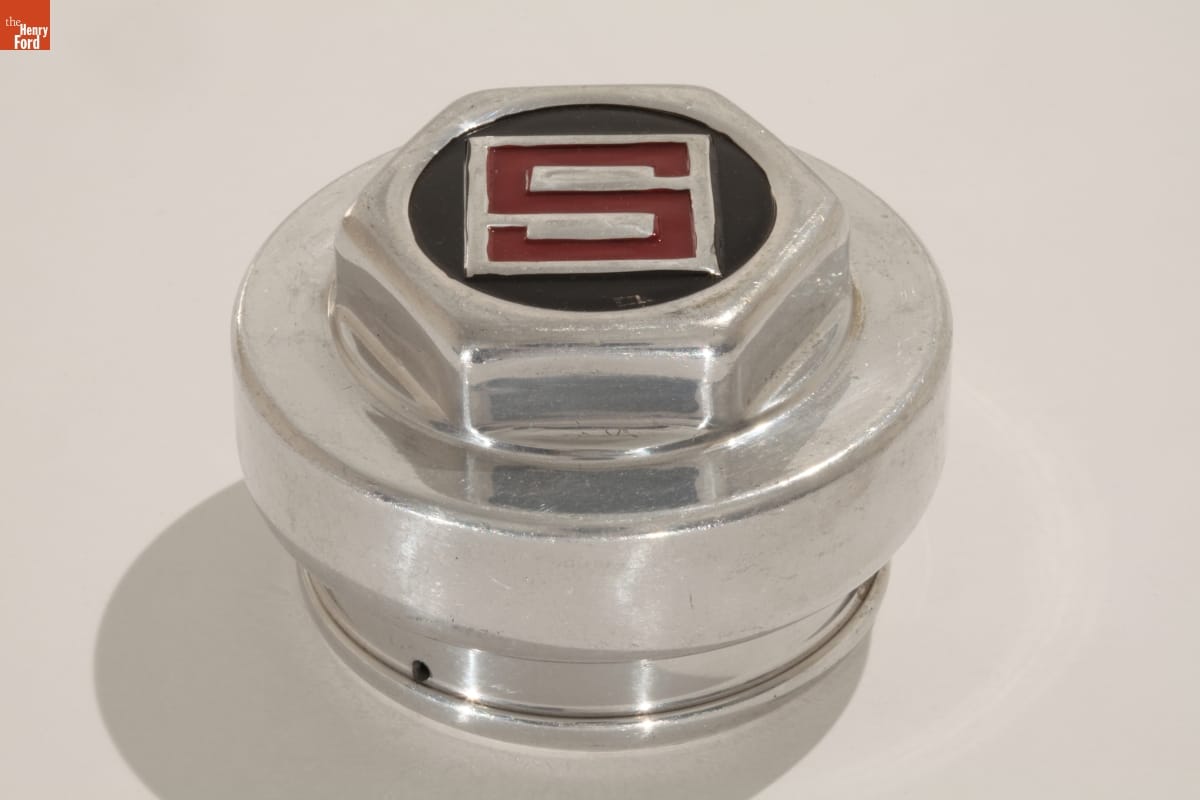
- Studebaker Big Six Hubcap, 1920-1926 - Early automobile wheels had a central hub with a greased wheel bearing. Hub caps kept grease in and dust out. As wheels evolved and hubcaps became functionally unnecessary, they remained important to both manufacturers -- who branded wheel covers with maker names or logos -- and consumers -- who identified with hubcaps as statements about their cars and themselves.
- 1920-1926
- Collections - Artifact
Studebaker Big Six Hubcap, 1920-1926
Early automobile wheels had a central hub with a greased wheel bearing. Hub caps kept grease in and dust out. As wheels evolved and hubcaps became functionally unnecessary, they remained important to both manufacturers -- who branded wheel covers with maker names or logos -- and consumers -- who identified with hubcaps as statements about their cars and themselves.
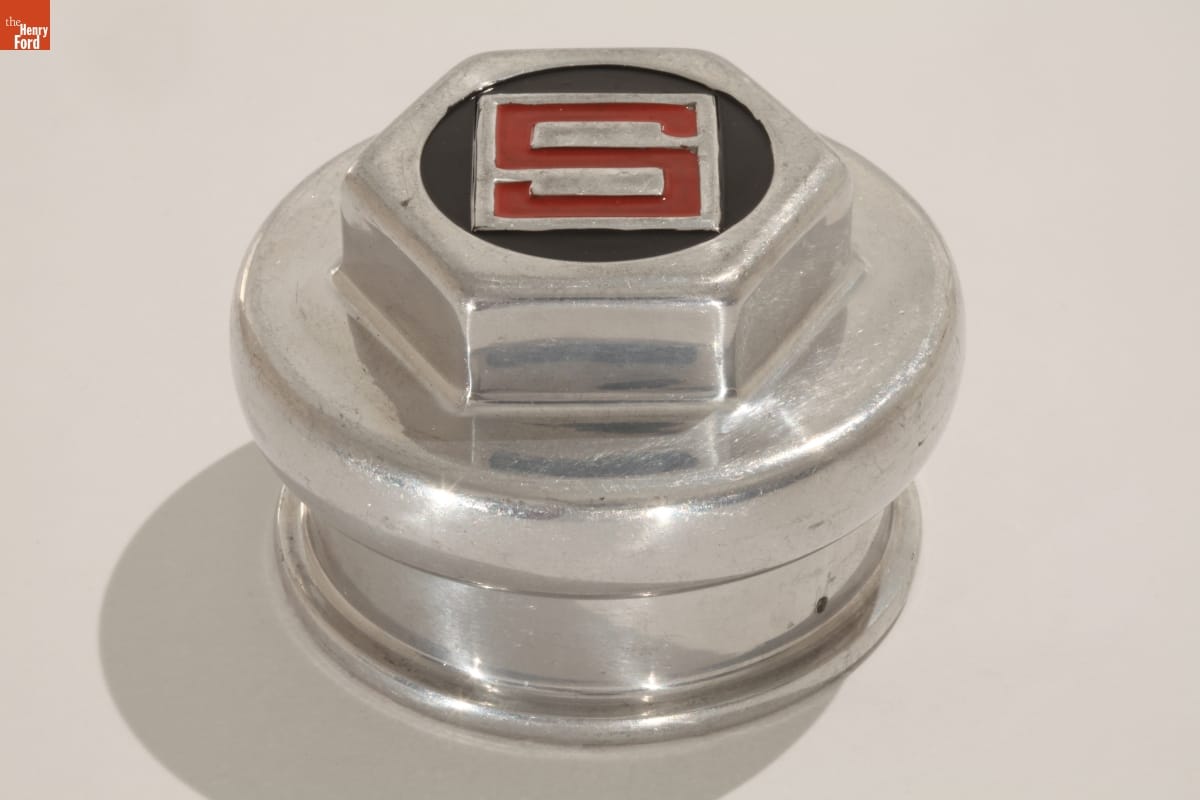
- Studebaker Hubcap, circa 1928 - Early automobile wheels had a central hub with a greased wheel bearing. Hub caps kept grease in and dust out. As wheels evolved and hubcaps became functionally unnecessary, they remained important to both manufacturers -- who branded wheel covers with maker names or logos -- and consumers -- who identified with hubcaps as statements about their cars and themselves.
- circa 1928
- Collections - Artifact
Studebaker Hubcap, circa 1928
Early automobile wheels had a central hub with a greased wheel bearing. Hub caps kept grease in and dust out. As wheels evolved and hubcaps became functionally unnecessary, they remained important to both manufacturers -- who branded wheel covers with maker names or logos -- and consumers -- who identified with hubcaps as statements about their cars and themselves.
- Studebaker Hubcap, 1920-1929 - Early automobile wheels had a central hub with a greased wheel bearing. Hub caps kept grease in and dust out. As wheels evolved and hubcaps became functionally unnecessary, they remained important to both manufacturers -- who branded wheel covers with maker names or logos -- and consumers -- who identified with hubcaps as statements about their cars and themselves.
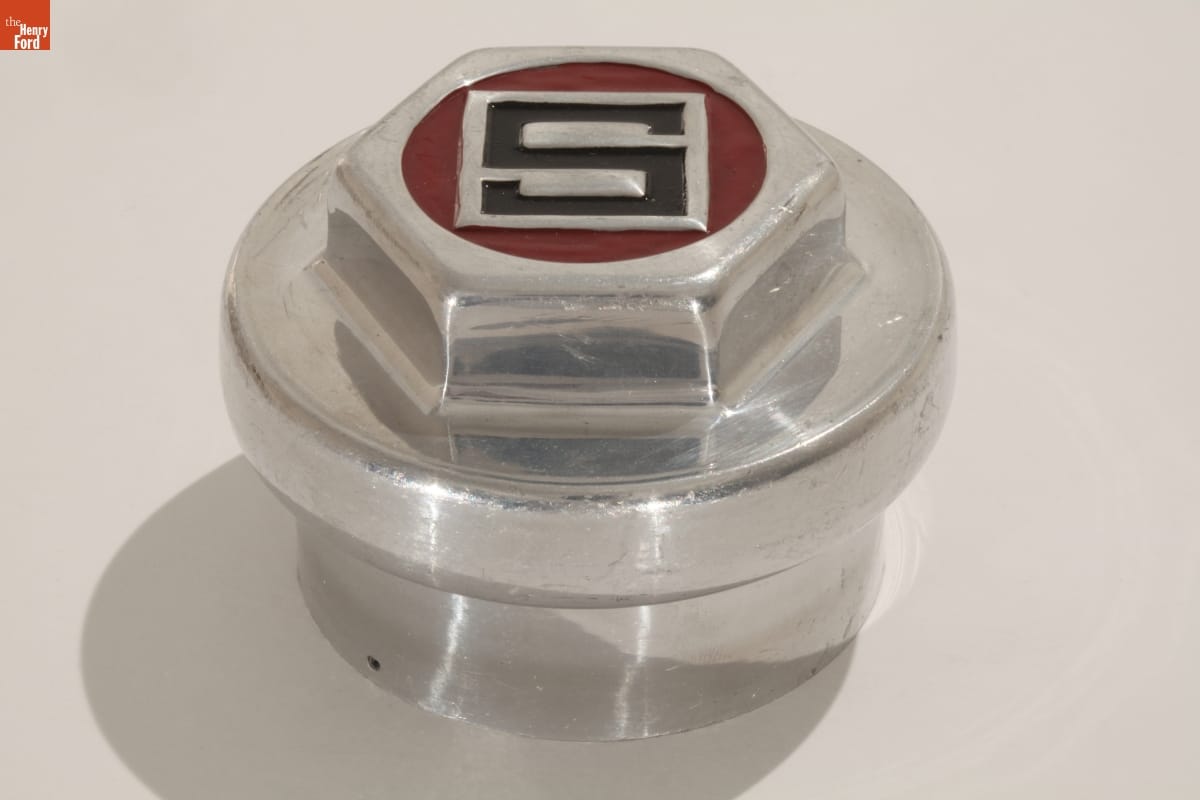
- 1920-1929
- Collections - Artifact
Studebaker Hubcap, 1920-1929
Early automobile wheels had a central hub with a greased wheel bearing. Hub caps kept grease in and dust out. As wheels evolved and hubcaps became functionally unnecessary, they remained important to both manufacturers -- who branded wheel covers with maker names or logos -- and consumers -- who identified with hubcaps as statements about their cars and themselves.
- Studebaker Hubcap, 1920-1929 - Early automobile wheels had a central hub with a greased wheel bearing. Hub caps kept grease in and dust out. As wheels evolved and hubcaps became functionally unnecessary, they remained important to both manufacturers -- who branded wheel covers with maker names or logos -- and consumers -- who identified with hubcaps as statements about their cars and themselves.
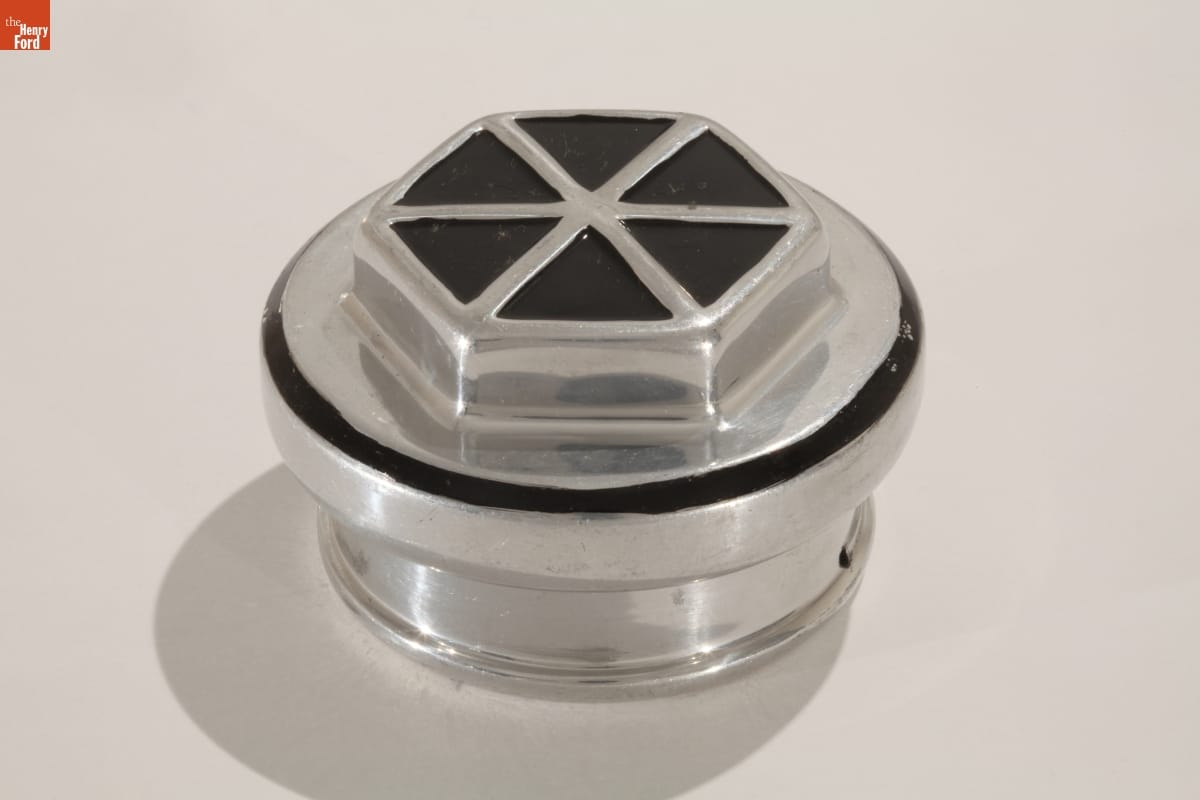
- 1920-1929
- Collections - Artifact
Studebaker Hubcap, 1920-1929
Early automobile wheels had a central hub with a greased wheel bearing. Hub caps kept grease in and dust out. As wheels evolved and hubcaps became functionally unnecessary, they remained important to both manufacturers -- who branded wheel covers with maker names or logos -- and consumers -- who identified with hubcaps as statements about their cars and themselves.