
Search
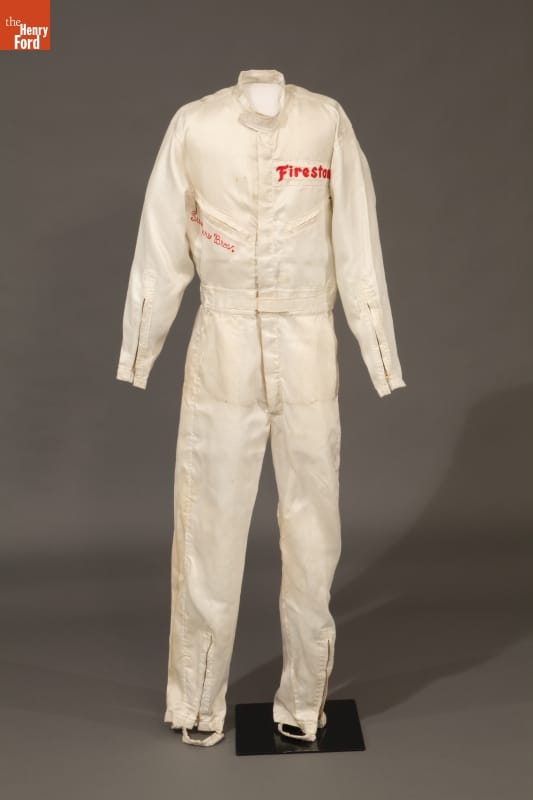
- Racing Suit Worn by Bob Summers While Winning New Land Speed Record, 1965 - Bob Summers of Ontario, California, wore this racing suit when he achieved a new wheel-driven land speed record of 409.277 miles per hour on November 12, 1965. Summers was in Goldenrod, the sleek four-engine car he built with his brother Bill. The Summers brothers' record stood until 1991.
- November 12, 1965
- Collections - Artifact
Racing Suit Worn by Bob Summers While Winning New Land Speed Record, 1965
Bob Summers of Ontario, California, wore this racing suit when he achieved a new wheel-driven land speed record of 409.277 miles per hour on November 12, 1965. Summers was in Goldenrod, the sleek four-engine car he built with his brother Bill. The Summers brothers' record stood until 1991.
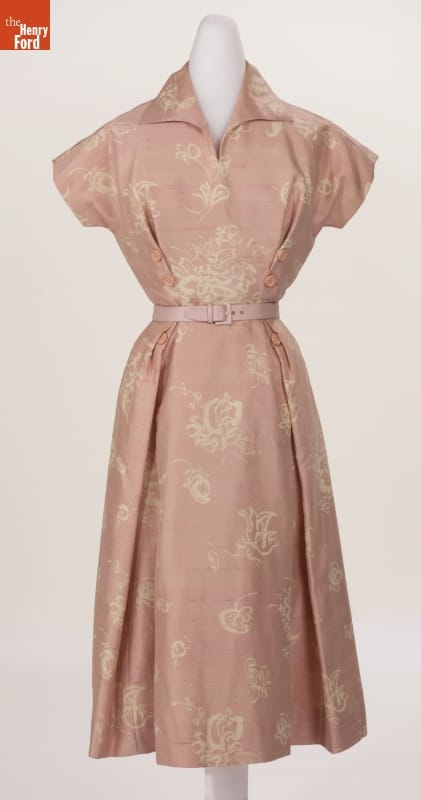
- Christian Dior Afternoon Dress, Worn by Elizabeth Parke Firestone, 1952 -
- 1952
- Collections - Artifact
Christian Dior Afternoon Dress, Worn by Elizabeth Parke Firestone, 1952
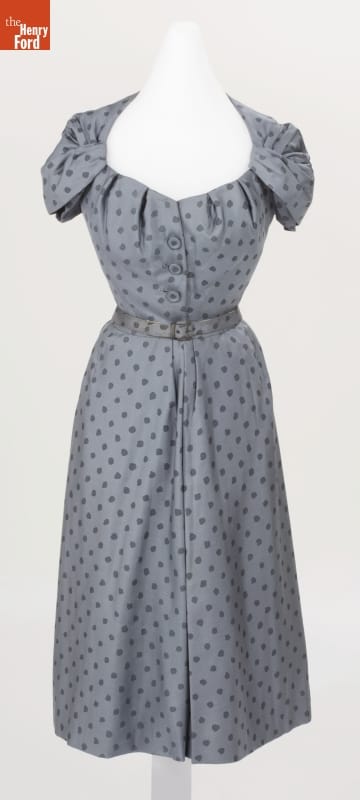
- Christian Dior Afternoon Dress, Worn by Elizabeth Parke Firestone, 1952 -
- 1952
- Collections - Artifact
Christian Dior Afternoon Dress, Worn by Elizabeth Parke Firestone, 1952
- Herman Miller Picnic Poster, "Ring Toss," 1990 - In 1990, Herman Miller graphic designer Kathy Stanton took over the reins from Steve Frykholm to design the poster for the furniture company's annual employee summer picnic. While Frykholm's picnic posters focused on the food at the picnic, Stanton's designs were inspired by the activities available to the employees and their families. Stanton would design 11 picnic posters, one each year until 2000.

- 1990
- Collections - Artifact
Herman Miller Picnic Poster, "Ring Toss," 1990
In 1990, Herman Miller graphic designer Kathy Stanton took over the reins from Steve Frykholm to design the poster for the furniture company's annual employee summer picnic. While Frykholm's picnic posters focused on the food at the picnic, Stanton's designs were inspired by the activities available to the employees and their families. Stanton would design 11 picnic posters, one each year until 2000.
- Herman Miller Picnic Poster, "Carousel," 1991 - In 1990, Herman Miller graphic designer Kathy Stanton took over the reins from Steve Frykholm to design the poster for the furniture company's annual employee summer picnic. While Frykholm's picnic posters focused on the food at the picnic, Stanton's designs were inspired by the activities available to the employees and their families. Stanton would design 11 picnic posters, one each year until 2000.

- 1991
- Collections - Artifact
Herman Miller Picnic Poster, "Carousel," 1991
In 1990, Herman Miller graphic designer Kathy Stanton took over the reins from Steve Frykholm to design the poster for the furniture company's annual employee summer picnic. While Frykholm's picnic posters focused on the food at the picnic, Stanton's designs were inspired by the activities available to the employees and their families. Stanton would design 11 picnic posters, one each year until 2000.
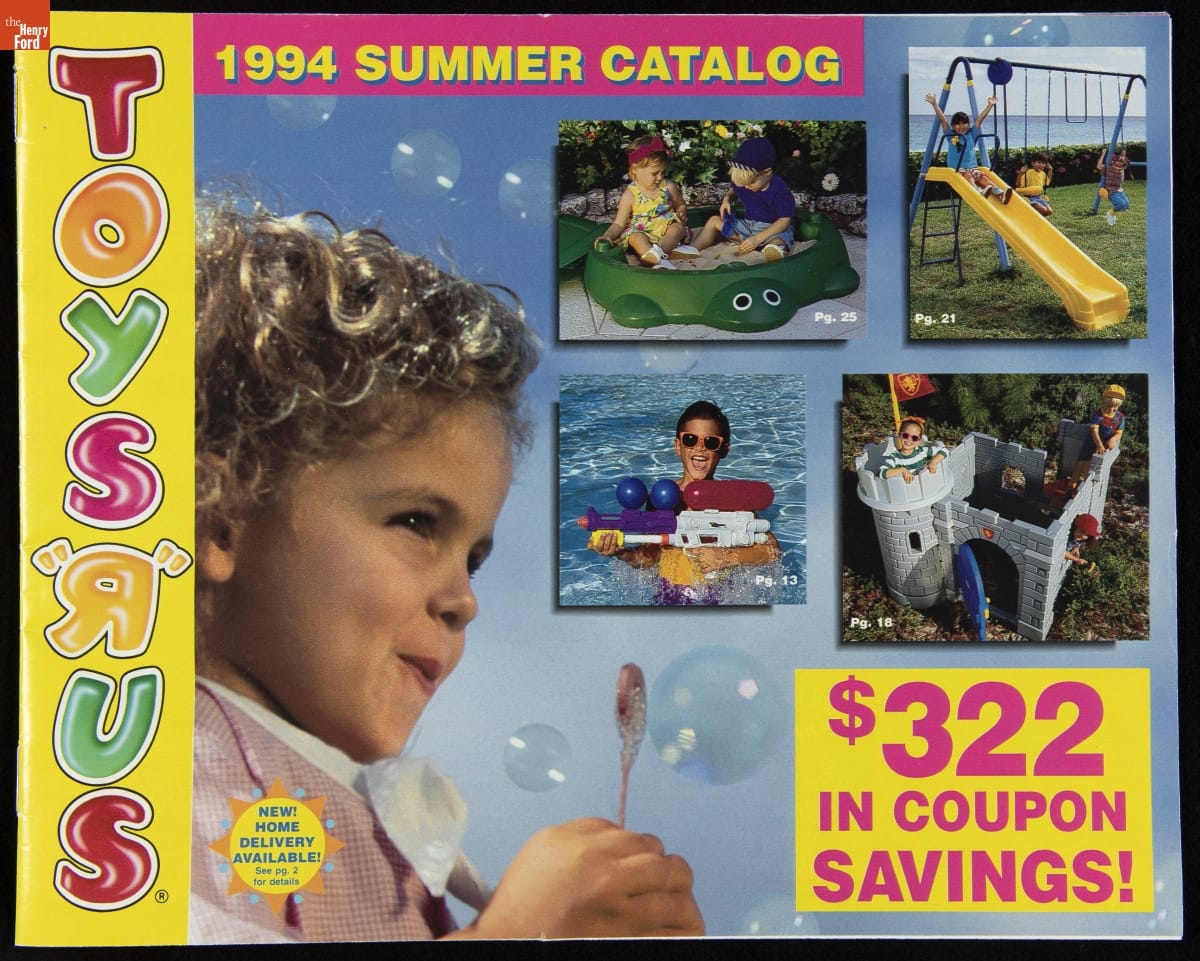
- Toys "R" Us Summer Catalog, 1994 -
- 1994
- Collections - Artifact
Toys "R" Us Summer Catalog, 1994
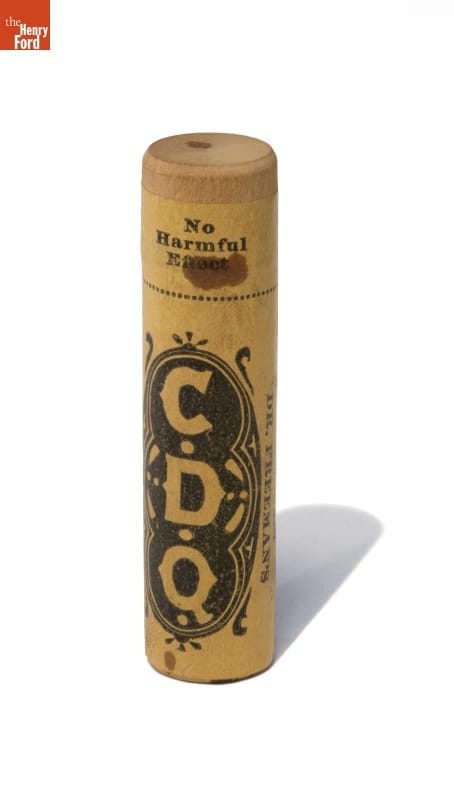
- Dr. Freeman's C.D.Q., circa 1915 - Nineteenth-century entrepreneurs promised cures with patent medicines. Some of these concoctions, however, contained harmful ingredients or ingredients used in unsafe quantities -- the industry was unregulated and manufacturers were secretive about their recipes. Beginning with the Pure Food and Drug Act of 1906, national legislation increasingly prohibited misleading health claims and required manufacturers to list their product's contents.
- circa 1915
- Collections - Artifact
Dr. Freeman's C.D.Q., circa 1915
Nineteenth-century entrepreneurs promised cures with patent medicines. Some of these concoctions, however, contained harmful ingredients or ingredients used in unsafe quantities -- the industry was unregulated and manufacturers were secretive about their recipes. Beginning with the Pure Food and Drug Act of 1906, national legislation increasingly prohibited misleading health claims and required manufacturers to list their product's contents.
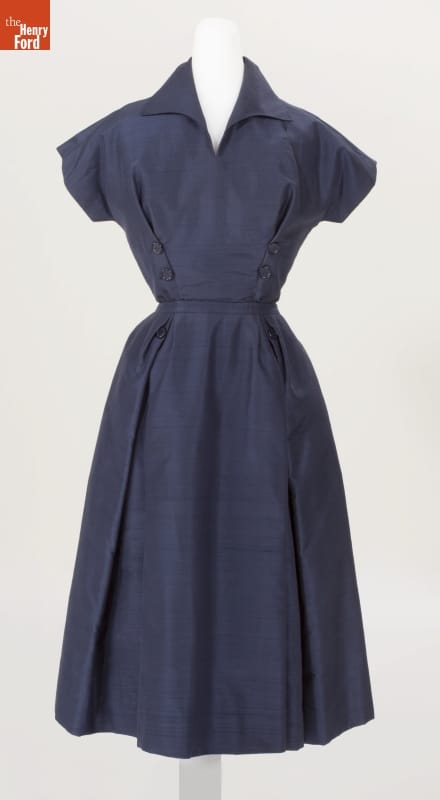
- Christian Dior Afternoon Dress, Worn by Elizabeth Parke Firestone, 1952 -
- 1952
- Collections - Artifact
Christian Dior Afternoon Dress, Worn by Elizabeth Parke Firestone, 1952
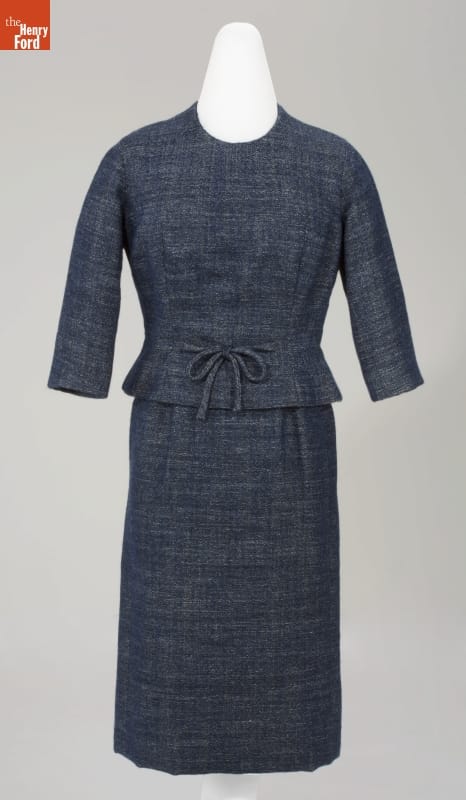
- Christian Dior Afternoon Ensemble, Worn by Elizabeth Parke Firestone, 1959 -
- 1959
- Collections - Artifact
Christian Dior Afternoon Ensemble, Worn by Elizabeth Parke Firestone, 1959
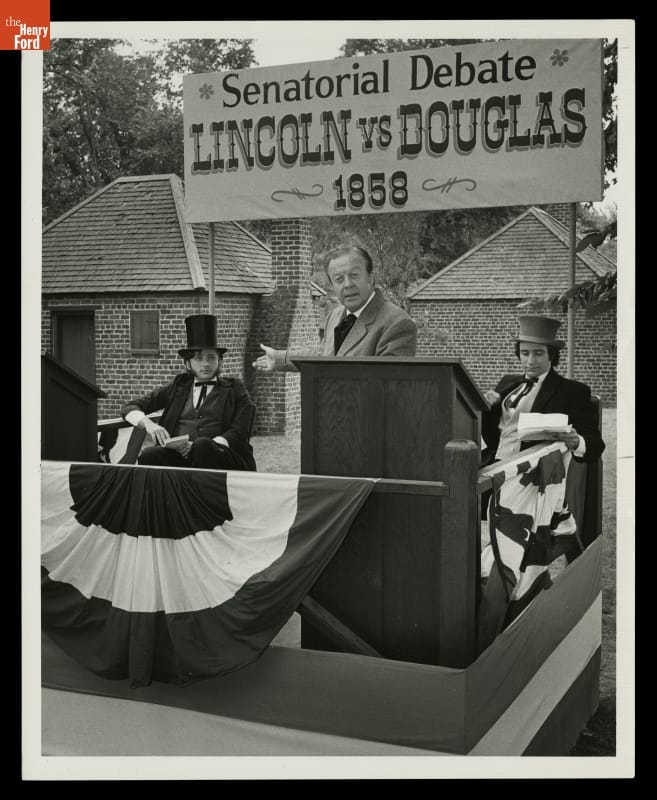
- Lincoln-Douglas Debate Reenactment during Old Time Summer Festival, Greenfield Village, 1971 -
- 1971
- Collections - Artifact
Lincoln-Douglas Debate Reenactment during Old Time Summer Festival, Greenfield Village, 1971