
Search
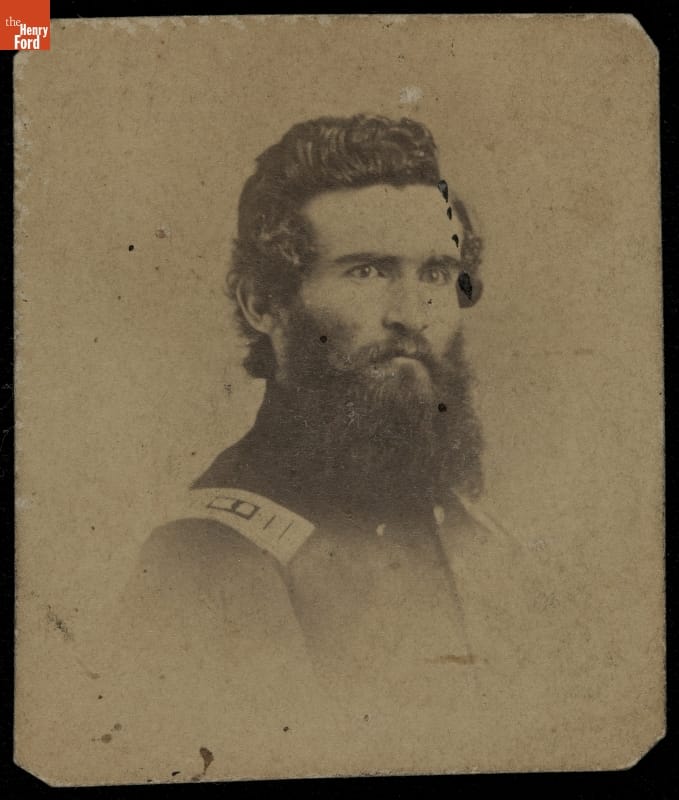
- Portrait of Charles A. Miller, a Union Army Assistant Surgeon, 34th Regiment, Ohio Volunteer Infantry, 1861-1865 -
- 1861-1865
- Collections - Artifact
Portrait of Charles A. Miller, a Union Army Assistant Surgeon, 34th Regiment, Ohio Volunteer Infantry, 1861-1865
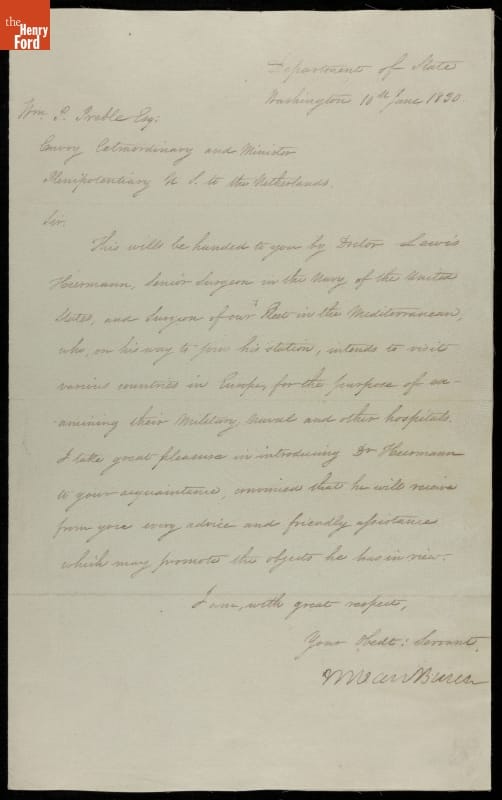
- Letter from Martin Van Buren to William Pitt Preble, 1830 -
- June 10, 1830
- Collections - Artifact
Letter from Martin Van Buren to William Pitt Preble, 1830
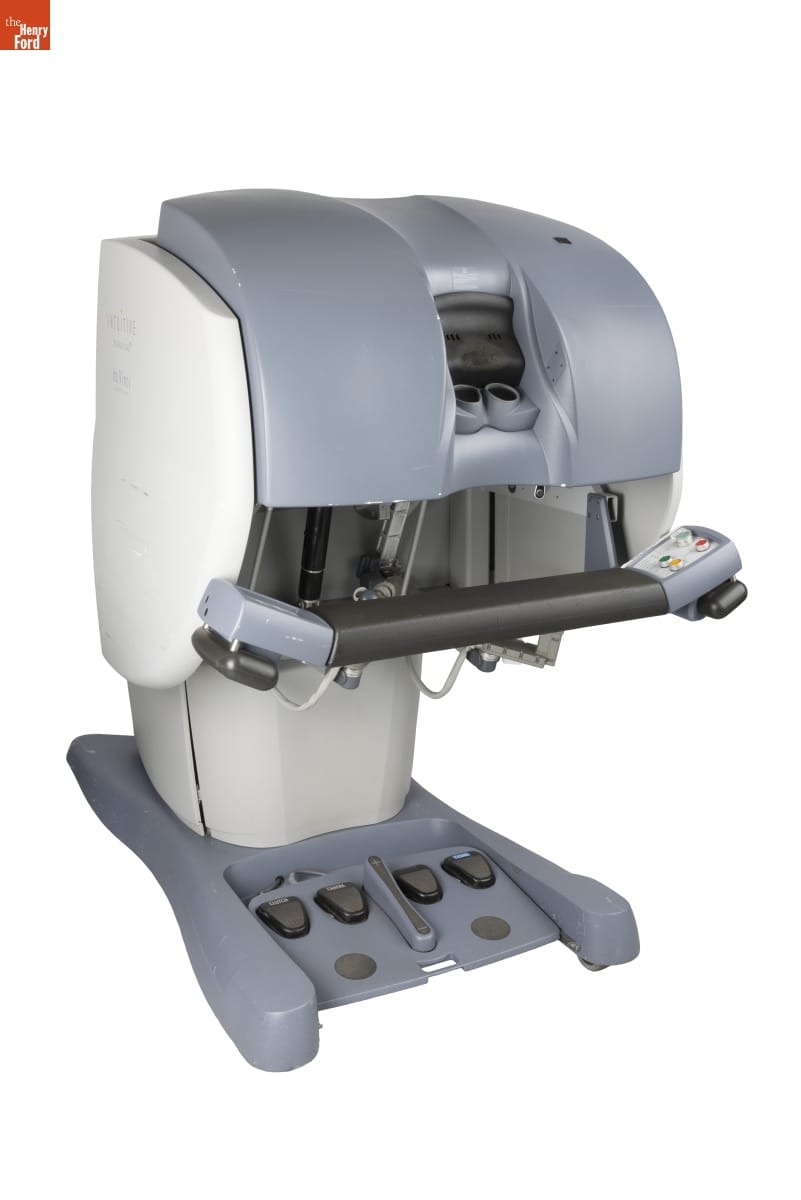
- da Vinci Surgical System Surgeon Console, Used at Henry Ford Hospital, 2000 -
- 2000
- Collections - Artifact
da Vinci Surgical System Surgeon Console, Used at Henry Ford Hospital, 2000
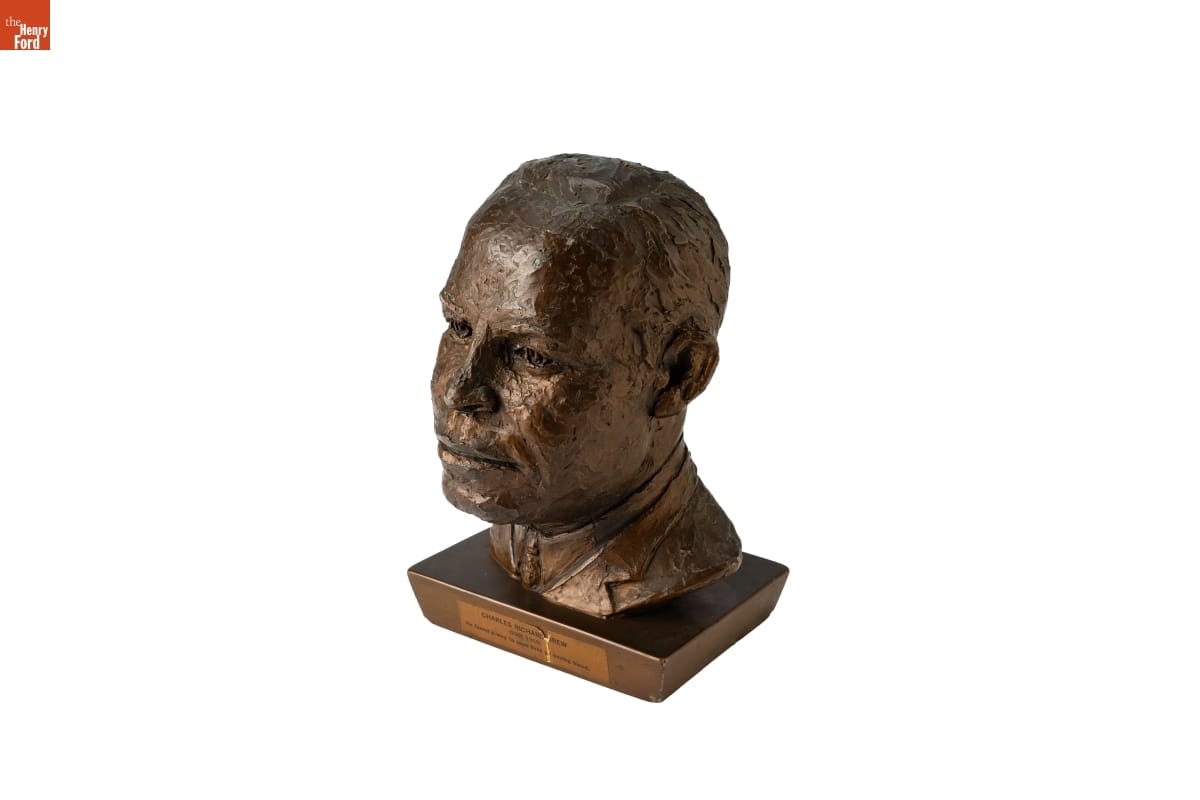
- Plaster Bust of Charles Richard Drew -
- 1967
- Collections - Artifact
Plaster Bust of Charles Richard Drew
- Ohio Medical College Students with Surgical Instruments, Dissecting Cadaver, circa 1876 - Late 19th-century medical schools employed cadaver dissection to teach human anatomy. A post-mortem dissection -- using bodies supplied by prisons or poorhouses or, sometimes, obtained from grave robbers -- became an important rite of passage for medical school students, who documented this instruction through photography. Photographs like this were personal reminders of a student's professional transformation and usually not intended for general viewing.
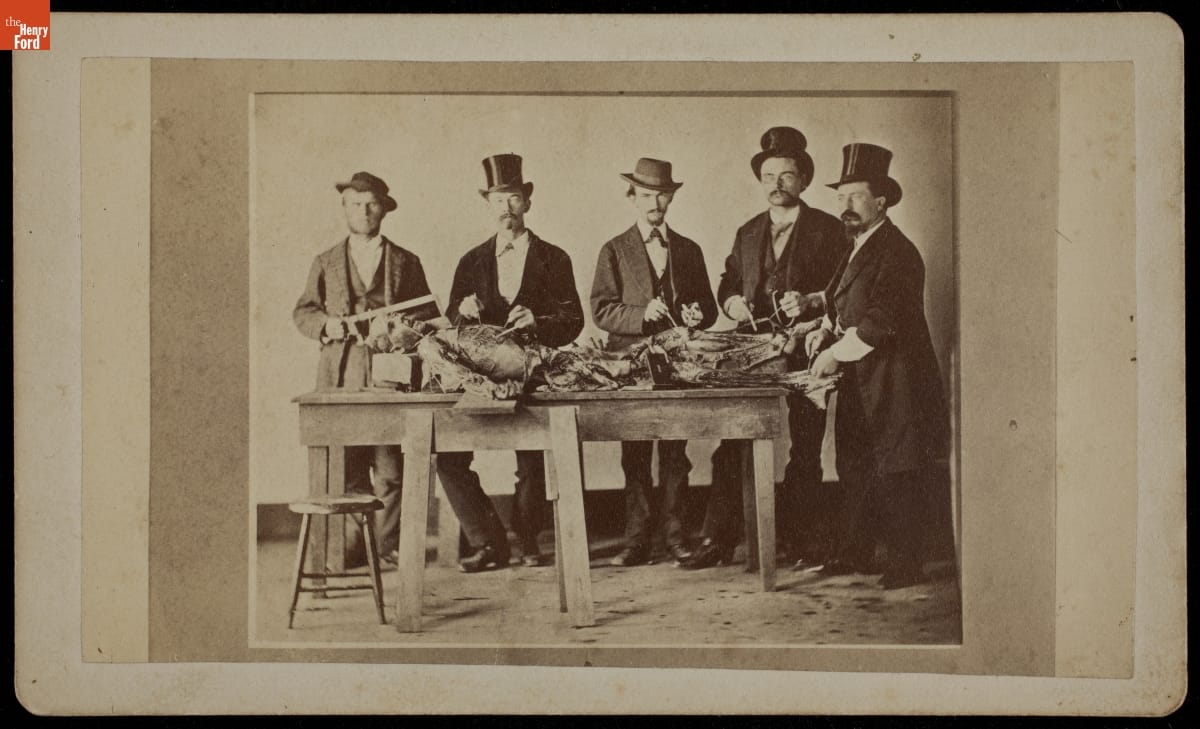
- circa 1876
- Collections - Artifact
Ohio Medical College Students with Surgical Instruments, Dissecting Cadaver, circa 1876
Late 19th-century medical schools employed cadaver dissection to teach human anatomy. A post-mortem dissection -- using bodies supplied by prisons or poorhouses or, sometimes, obtained from grave robbers -- became an important rite of passage for medical school students, who documented this instruction through photography. Photographs like this were personal reminders of a student's professional transformation and usually not intended for general viewing.
- Trade Card for Pears' Soap, A. & F. Pears, circa 1890 - In the last third of the nineteenth century, an unprecedented variety of consumer goods and services flooded the American market. Advertisers, armed with new methods of color printing, bombarded potential customers with trade cards. Americans enjoyed and often saved the vibrant little advertisements found in product packages or distributed by local merchants. Many survive as historical records of commercialism in the United States.
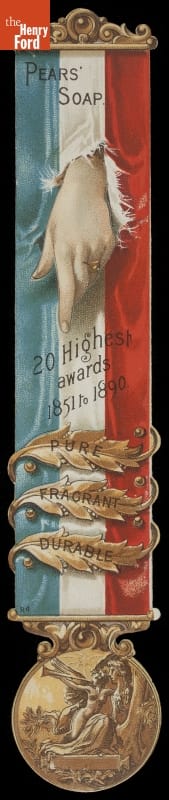
- circa 1890
- Collections - Artifact
Trade Card for Pears' Soap, A. & F. Pears, circa 1890
In the last third of the nineteenth century, an unprecedented variety of consumer goods and services flooded the American market. Advertisers, armed with new methods of color printing, bombarded potential customers with trade cards. Americans enjoyed and often saved the vibrant little advertisements found in product packages or distributed by local merchants. Many survive as historical records of commercialism in the United States.
- Teletype Message with Wire Service News Coverage of John F. Kennedy Assassination, November 22, 1963 - In the routine course of business, Ford Motor Company received a steady flow of news and financial reports from the Wall Street Journal. These dispatches came over the teletype machine on November 22, 1963 describing events from the arrival of President John F. Kennedy and his wife Jacqueline in Dallas through the official report of his death several hours later.
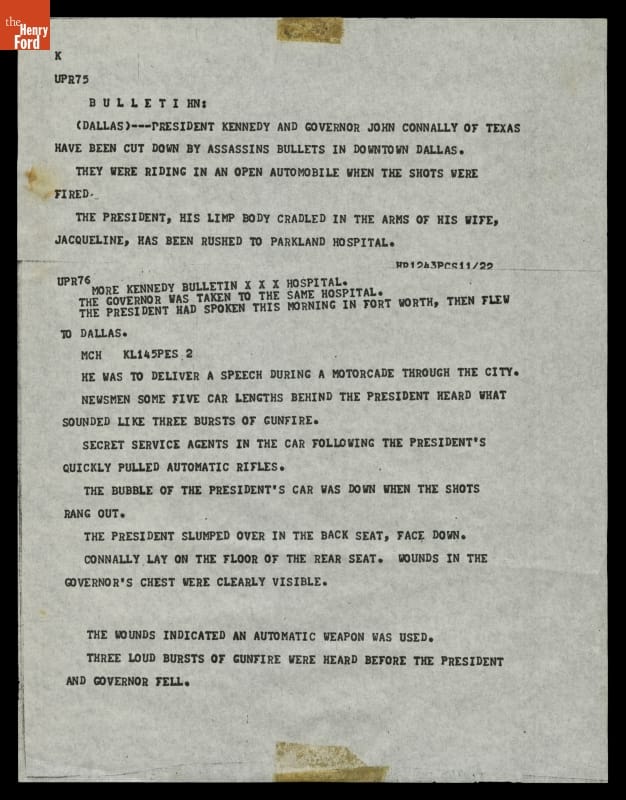
- November 22, 1963
- Collections - Artifact
Teletype Message with Wire Service News Coverage of John F. Kennedy Assassination, November 22, 1963
In the routine course of business, Ford Motor Company received a steady flow of news and financial reports from the Wall Street Journal. These dispatches came over the teletype machine on November 22, 1963 describing events from the arrival of President John F. Kennedy and his wife Jacqueline in Dallas through the official report of his death several hours later.
- Plaster Bust of Dr. Daniel Hale Williams -
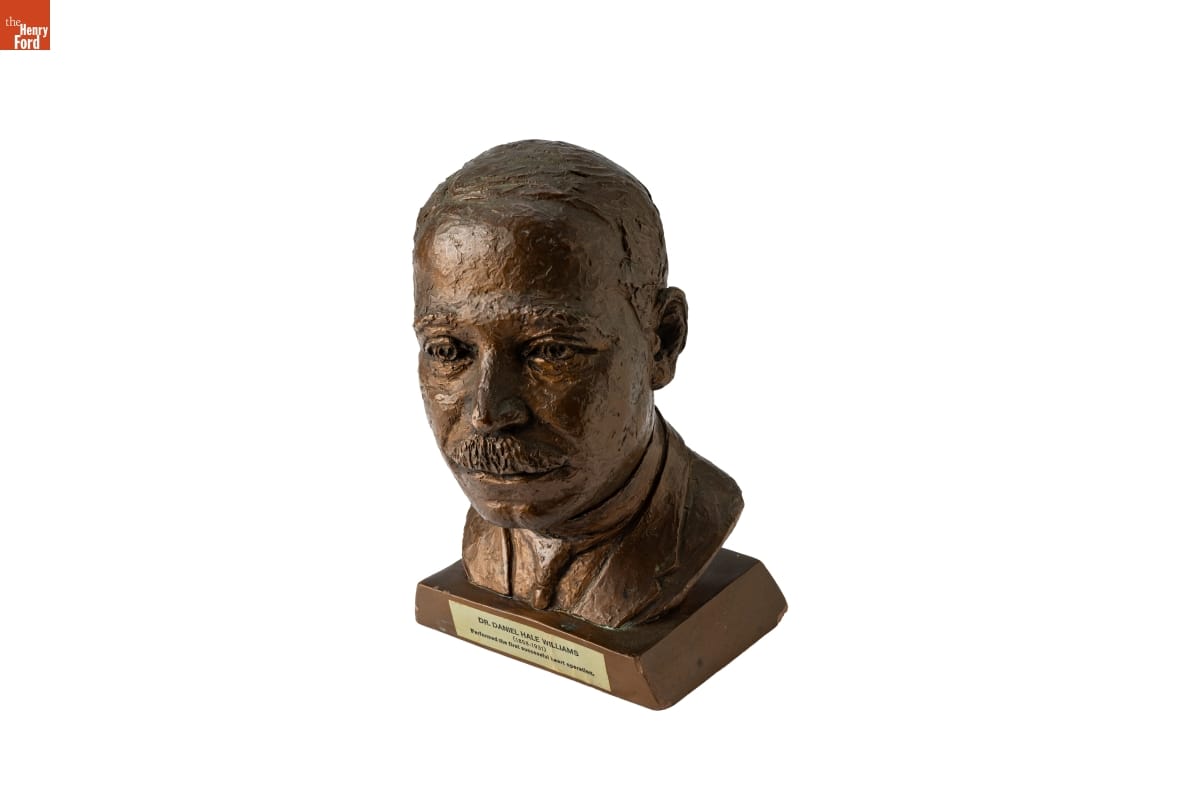
- 1966
- Collections - Artifact
Plaster Bust of Dr. Daniel Hale Williams