
Search
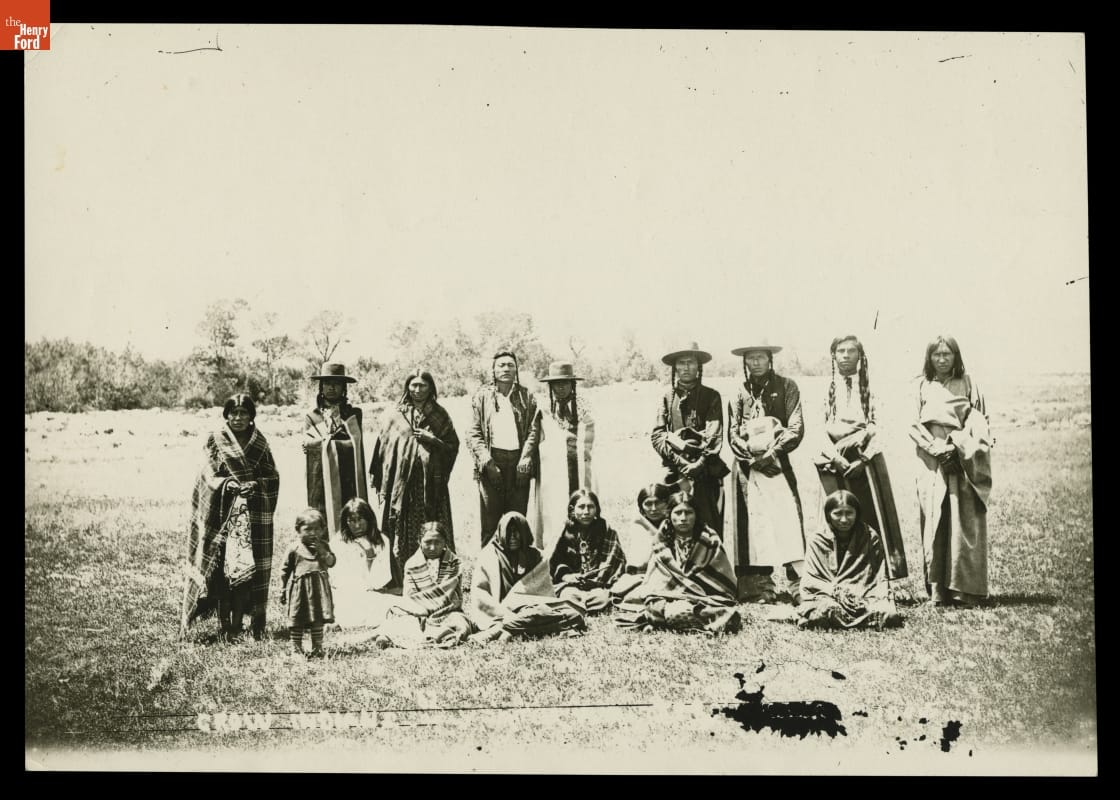
- Crow People, Wyoming Territory, 1882 - The Apsaalooke (Crow) occupied the game rich lands in the Yellowstone River basin of Wyoming and Montana. By the second half of the 1800s, encroachment by other Native American tribes and the influx of white settlers constricted the size of their traditional hunting grounds. Treaties signed with the U.S. government in 1868 and 1882 ultimately confined the Apsaalooke to a reservation in south central Montana.
- 1882
- Collections - Artifact
Crow People, Wyoming Territory, 1882
The Apsaalooke (Crow) occupied the game rich lands in the Yellowstone River basin of Wyoming and Montana. By the second half of the 1800s, encroachment by other Native American tribes and the influx of white settlers constricted the size of their traditional hunting grounds. Treaties signed with the U.S. government in 1868 and 1882 ultimately confined the Apsaalooke to a reservation in south central Montana.
- Lithograph, "George Washington," 1864-1865 -
- 1864-1865
- Collections - Artifact
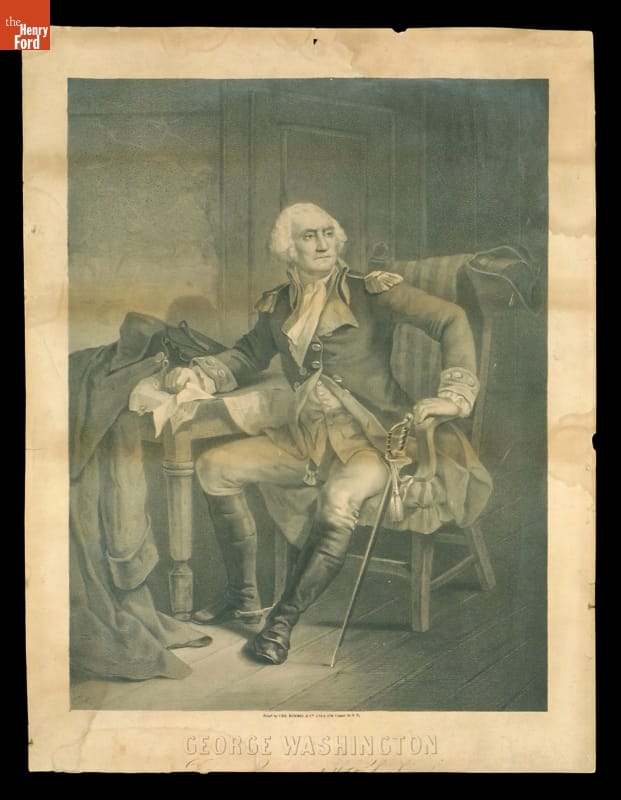
Lithograph, "George Washington," 1864-1865
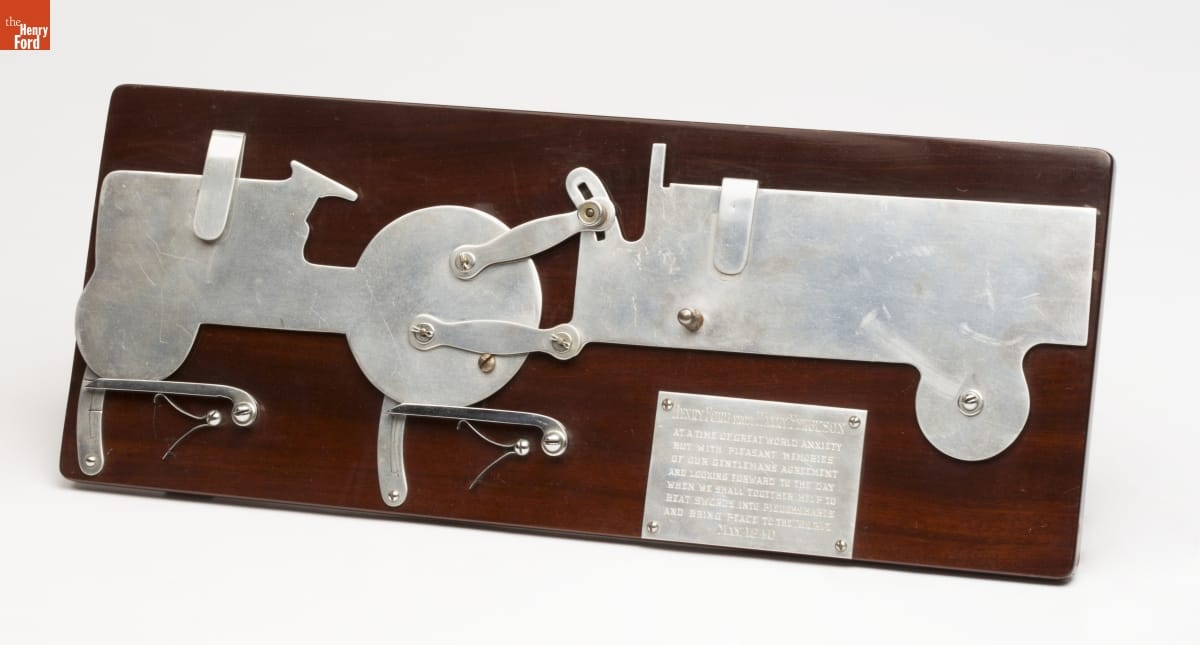
- Plaque, Presented to Henry Ford by Harry Ferguson, May 1940 - Henry Ford was not only honored by ordinary citizens, he was also recognized by his peers, evidenced by this plaque presented by Harry Ferguson, who references in the inscription what has become known as the famous Handshake Agreement. This alliance marked the beginning of a partnership between the two manufacturers, resulting in the production of Ford-Ferguson tractors commencing in 1939.
- 1940
- Collections - Artifact
Plaque, Presented to Henry Ford by Harry Ferguson, May 1940
Henry Ford was not only honored by ordinary citizens, he was also recognized by his peers, evidenced by this plaque presented by Harry Ferguson, who references in the inscription what has become known as the famous Handshake Agreement. This alliance marked the beginning of a partnership between the two manufacturers, resulting in the production of Ford-Ferguson tractors commencing in 1939.
- Lithograph, "General George Washington, The Father of His Country," circa 1865 -
- 1775-1783
- Collections - Artifact
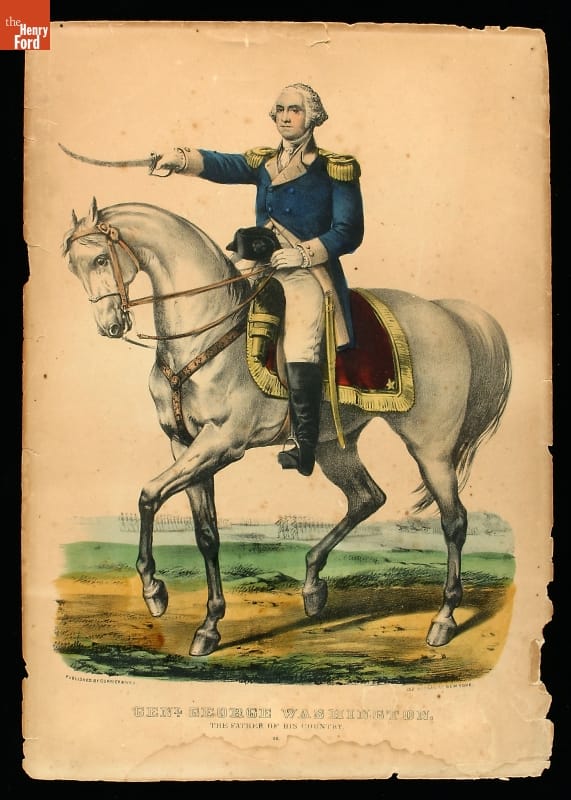
Lithograph, "General George Washington, The Father of His Country," circa 1865
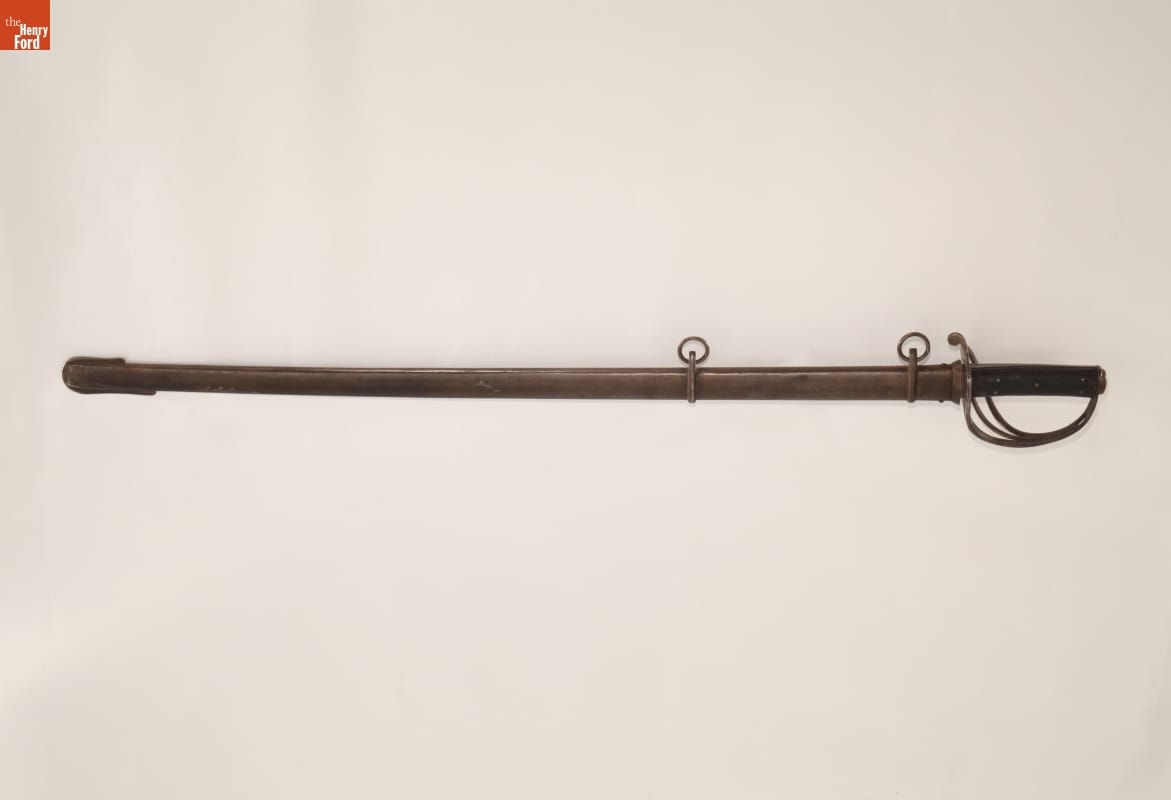
- Cavalry Saber with Scabbard, 1861-1865 - During the Civil War, Courtney and Tennant of Charleston, South Carolina, imported equipment for the Confederate Navy, including uniform buttons, officer's swords, and naval cutlasses. They also supplied the Confederacy with imported cavalry sabers like this one. But, as the Union blockade of Southern ports became increasingly effective, Southerners found it much more difficult to import crucial equipment from overseas.
- 1861-1865
- Collections - Artifact
Cavalry Saber with Scabbard, 1861-1865
During the Civil War, Courtney and Tennant of Charleston, South Carolina, imported equipment for the Confederate Navy, including uniform buttons, officer's swords, and naval cutlasses. They also supplied the Confederacy with imported cavalry sabers like this one. But, as the Union blockade of Southern ports became increasingly effective, Southerners found it much more difficult to import crucial equipment from overseas.
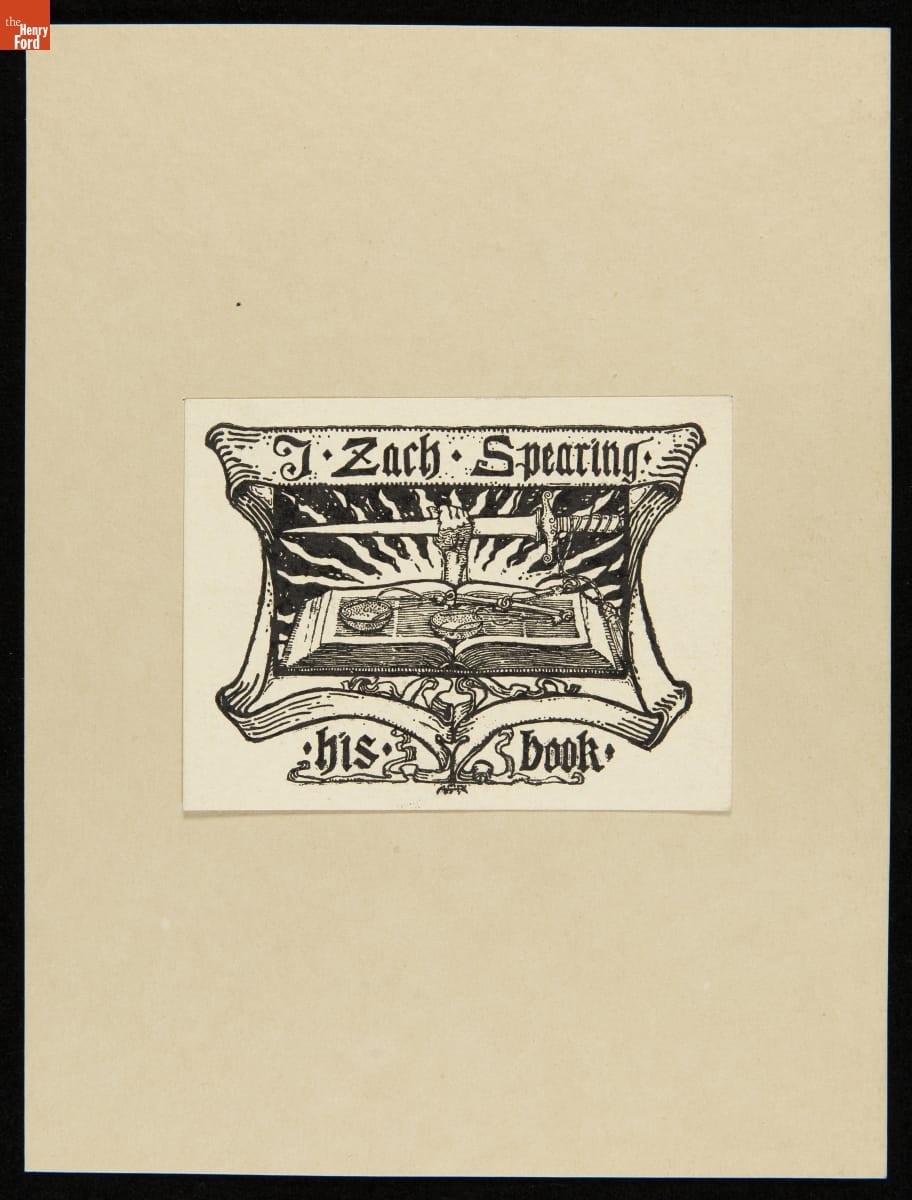
- Bookplate of J. Zach Spearing, 1908-1920 - Bookplates show ownership, but they can also tell us more. Often pasted on the inside of a book's front cover or endpaper, these printed labels contain the owner's name and sometimes the words "ex-libris" (Latin for "from the library of"). Coats of arms, crests, other decorative images, poems, mottoes, and even font type provide insight into the beliefs, passions, and interests of the book's owner.
- 1908-1920
- Collections - Artifact
Bookplate of J. Zach Spearing, 1908-1920
Bookplates show ownership, but they can also tell us more. Often pasted on the inside of a book's front cover or endpaper, these printed labels contain the owner's name and sometimes the words "ex-libris" (Latin for "from the library of"). Coats of arms, crests, other decorative images, poems, mottoes, and even font type provide insight into the beliefs, passions, and interests of the book's owner.
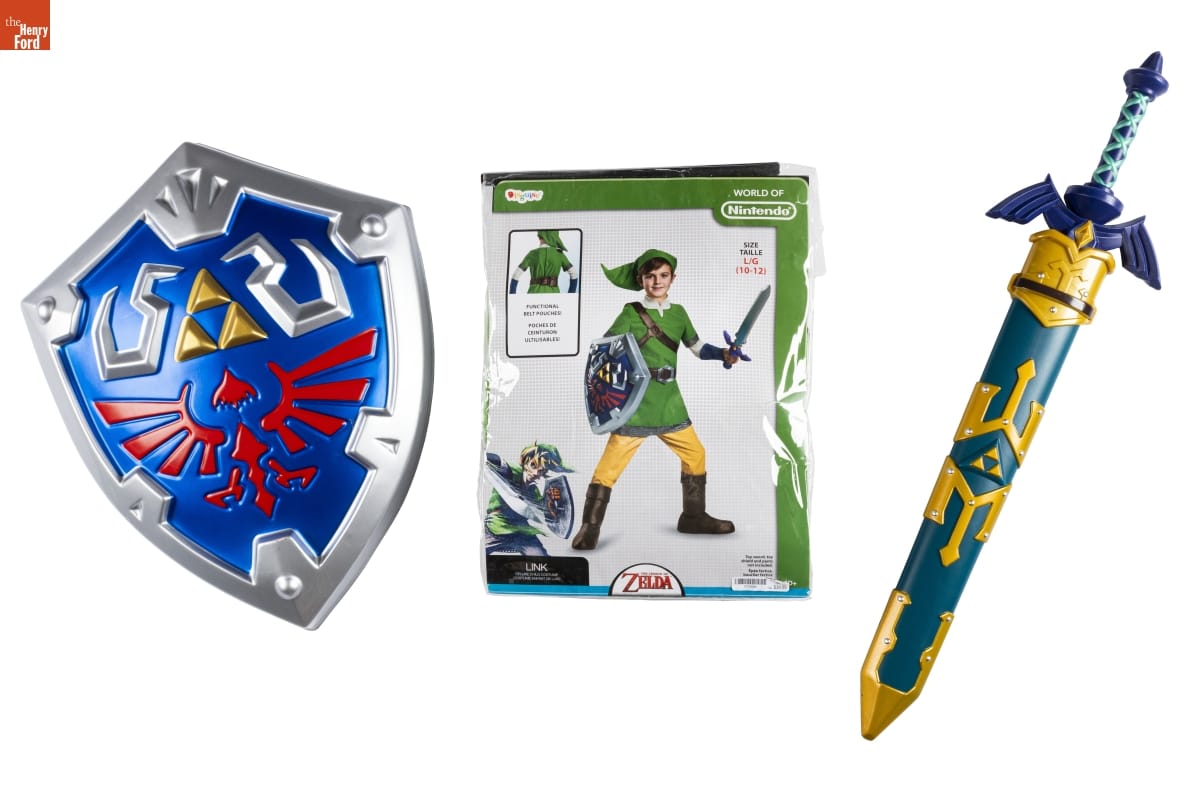
- "Link" Halloween Costume with Toy Sword and Shield, Worn by Isaac Morland in 2021 -
- 2015-2021
- Collections - Artifact
"Link" Halloween Costume with Toy Sword and Shield, Worn by Isaac Morland in 2021
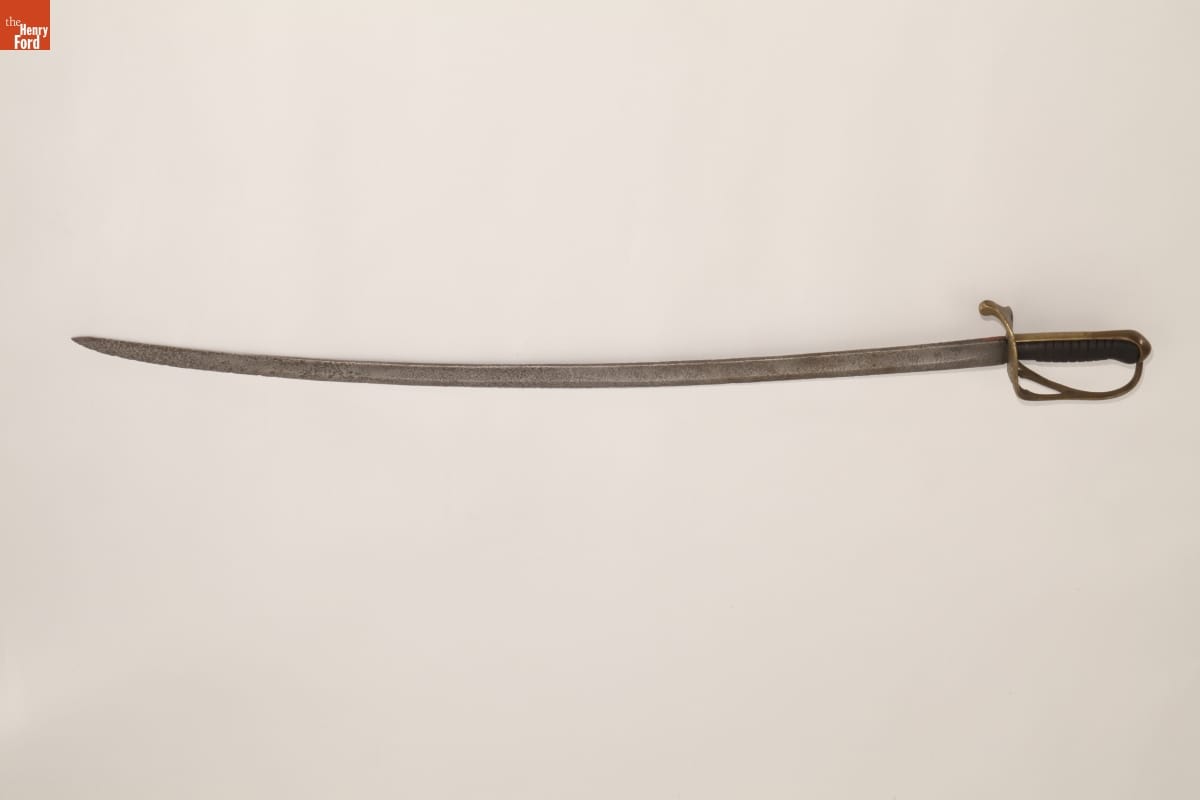
- Confederate Saber, 1861-1862 - Before the Civil War, the Nashville Plow Works made farm implements. After the war began, the company - quite ironically - "turned plowshares into swords." The weapons-making activities of the Nashville Plow Works were short-lived, however. In March 1862, Confederate Nashville fell to Federal control. The firm's owners were arrested and charged with treason against the United States government.
- 1861-1862
- Collections - Artifact
Confederate Saber, 1861-1862
Before the Civil War, the Nashville Plow Works made farm implements. After the war began, the company - quite ironically - "turned plowshares into swords." The weapons-making activities of the Nashville Plow Works were short-lived, however. In March 1862, Confederate Nashville fell to Federal control. The firm's owners were arrested and charged with treason against the United States government.
- Model 1850 Foot Officer's Sword Used by Captain Joshua Slayton, 13th Michigan Infantry, 1862-1863 - This Model 1850 Foot Officer's Sword was the standard sword worn by junior officers serving in the Union Army during the Civil War. This sword belonged to Joshua Slayton of Eaton Rapids, Michigan, a 45-year-old lawyer and farmer. Slayton likely received the sword upon his commission as 1st Lieutenant of Company F, 13th Michigan Volunteer Infantry in January 1862.
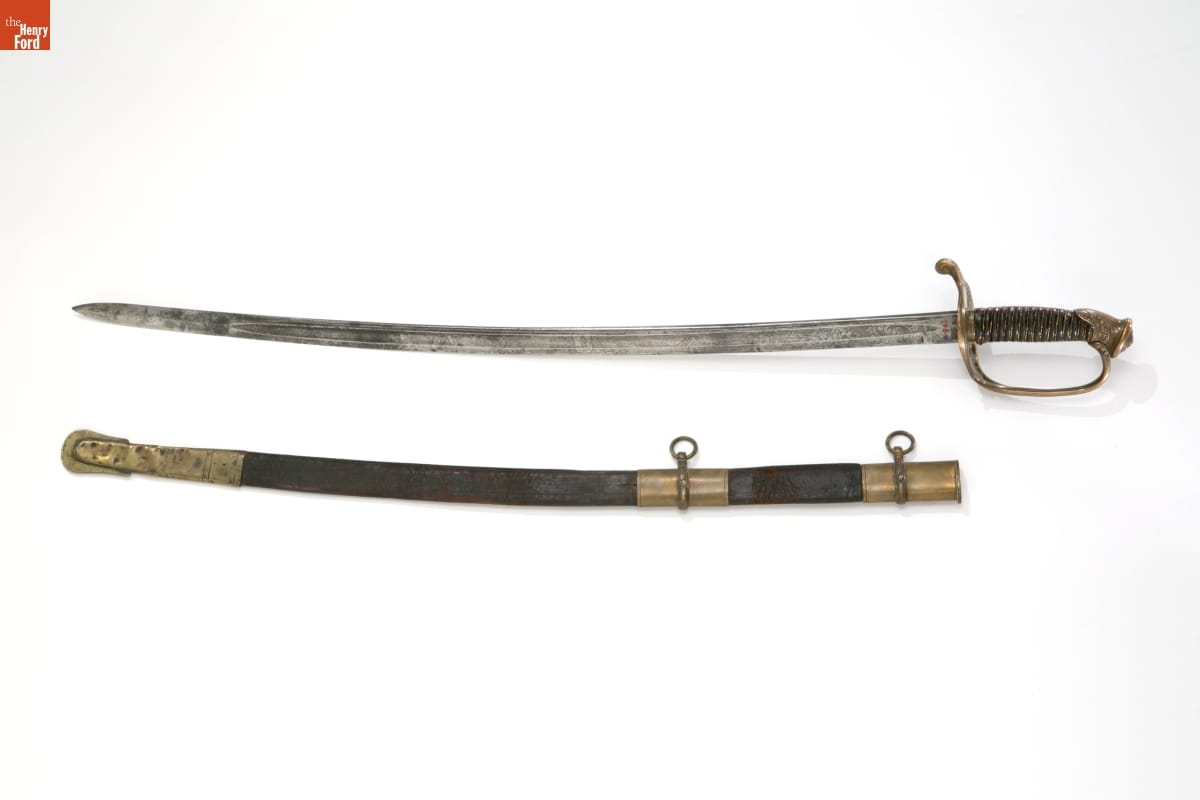
- 1862-1863
- Collections - Artifact
Model 1850 Foot Officer's Sword Used by Captain Joshua Slayton, 13th Michigan Infantry, 1862-1863
This Model 1850 Foot Officer's Sword was the standard sword worn by junior officers serving in the Union Army during the Civil War. This sword belonged to Joshua Slayton of Eaton Rapids, Michigan, a 45-year-old lawyer and farmer. Slayton likely received the sword upon his commission as 1st Lieutenant of Company F, 13th Michigan Volunteer Infantry in January 1862.