
Search
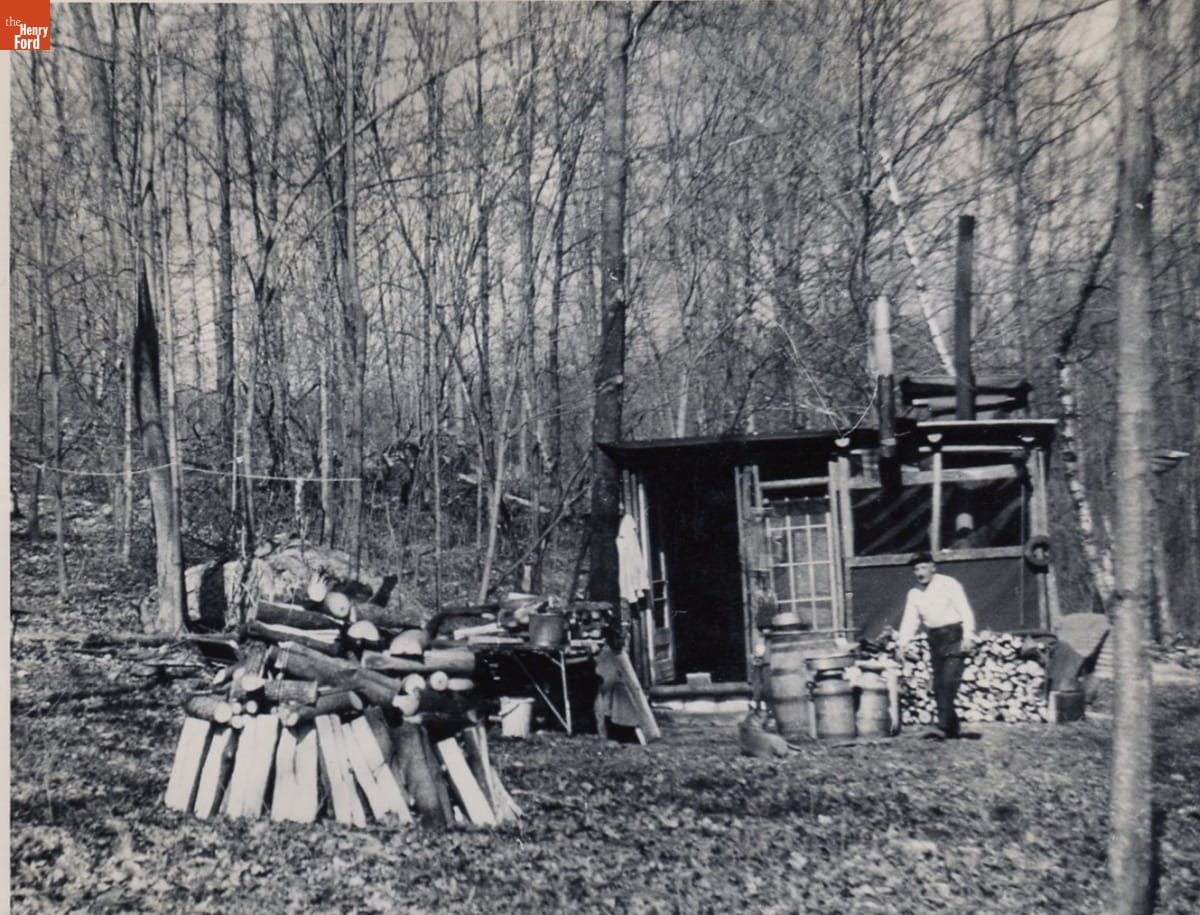
- Benny, the "Job Boss," outside the Sugar House at the Kelley Home, Andover, Connecticut, 1959 -
- 1959
- Collections - Artifact
Benny, the "Job Boss," outside the Sugar House at the Kelley Home, Andover, Connecticut, 1959
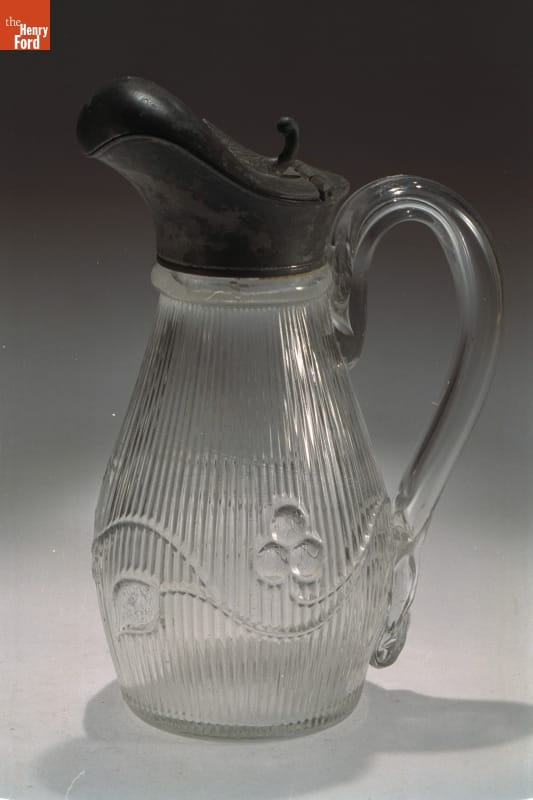
- Syrup Pitcher, 1855-1870 - Nineteenth-century Americans who could not afford refined white sugar found a sweet alternative with molasses or maple syrup. Syrup jugs or pitchers with their dripless metal pouring spouts held the slow-pouring, sugary liquid. These pressed or mold-blown glass containers became a common fixture on many middle-class Victorian Americans' tables.
- 1855-1870
- Collections - Artifact
Syrup Pitcher, 1855-1870
Nineteenth-century Americans who could not afford refined white sugar found a sweet alternative with molasses or maple syrup. Syrup jugs or pitchers with their dripless metal pouring spouts held the slow-pouring, sugary liquid. These pressed or mold-blown glass containers became a common fixture on many middle-class Victorian Americans' tables.
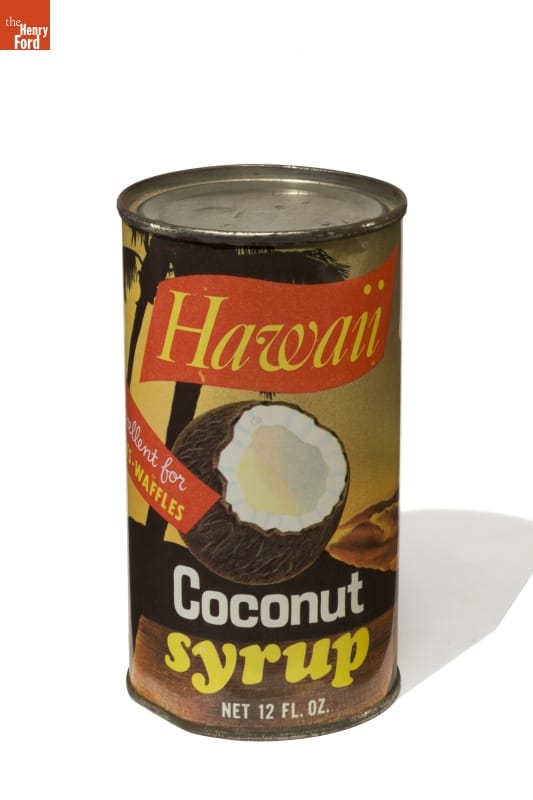
- Can of Hawaii Coconut Syrup, 1963-1980 - This food item was one of the many exotic delicacies sold at A. Rensch & Co., a family-owned specialty-import food store that opened in Toledo, Ohio, in 1882. Customers interested in exotic canned and bottled foods, hard-to-find teas and coffees, and all manner of imported meats and cheeses would have frequented a store like this. A. Rensch & Co. also sold gift boxes.
- 1963-1980
- Collections - Artifact
Can of Hawaii Coconut Syrup, 1963-1980
This food item was one of the many exotic delicacies sold at A. Rensch & Co., a family-owned specialty-import food store that opened in Toledo, Ohio, in 1882. Customers interested in exotic canned and bottled foods, hard-to-find teas and coffees, and all manner of imported meats and cheeses would have frequented a store like this. A. Rensch & Co. also sold gift boxes.
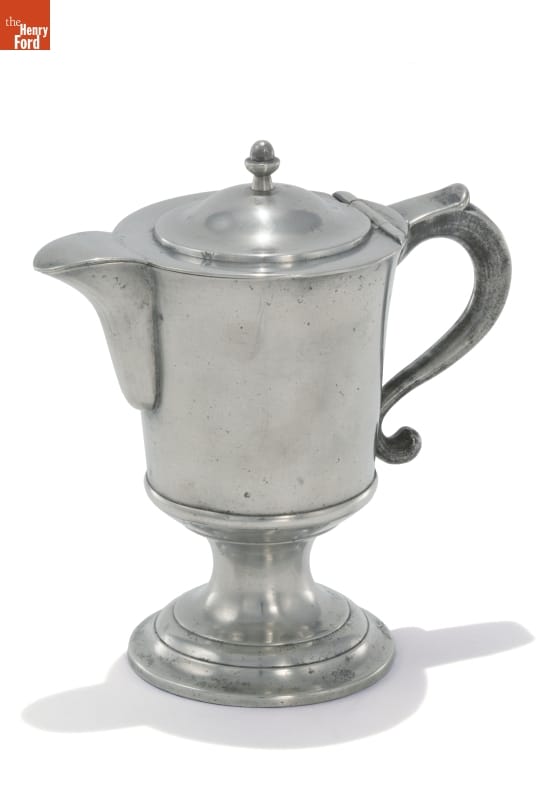
- Pitcher, circa 1825 - Pewter goods could be found in many American homes and public buildings in the late 18th and early 19th centuries. Most Americans of modest means could afford to have pewter spoons, tankards, dishes, plates or other items, such as this covered pitcher.
- circa 1825
- Collections - Artifact
Pitcher, circa 1825
Pewter goods could be found in many American homes and public buildings in the late 18th and early 19th centuries. Most Americans of modest means could afford to have pewter spoons, tankards, dishes, plates or other items, such as this covered pitcher.
- Bob Kelley, Jr. Collecting Maple Sap, 1959 -

- 1959
- Collections - Artifact
Bob Kelley, Jr. Collecting Maple Sap, 1959
- Trade Card for Hibbard's Rheumatic Syrup and Plasters, Rheumatic Syrup Company, 1880-1900 - In the last third of the nineteenth century, an unprecedented variety of consumer goods and services flooded the American market. Advertisers, armed with new methods of color printing, bombarded potential customers with trade cards. Americans enjoyed and often saved the vibrant little advertisements found in product packages or distributed by local merchants. Many survive as historical records of commercialism in the United States.
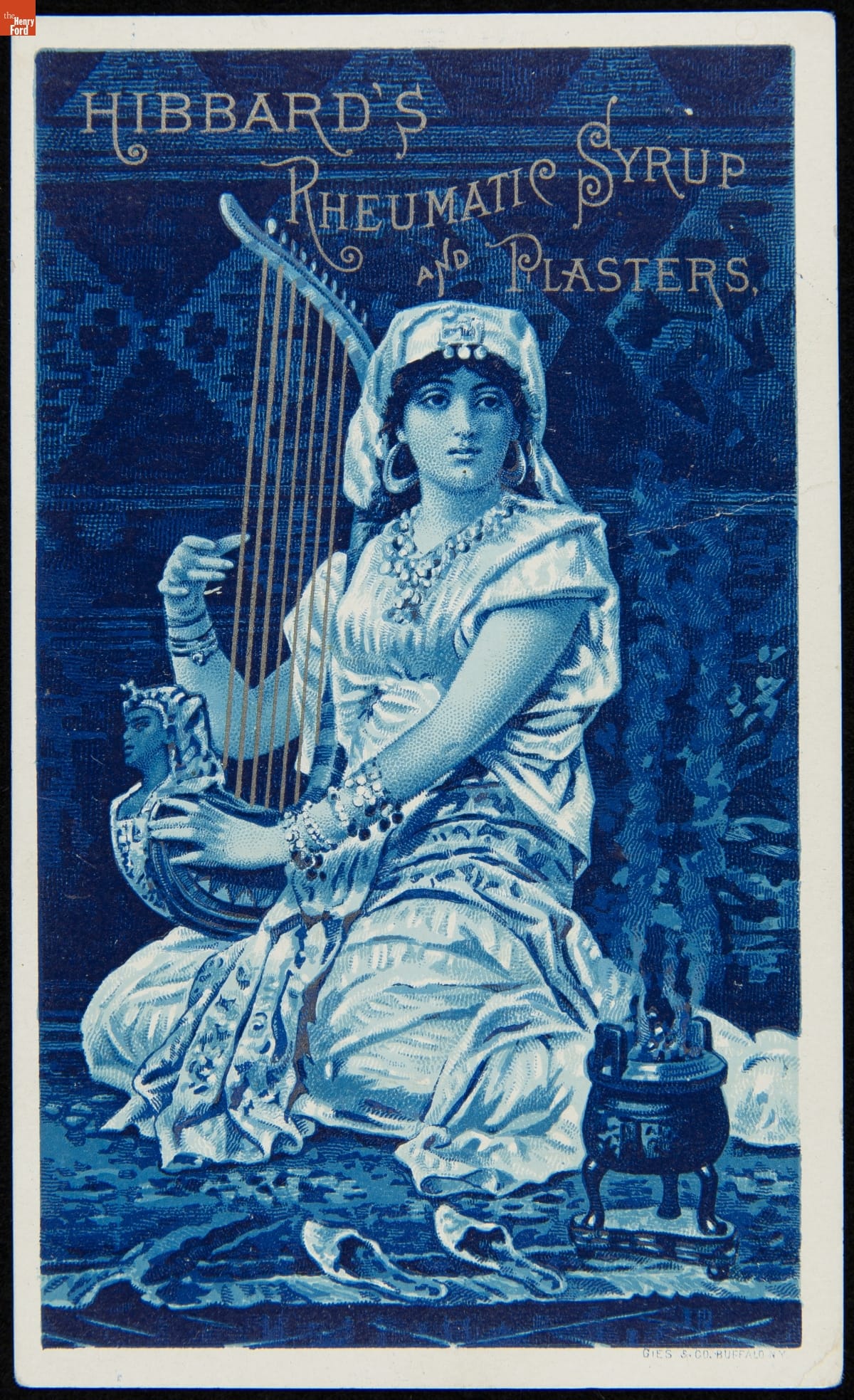
- 1880-1900
- Collections - Artifact
Trade Card for Hibbard's Rheumatic Syrup and Plasters, Rheumatic Syrup Company, 1880-1900
In the last third of the nineteenth century, an unprecedented variety of consumer goods and services flooded the American market. Advertisers, armed with new methods of color printing, bombarded potential customers with trade cards. Americans enjoyed and often saved the vibrant little advertisements found in product packages or distributed by local merchants. Many survive as historical records of commercialism in the United States.
- Syrup Jug, 1885-1893 - Nineteenth-century Americans who could not afford refined white sugar found a sweet alternative with molasses or maple syrup. Syrup jugs or pitchers with their dripless metal pouring spouts held the slow-pouring, sugary liquid. These pressed or mold-blown glass containers became a common fixture on many middle-class Victorian Americans' tables.
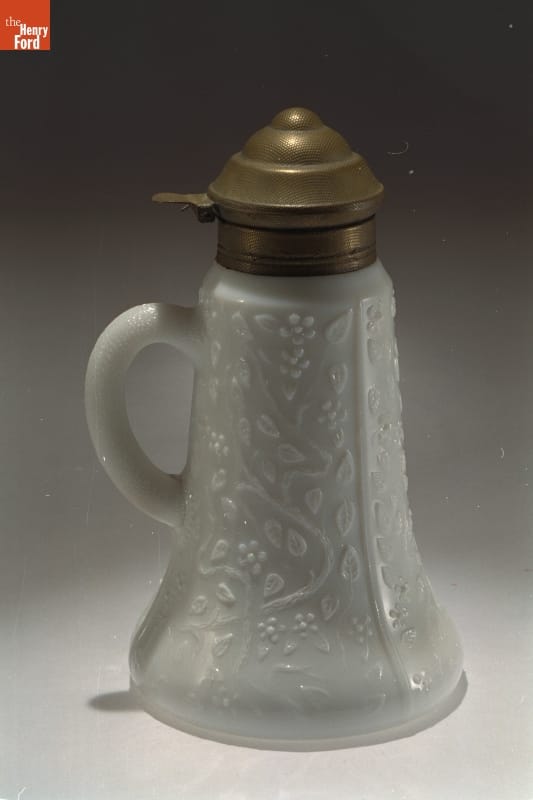
- 1885-1893
- Collections - Artifact
Syrup Jug, 1885-1893
Nineteenth-century Americans who could not afford refined white sugar found a sweet alternative with molasses or maple syrup. Syrup jugs or pitchers with their dripless metal pouring spouts held the slow-pouring, sugary liquid. These pressed or mold-blown glass containers became a common fixture on many middle-class Victorian Americans' tables.
- Hallmark "Hershey's: Cocoa Break" Christmas Ornament, 1999 - Already known for greeting cards, Hallmark introduced a line of Christmas ornaments in 1973. The company's annual release of an increasing array of ornaments revolutionized Christmas decorating, appealing to customers' interest in marking memories and milestones as well as expressing one's personality and unique tastes.
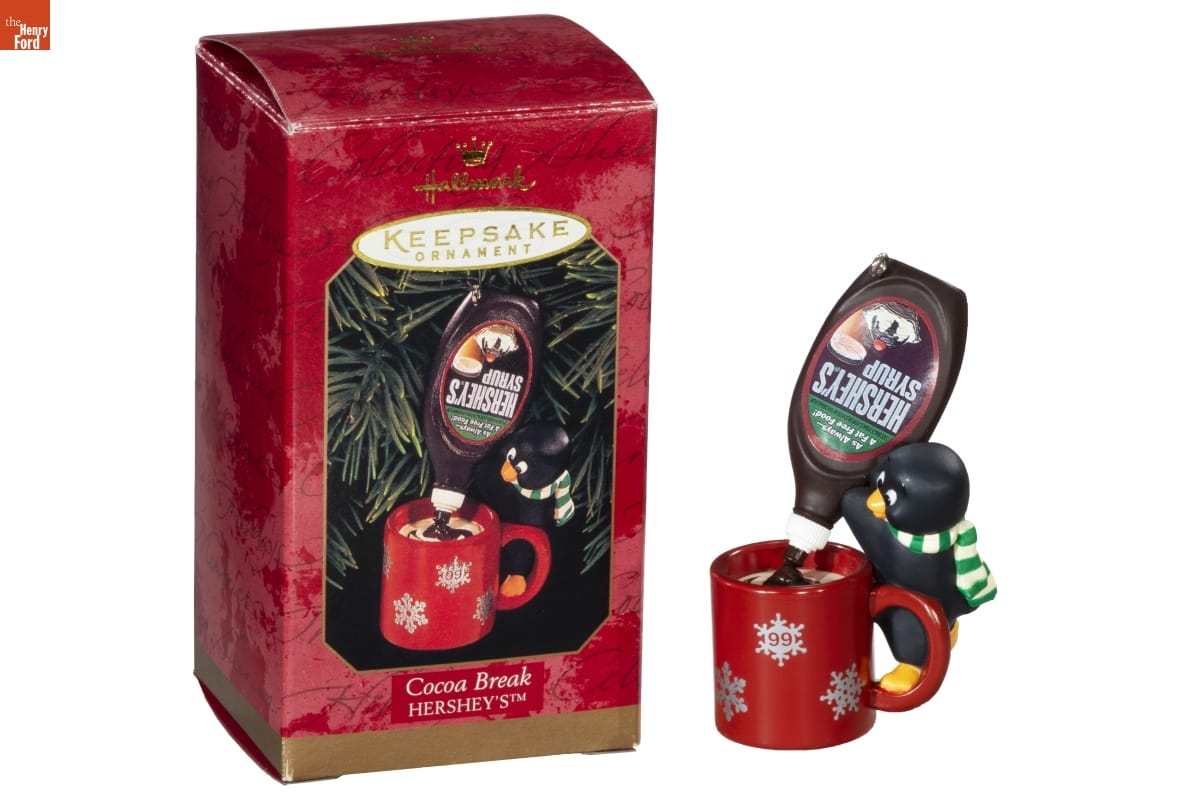
- 1999
- Collections - Artifact
Hallmark "Hershey's: Cocoa Break" Christmas Ornament, 1999
Already known for greeting cards, Hallmark introduced a line of Christmas ornaments in 1973. The company's annual release of an increasing array of ornaments revolutionized Christmas decorating, appealing to customers' interest in marking memories and milestones as well as expressing one's personality and unique tastes.
- Perpetual Year Book and Daily Reminder, with Lois Kelley's Day Notes from 1957-2000 -
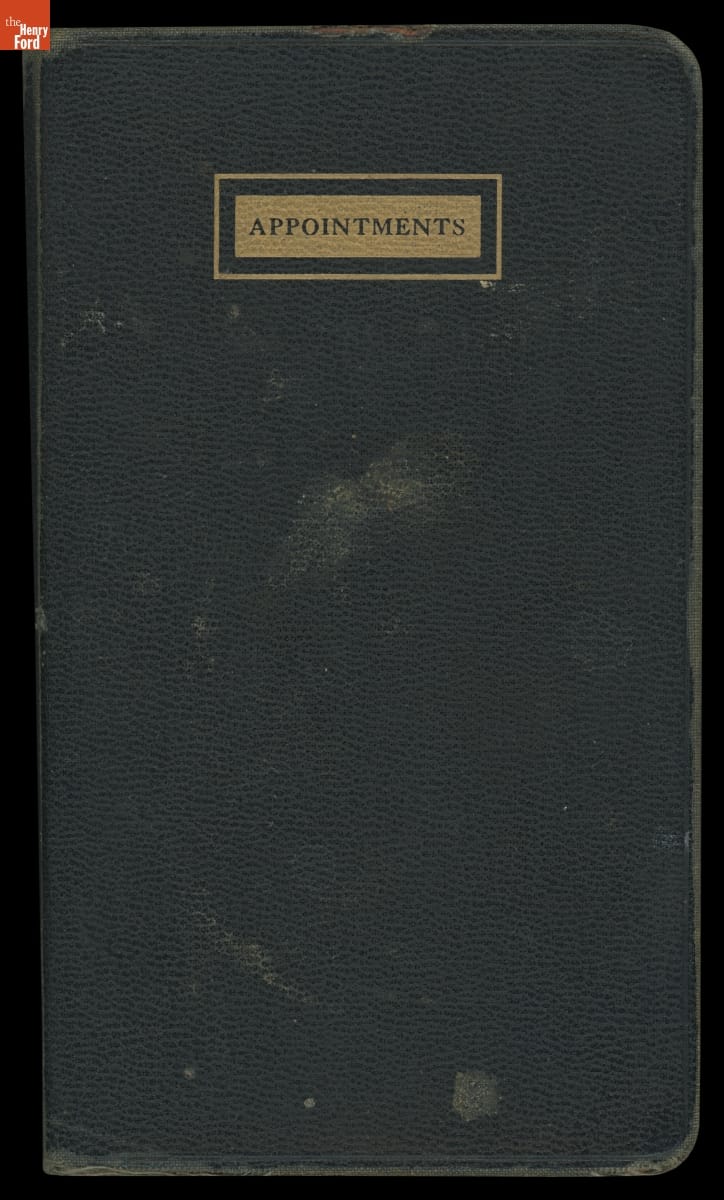
- 1957-2000
- Collections - Artifact
Perpetual Year Book and Daily Reminder, with Lois Kelley's Day Notes from 1957-2000
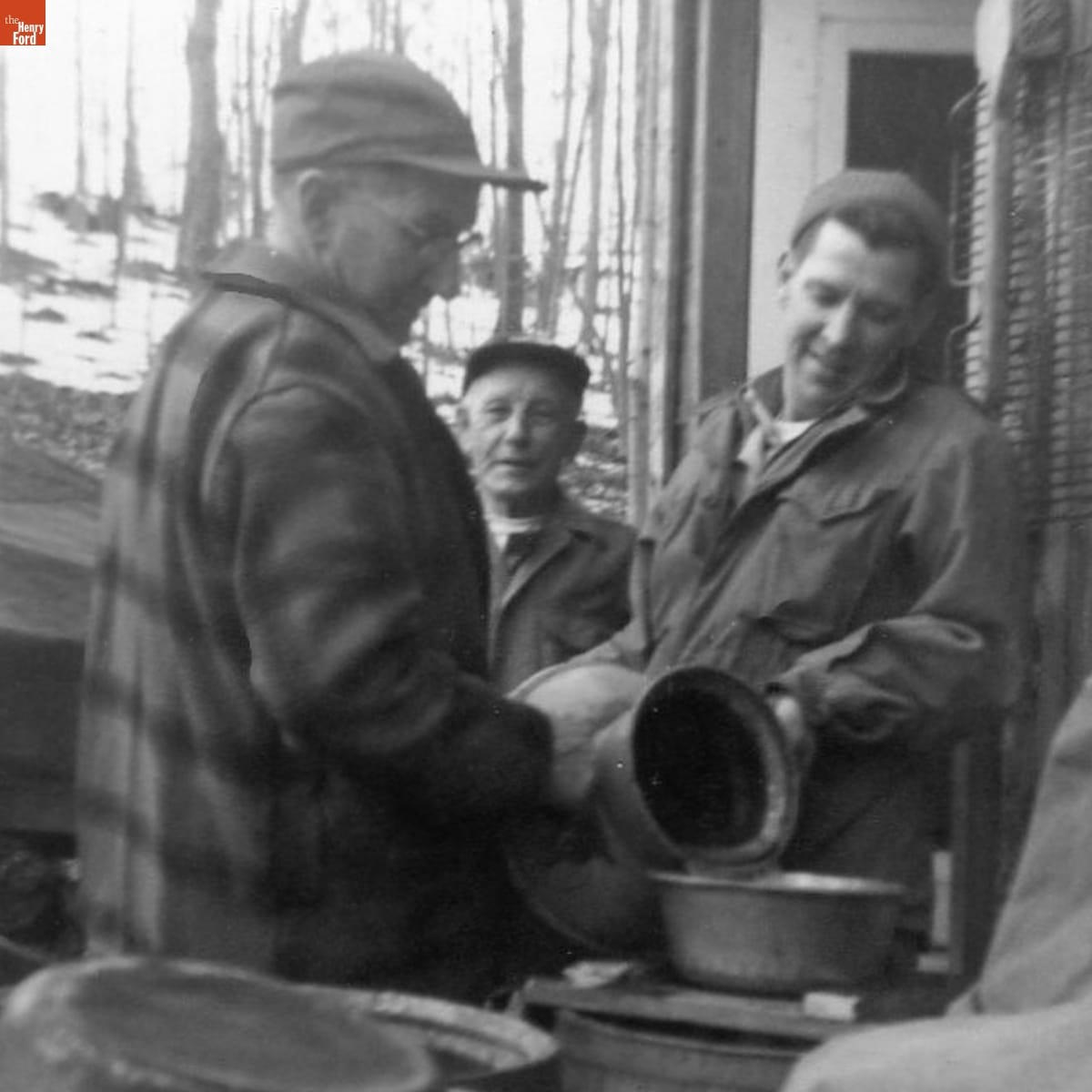
- Bob Kelley Pouring Sap at the Sugar House, 1959 -
- 1959
- Collections - Artifact
Bob Kelley Pouring Sap at the Sugar House, 1959