
Search
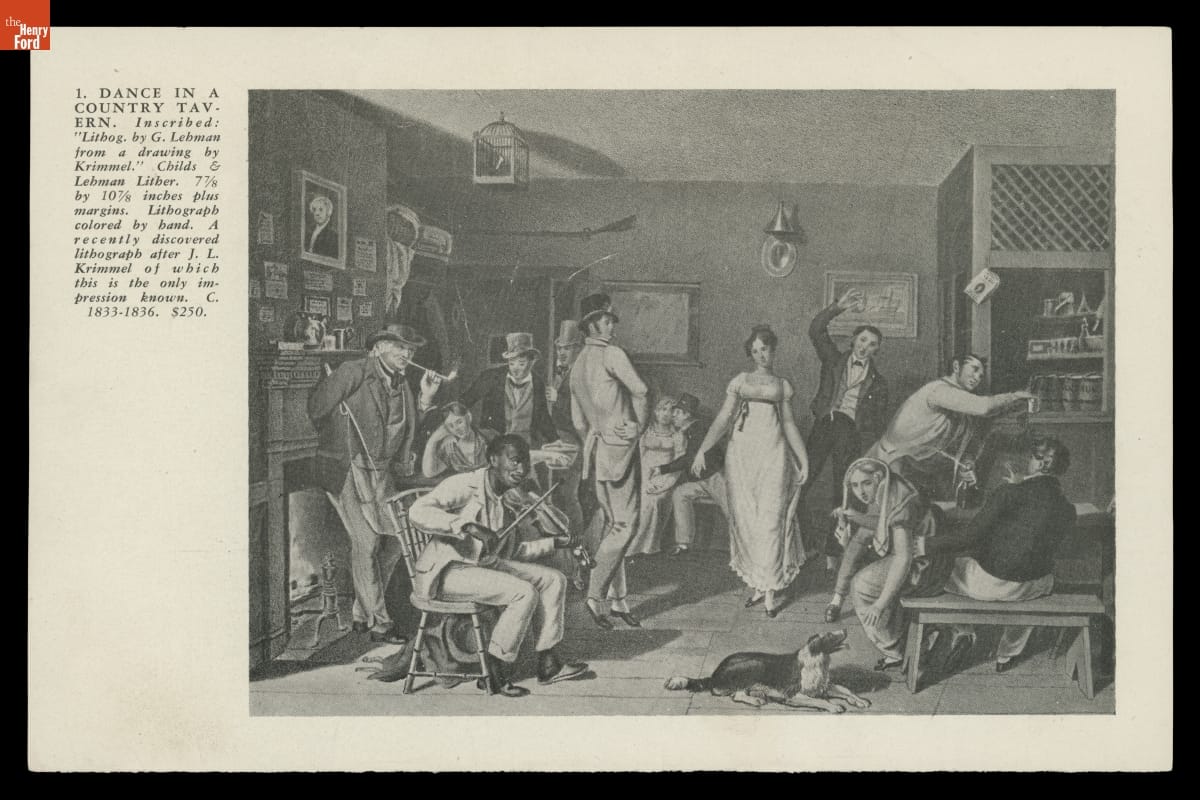
- The Print, "Dance in a Country Tavern," Offered for Sale in "The Old Print Shop Portfolio" Catalog, December 1948 - In the late 1810s, German-born Philadelphia artist John Lewis Krimmel (1786-1821) depicted the people and events at a country tavern. Krimmel's richly detailed portrait holds many clues to the lives of Americans in the early republic. Printmakers created prints of this drawing years after Krimmel's death.
- December 01, 1948
- Collections - Artifact
The Print, "Dance in a Country Tavern," Offered for Sale in "The Old Print Shop Portfolio" Catalog, December 1948
In the late 1810s, German-born Philadelphia artist John Lewis Krimmel (1786-1821) depicted the people and events at a country tavern. Krimmel's richly detailed portrait holds many clues to the lives of Americans in the early republic. Printmakers created prints of this drawing years after Krimmel's death.
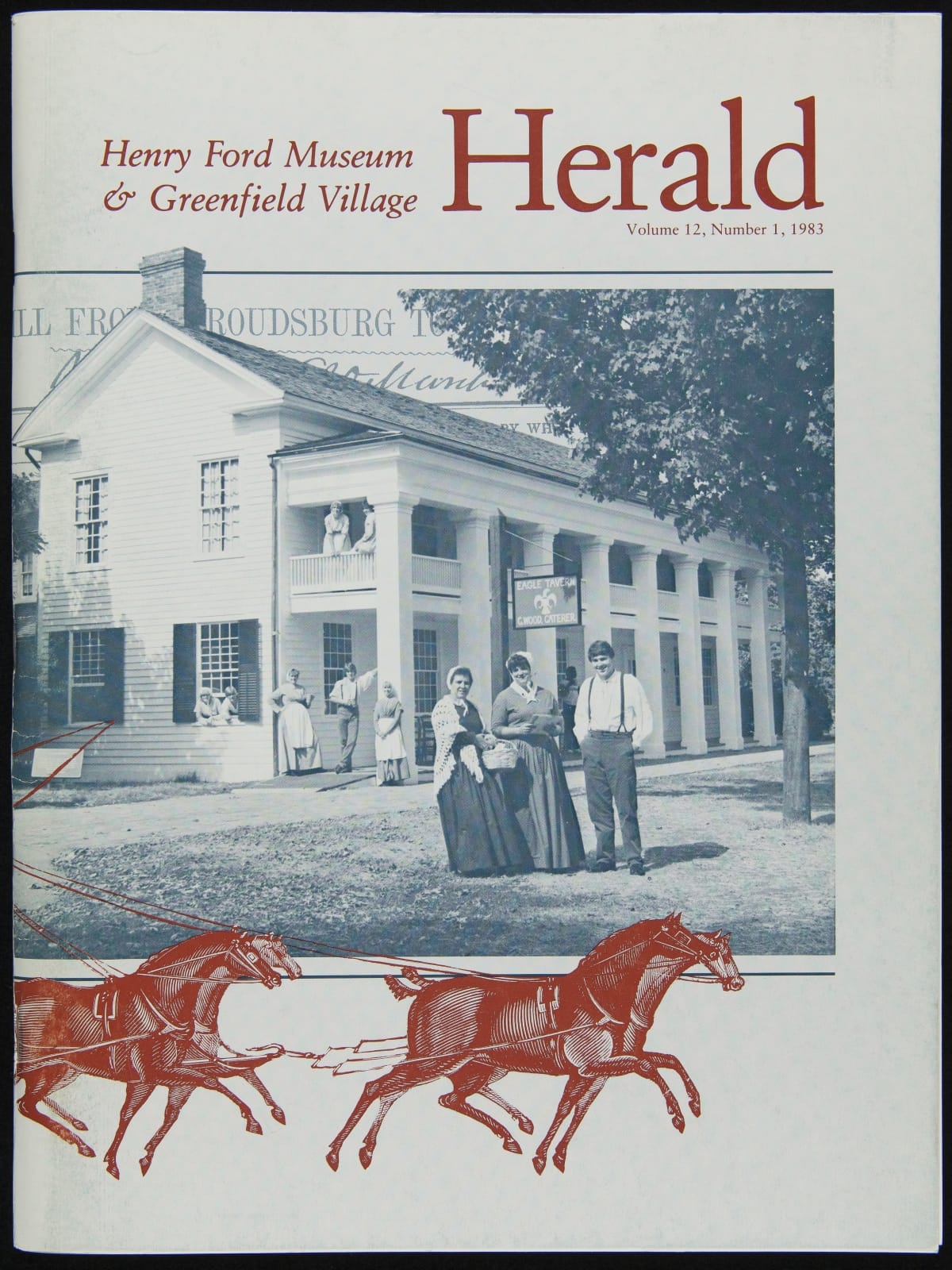
- Henry Ford Museum & Greenfield Village Herald, Vol. 12, No. 1, 1983 -
- 1983
- Collections - Artifact
Henry Ford Museum & Greenfield Village Herald, Vol. 12, No. 1, 1983
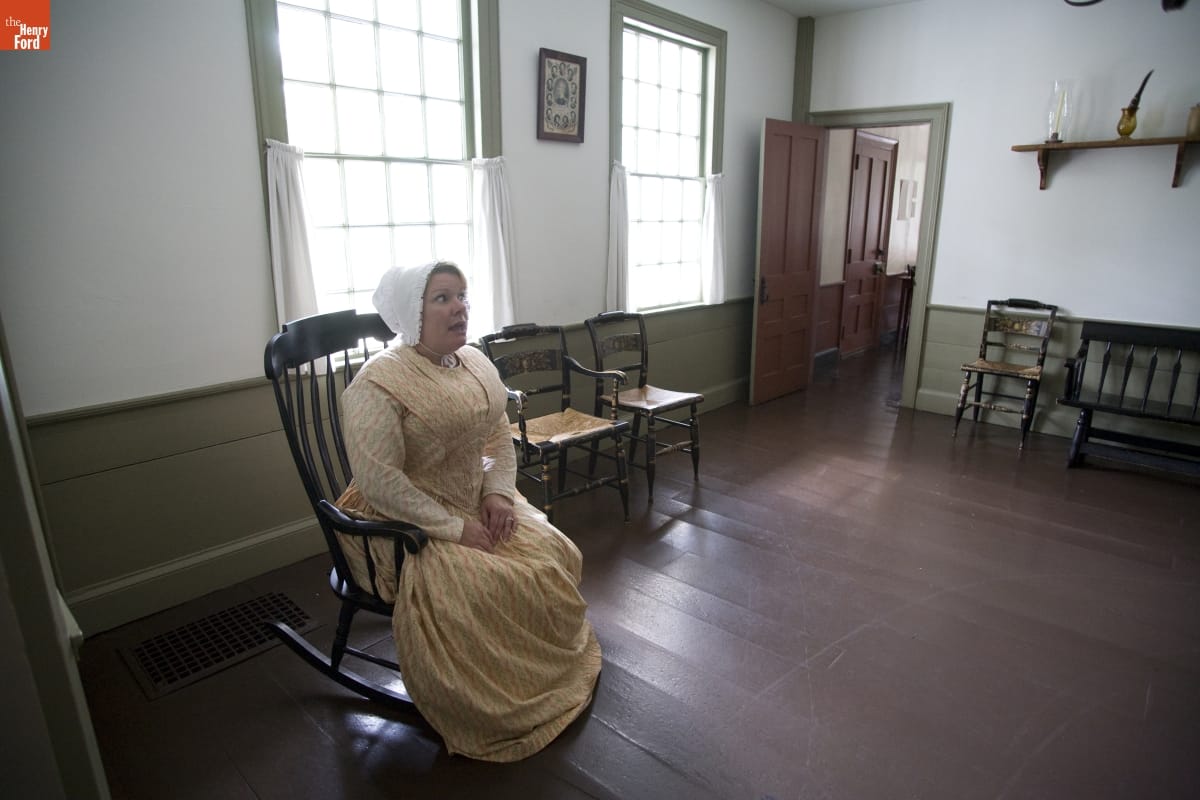
- Eagle Tavern in Greenfield Village, October 2007 - Today, the Henry Ford staff provides visitors with an authentic dining experience at Eagle Tavern--a 19th-century roadside waystation brought to Greenfield Village by Henry Ford in 1927. Cooks prepare bills-of-fare based on historical recipes and wait staff in period-appropriate dress serve the meals. Costumed presenters chat with visitors about daily life in this tavern during the 1850s (the period of interpretation) before visitors dine.
- October 01, 2007
- Collections - Artifact
Eagle Tavern in Greenfield Village, October 2007
Today, the Henry Ford staff provides visitors with an authentic dining experience at Eagle Tavern--a 19th-century roadside waystation brought to Greenfield Village by Henry Ford in 1927. Cooks prepare bills-of-fare based on historical recipes and wait staff in period-appropriate dress serve the meals. Costumed presenters chat with visitors about daily life in this tavern during the 1850s (the period of interpretation) before visitors dine.
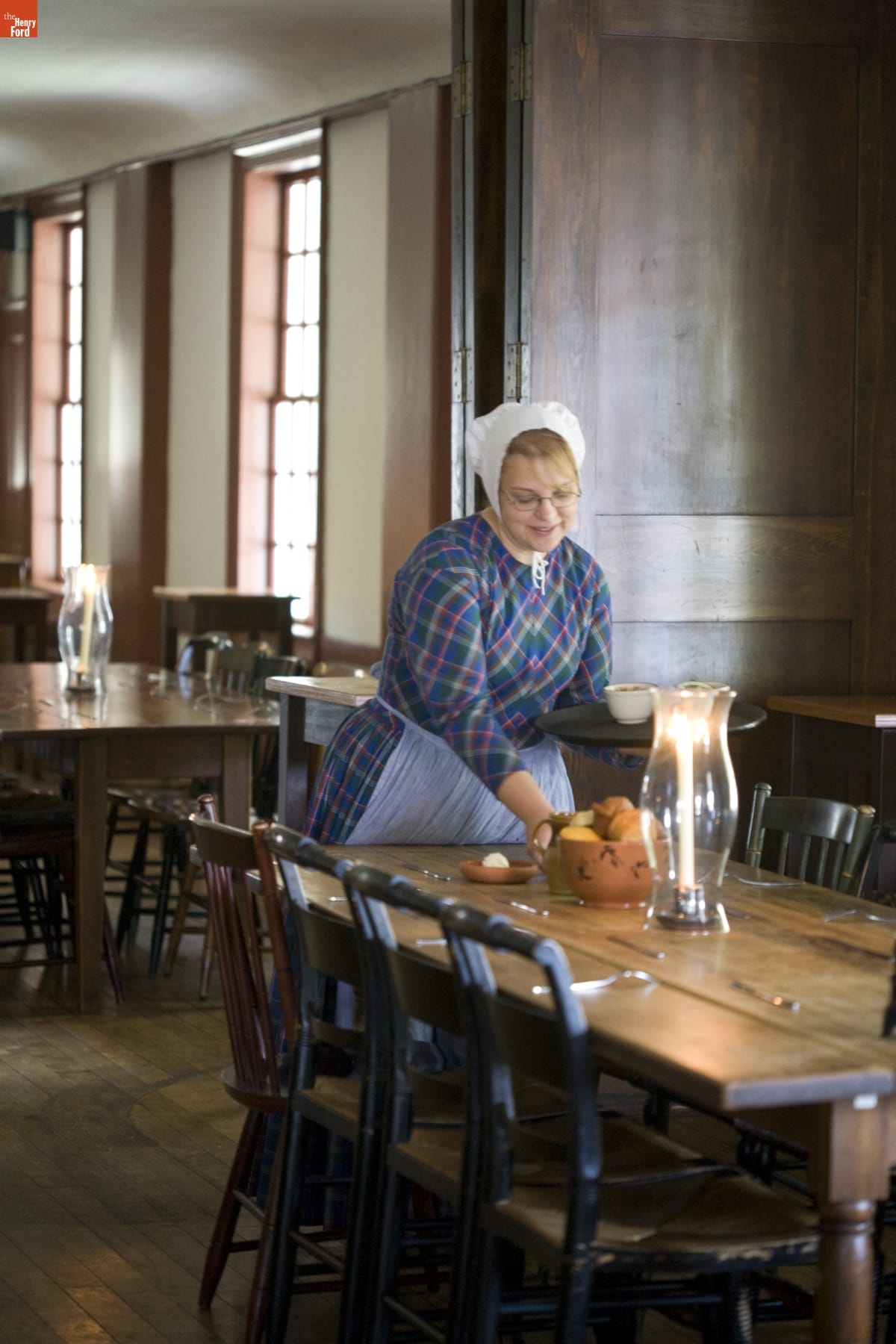
- Eagle Tavern in Greenfield Village, October 2007 - Today, the Henry Ford staff provides visitors with an authentic dining experience at Eagle Tavern--a 19th-century roadside waystation brought to Greenfield Village by Henry Ford in 1927. Cooks prepare bills-of-fare based on historical recipes and wait staff in period-appropriate dress serve the meals. This image documents the 2007 guest experience.
- October 01, 2007
- Collections - Artifact
Eagle Tavern in Greenfield Village, October 2007
Today, the Henry Ford staff provides visitors with an authentic dining experience at Eagle Tavern--a 19th-century roadside waystation brought to Greenfield Village by Henry Ford in 1927. Cooks prepare bills-of-fare based on historical recipes and wait staff in period-appropriate dress serve the meals. This image documents the 2007 guest experience.
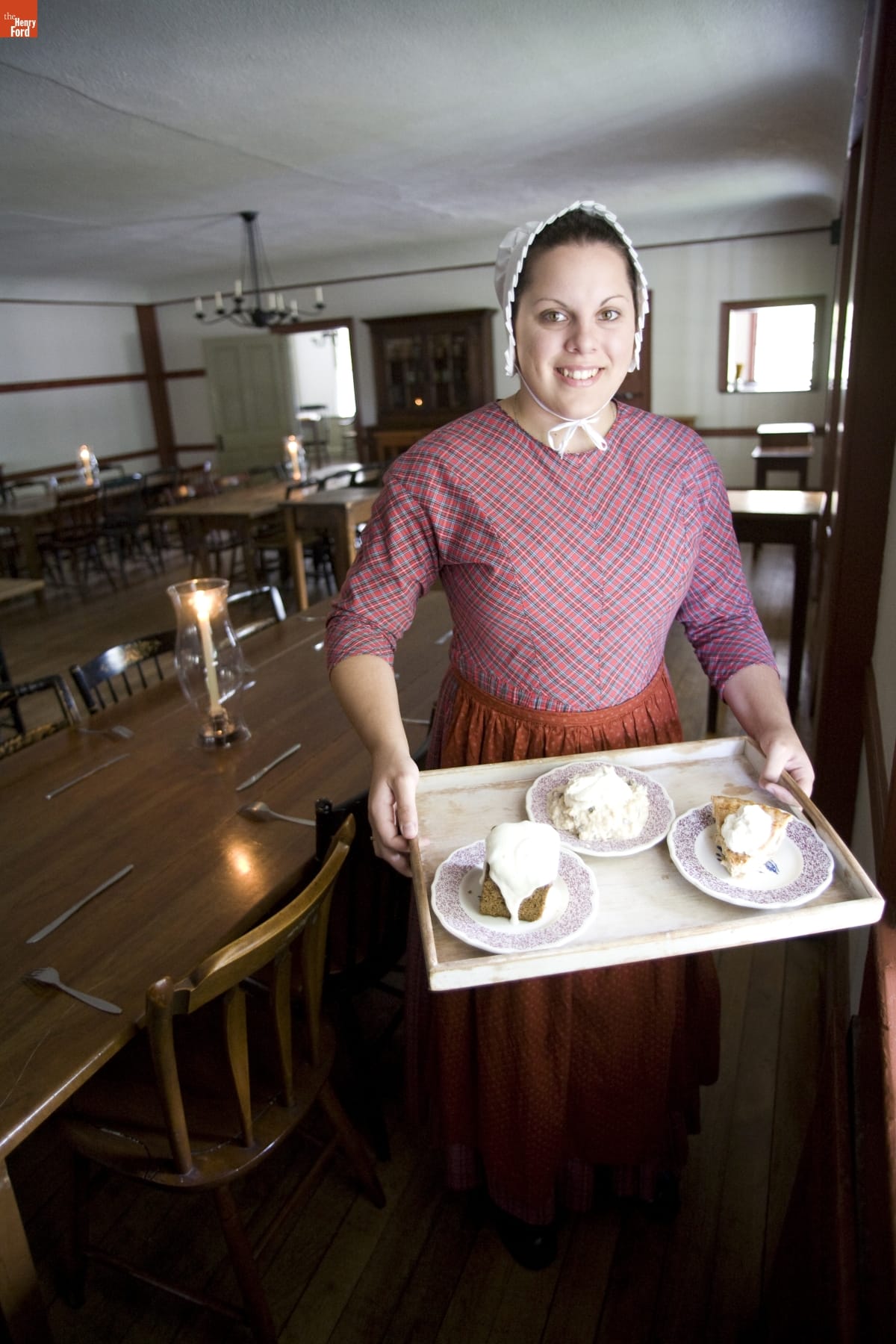
- Eagle Tavern in Greenfield Village, October 2007 - Today, the Henry Ford staff provides visitors with an authentic dining experience at Eagle Tavern--a 19th-century roadside waystation brought to Greenfield Village by Henry Ford in 1927. Cooks prepare bills-of-fare based on historical recipes and wait staff in period-appropriate dress serve the meals. This image documents the 2007 guest experience.
- October 01, 2007
- Collections - Artifact
Eagle Tavern in Greenfield Village, October 2007
Today, the Henry Ford staff provides visitors with an authentic dining experience at Eagle Tavern--a 19th-century roadside waystation brought to Greenfield Village by Henry Ford in 1927. Cooks prepare bills-of-fare based on historical recipes and wait staff in period-appropriate dress serve the meals. This image documents the 2007 guest experience.
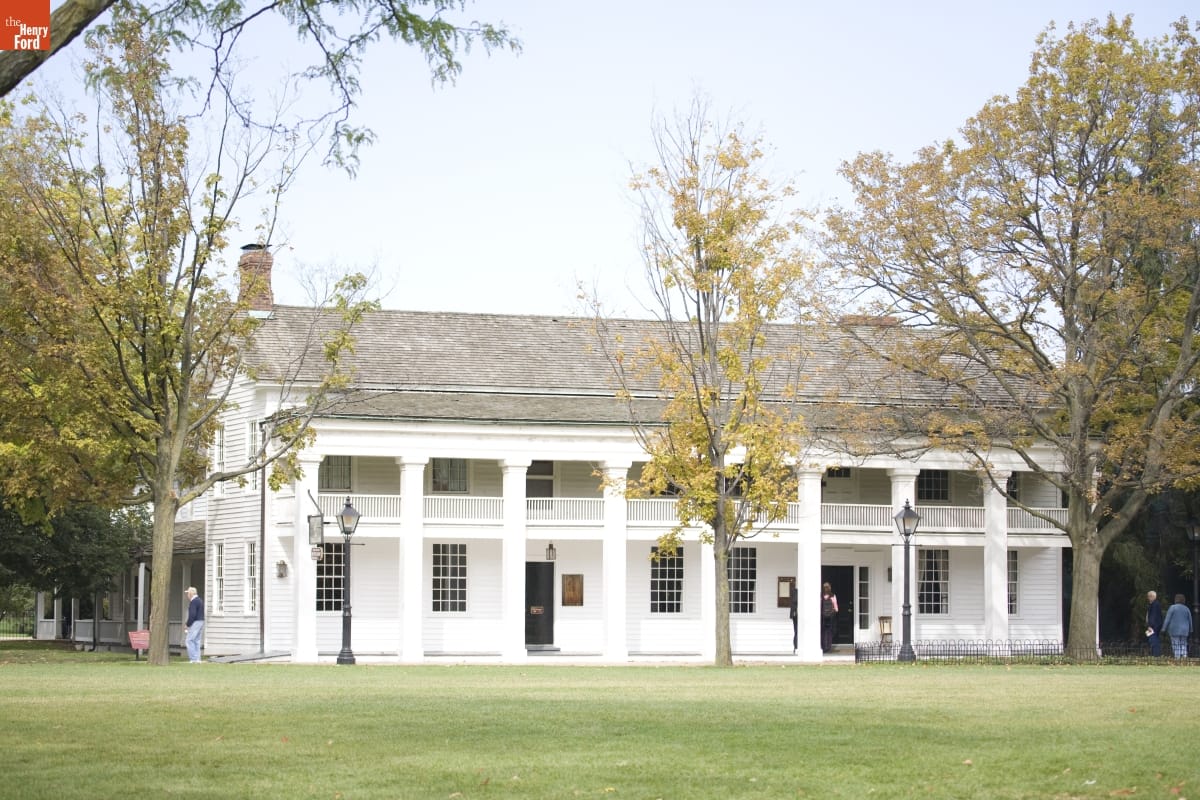
- Eagle Tavern in Greenfield Village, October 2007 - This stagecoach tavern was built in 1831 in Clinton, Michigan, 50 miles west of Detroit. Taverns dotted the American countryside during the first half of the 1800s, a period of massive migration, new settlement, and rapid change in a young America. From 1849-1854, farmer Calvin Wood operated this tavern, offering food, drink, and accommodations to travelers who passed through his village.
- October 01, 2007
- Collections - Artifact
Eagle Tavern in Greenfield Village, October 2007
This stagecoach tavern was built in 1831 in Clinton, Michigan, 50 miles west of Detroit. Taverns dotted the American countryside during the first half of the 1800s, a period of massive migration, new settlement, and rapid change in a young America. From 1849-1854, farmer Calvin Wood operated this tavern, offering food, drink, and accommodations to travelers who passed through his village.
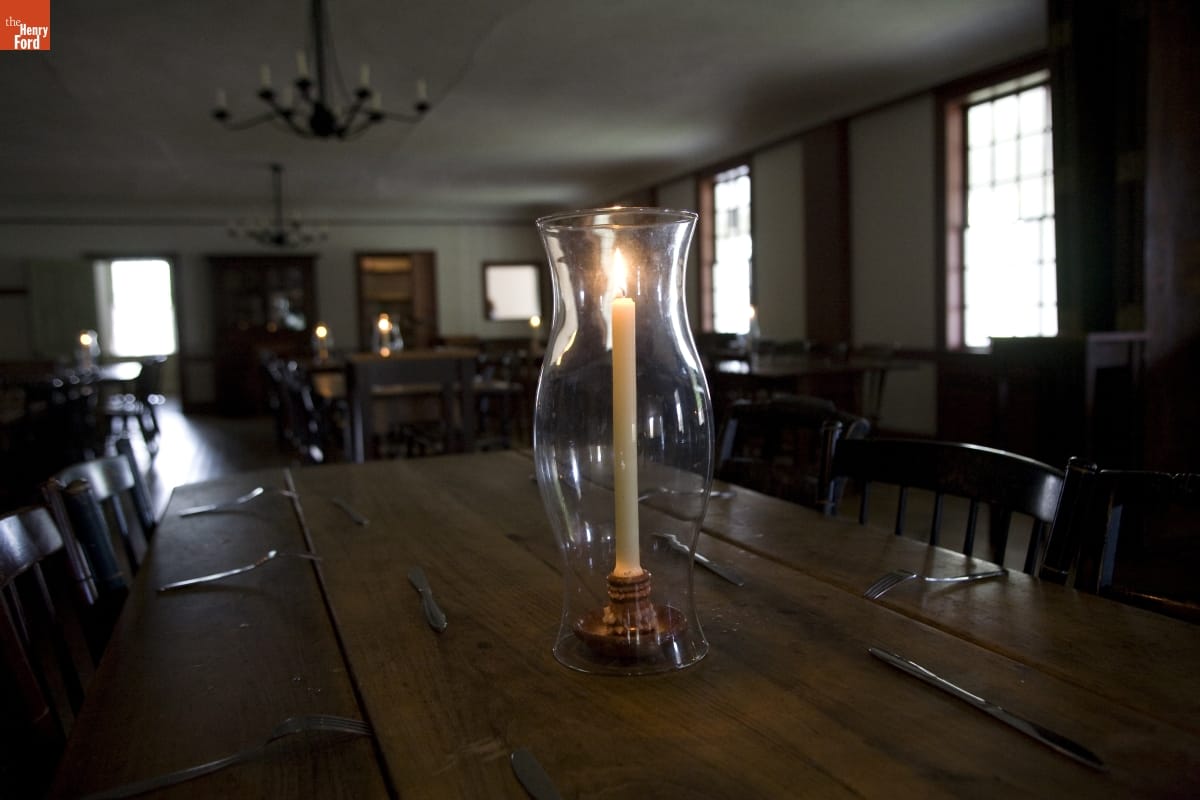
- Eagle Tavern in Greenfield Village, October 2007 - Today, the Henry Ford staff provides visitors with an authentic dining experience at Eagle Tavern--a 19th-century roadside waystation brought to Greenfield Village by Henry Ford in 1927. Cooks prepare bills-of-fare based on historical recipes and wait staff in period-appropriate dress serve the meals. This image documents the 2007 guest experience.
- October 01, 2007
- Collections - Artifact
Eagle Tavern in Greenfield Village, October 2007
Today, the Henry Ford staff provides visitors with an authentic dining experience at Eagle Tavern--a 19th-century roadside waystation brought to Greenfield Village by Henry Ford in 1927. Cooks prepare bills-of-fare based on historical recipes and wait staff in period-appropriate dress serve the meals. This image documents the 2007 guest experience.
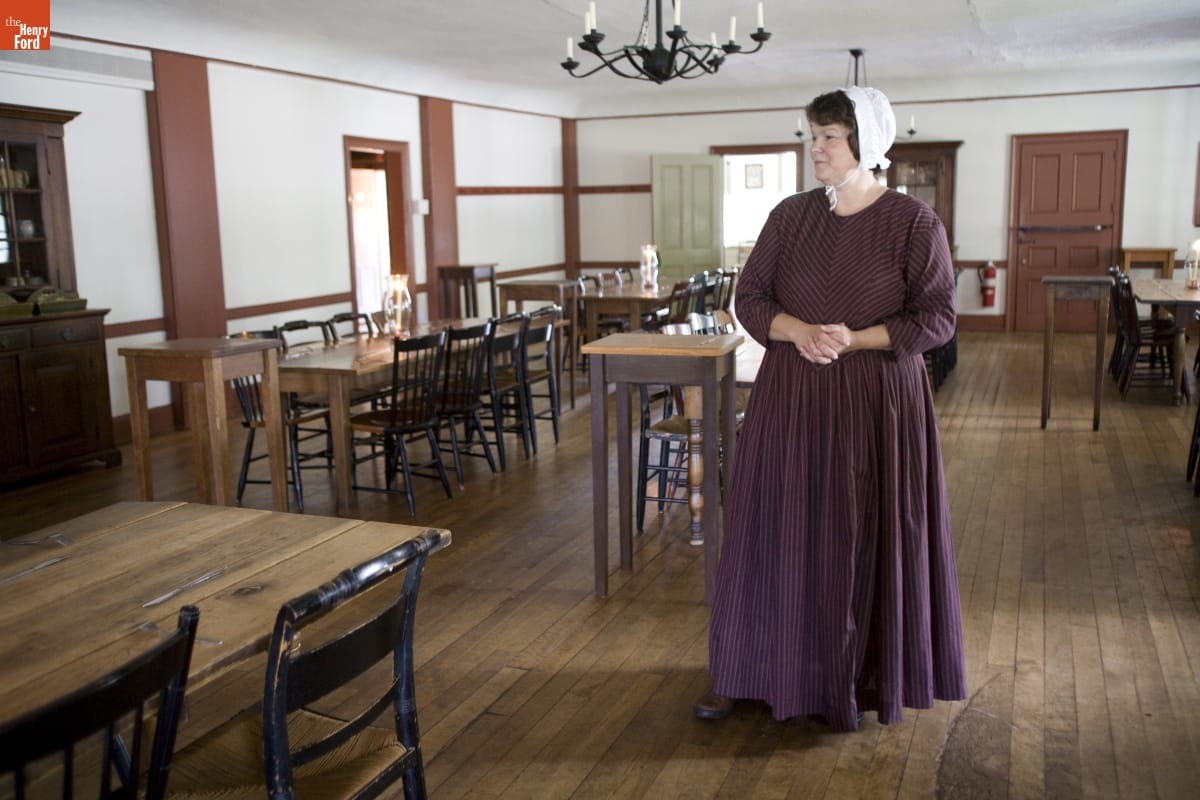
- Eagle Tavern in Greenfield Village, October 2007 - Today, the Henry Ford staff provides visitors with an authentic dining experience at Eagle Tavern--a 19th-century roadside waystation brought to Greenfield Village by Henry Ford in 1927. Cooks prepare bills-of-fare based on historical recipes and wait staff in period-appropriate dress serve the meals. This image documents the 2007 guest experience.
- October 01, 2007
- Collections - Artifact
Eagle Tavern in Greenfield Village, October 2007
Today, the Henry Ford staff provides visitors with an authentic dining experience at Eagle Tavern--a 19th-century roadside waystation brought to Greenfield Village by Henry Ford in 1927. Cooks prepare bills-of-fare based on historical recipes and wait staff in period-appropriate dress serve the meals. This image documents the 2007 guest experience.
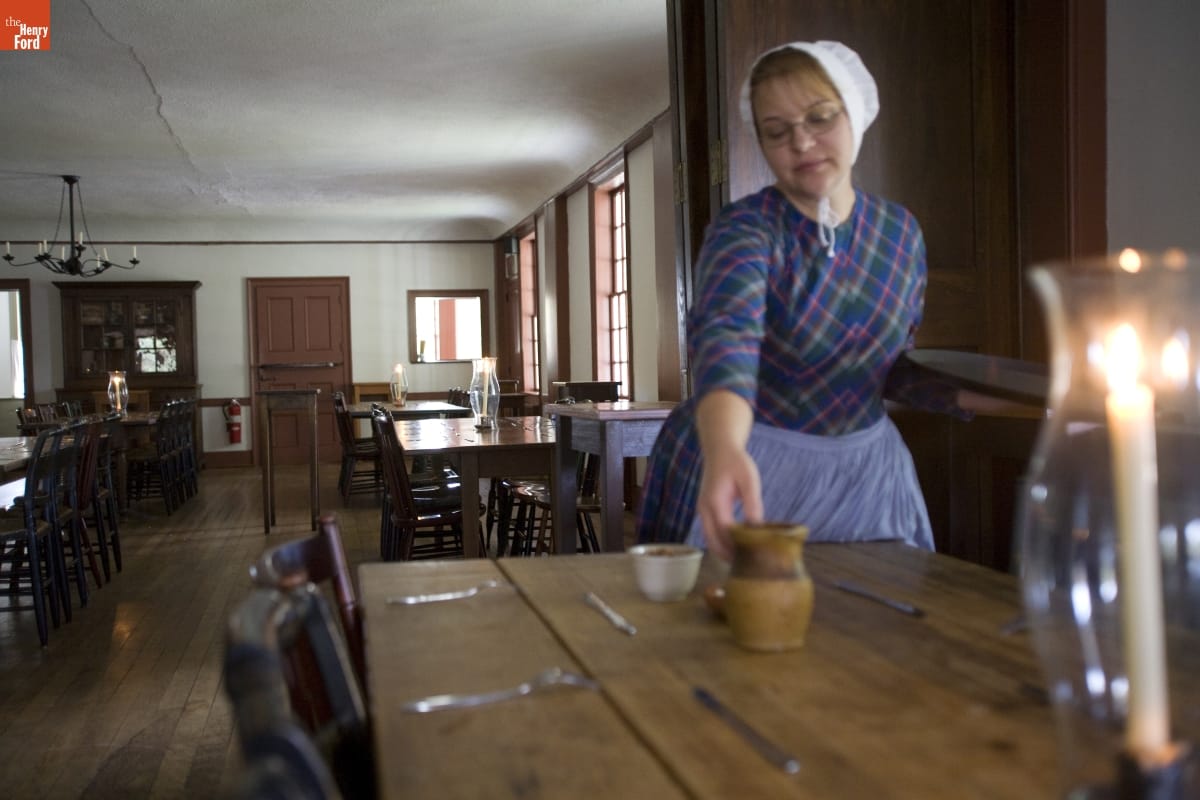
- Eagle Tavern in Greenfield Village, October 2007 - Today, the Henry Ford staff provides visitors with an authentic dining experience at Eagle Tavern--a 19th-century roadside waystation brought to Greenfield Village by Henry Ford in 1927. Cooks prepare bills-of-fare based on historical recipes and wait staff in period-appropriate dress serve the meals. This image documents the 2007 guest experience.
- October 01, 2007
- Collections - Artifact
Eagle Tavern in Greenfield Village, October 2007
Today, the Henry Ford staff provides visitors with an authentic dining experience at Eagle Tavern--a 19th-century roadside waystation brought to Greenfield Village by Henry Ford in 1927. Cooks prepare bills-of-fare based on historical recipes and wait staff in period-appropriate dress serve the meals. This image documents the 2007 guest experience.
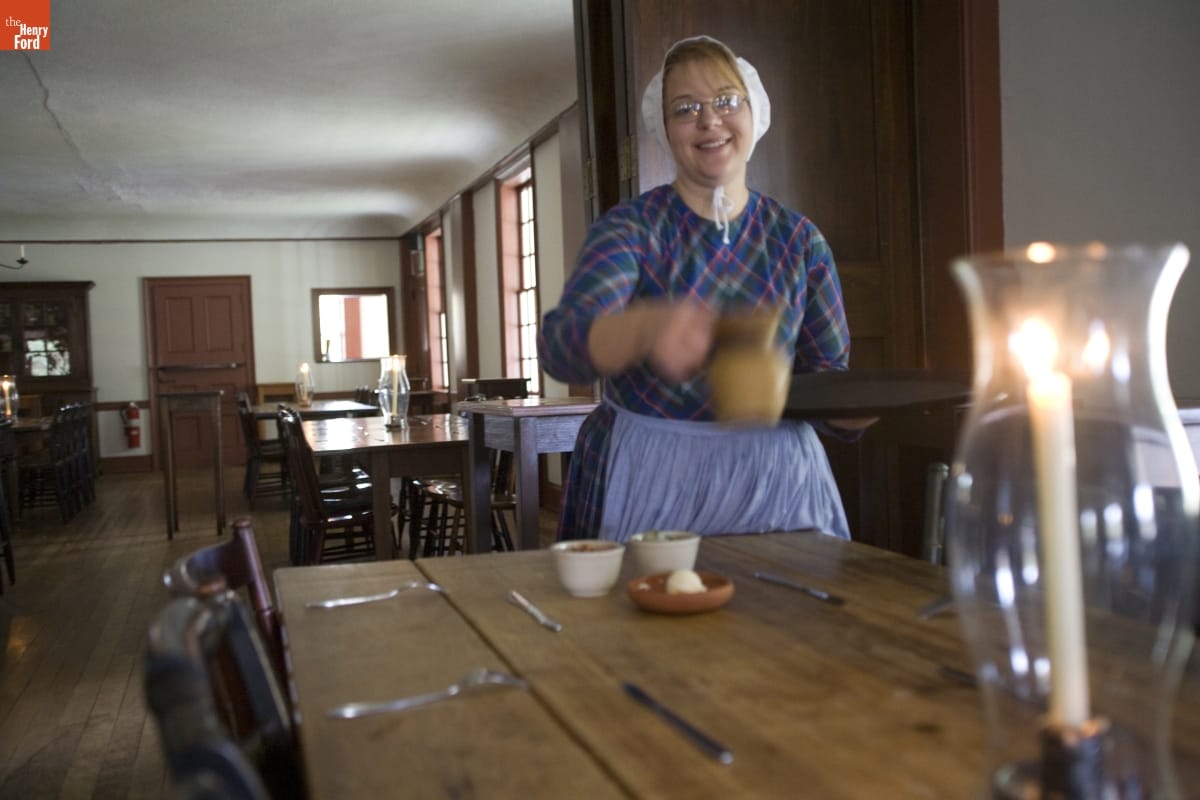
- Eagle Tavern in Greenfield Village, October 2007 - Today, the Henry Ford staff provides visitors with an authentic dining experience at Eagle Tavern--a 19th-century roadside waystation brought to Greenfield Village by Henry Ford in 1927. Cooks prepare bills-of-fare based on historical recipes and wait staff in period-appropriate dress serve the meals. This image documents the 2007 guest experience.
- October 01, 2007
- Collections - Artifact
Eagle Tavern in Greenfield Village, October 2007
Today, the Henry Ford staff provides visitors with an authentic dining experience at Eagle Tavern--a 19th-century roadside waystation brought to Greenfield Village by Henry Ford in 1927. Cooks prepare bills-of-fare based on historical recipes and wait staff in period-appropriate dress serve the meals. This image documents the 2007 guest experience.