
Search
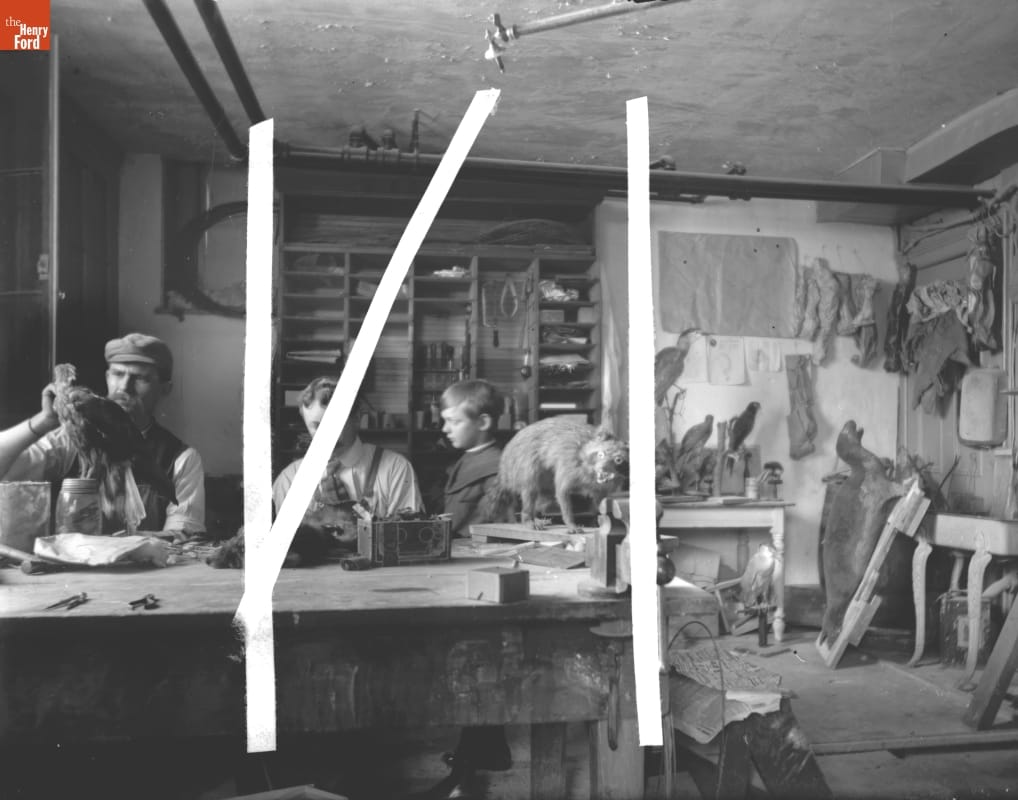
- Taxidermists at Work, 1890-1915 - In 1890, Jenny Young Chandler, 25 years old and recently widowed, began working for the <EM>New York Herald</EM>. As a photojournalist and feature writer, Chandler captured life in Brooklyn, New York, and vicinity. By 1922, the time of her death, she had produced over 800 glass plate negatives. Her sensitive, insightful photographs depict people from all walks of life and the world in which they lived.
- 1890-1915
- Collections - Artifact
Taxidermists at Work, 1890-1915
In 1890, Jenny Young Chandler, 25 years old and recently widowed, began working for the New York Herald. As a photojournalist and feature writer, Chandler captured life in Brooklyn, New York, and vicinity. By 1922, the time of her death, she had produced over 800 glass plate negatives. Her sensitive, insightful photographs depict people from all walks of life and the world in which they lived.
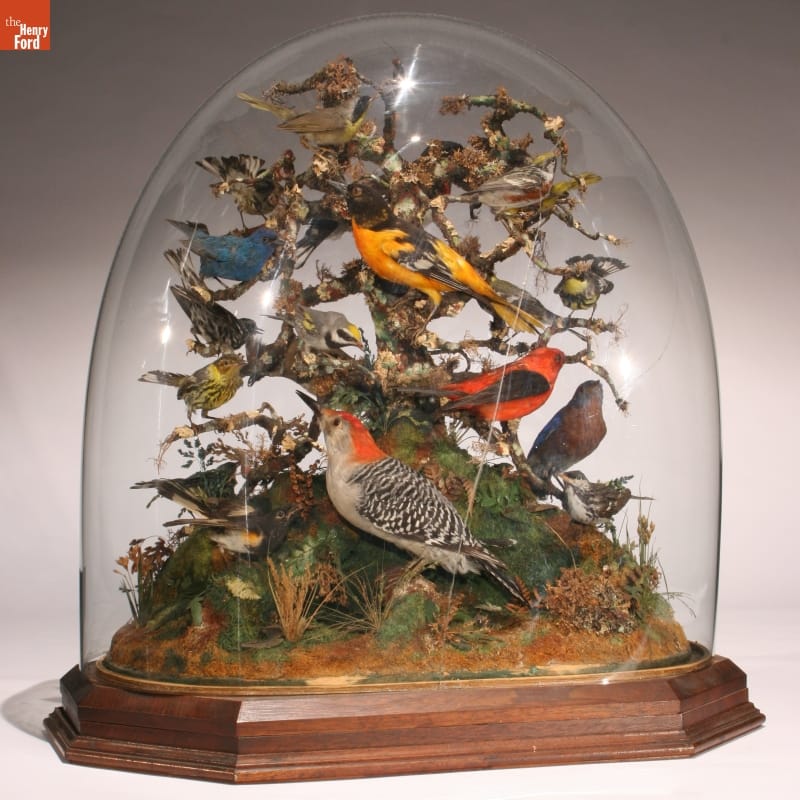
- Taxidermy Display of Birds, 1865-1900 - In the late 19th century, displaying taxidermy – previously viewed as somewhat bizarre – was considered stylish, with birds being especially common. Decorative taxidermy pieces sought to imitate those exhibited at natural history museums. In addition to being socially popular, taxidermy was viewed as a tool of conservation. Interest in decorative taxidermy waned at the turn of the century as tastes shifted.
- 1865-1900
- Collections - Artifact
Taxidermy Display of Birds, 1865-1900
In the late 19th century, displaying taxidermy – previously viewed as somewhat bizarre – was considered stylish, with birds being especially common. Decorative taxidermy pieces sought to imitate those exhibited at natural history museums. In addition to being socially popular, taxidermy was viewed as a tool of conservation. Interest in decorative taxidermy waned at the turn of the century as tastes shifted.
- Interior, Benj. Van Nostrand's, circa 1900 - In 1890, Jenny Young Chandler, 25 years old and recently widowed, began working for the <EM>New York Herald</EM>. As a photojournalist and feature writer, Chandler captured life in Brooklyn, New York, and vicinity. By 1922, the time of her death, she had produced over 800 glass plate negatives. Her sensitive, insightful photographs depict people from all walks of life and the world in which they lived.
- circa 1900
- Collections - Artifact
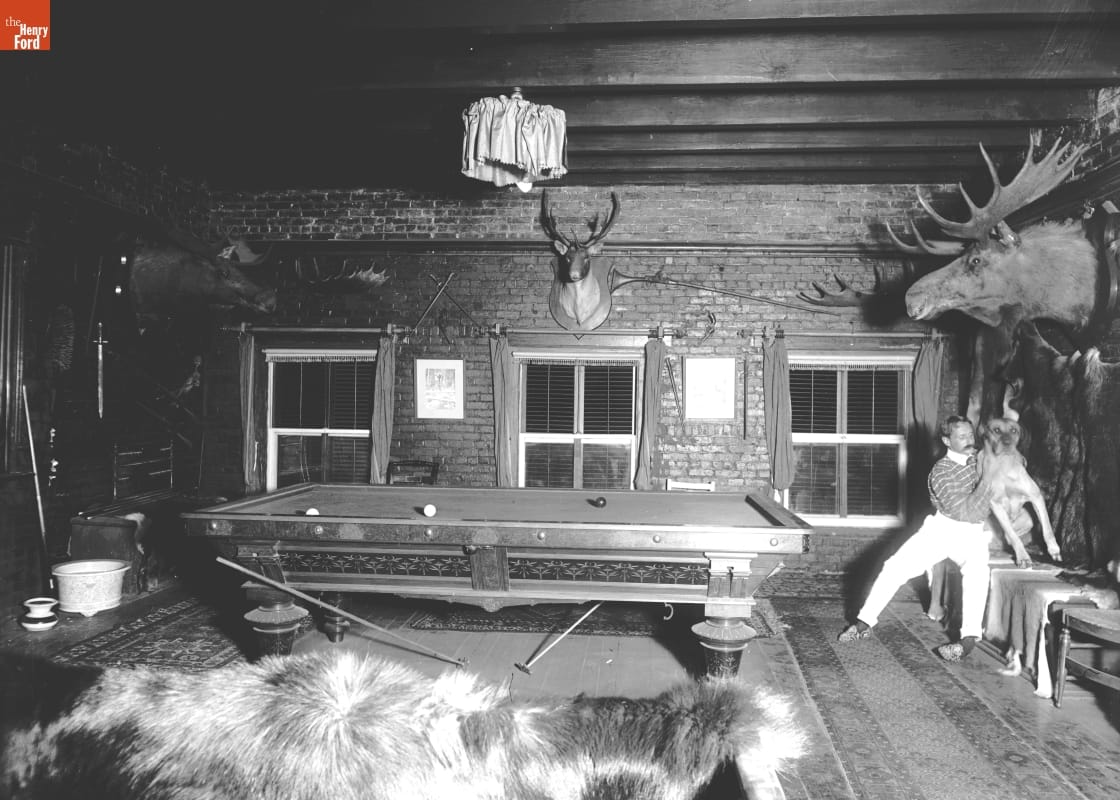
Interior, Benj. Van Nostrand's, circa 1900
In 1890, Jenny Young Chandler, 25 years old and recently widowed, began working for the New York Herald. As a photojournalist and feature writer, Chandler captured life in Brooklyn, New York, and vicinity. By 1922, the time of her death, she had produced over 800 glass plate negatives. Her sensitive, insightful photographs depict people from all walks of life and the world in which they lived.
- Interior, Benj. Van Nostrand's, circa 1900 - In 1890, Jenny Young Chandler, 25 years old and recently widowed, began working for the <EM>New York Herald</EM>. As a photojournalist and feature writer, Chandler captured life in Brooklyn, New York, and vicinity. By 1922, the time of her death, she had produced over 800 glass plate negatives. Her sensitive, insightful photographs depict people from all walks of life and the world in which they lived.
- circa 1900
- Collections - Artifact
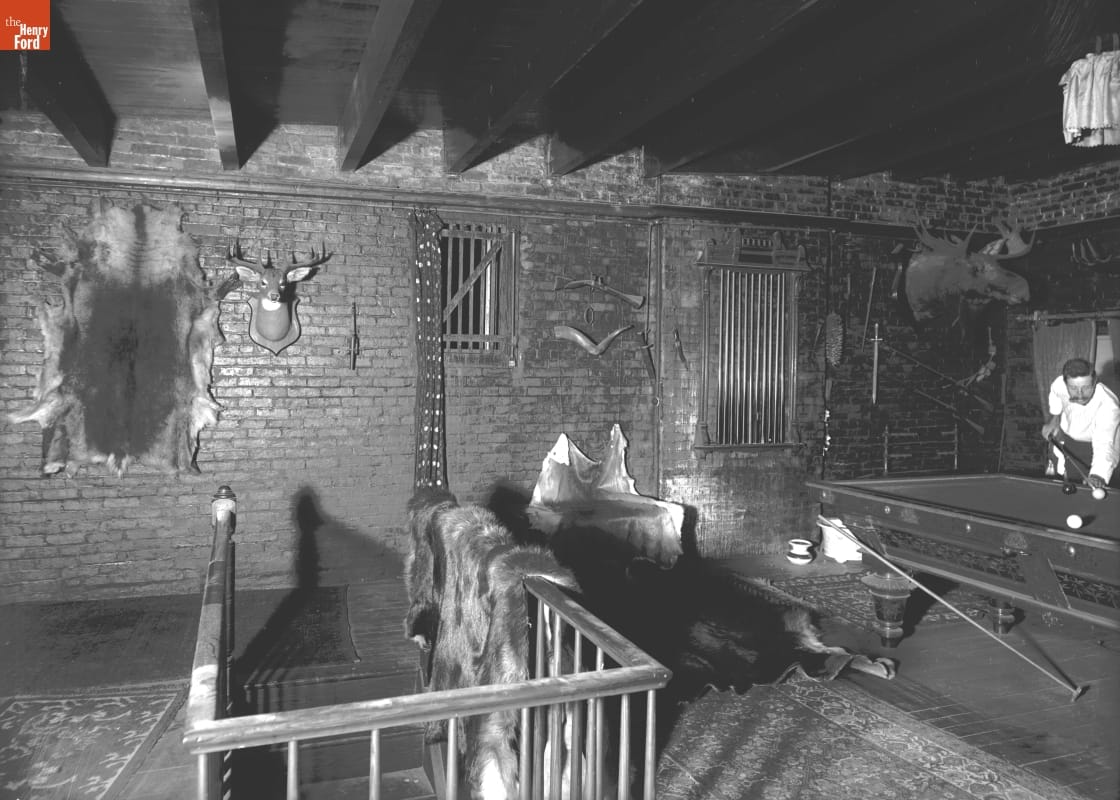
Interior, Benj. Van Nostrand's, circa 1900
In 1890, Jenny Young Chandler, 25 years old and recently widowed, began working for the New York Herald. As a photojournalist and feature writer, Chandler captured life in Brooklyn, New York, and vicinity. By 1922, the time of her death, she had produced over 800 glass plate negatives. Her sensitive, insightful photographs depict people from all walks of life and the world in which they lived.
- Interior, Benj. Van Nostrand's, circa 1900 - In 1890, Jenny Young Chandler, 25 years old and recently widowed, began working for the <EM>New York Herald</EM>. As a photojournalist and feature writer, Chandler captured life in Brooklyn, New York, and vicinity. By 1922, the time of her death, she had produced over 800 glass plate negatives. Her sensitive, insightful photographs depict people from all walks of life and the world in which they lived.
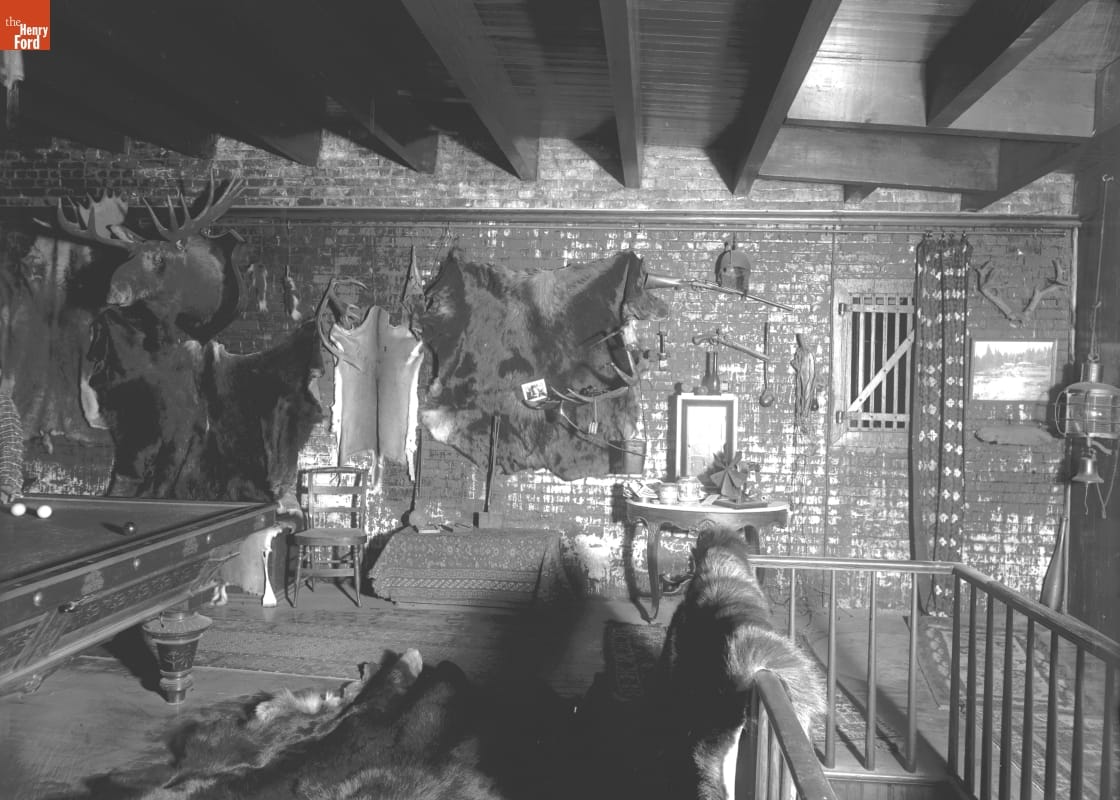
- circa 1900
- Collections - Artifact
Interior, Benj. Van Nostrand's, circa 1900
In 1890, Jenny Young Chandler, 25 years old and recently widowed, began working for the New York Herald. As a photojournalist and feature writer, Chandler captured life in Brooklyn, New York, and vicinity. By 1922, the time of her death, she had produced over 800 glass plate negatives. Her sensitive, insightful photographs depict people from all walks of life and the world in which they lived.
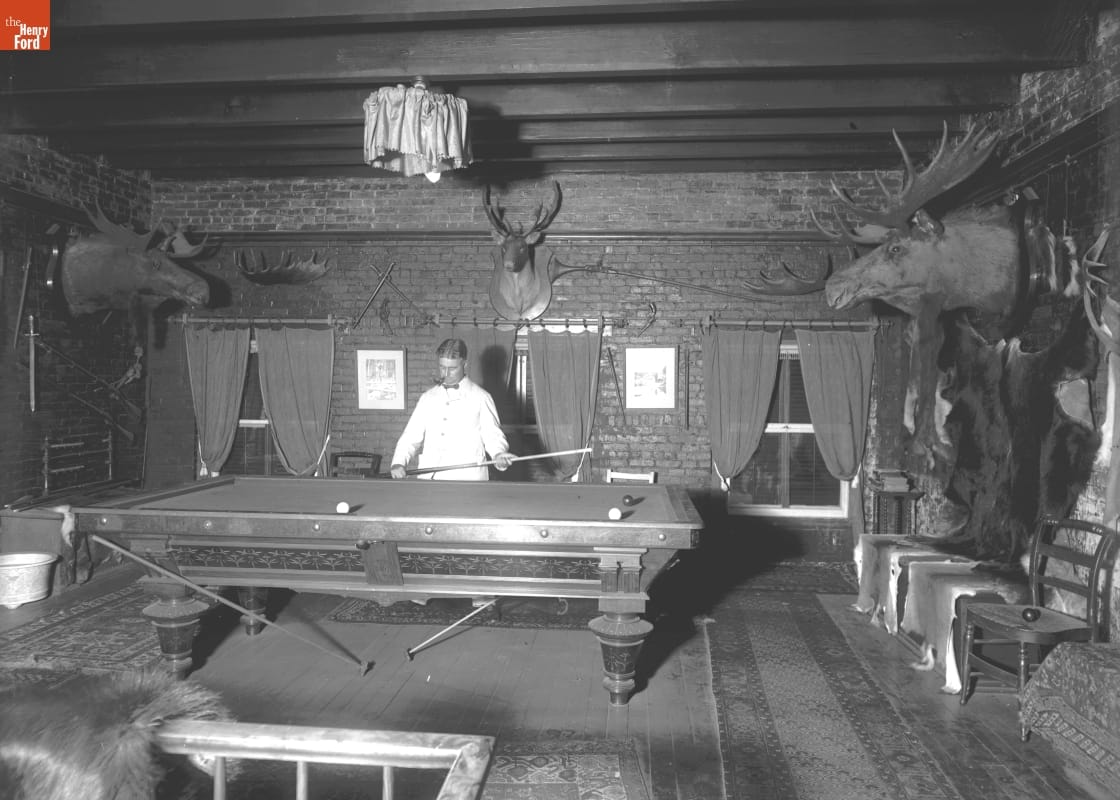
- Interior, Benj. Van Nostrand's, Pool Game, circa 1900 - In 1890, Jenny Young Chandler, 25 years old and recently widowed, began working for the <EM>New York Herald</EM>. As a photojournalist and feature writer, Chandler captured life in Brooklyn, New York, and vicinity. By 1922, the time of her death, she had produced over 800 glass plate negatives. Her sensitive, insightful photographs depict people from all walks of life and the world in which they lived.
- circa 1900
- Collections - Artifact
Interior, Benj. Van Nostrand's, Pool Game, circa 1900
In 1890, Jenny Young Chandler, 25 years old and recently widowed, began working for the New York Herald. As a photojournalist and feature writer, Chandler captured life in Brooklyn, New York, and vicinity. By 1922, the time of her death, she had produced over 800 glass plate negatives. Her sensitive, insightful photographs depict people from all walks of life and the world in which they lived.
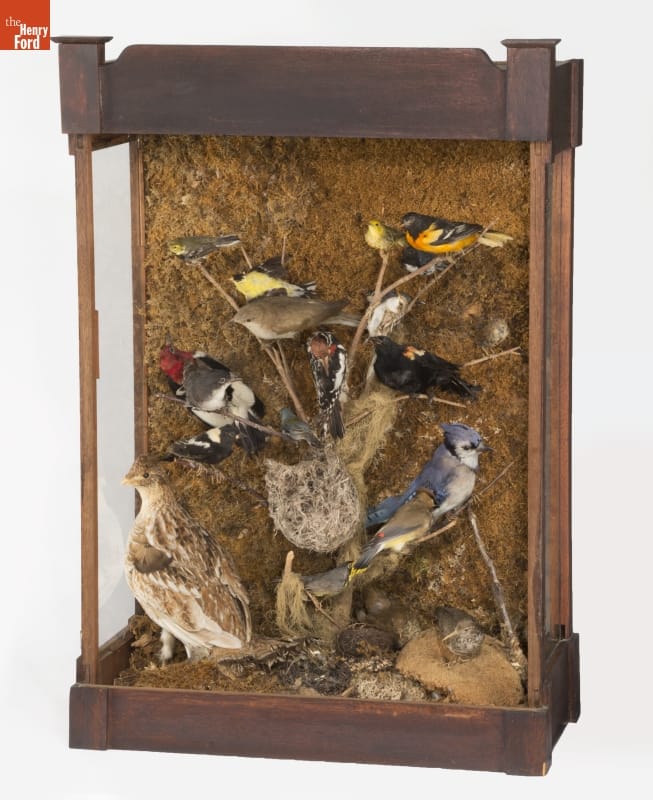
- Birds, Stuffed and Mounted by John Burroughs, circa 1865 - A lifelong birder, naturalist John Burroughs did not limit his study of feathered creatures to simple observation. He often actively collected birds on hikes, later stuffing and mounting his specimens in glass cases much like this one. Some of Burroughs' other taxidermy works include a fifty-bird exhibit for his wife's front parlor and an arrangement of Catskill Mountain birds for his mother.
- circa 1865
- Collections - Artifact
Birds, Stuffed and Mounted by John Burroughs, circa 1865
A lifelong birder, naturalist John Burroughs did not limit his study of feathered creatures to simple observation. He often actively collected birds on hikes, later stuffing and mounting his specimens in glass cases much like this one. Some of Burroughs' other taxidermy works include a fifty-bird exhibit for his wife's front parlor and an arrangement of Catskill Mountain birds for his mother.