
Search
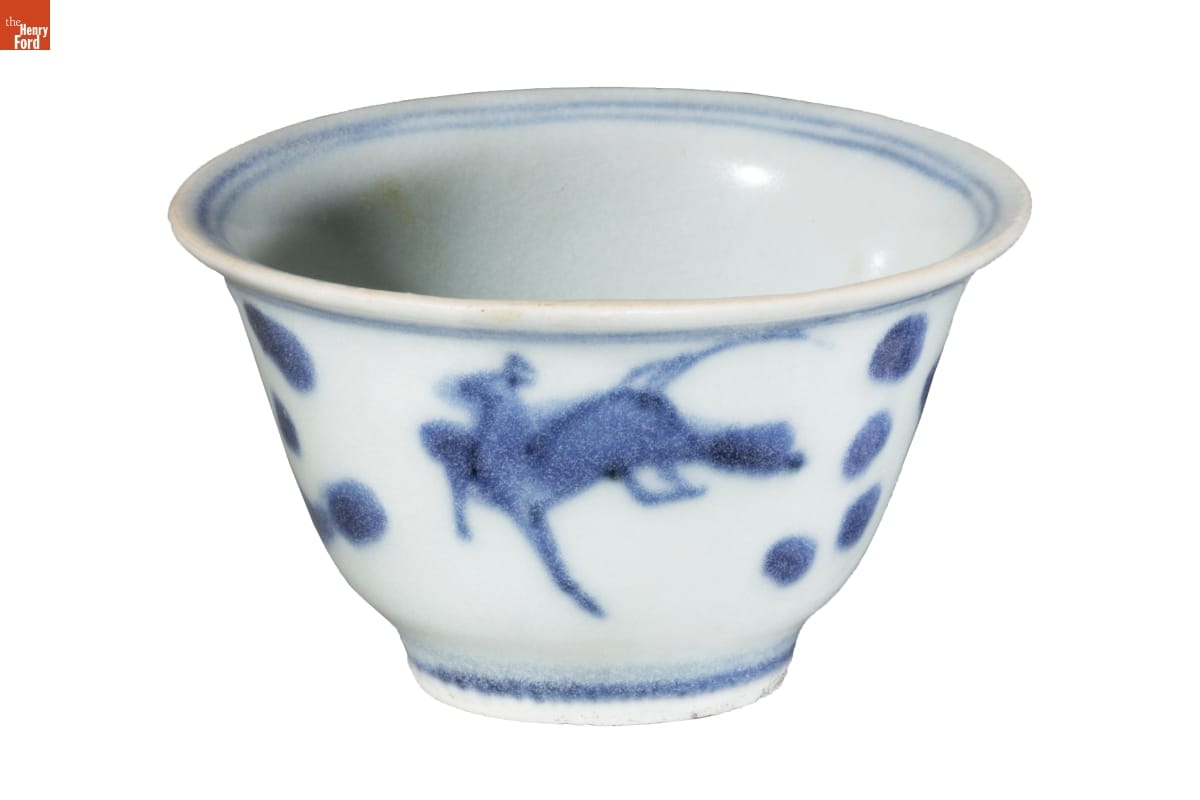
- Tea Cup from Vung Tau Shipwreck, 1675-1690 - Wealthy 17th-century Europeans craved Chinese porcelains. The clay of these export wares contains kaolin. When fired, the body of the clay and glaze fused into a glass-like form that resisted chipping and breaking--holding up to everyday use, which amazed Europeans. This teacup never made it to the table; it was found in a shipwreck on its way to Europe--a beautiful and rugged survivor.
- 1675-1690
- Collections - Artifact
Tea Cup from Vung Tau Shipwreck, 1675-1690
Wealthy 17th-century Europeans craved Chinese porcelains. The clay of these export wares contains kaolin. When fired, the body of the clay and glaze fused into a glass-like form that resisted chipping and breaking--holding up to everyday use, which amazed Europeans. This teacup never made it to the table; it was found in a shipwreck on its way to Europe--a beautiful and rugged survivor.
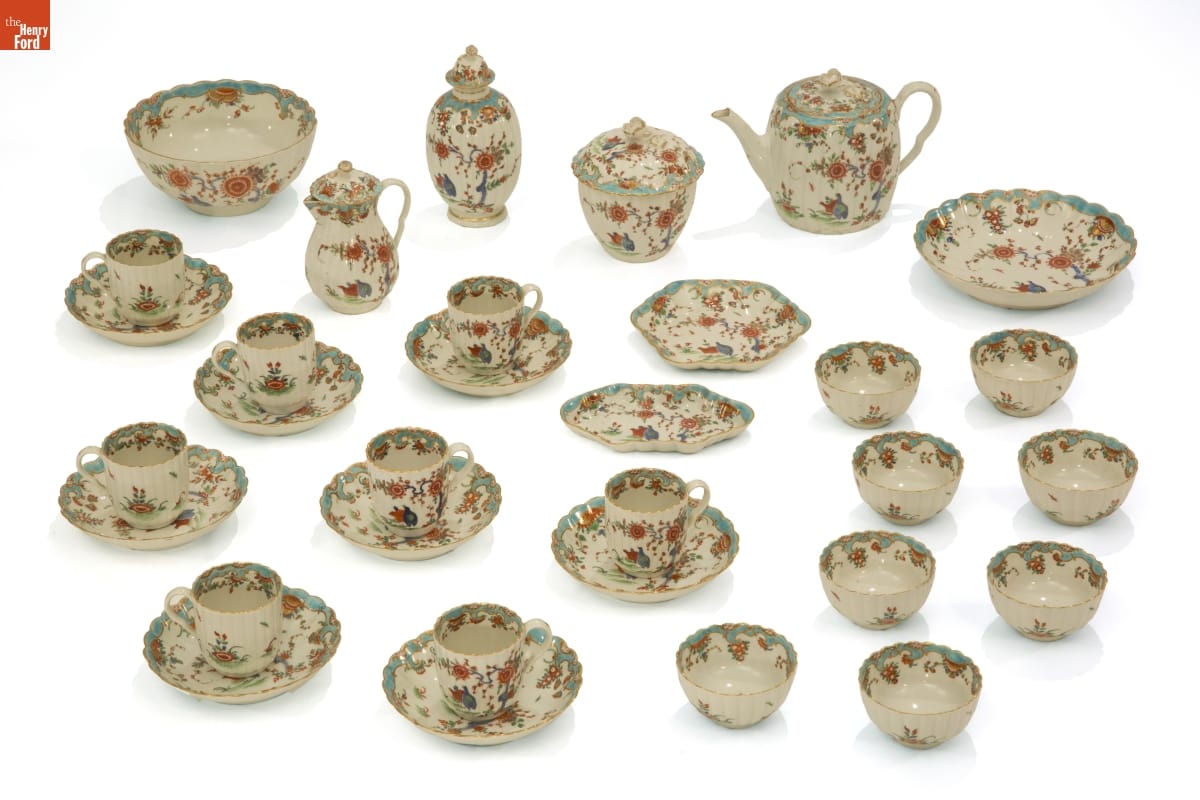
- Tea Service, Made by Worcester Royal Porcelain Company, 1765-1770 -
- 1765-1770
- Collections - Artifact
Tea Service, Made by Worcester Royal Porcelain Company, 1765-1770