
Search
- Ralph Bunche Information Card, circa 1985 -
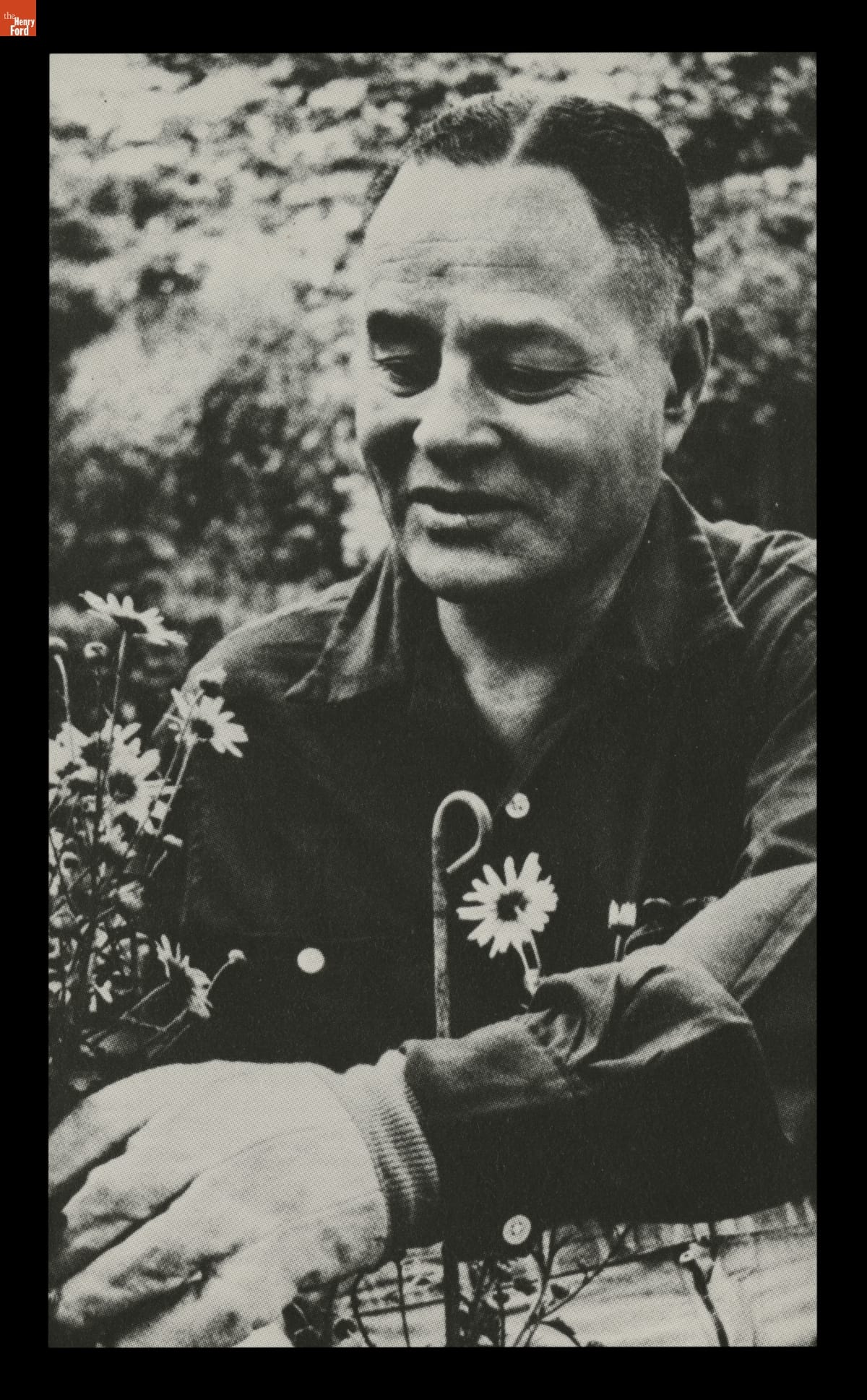
- December 29, 1959
- Collections - Artifact
Ralph Bunche Information Card, circa 1985
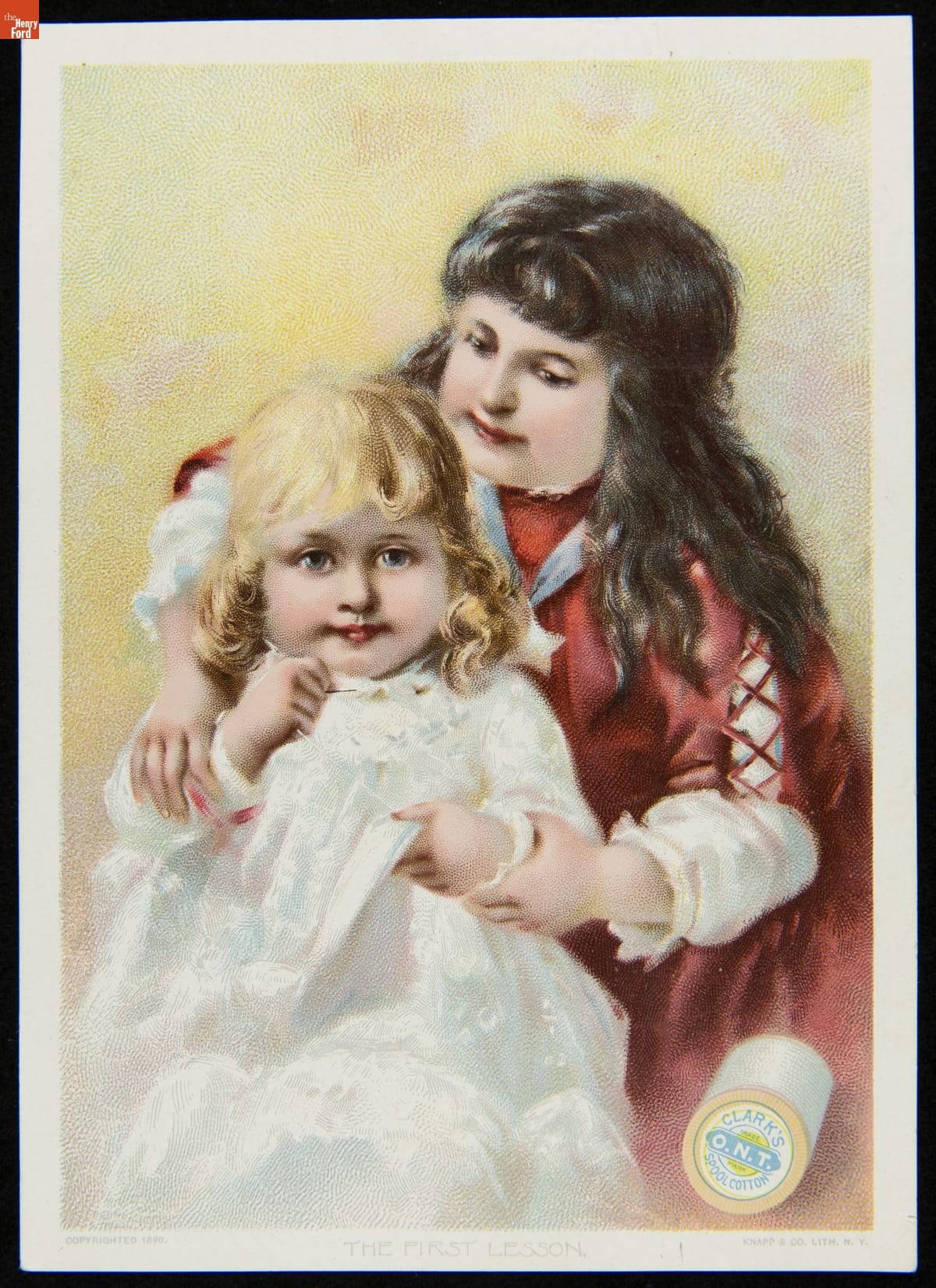
- Trade Card for Clark's O.N.T. Spool Cotton Thread, 1890 - In the last third of the nineteenth century, an unprecedented variety of consumer goods and services flooded the American market. Advertisers, armed with new methods of color printing, bombarded potential customers with trade cards. Americans enjoyed and often saved the vibrant little advertisements found in product packages or distributed by local merchants. Many survive as historical records of commercialism in the United States.
- 1890
- Collections - Artifact
Trade Card for Clark's O.N.T. Spool Cotton Thread, 1890
In the last third of the nineteenth century, an unprecedented variety of consumer goods and services flooded the American market. Advertisers, armed with new methods of color printing, bombarded potential customers with trade cards. Americans enjoyed and often saved the vibrant little advertisements found in product packages or distributed by local merchants. Many survive as historical records of commercialism in the United States.
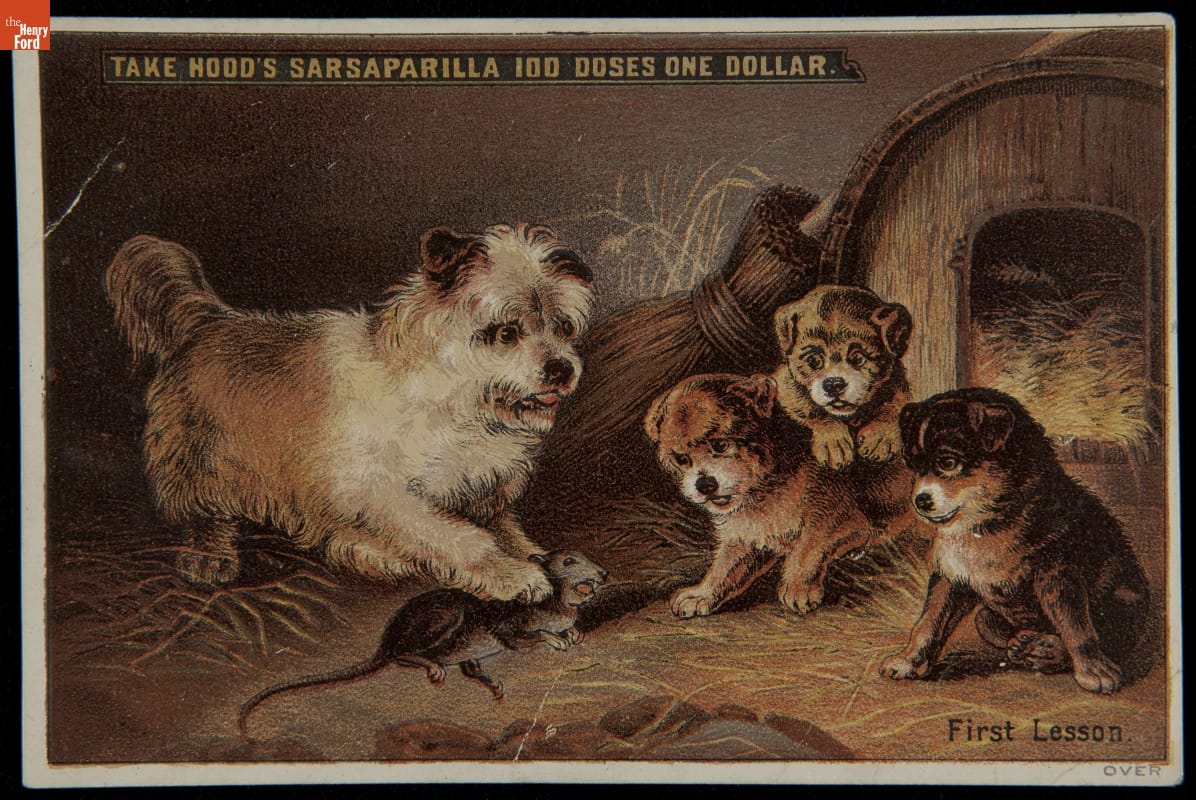
- Trade Card for Hood's Sarsaparilla, C.I. Hood & Co., circa 1885 - In the late 19th century, trade cards were a major means for advertising goods and services. Patent medicine producer, C.I. Hood & Co., had its own advertising department, creating cookbooks, calendars, and, most abundantly, trade cards. Hood's Sarsaparilla became the company's most popular product and trade cards, like this one, promoted its medicinal qualities as a blood purifier.
- circa 1885
- Collections - Artifact
Trade Card for Hood's Sarsaparilla, C.I. Hood & Co., circa 1885
In the late 19th century, trade cards were a major means for advertising goods and services. Patent medicine producer, C.I. Hood & Co., had its own advertising department, creating cookbooks, calendars, and, most abundantly, trade cards. Hood's Sarsaparilla became the company's most popular product and trade cards, like this one, promoted its medicinal qualities as a blood purifier.
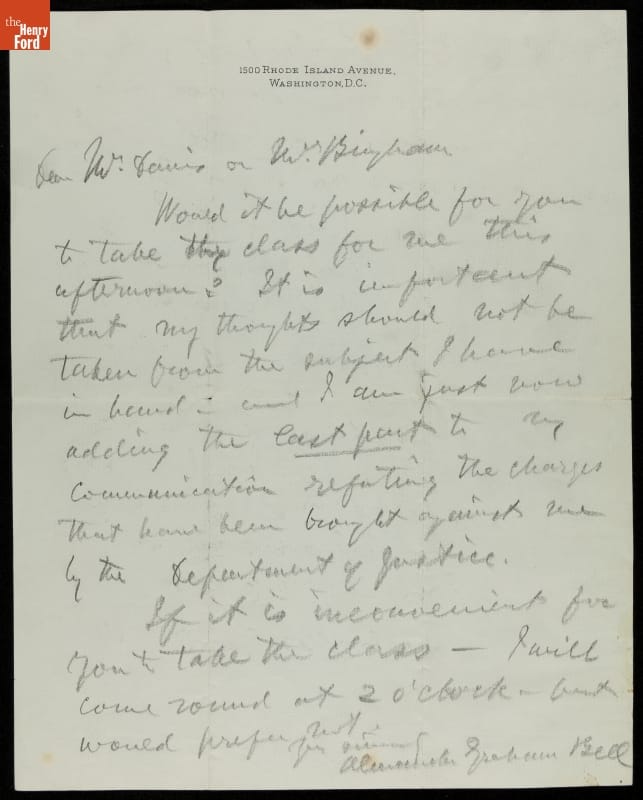
- Letter from Alexander Graham Bell to Cornelia D. Bingham, with Reply on Reverse, circa 1913 -
- circa 1913
- Collections - Artifact
Letter from Alexander Graham Bell to Cornelia D. Bingham, with Reply on Reverse, circa 1913
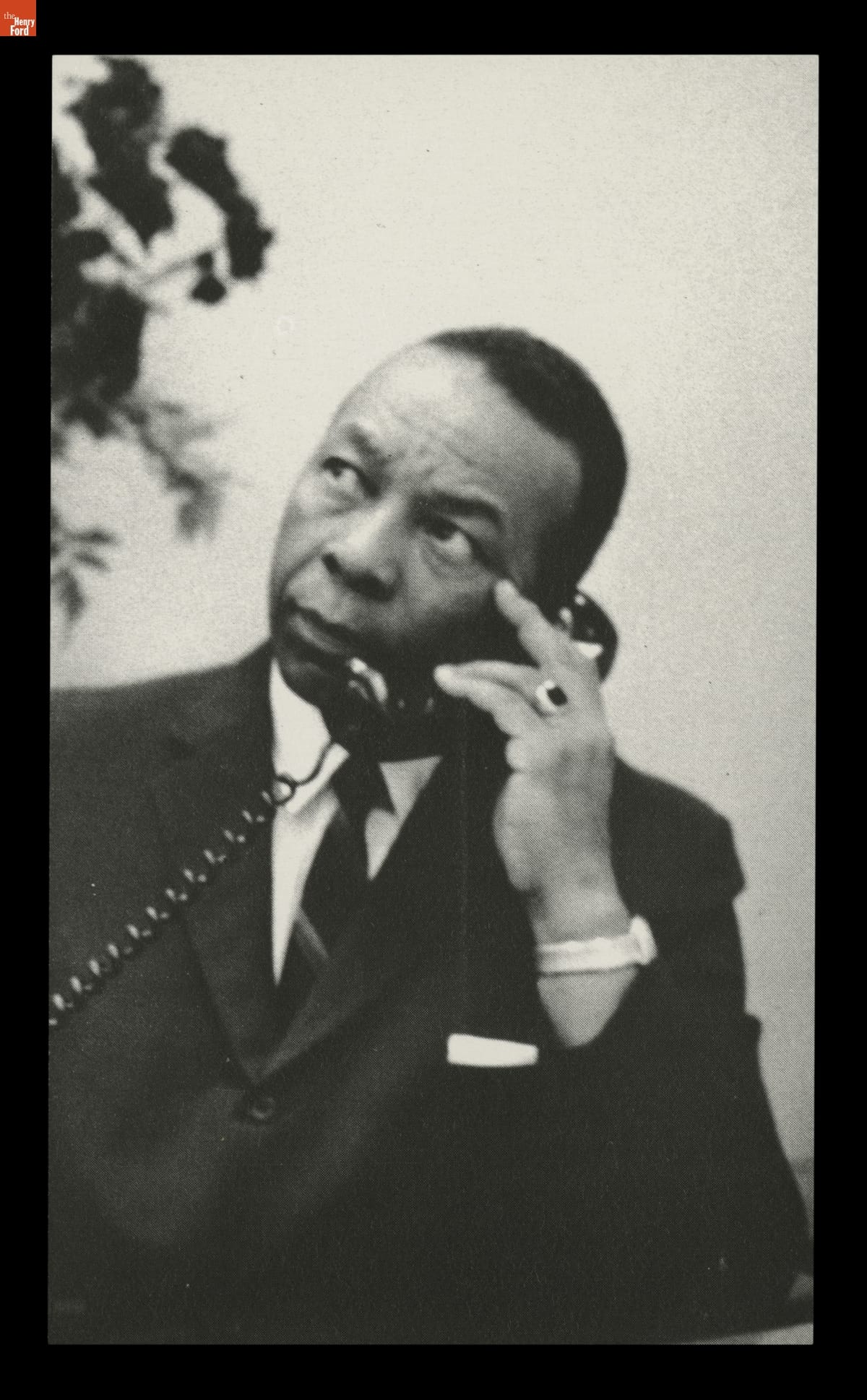
- Walter E. Washington Information Card, circa 1985 -
- October 13, 1967
- Collections - Artifact
Walter E. Washington Information Card, circa 1985
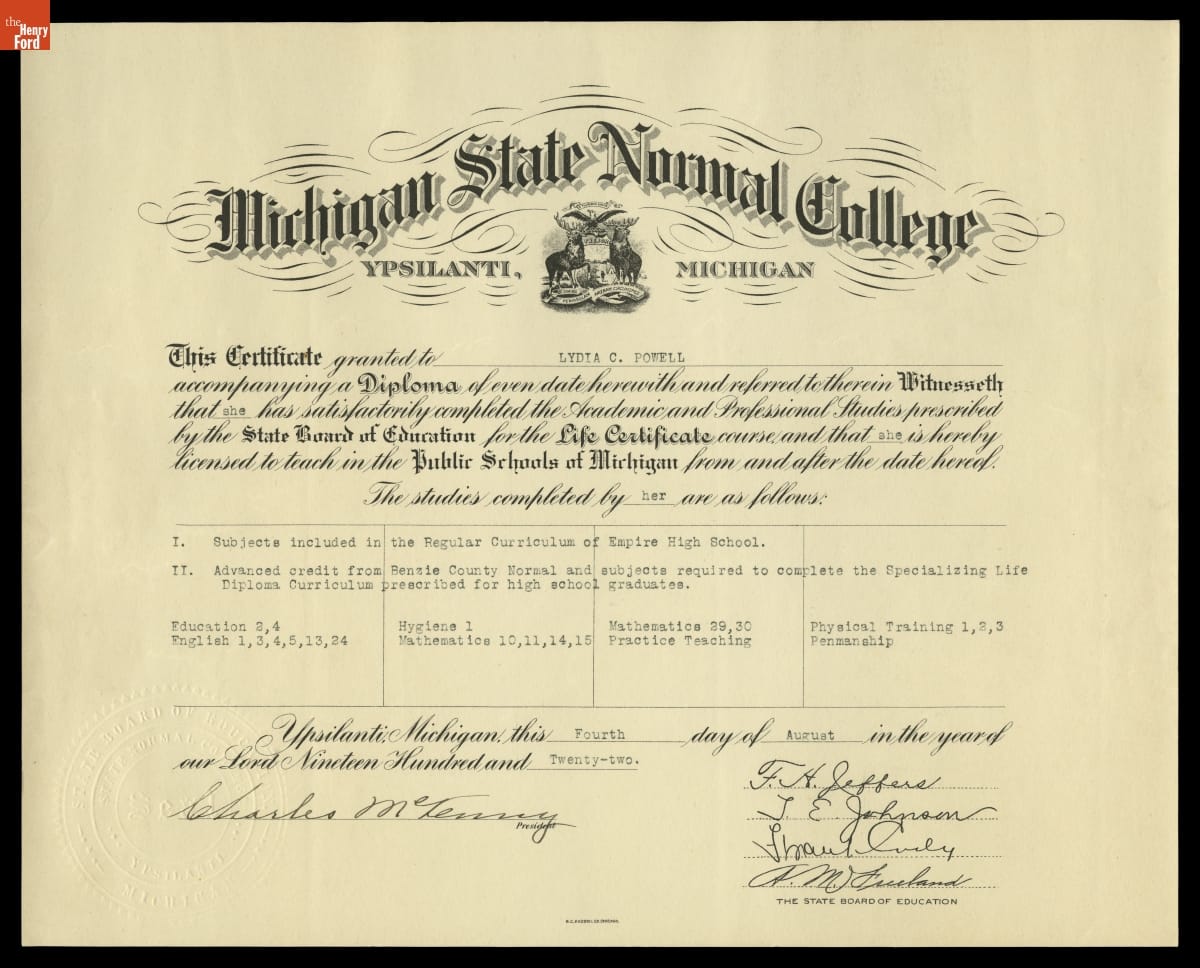
- Michigan State Normal College Certificate Granted to Lydia C. Powell, August 4, 1922 - Lydia Powell (1898-1991) graduated from high school in 1917. By the following year, all states had made school attendance compulsory for 8- to 14-year-olds. In 1925, mandatory attendance expanded to include children 16 years and under. After her high school graduation, Powell, a woman of limited means, completed courses and received degrees from several Michigan colleges, making teaching her passion and a lifelong career.
- August 04, 1922
- Collections - Artifact
Michigan State Normal College Certificate Granted to Lydia C. Powell, August 4, 1922
Lydia Powell (1898-1991) graduated from high school in 1917. By the following year, all states had made school attendance compulsory for 8- to 14-year-olds. In 1925, mandatory attendance expanded to include children 16 years and under. After her high school graduation, Powell, a woman of limited means, completed courses and received degrees from several Michigan colleges, making teaching her passion and a lifelong career.
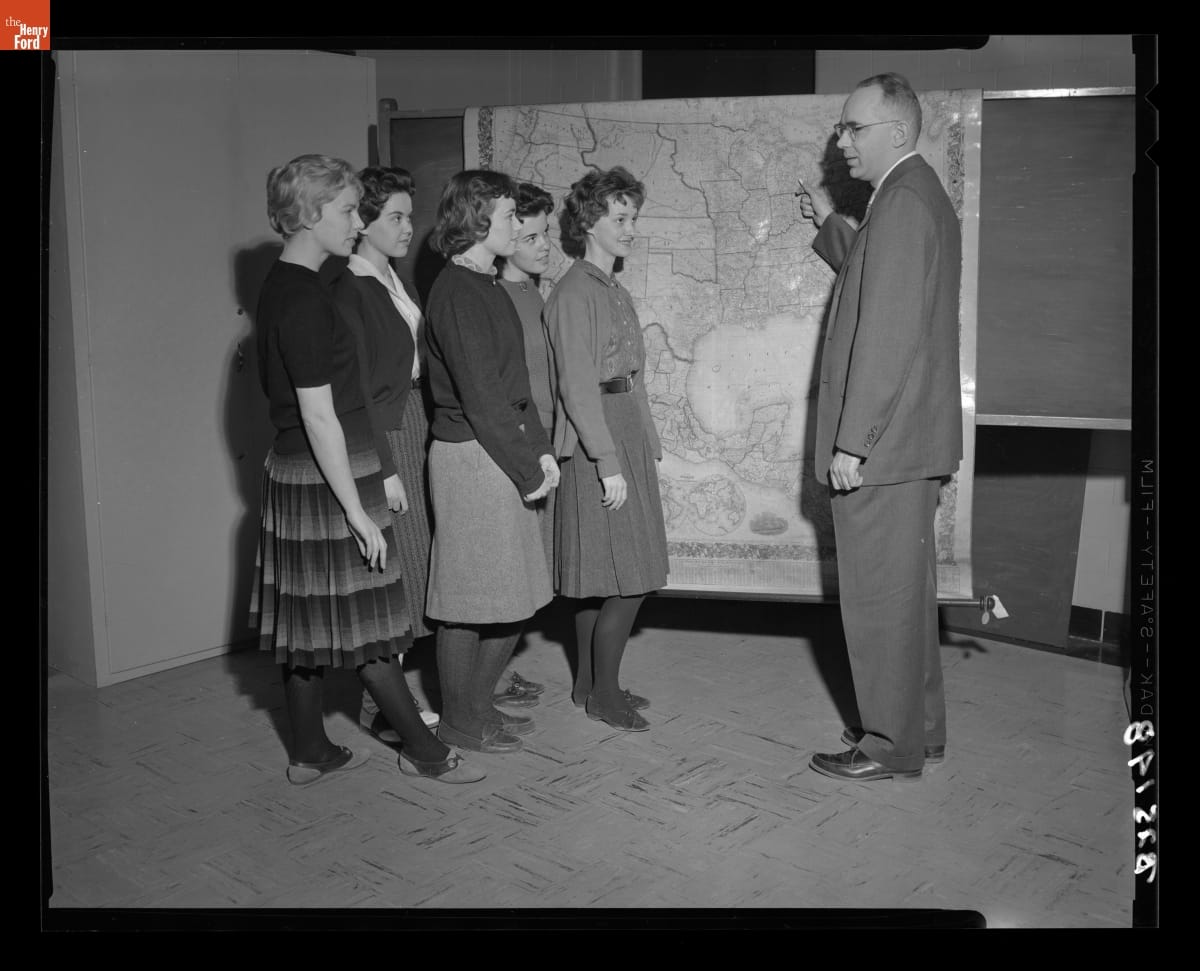
- Librarian Ken Metcalf Training Greenfield Village Guides, February 20, 1960 - Detroit native Ken Metcalf earned degrees from Wayne State University and the University of Michigan. He joined the Edison Institute -- today's The Henry Ford -- as librarian in 1954. He later became deputy archivist as well. Metcalf expanded the library's holdings, contributed to museum exhibits, wrote multiple books, and frequently presented at professional and civic organizations.
- February 20, 1960
- Collections - Artifact
Librarian Ken Metcalf Training Greenfield Village Guides, February 20, 1960
Detroit native Ken Metcalf earned degrees from Wayne State University and the University of Michigan. He joined the Edison Institute -- today's The Henry Ford -- as librarian in 1954. He later became deputy archivist as well. Metcalf expanded the library's holdings, contributed to museum exhibits, wrote multiple books, and frequently presented at professional and civic organizations.
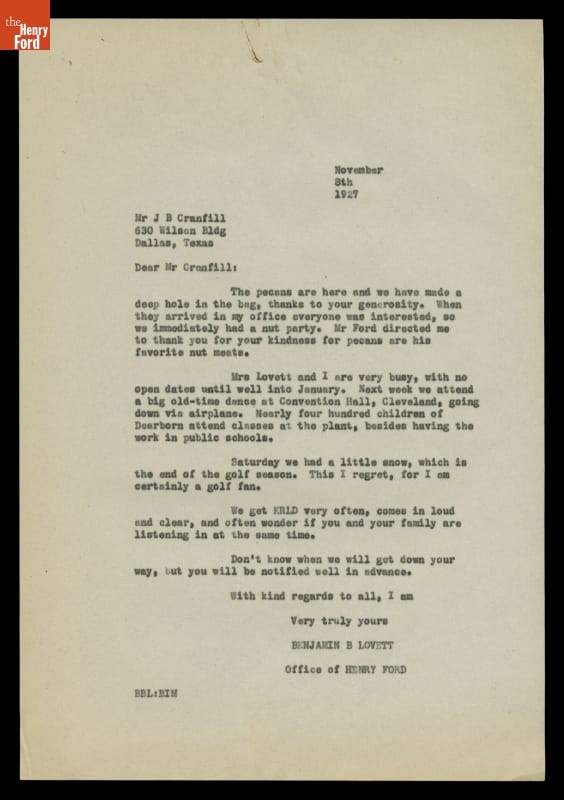
- Letter from Benjamin Lovett to J. B. Cranfill, November 8, 1927 - Beginning in the mid-1920s, Henry Ford was on a crusade to revive the old-fashioned dances of his youth. Ford's dancing master, Benjamin Lovett, helped teach these traditional American dances to adults and children alike. Beginning with Dearborn schoolchildren, this dance instruction spread throughout the United States. Lovett often traveled to community centers and educational institutions to teach.
- November 08, 1927
- Collections - Artifact
Letter from Benjamin Lovett to J. B. Cranfill, November 8, 1927
Beginning in the mid-1920s, Henry Ford was on a crusade to revive the old-fashioned dances of his youth. Ford's dancing master, Benjamin Lovett, helped teach these traditional American dances to adults and children alike. Beginning with Dearborn schoolchildren, this dance instruction spread throughout the United States. Lovett often traveled to community centers and educational institutions to teach.
- Letter from Benjamin Lovett to J. B. Cranfill, October 17, 1927 -
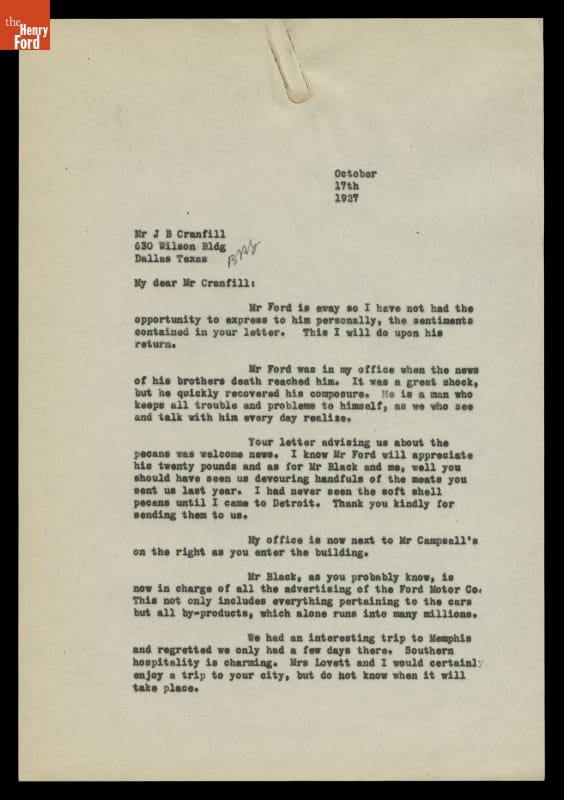
- October 17, 1927
- Collections - Artifact
Letter from Benjamin Lovett to J. B. Cranfill, October 17, 1927
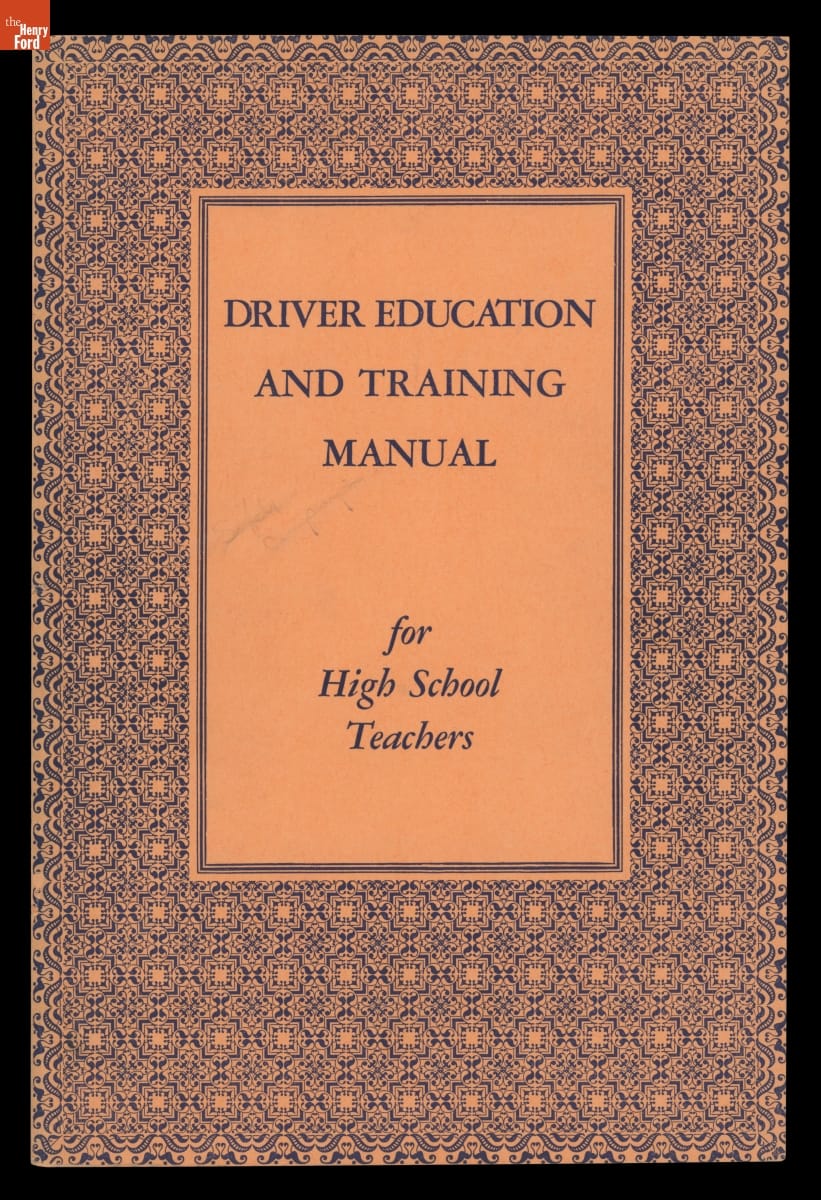
- Driver Education and Training Manual for High School Teachers, 1940 - This textbook doesn't teach driver education -- it teaches how to teach driver education. It was produced by the American Automobile Association, which had moral and monetary interests in reducing auto accidents. Driver education was a standard part of American high schools from the 1930s through the 1990s, until public school budget and curriculum concerns shifted training to private schools.
- 1940
- Collections - Artifact
Driver Education and Training Manual for High School Teachers, 1940
This textbook doesn't teach driver education -- it teaches how to teach driver education. It was produced by the American Automobile Association, which had moral and monetary interests in reducing auto accidents. Driver education was a standard part of American high schools from the 1930s through the 1990s, until public school budget and curriculum concerns shifted training to private schools.