
Search
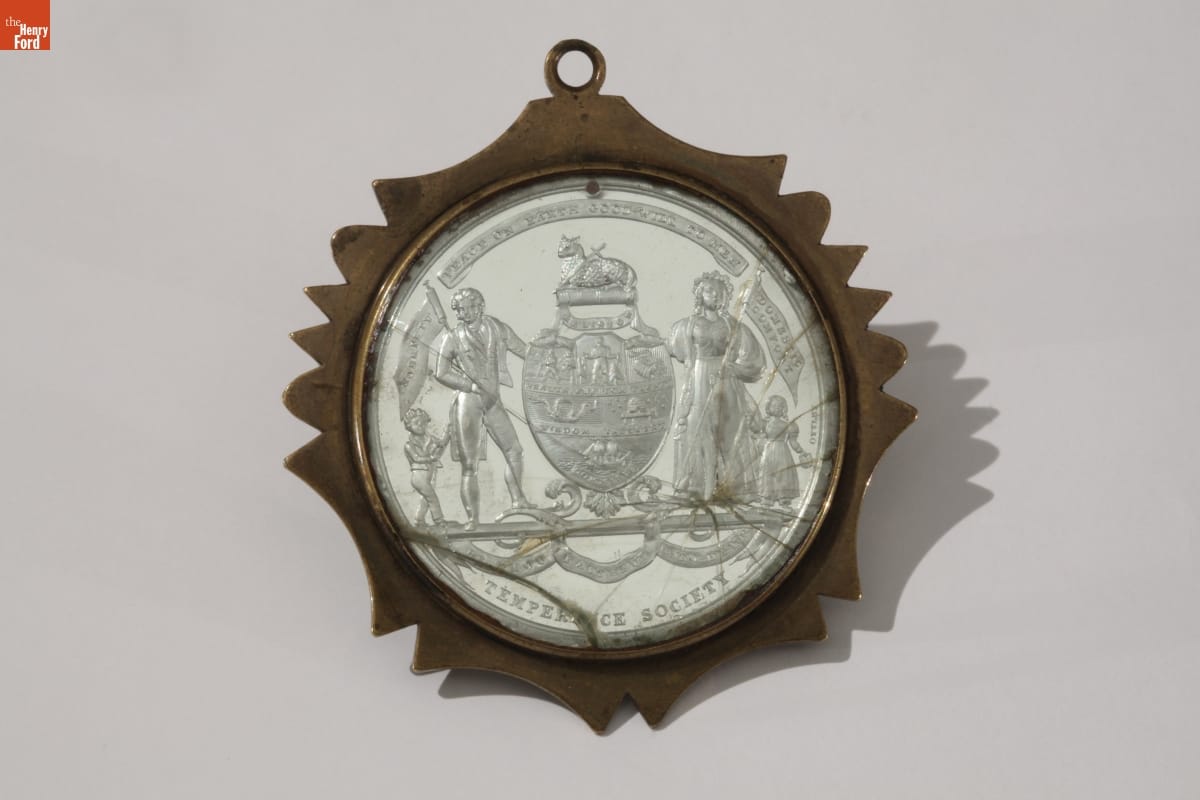
- Temperance Medal of the American Temperance Society, 1833-1875 -
- 1833-1875
- Collections - Artifact
Temperance Medal of the American Temperance Society, 1833-1875
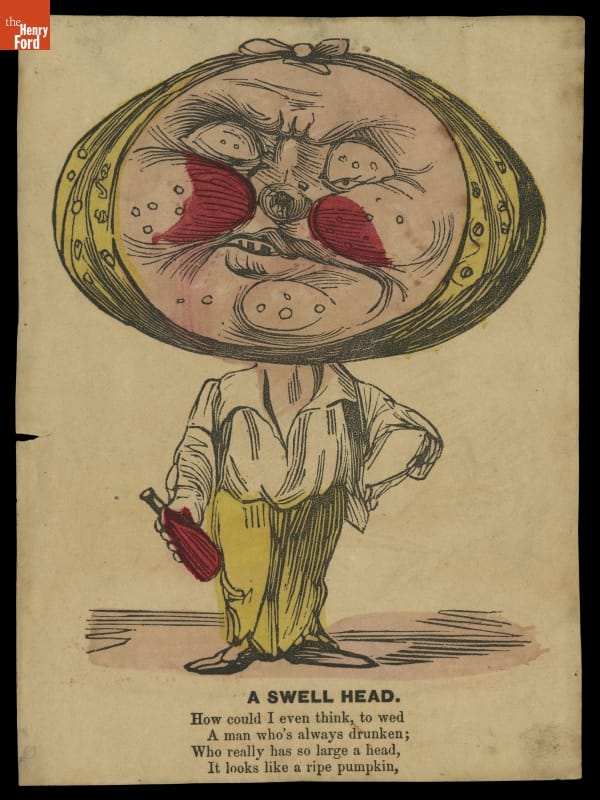
- Comic Valentine, "A Swell Head," circa 1855 - From the 1840s into the early 1900s, some people sent inexpensive Valentine's Day greetings that chided, warned, or insulted the recipient. An exaggerated, often garish cartoon and short verse described and dismissed someone's looks, intelligence, personality, or behavior. Within the atmosphere of a festive holiday, under the cover of humor, these "vinegar valentines" were acceptable critiques of behaviors that deviated from social norms.
- circa 1855
- Collections - Artifact
Comic Valentine, "A Swell Head," circa 1855
From the 1840s into the early 1900s, some people sent inexpensive Valentine's Day greetings that chided, warned, or insulted the recipient. An exaggerated, often garish cartoon and short verse described and dismissed someone's looks, intelligence, personality, or behavior. Within the atmosphere of a festive holiday, under the cover of humor, these "vinegar valentines" were acceptable critiques of behaviors that deviated from social norms.
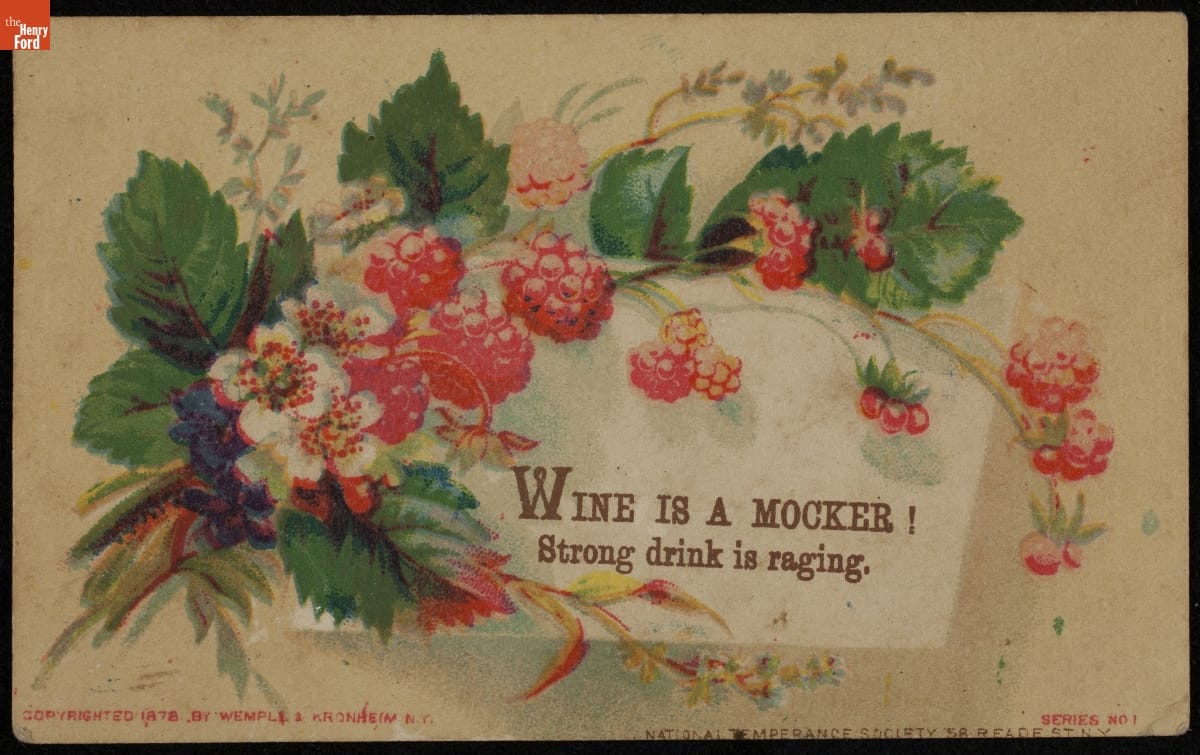
- National Temperance Society Card, "Wine is a Mocker! Strong Drink is Raging," 1878 - American temperance societies in the 19th century advocated for controls on the sale of alcohol. Many also promoted total abstinence from alcohol as a solution to perceived social problems and to foster a prosperous and moral society. This card, created by the National Temperance Society and Publishing House, incorporated a biblical verse, stressing religious morality to enhance the cause.
- 1878
- Collections - Artifact
National Temperance Society Card, "Wine is a Mocker! Strong Drink is Raging," 1878
American temperance societies in the 19th century advocated for controls on the sale of alcohol. Many also promoted total abstinence from alcohol as a solution to perceived social problems and to foster a prosperous and moral society. This card, created by the National Temperance Society and Publishing House, incorporated a biblical verse, stressing religious morality to enhance the cause.
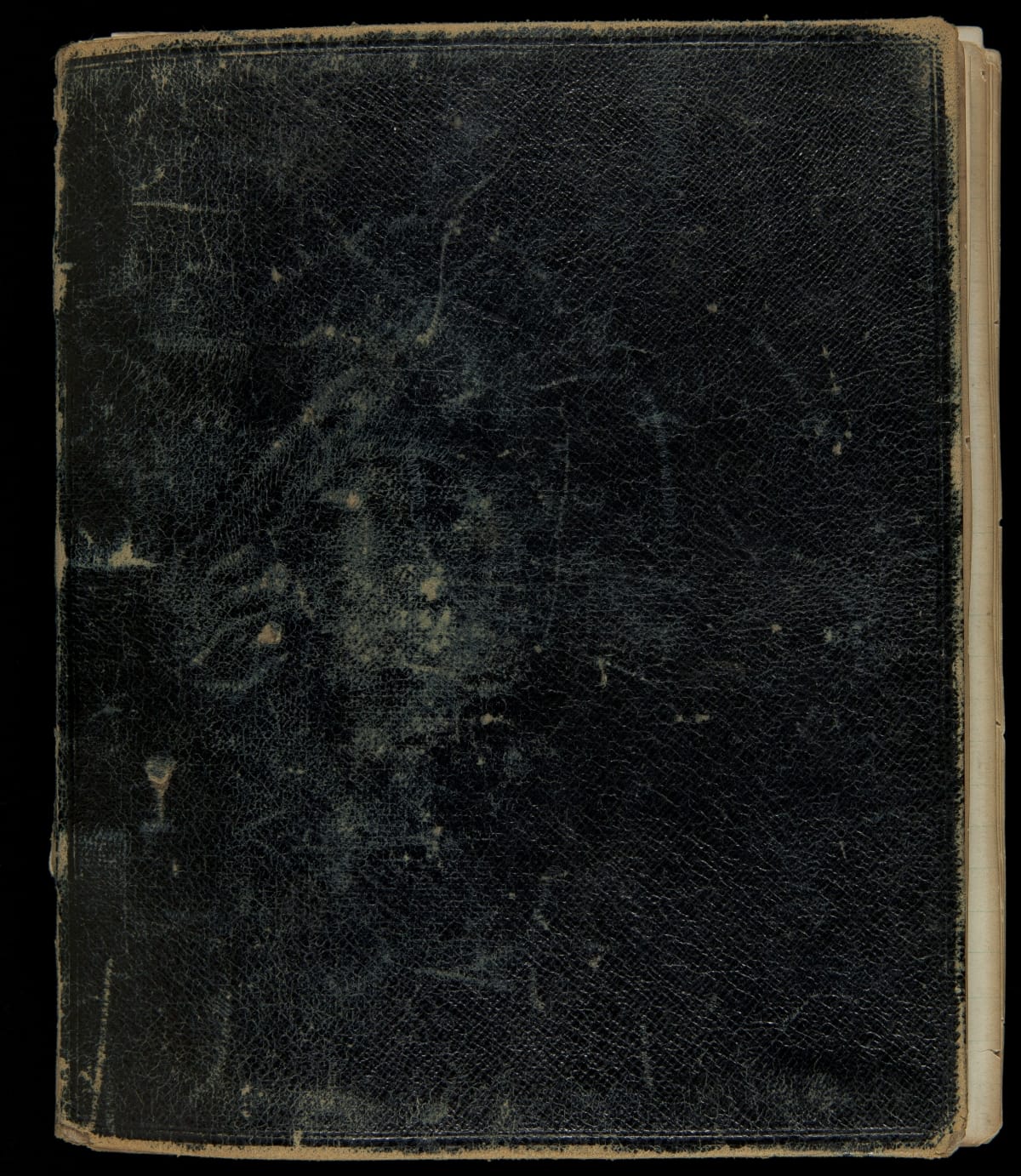
- Ada Dewey Autograph Album, 1874-1875 - In 1874, Ada Dewey of Kalamazoo, Michigan, wrote to famous individuals of the day asking for their autographs. She contacted writers, artists, politicians, military officers, and advocates for social movements such as abolition, temperance, and women's and civil rights, among others. Dewey compiled their replies, some of which include carte de visite photographs, in the pages of this album.
- 1874-1875
- Collections - Artifact
Ada Dewey Autograph Album, 1874-1875
In 1874, Ada Dewey of Kalamazoo, Michigan, wrote to famous individuals of the day asking for their autographs. She contacted writers, artists, politicians, military officers, and advocates for social movements such as abolition, temperance, and women's and civil rights, among others. Dewey compiled their replies, some of which include carte de visite photographs, in the pages of this album.
- Letter of Thanks from Margaret Brown, Council for Moderation, to Edsel Ford, August 14, 1935 -
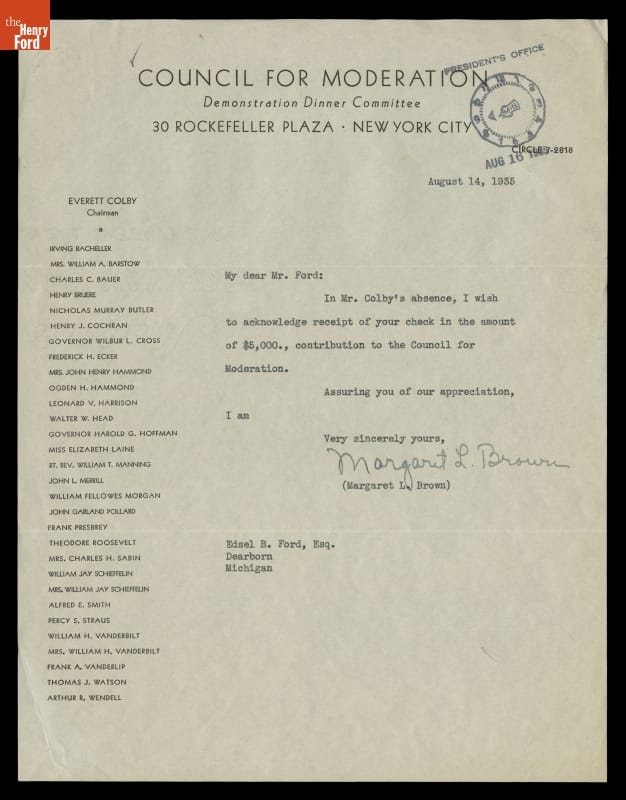
- August 14, 1935
- Collections - Artifact
Letter of Thanks from Margaret Brown, Council for Moderation, to Edsel Ford, August 14, 1935
- Letter from John D. Rockefeller, Jr. to Edsel Ford regarding Donations to Mount Desert Parish and Council for Moderation, July 30, 1935 -
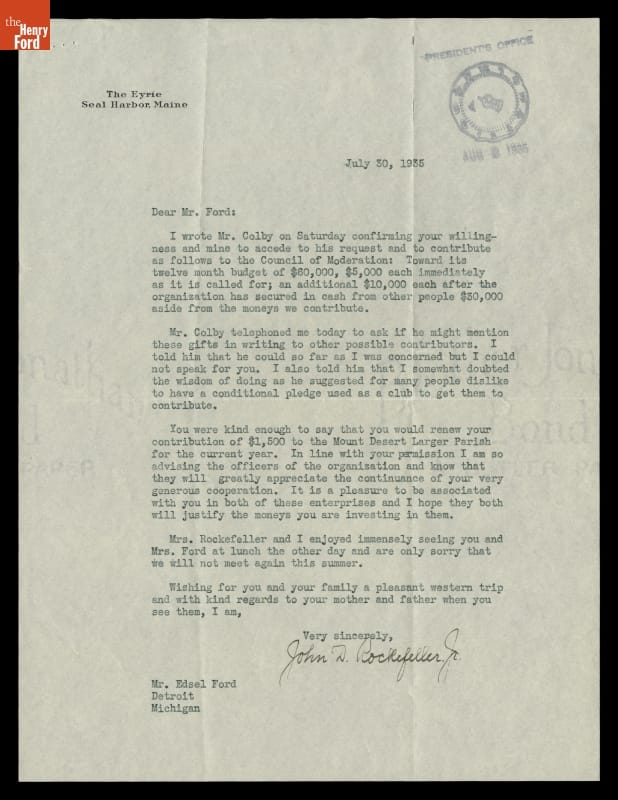
- July 30, 1935
- Collections - Artifact
Letter from John D. Rockefeller, Jr. to Edsel Ford regarding Donations to Mount Desert Parish and Council for Moderation, July 30, 1935
- Lantern Slide, "The Way the Law is Enforced" Cartoon, 1890-1910 - Frank Beard (1842-1905), an illustrator, caricaturist, and cartoonist, began his career by sketching scenes of military life for popular publications--such as <em>Harper's Weekly</em>--during the Civil War. His later works promoted Christianity, warned against secularism, and targeted the social ills of the Gilded Age. Beard backed efforts to limit alcohol consumption, this cartoon depicts the determination needed to enforce liquor laws.
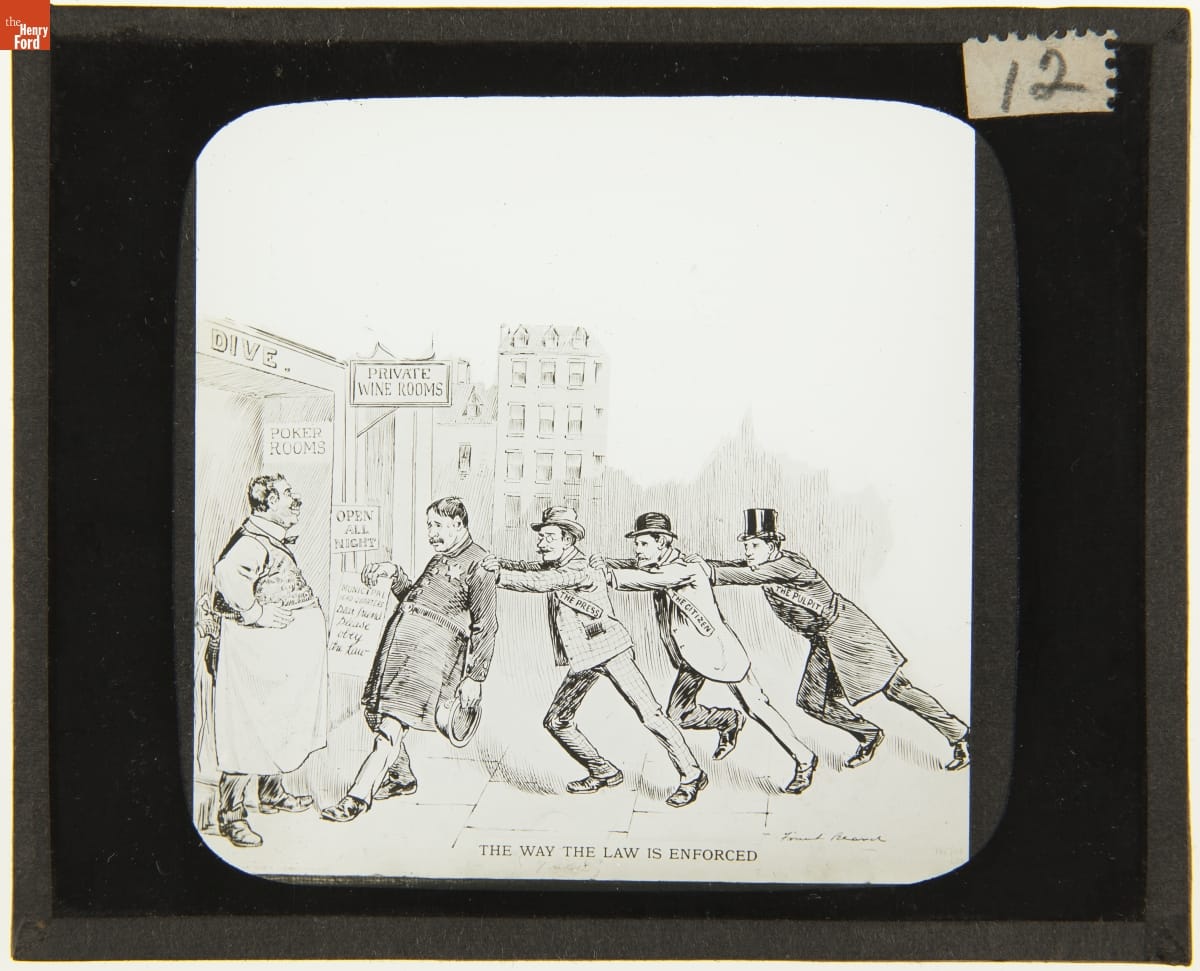
- 1890-1910
- Collections - Artifact
Lantern Slide, "The Way the Law is Enforced" Cartoon, 1890-1910
Frank Beard (1842-1905), an illustrator, caricaturist, and cartoonist, began his career by sketching scenes of military life for popular publications--such as Harper's Weekly--during the Civil War. His later works promoted Christianity, warned against secularism, and targeted the social ills of the Gilded Age. Beard backed efforts to limit alcohol consumption, this cartoon depicts the determination needed to enforce liquor laws.
- Catholic Total Abstinence Union of America Medal from Centennial Exhibition, 1876 -
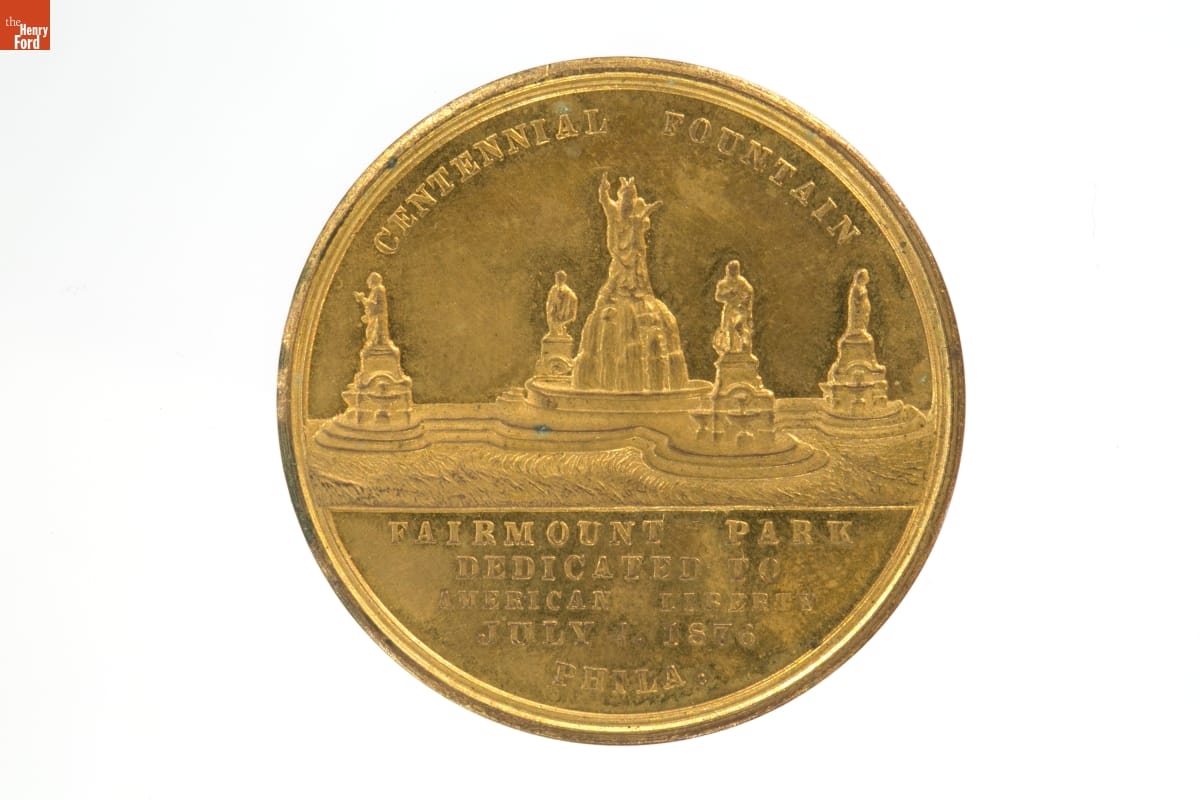
- 1876
- Collections - Artifact
Catholic Total Abstinence Union of America Medal from Centennial Exhibition, 1876
- Oil Painting, "The Temperance Pledge," by John G. Dunn, circa 1851 -
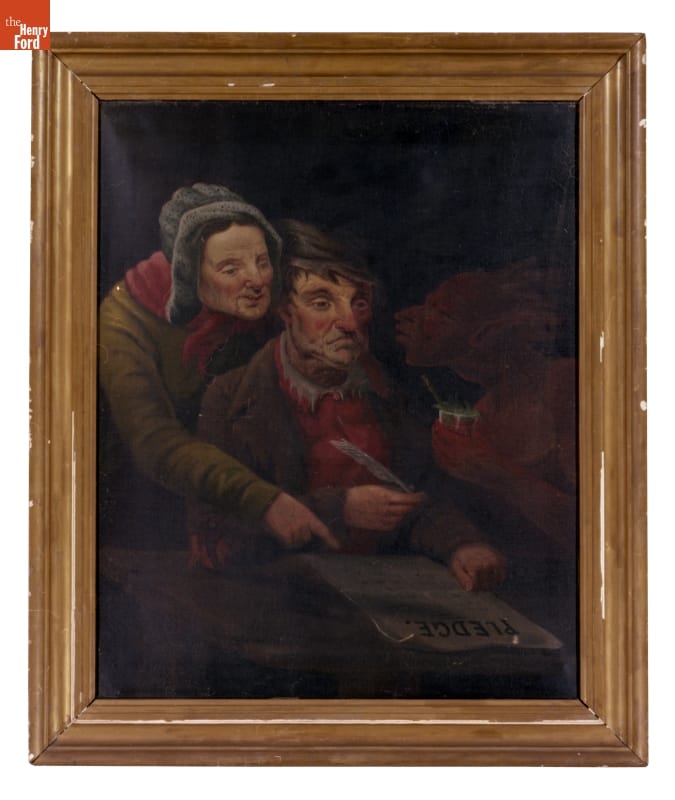
- circa 1851
- Collections - Artifact
Oil Painting, "The Temperance Pledge," by John G. Dunn, circa 1851
- Temperance Banner: Love, Purity & Fidelity, circa 1850 -
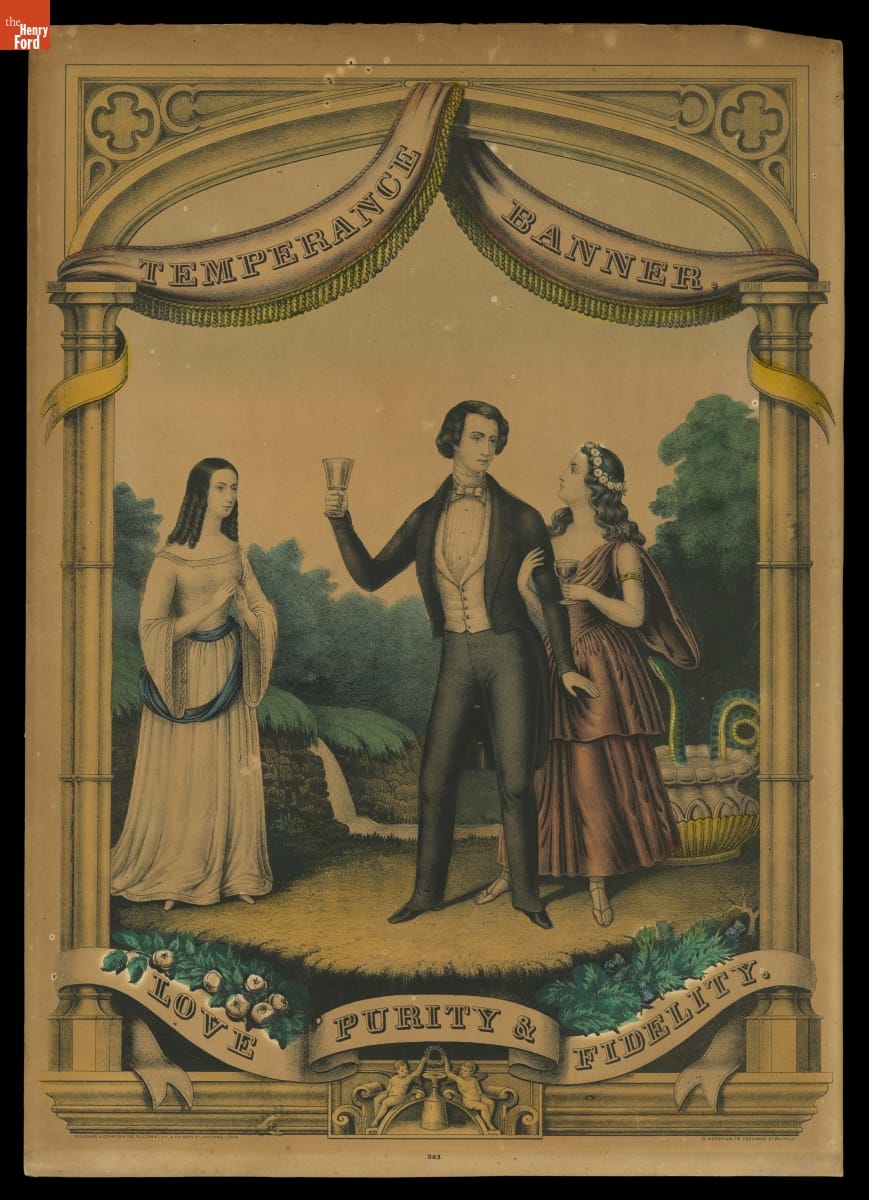
- circa 1850
- Collections - Artifact
Temperance Banner: Love, Purity & Fidelity, circa 1850