
Search
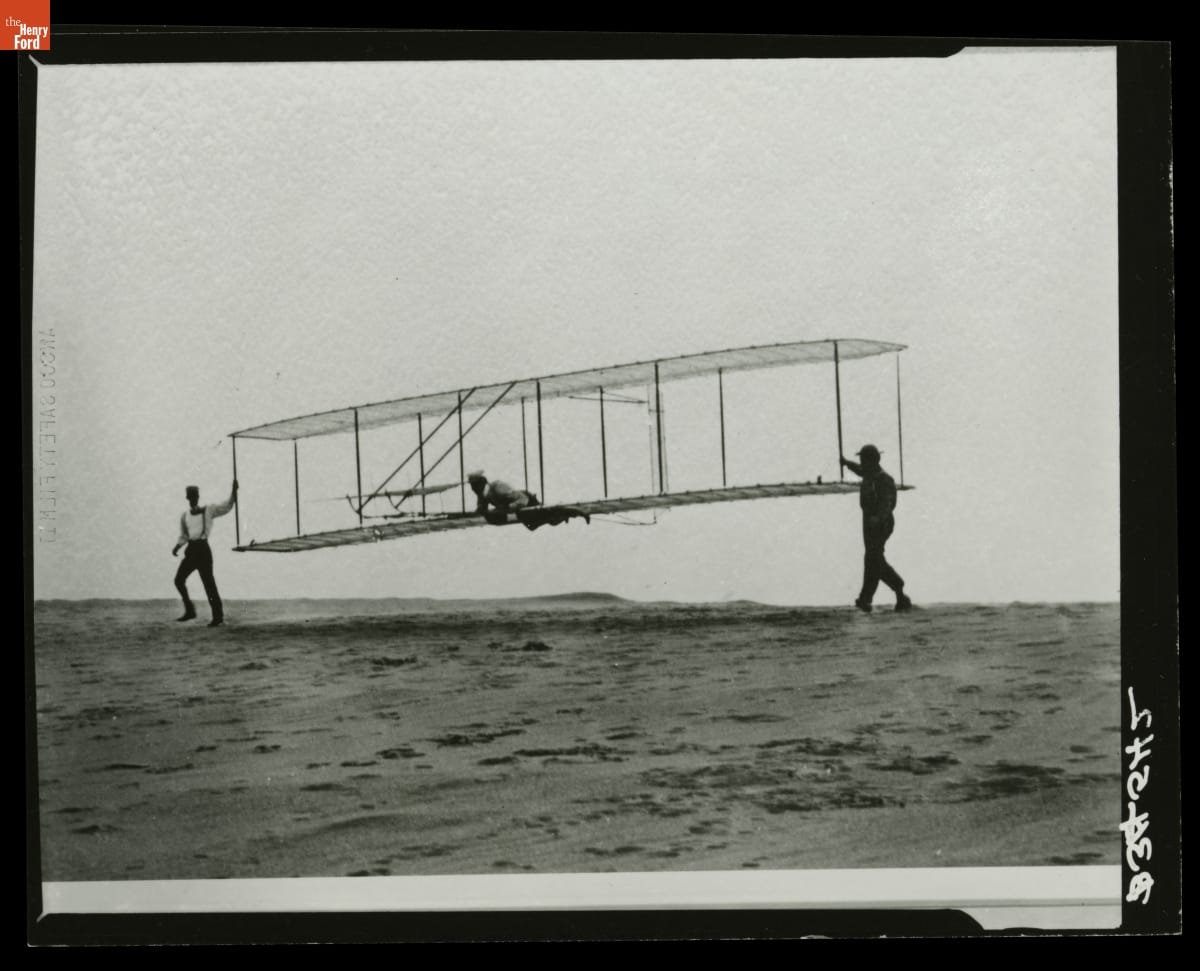
- Launching the 1902 Glider with Orville Wright Piloting, Kill Devil Hills, North Carolina - The Wright brothers' 1902 glider was their third aircraft tested at Kill Devil Hills in as many years. It was also the first built with aerodynamic calculations based on the Wrights' own wind tunnel tests. The improvements in performance were stunning. The brothers made more than 700 glides in 1902. Many were over 500 feet long, and some exceeded 600 feet.
- October 01, 1902
- Collections - Artifact
Launching the 1902 Glider with Orville Wright Piloting, Kill Devil Hills, North Carolina
The Wright brothers' 1902 glider was their third aircraft tested at Kill Devil Hills in as many years. It was also the first built with aerodynamic calculations based on the Wrights' own wind tunnel tests. The improvements in performance were stunning. The brothers made more than 700 glides in 1902. Many were over 500 feet long, and some exceeded 600 feet.
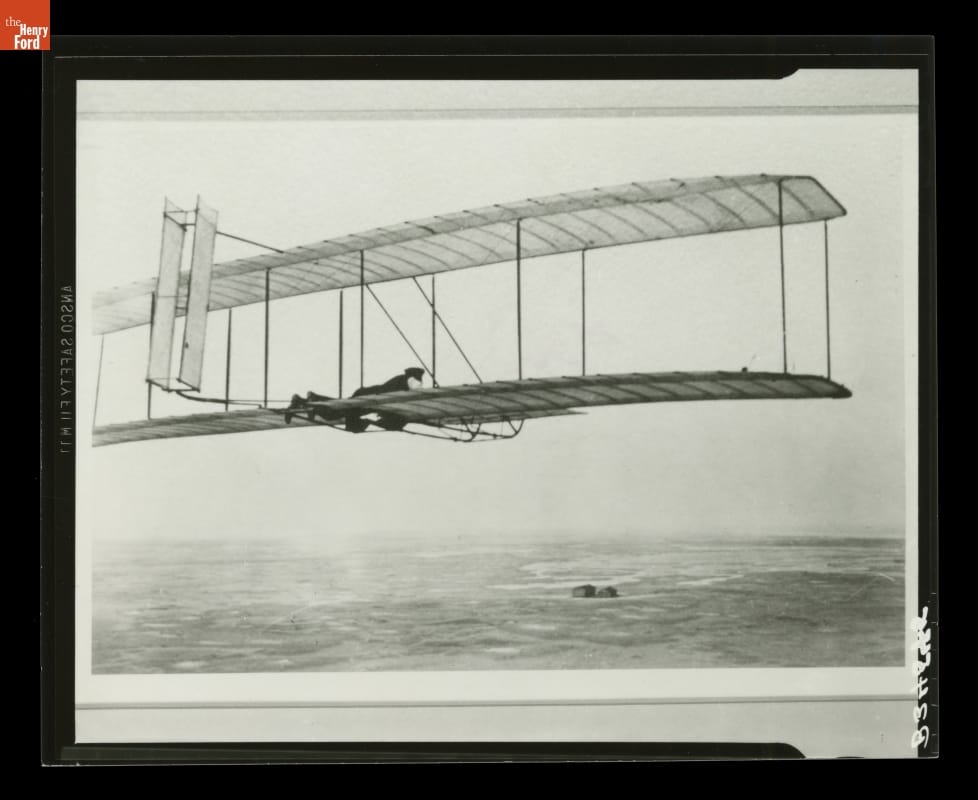
- Wright Brothers Piloting Their 1902 Glider in 1903, Kill Devil Hills, North Carolina - The Wright brothers' 1902 glider was their third aircraft tested at Kill Devil Hills in as many years. It was also the first built with aerodynamic calculations based on the Wrights' own wind tunnel tests. The improvements in performance were stunning. The brothers made more than 700 glides in 1902. Many were over 500 feet long, and some exceeded 600 feet.
- October 21, 1903
- Collections - Artifact
Wright Brothers Piloting Their 1902 Glider in 1903, Kill Devil Hills, North Carolina
The Wright brothers' 1902 glider was their third aircraft tested at Kill Devil Hills in as many years. It was also the first built with aerodynamic calculations based on the Wrights' own wind tunnel tests. The improvements in performance were stunning. The brothers made more than 700 glides in 1902. Many were over 500 feet long, and some exceeded 600 feet.
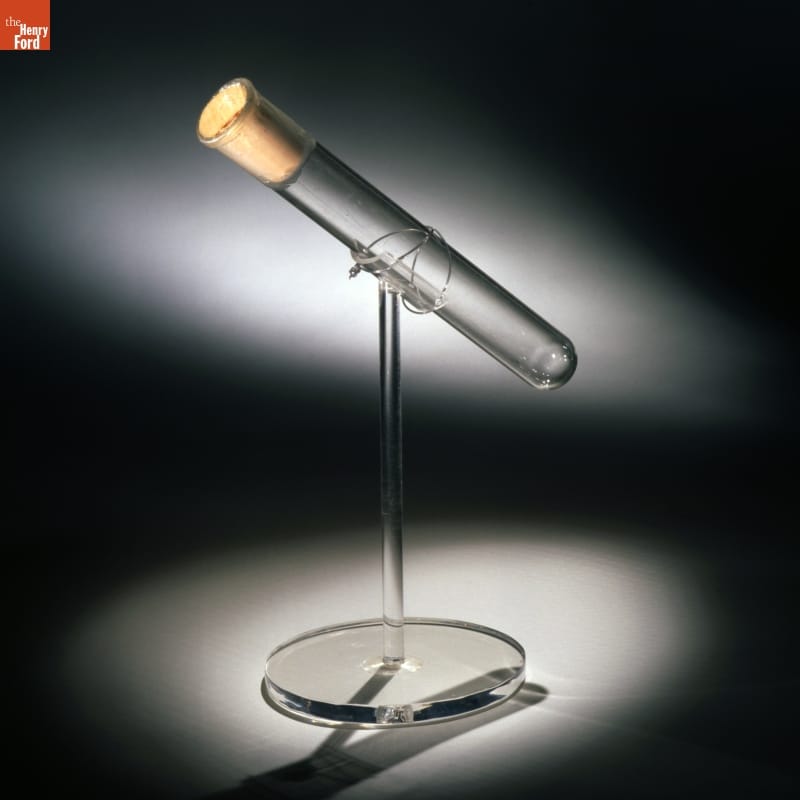
- Test Tube, "Edison's Last Breath," 1931 - This test tube was one of several that Charles Edison noticed standing open in a rack in the bedroom in which his father had just died in 1931. The attending physician was asked to seal the tubes, one of which Charles later sent on to Henry Ford who kept it with other Edison mementos at his home, Fair Lane.
- 1931
- Collections - Artifact
Test Tube, "Edison's Last Breath," 1931
This test tube was one of several that Charles Edison noticed standing open in a rack in the bedroom in which his father had just died in 1931. The attending physician was asked to seal the tubes, one of which Charles later sent on to Henry Ford who kept it with other Edison mementos at his home, Fair Lane.
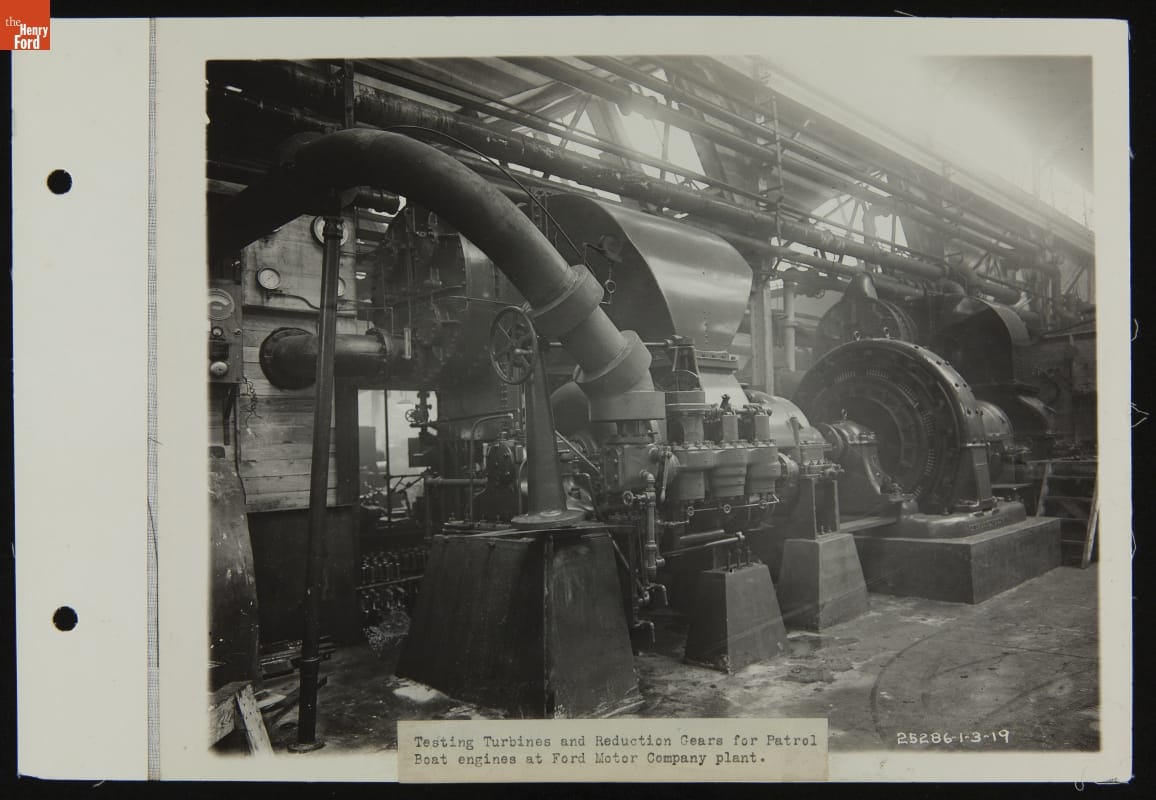
- Testing Turbines and Reduction Gears for Eagle Boat Engines at Ford Rouge Plant, June 1919 - Ford Motor Company built Eagle anti-submarine patrol boats for the U.S. Navy during World War I. While most of the work occurred in new facilities at the mouth of the Rouge River, Ford assembled the boats' turbine engines, boilers and propulsion systems at its Highland Park plant. The war ended before any of the Eagle patrol boats saw combat.
- June 13, 1919
- Collections - Artifact
Testing Turbines and Reduction Gears for Eagle Boat Engines at Ford Rouge Plant, June 1919
Ford Motor Company built Eagle anti-submarine patrol boats for the U.S. Navy during World War I. While most of the work occurred in new facilities at the mouth of the Rouge River, Ford assembled the boats' turbine engines, boilers and propulsion systems at its Highland Park plant. The war ended before any of the Eagle patrol boats saw combat.
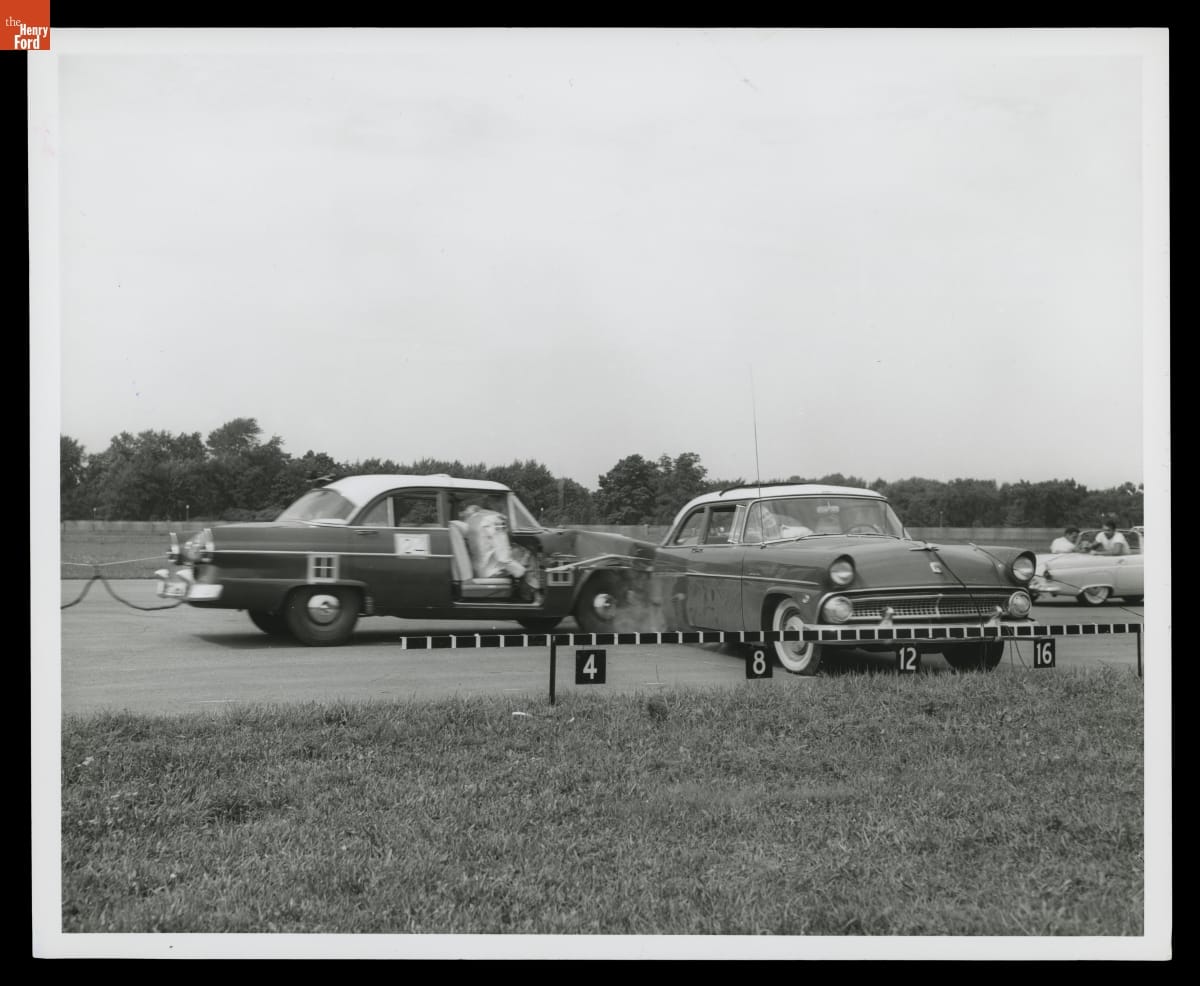
- Crash Testing at Ford Test Track, Dearborn, Michigan, 1955 - As automobiles grew larger and faster, dangers from accidents increased. Automakers began testing their vehicles in controlled collisions. In the 1950s, anthropomorphic dummies were added to the tests, to observe a crash's impact on the human body. More recently, dummies were equipped with highly sensitive instruments measuring the precise speeds and forces involved in a collision.
- August 16, 1955
- Collections - Artifact
Crash Testing at Ford Test Track, Dearborn, Michigan, 1955
As automobiles grew larger and faster, dangers from accidents increased. Automakers began testing their vehicles in controlled collisions. In the 1950s, anthropomorphic dummies were added to the tests, to observe a crash's impact on the human body. More recently, dummies were equipped with highly sensitive instruments measuring the precise speeds and forces involved in a collision.
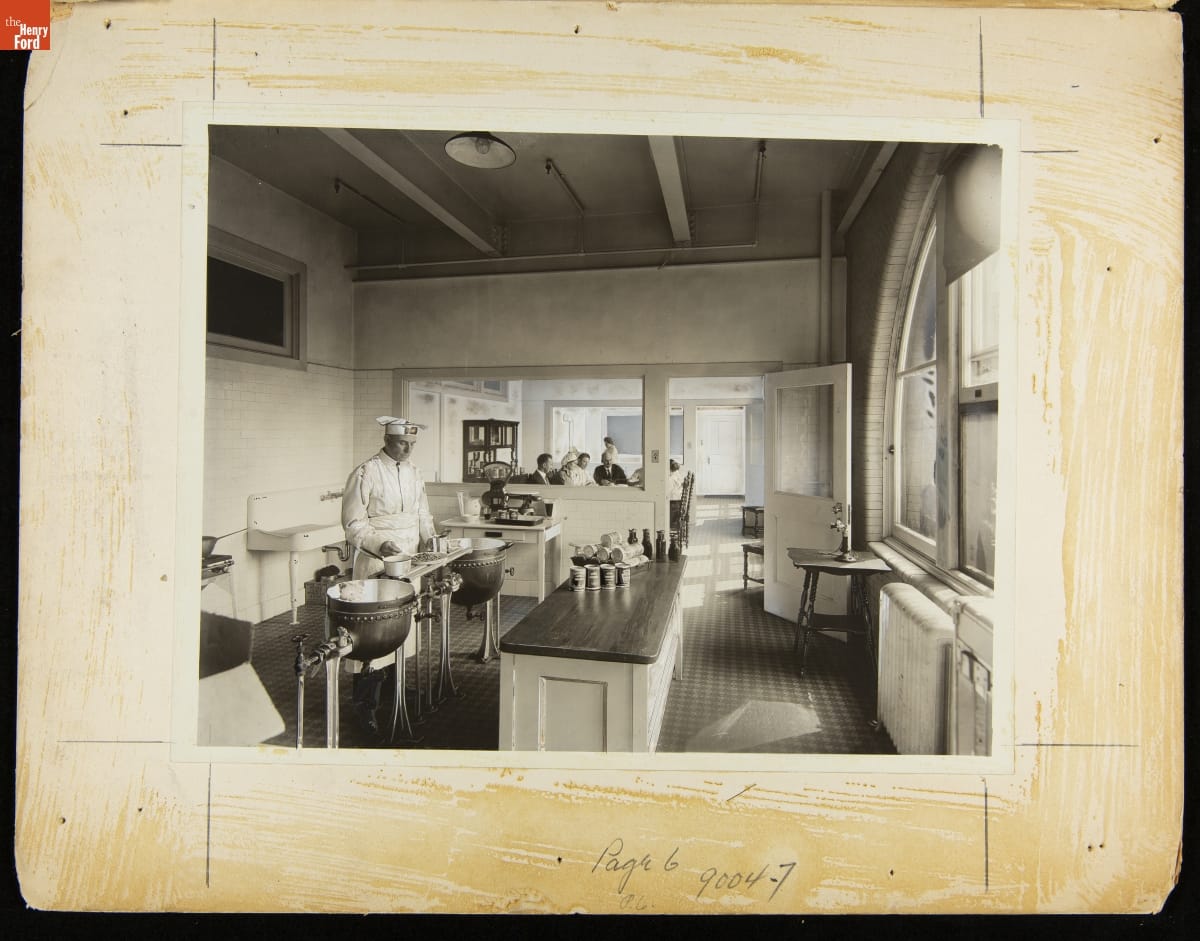
- Advertising Layout Photograph of Heinz Taste Testing Room, circa 1915 - Photographs of the H.J. Heinz factory -- including buildings, employees, transportation methods, and the manufacturing process -- were often taken and then modified for advertising and publications. This advertising layout features a modified photograph of the Heinz taste-testing room where products are tested to ensure a consistent taste and quality.
- circa 1915
- Collections - Artifact
Advertising Layout Photograph of Heinz Taste Testing Room, circa 1915
Photographs of the H.J. Heinz factory -- including buildings, employees, transportation methods, and the manufacturing process -- were often taken and then modified for advertising and publications. This advertising layout features a modified photograph of the Heinz taste-testing room where products are tested to ensure a consistent taste and quality.
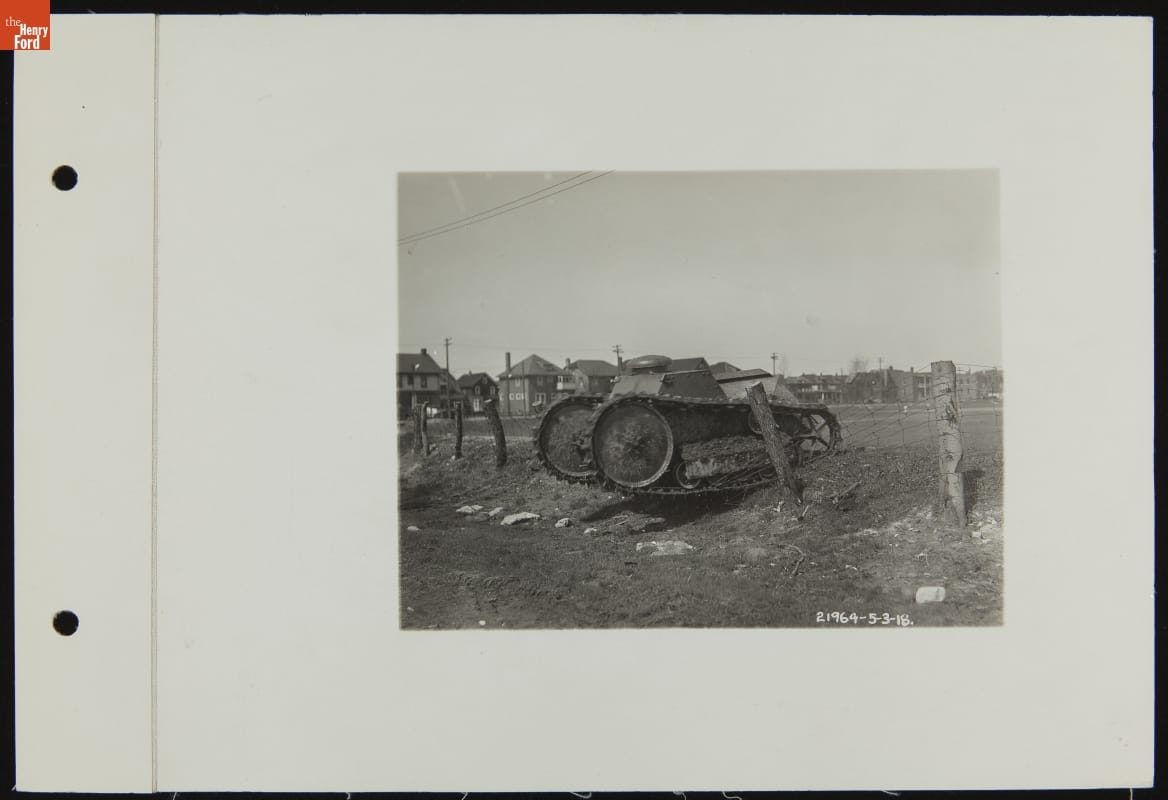
- First Ford Tank Being Tested on Barbed Wire Fence, May 1918 - Tanks emerged during World War I in response to trenches, barbed wire, and machine guns. Their tracks -- rather than tires -- handled rough ground, and their armor protected against wire and gunfire. Ford designed a 2 1/2-ton, 2-man tank and sent several examples to France for testing. Results were encouraging, but the war ended before mass production could begin.
- May 03, 1918
- Collections - Artifact
First Ford Tank Being Tested on Barbed Wire Fence, May 1918
Tanks emerged during World War I in response to trenches, barbed wire, and machine guns. Their tracks -- rather than tires -- handled rough ground, and their armor protected against wire and gunfire. Ford designed a 2 1/2-ton, 2-man tank and sent several examples to France for testing. Results were encouraging, but the war ended before mass production could begin.
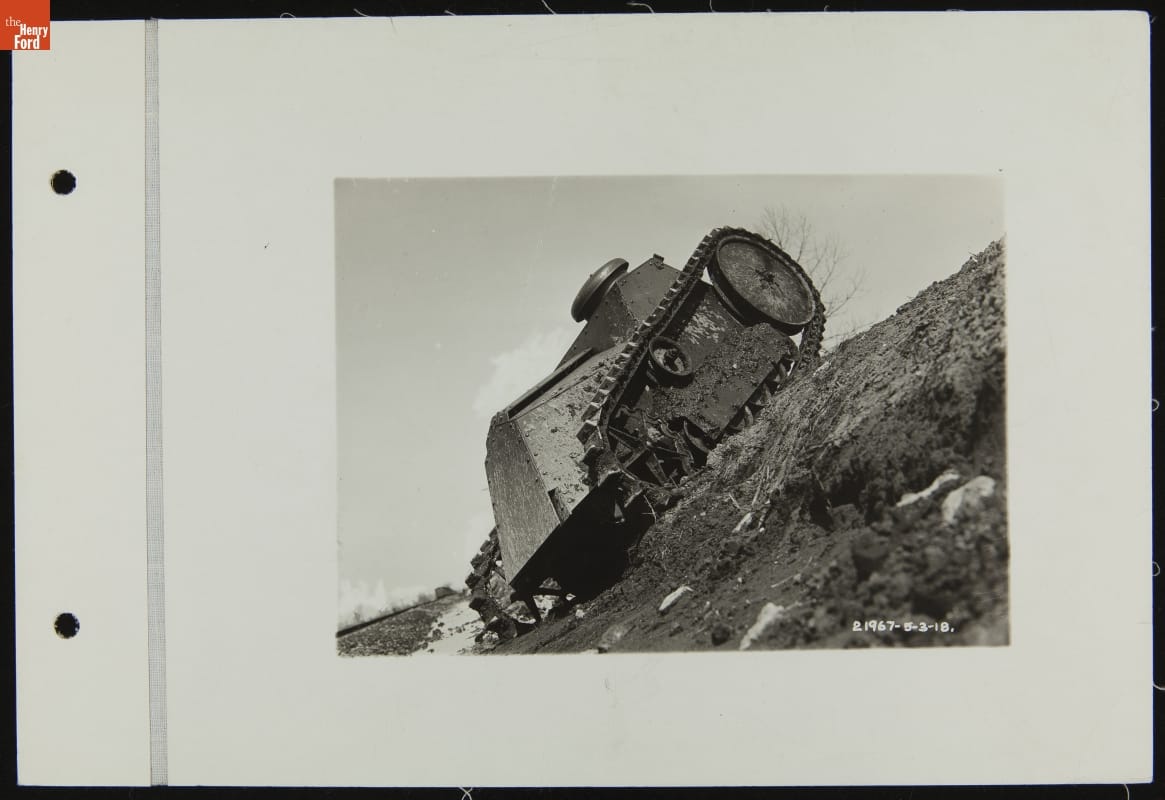
- First Ford Tank Being Tested on Muddy Embankment, May 1918 - Tanks emerged during World War I in response to trenches, barbed wire, and machine guns. Their tracks -- rather than tires -- handled rough ground, and their armor protected against wire and gunfire. Ford designed a 2 1/2-ton, 2-man tank and sent several examples to France for testing. Results were encouraging, but the war ended before mass production could begin.
- May 03, 1918
- Collections - Artifact
First Ford Tank Being Tested on Muddy Embankment, May 1918
Tanks emerged during World War I in response to trenches, barbed wire, and machine guns. Their tracks -- rather than tires -- handled rough ground, and their armor protected against wire and gunfire. Ford designed a 2 1/2-ton, 2-man tank and sent several examples to France for testing. Results were encouraging, but the war ended before mass production could begin.
- Concrete Road Sections for Use in Experimental Impact Tests, Arlington, Virginia, 1921-1922 -
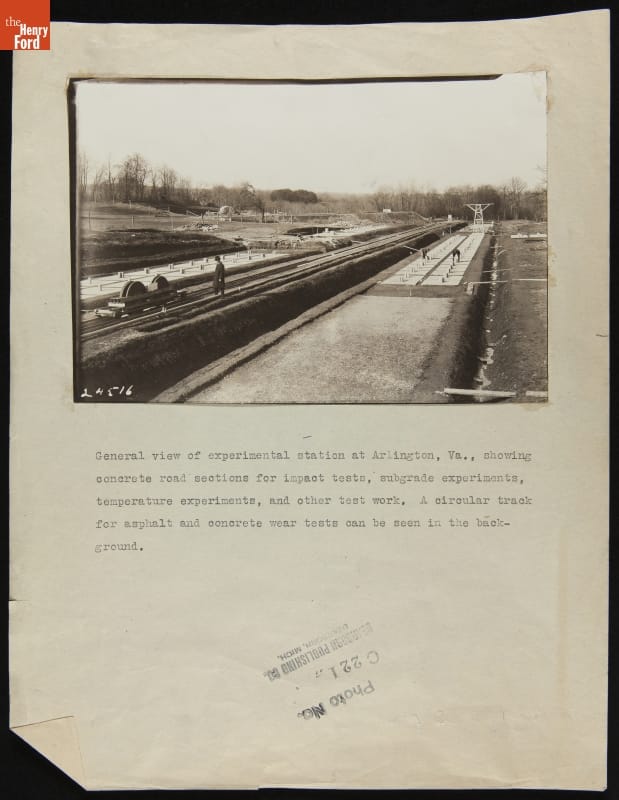
- 1921-1922
- Collections - Artifact
Concrete Road Sections for Use in Experimental Impact Tests, Arlington, Virginia, 1921-1922
- Leeds & Northrup Wheatstone Bridge Test Set No. 5430, Used by Ford Motor Company, circa 1928 -
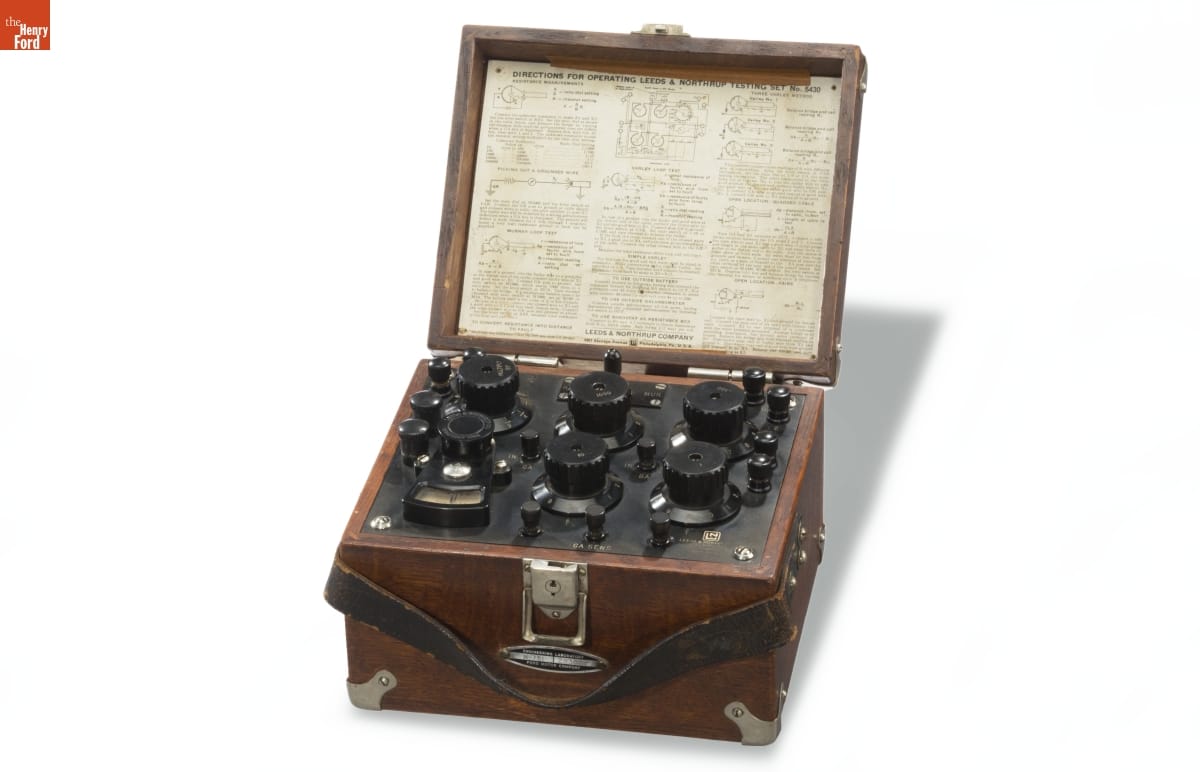
- circa 1928
- Collections - Artifact
Leeds & Northrup Wheatstone Bridge Test Set No. 5430, Used by Ford Motor Company, circa 1928