
Search
- The Working of Wool, 1748 -
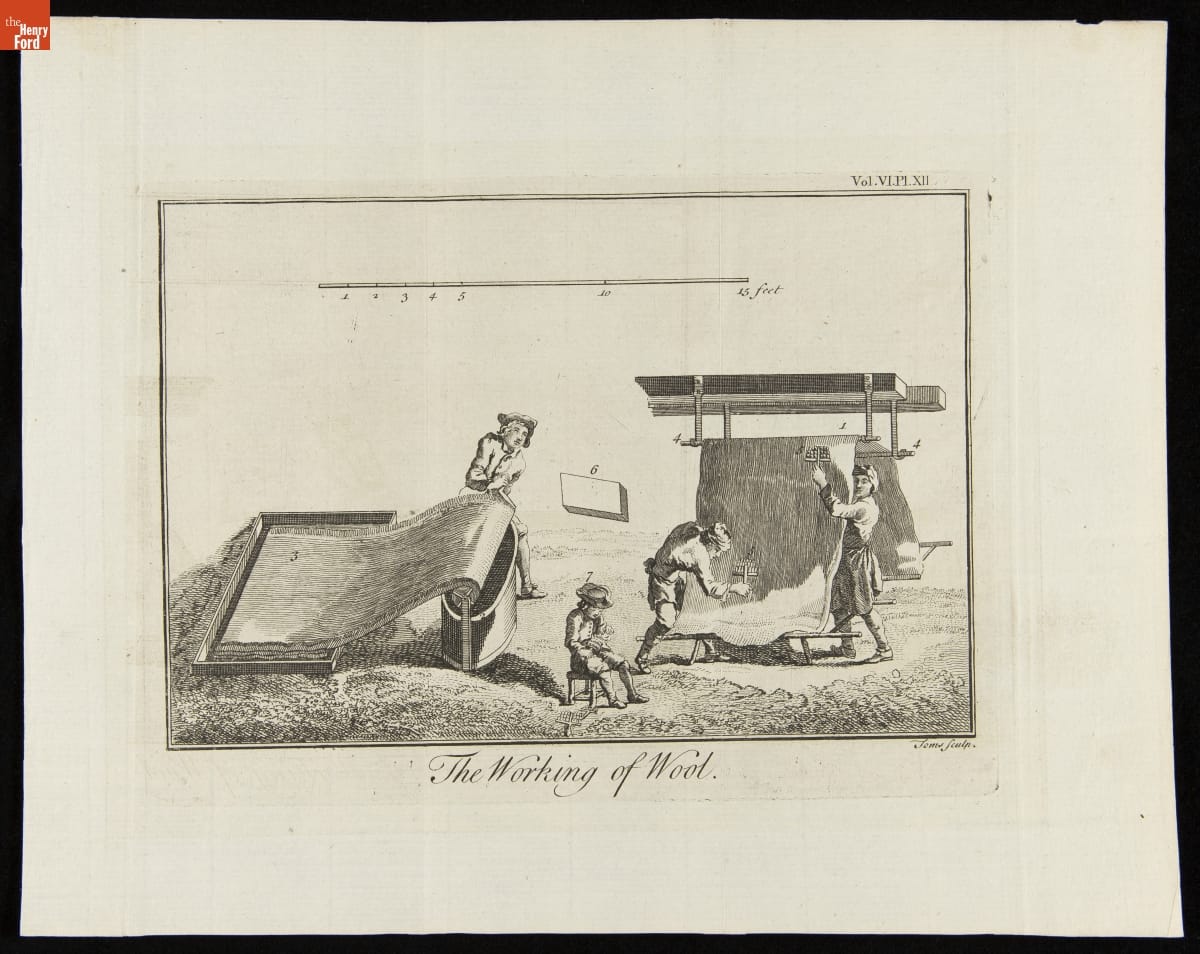
- 1748
- Collections - Artifact
The Working of Wool, 1748
- Krempeln, Krempelmaschine und Rauhen, circa 1830 -
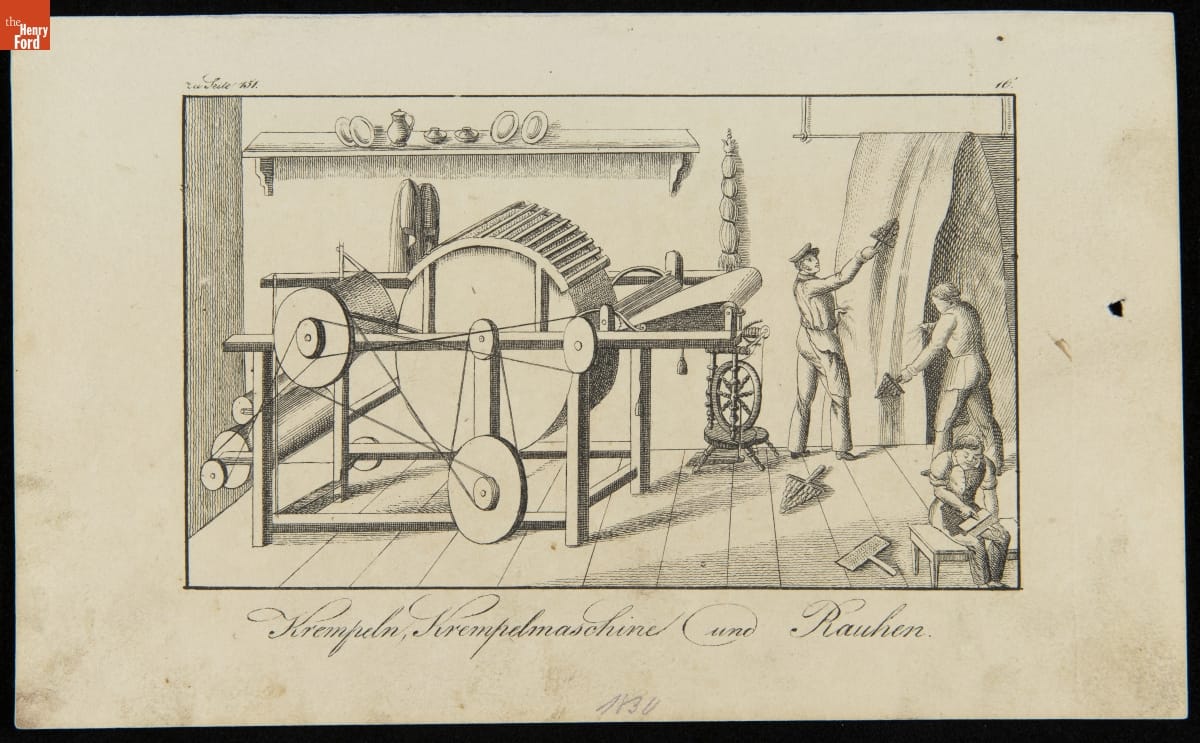
- circa 1830
- Collections - Artifact
Krempeln, Krempelmaschine und Rauhen, circa 1830
- Workers at a Textile Mill Standing next to Machinery, circa 1910 -
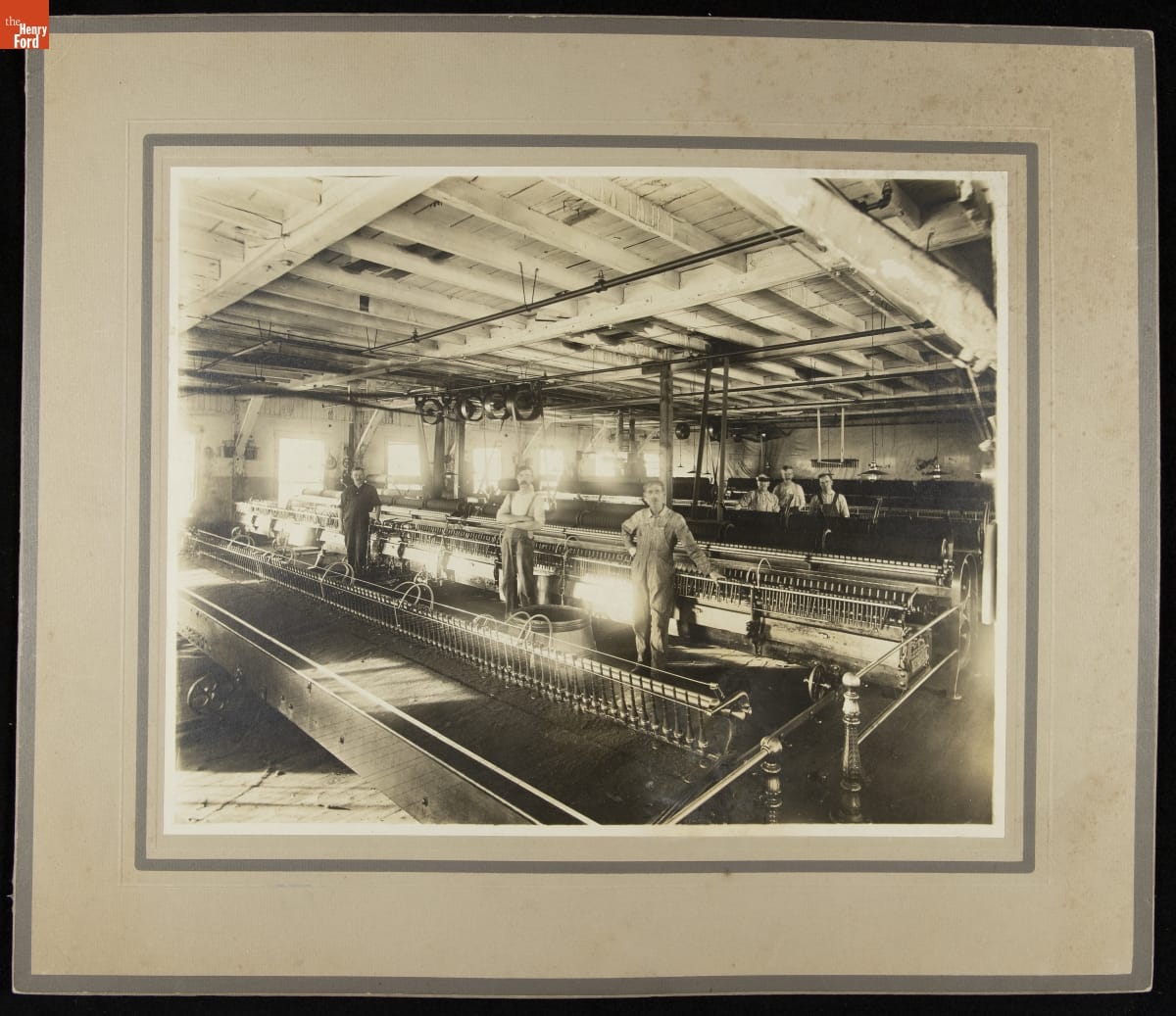
- circa 1910
- Collections - Artifact
Workers at a Textile Mill Standing next to Machinery, circa 1910
- The Shear-man's Work, 1748 -
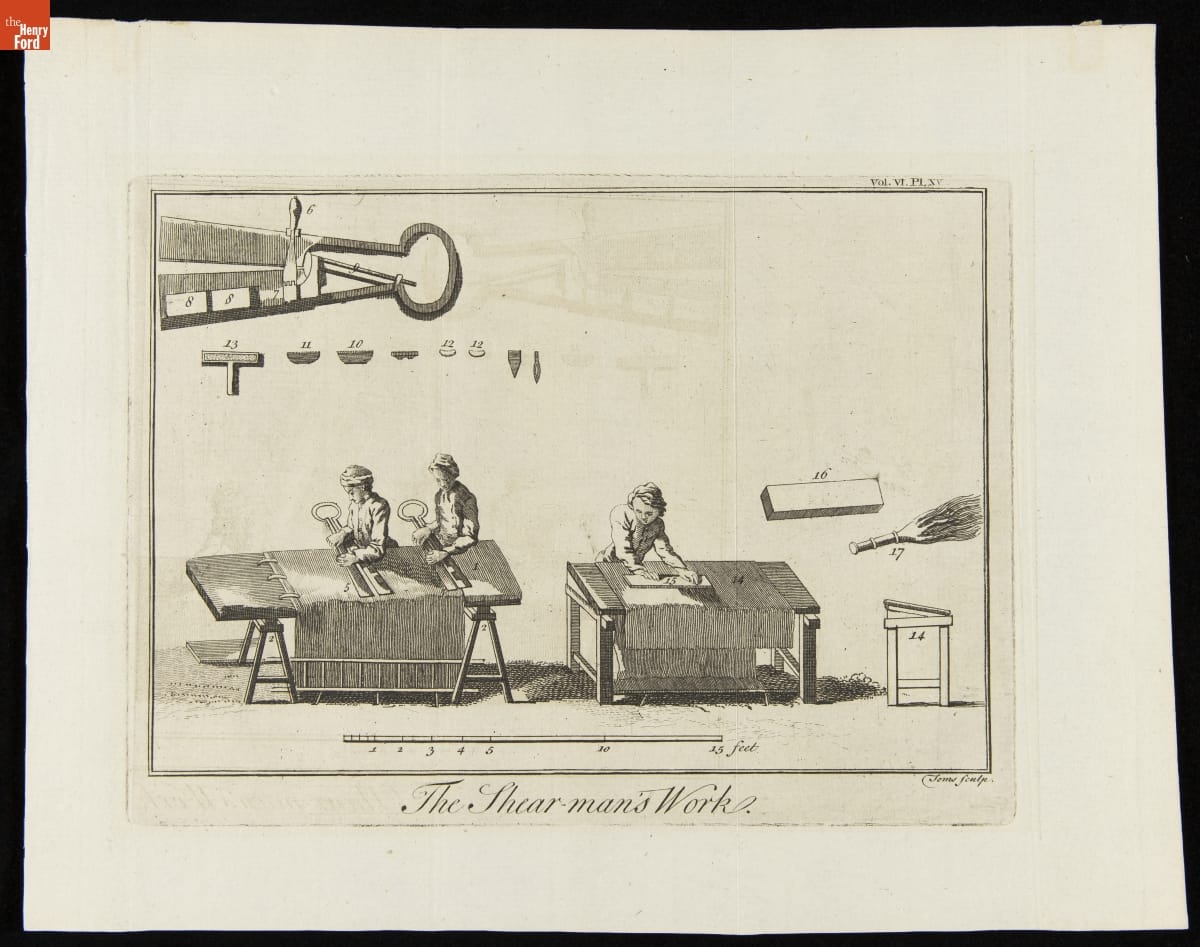
- 1748
- Collections - Artifact
The Shear-man's Work, 1748
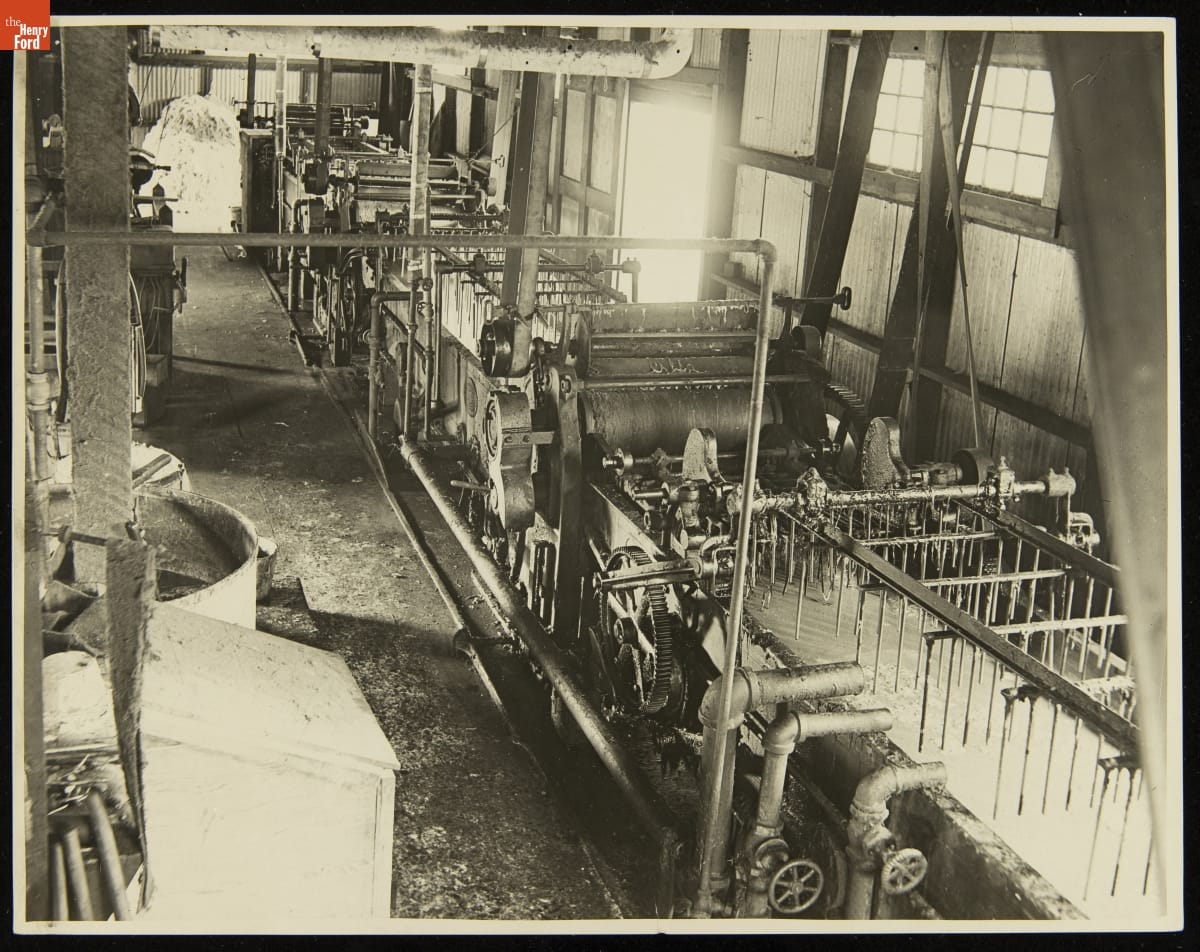
- Scouring Process for Cleaning Wool at a Woolen Mill in Portland, Oregon, 1923-1924 - Beginning in 1920, the Henry Ford-owned weekly newspaper <em>The Dearborn Independent</em> ran a series of front-page articles that denounced all things Jewish. Though the series ended in 1922, the weekly continued anti-Jewish diatribes in other articles, most notably those attacking Aaron Sapiro, a farm cooperative organizer. This photograph, though it appears harmless, was part of that campaign.
- 1923-1924
- Collections - Artifact
Scouring Process for Cleaning Wool at a Woolen Mill in Portland, Oregon, 1923-1924
Beginning in 1920, the Henry Ford-owned weekly newspaper The Dearborn Independent ran a series of front-page articles that denounced all things Jewish. Though the series ended in 1922, the weekly continued anti-Jewish diatribes in other articles, most notably those attacking Aaron Sapiro, a farm cooperative organizer. This photograph, though it appears harmless, was part of that campaign.
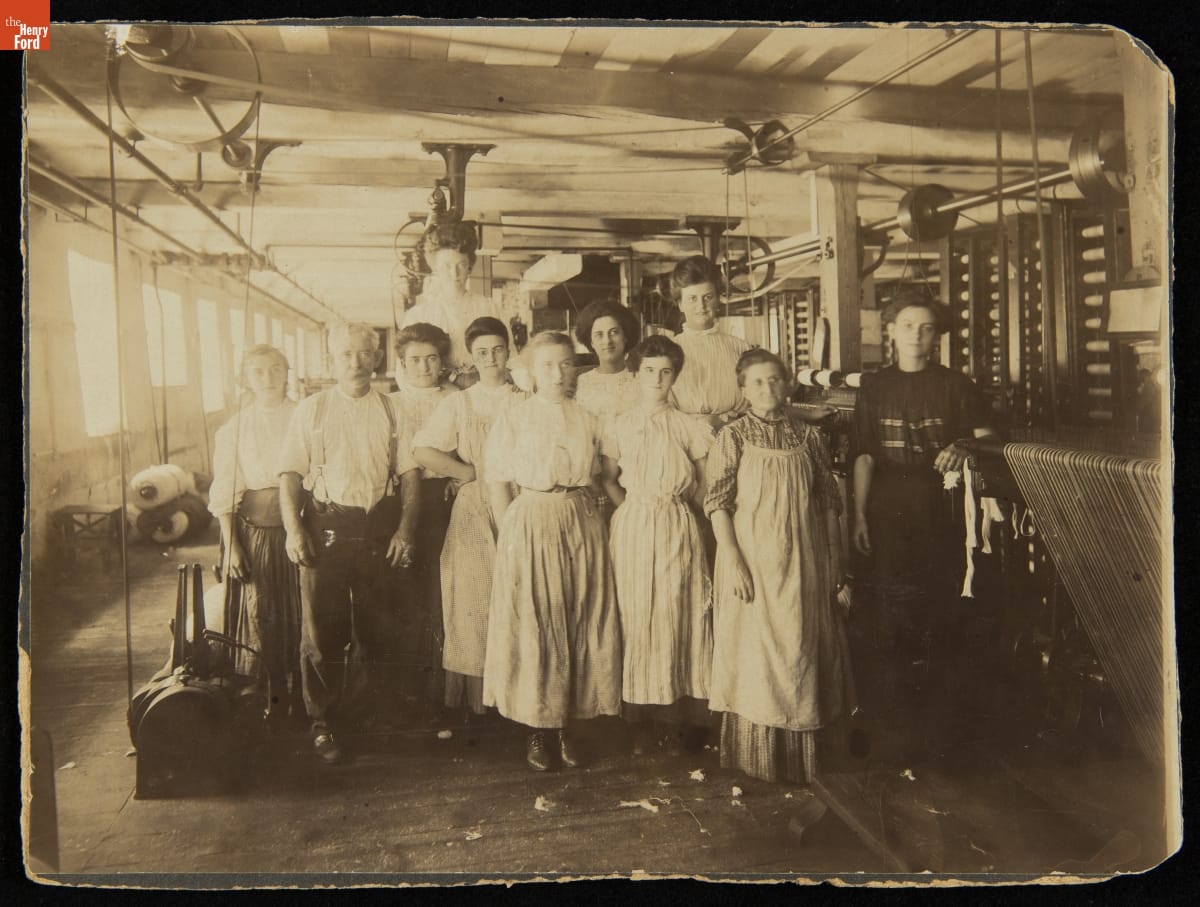
- Workers inside the Spooling Room, Oakland Mill, Taunton, Massachusetts, 1907-1910 -
- 1907-1910
- Collections - Artifact
Workers inside the Spooling Room, Oakland Mill, Taunton, Massachusetts, 1907-1910
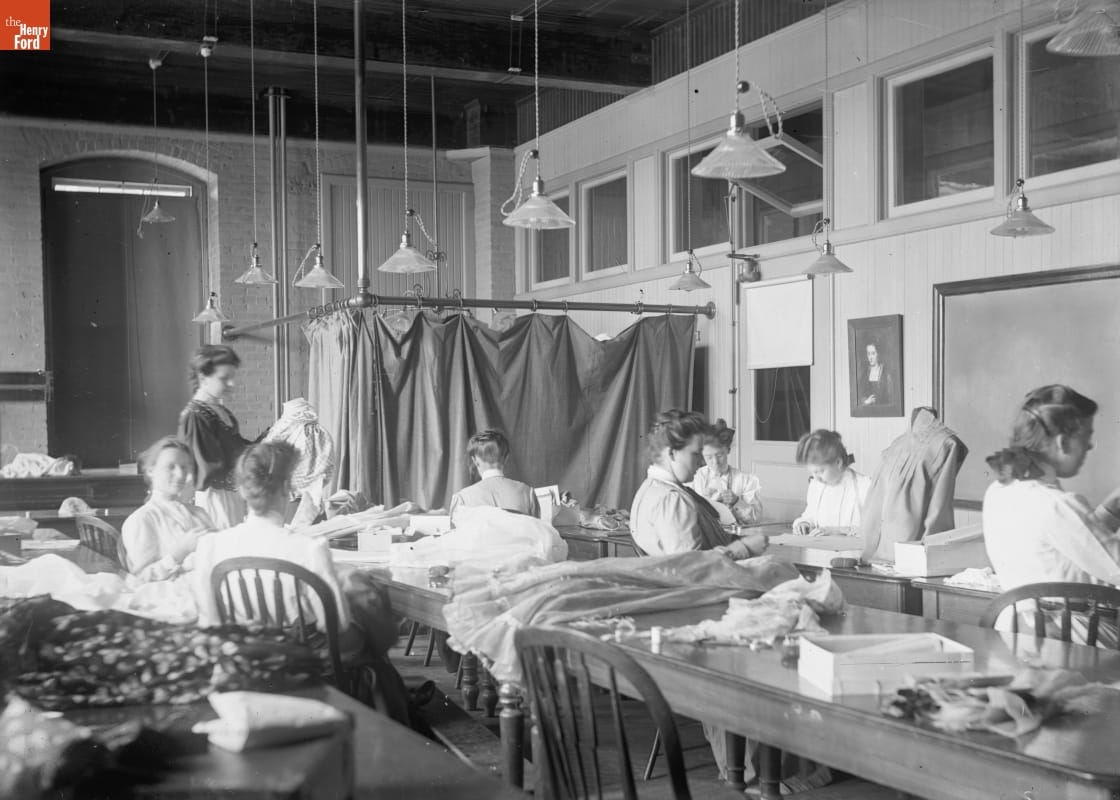
- Women Assembling Dresses, circa 1900 - In 1890, Jenny Young Chandler, 25 years old and recently widowed, began working for the <EM>New York Herald</EM>. As a photojournalist and feature writer, Chandler captured life in Brooklyn, New York, and vicinity. By 1922, the time of her death, she had produced over 800 glass plate negatives. Her sensitive, insightful photographs depict people from all walks of life and the world in which they lived.
- circa 1900
- Collections - Artifact
Women Assembling Dresses, circa 1900
In 1890, Jenny Young Chandler, 25 years old and recently widowed, began working for the New York Herald. As a photojournalist and feature writer, Chandler captured life in Brooklyn, New York, and vicinity. By 1922, the time of her death, she had produced over 800 glass plate negatives. Her sensitive, insightful photographs depict people from all walks of life and the world in which they lived.
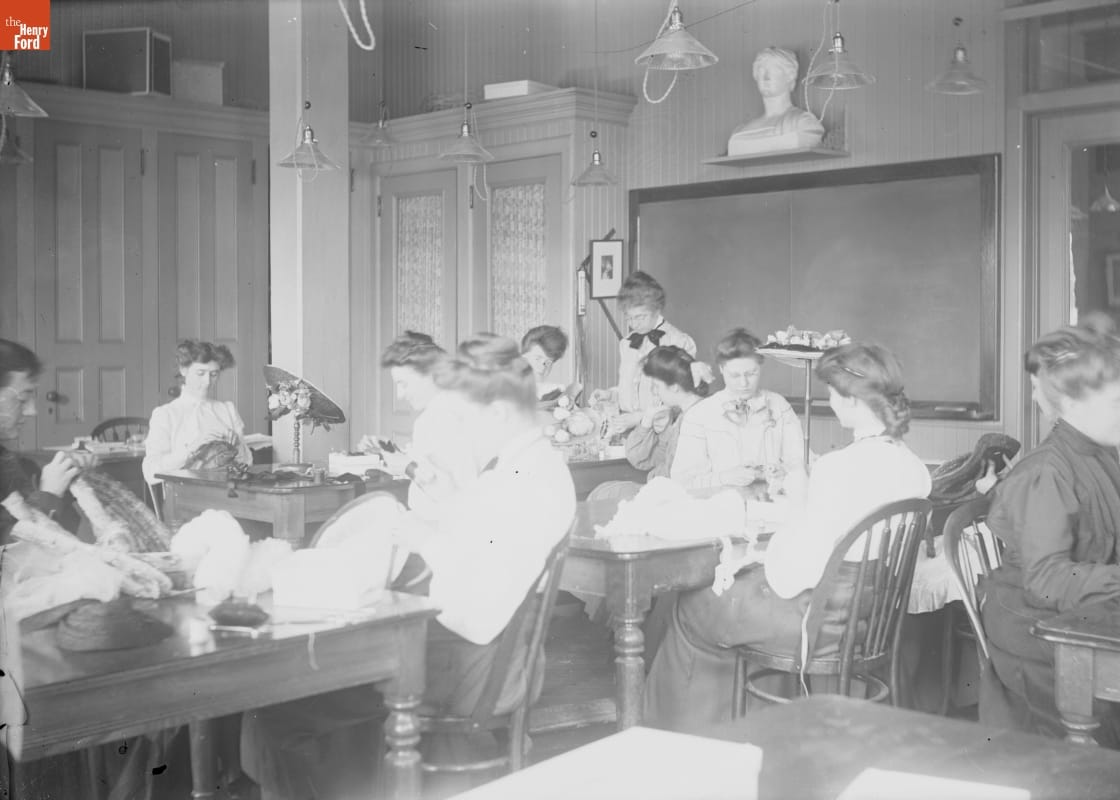
- Women Assembling Hats, circa 1900 - In 1890, Jenny Young Chandler, 25 years old and recently widowed, began working for the <EM>New York Herald</EM>. As a photojournalist and feature writer, Chandler captured life in Brooklyn, New York, and vicinity. By 1922, the time of her death, she had produced over 800 glass plate negatives. Her sensitive, insightful photographs depict people from all walks of life and the world in which they lived.
- circa 1900
- Collections - Artifact
Women Assembling Hats, circa 1900
In 1890, Jenny Young Chandler, 25 years old and recently widowed, began working for the New York Herald. As a photojournalist and feature writer, Chandler captured life in Brooklyn, New York, and vicinity. By 1922, the time of her death, she had produced over 800 glass plate negatives. Her sensitive, insightful photographs depict people from all walks of life and the world in which they lived.
- The Beating of Wool, 1748 -
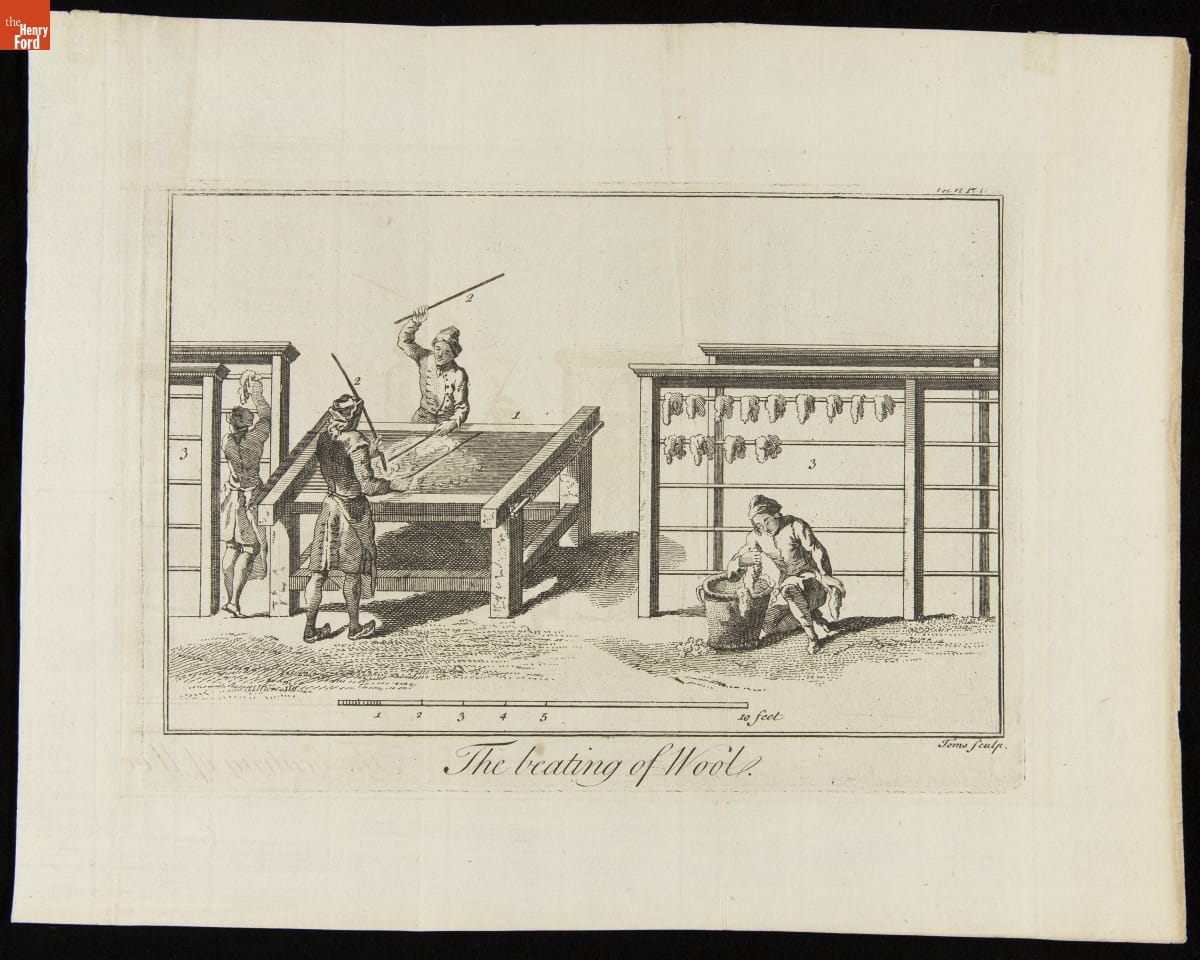
- 1748
- Collections - Artifact
The Beating of Wool, 1748
- The Doubling of the Twists. The Untangling of the Skaines, 1748 -
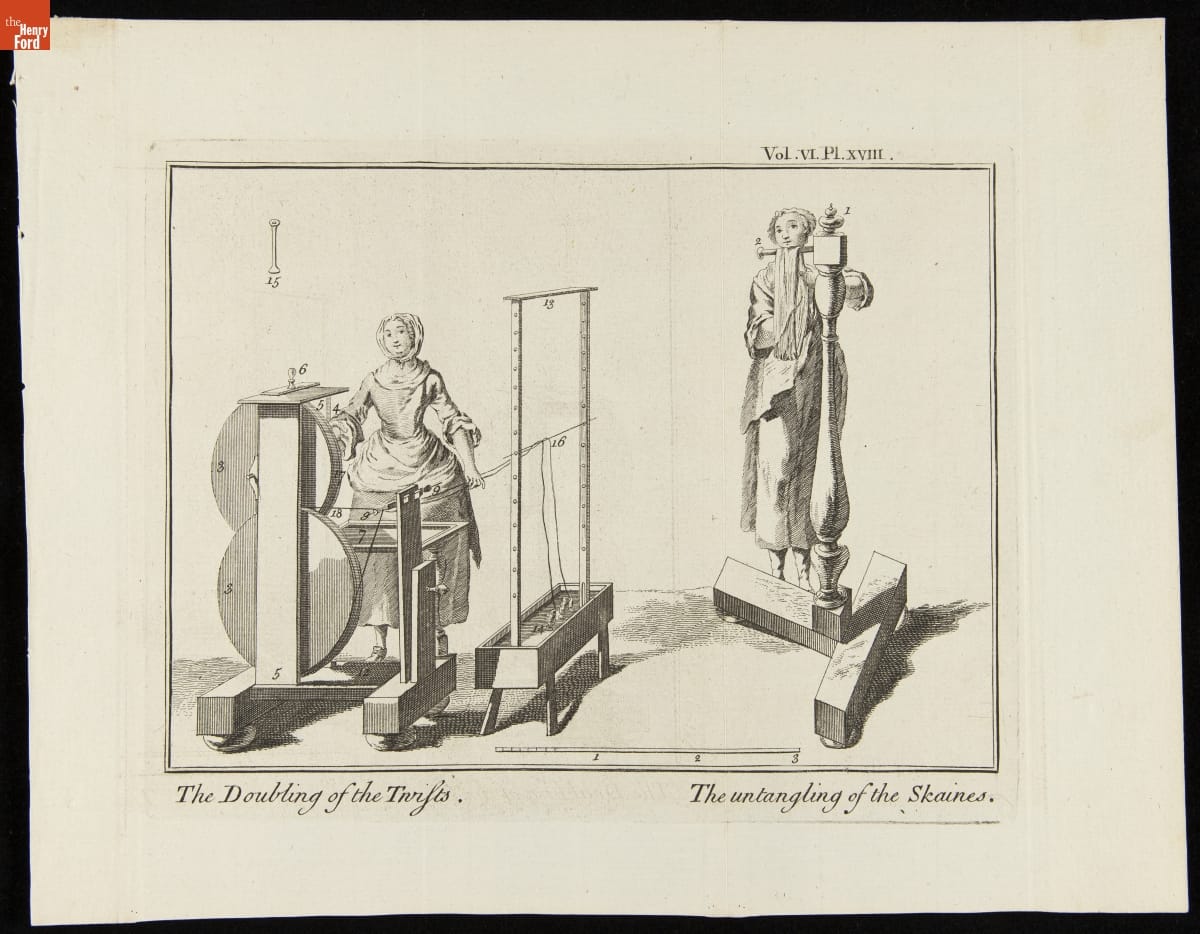
- 1748
- Collections - Artifact
The Doubling of the Twists. The Untangling of the Skaines, 1748