
Search
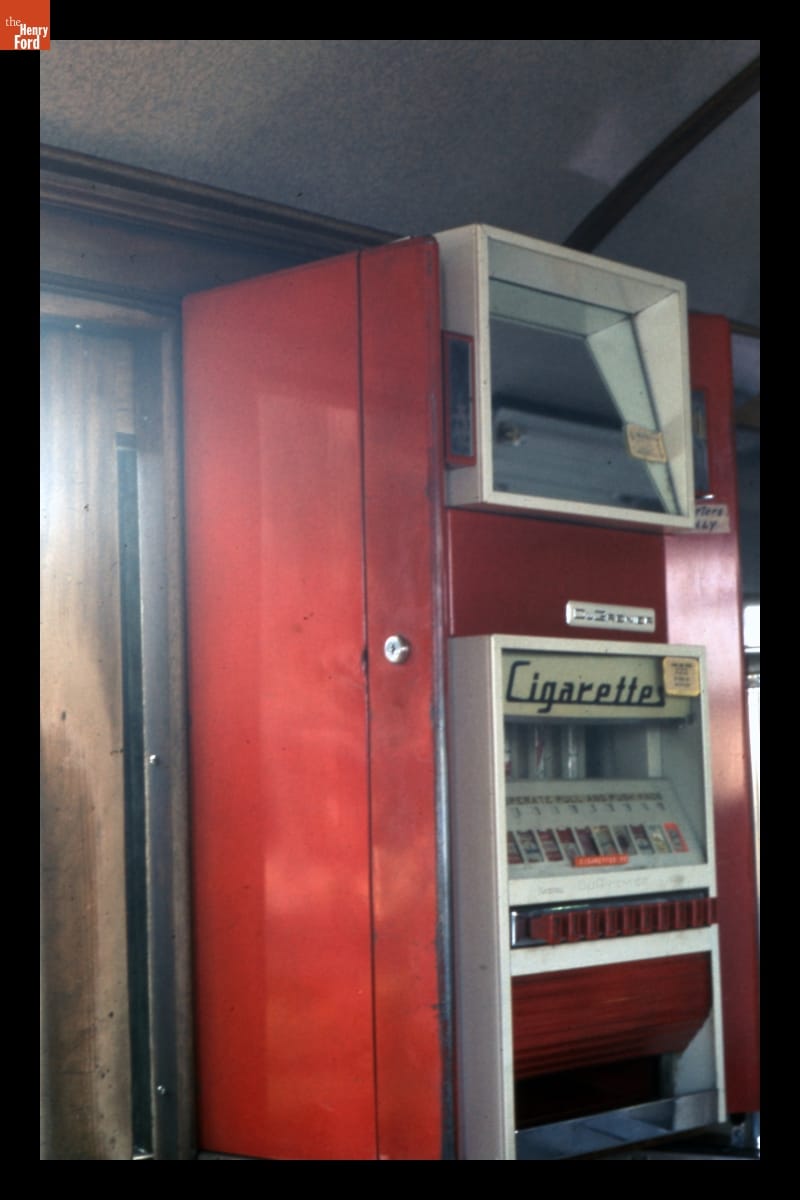
- Cigarette Vending Machine at Hickey's Diner, Taunton, Massachusetts, 1966-1986 -
- 1966-1986
- Collections - Artifact
Cigarette Vending Machine at Hickey's Diner, Taunton, Massachusetts, 1966-1986
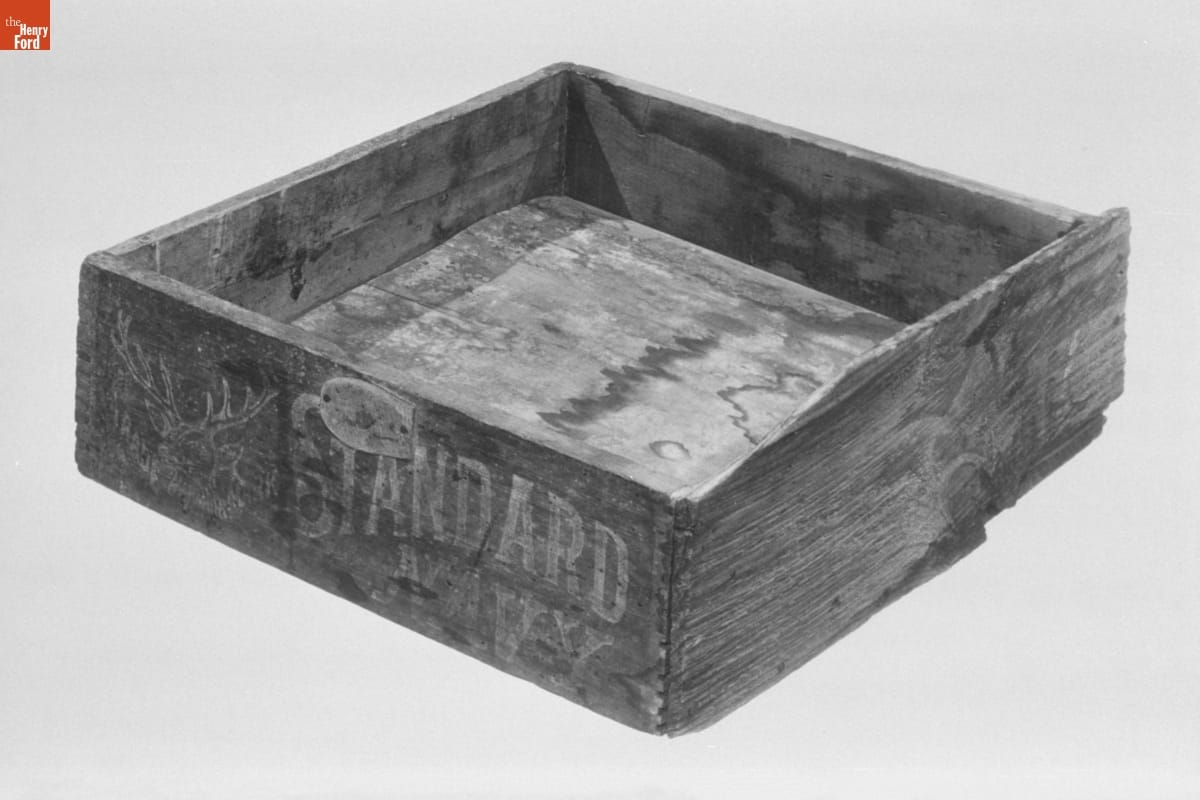
- Shipping Box for Tobacco, 1880-1920 - Workers at Will Currier's shoe shop in Newton, New Hampshire, used a variety of tools, fasteners and bits of leather, wood, and metal to make shoes. Small wooden boxes, like this one, helped organize the shop and kept needed material close at hand.
- 1880-1920
- Collections - Artifact
Shipping Box for Tobacco, 1880-1920
Workers at Will Currier's shoe shop in Newton, New Hampshire, used a variety of tools, fasteners and bits of leather, wood, and metal to make shoes. Small wooden boxes, like this one, helped organize the shop and kept needed material close at hand.
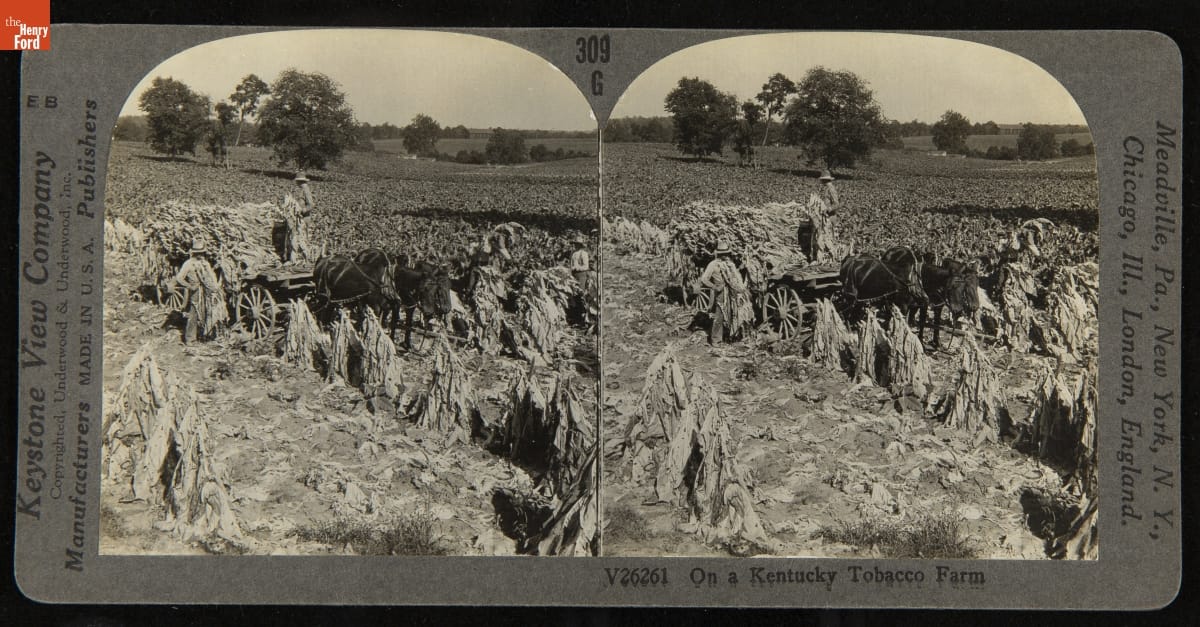
- On a Kentucky Tobacco Farm -
- 1920-1929
- Collections - Artifact
On a Kentucky Tobacco Farm
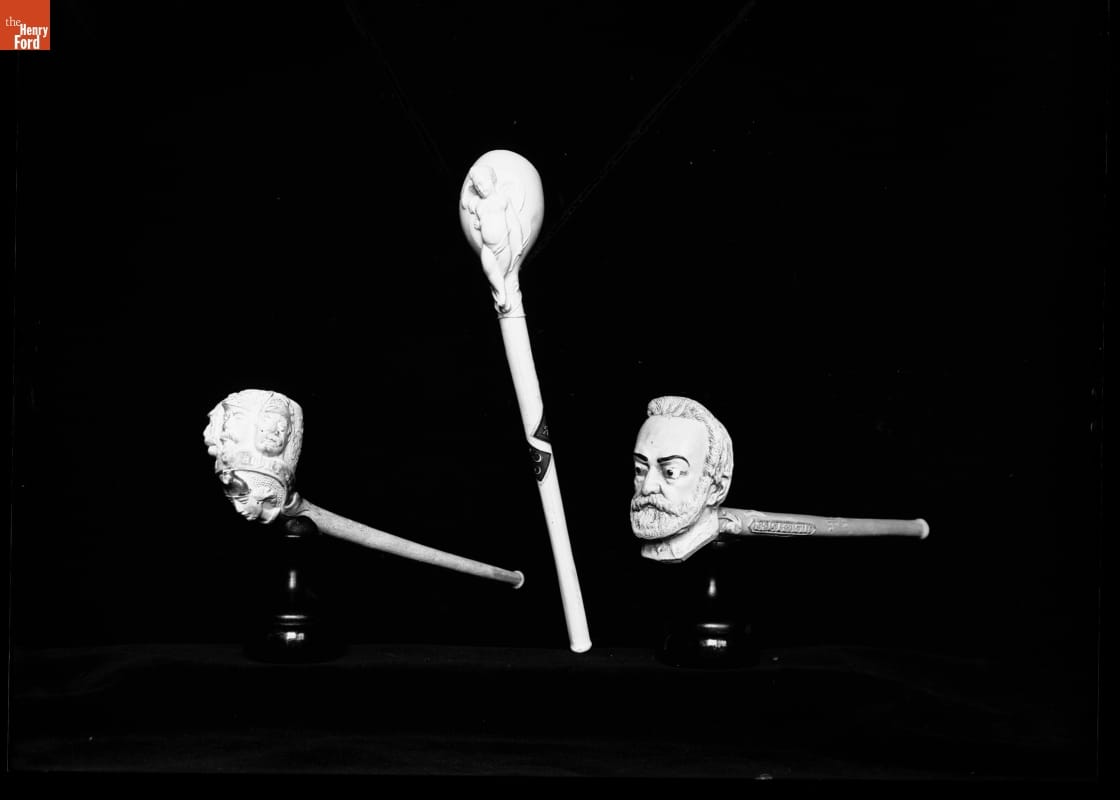
- Clay Pipes, Collection of W.G. Bowdoin, 1890-1915 - In 1890, Jenny Young Chandler, 25 years old and recently widowed, began working for the <EM>New York Herald</EM>. As a photojournalist and feature writer, Chandler captured life in Brooklyn, New York, and vicinity. She also documented collections of private individuals and museums -- some of which were featured in magazine articles for collectors. By 1922, the time of her death, she had produced over 800 glass plate negatives.
- 1890-1915
- Collections - Artifact
Clay Pipes, Collection of W.G. Bowdoin, 1890-1915
In 1890, Jenny Young Chandler, 25 years old and recently widowed, began working for the New York Herald. As a photojournalist and feature writer, Chandler captured life in Brooklyn, New York, and vicinity. She also documented collections of private individuals and museums -- some of which were featured in magazine articles for collectors. By 1922, the time of her death, she had produced over 800 glass plate negatives.
- Spittoon -

- Collections - Artifact
Spittoon
- Trade Card for "No-To-Bac" Tobacco, Sterling Products Co., circa 1894 - In the last third of the nineteenth century, an unprecedented variety of consumer goods and services flooded the American market. Advertisers, armed with new methods of color printing, bombarded potential customers with trade cards. Americans enjoyed and often saved the vibrant little advertisements found in product packages or distributed by local merchants. Many survive as historical records of commercialism in the United States.
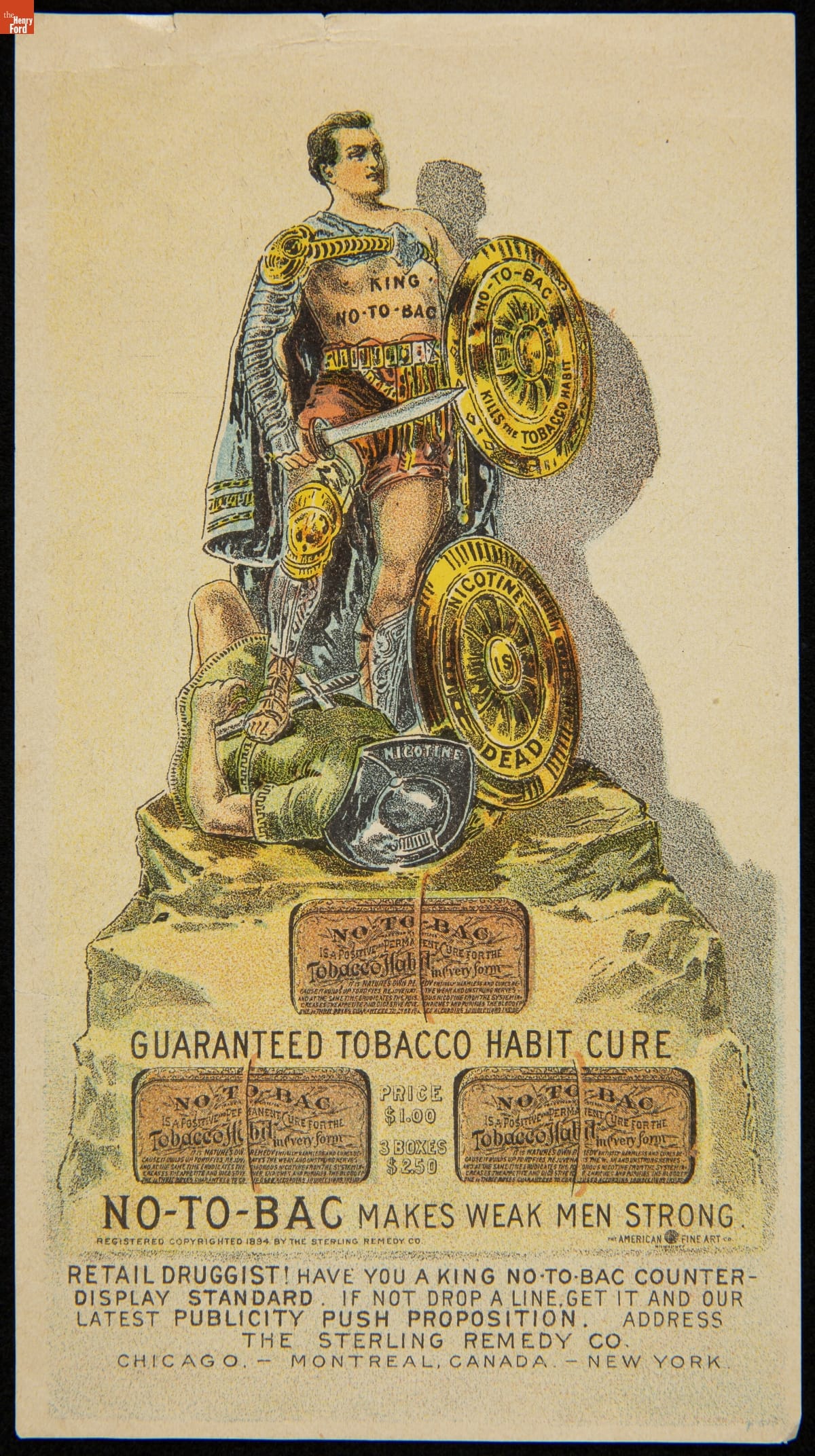
- circa 1894
- Collections - Artifact
Trade Card for "No-To-Bac" Tobacco, Sterling Products Co., circa 1894
In the last third of the nineteenth century, an unprecedented variety of consumer goods and services flooded the American market. Advertisers, armed with new methods of color printing, bombarded potential customers with trade cards. Americans enjoyed and often saved the vibrant little advertisements found in product packages or distributed by local merchants. Many survive as historical records of commercialism in the United States.
- Trade Card for F. Lohmann, Cigars and Tobacco, 1881 - In the last third of the nineteenth century, an unprecedented variety of consumer goods and services flooded the American market. Advertisers, armed with new methods of color printing, bombarded potential customers with trade cards. Americans enjoyed and often saved the vibrant little advertisements found in product packages or distributed by local merchants. Many survive as historical records of commercialism in the United States.
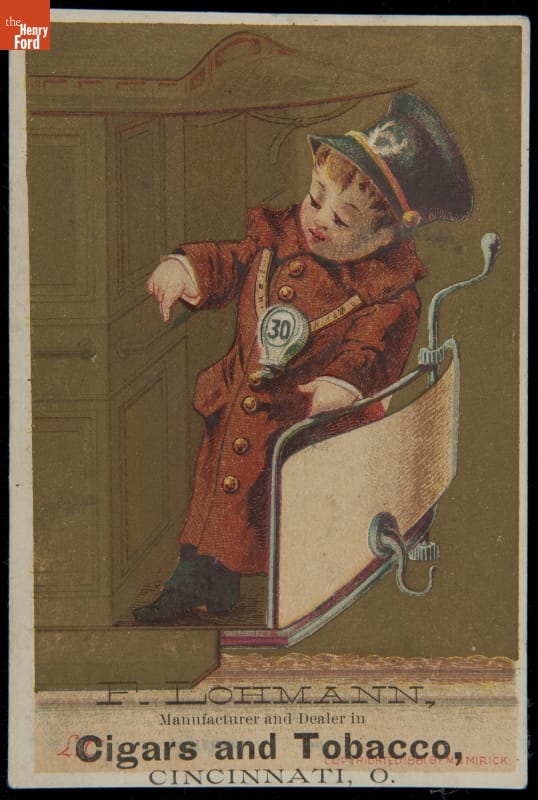
- 1881
- Collections - Artifact
Trade Card for F. Lohmann, Cigars and Tobacco, 1881
In the last third of the nineteenth century, an unprecedented variety of consumer goods and services flooded the American market. Advertisers, armed with new methods of color printing, bombarded potential customers with trade cards. Americans enjoyed and often saved the vibrant little advertisements found in product packages or distributed by local merchants. Many survive as historical records of commercialism in the United States.
- Page Tobacco Harvester, 1955 -
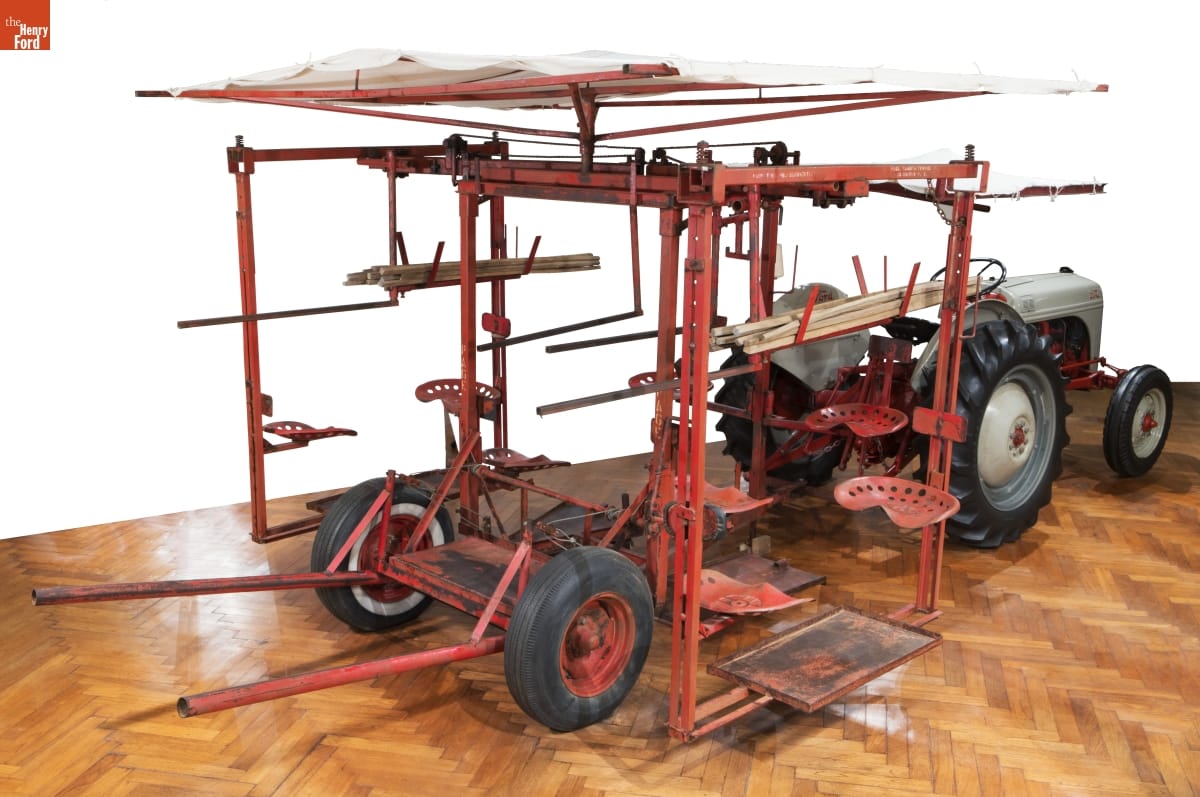
- 1955
- Collections - Artifact
Page Tobacco Harvester, 1955
- Tobacco Spear, circa 1960 - Raising tobacco required significant human labor before mechanization. At harvest time, workers cut the leaves from Burley tobacco plants using special knives. They pierced the leaves with this conical-shaped metal spear affixed to the end of a stick. Then, after the leaves dried in the field, they moved the full sticks to tobacco barns to finish the curing process.
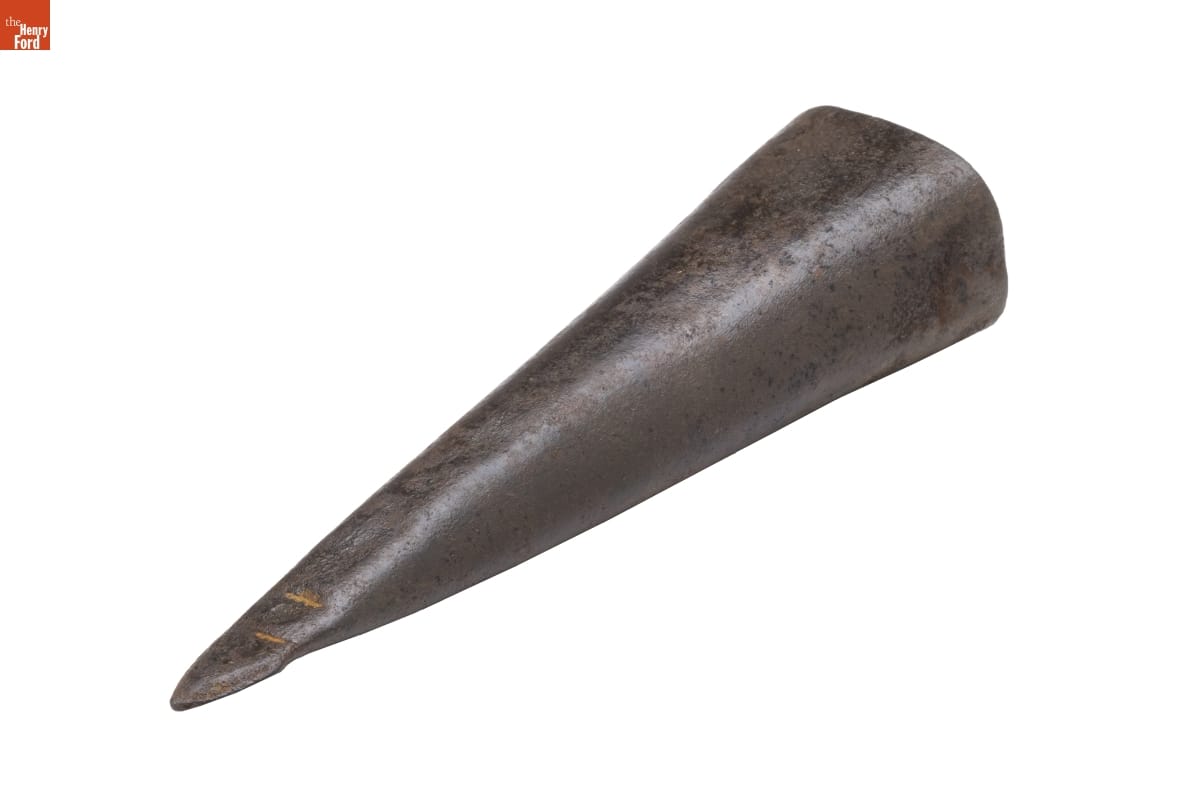
- circa 1960
- Collections - Artifact
Tobacco Spear, circa 1960
Raising tobacco required significant human labor before mechanization. At harvest time, workers cut the leaves from Burley tobacco plants using special knives. They pierced the leaves with this conical-shaped metal spear affixed to the end of a stick. Then, after the leaves dried in the field, they moved the full sticks to tobacco barns to finish the curing process.
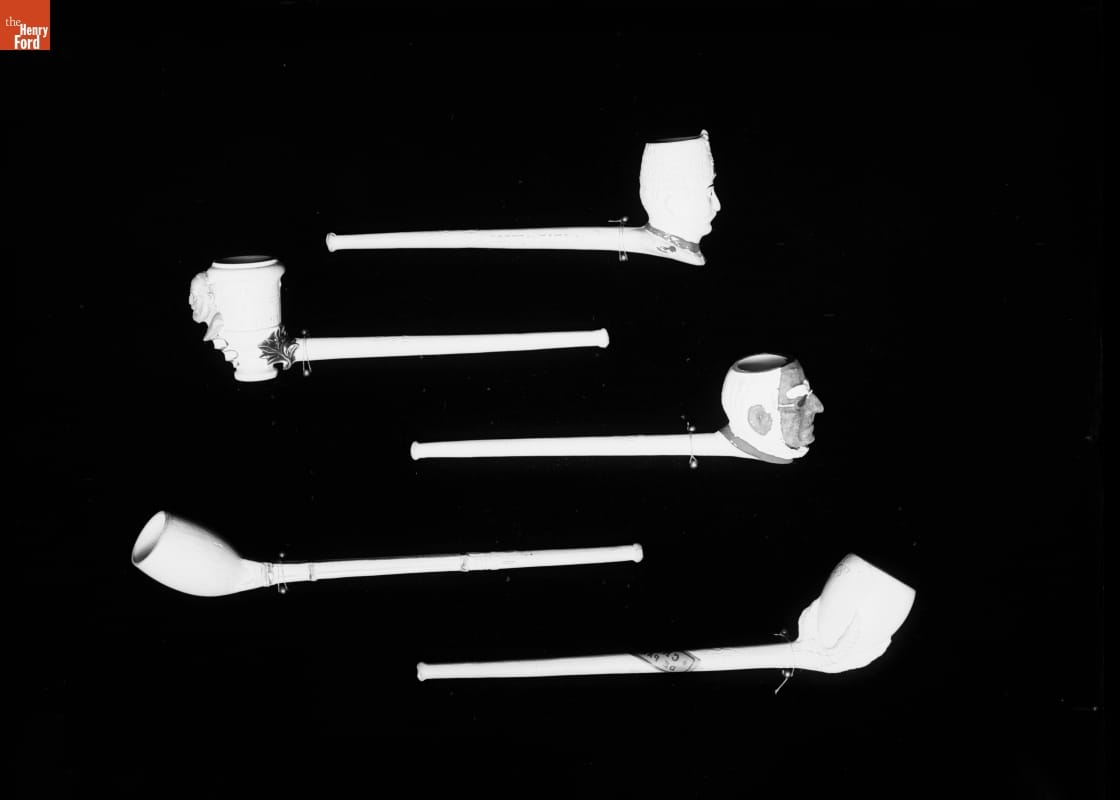
- Clay Pipes, Collection of W.G. Bowdoin, 1890-1915 - In 1890, Jenny Young Chandler, 25 years old and recently widowed, began working for the <EM>New York Herald</EM>. As a photojournalist and feature writer, Chandler captured life in Brooklyn, New York, and vicinity. She also documented collections of private individuals and museums -- some of which were featured in magazine articles for collectors. By 1922, the time of her death, she had produced over 800 glass plate negatives.
- 1890-1915
- Collections - Artifact
Clay Pipes, Collection of W.G. Bowdoin, 1890-1915
In 1890, Jenny Young Chandler, 25 years old and recently widowed, began working for the New York Herald. As a photojournalist and feature writer, Chandler captured life in Brooklyn, New York, and vicinity. She also documented collections of private individuals and museums -- some of which were featured in magazine articles for collectors. By 1922, the time of her death, she had produced over 800 glass plate negatives.