
Search
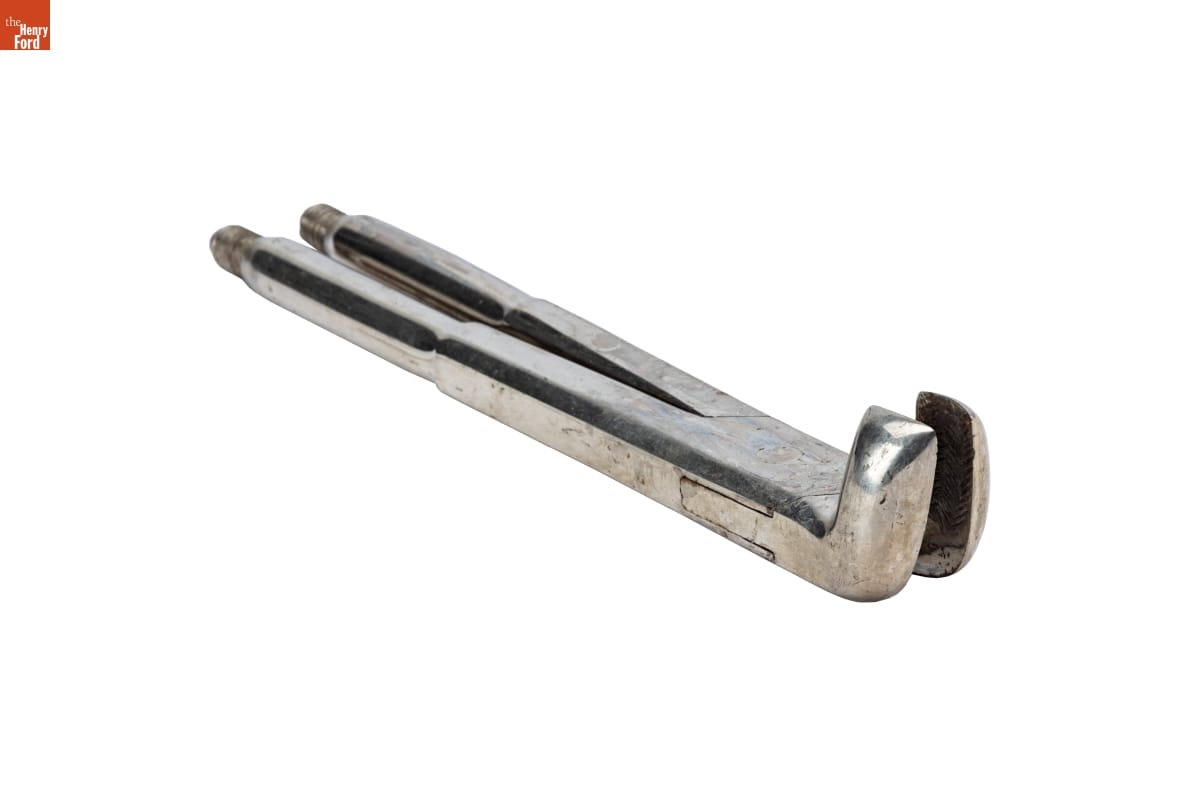
- Open Molar Extractor, 1901-1925 - Veterinarians remove loose or damaged teeth from animals before they become too painful or infected. They use dental forceps or extractors to grip the tooth below the gum and rock it back and forth to loosen and remove it. This procedure requires patience because pulling the tooth before it is fully loose could harm the animal.
- 1901-1925
- Collections - Artifact
Open Molar Extractor, 1901-1925
Veterinarians remove loose or damaged teeth from animals before they become too painful or infected. They use dental forceps or extractors to grip the tooth below the gum and rock it back and forth to loosen and remove it. This procedure requires patience because pulling the tooth before it is fully loose could harm the animal.
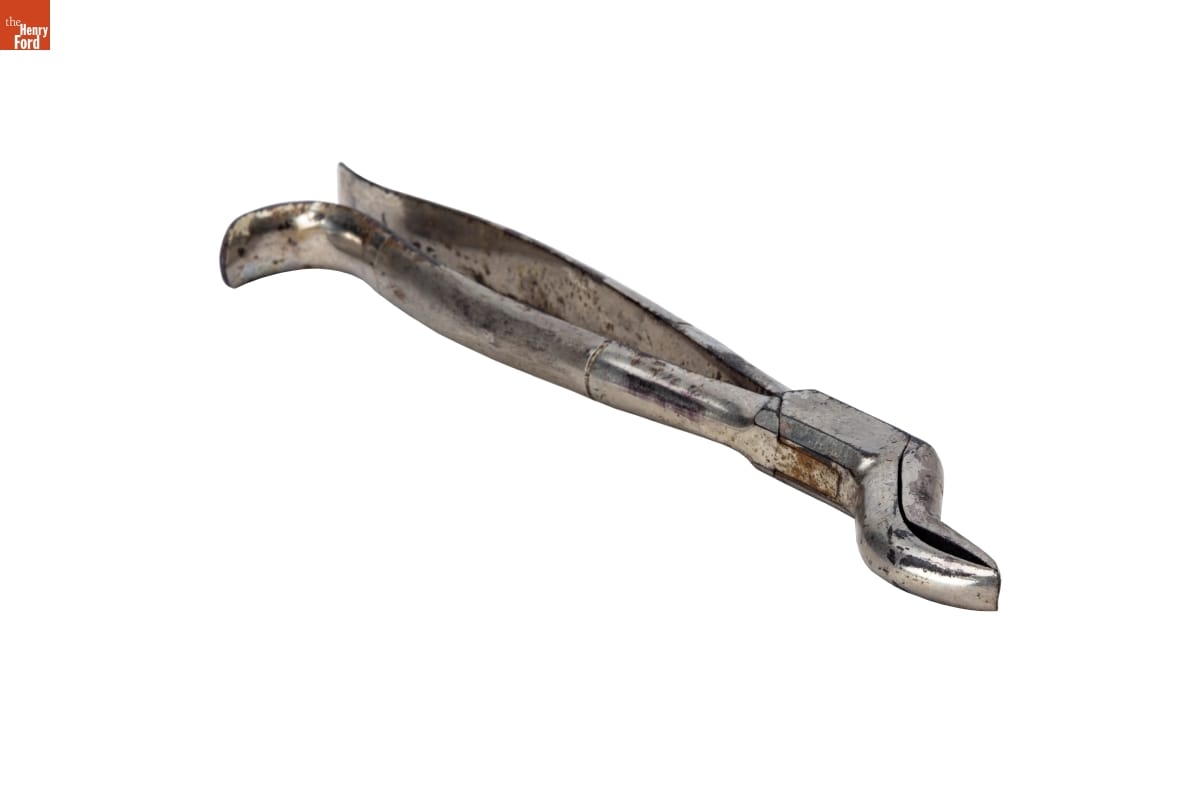
- Wolf Tooth Extractor, 1901-1925 - Wolf teeth in horses are vestigial teeth, having no apparent functional purpose for today's horses. The teeth, positioned in front of the first cheek teeth, usually break through between five and twelve months. They can cause pain and discomfort to a horse fitted with a bit and adversely affect its demeanor. Veterinarians use extractors to remove these teeth.
- 1901-1925
- Collections - Artifact
Wolf Tooth Extractor, 1901-1925
Wolf teeth in horses are vestigial teeth, having no apparent functional purpose for today's horses. The teeth, positioned in front of the first cheek teeth, usually break through between five and twelve months. They can cause pain and discomfort to a horse fitted with a bit and adversely affect its demeanor. Veterinarians use extractors to remove these teeth.
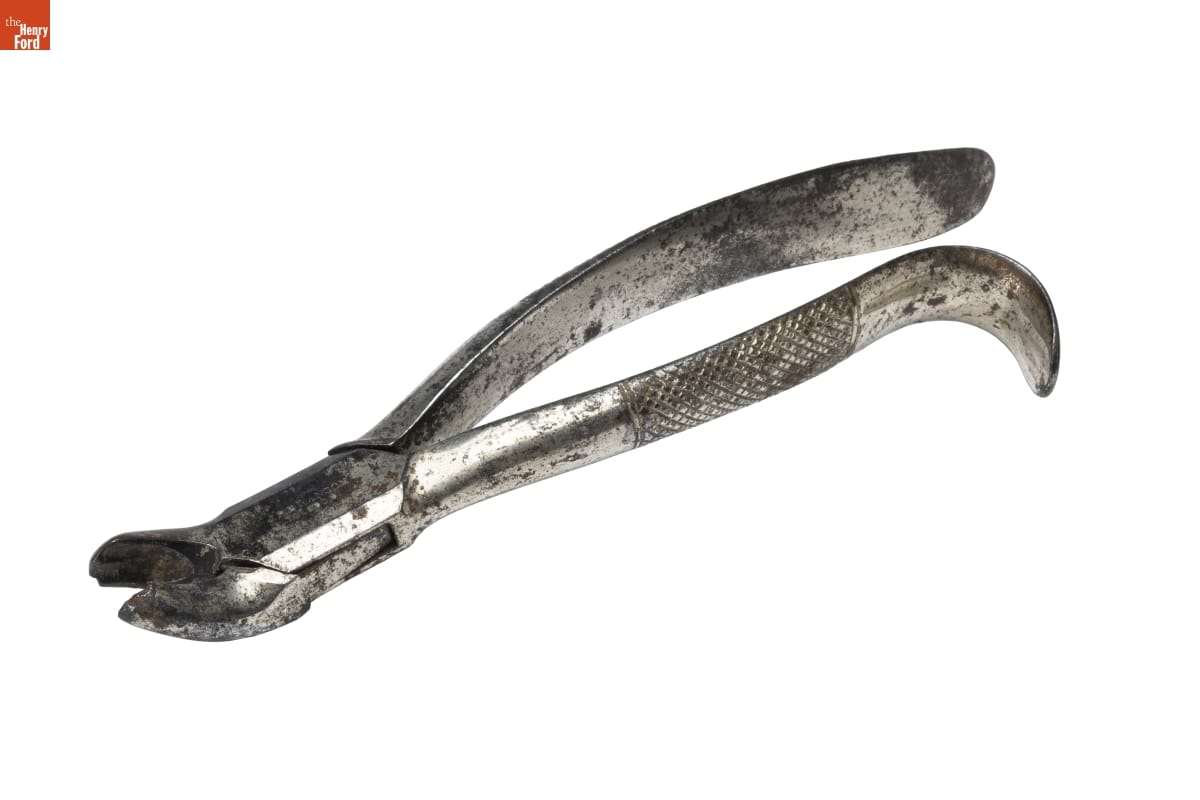
- Wolf Tooth Extractor, 1915-1920 - Wolf teeth in horses are vestigial teeth, having no apparent functional purpose for today's horses. The teeth, positioned in front of the first cheek teeth, usually break through between five and twelve months. They can cause pain and discomfort to a horse fitted with a bit and adversely affect its demeanor. Veterinarians use extractors to remove these teeth.
- 1915-1920
- Collections - Artifact
Wolf Tooth Extractor, 1915-1920
Wolf teeth in horses are vestigial teeth, having no apparent functional purpose for today's horses. The teeth, positioned in front of the first cheek teeth, usually break through between five and twelve months. They can cause pain and discomfort to a horse fitted with a bit and adversely affect its demeanor. Veterinarians use extractors to remove these teeth.
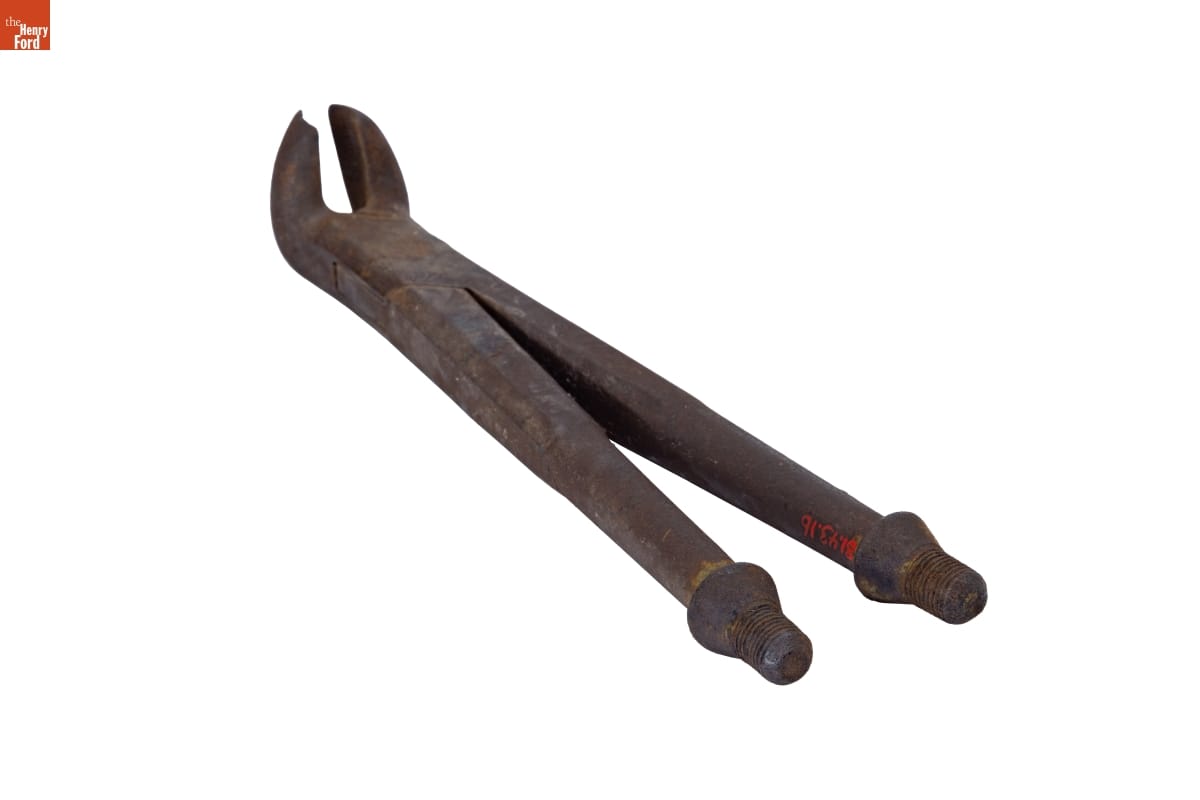
- Tooth Extractor, circa 1915 - Veterinarians remove loose or damaged teeth from animals before they become too painful or infected. They use dental forceps or extractors to grip the tooth below the gum and rock it back and forth to loosen and remove it. This procedure requires patience because pulling the tooth before it is fully loose could harm the animal.
- circa 1915
- Collections - Artifact
Tooth Extractor, circa 1915
Veterinarians remove loose or damaged teeth from animals before they become too painful or infected. They use dental forceps or extractors to grip the tooth below the gum and rock it back and forth to loosen and remove it. This procedure requires patience because pulling the tooth before it is fully loose could harm the animal.
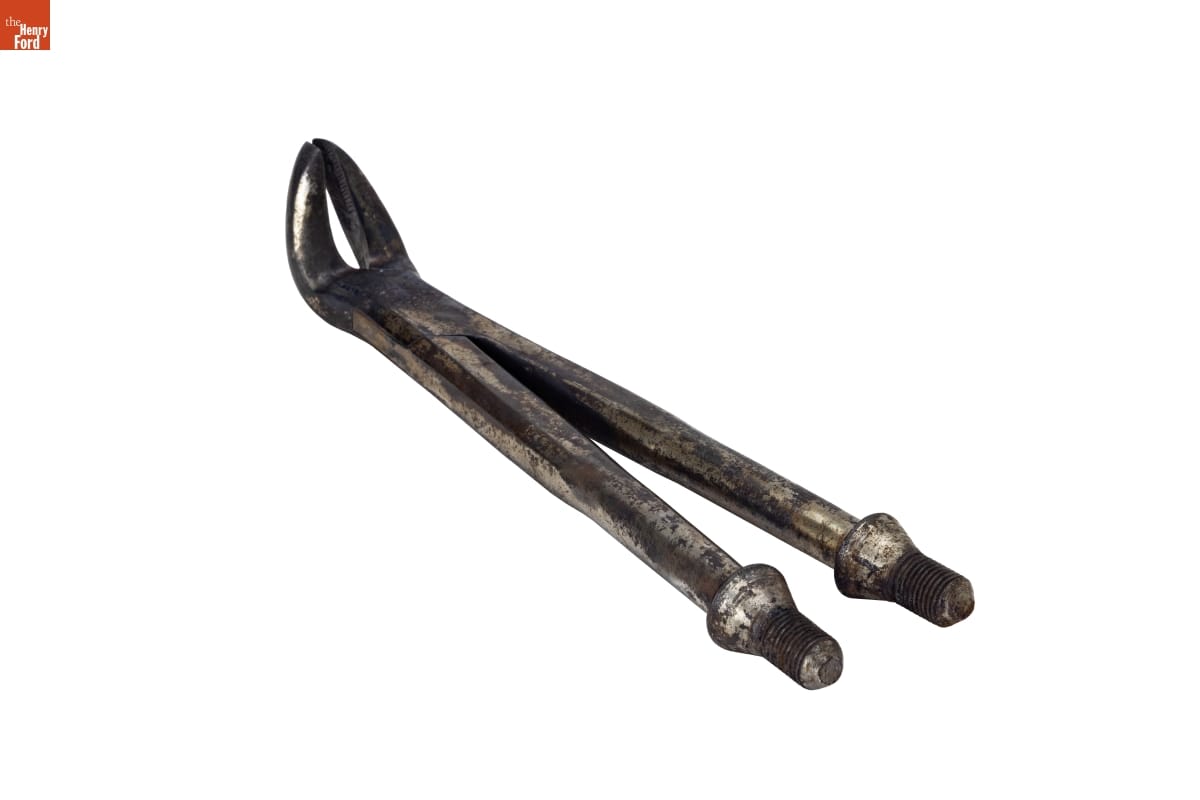
- Closed Molar Extractor, circa 1900 - Veterinarians remove loose or damaged teeth from animals before they become too painful or infected. They use dental forceps or extractors to grip the tooth below the gum and rock it back and forth to loosen and remove it. This procedure requires patience because pulling the tooth before it is fully loose could harm the animal.
- circa 1900
- Collections - Artifact
Closed Molar Extractor, circa 1900
Veterinarians remove loose or damaged teeth from animals before they become too painful or infected. They use dental forceps or extractors to grip the tooth below the gum and rock it back and forth to loosen and remove it. This procedure requires patience because pulling the tooth before it is fully loose could harm the animal.
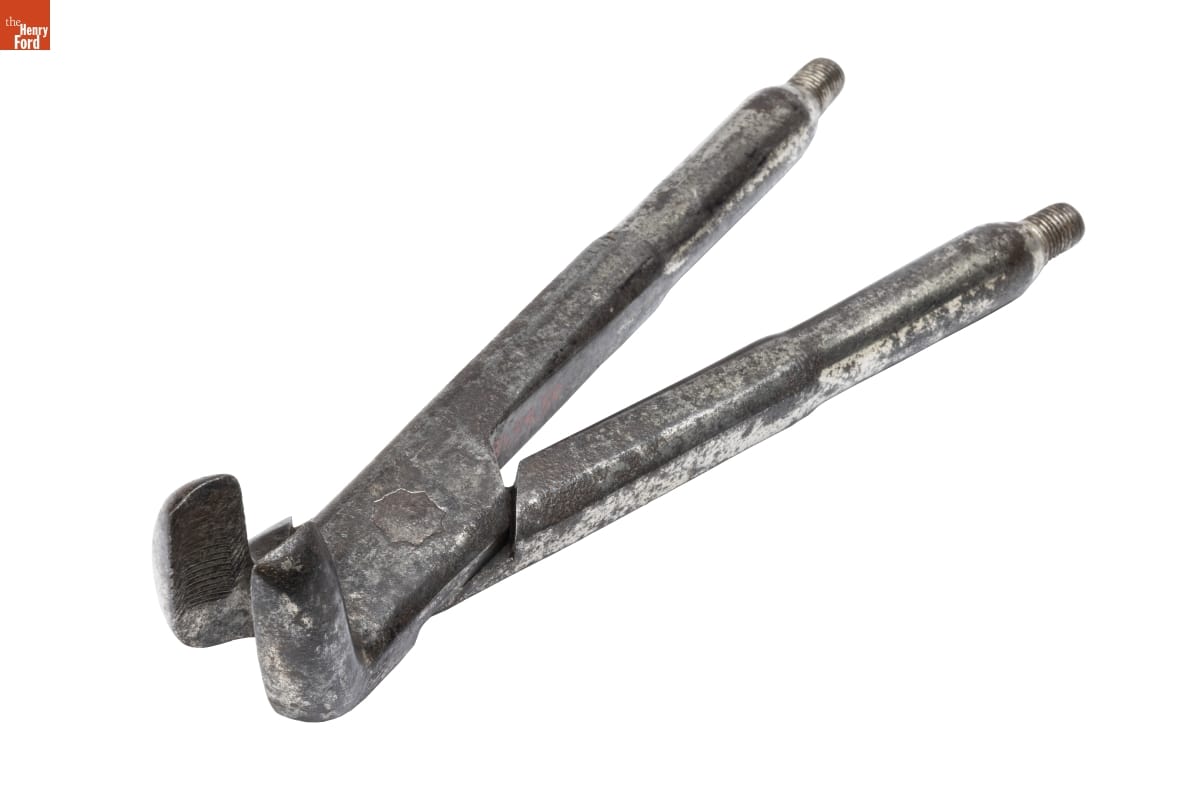
- Tooth Extractor, 1901-1925 - Veterinarians remove loose or damaged teeth from animals before they become too painful or infected. They use dental forceps or extractors to grip the tooth below the gum and rock it back and forth to loosen and remove it. This procedure requires patience because pulling the tooth before it is fully loose could harm the animal.
- 1901-1925
- Collections - Artifact
Tooth Extractor, 1901-1925
Veterinarians remove loose or damaged teeth from animals before they become too painful or infected. They use dental forceps or extractors to grip the tooth below the gum and rock it back and forth to loosen and remove it. This procedure requires patience because pulling the tooth before it is fully loose could harm the animal.
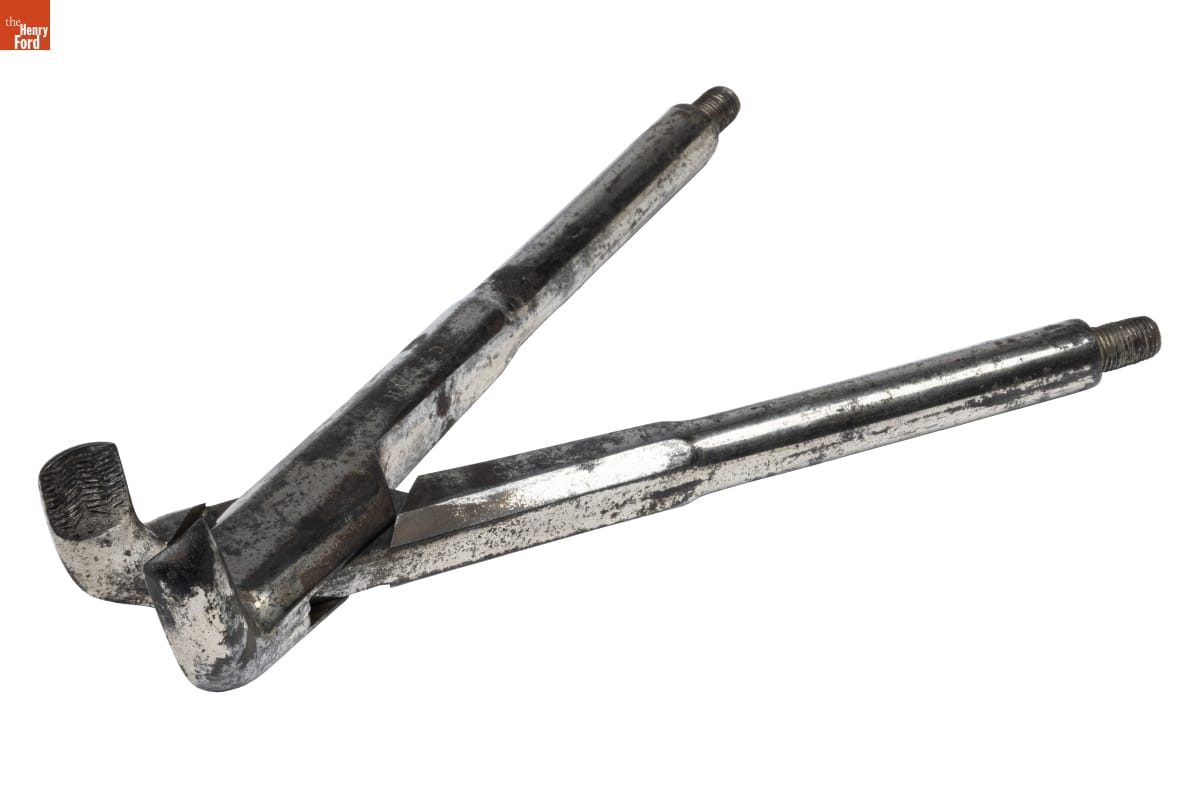
- Molar Extractor, 1886-1901 - Veterinarians remove loose or damaged teeth from animals before they become too painful or infected. They use dental forceps or extractors to grip the tooth below the gum and rock it back and forth to loosen and remove it. This procedure requires patience because pulling the tooth before it is fully loose could harm the animal.
- 1886-1901
- Collections - Artifact
Molar Extractor, 1886-1901
Veterinarians remove loose or damaged teeth from animals before they become too painful or infected. They use dental forceps or extractors to grip the tooth below the gum and rock it back and forth to loosen and remove it. This procedure requires patience because pulling the tooth before it is fully loose could harm the animal.
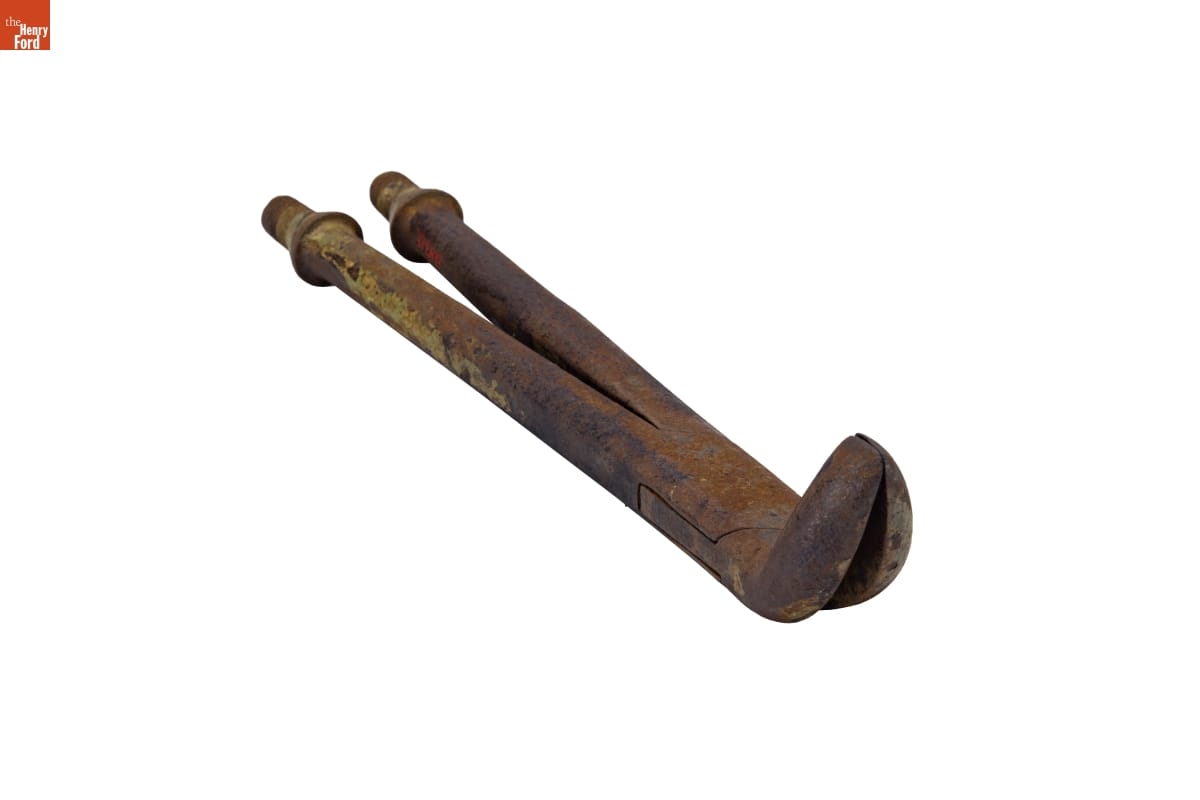
- Tooth Extractor, circa 1915 - Veterinarians remove loose or damaged teeth from animals before they become too painful or infected. They use dental forceps or extractors to grip the tooth below the gum and rock it back and forth to loosen and remove it. This procedure requires patience because pulling the tooth before it is fully loose could harm the animal.
- circa 1915
- Collections - Artifact
Tooth Extractor, circa 1915
Veterinarians remove loose or damaged teeth from animals before they become too painful or infected. They use dental forceps or extractors to grip the tooth below the gum and rock it back and forth to loosen and remove it. This procedure requires patience because pulling the tooth before it is fully loose could harm the animal.
- Molar Extractor, circa 1920 - Veterinarians remove loose or damaged teeth from animals before they become too painful or infected. They use dental forceps or extractors to grip the tooth below the gum and rock it back and forth to loosen and remove it. This procedure requires patience because pulling the tooth before it is fully loose could harm the animal.
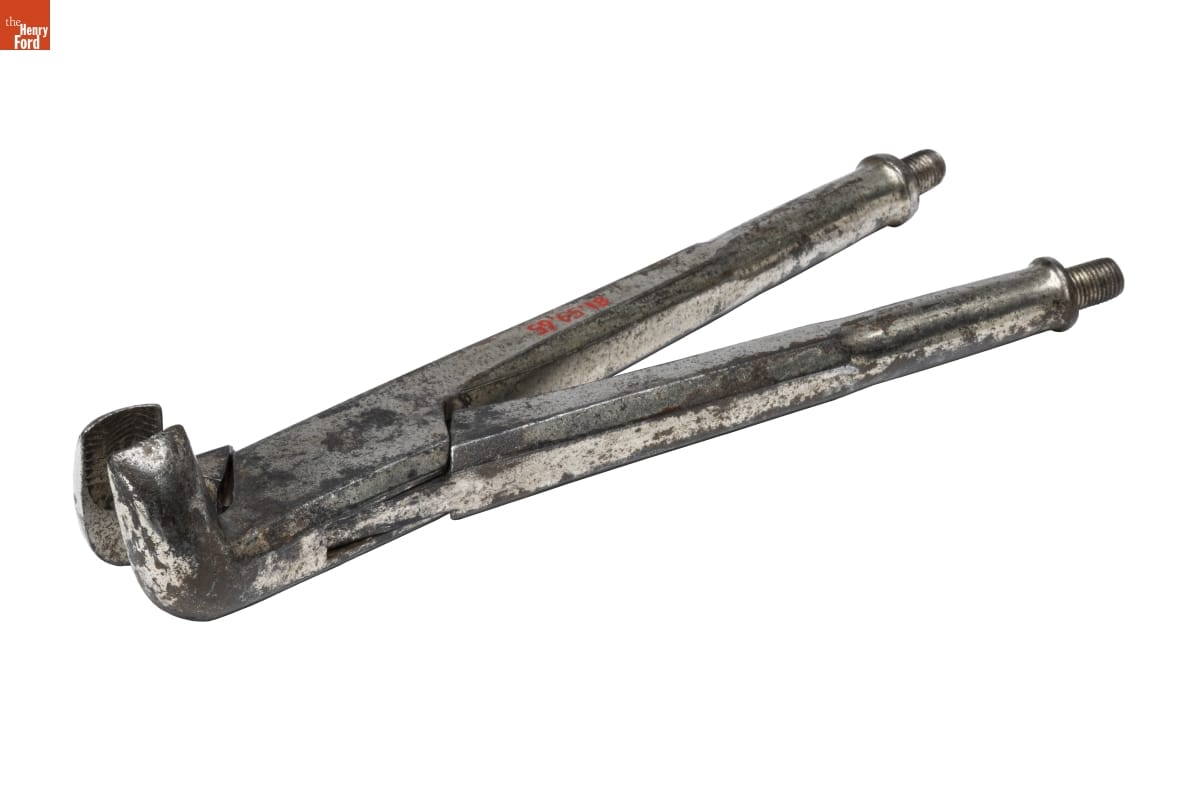
- circa 1920
- Collections - Artifact
Molar Extractor, circa 1920
Veterinarians remove loose or damaged teeth from animals before they become too painful or infected. They use dental forceps or extractors to grip the tooth below the gum and rock it back and forth to loosen and remove it. This procedure requires patience because pulling the tooth before it is fully loose could harm the animal.
- Wolf Tooth Extractor, circa 1920 - Wolf teeth in horses are vestigial teeth, having no apparent functional purpose for today's horses. The teeth, positioned in front of the first cheek teeth, usually break through between five and twelve months. They can cause pain and discomfort to a horse fitted with a bit and adversely affect its demeanor. Veterinarians use extractors to remove these teeth.
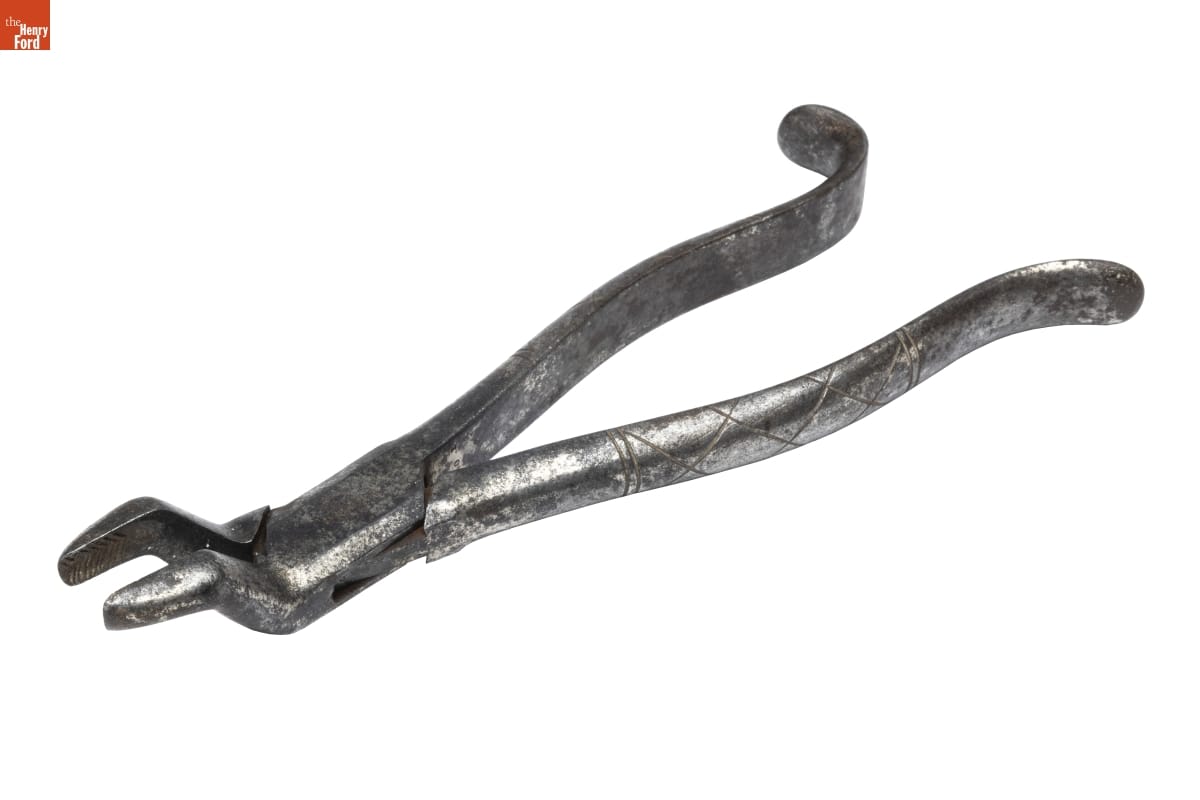
- circa 1920
- Collections - Artifact
Wolf Tooth Extractor, circa 1920
Wolf teeth in horses are vestigial teeth, having no apparent functional purpose for today's horses. The teeth, positioned in front of the first cheek teeth, usually break through between five and twelve months. They can cause pain and discomfort to a horse fitted with a bit and adversely affect its demeanor. Veterinarians use extractors to remove these teeth.