
Search
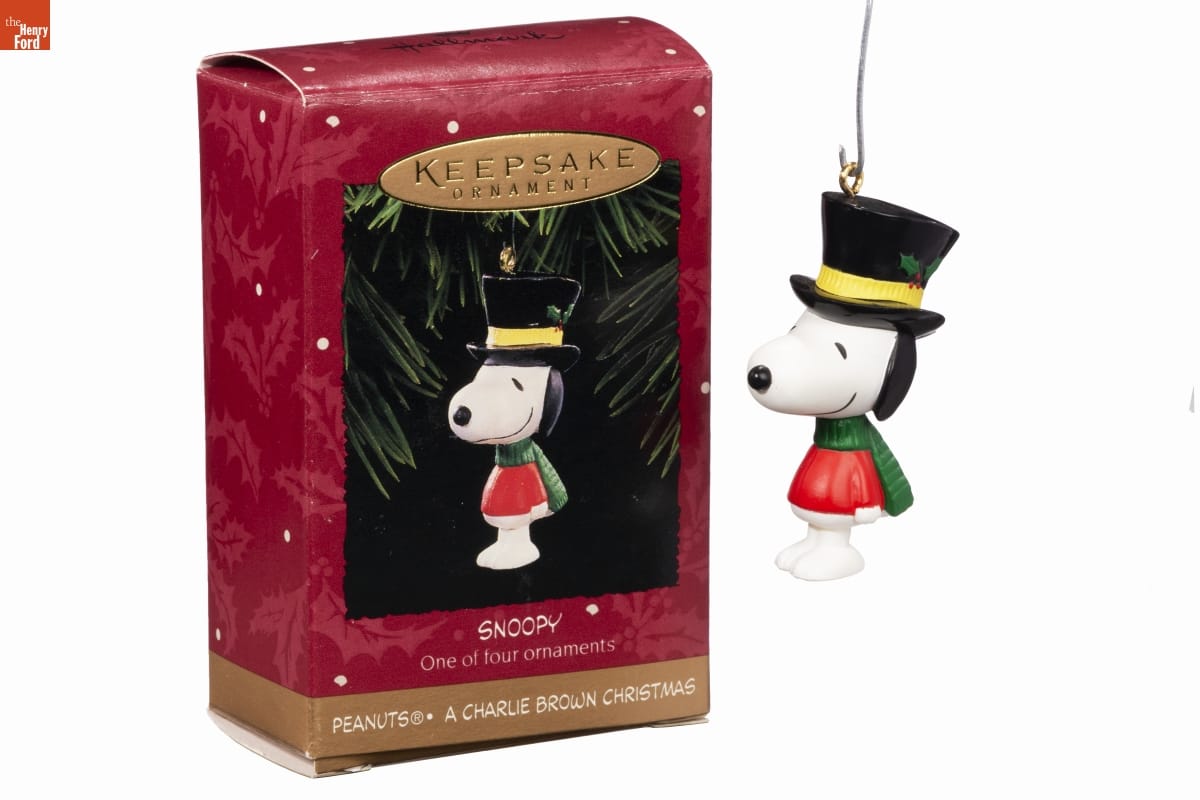
- Hallmark "Peanuts, A Charlie Brown Christmas: Snoopy" Christmas Ornament, 1995 - Already known for greeting cards, Hallmark introduced a line of Christmas ornaments in 1973. The company's annual release of an increasing array of ornaments revolutionized Christmas decorating, appealing to customers' interest in marking memories and milestones as well as expressing one's personality and unique tastes.
- 1995
- Collections - Artifact
Hallmark "Peanuts, A Charlie Brown Christmas: Snoopy" Christmas Ornament, 1995
Already known for greeting cards, Hallmark introduced a line of Christmas ornaments in 1973. The company's annual release of an increasing array of ornaments revolutionized Christmas decorating, appealing to customers' interest in marking memories and milestones as well as expressing one's personality and unique tastes.
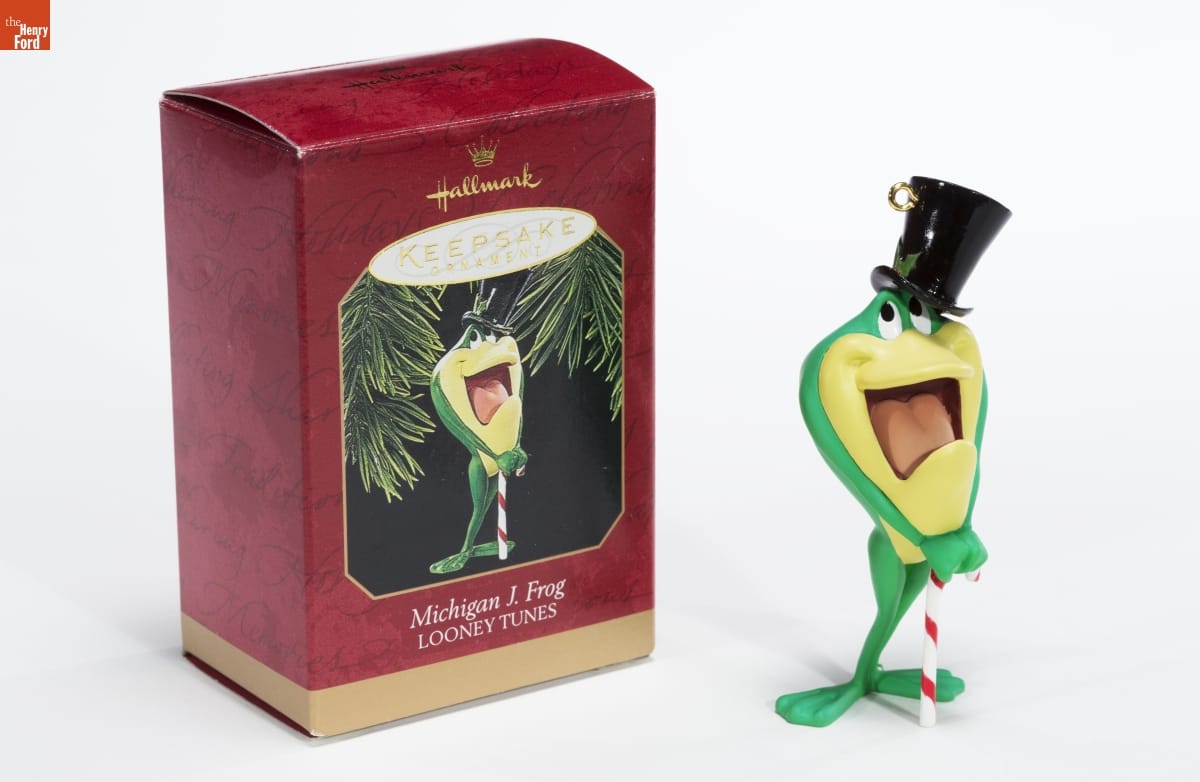
- Hallmark "LOONEY TUNES: Michigan J. Frog" Christmas Ornament, 1997 - Already known for greeting cards, Hallmark introduced a line of Christmas ornaments in 1973. The company's annual release of an increasing array of ornaments revolutionized Christmas decorating, appealing to customers' interest in marking memories and milestones as well as expressing one's personality and unique tastes.
- 1997
- Collections - Artifact
Hallmark "LOONEY TUNES: Michigan J. Frog" Christmas Ornament, 1997
Already known for greeting cards, Hallmark introduced a line of Christmas ornaments in 1973. The company's annual release of an increasing array of ornaments revolutionized Christmas decorating, appealing to customers' interest in marking memories and milestones as well as expressing one's personality and unique tastes.
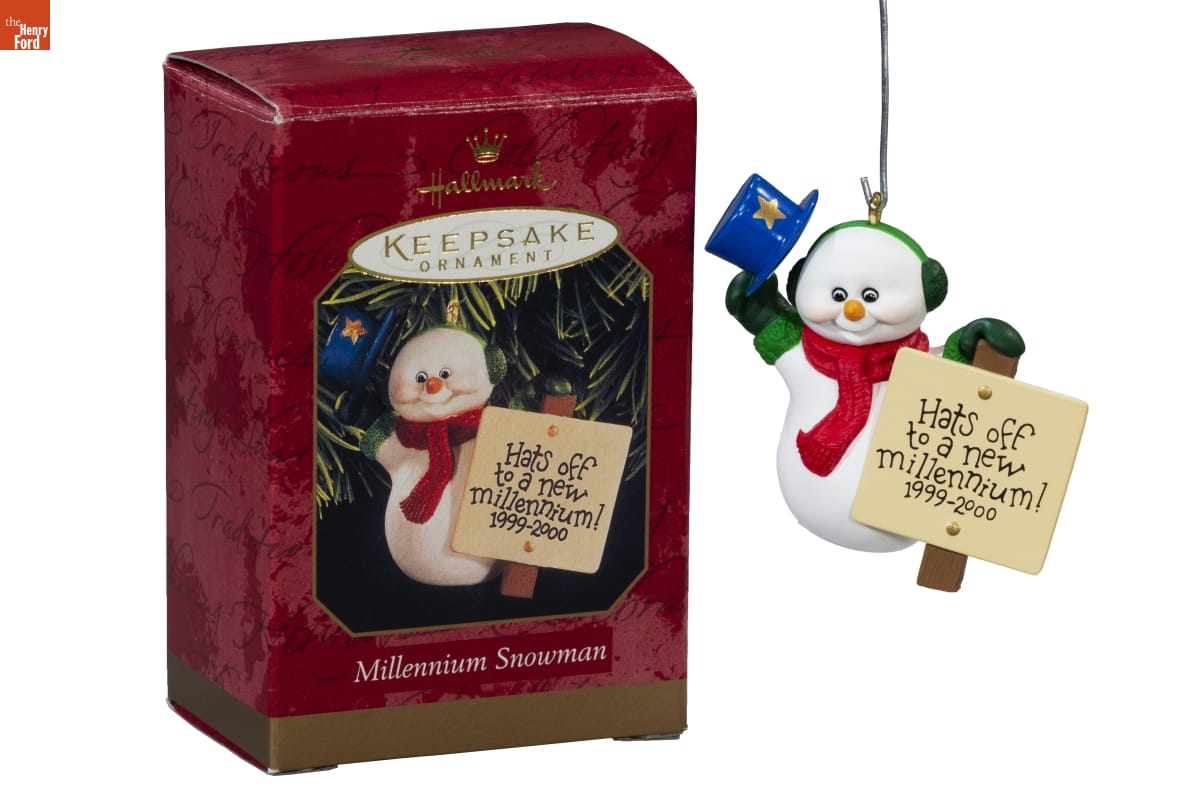
- Hallmark "Millennium Snowman" Christmas Ornament, 1999 - Already known for greeting cards, Hallmark introduced a line of Christmas ornaments in 1973. The company's annual release of an increasing array of ornaments revolutionized Christmas decorating, appealing to customers' interest in marking memories and milestones as well as expressing one's personality and unique tastes.
- 1999
- Collections - Artifact
Hallmark "Millennium Snowman" Christmas Ornament, 1999
Already known for greeting cards, Hallmark introduced a line of Christmas ornaments in 1973. The company's annual release of an increasing array of ornaments revolutionized Christmas decorating, appealing to customers' interest in marking memories and milestones as well as expressing one's personality and unique tastes.
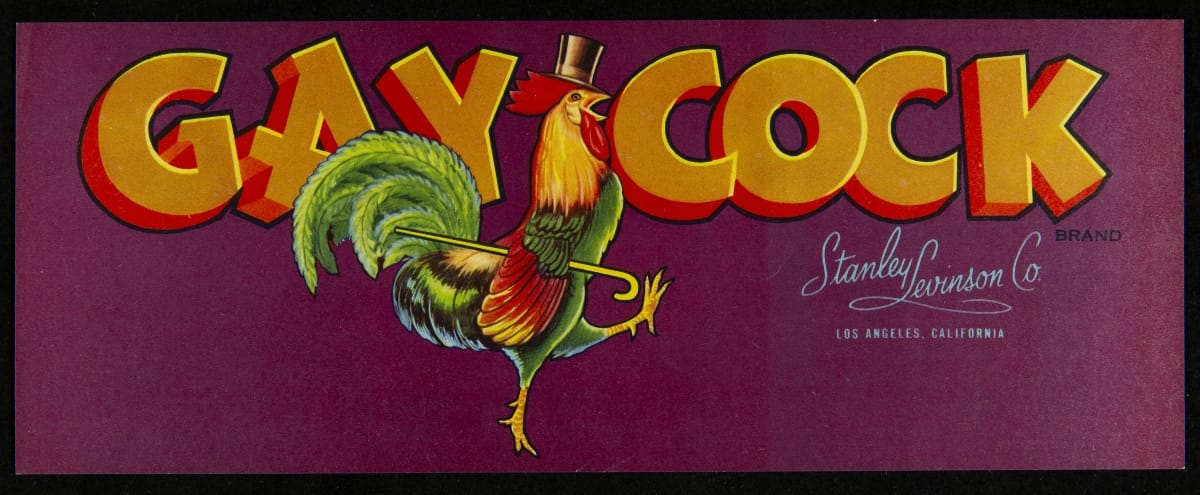
- Crate Label, "Gay Cock Brand Product," 1940-1950 - In 1869, the transcontinental railroad opened eastern markets to the West Coast produce industry for the first time. As produce companies shipped crates of fruits and vegetables across the country, they needed a way to distinguish their goods from their competitors'. Colorful, eye-catching labels, like this one for Gay Cock Brand products, were created to attract grocers purchasing goods from wholesale markets.
- 1940-1950
- Collections - Artifact
Crate Label, "Gay Cock Brand Product," 1940-1950
In 1869, the transcontinental railroad opened eastern markets to the West Coast produce industry for the first time. As produce companies shipped crates of fruits and vegetables across the country, they needed a way to distinguish their goods from their competitors'. Colorful, eye-catching labels, like this one for Gay Cock Brand products, were created to attract grocers purchasing goods from wholesale markets.
- Cut Down Top Hat, 1885-1925 -
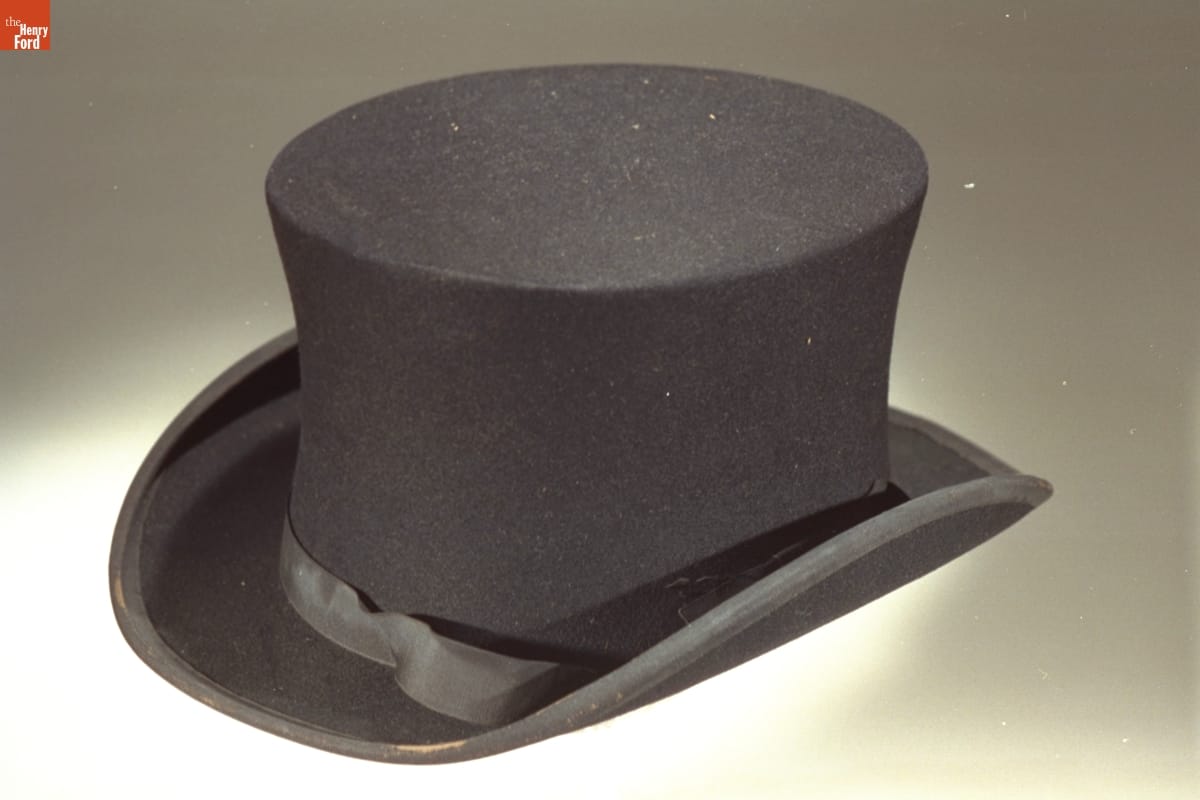
- 1885-1925
- Collections - Artifact
Cut Down Top Hat, 1885-1925
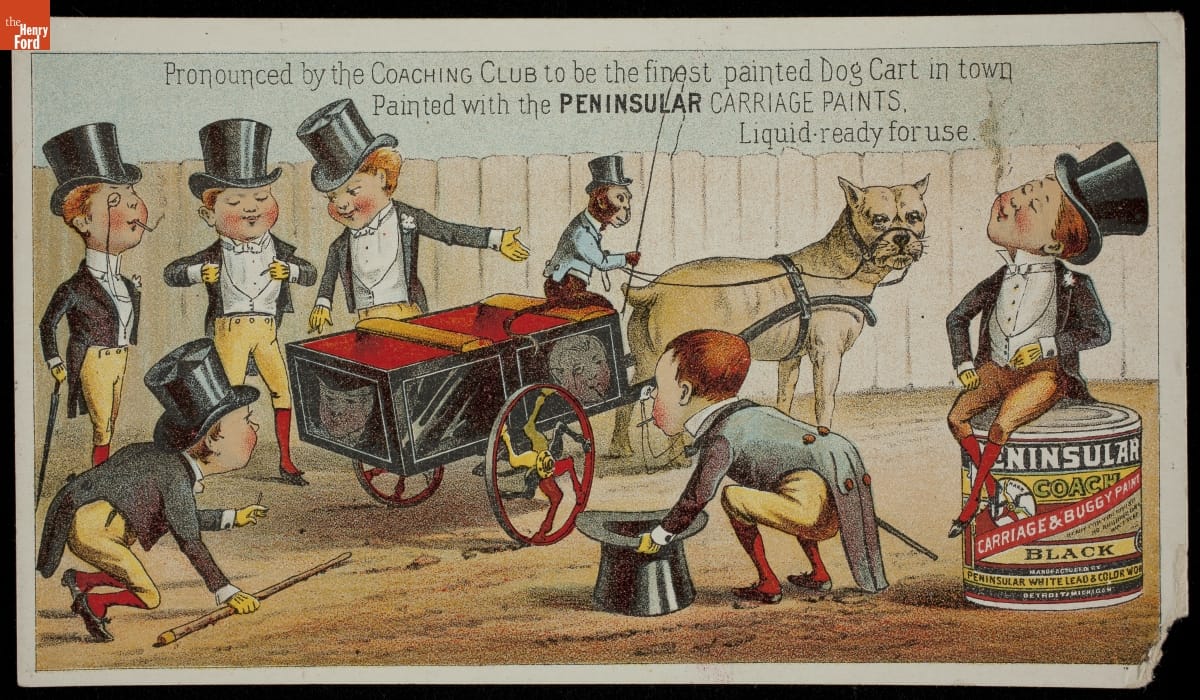
- Trade Card for Carriage & Buggy Paints, Peninsular White Lead & Color Works, 1880-1900 - In the last third of the nineteenth century, an unprecedented variety of consumer goods and services flooded the American market. Advertisers, armed with new methods of color printing, bombarded potential customers with trade cards. Americans enjoyed and often saved the vibrant little advertisements found in product packages or distributed by local merchants. Many survive as historical records of commercialism in the United States.
- 1880-1900
- Collections - Artifact
Trade Card for Carriage & Buggy Paints, Peninsular White Lead & Color Works, 1880-1900
In the last third of the nineteenth century, an unprecedented variety of consumer goods and services flooded the American market. Advertisers, armed with new methods of color printing, bombarded potential customers with trade cards. Americans enjoyed and often saved the vibrant little advertisements found in product packages or distributed by local merchants. Many survive as historical records of commercialism in the United States.
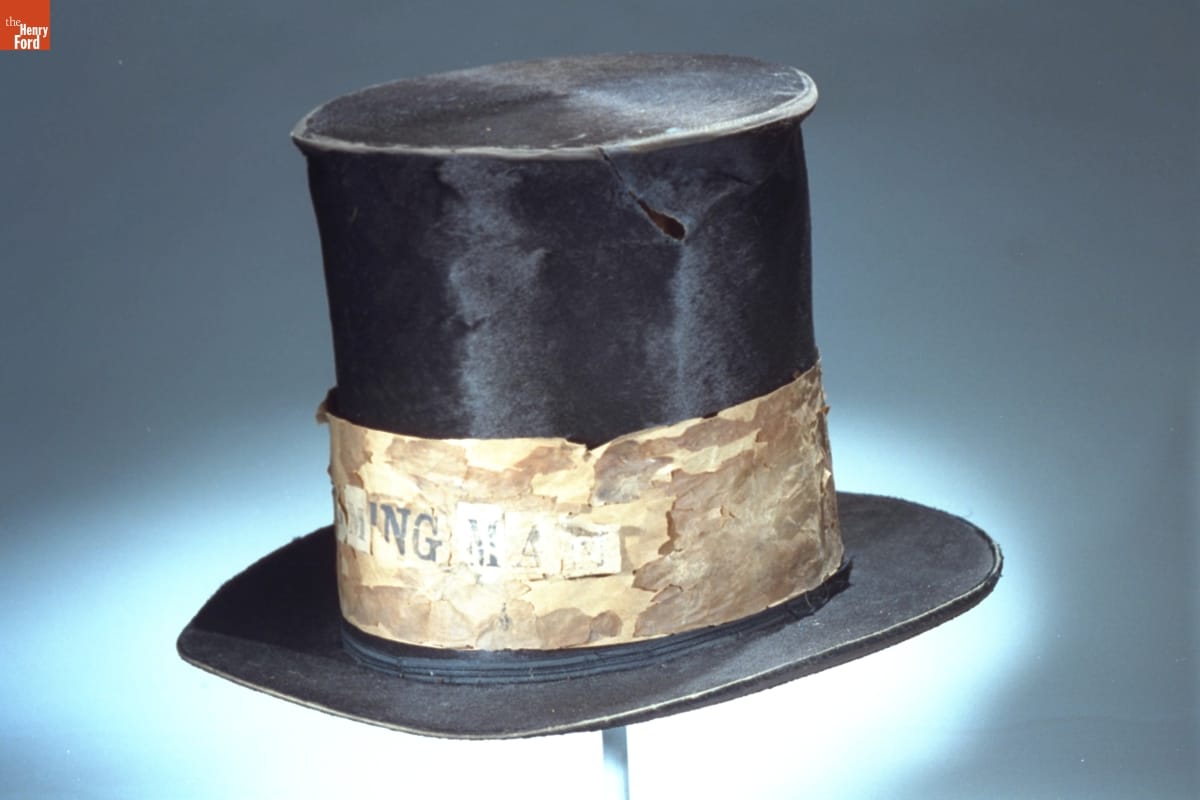
- Abraham Lincoln Campaign Hat, 1860 - By 1860, Abraham Lincoln was a rising star (a "coming man") in the Republican Party and American politics. Lincoln backers may have donned top hats like this one -- symbolic of the Illinois politician -- during campaign rallies for his Party's nomination or Presidential run. His supporters would not be disappointed; Lincoln became the 16th President.
- 1860
- Collections - Artifact
Abraham Lincoln Campaign Hat, 1860
By 1860, Abraham Lincoln was a rising star (a "coming man") in the Republican Party and American politics. Lincoln backers may have donned top hats like this one -- symbolic of the Illinois politician -- during campaign rallies for his Party's nomination or Presidential run. His supporters would not be disappointed; Lincoln became the 16th President.
- Top Hat, 1830-1860 -
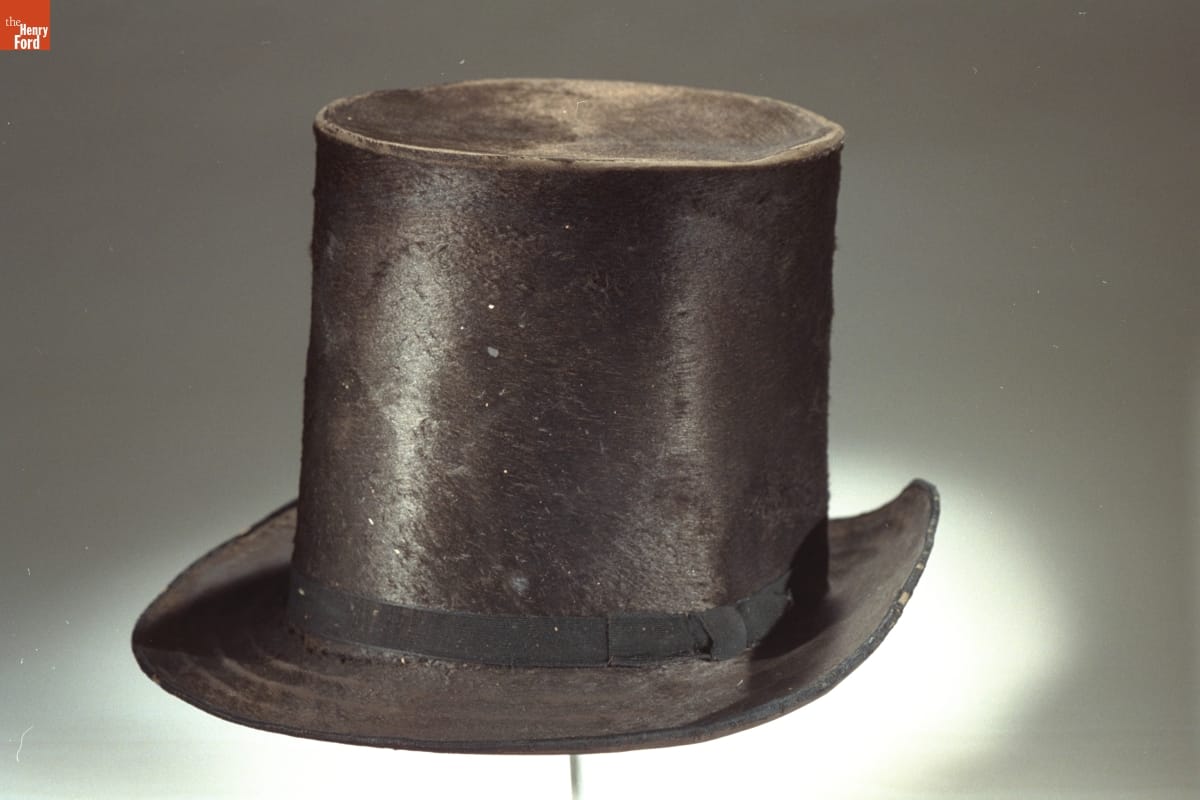
- 1830-1860
- Collections - Artifact
Top Hat, 1830-1860
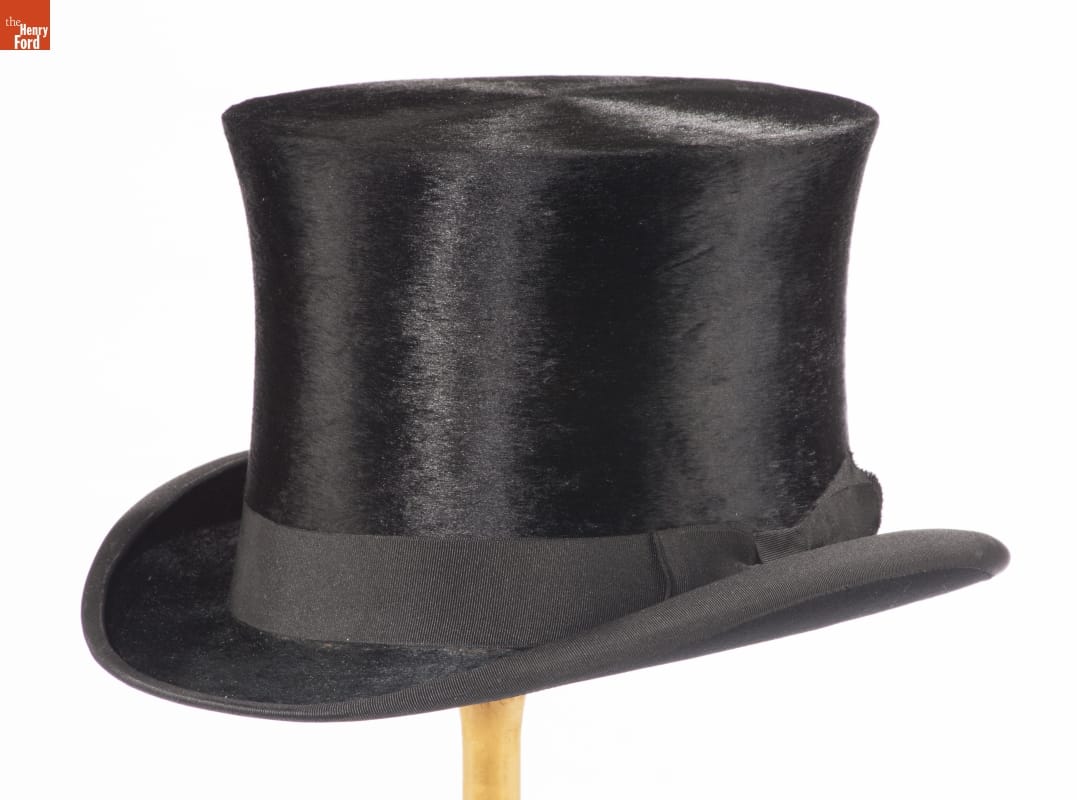
- Top Hat, Worn by William Roddis, circa 1910 -
- circa 1910
- Collections - Artifact
Top Hat, Worn by William Roddis, circa 1910
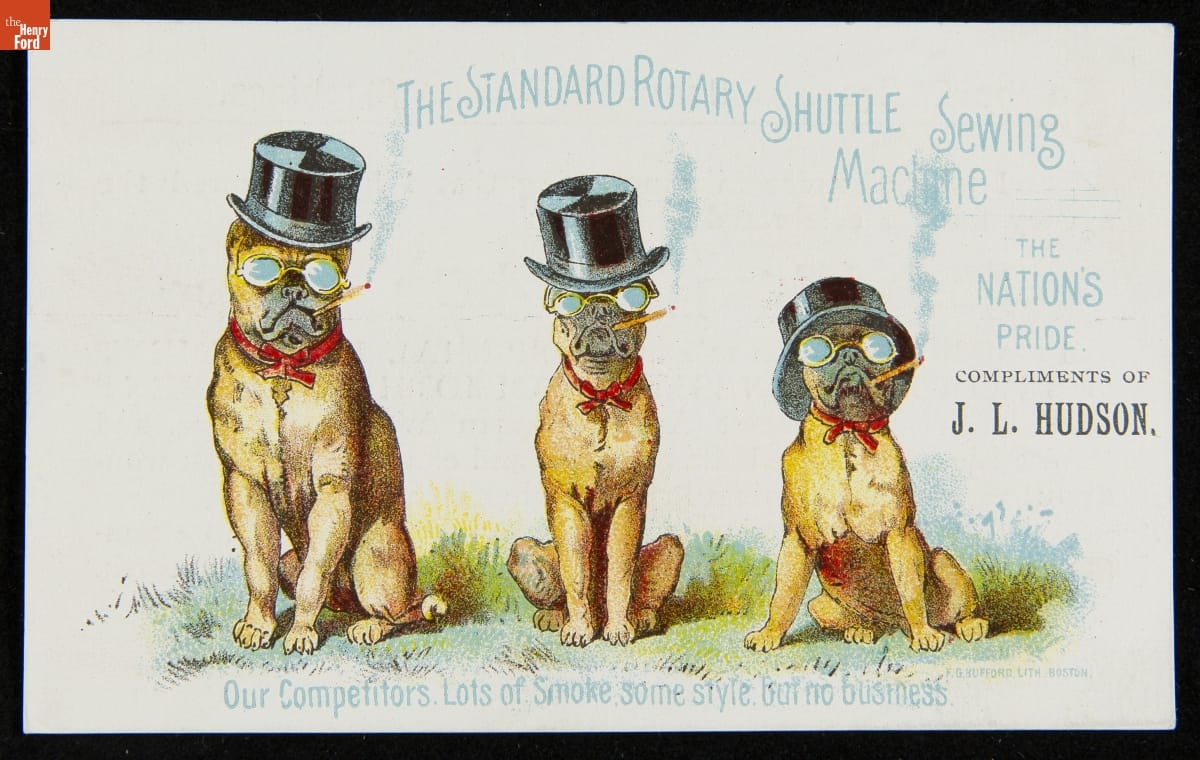
- Trade Card for the Standard Rotary Shuttle Sewing Machine, Standard Sewing Machine Co., 1891-1900 - As color printing gained momentum in the late 19th century, trade cards became a major means of advertising goods and services. Americans enjoyed and often saved the little advertisements found in product packages or distributed by local merchants. This trade card advertises the Standard Sewing Machine Company.
- 1891-1900
- Collections - Artifact
Trade Card for the Standard Rotary Shuttle Sewing Machine, Standard Sewing Machine Co., 1891-1900
As color printing gained momentum in the late 19th century, trade cards became a major means of advertising goods and services. Americans enjoyed and often saved the little advertisements found in product packages or distributed by local merchants. This trade card advertises the Standard Sewing Machine Company.