
Search
- Toy Top, 1870-1890 -
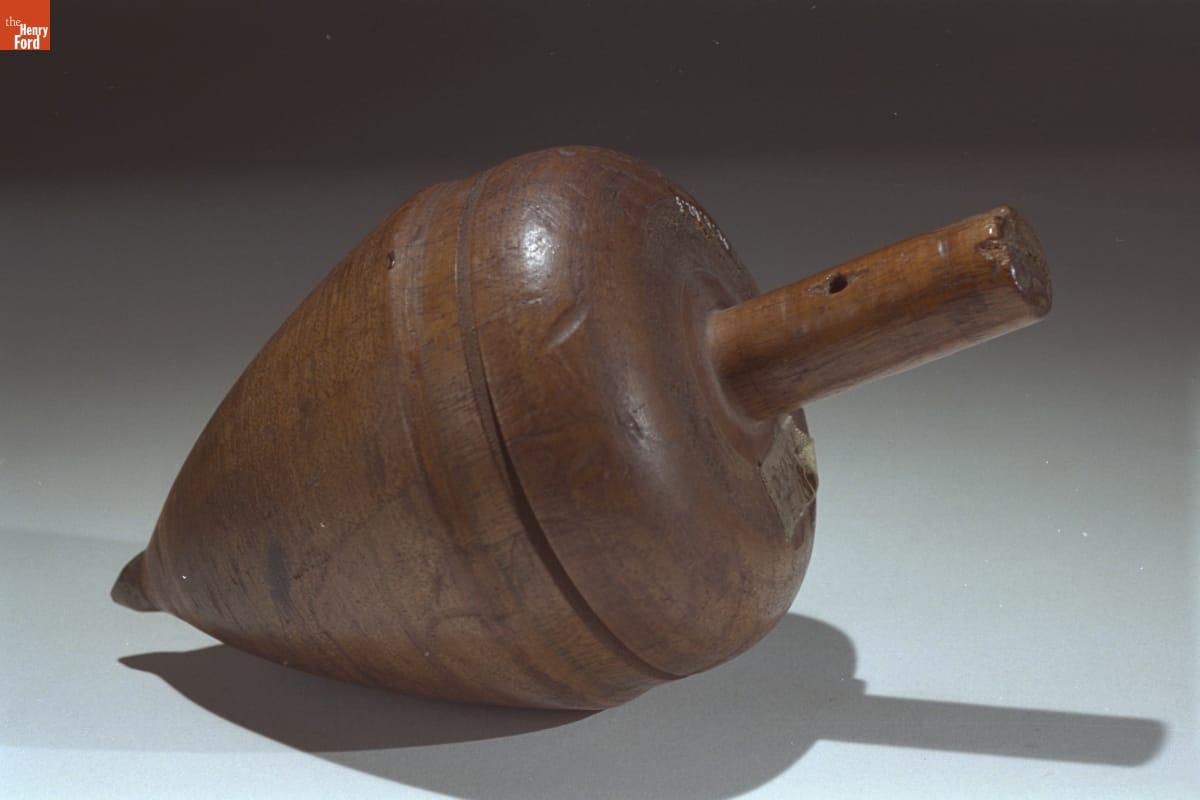
- 1870-1890
- Collections - Artifact
Toy Top, 1870-1890
- Strawberry Spinning Top, 1950-1970 -
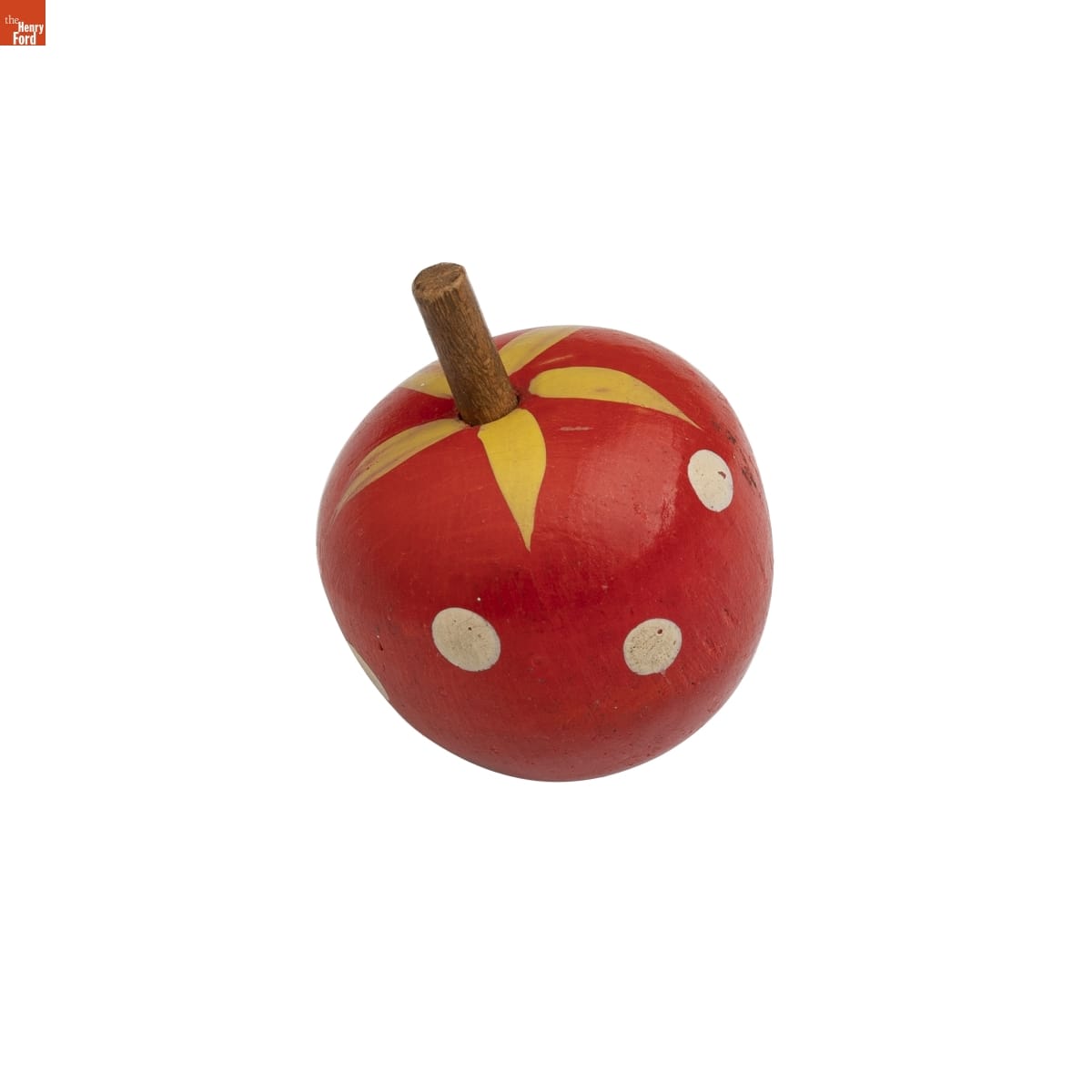
- 1950-1970
- Collections - Artifact
Strawberry Spinning Top, 1950-1970
- Toy Top, 1910-1930 -
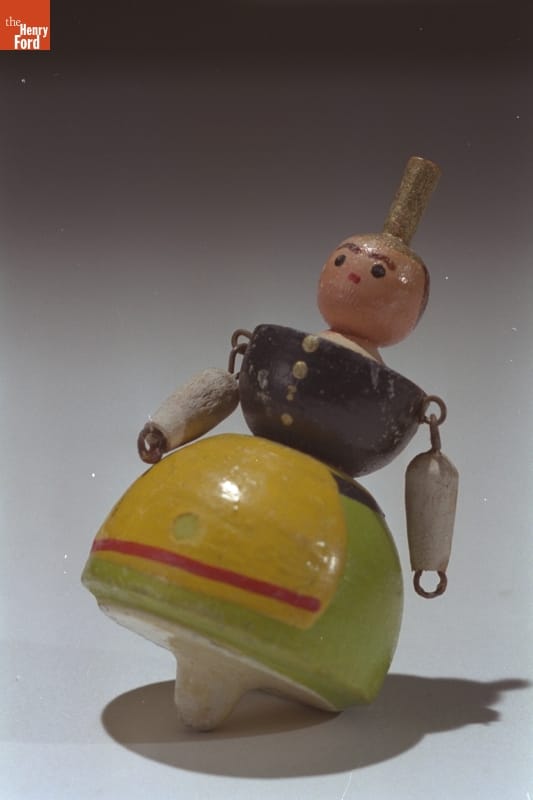
- 1910-1930
- Collections - Artifact
Toy Top, 1910-1930
- Boys Playing with Tops on Street, 1890-1915 - In 1890, Jenny Young Chandler, 25 years old and recently widowed, began working for the <EM>New York Herald</EM>. As a photojournalist and feature writer, Chandler captured life in Brooklyn, New York, and vicinity. By 1922, the time of her death, she had produced over 800 glass plate negatives. Her sensitive, insightful photographs depict people from all walks of life and the world in which they lived.
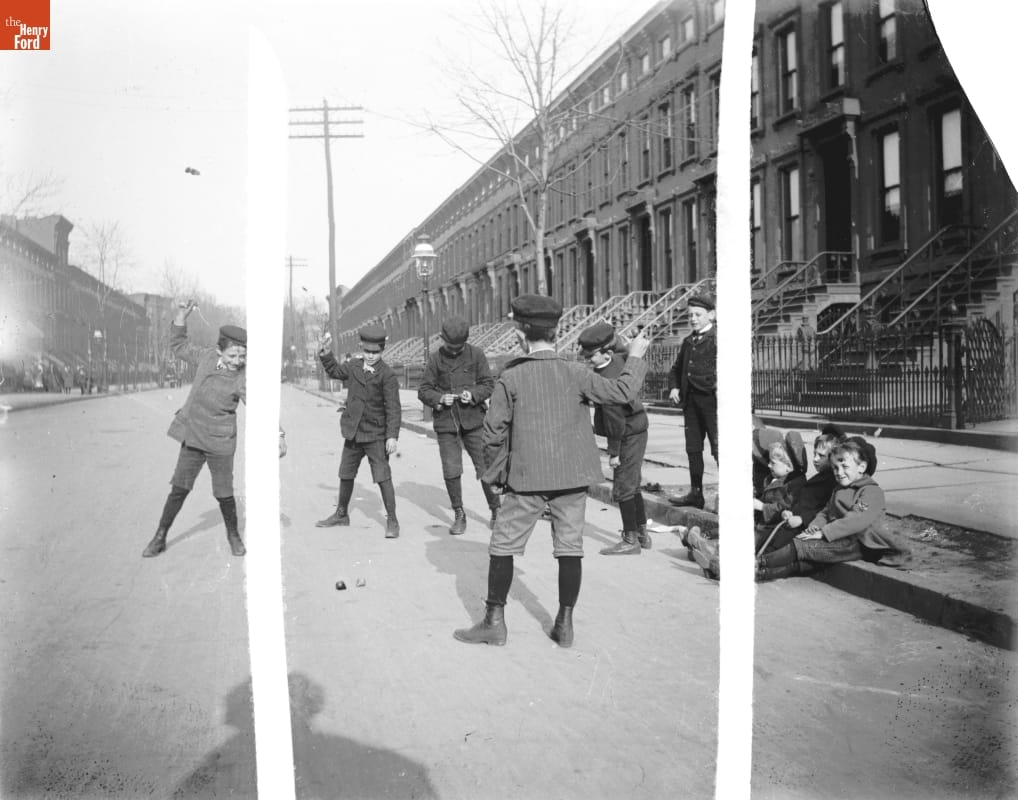
- 1890-1915
- Collections - Artifact
Boys Playing with Tops on Street, 1890-1915
In 1890, Jenny Young Chandler, 25 years old and recently widowed, began working for the New York Herald. As a photojournalist and feature writer, Chandler captured life in Brooklyn, New York, and vicinity. By 1922, the time of her death, she had produced over 800 glass plate negatives. Her sensitive, insightful photographs depict people from all walks of life and the world in which they lived.
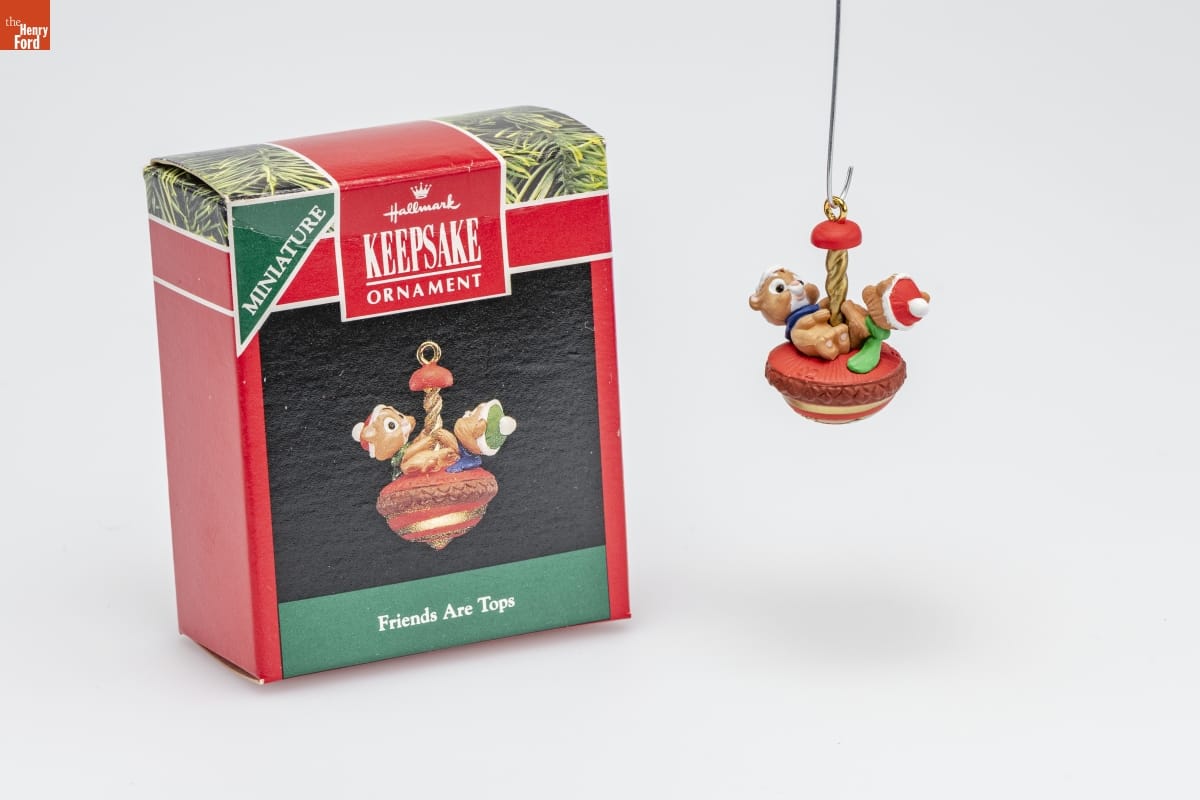
- Hallmark "Friends Are Tops" Miniature Christmas Ornament, 1992 - Already known for greeting cards, Hallmark introduced a line of Christmas ornaments in 1973. The company's annual release of an increasing array of ornaments revolutionized Christmas decorating, appealing to customers' interest in marking memories and milestones as well as expressing one's personality and unique tastes.
- 1992
- Collections - Artifact
Hallmark "Friends Are Tops" Miniature Christmas Ornament, 1992
Already known for greeting cards, Hallmark introduced a line of Christmas ornaments in 1973. The company's annual release of an increasing array of ornaments revolutionized Christmas decorating, appealing to customers' interest in marking memories and milestones as well as expressing one's personality and unique tastes.
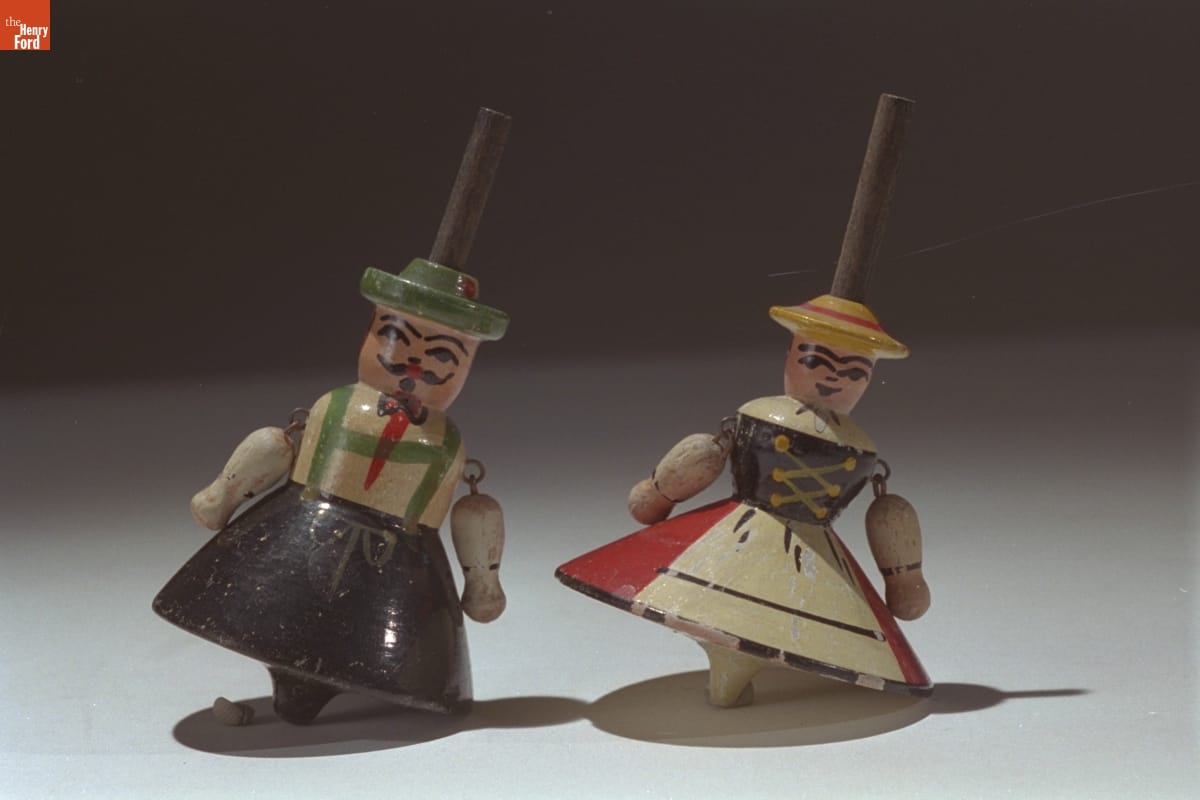
- Toy Top, 1910-1930 -
- 1910-1930
- Collections - Artifact
Toy Top, 1910-1930
- Toy Top, 1910-1930 -
- 1910-1930
- Collections - Artifact
Toy Top, 1910-1930
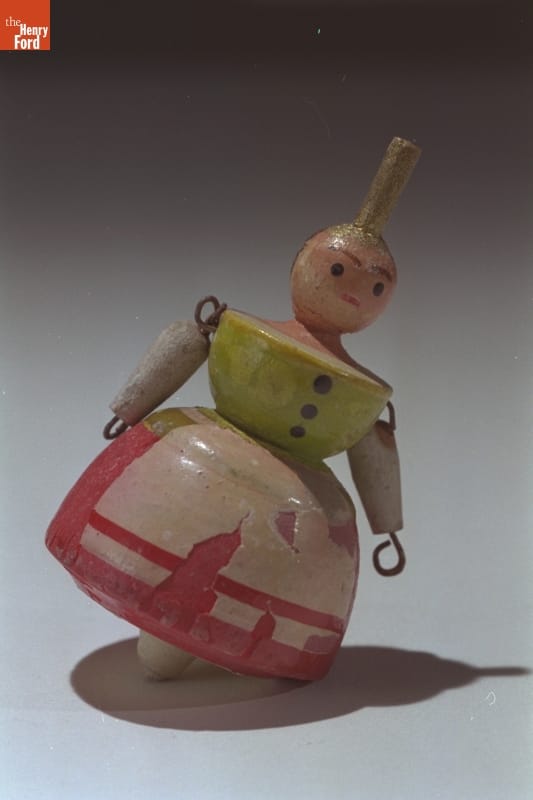
- Toy Top, 1910-1930 -
- 1910-1930
- Collections - Artifact
Toy Top, 1910-1930
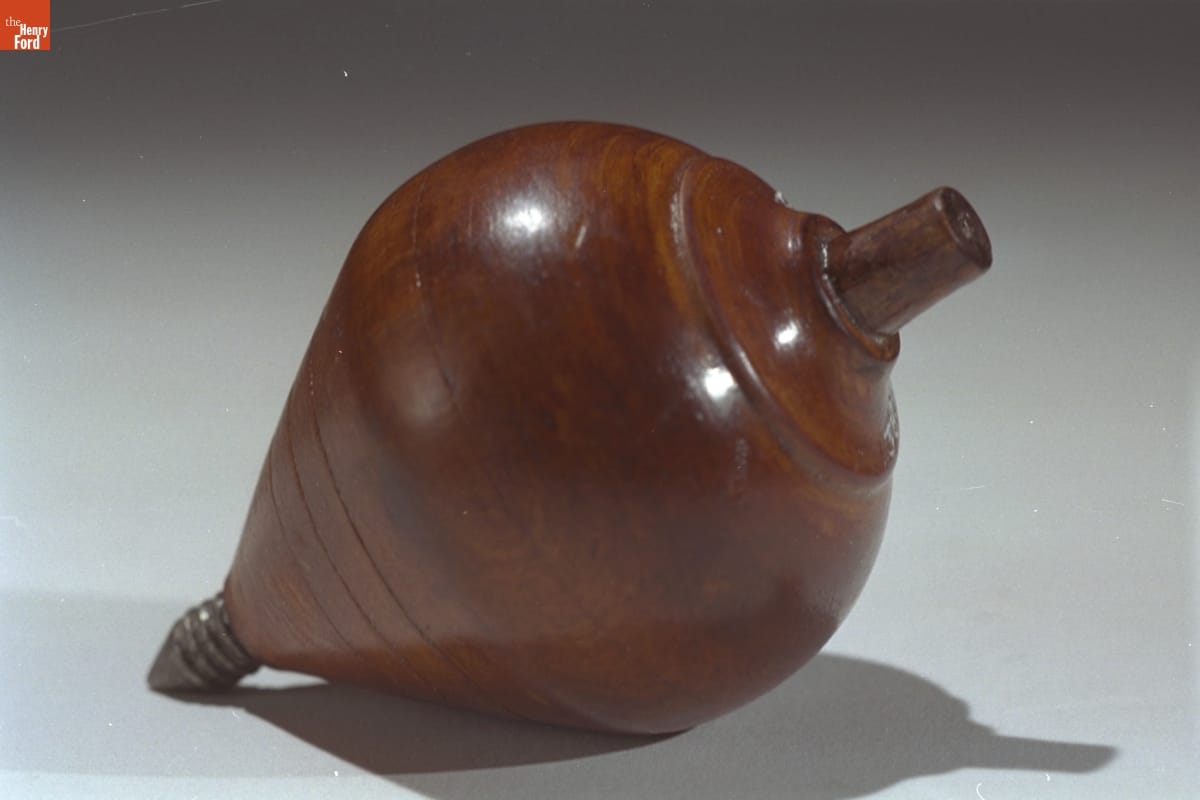
- Toy Top, 1870-1890 -
- 1870-1890
- Collections - Artifact
Toy Top, 1870-1890
- Toy Top, 1860-1880 -
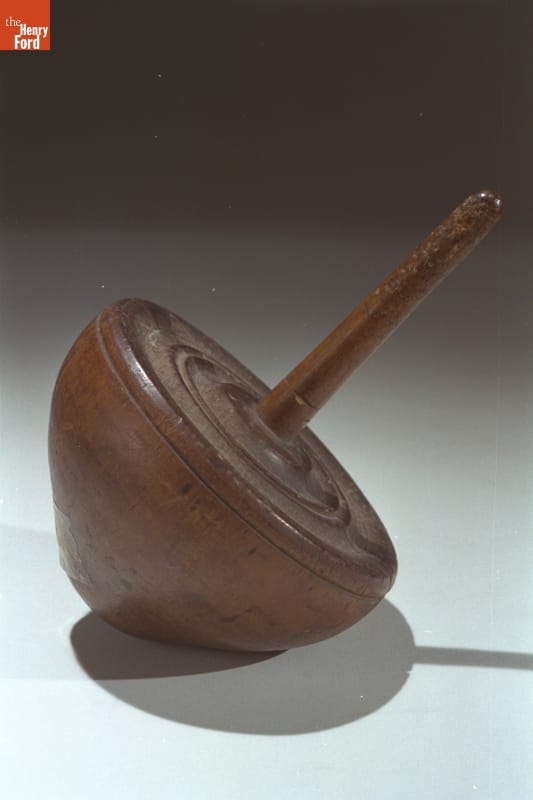
- 1860-1880
- Collections - Artifact
Toy Top, 1860-1880