
Search
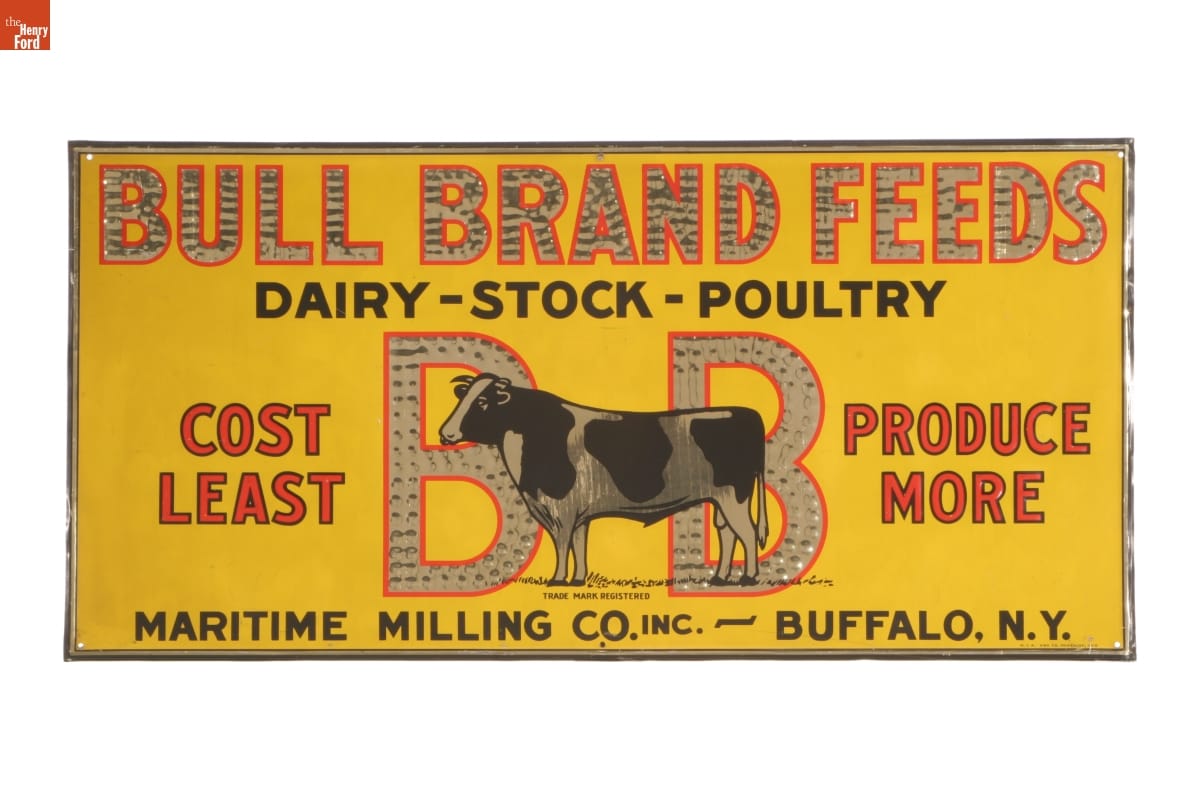
- Bull Brand Feeds Sign, circa 1935 -
- circa 1935
- Collections - Artifact
Bull Brand Feeds Sign, circa 1935
- Elevated Railroad at Cooper Union and 4th Avenue, New York, New York, circa 1900 - For nearly thirty years, 1895 to 1924, the Detroit Publishing Company was one of the major image publishers in the world. The company had a wide-ranging stock of original photographs, including many scenes from across North America. Here, trains run on an elevated railway above a commercial New York City street.

- circa 1900
- Collections - Artifact
Elevated Railroad at Cooper Union and 4th Avenue, New York, New York, circa 1900
For nearly thirty years, 1895 to 1924, the Detroit Publishing Company was one of the major image publishers in the world. The company had a wide-ranging stock of original photographs, including many scenes from across North America. Here, trains run on an elevated railway above a commercial New York City street.
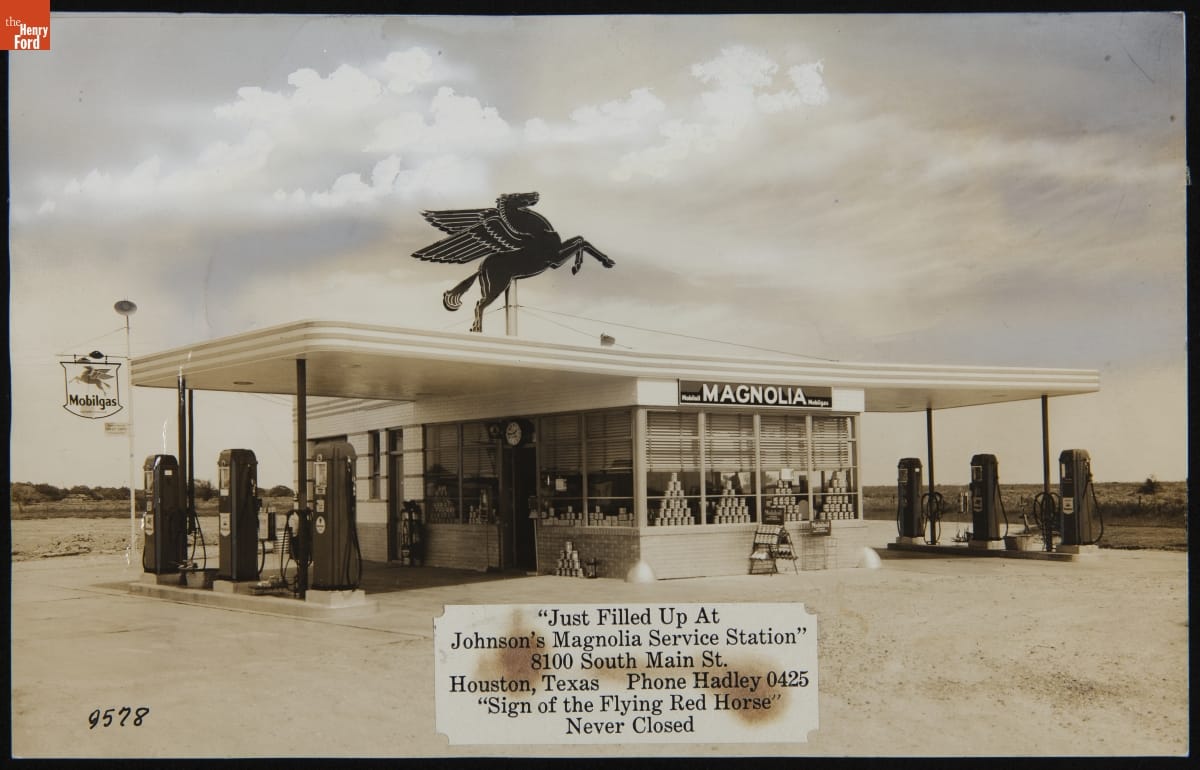
- Johnson's Magnolia Service Station, Houston, Texas, circa 1947 - Photographic cards like this one, with their glued-on labels, were a preliminary step taken by Dexter Press before producing postcards for small-business owners to mail or hand out. Mobil and its associated companies began using the "flying red horse" Pegasus logo system-wide in 1934. This Mobil-affiliated Magnolia service station featured the logo prominently.
- circa 1947
- Collections - Artifact
Johnson's Magnolia Service Station, Houston, Texas, circa 1947
Photographic cards like this one, with their glued-on labels, were a preliminary step taken by Dexter Press before producing postcards for small-business owners to mail or hand out. Mobil and its associated companies began using the "flying red horse" Pegasus logo system-wide in 1934. This Mobil-affiliated Magnolia service station featured the logo prominently.
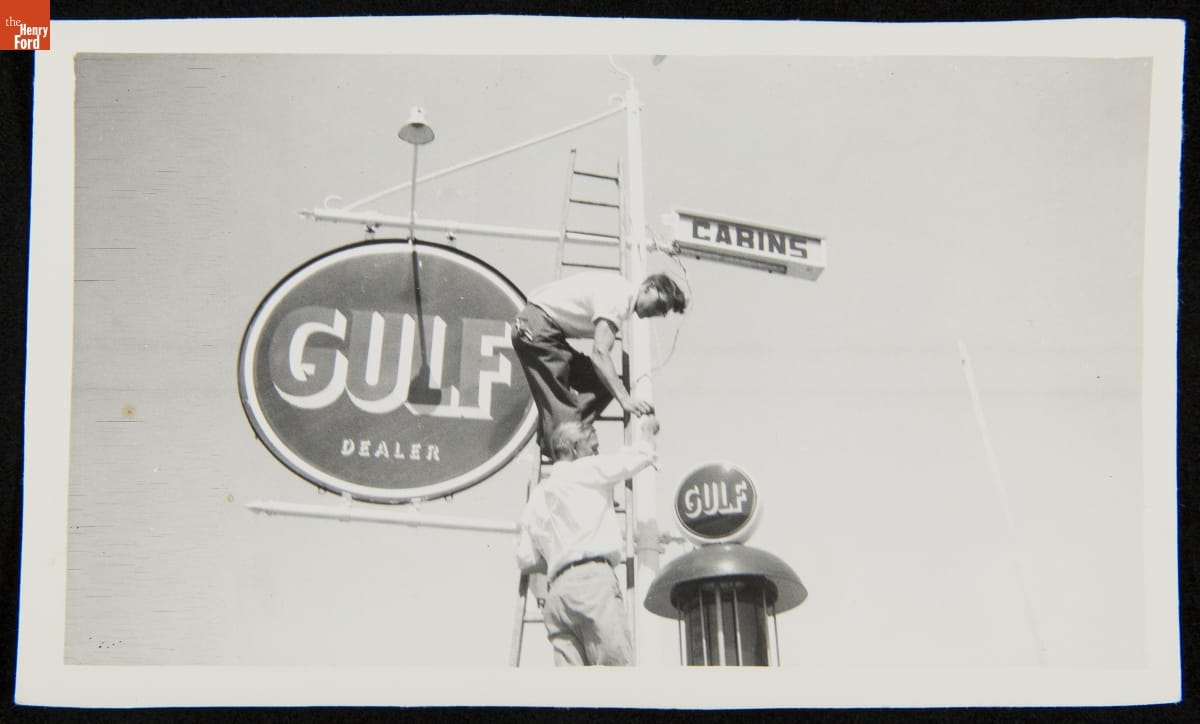
- Lore Mac Cabins, Motel and Gas Station Sign, Brooklyn, Michigan, circa 1945 - The Irish Hills area of Michigan, located about 50 miles southwest of Detroit, was a popular tourist destination in the mid-20th century. Easy access along U.S. Highway 12 encouraged motorists to visit the area's lakes, parks and other attractions. Roadside accommodations like the Lore Mac Cabins served overnight vacationers.
- circa 1945
- Collections - Artifact
Lore Mac Cabins, Motel and Gas Station Sign, Brooklyn, Michigan, circa 1945
The Irish Hills area of Michigan, located about 50 miles southwest of Detroit, was a popular tourist destination in the mid-20th century. Easy access along U.S. Highway 12 encouraged motorists to visit the area's lakes, parks and other attractions. Roadside accommodations like the Lore Mac Cabins served overnight vacationers.
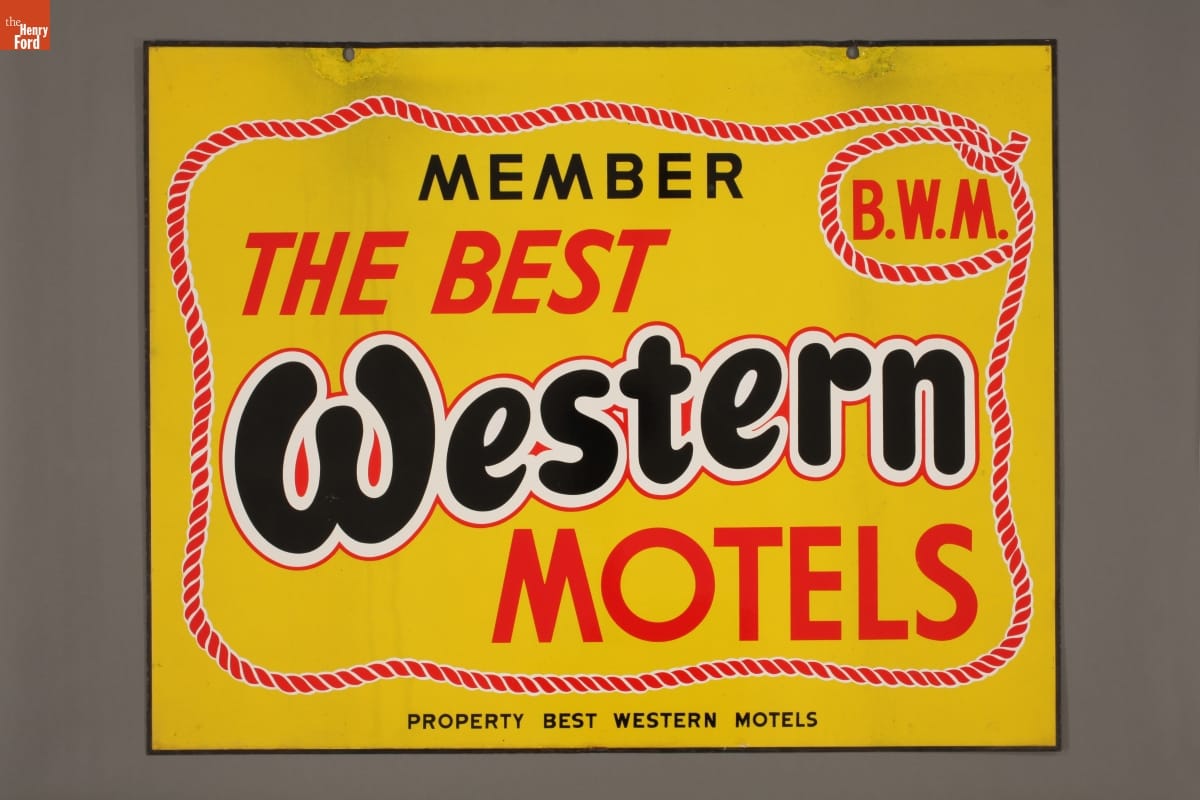
- Best Western Motel Sign, circa 1950 - The Best Western "chain" was created in 1946 by M.K. Guertin of Long Beach, California, who was inspired by the loosely organized motel associations and referral chains that cooperated in upgrades of their properties. But Best Western, run as an incorporated business, was much more successful. Best Western motels, to display a sign like this, abided by agreed-upon standards.
- circa 1950
- Collections - Artifact
Best Western Motel Sign, circa 1950
The Best Western "chain" was created in 1946 by M.K. Guertin of Long Beach, California, who was inspired by the loosely organized motel associations and referral chains that cooperated in upgrades of their properties. But Best Western, run as an incorporated business, was much more successful. Best Western motels, to display a sign like this, abided by agreed-upon standards.
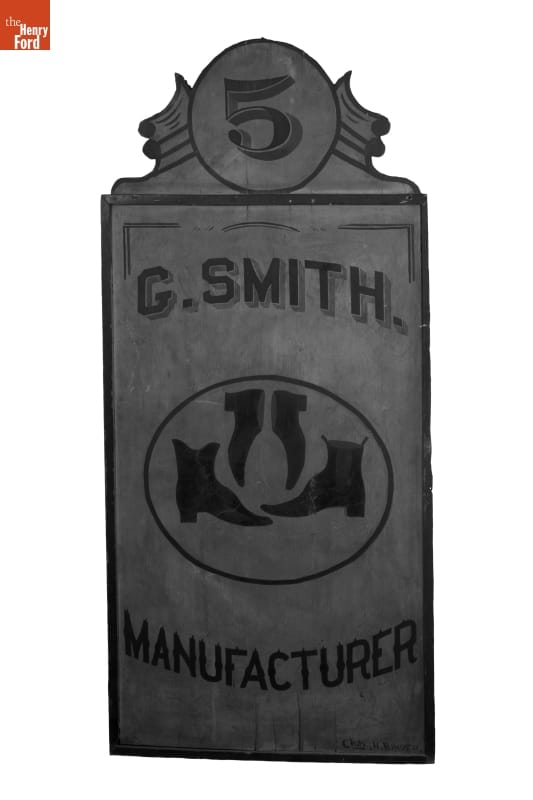
- Trade Sign, G. Smith Boot & Shoe Store, circa 1875 - The tradition of hand-painted shop signs dates back to colonial days in America. These colorful signs, usually painted on both sides, confirmed to customers that they had indeed reached their destination and enticed potential customers to stop in. The number "5" on this sign also indicates that, by this time, stores were required to post street addresses.
- circa 1875
- Collections - Artifact
Trade Sign, G. Smith Boot & Shoe Store, circa 1875
The tradition of hand-painted shop signs dates back to colonial days in America. These colorful signs, usually painted on both sides, confirmed to customers that they had indeed reached their destination and enticed potential customers to stop in. The number "5" on this sign also indicates that, by this time, stores were required to post street addresses.