
Search
- Transoceanic Voice Cables, circa 1956 - The opening of the TAT-1 (Transatlantic No. 1) cable in 1956 made it possible to place long-distance telephone calls across the Atlantic Ocean. Until this cable was installed, voice transmission over long distances occurred through an unreliable and expensive radio relay system. The TAT-1 responded to an increased demand for instant communication, establishing the first accessible international telephone service.
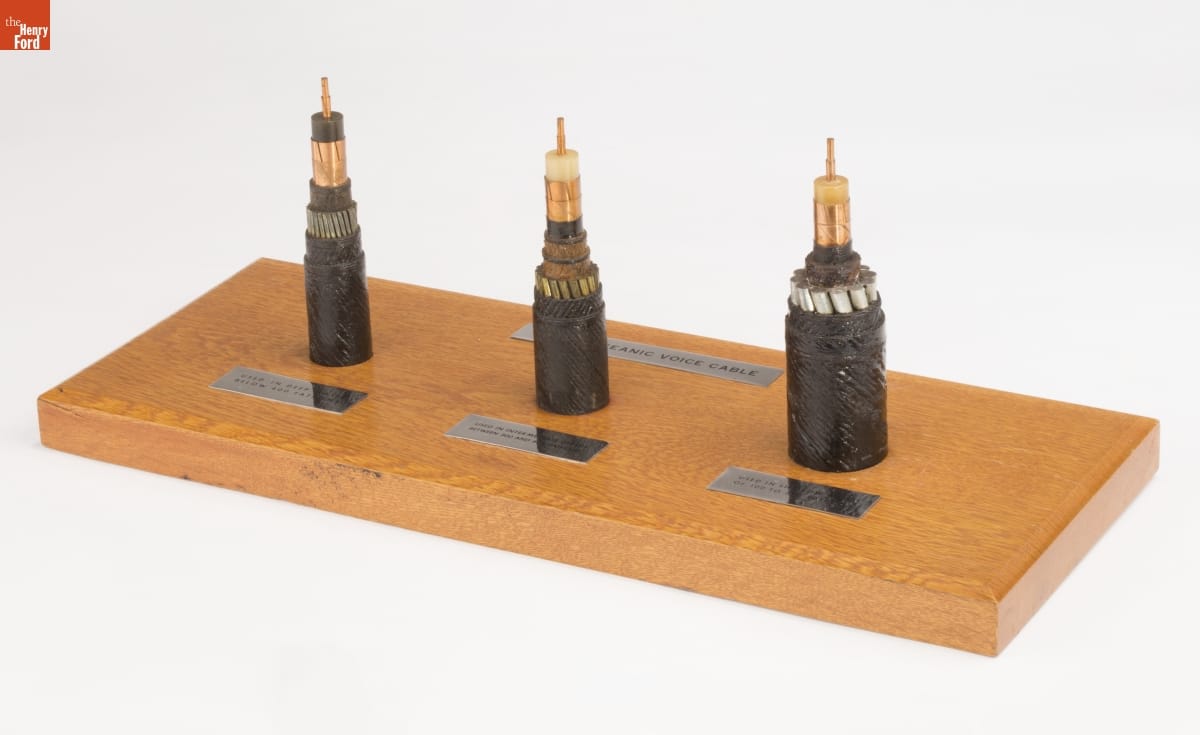
- circa 1956
- Collections - Artifact
Transoceanic Voice Cables, circa 1956
The opening of the TAT-1 (Transatlantic No. 1) cable in 1956 made it possible to place long-distance telephone calls across the Atlantic Ocean. Until this cable was installed, voice transmission over long distances occurred through an unreliable and expensive radio relay system. The TAT-1 responded to an increased demand for instant communication, establishing the first accessible international telephone service.
- Section of the Second Transatlantic Cable, 1865-1866 - Celebrations surrounding the installation of the 1858 transatlantic telegraph cable were short-lived. Three weeks after it was laid, it succeeded, faltered--and then failed. In 1866, a second cable was installed by the SS <EM>Great Eastern</EM>. This cable was more durable and able to send messages eighty times faster than the original.
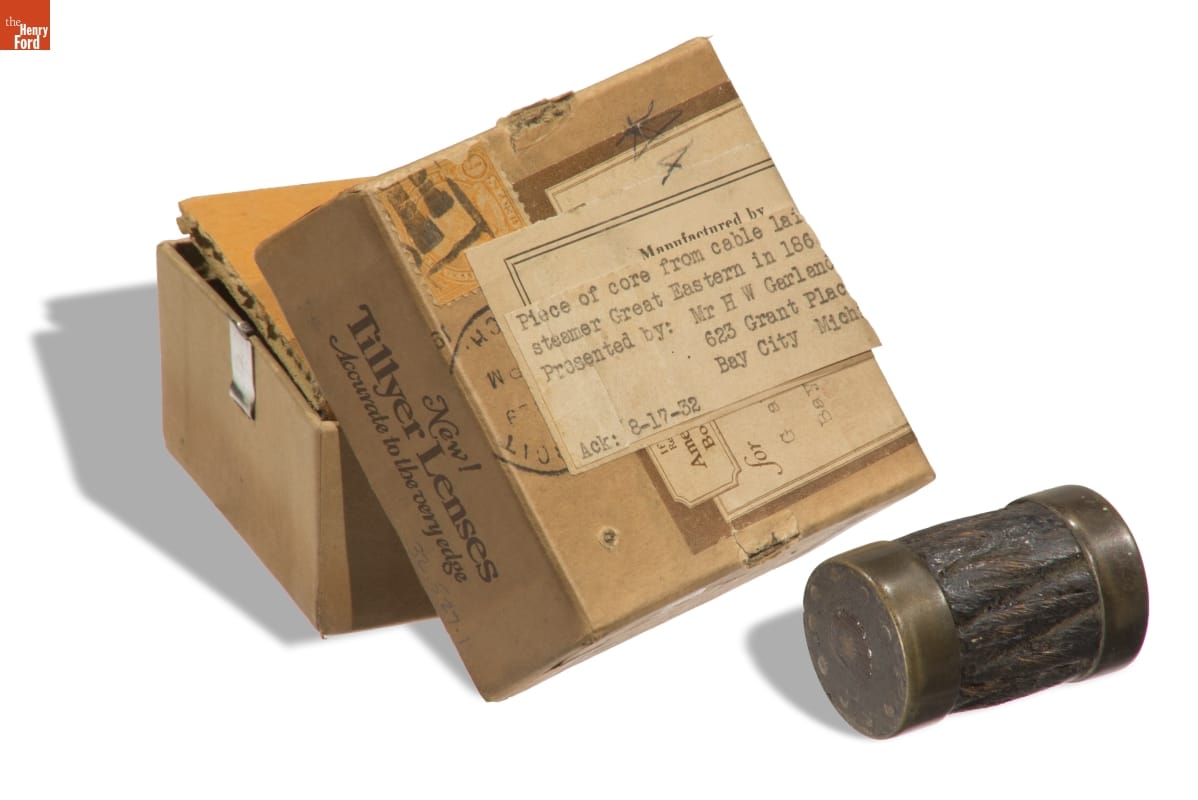
- 1865-1866
- Collections - Artifact
Section of the Second Transatlantic Cable, 1865-1866
Celebrations surrounding the installation of the 1858 transatlantic telegraph cable were short-lived. Three weeks after it was laid, it succeeded, faltered--and then failed. In 1866, a second cable was installed by the SS Great Eastern. This cable was more durable and able to send messages eighty times faster than the original.
- Galvanometer Used to Receive Queen Victoria's Message to President James Buchanan Over the First Transatlantic Cable, 1858 - A galvanometer is an instrument that detects and measures electric current. On August 16, 1858, this device was used by President James Buchanan to receive the first public message sent across the transatlantic cable. The message was sent by Queen Victoria to celebrate "a link between nations." It was 98 words long--and took 16.5 hours to transmit.
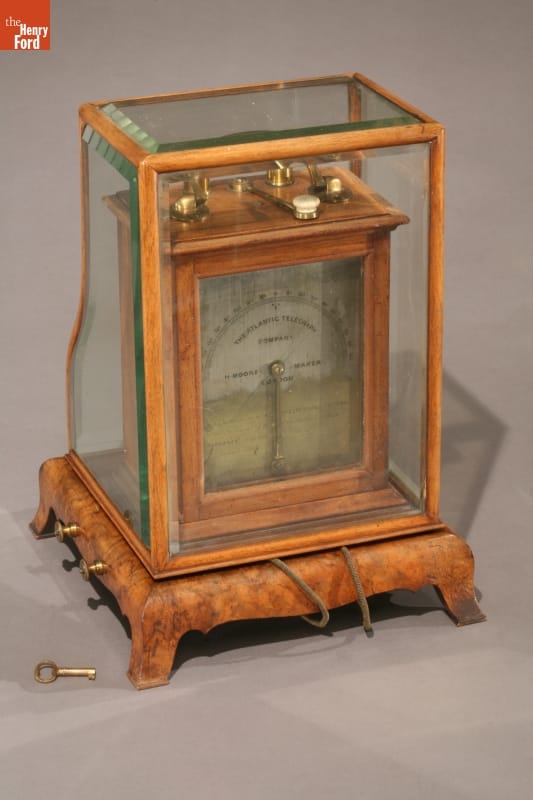
- August 16, 1858
- Collections - Artifact
Galvanometer Used to Receive Queen Victoria's Message to President James Buchanan Over the First Transatlantic Cable, 1858
A galvanometer is an instrument that detects and measures electric current. On August 16, 1858, this device was used by President James Buchanan to receive the first public message sent across the transatlantic cable. The message was sent by Queen Victoria to celebrate "a link between nations." It was 98 words long--and took 16.5 hours to transmit.
- Machine Used to Strand Transatlantic Cable, 1860-1865 - Laying telegraph cable across the Atlantic Ocean in the 1860s was a huge undertaking. This massive cable stranding machine was used in Greenwich, England, to wind together the different elements of the cable: iron for strength, copper for conductivity, gutta-percha rubber for insulation, and tarred hemp for durability. Following several failed attempts, the heavy, flexible cable was laid successfully by the SS <EM>Great Eastern</EM> in 1866.
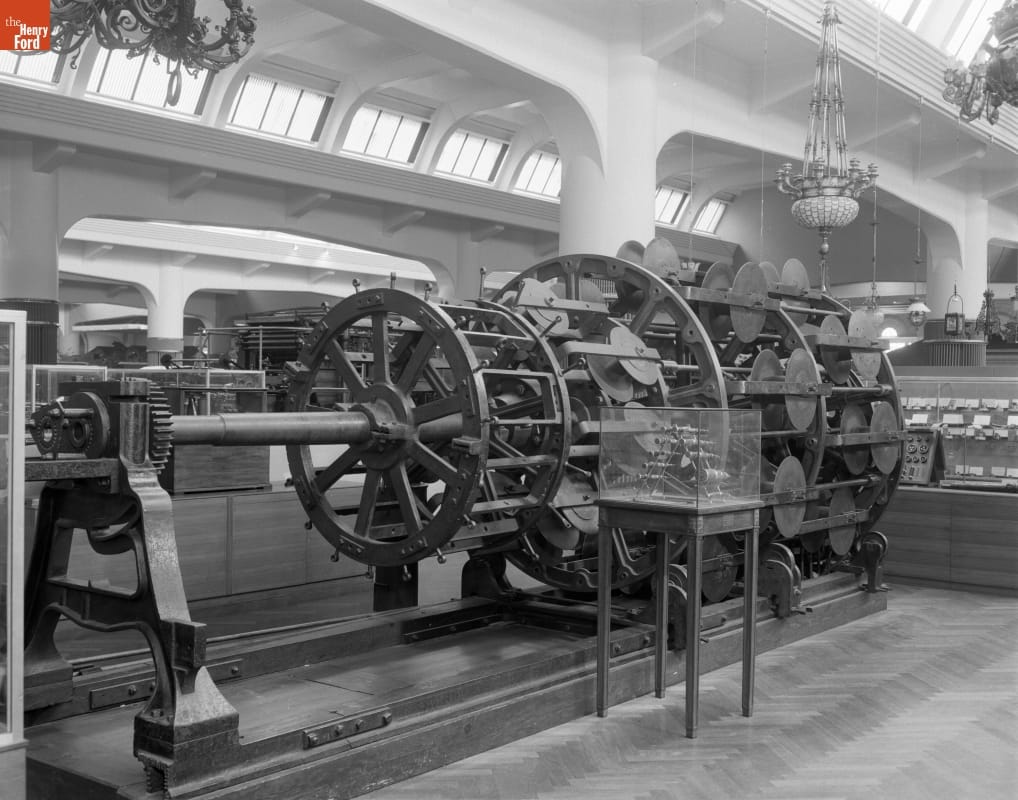
- 1860-1865
- Collections - Artifact
Machine Used to Strand Transatlantic Cable, 1860-1865
Laying telegraph cable across the Atlantic Ocean in the 1860s was a huge undertaking. This massive cable stranding machine was used in Greenwich, England, to wind together the different elements of the cable: iron for strength, copper for conductivity, gutta-percha rubber for insulation, and tarred hemp for durability. Following several failed attempts, the heavy, flexible cable was laid successfully by the SS Great Eastern in 1866.
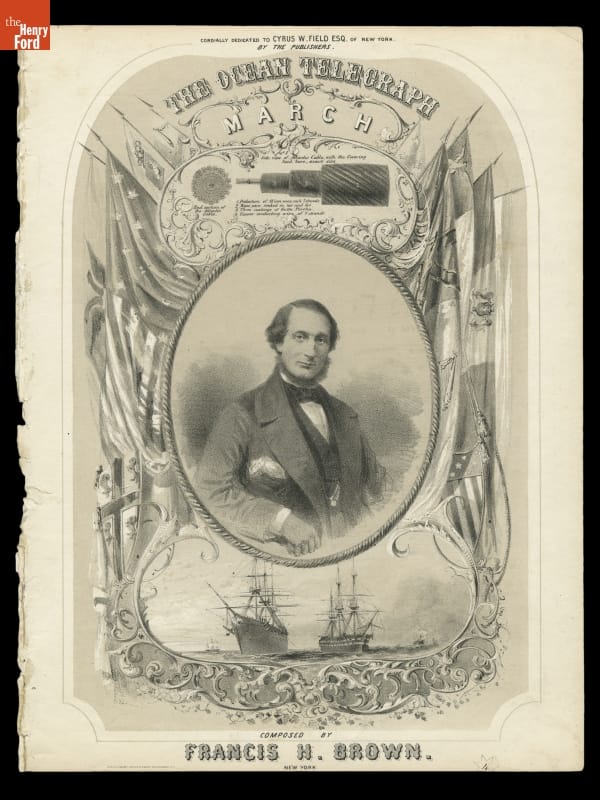
- Music Sheet, "Ocean Telegraph March," 1858 - This sheet music celebrates the first transatlantic cable. The ships depicted are the USS <em>Niagara</em> and HMS <em>Agamemnon</em>. These vessels met in the middle of the Atlantic Ocean, spliced their cable payloads together, and set off to separate shores in Ireland and Canada. The man at center is likely Cyrus W. Field, financier of the first and second transatlantic cables.
- 1858
- Collections - Artifact
Music Sheet, "Ocean Telegraph March," 1858
This sheet music celebrates the first transatlantic cable. The ships depicted are the USS Niagara and HMS Agamemnon. These vessels met in the middle of the Atlantic Ocean, spliced their cable payloads together, and set off to separate shores in Ireland and Canada. The man at center is likely Cyrus W. Field, financier of the first and second transatlantic cables.
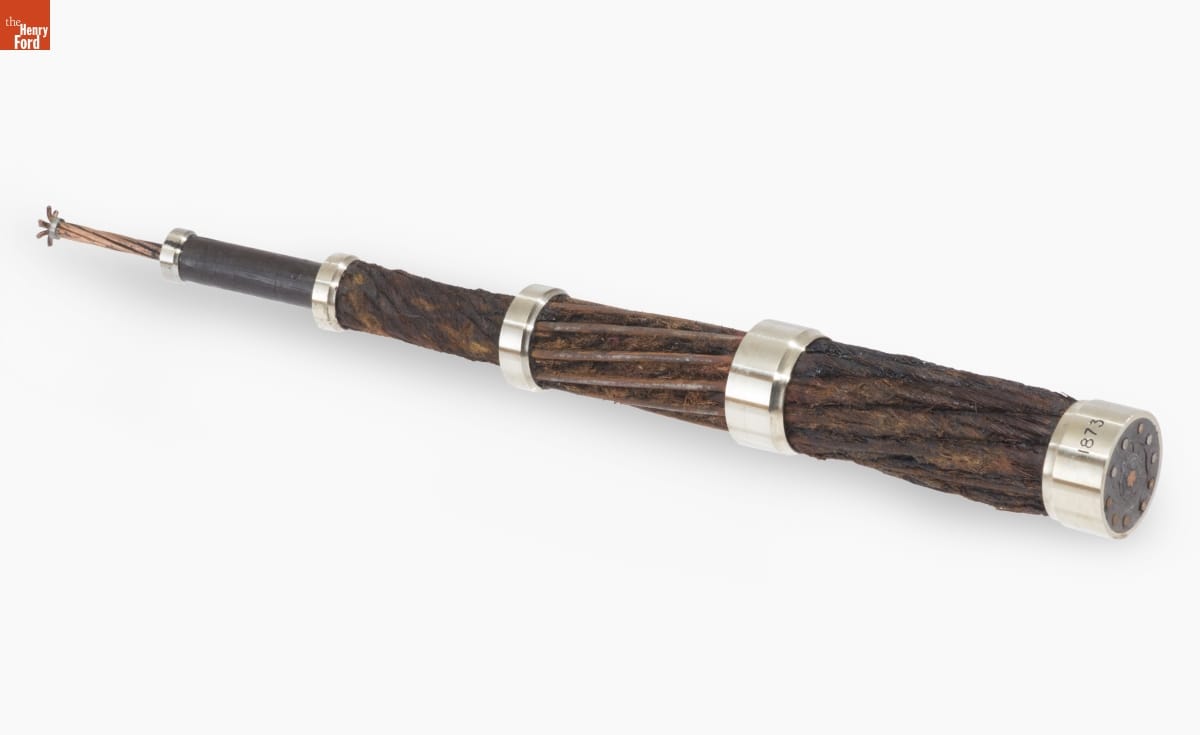
- Transatlantic Cable, 1873 - This cable is part of a display of transatlantic telegraph cables dating from 1858-1928. This cable section was part of a system laid from Heart's Content, Newfoundland, Canada to Valencia, Ireland in 1873.
- 1873
- Collections - Artifact
Transatlantic Cable, 1873
This cable is part of a display of transatlantic telegraph cables dating from 1858-1928. This cable section was part of a system laid from Heart's Content, Newfoundland, Canada to Valencia, Ireland in 1873.
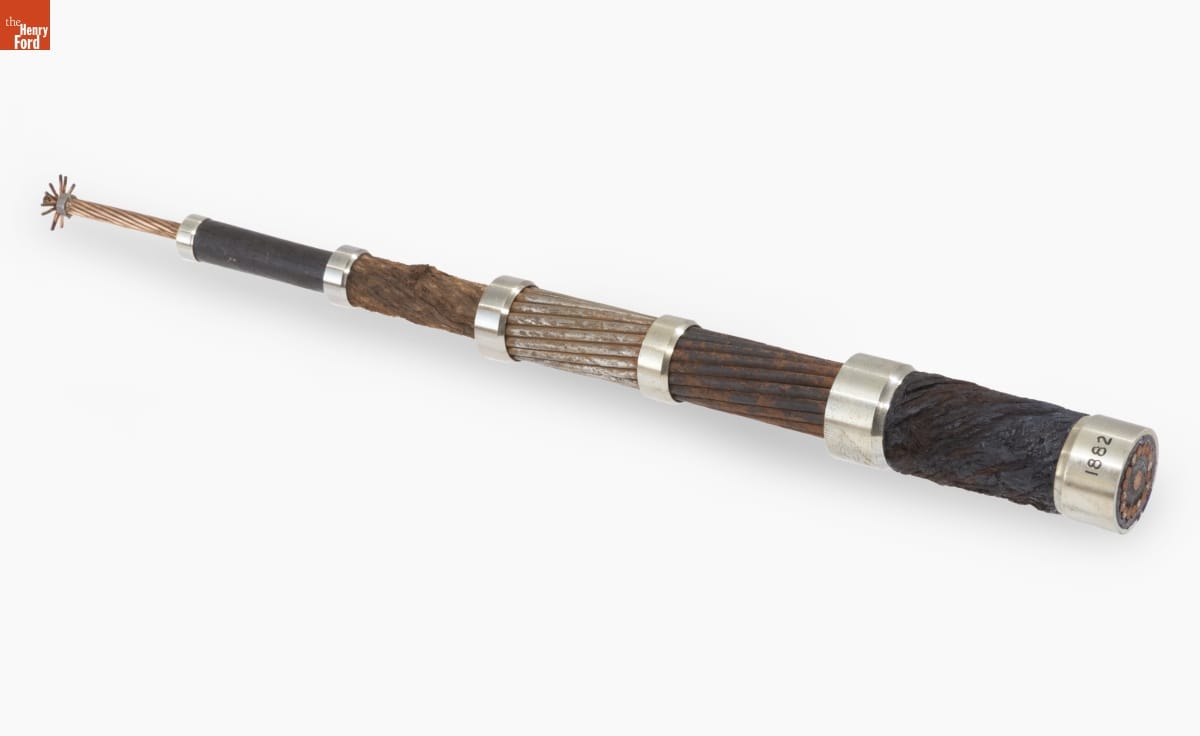
- Transatlantic Cable, 1882 - This cable is part of a display of transatlantic telegraph cables dating from 1858-1928. This cable section was part of a system laid from Sennen Cove, England and Canso, Nova Scotia, Canada in 1882.
- 1882
- Collections - Artifact
Transatlantic Cable, 1882
This cable is part of a display of transatlantic telegraph cables dating from 1858-1928. This cable section was part of a system laid from Sennen Cove, England and Canso, Nova Scotia, Canada in 1882.
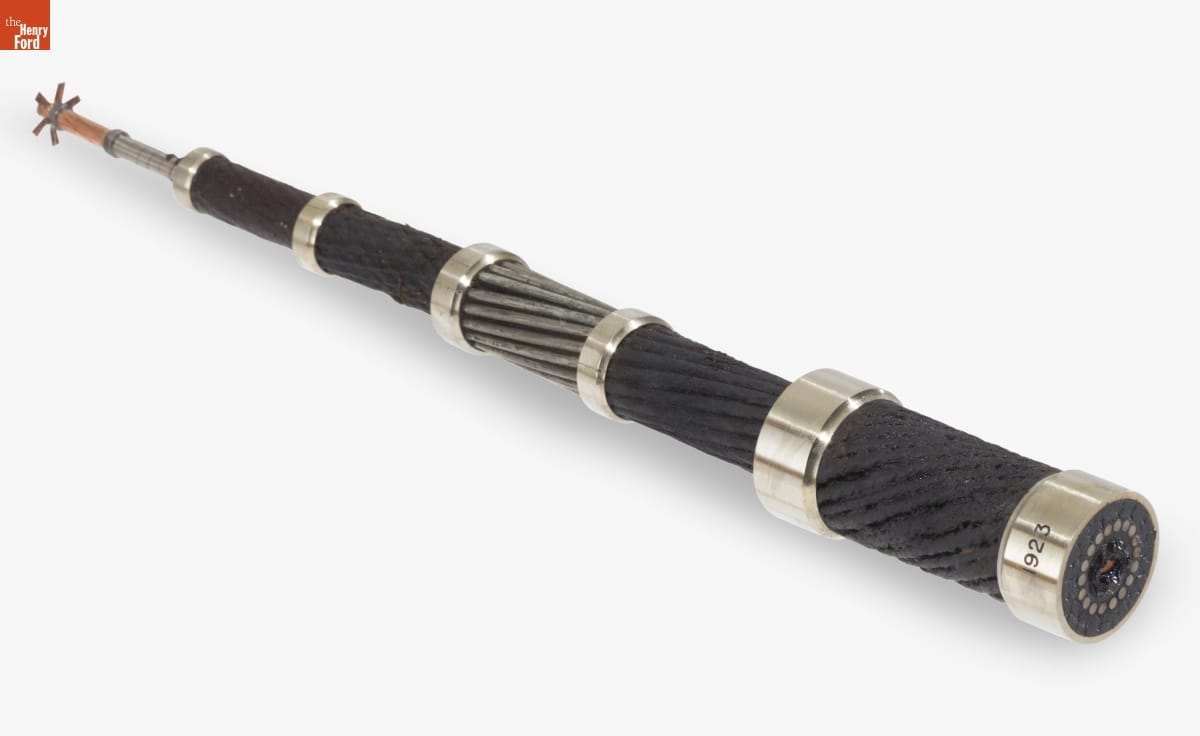
- Transatlantic Cable, 1923 - This cable is part of a display of transatlantic telegraph cables dating from 1858-1928. This cable section was part of a system laid from Valentia, Ireland to Sennen Cove, England in 1923.
- 1923
- Collections - Artifact
Transatlantic Cable, 1923
This cable is part of a display of transatlantic telegraph cables dating from 1858-1928. This cable section was part of a system laid from Valentia, Ireland to Sennen Cove, England in 1923.
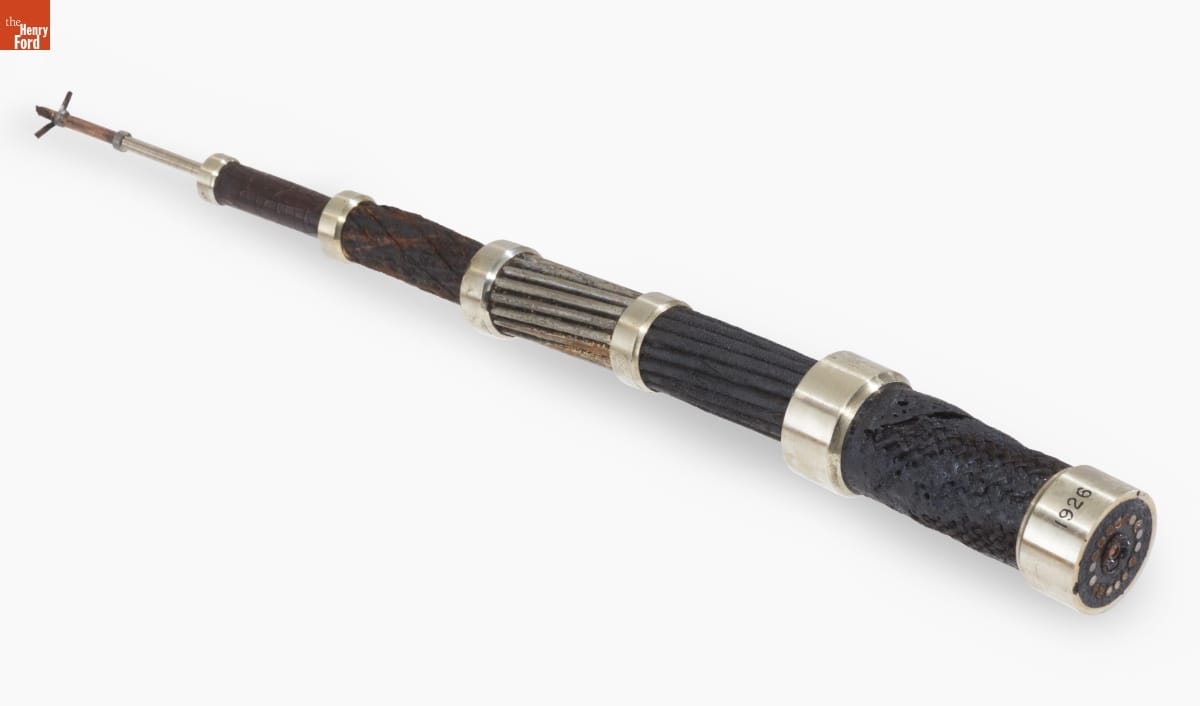
- Transatlantic Cable, 1926 - This cable is part of a display of transatlantic telegraph cables dating from 1858-1928. This cable section was part of a system laid from Sennen Cove, England, to Bay Roberts, Newfoundland, in Canada in 1926.
- 1926
- Collections - Artifact
Transatlantic Cable, 1926
This cable is part of a display of transatlantic telegraph cables dating from 1858-1928. This cable section was part of a system laid from Sennen Cove, England, to Bay Roberts, Newfoundland, in Canada in 1926.
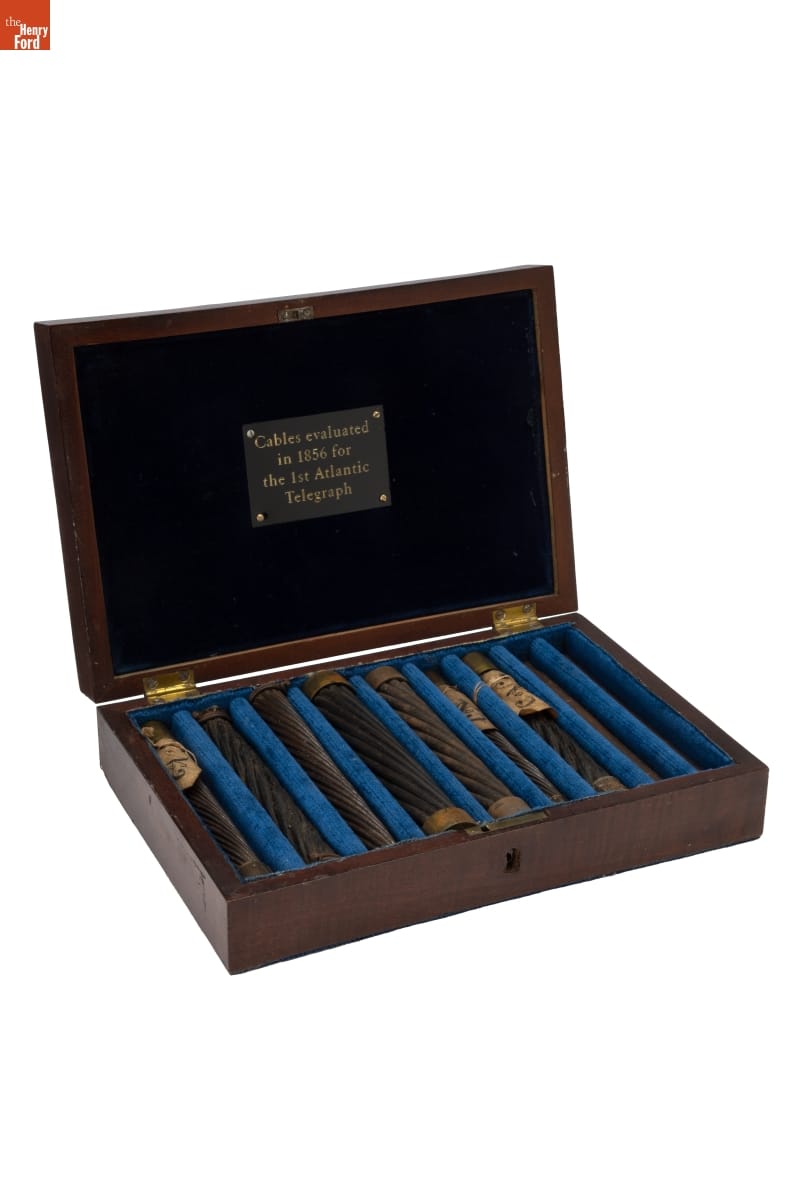
- Case Containing Sample Cables Evaluated for the First Transatlantic Telegraph, circa 1856 - This presentation case contains samples of the first transatlantic submarine communication cable of 1858. The staff of Glass, Elliot and Company possibly used these samples to demonstrate and evaluate the materials that allowed the wires to function. The company produced 1250 miles of cable for the first transatlantic cable, establishing international, near-instant, same-day communication and information sharing.
- circa 1856
- Collections - Artifact
Case Containing Sample Cables Evaluated for the First Transatlantic Telegraph, circa 1856
This presentation case contains samples of the first transatlantic submarine communication cable of 1858. The staff of Glass, Elliot and Company possibly used these samples to demonstrate and evaluate the materials that allowed the wires to function. The company produced 1250 miles of cable for the first transatlantic cable, establishing international, near-instant, same-day communication and information sharing.