
Search
- Heathkit Portable AM Transistor Radio, Model XR-2P, circa 1962 - The Heath Company was founded in the 1920s as a "do-it-yourself" electronics kit provider. "Heathkits" provided simple, accessible instructions understandable to amateurs and experts alike. As hobbyists built radios, televisions, and computers from scratch, they gained electronics skills. These kits were not novelties, but emphasized access to affordable, advanced, high-performance technology. Parallels can easily be seen within present-day "Maker" culture.
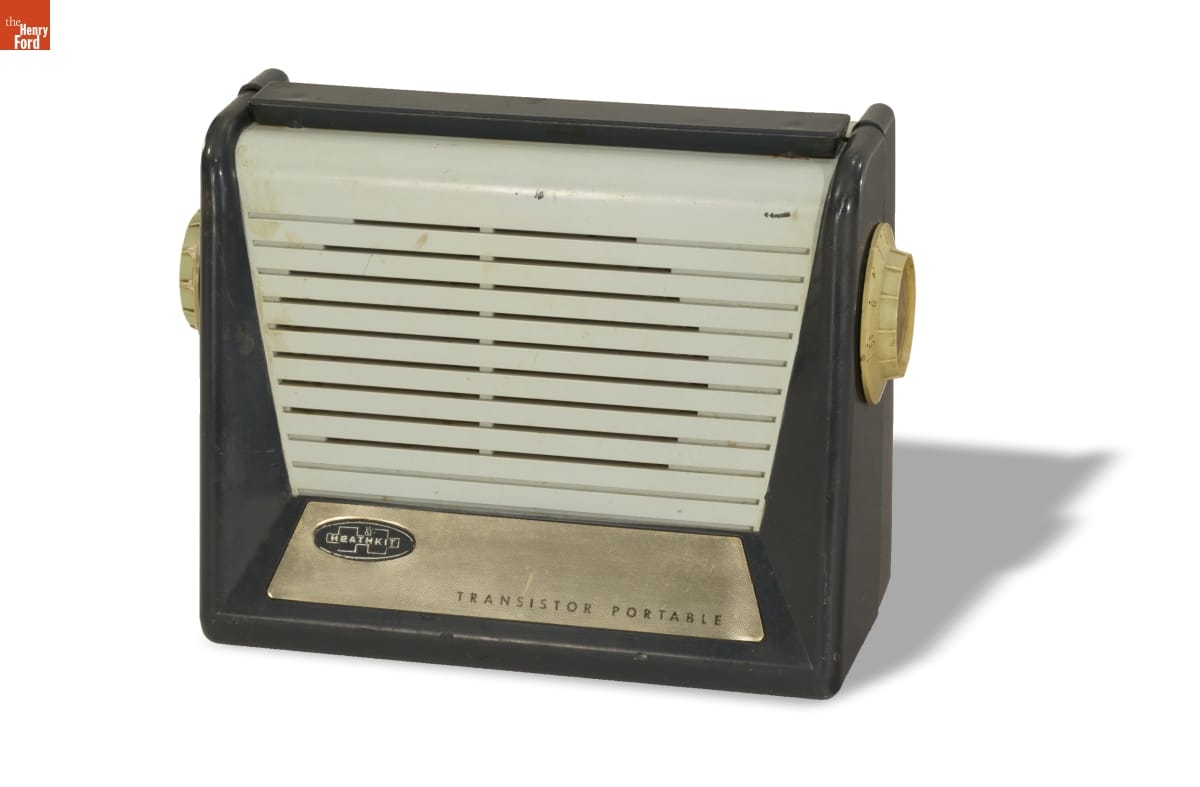
- circa 1962
- Collections - Artifact
Heathkit Portable AM Transistor Radio, Model XR-2P, circa 1962
The Heath Company was founded in the 1920s as a "do-it-yourself" electronics kit provider. "Heathkits" provided simple, accessible instructions understandable to amateurs and experts alike. As hobbyists built radios, televisions, and computers from scratch, they gained electronics skills. These kits were not novelties, but emphasized access to affordable, advanced, high-performance technology. Parallels can easily be seen within present-day "Maker" culture.
- Zenith "My Radio" Pendant Transistor Radio, circa 1970 - The size of radios shrank following the advent of transistor technology. Even the smallest vacuum tubes were bulky, and their power consumption ensured the need for large batteries. Transistor radios made of lightweight plastics were cheap and truly portable. With the addition of an earphone a radio such as this allowed the listener to enjoy a completely personal listening experience.
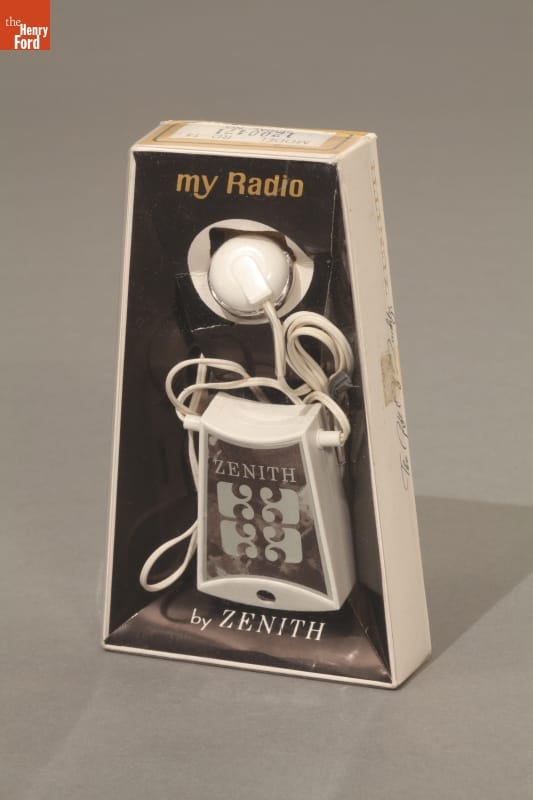
- circa 1970
- Collections - Artifact
Zenith "My Radio" Pendant Transistor Radio, circa 1970
The size of radios shrank following the advent of transistor technology. Even the smallest vacuum tubes were bulky, and their power consumption ensured the need for large batteries. Transistor radios made of lightweight plastics were cheap and truly portable. With the addition of an earphone a radio such as this allowed the listener to enjoy a completely personal listening experience.
- Zenith Royal 555 Sun Charger Transistor Radio, 1965 - This radio was made portable thanks to the miniaturizing effect of transistors. The forward-thinking design of the Sun Charger radio also used rechargeable NiCad batteries, which drew their power from solar energy filtered through its "miracle sunray handle." Zenith was a key client of Mel Boldt and Associates, designers of this device.
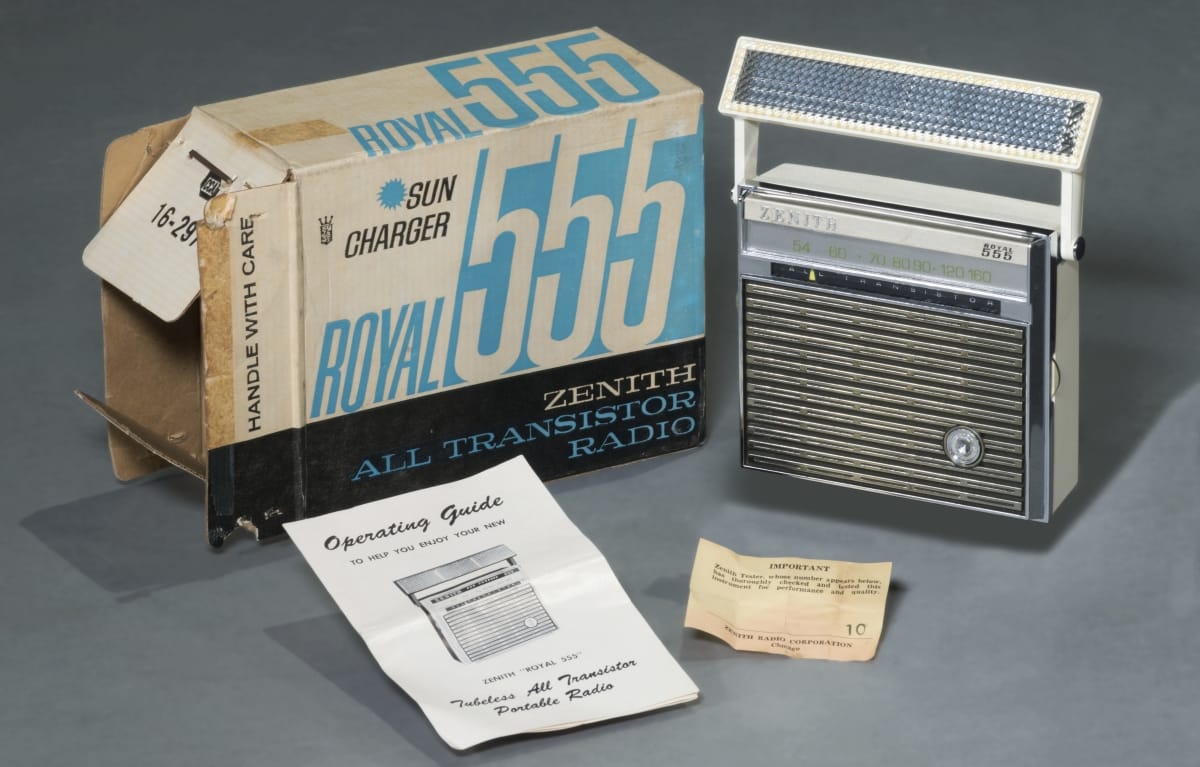
- 1965
- Collections - Artifact
Zenith Royal 555 Sun Charger Transistor Radio, 1965
This radio was made portable thanks to the miniaturizing effect of transistors. The forward-thinking design of the Sun Charger radio also used rechargeable NiCad batteries, which drew their power from solar energy filtered through its "miracle sunray handle." Zenith was a key client of Mel Boldt and Associates, designers of this device.
- Heathkit Transistor Radio, Model XR-1P, circa 1958 - The Heath Company was founded in the 1920s as a "do-it-yourself" electronics kit provider. "Heathkits" provided simple, accessible instructions understandable to amateurs and experts alike. As hobbyists built radios, televisions, and computers from scratch, they gained electronics skills. These kits were not novelties, but emphasized access to affordable, advanced, high-performance technology. Parallels can easily be seen within present-day "Maker" culture.
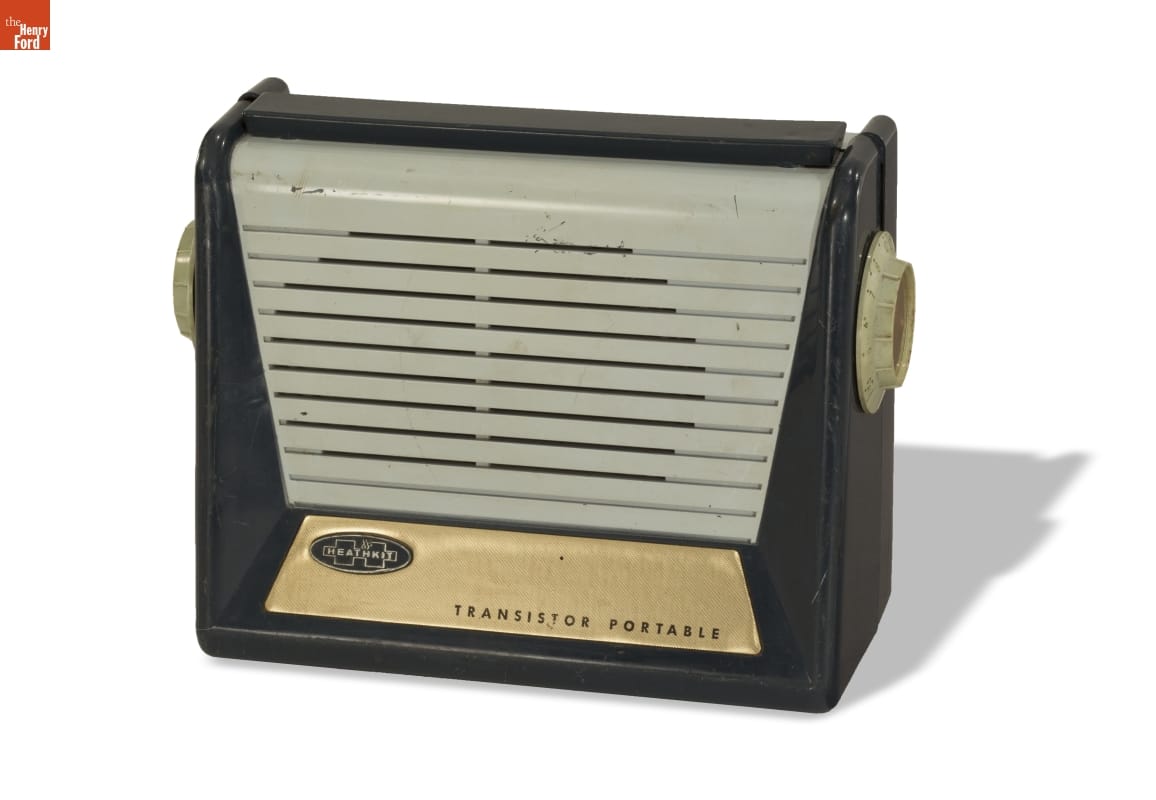
- circa 1958
- Collections - Artifact
Heathkit Transistor Radio, Model XR-1P, circa 1958
The Heath Company was founded in the 1920s as a "do-it-yourself" electronics kit provider. "Heathkits" provided simple, accessible instructions understandable to amateurs and experts alike. As hobbyists built radios, televisions, and computers from scratch, they gained electronics skills. These kits were not novelties, but emphasized access to affordable, advanced, high-performance technology. Parallels can easily be seen within present-day "Maker" culture.
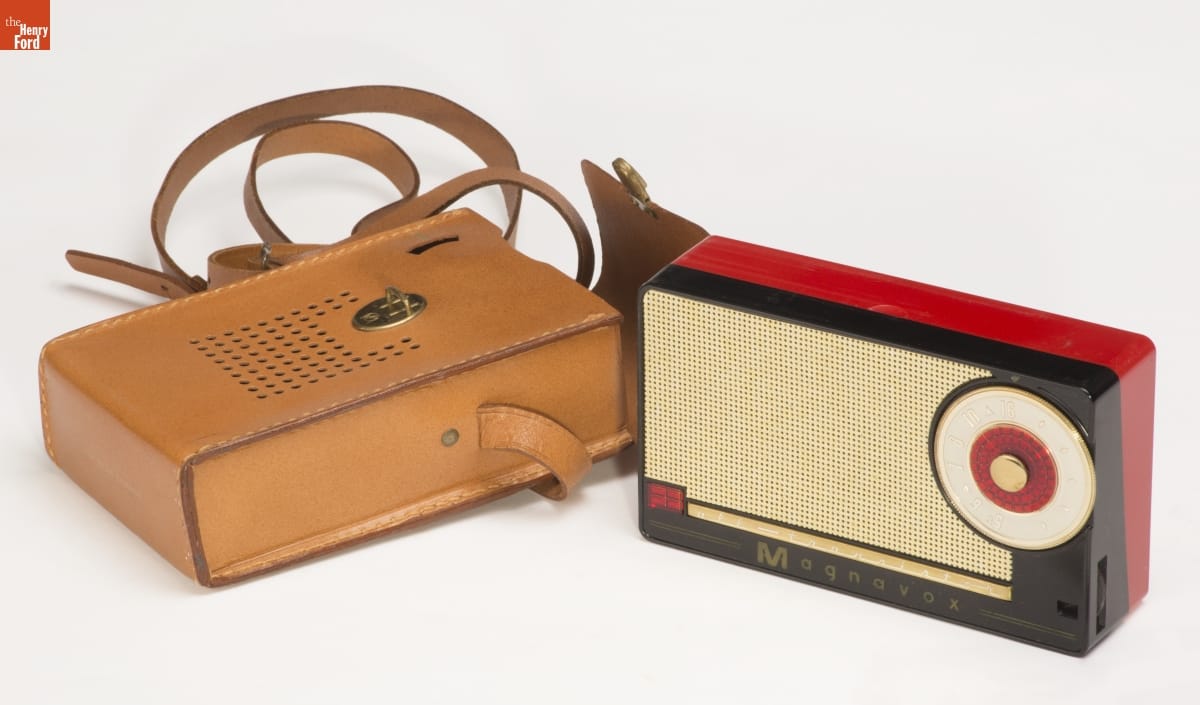
- Magnavox Transistor Radio, Model AM-2, 1956 - The size of radios shrank following the advent of transistor technology. Even the smallest vacuum tubes were bulky, and their power consumption ensured the need for large batteries. Transistor radios made of lightweight plastics were cheap and truly portable. With the addition of an earphone a radio such as this allowed the listener to enjoy a completely personal listening experience.
- 1956
- Collections - Artifact
Magnavox Transistor Radio, Model AM-2, 1956
The size of radios shrank following the advent of transistor technology. Even the smallest vacuum tubes were bulky, and their power consumption ensured the need for large batteries. Transistor radios made of lightweight plastics were cheap and truly portable. With the addition of an earphone a radio such as this allowed the listener to enjoy a completely personal listening experience.
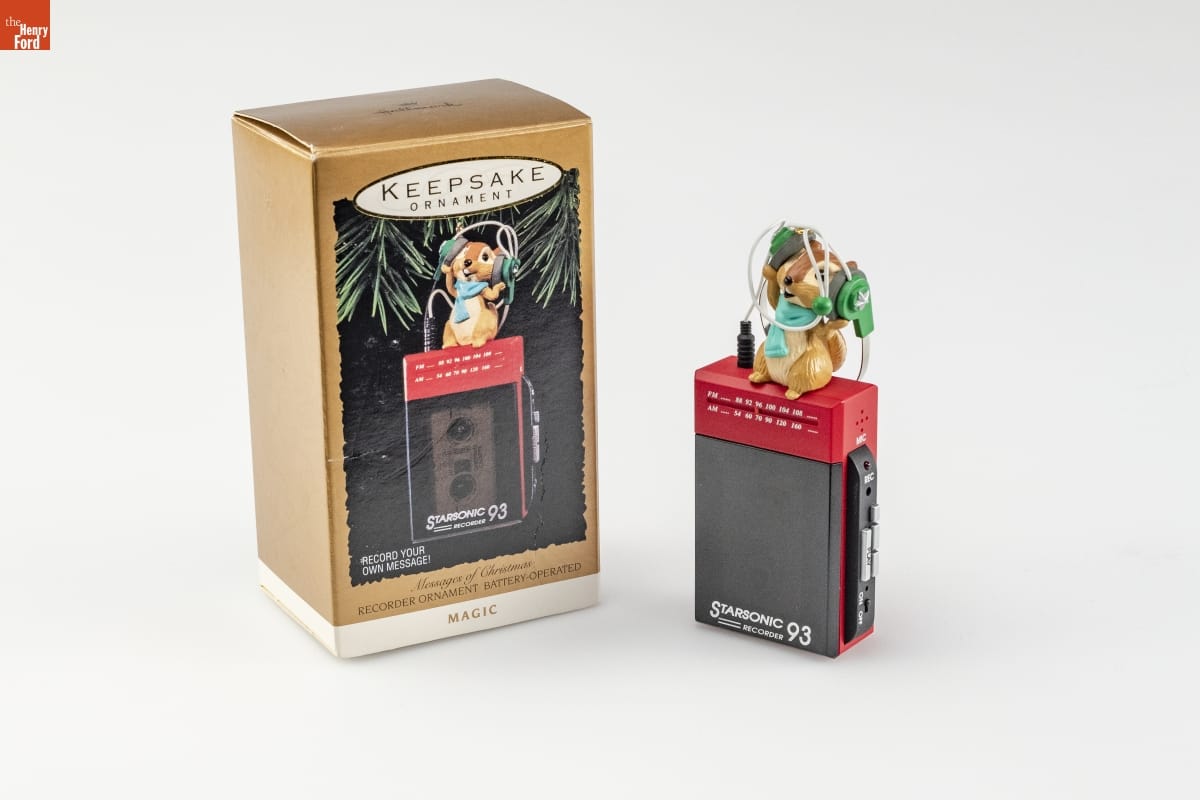
- Hallmark "Messages of Christmas" Christmas Ornament, 1993 - Already known for greeting cards, Hallmark introduced a line of Christmas ornaments in 1973. The company's annual release of an increasing array of ornaments revolutionized Christmas decorating, appealing to customers' interest in marking memories and milestones as well as expressing one's personality and unique tastes.
- 1993
- Collections - Artifact
Hallmark "Messages of Christmas" Christmas Ornament, 1993
Already known for greeting cards, Hallmark introduced a line of Christmas ornaments in 1973. The company's annual release of an increasing array of ornaments revolutionized Christmas decorating, appealing to customers' interest in marking memories and milestones as well as expressing one's personality and unique tastes.
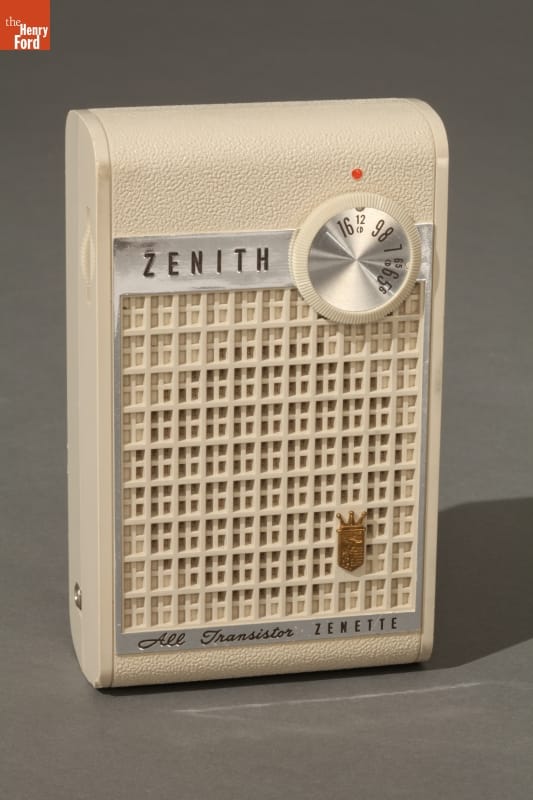
- Zenith "Zenette" Transistor Radio, 1960-1963 - The size of radios shrank following the advent of transistor technology. Even the smallest vacuum tubes were bulky, and their power consumption ensured the need for large batteries. Transistor radios made of lightweight plastics were cheap and truly portable. With the addition of an earphone a radio such as this allowed the listener to enjoy a completely personal listening experience.
- 1960-1963
- Collections - Artifact
Zenith "Zenette" Transistor Radio, 1960-1963
The size of radios shrank following the advent of transistor technology. Even the smallest vacuum tubes were bulky, and their power consumption ensured the need for large batteries. Transistor radios made of lightweight plastics were cheap and truly portable. With the addition of an earphone a radio such as this allowed the listener to enjoy a completely personal listening experience.
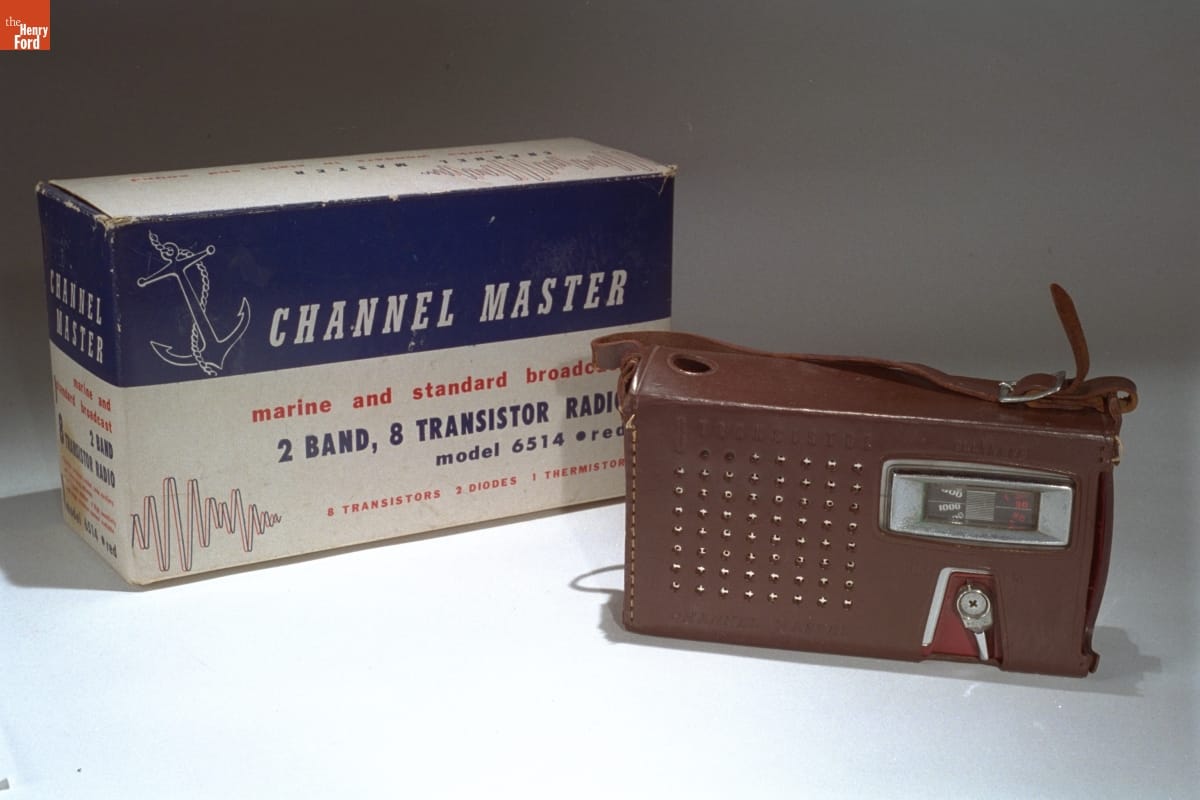
- Channel Master Transistor Radio, Model 6514, circa 1960 - The size of radios shrank following the advent of transistor technology. Even the smallest vacuum tubes were bulky, and their power consumption ensured the need for large batteries. Transistor radios made of lightweight plastics were cheap and truly portable. With the addition of an earphone a radio such as this allowed the listener to enjoy a completely personal listening experience.
- circa 1960
- Collections - Artifact
Channel Master Transistor Radio, Model 6514, circa 1960
The size of radios shrank following the advent of transistor technology. Even the smallest vacuum tubes were bulky, and their power consumption ensured the need for large batteries. Transistor radios made of lightweight plastics were cheap and truly portable. With the addition of an earphone a radio such as this allowed the listener to enjoy a completely personal listening experience.
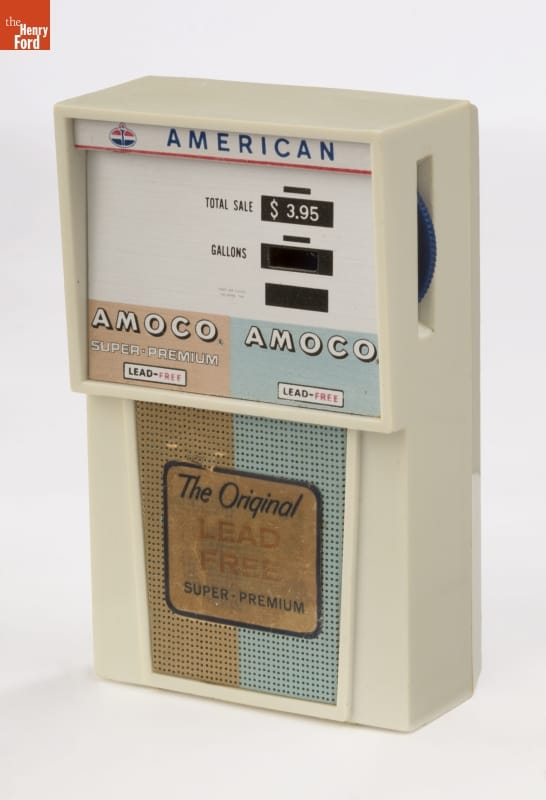
- Transistor Radio, Promotional Product from Amoco Corporation, 1973-1980 - The size of radios shrank following the advent of transistor technology. Even the smallest vacuum tubes were bulky, and their power consumption ensured the need for large batteries. Transistor radios made of lightweight plastics were cheap and truly portable. With the addition of an earphone a radio such as this allowed the listener to enjoy a completely personal listening experience.
- 1973-1980
- Collections - Artifact
Transistor Radio, Promotional Product from Amoco Corporation, 1973-1980
The size of radios shrank following the advent of transistor technology. Even the smallest vacuum tubes were bulky, and their power consumption ensured the need for large batteries. Transistor radios made of lightweight plastics were cheap and truly portable. With the addition of an earphone a radio such as this allowed the listener to enjoy a completely personal listening experience.
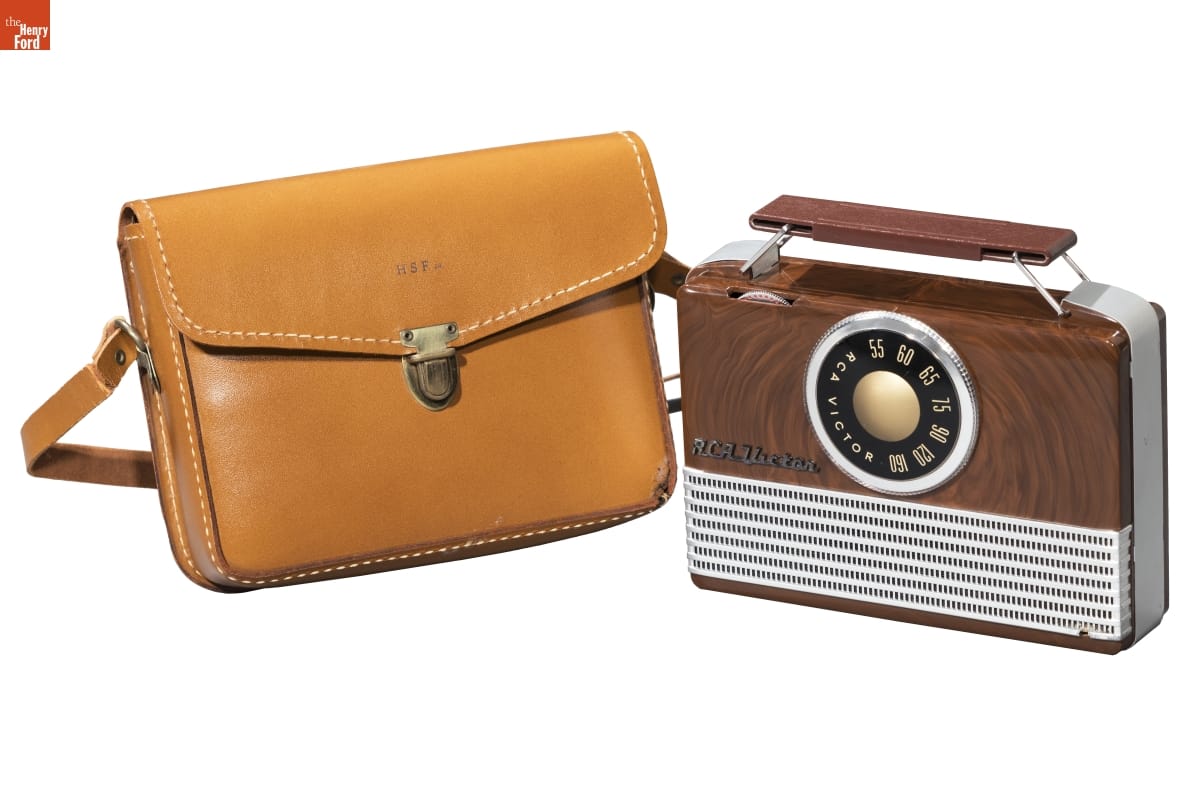
- RCA Victor Transistor Radio with Case, 1950-1960 - The size of radios shrank following the advent of transistor technology. Even the smallest vacuum tubes were bulky, and their power consumption ensured the need for large batteries. Transistor radios made of lightweight plastics were cheap and truly portable. With the addition of an earphone a radio such as this allowed the listener to enjoy a completely personal listening experience.
- 1950-1960
- Collections - Artifact
RCA Victor Transistor Radio with Case, 1950-1960
The size of radios shrank following the advent of transistor technology. Even the smallest vacuum tubes were bulky, and their power consumption ensured the need for large batteries. Transistor radios made of lightweight plastics were cheap and truly portable. With the addition of an earphone a radio such as this allowed the listener to enjoy a completely personal listening experience.