
Search
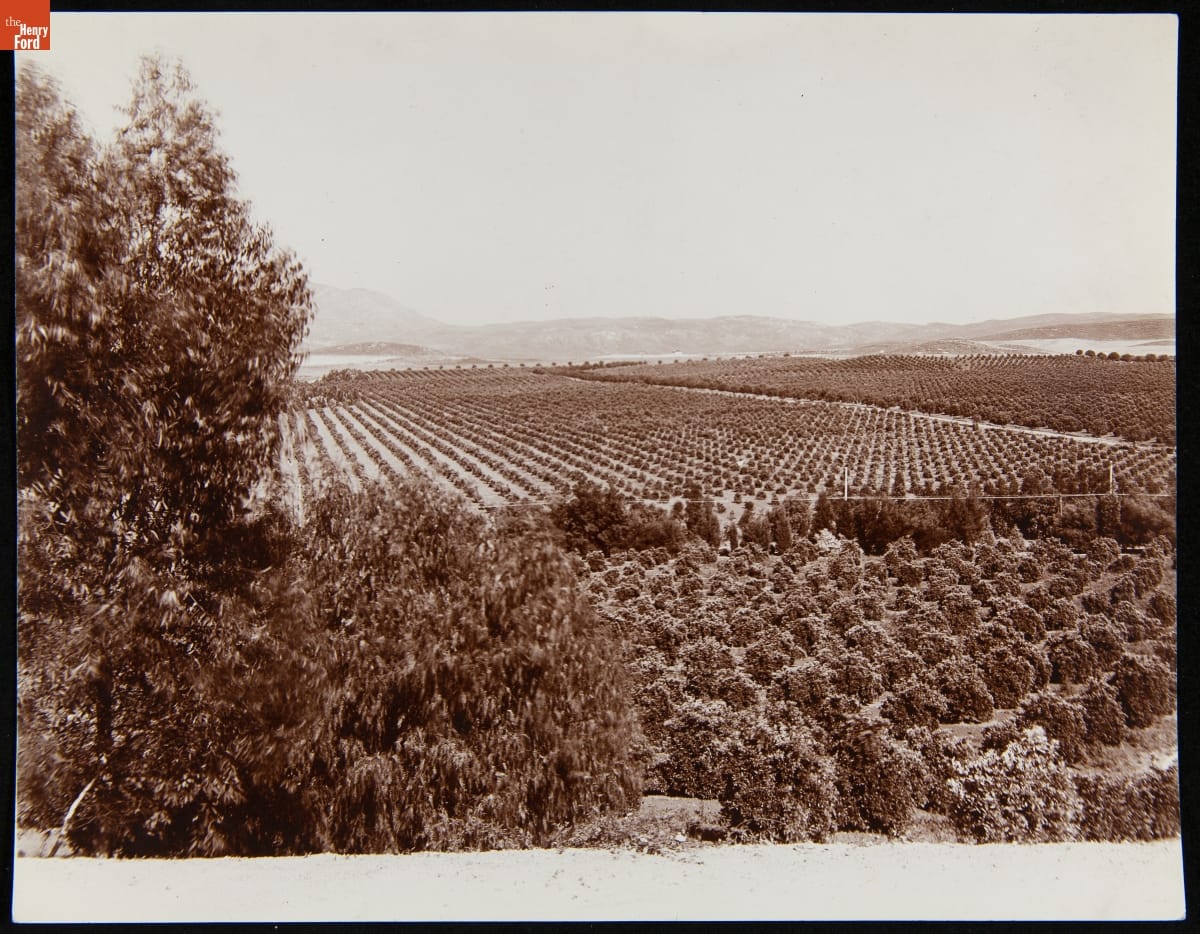
- Orange Groves, Riverside, California, circa 1900 - Orange growers and packers in Riverside, California, joined forces to launch the Riverside Fruit Exchange in 1893. The exchange marketed navel oranges, grown in expansive groves like this one. To increase production of the sweet, seedless crop consumers craved, growers propagated new trees by grafting buds onto rootstock. At harvest time, workers hand-picked and packed the oranges for sale.
- circa 1900
- Collections - Artifact
Orange Groves, Riverside, California, circa 1900
Orange growers and packers in Riverside, California, joined forces to launch the Riverside Fruit Exchange in 1893. The exchange marketed navel oranges, grown in expansive groves like this one. To increase production of the sweet, seedless crop consumers craved, growers propagated new trees by grafting buds onto rootstock. At harvest time, workers hand-picked and packed the oranges for sale.
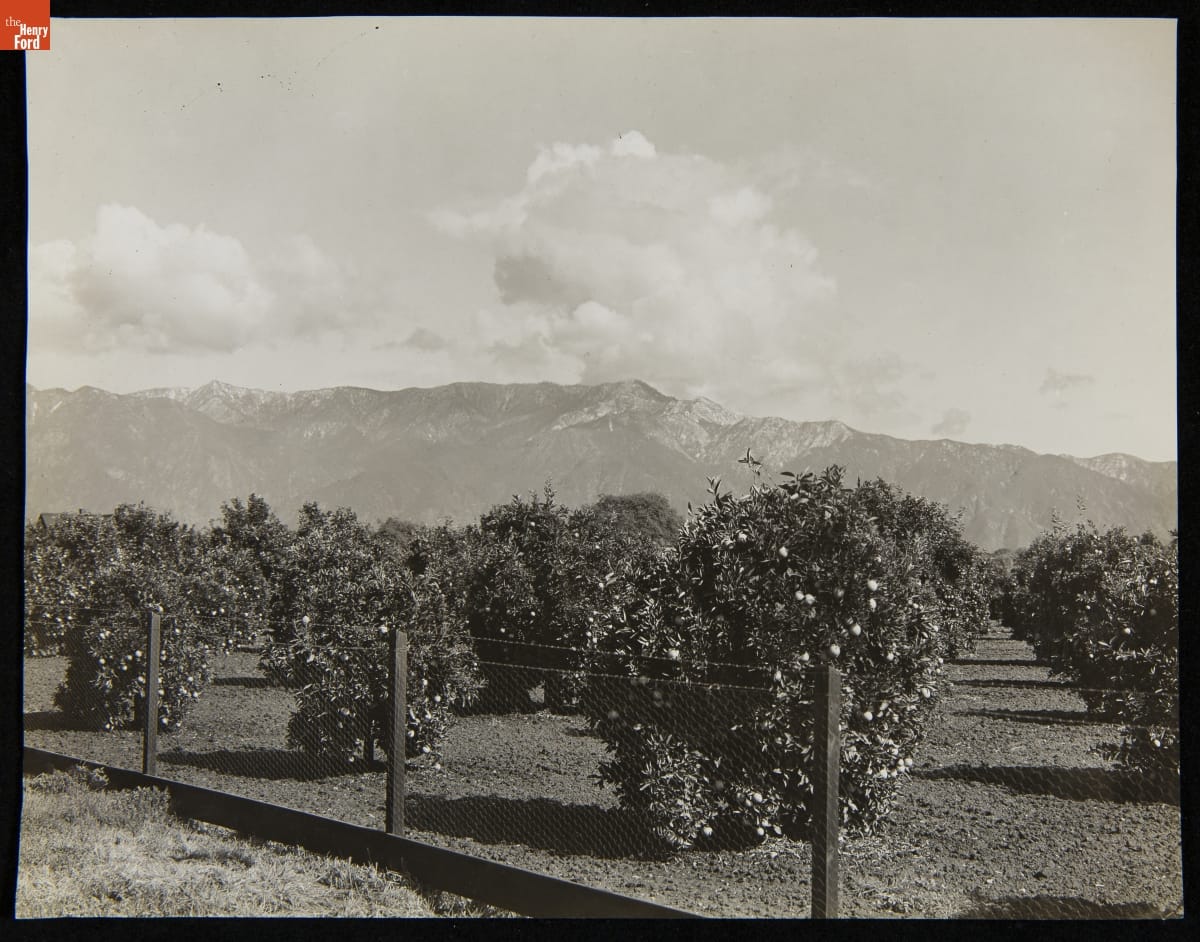
- Orange Groves and Snow-Capped Peaks, circa 1900 -
- circa 1900
- Collections - Artifact
Orange Groves and Snow-Capped Peaks, circa 1900
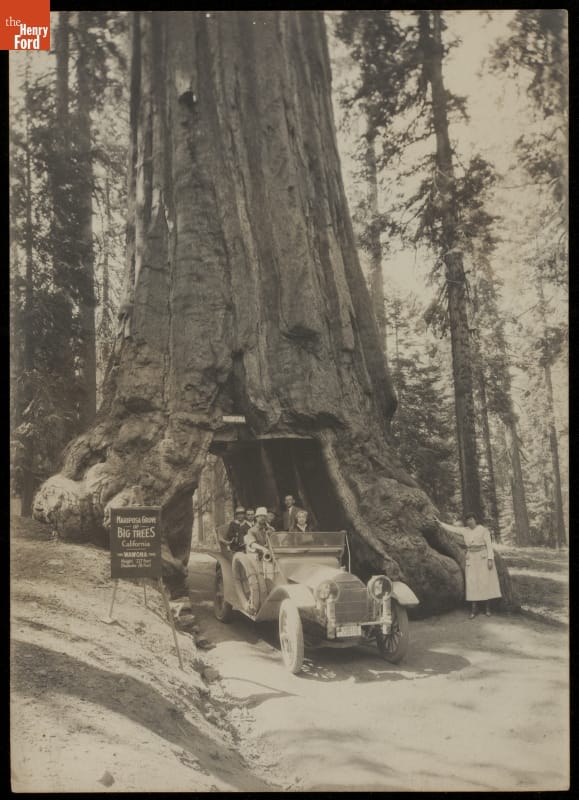
- Tourists Driving through Mariposa Grove, Yosemite Valley, California, circa 1905 - Paying customers could see some of Yosemite National Park's most famous features from the comfort of a seven-passenger Pierce-Arrow automobile. One highlight of taking this "Horseshoe Route" was a ride through the Wawona Tunnel Tree. The Giant Sequoia in Mariposa Grove was cut as a tourist attraction in 1881.
- circa 1905
- Collections - Artifact
Tourists Driving through Mariposa Grove, Yosemite Valley, California, circa 1905
Paying customers could see some of Yosemite National Park's most famous features from the comfort of a seven-passenger Pierce-Arrow automobile. One highlight of taking this "Horseshoe Route" was a ride through the Wawona Tunnel Tree. The Giant Sequoia in Mariposa Grove was cut as a tourist attraction in 1881.
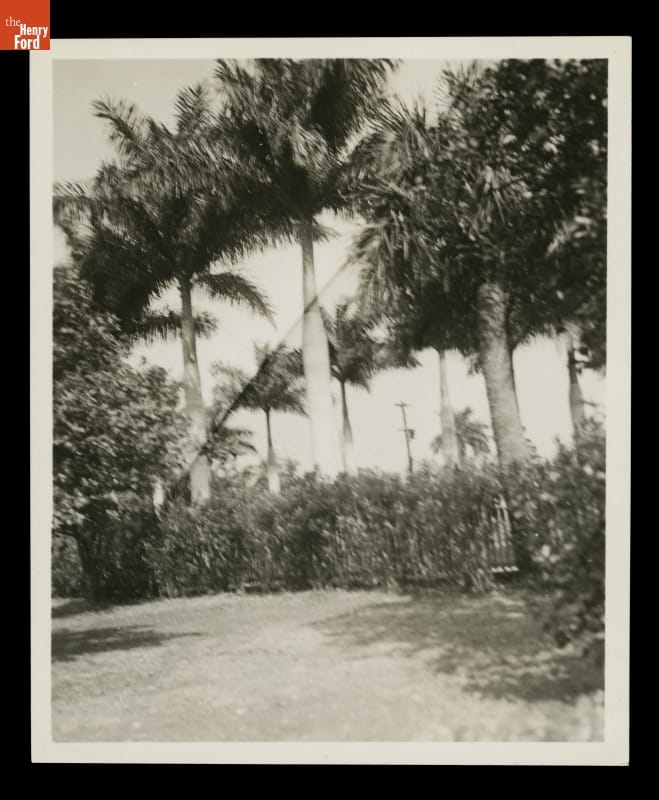
- Grounds of "The Mangoes," Winter Estate of Henry and Clara Ford, circa 1925 - In 1916, Henry and Clara Ford purchased "The Mangoes." The Fort Myers, Florida, property adjoined the winter home of Thomas Edison -- Henry's friend and mentor. The Fords' estate featured a Craftsman bungalow and grounds lush with citrus trees and tropical plants. This image shows the variety of plant life found at the Fords' winter retreat.
- circa 1925
- Collections - Artifact
Grounds of "The Mangoes," Winter Estate of Henry and Clara Ford, circa 1925
In 1916, Henry and Clara Ford purchased "The Mangoes." The Fort Myers, Florida, property adjoined the winter home of Thomas Edison -- Henry's friend and mentor. The Fords' estate featured a Craftsman bungalow and grounds lush with citrus trees and tropical plants. This image shows the variety of plant life found at the Fords' winter retreat.
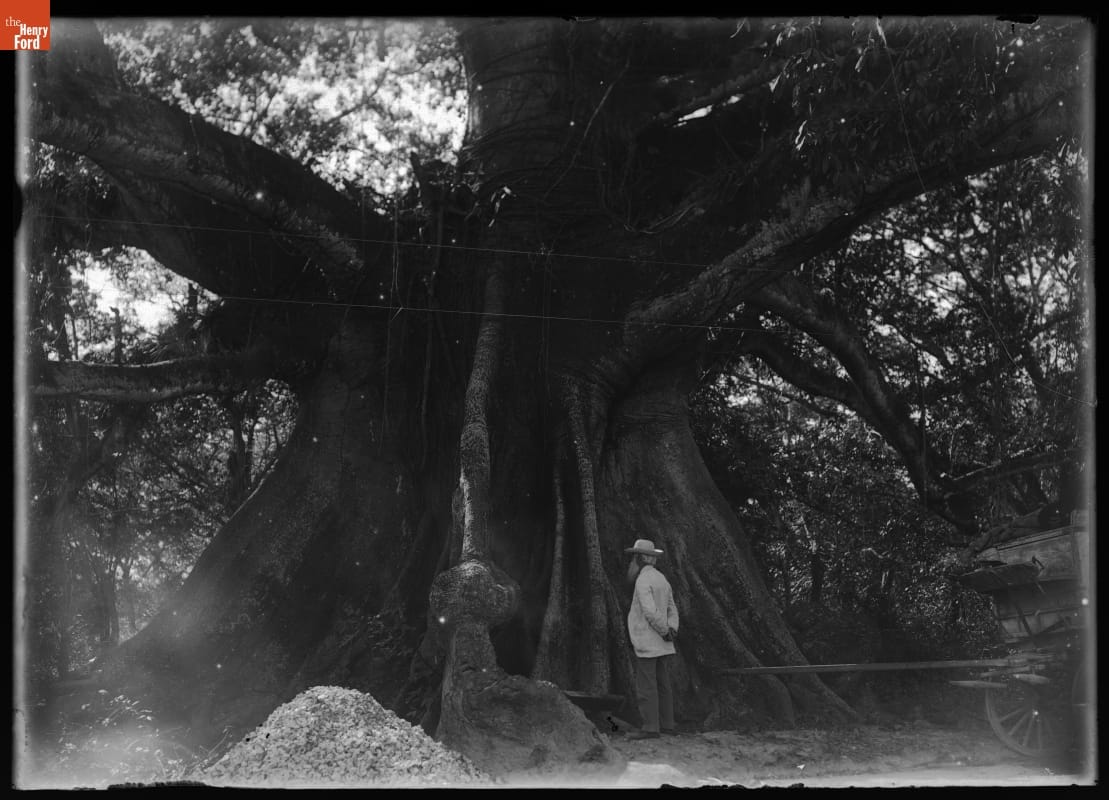
- John Burroughs at Tom Cringle's Cotton Tree in Jamaica, 1902 - John Burroughs (1837-1921) was an internationally known naturalist and writer. Though he loved the Catskill Mountains in upstate New York -- where he grew up and where he had a house and several writing retreats -- Burroughs travelled widely. During his lifetime, Burroughs traveled to England, Alaska, Hawaii, much of the United States, and in 1902, he and his son, Julian, visited Jamaica.
- February 01, 1902
- Collections - Artifact
John Burroughs at Tom Cringle's Cotton Tree in Jamaica, 1902
John Burroughs (1837-1921) was an internationally known naturalist and writer. Though he loved the Catskill Mountains in upstate New York -- where he grew up and where he had a house and several writing retreats -- Burroughs travelled widely. During his lifetime, Burroughs traveled to England, Alaska, Hawaii, much of the United States, and in 1902, he and his son, Julian, visited Jamaica.
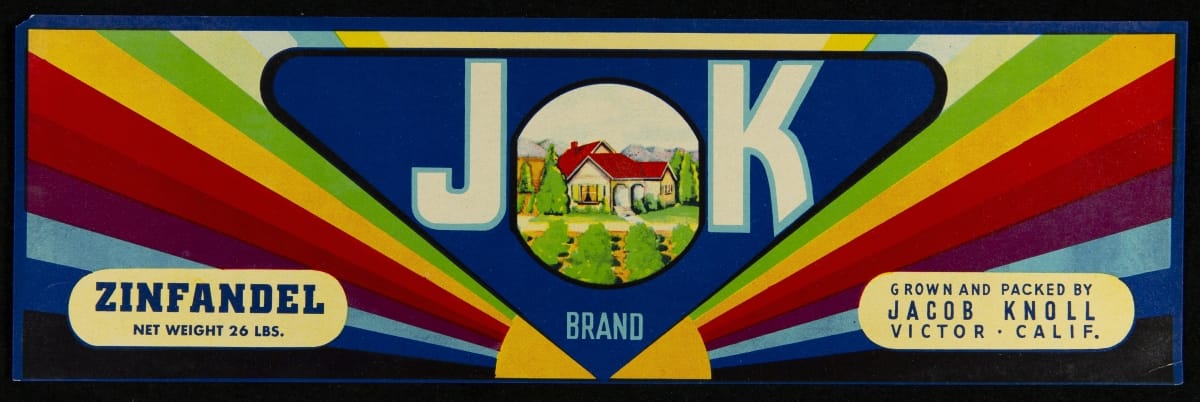
- Crate Label, "J.K. Brand Zinfandel Grapes," circa 1940 - In 1869, the transcontinental railroad opened eastern markets to the West Coast produce industry for the first time. As produce companies shipped crates of fruits and vegetables across the country, they needed a way to distinguish their goods from their competitors'. Colorful, eye-catching labels, like this one for J.K. Brand Zinfandel Grapes, were created to attract grocers purchasing goods from wholesale markets.
- circa 1940
- Collections - Artifact
Crate Label, "J.K. Brand Zinfandel Grapes," circa 1940
In 1869, the transcontinental railroad opened eastern markets to the West Coast produce industry for the first time. As produce companies shipped crates of fruits and vegetables across the country, they needed a way to distinguish their goods from their competitors'. Colorful, eye-catching labels, like this one for J.K. Brand Zinfandel Grapes, were created to attract grocers purchasing goods from wholesale markets.
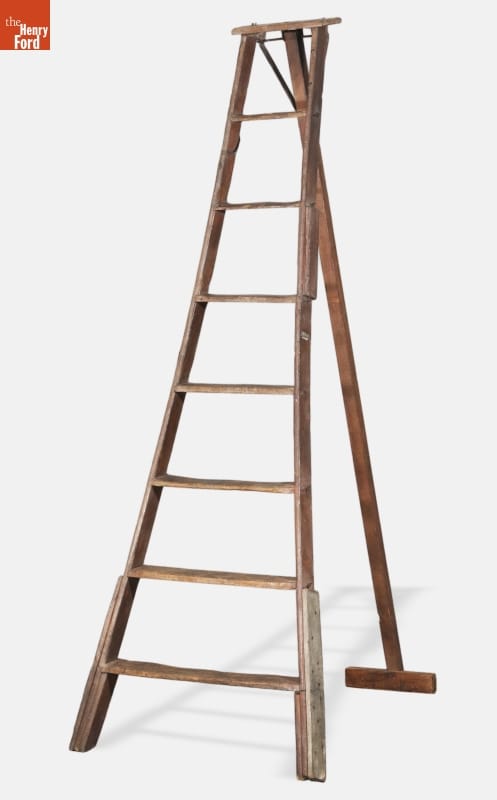
- Ladder, Used by Luther Burbank, circa 1910 - Luther Burbank (1849-1926), an American horticulturalist and author, gained a reputation for selective breeding that yielded more than 800 new fruits, vegetables, flowers, and other plants. He used traditional gardening tools in his plant research, like this ladder designed for use with fruit trees. With it he could climb into the limbs bearing fruit and clip buds or twigs for grafting.
- circa 1910
- Collections - Artifact
Ladder, Used by Luther Burbank, circa 1910
Luther Burbank (1849-1926), an American horticulturalist and author, gained a reputation for selective breeding that yielded more than 800 new fruits, vegetables, flowers, and other plants. He used traditional gardening tools in his plant research, like this ladder designed for use with fruit trees. With it he could climb into the limbs bearing fruit and clip buds or twigs for grafting.
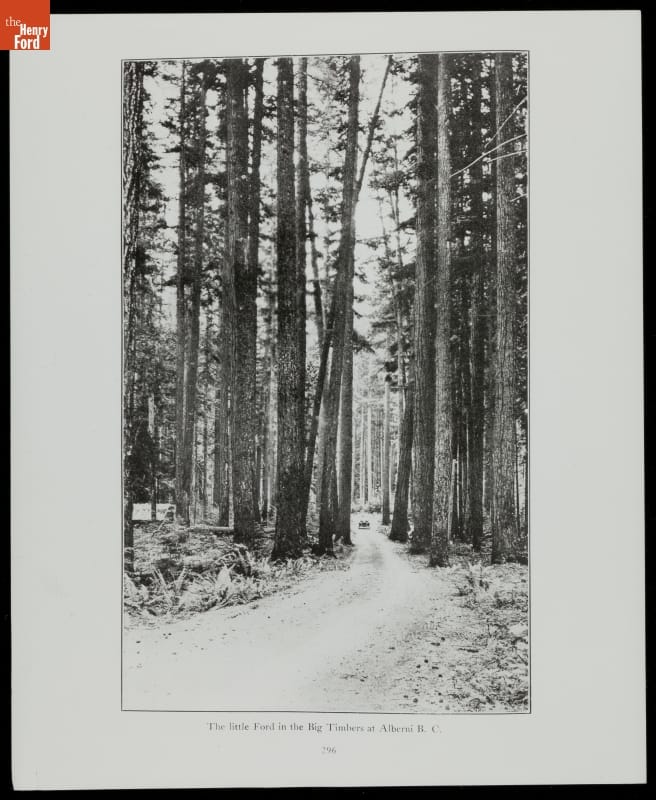
- Ford Model T on a Forest Road, British Columbia, Canada, 1913 - A monthly publication of Ford Motor Company, <EM>Ford Times</EM> was distributed worldwide at no cost. Its purpose was to cultivate loyalty among Ford owners and attract new customers. Images like this one from the February 1914 issue of <EM>Canadian Ford Times</EM> suggested the dependability and freedom that came alongside Ford ownership.
- 1913
- Collections - Artifact
Ford Model T on a Forest Road, British Columbia, Canada, 1913
A monthly publication of Ford Motor Company, Ford Times was distributed worldwide at no cost. Its purpose was to cultivate loyalty among Ford owners and attract new customers. Images like this one from the February 1914 issue of Canadian Ford Times suggested the dependability and freedom that came alongside Ford ownership.
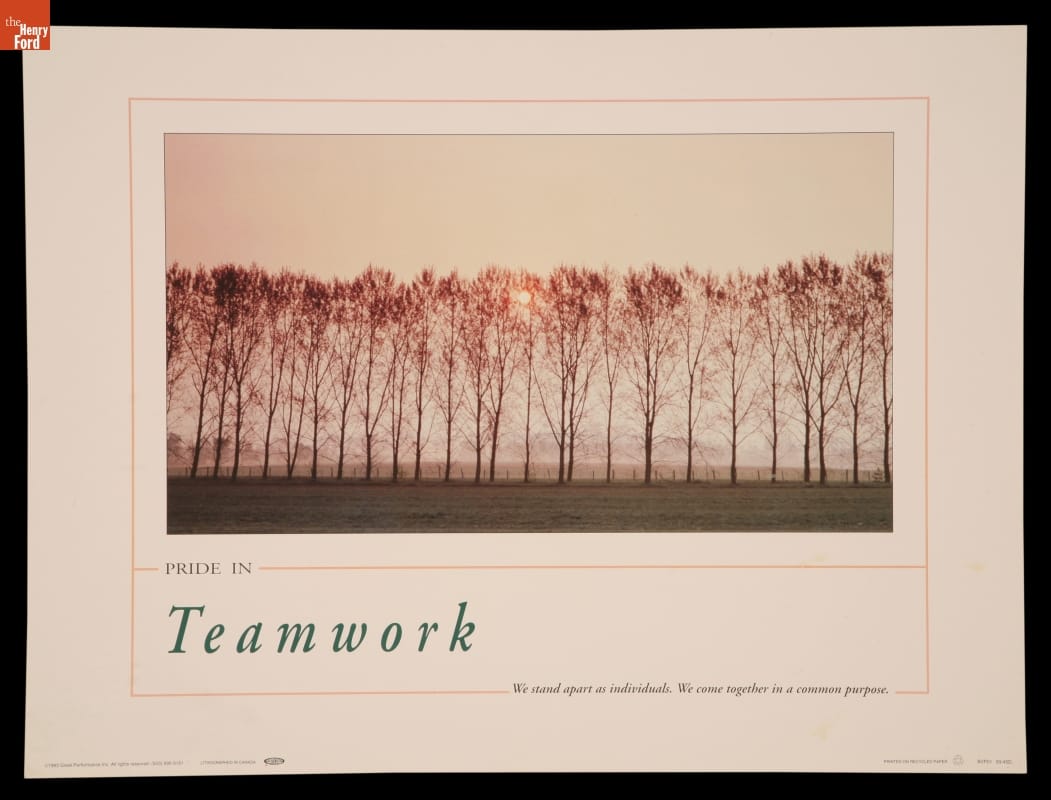
- Motivational Poster, "Pride in Teamwork," 1993 -
- 1993
- Collections - Artifact
Motivational Poster, "Pride in Teamwork," 1993
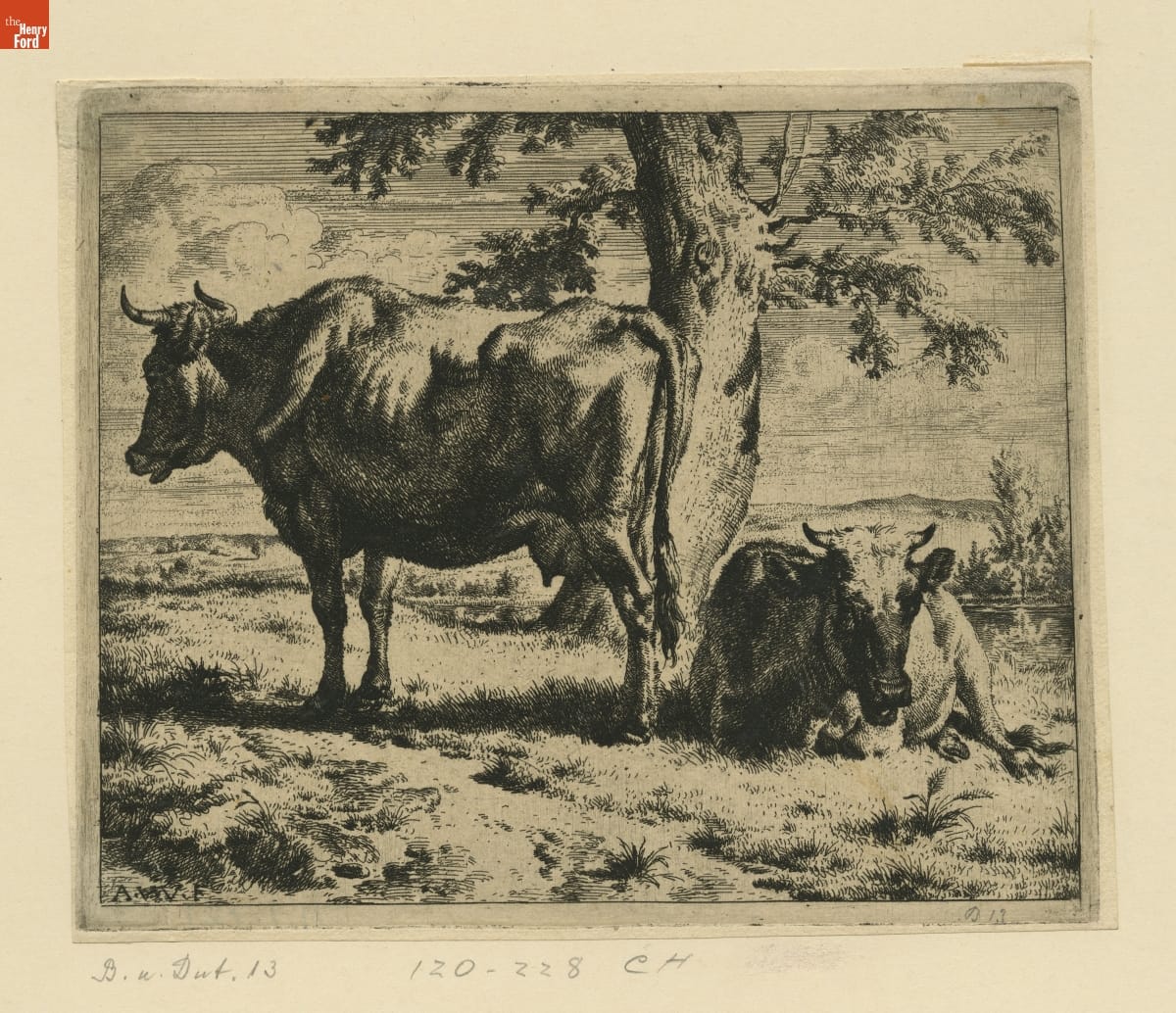
- Etching, Two Cows under a Tree -
- circa 1670
- Collections - Artifact
Etching, Two Cows under a Tree