
Search
- Correspondence between Frank Campsall (for Henry Ford) and N. O. Calloway regarding Claude Harvard's Visit to Tuskegee Institute, May 1935 -
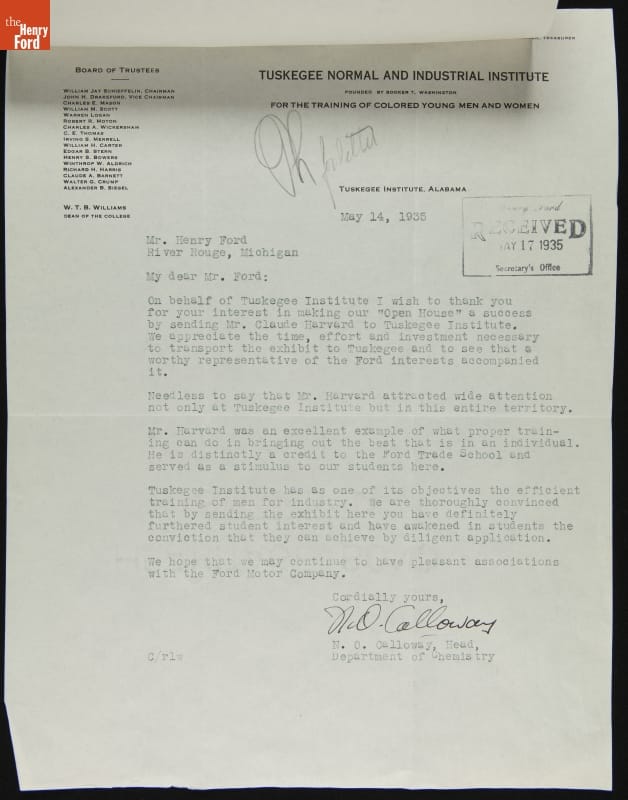
- 14 May 1935-27 May 1935
- Collections - Artifact
Correspondence between Frank Campsall (for Henry Ford) and N. O. Calloway regarding Claude Harvard's Visit to Tuskegee Institute, May 1935
- Letter from George Washington Carver to Frank Campsall, April 15, 1939 - George Washington Carver and Henry Ford became friends in the late 1930s, drawn together by a mutual interest in developing new industrial products from the fruits of the soil. Carver's warm letters to Ford, Clara Ford, and Ford's secretary Frank Campsall speak to the genuine depth of the friendship. Carver often gives Ford advice on research avenues to pursue and suggests recipes for natural health.
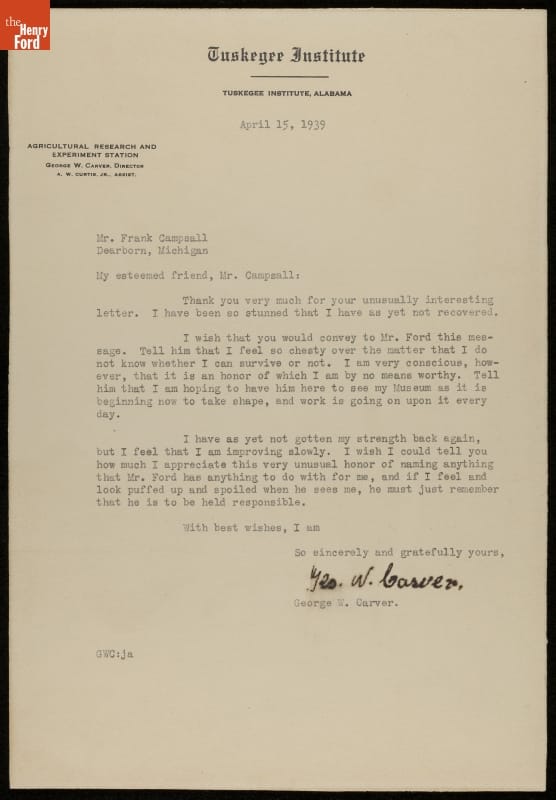
- April 15, 1939
- Collections - Artifact
Letter from George Washington Carver to Frank Campsall, April 15, 1939
George Washington Carver and Henry Ford became friends in the late 1930s, drawn together by a mutual interest in developing new industrial products from the fruits of the soil. Carver's warm letters to Ford, Clara Ford, and Ford's secretary Frank Campsall speak to the genuine depth of the friendship. Carver often gives Ford advice on research avenues to pursue and suggests recipes for natural health.
- Letter from George Washington Carver to Henry Ford, May 15, 1939 - George Washington Carver and Henry Ford became friends in the late 1930s, drawn together by a mutual interest in developing new industrial products from the fruits of the soil. Carver's warm letters to Ford, Clara Ford, and Ford's secretary Frank Campsall speak to the genuine depth of the friendship. Carver often gives Ford advice on research avenues to pursue and suggests recipes for natural health.
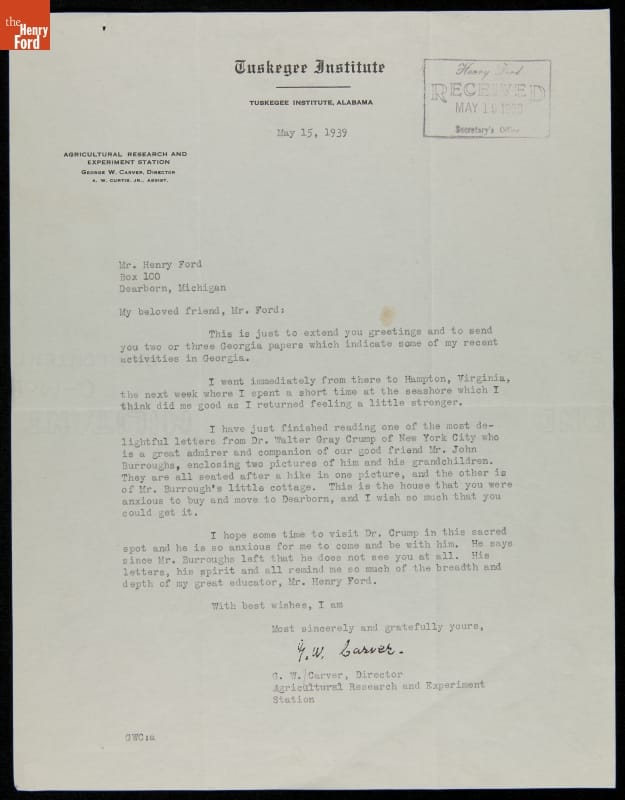
- May 15, 1939
- Collections - Artifact
Letter from George Washington Carver to Henry Ford, May 15, 1939
George Washington Carver and Henry Ford became friends in the late 1930s, drawn together by a mutual interest in developing new industrial products from the fruits of the soil. Carver's warm letters to Ford, Clara Ford, and Ford's secretary Frank Campsall speak to the genuine depth of the friendship. Carver often gives Ford advice on research avenues to pursue and suggests recipes for natural health.
- Print of Abraham Lincoln, Frederick Douglass, and Booker T. Washington, "Onward," 1903 - This poster depicts three leading Americans who advanced African-American life at the turn of the 20th century. Frederick Douglass challenged slavery and worked for its abolition. President Abraham Lincoln signed the Emancipation Proclamation to preserve the Union by declaring freedom to slaves in rebel states. Booker T. Washington, leader of the Tuskegee Institute, promoted African-American rights through education and industry.
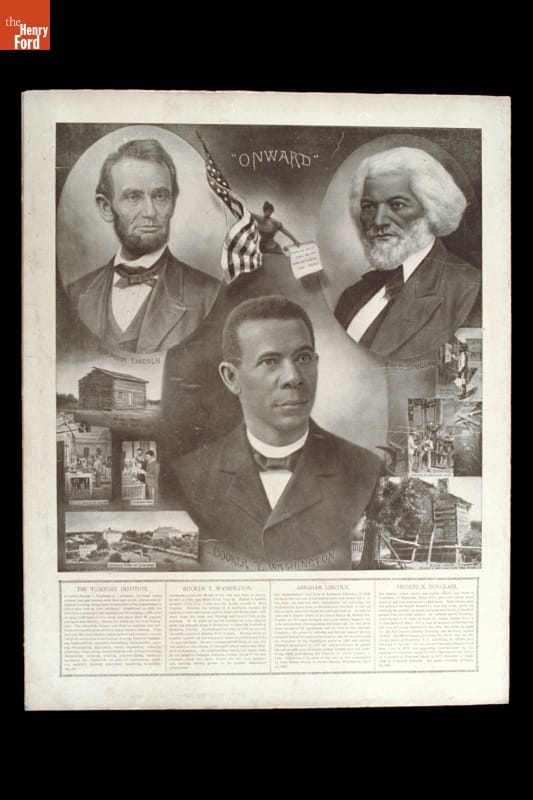
- 1903
- Collections - Artifact
Print of Abraham Lincoln, Frederick Douglass, and Booker T. Washington, "Onward," 1903
This poster depicts three leading Americans who advanced African-American life at the turn of the 20th century. Frederick Douglass challenged slavery and worked for its abolition. President Abraham Lincoln signed the Emancipation Proclamation to preserve the Union by declaring freedom to slaves in rebel states. Booker T. Washington, leader of the Tuskegee Institute, promoted African-American rights through education and industry.
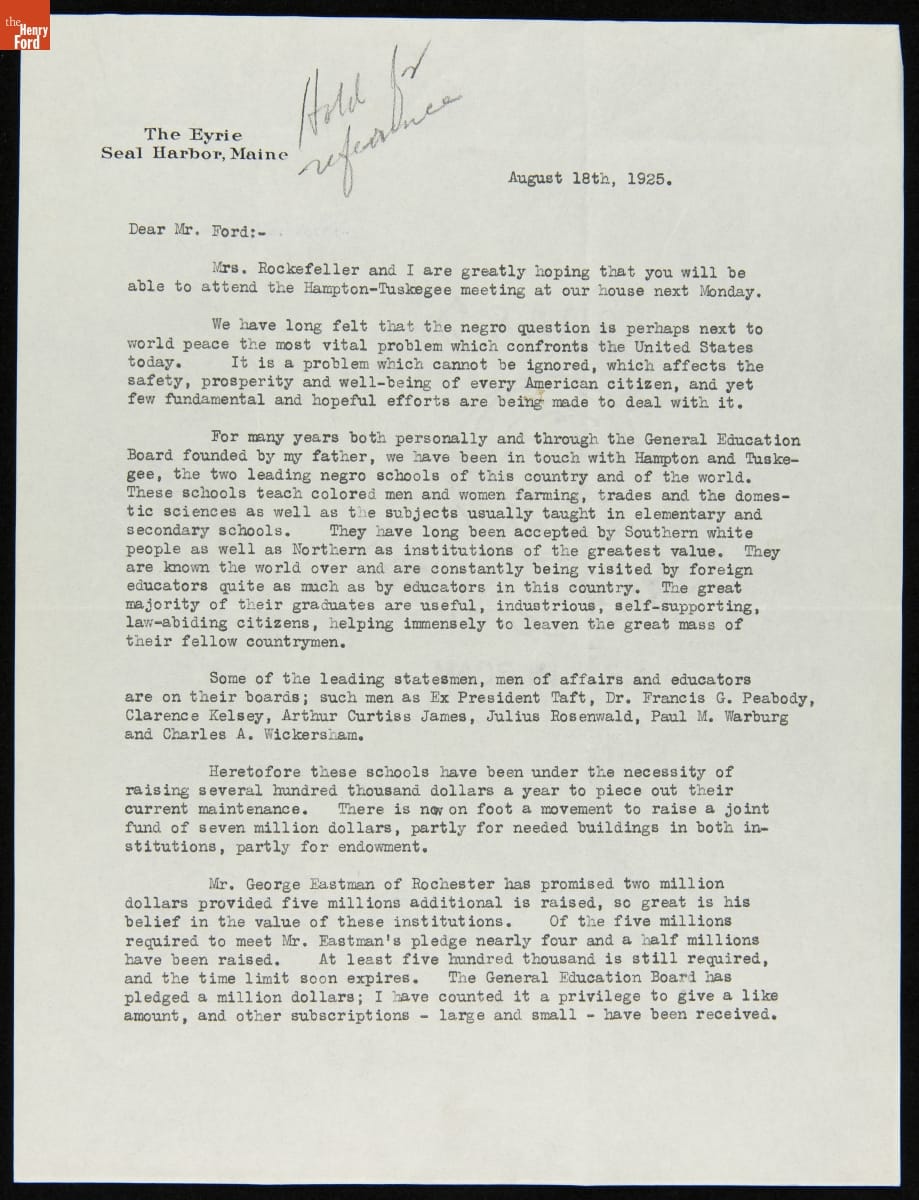
- Letter to Edsel Ford from John D. Rockefeller Jr. Urging Support For the Hampton-Tuskegee Endowment, August 18, 1925 -
- August 18, 1925
- Collections - Artifact
Letter to Edsel Ford from John D. Rockefeller Jr. Urging Support For the Hampton-Tuskegee Endowment, August 18, 1925
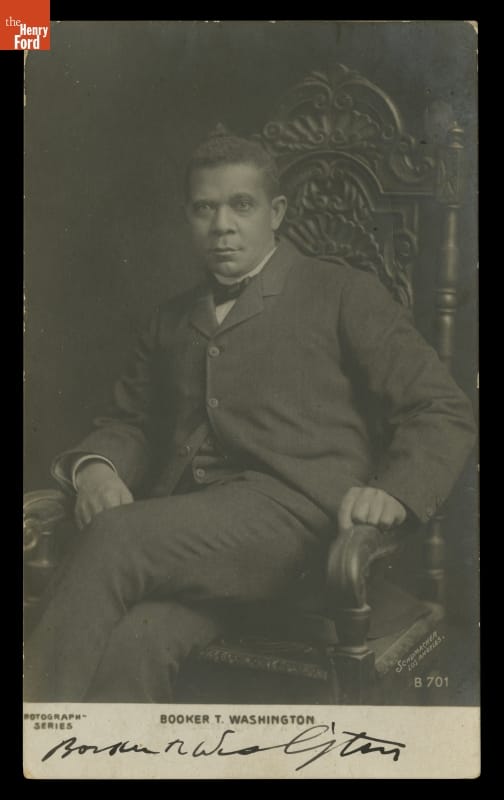
- Portrait of Booker T. Washington, 1906 -
- 1906
- Collections - Artifact
Portrait of Booker T. Washington, 1906
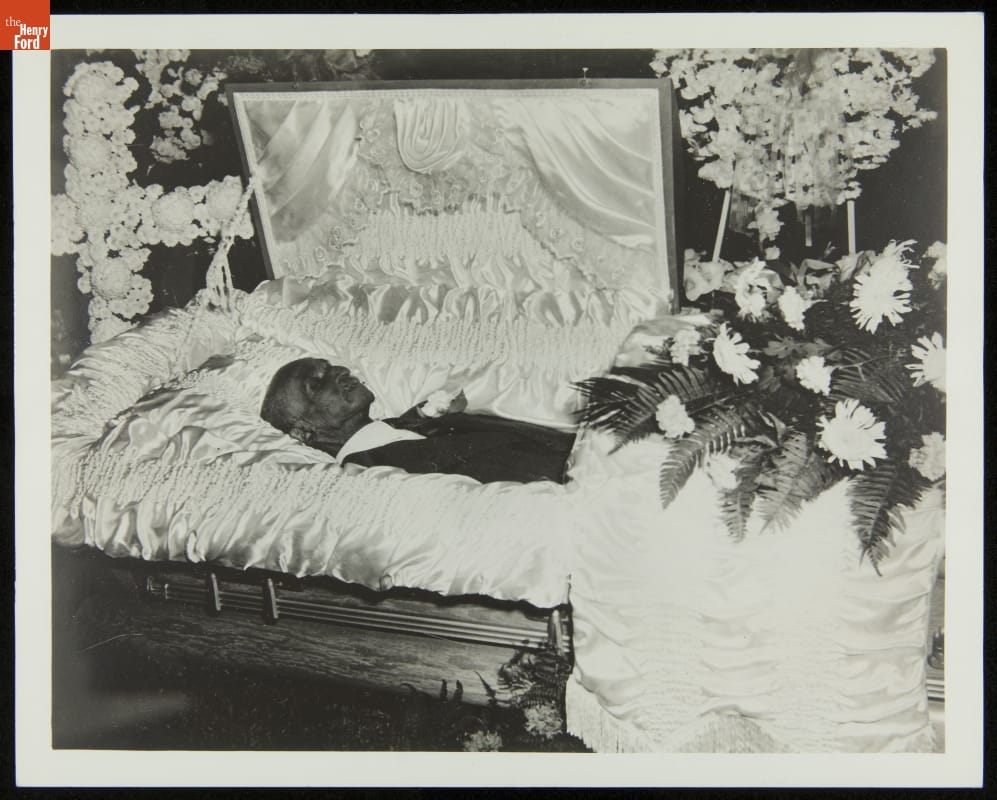
- George Washington Carver Lying in Repose, Tuskegee Institute Chapel, 1943 - George Washington Carver's funeral services were held at the chapel of the Tuskegee Institute in Tuskegee, Alabama, where the celebrated agricultural scientist had taught since 1896. Carver's death in 1943 provoked an outpouring of tributes to his remarkable life and work.
- January 08, 1943
- Collections - Artifact
George Washington Carver Lying in Repose, Tuskegee Institute Chapel, 1943
George Washington Carver's funeral services were held at the chapel of the Tuskegee Institute in Tuskegee, Alabama, where the celebrated agricultural scientist had taught since 1896. Carver's death in 1943 provoked an outpouring of tributes to his remarkable life and work.
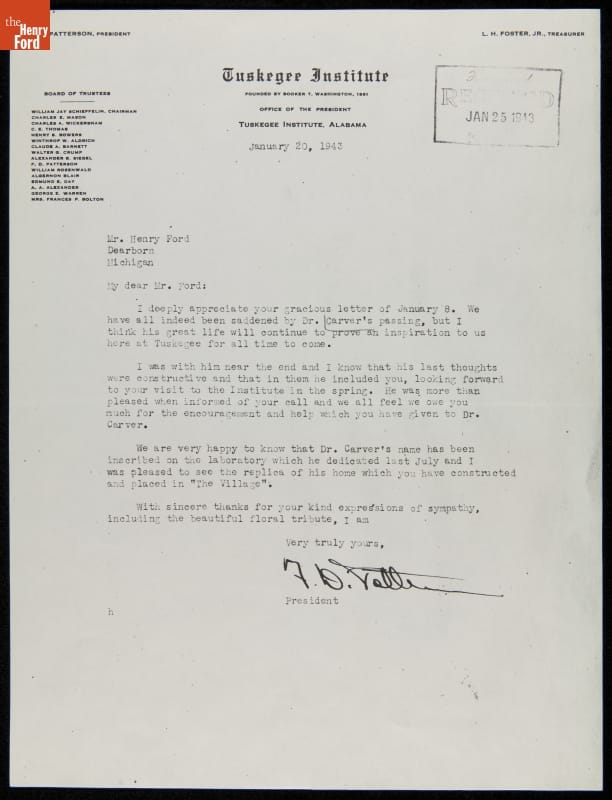
- Letter from Frederick Douglass Patterson to Henry Ford, January 20, 1943 - Frederick Douglass Patterson, President of the Tuskegee Institute in Alabama from 1935-1953, wrote to Henry Ford several times. Patterson thanked Ford for his kindness to Ford's friend, and longtime Tuskegee agricultural sciences educator and researcher, George Washington Carver.
- January 20, 1943
- Collections - Artifact
Letter from Frederick Douglass Patterson to Henry Ford, January 20, 1943
Frederick Douglass Patterson, President of the Tuskegee Institute in Alabama from 1935-1953, wrote to Henry Ford several times. Patterson thanked Ford for his kindness to Ford's friend, and longtime Tuskegee agricultural sciences educator and researcher, George Washington Carver.
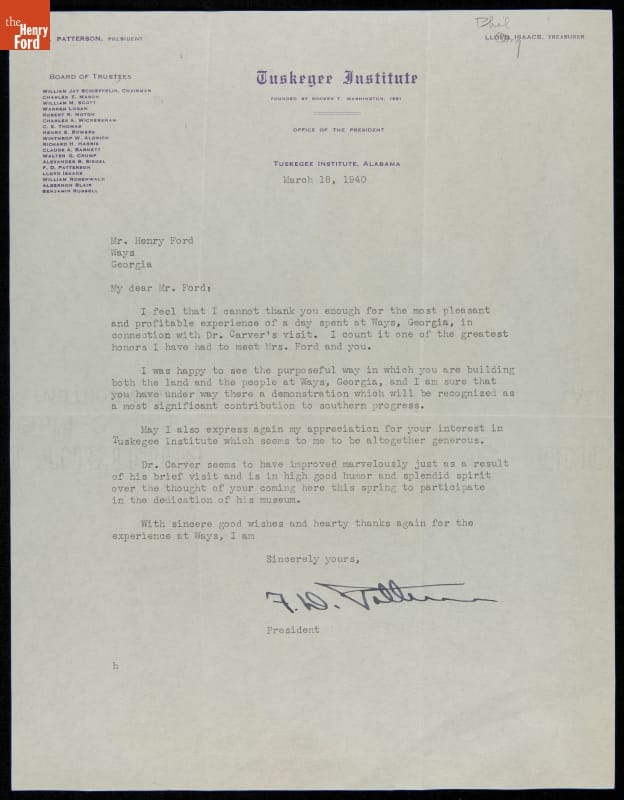
- Letter from Frederick Douglass Patterson, President of Tuskegee Institute, to Henry Ford, March 18, 1940 - Frederick Douglass Patterson, President of the Tuskegee Institute in Alabama from 1935-1953, wrote to Henry Ford several times. Patterson thanked Ford for his kindness to Ford's friend, and longtime Tuskegee agricultural sciences educator and researcher, George Washington Carver.
- March 18, 1940
- Collections - Artifact
Letter from Frederick Douglass Patterson, President of Tuskegee Institute, to Henry Ford, March 18, 1940
Frederick Douglass Patterson, President of the Tuskegee Institute in Alabama from 1935-1953, wrote to Henry Ford several times. Patterson thanked Ford for his kindness to Ford's friend, and longtime Tuskegee agricultural sciences educator and researcher, George Washington Carver.
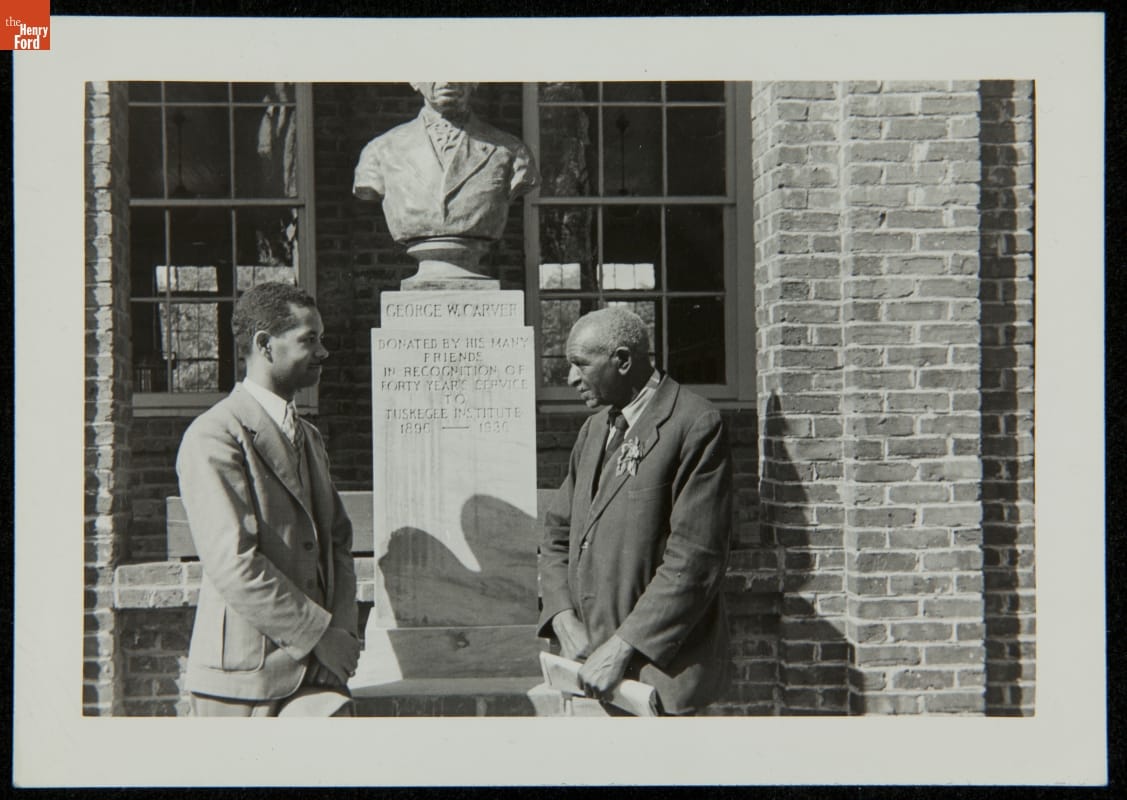
- George Washington Carver and Austin W. Curtis, Jr. at Tuskegee Institute with Sculpture by Steffen Thomas, circa 1938 - In Tuskegee, Alabama, agricultural and environmental scientist George Washington Carver and his assistant, chemist Austin Curtis, Jr., stand in front of a statue commemorating Carver's 40 years of service to the Tuskegee Institute.
- June 02, 1937
- Collections - Artifact
George Washington Carver and Austin W. Curtis, Jr. at Tuskegee Institute with Sculpture by Steffen Thomas, circa 1938
In Tuskegee, Alabama, agricultural and environmental scientist George Washington Carver and his assistant, chemist Austin Curtis, Jr., stand in front of a statue commemorating Carver's 40 years of service to the Tuskegee Institute.