
Search
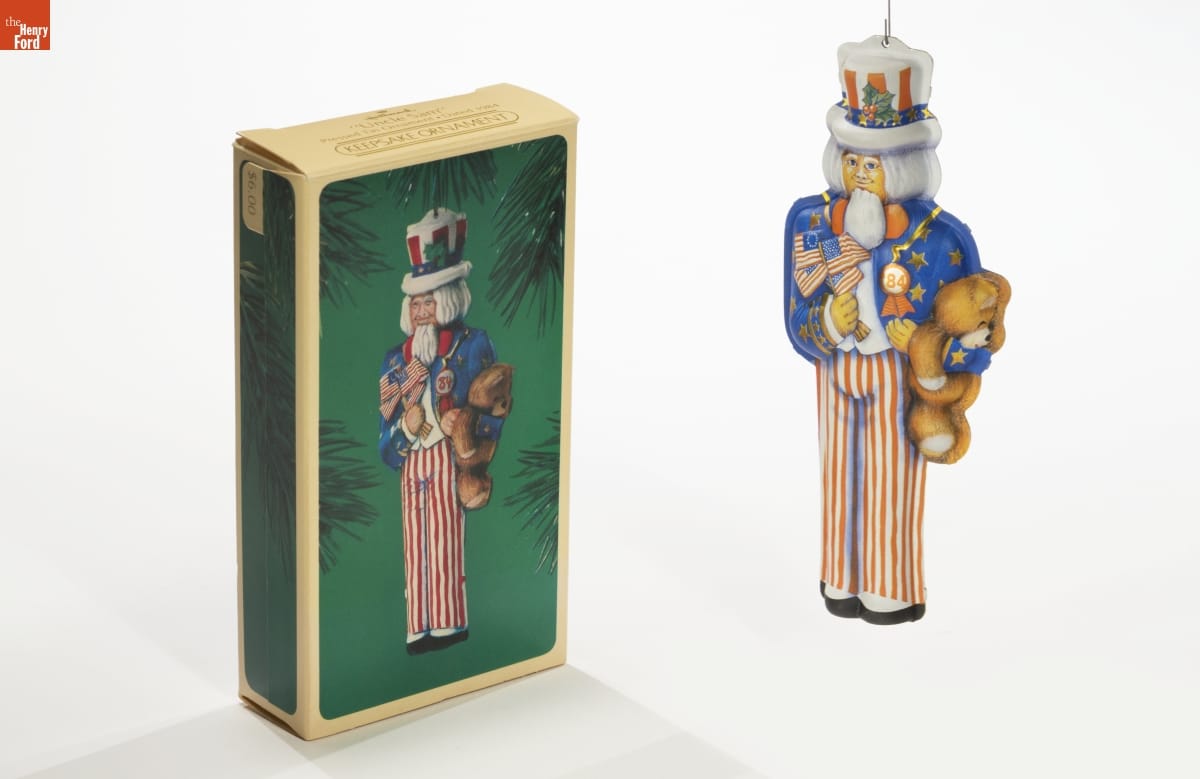
- Hallmark "Uncle Sam" Christmas Ornament, 1984 - Already known for greeting cards, Hallmark introduced a line of Christmas ornaments in 1973. The company's annual release of an increasing array of ornaments revolutionized Christmas decorating, appealing to customers' interest in marking memories and milestones as well as expressing one's personality and unique tastes.
- 1984
- Collections - Artifact
Hallmark "Uncle Sam" Christmas Ornament, 1984
Already known for greeting cards, Hallmark introduced a line of Christmas ornaments in 1973. The company's annual release of an increasing array of ornaments revolutionized Christmas decorating, appealing to customers' interest in marking memories and milestones as well as expressing one's personality and unique tastes.
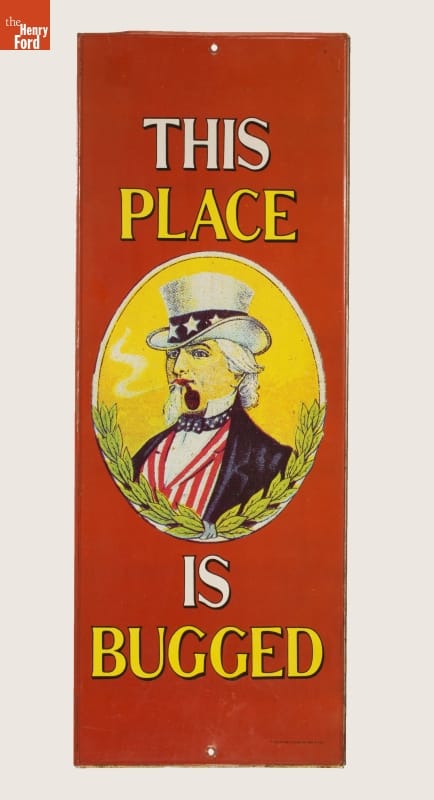
- Sign, "This Place is Bugged," 1974 -
- 1974
- Collections - Artifact
Sign, "This Place is Bugged," 1974
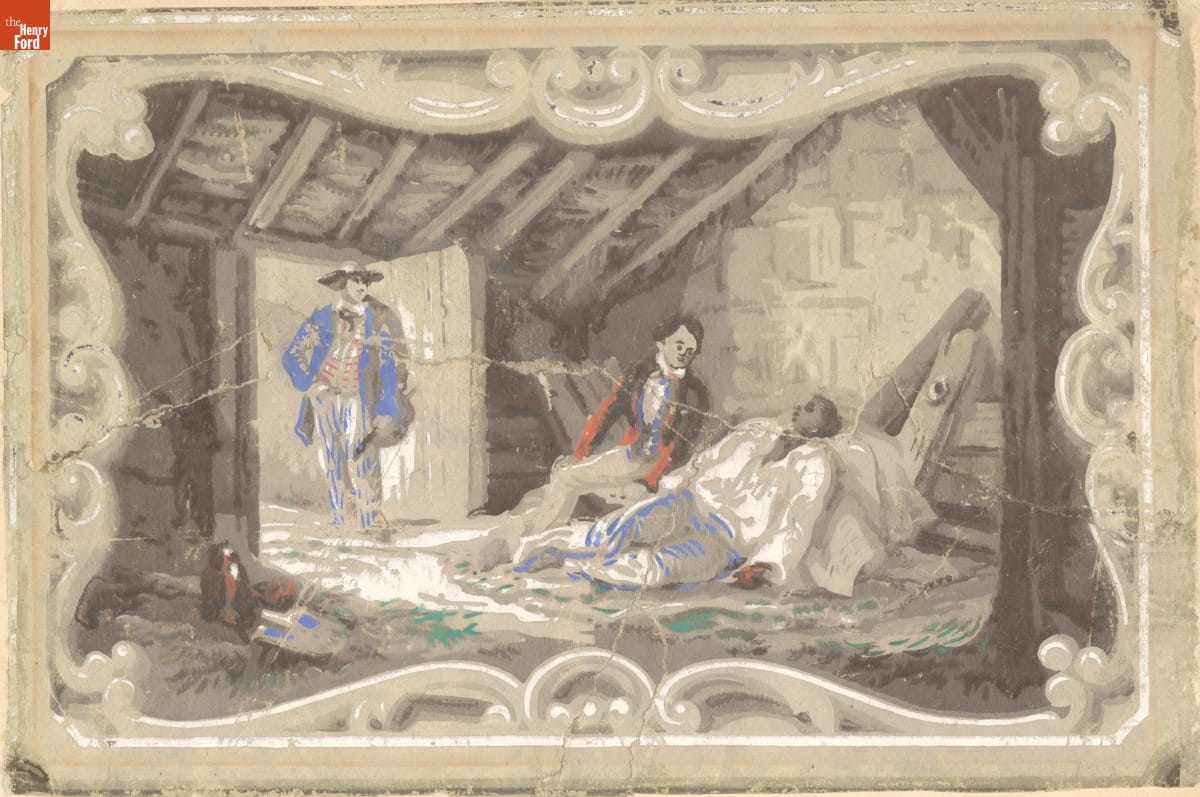
- Wallpaper Fragment with Scene from Uncle Tom's Cabin, Used at Crotta House, circa 1852 - Harriet Beecher Stowe's book, <em>Uncle Tom's Cabin</em>, became a national and international best-seller when first published in 1852. A number of illustrated editions were produced soon after. This section of wallpaper may have been based on one of the illustrations called "Death of Uncle Tom." This section was removed from a house in Ireland -- a testament to the international acclaim of the novel.
- circa 1852
- Collections - Artifact
Wallpaper Fragment with Scene from Uncle Tom's Cabin, Used at Crotta House, circa 1852
Harriet Beecher Stowe's book, Uncle Tom's Cabin, became a national and international best-seller when first published in 1852. A number of illustrated editions were produced soon after. This section of wallpaper may have been based on one of the illustrations called "Death of Uncle Tom." This section was removed from a house in Ireland -- a testament to the international acclaim of the novel.
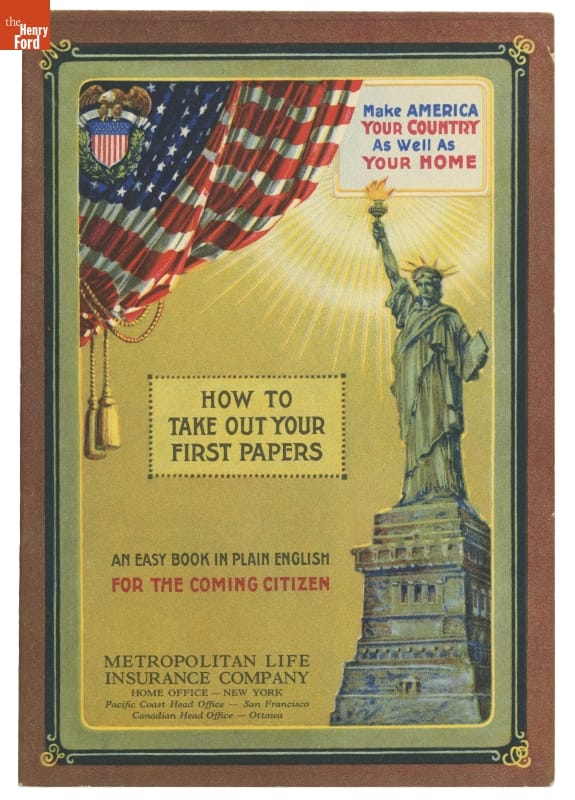
- "How to Take Out Your First Papers: An Easy Book in Plain English for the Coming Citizen," circa 1923 - In the early 20th century, mass immigration posed the challenge of integrating, or assimilating, immigrants into American society. Anglo-Americans believed that Americanization was the first step towards assimilation into a greater nation. This pamphlet is an example of a private agency that established an Americanization program to help immigrants learn American values and ultimately gain United States citizenship.
- circa 1923
- Collections - Artifact
"How to Take Out Your First Papers: An Easy Book in Plain English for the Coming Citizen," circa 1923
In the early 20th century, mass immigration posed the challenge of integrating, or assimilating, immigrants into American society. Anglo-Americans believed that Americanization was the first step towards assimilation into a greater nation. This pamphlet is an example of a private agency that established an Americanization program to help immigrants learn American values and ultimately gain United States citizenship.
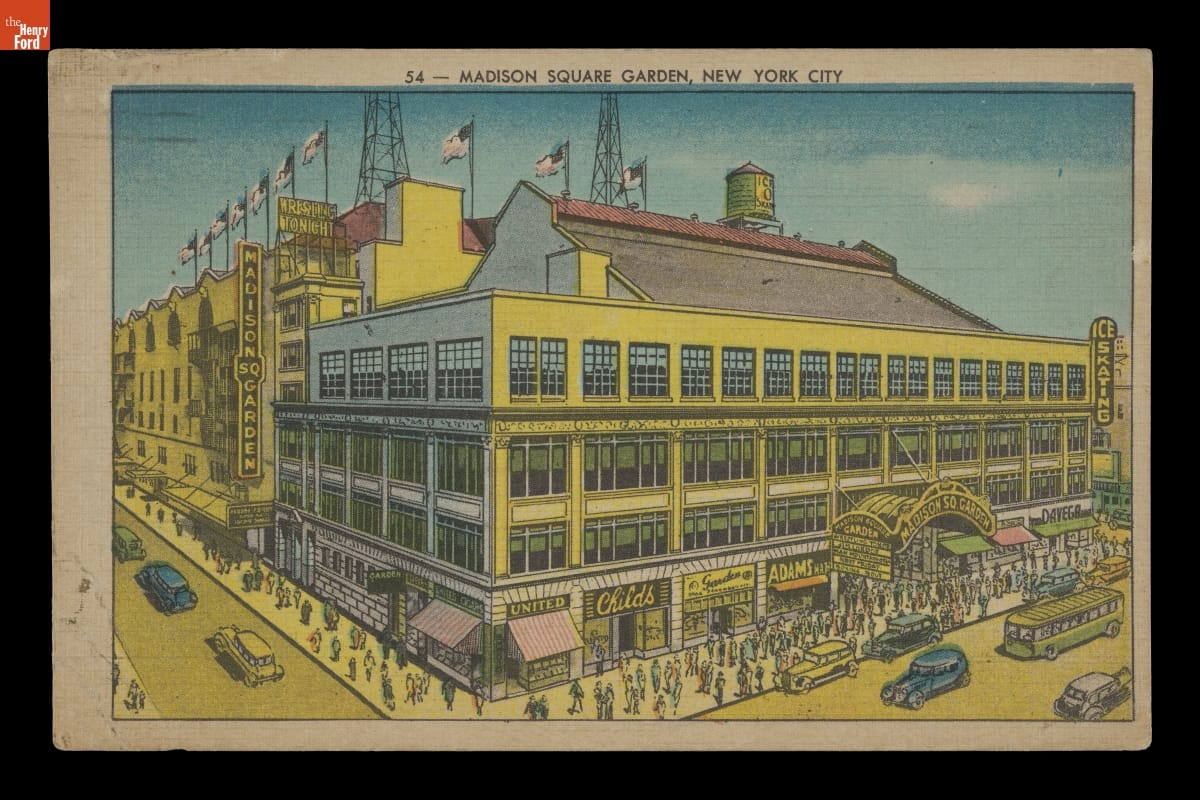
- "Madison Square Garden, New York City," Sent to Andrew Purnell, Postmarked May 23, 1944 - Andrew Purnell Jr. (1898-1975) was born in Selma, Alabama. He served in France during World War I and returned to the U.S. in 1919. Purnell married Lela May Cooper in 1920, and by 1926, the couple had moved to Mobile, where he worked as a railroad freight handler. The Purnells kept in touch with family and friends by exchanging postcards and letters.
- Collections - Artifact
"Madison Square Garden, New York City," Sent to Andrew Purnell, Postmarked May 23, 1944
Andrew Purnell Jr. (1898-1975) was born in Selma, Alabama. He served in France during World War I and returned to the U.S. in 1919. Purnell married Lela May Cooper in 1920, and by 1926, the couple had moved to Mobile, where he worked as a railroad freight handler. The Purnells kept in touch with family and friends by exchanging postcards and letters.
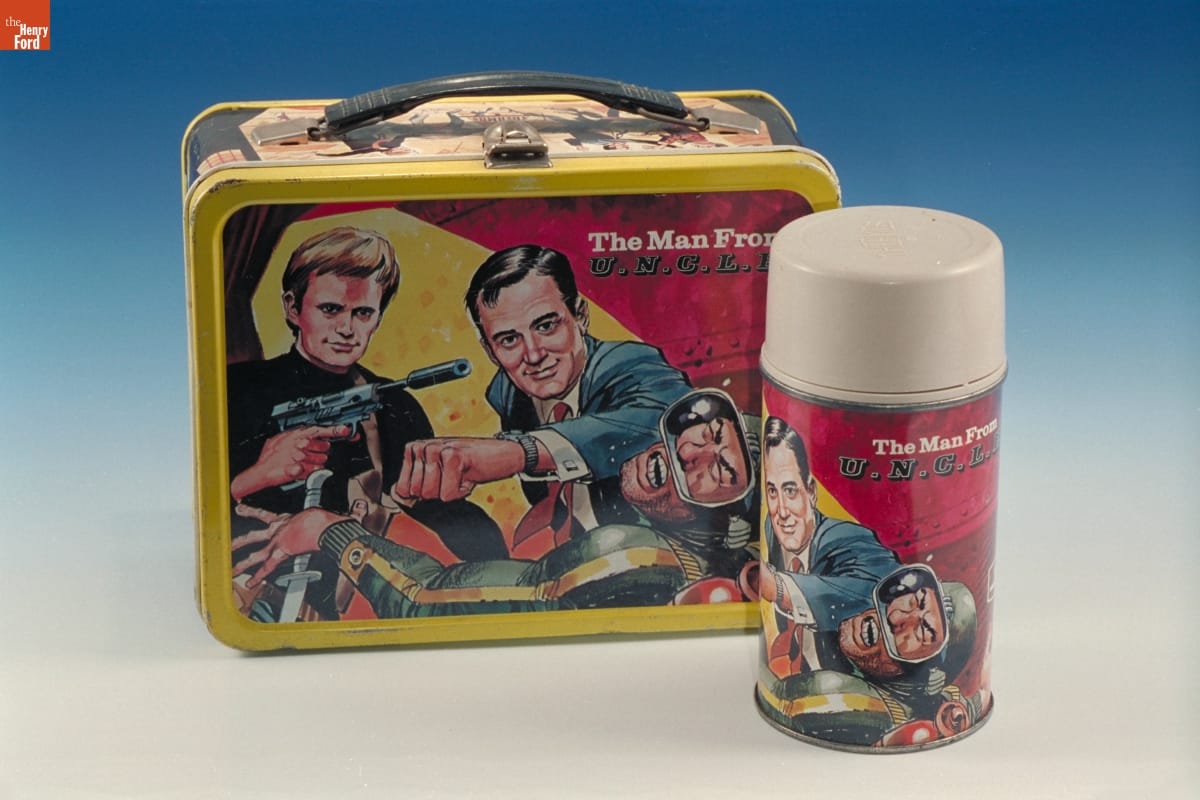
- "The Man from U.N.C.L.E." Lunchbox and Thermos, 1966 - The first pictorial lunchboxes, introduced in 1950, featured Hopalong Cassidy. Since then, generations of children have proudly sported pictorial images of their favorite television shows on the sides of their school lunchboxes. <EM>The Man from U.N.C.L.E.</EM> was a popular television show that ran from 1964 to 1968, featuring the adventures of two secret agents working for a fictitious international agency.
- 1966
- Collections - Artifact
"The Man from U.N.C.L.E." Lunchbox and Thermos, 1966
The first pictorial lunchboxes, introduced in 1950, featured Hopalong Cassidy. Since then, generations of children have proudly sported pictorial images of their favorite television shows on the sides of their school lunchboxes. The Man from U.N.C.L.E. was a popular television show that ran from 1964 to 1968, featuring the adventures of two secret agents working for a fictitious international agency.
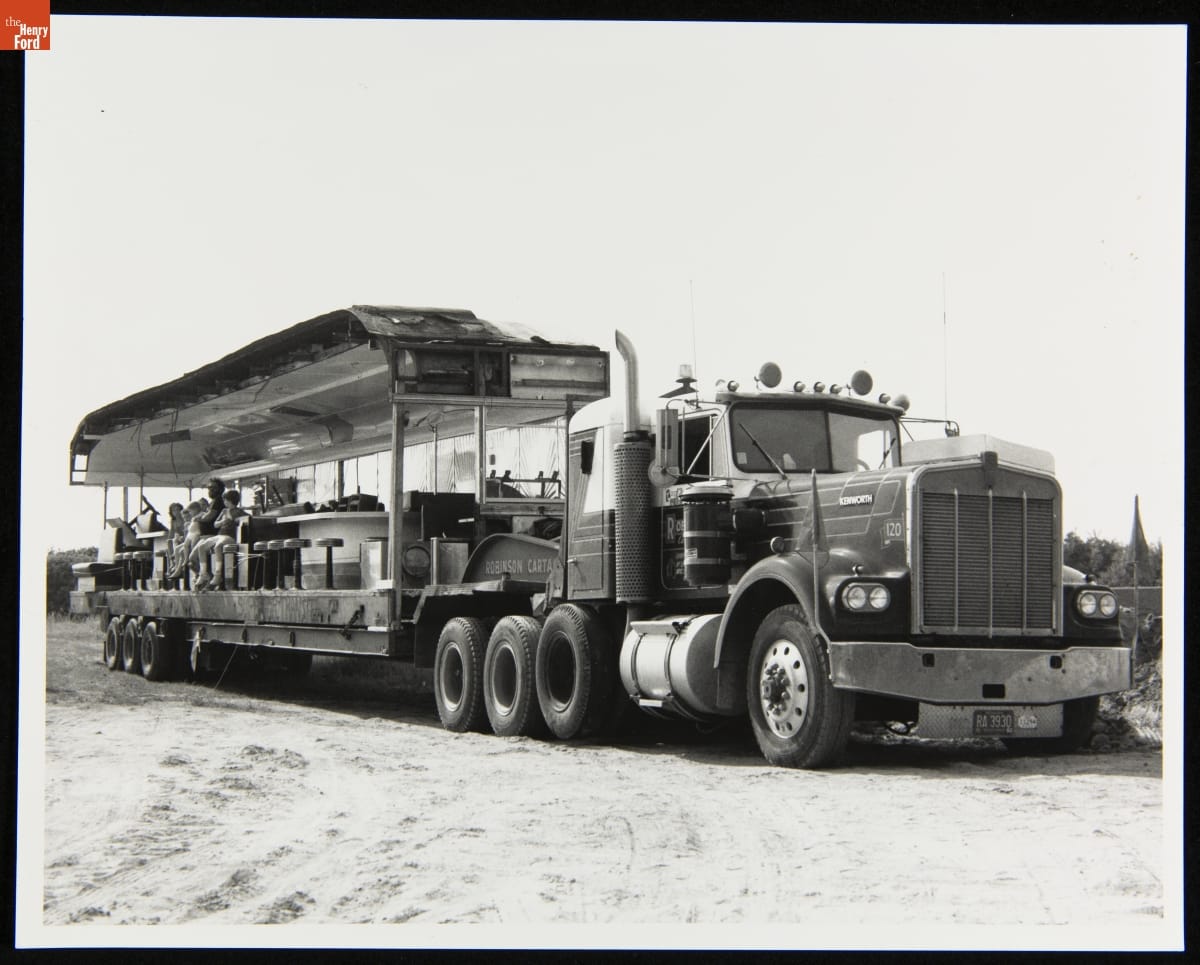
- One Half of Uncle Bob's Diner Being Moved, circa 1970 -
- circa 1970
- Collections - Artifact
One Half of Uncle Bob's Diner Being Moved, circa 1970
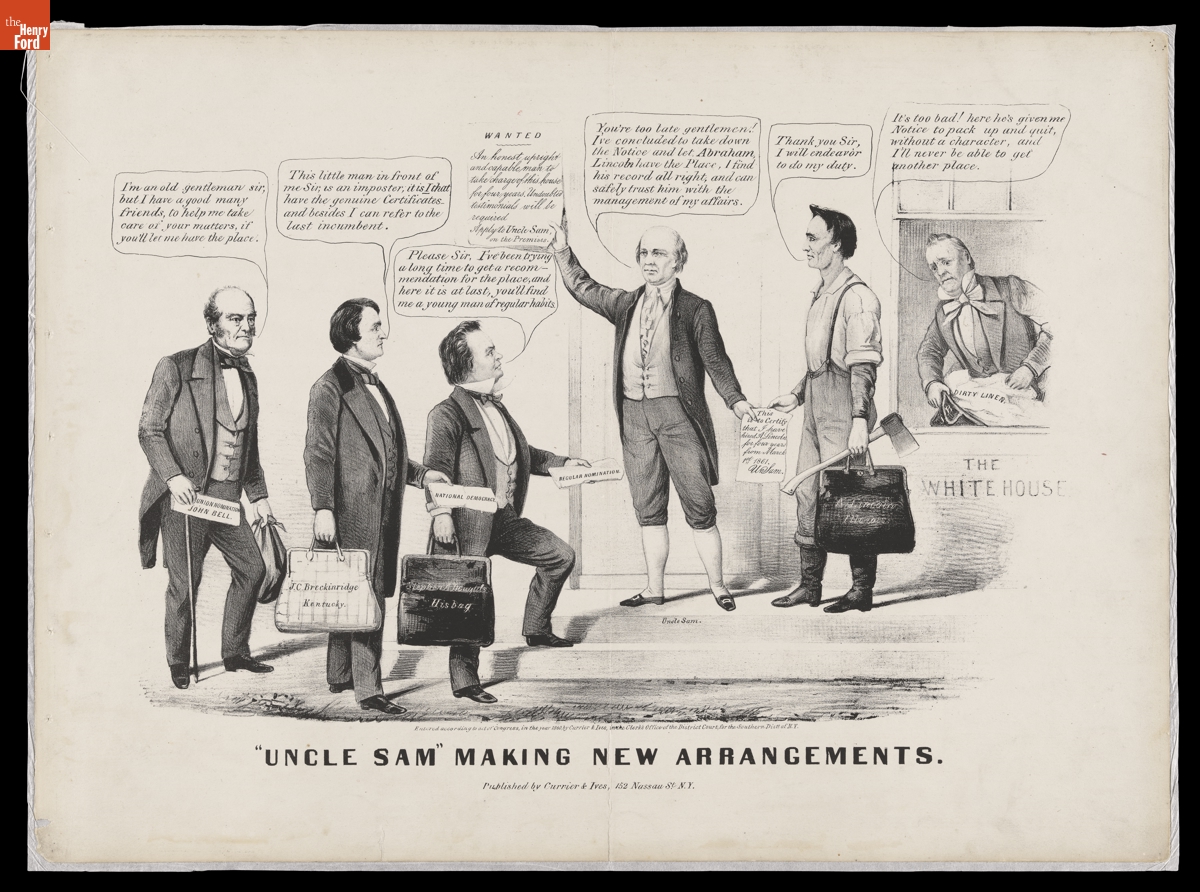
- Political Cartoon, "Uncle Sam Making New Arrangements," 1860 -
- 1860
- Collections - Artifact
Political Cartoon, "Uncle Sam Making New Arrangements," 1860
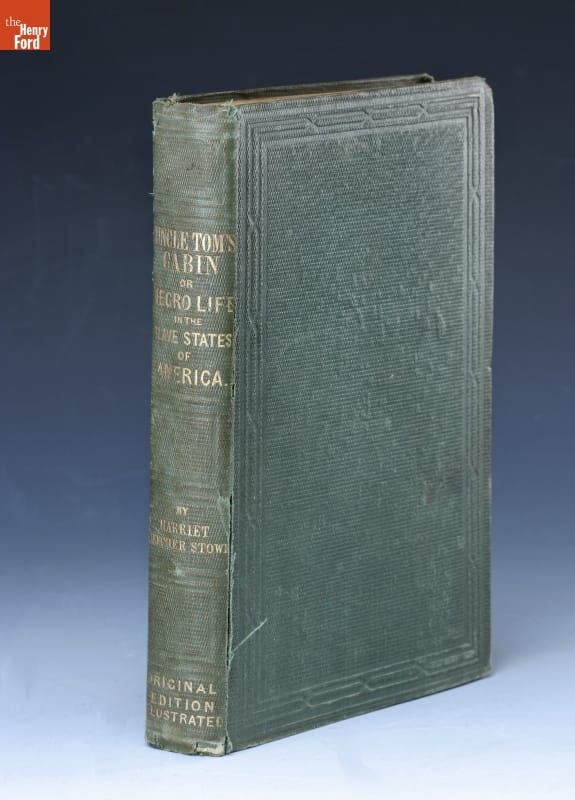
- "Uncle Tom's Cabin; or, Negro Life in the Slave States of America," 1852 - The trials of an enslaved black family seeking freedom are told in the pages of Harriet Beecher Stowe's <em>Uncle Tom's Cabin</em>. The work of fiction became a national and international best-seller when first published in 1852. In one year, 1.5 million copies were sold in Great Britain. The book advanced anti-slavery sympathies throughout Europe and made Stowe an international celebrity.
- 1852
- Collections - Artifact
"Uncle Tom's Cabin; or, Negro Life in the Slave States of America," 1852
The trials of an enslaved black family seeking freedom are told in the pages of Harriet Beecher Stowe's Uncle Tom's Cabin. The work of fiction became a national and international best-seller when first published in 1852. In one year, 1.5 million copies were sold in Great Britain. The book advanced anti-slavery sympathies throughout Europe and made Stowe an international celebrity.
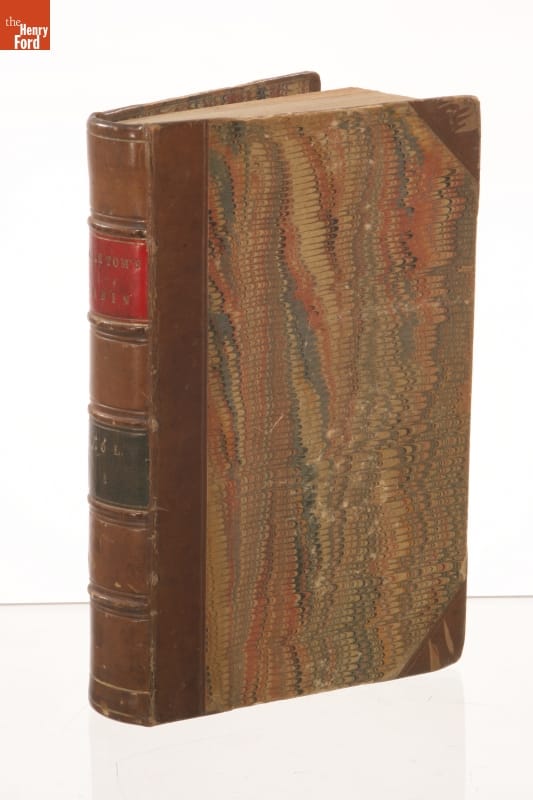
- "Uncle Tom's Cabin; or Life among the Lowly," Vol. 1, 1852 - The trials of an enslaved black family seeking freedom are told in the pages of Harriet Beecher Stowe's <em>Uncle Tom's Cabin</em>. The work of fiction became an instant best-seller when first published in 1852. Stowe's emotional descriptions touched many readers while others dismissed it as lies. Abolitionist praised the book, but it was reviled by pro-slavery advocates.
- 1852
- Collections - Artifact
"Uncle Tom's Cabin; or Life among the Lowly," Vol. 1, 1852
The trials of an enslaved black family seeking freedom are told in the pages of Harriet Beecher Stowe's Uncle Tom's Cabin. The work of fiction became an instant best-seller when first published in 1852. Stowe's emotional descriptions touched many readers while others dismissed it as lies. Abolitionist praised the book, but it was reviled by pro-slavery advocates.