
Search
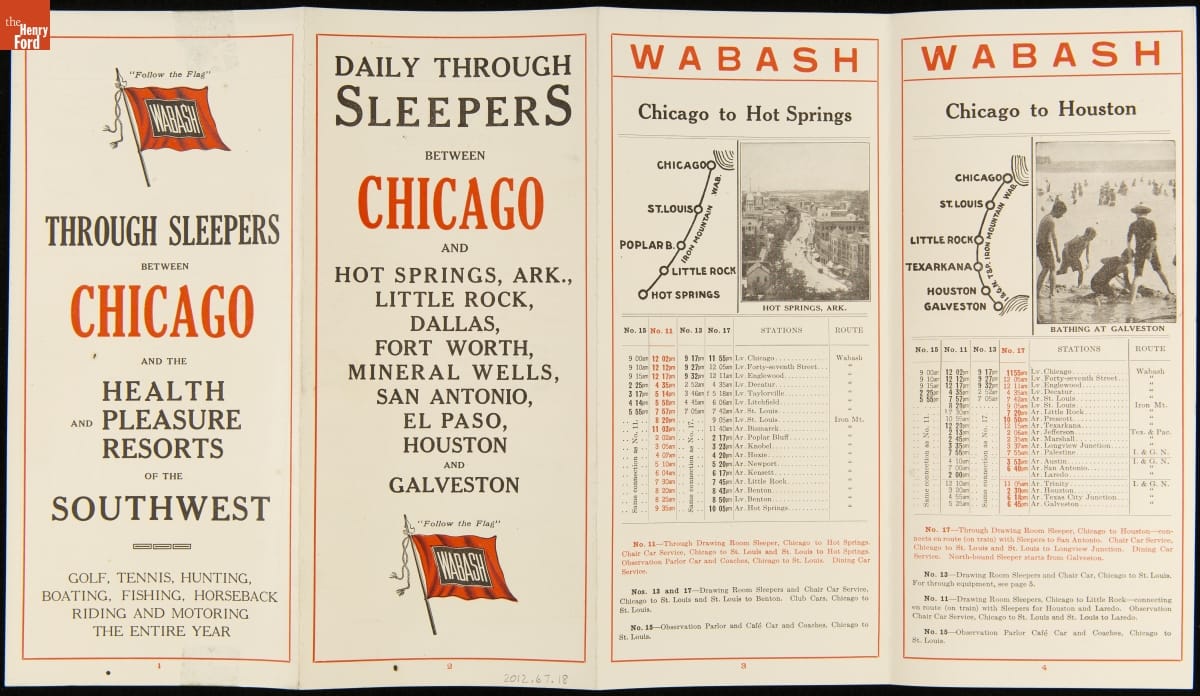
- Daily Through Sleepers between Chicago and the Health and Pleasure Resorts of the Southwest, 1915 - The Wabash Railway, with origins dating back to 1838, was a strong Midwestern carrier until Amtrak took over the national passenger railroad system in 1971. This timetable advertised Wabash's through trains between Chicago and resort communities in Arkansas and Texas. Wabash operated the service in cooperation with the St. Louis, Iron Mountain & Southern Railway and the International & Great Northern Railway.
- 1915
- Collections - Artifact
Daily Through Sleepers between Chicago and the Health and Pleasure Resorts of the Southwest, 1915
The Wabash Railway, with origins dating back to 1838, was a strong Midwestern carrier until Amtrak took over the national passenger railroad system in 1971. This timetable advertised Wabash's through trains between Chicago and resort communities in Arkansas and Texas. Wabash operated the service in cooperation with the St. Louis, Iron Mountain & Southern Railway and the International & Great Northern Railway.
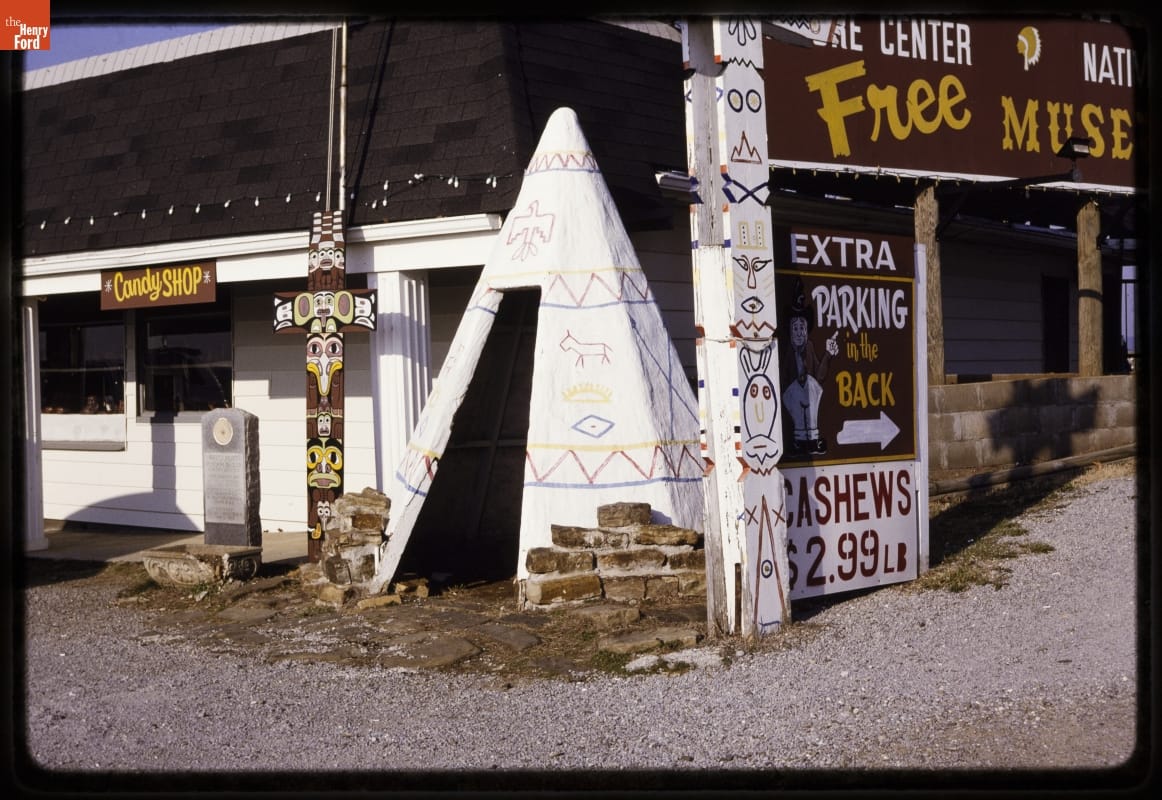
- Artist Point Gift Shop, Mountainburg, Arkansas, 1994 - In the mid-1970s, John Margolies began to assemble a visual record of America's built roadside landscape. Over the following three decades, he traveled thousands of miles to photograph the overlooked and often quickly vanishing structures that had grown out of American automobile culture and main street commerce. His photographs of hotels, motels, diners, service stations, drive-ins and attractions celebrate and capture a unique chapter of American history.
- 1994
- Collections - Artifact
Artist Point Gift Shop, Mountainburg, Arkansas, 1994
In the mid-1970s, John Margolies began to assemble a visual record of America's built roadside landscape. Over the following three decades, he traveled thousands of miles to photograph the overlooked and often quickly vanishing structures that had grown out of American automobile culture and main street commerce. His photographs of hotels, motels, diners, service stations, drive-ins and attractions celebrate and capture a unique chapter of American history.
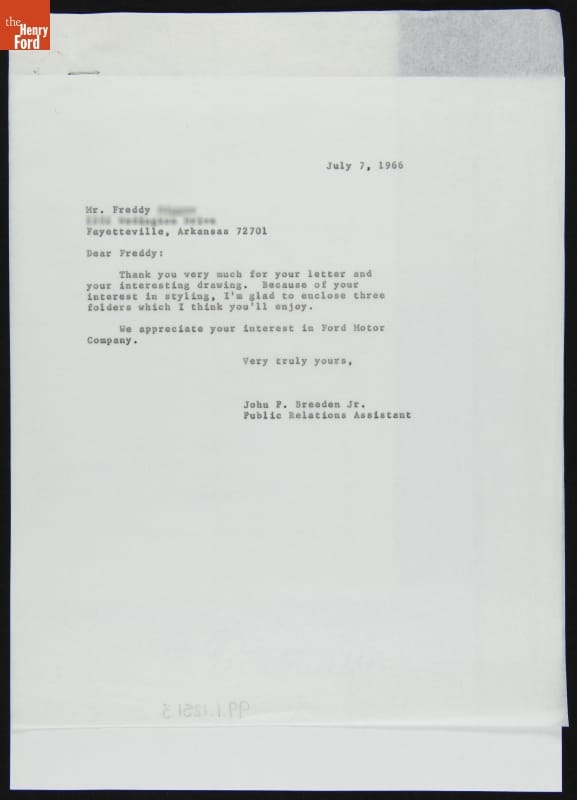
- Letter of Thanks from Ford Motor Company Public Relations to Freddy, Age 8, 1966 - Young automobile enthusiasts occasionally wrote to Ford Motor Company to share thoughts about, and perhaps even drawings of, their favorite Ford cars. In reply, correspondents usually received a letter from Ford's public relations department, along with brochures or press materials about the company's production vehicles and concept cars.
- July 07, 1966
- Collections - Artifact
Letter of Thanks from Ford Motor Company Public Relations to Freddy, Age 8, 1966
Young automobile enthusiasts occasionally wrote to Ford Motor Company to share thoughts about, and perhaps even drawings of, their favorite Ford cars. In reply, correspondents usually received a letter from Ford's public relations department, along with brochures or press materials about the company's production vehicles and concept cars.
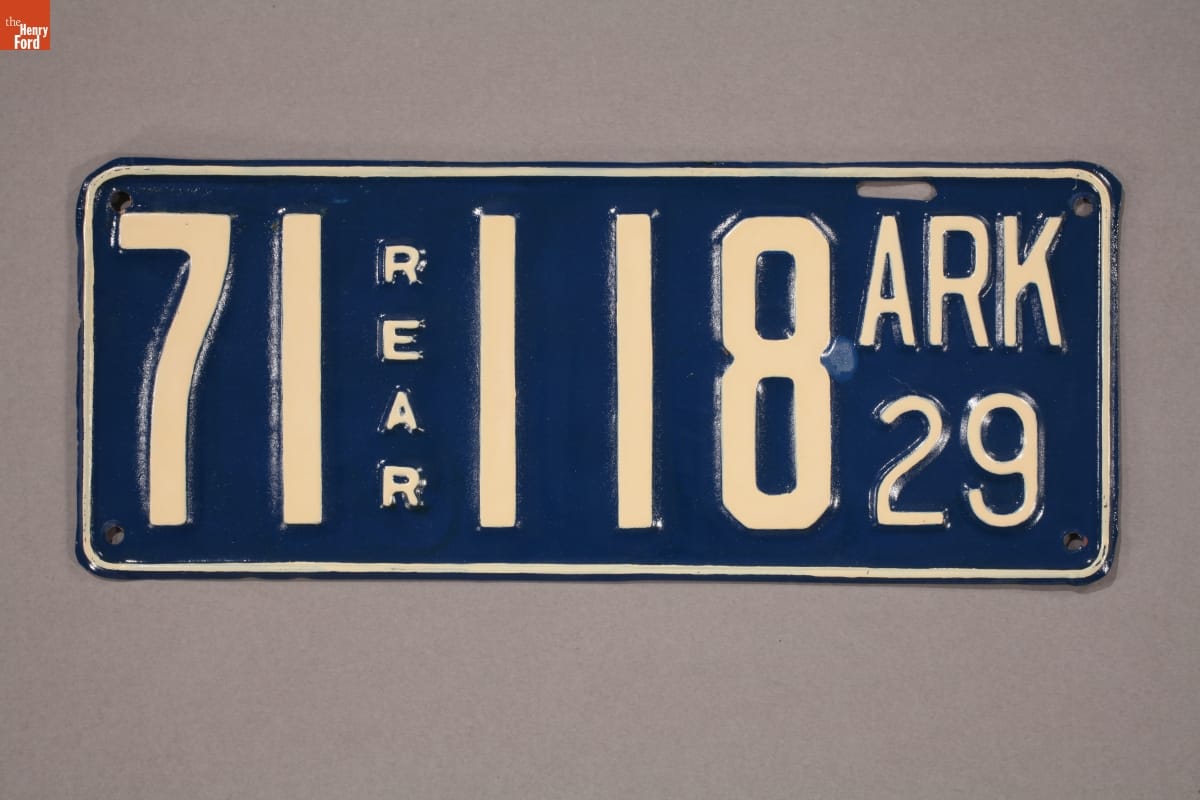
- Arkansas License Plate, 1929 - Early state-issued license plates were made of porcelain-coated iron. Later, states stamped tin, steel, or even copper to make plates. During the Second World War several states used fiberboard. Plate colors varied and some states added symbols, mottoes, or other design elements. Today, states use reflective sheeting to coat a standard-sized aluminum blank which is then stamped and decorated.
- 1929
- Collections - Artifact
Arkansas License Plate, 1929
Early state-issued license plates were made of porcelain-coated iron. Later, states stamped tin, steel, or even copper to make plates. During the Second World War several states used fiberboard. Plate colors varied and some states added symbols, mottoes, or other design elements. Today, states use reflective sheeting to coat a standard-sized aluminum blank which is then stamped and decorated.
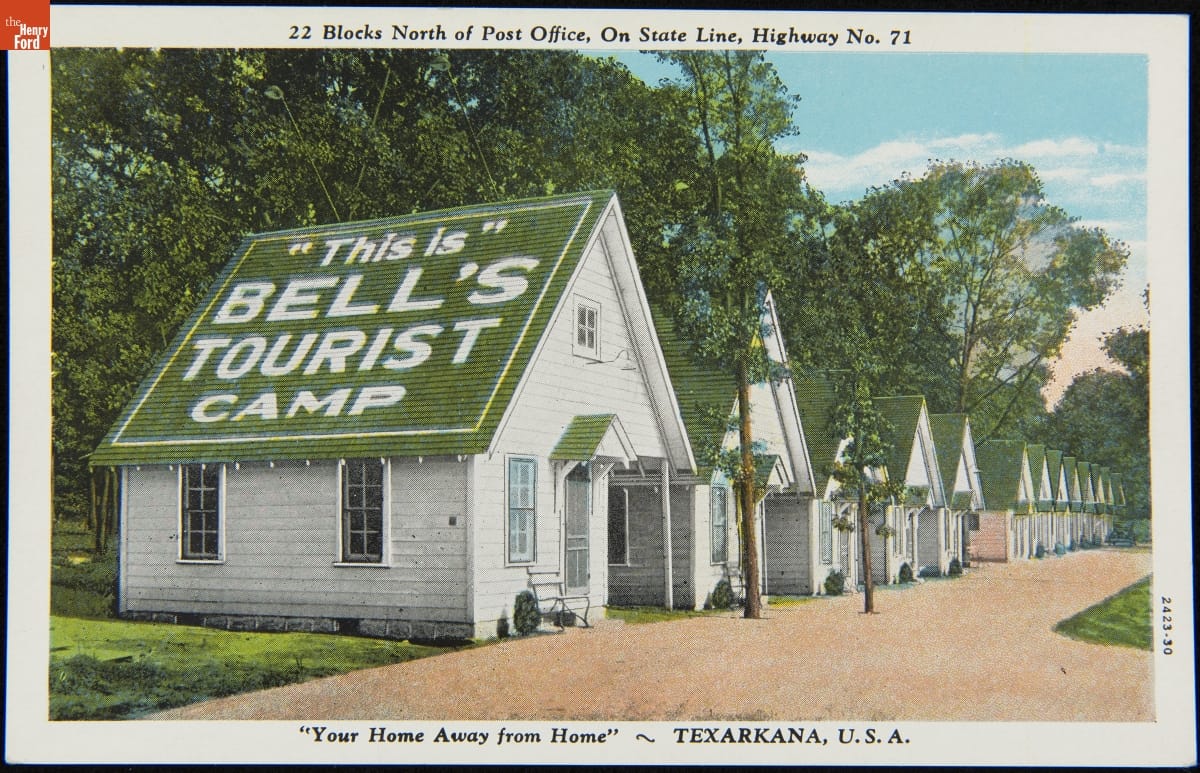
- Bell's Tourist Camp, Texarkana, Arkansas, circa 1935 - Motorists weary of roughing it in tents found that homey little cabins offered a convenient, economical alternative. By the 1930s, tourist cabins were popping up everywhere. Bell's Tourist Camp in Texarkana, Arkansas, offered a selection of "modern cottages," along with a restaurant and market.
- circa 1935
- Collections - Artifact
Bell's Tourist Camp, Texarkana, Arkansas, circa 1935
Motorists weary of roughing it in tents found that homey little cabins offered a convenient, economical alternative. By the 1930s, tourist cabins were popping up everywhere. Bell's Tourist Camp in Texarkana, Arkansas, offered a selection of "modern cottages," along with a restaurant and market.
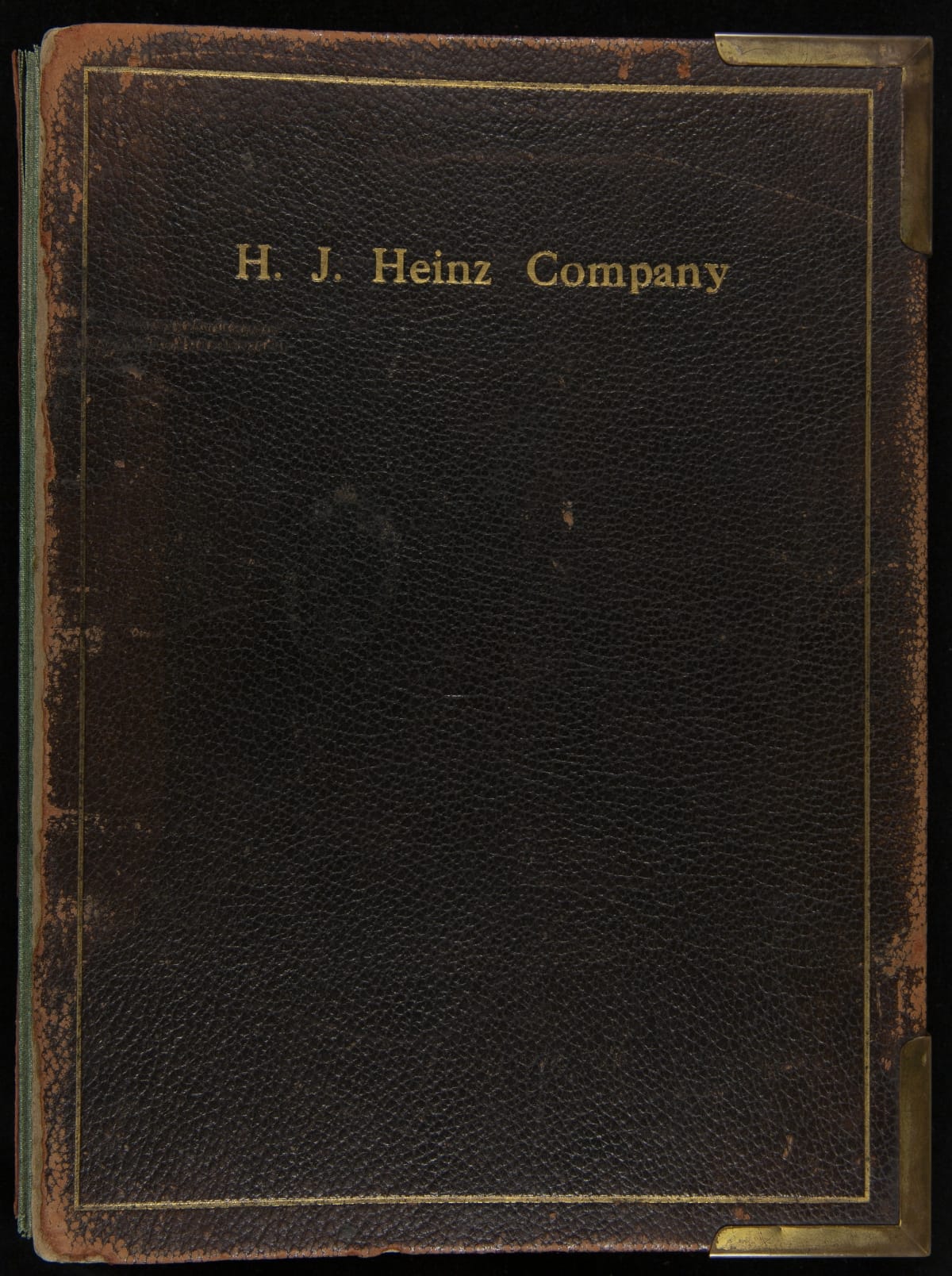
- Sales Catalog of the H. J. Heinz Company and Products, Pittsburgh, Pennsylvania, circa 1910 - With humble beginnings exclusively selling horseradish in 1869, H.J. Heinz continued to expand his product line to build the "House of Heinz" and become a leader in the manufactured food industry. This sales catalog highlights the manufacturing process and provides photographs of the factories, branch houses, and employees. It also contains information and photographs of each of the "57 Varieties" of Heinz products.
- 1910
- Collections - Artifact
Sales Catalog of the H. J. Heinz Company and Products, Pittsburgh, Pennsylvania, circa 1910
With humble beginnings exclusively selling horseradish in 1869, H.J. Heinz continued to expand his product line to build the "House of Heinz" and become a leader in the manufactured food industry. This sales catalog highlights the manufacturing process and provides photographs of the factories, branch houses, and employees. It also contains information and photographs of each of the "57 Varieties" of Heinz products.
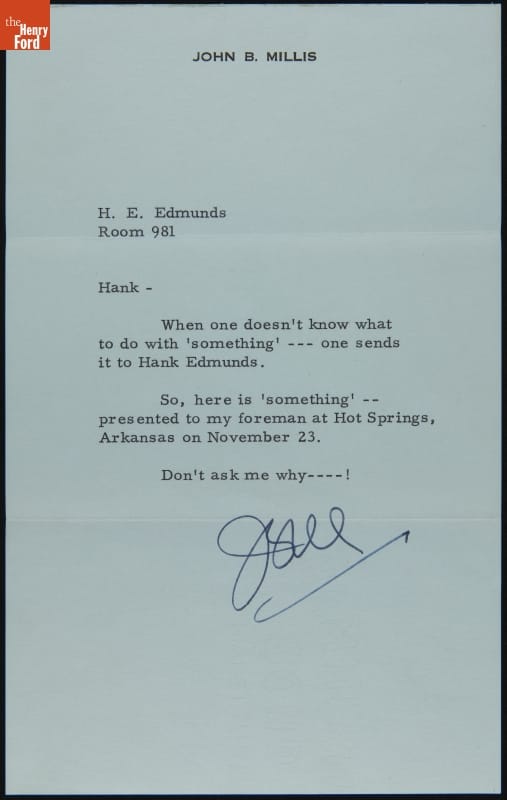
- Memo from John B. Millis to Hank E. Edmonds regarding the "Bag of Genuine Dirt" from Crater of Diamonds, 1952-1959 -
- 1949-1958
- Collections - Artifact
Memo from John B. Millis to Hank E. Edmonds regarding the "Bag of Genuine Dirt" from Crater of Diamonds, 1952-1959
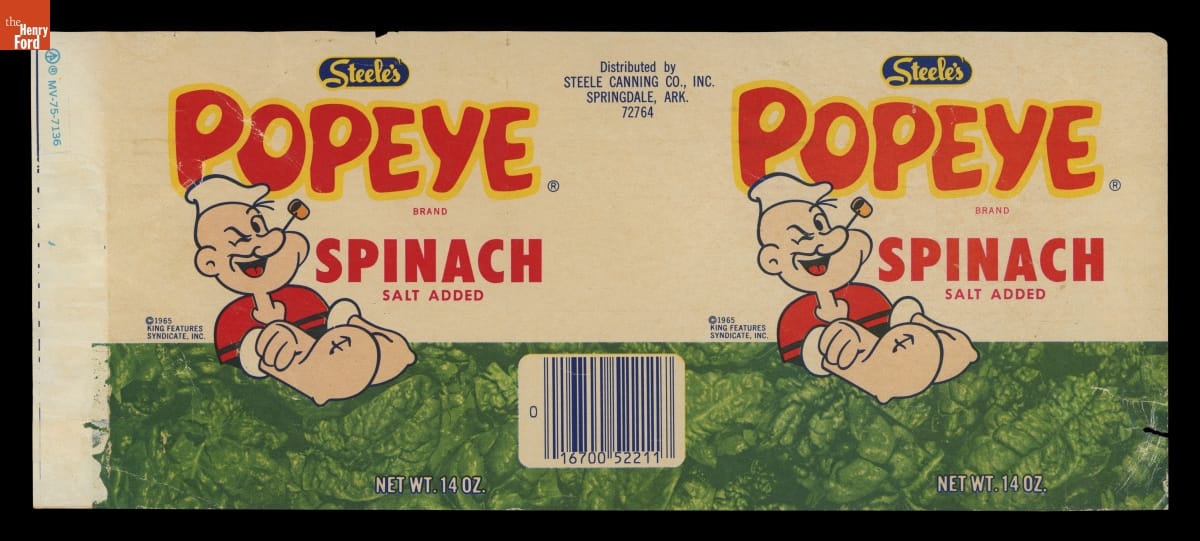
- "Steele's Popeye Brand Spinach," 1974-1978 -
- 1974-1978
- Collections - Artifact
"Steele's Popeye Brand Spinach," 1974-1978
- Lux Toilet Soap, Complimentary Size, From Greyhound Court, 1940-1959 -
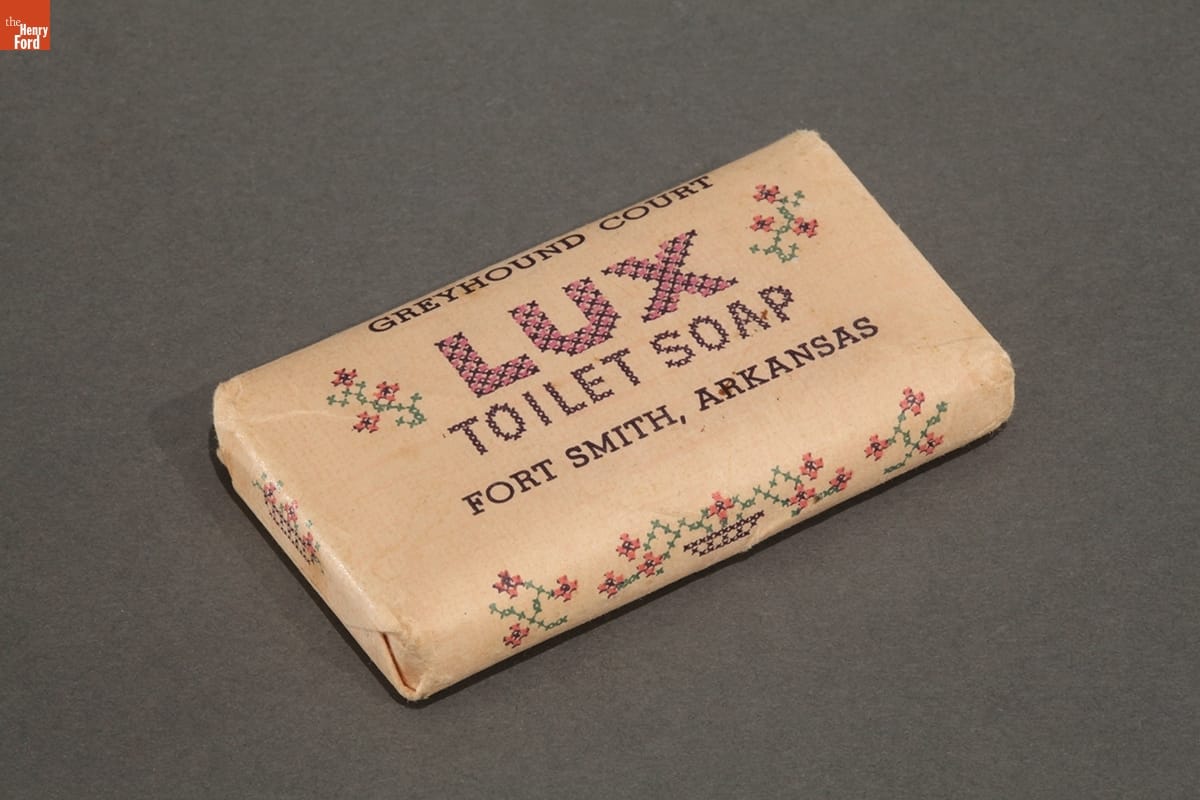
- 1940-1959
- Collections - Artifact
Lux Toilet Soap, Complimentary Size, From Greyhound Court, 1940-1959
- Lion Oil Service Station Sign, De Valls Bluff, Arkansas, 1979 - In the mid-1970s, John Margolies began to assemble a visual record of America's built roadside landscape. Over the following three decades, he traveled thousands of miles to photograph the overlooked and often quickly vanishing structures that had grown out of American automobile culture and main street commerce. His photographs of hotels, motels, diners, service stations, drive-ins and attractions celebrate and capture a unique chapter of American history.
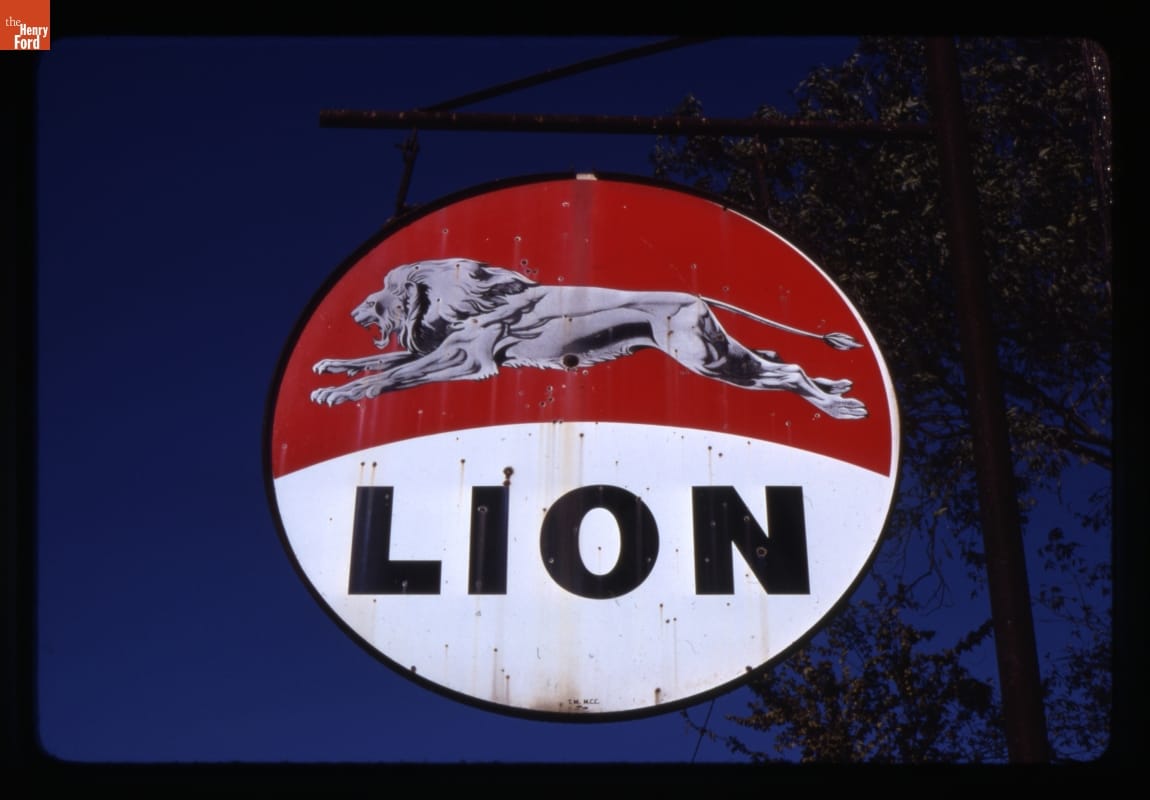
- 1979
- Collections - Artifact
Lion Oil Service Station Sign, De Valls Bluff, Arkansas, 1979
In the mid-1970s, John Margolies began to assemble a visual record of America's built roadside landscape. Over the following three decades, he traveled thousands of miles to photograph the overlooked and often quickly vanishing structures that had grown out of American automobile culture and main street commerce. His photographs of hotels, motels, diners, service stations, drive-ins and attractions celebrate and capture a unique chapter of American history.