
Search
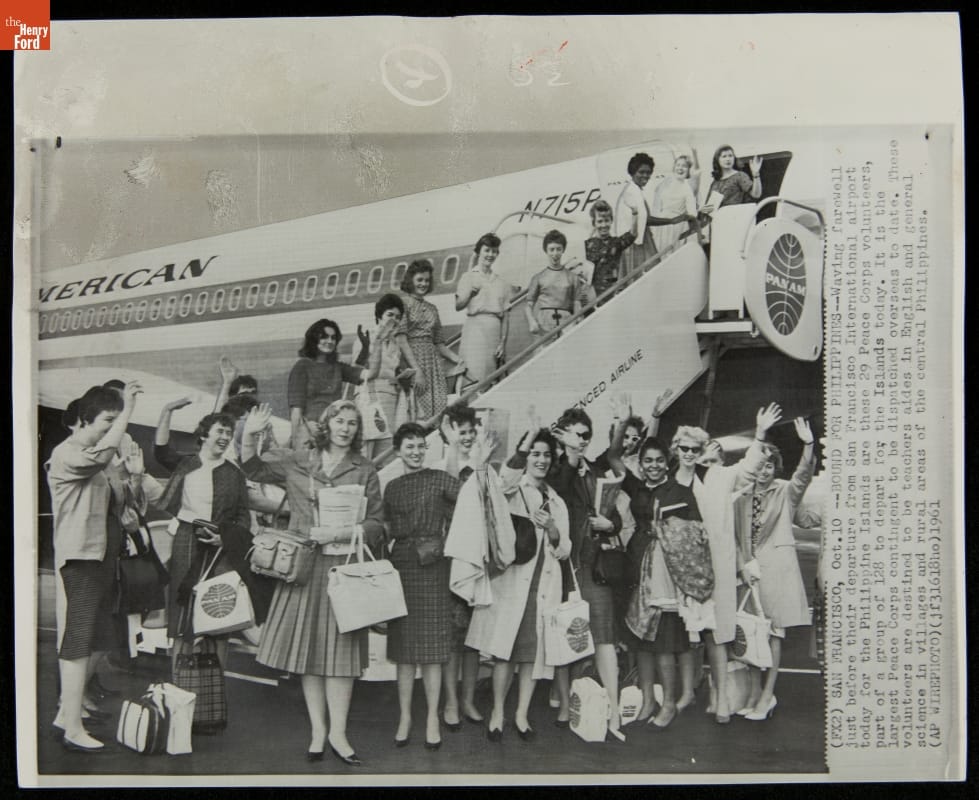
- Wire Photograph, Peace Corps Volunteers at San Francisco International Airport, "Bound for Philippines," 1961 - President John F. Kennedy recognized the Peace Corps as an opportunity to spread goodwill and as a positive weapon against the Cold War. Established March 1, 1961, by the end of the year, many Peace Corps volunteers had been trained and placed in overseas assignments. Here, a group leaves for the Philippines to serve as teachers' aides in country villages.
- October 12, 1961
- Collections - Artifact
Wire Photograph, Peace Corps Volunteers at San Francisco International Airport, "Bound for Philippines," 1961
President John F. Kennedy recognized the Peace Corps as an opportunity to spread goodwill and as a positive weapon against the Cold War. Established March 1, 1961, by the end of the year, many Peace Corps volunteers had been trained and placed in overseas assignments. Here, a group leaves for the Philippines to serve as teachers' aides in country villages.
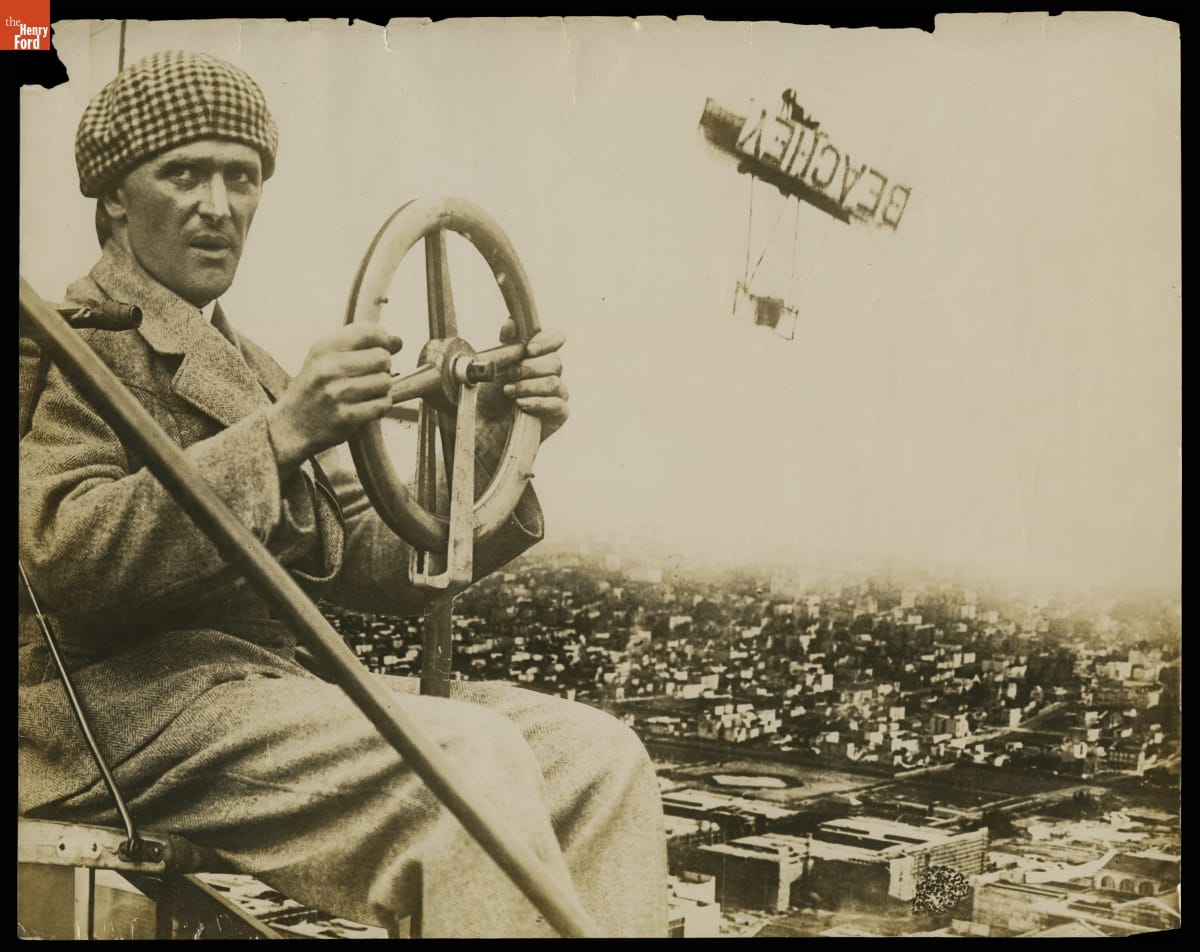
- Lincoln Beachey Stunt Flying over San Francisco, California, circa 1915 - Lincoln Beachey is remembered as America's first great stunt flyer. He perfected a series of aerobatic maneuvers -- including spins, dives, spirals, and loops -- and earned fame and fortune by staging heart-stopping exhibition flights for audiences across the country. Beachey died when the wings broke loose from his airplane during a stunt flight over San Francisco Bay in 1915.
- circa 1915
- Collections - Artifact
Lincoln Beachey Stunt Flying over San Francisco, California, circa 1915
Lincoln Beachey is remembered as America's first great stunt flyer. He perfected a series of aerobatic maneuvers -- including spins, dives, spirals, and loops -- and earned fame and fortune by staging heart-stopping exhibition flights for audiences across the country. Beachey died when the wings broke loose from his airplane during a stunt flight over San Francisco Bay in 1915.
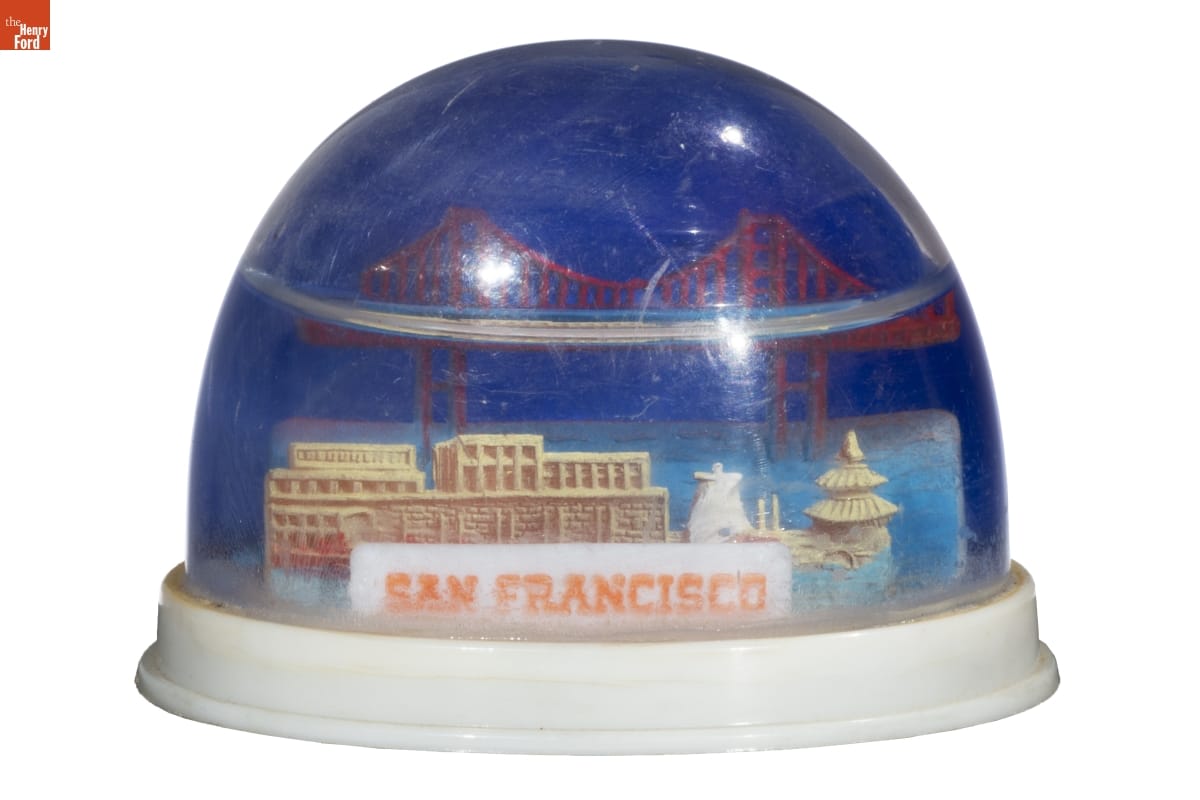
- "San Francisco" Snow Globe, circa 1970 - Tourist attractions offered souvenir seekers something new beginning in the 1950s: inexpensive plastic snow globes. These evolved from fancier versions through innovations in plastics and manufacturing technology, and they quickly became connected with travel. Snow globes were fun to collect, easy to transport, and served as both proof of the journey and a lasting representation of vacation memories.
- circa 1970
- Collections - Artifact
"San Francisco" Snow Globe, circa 1970
Tourist attractions offered souvenir seekers something new beginning in the 1950s: inexpensive plastic snow globes. These evolved from fancier versions through innovations in plastics and manufacturing technology, and they quickly became connected with travel. Snow globes were fun to collect, easy to transport, and served as both proof of the journey and a lasting representation of vacation memories.
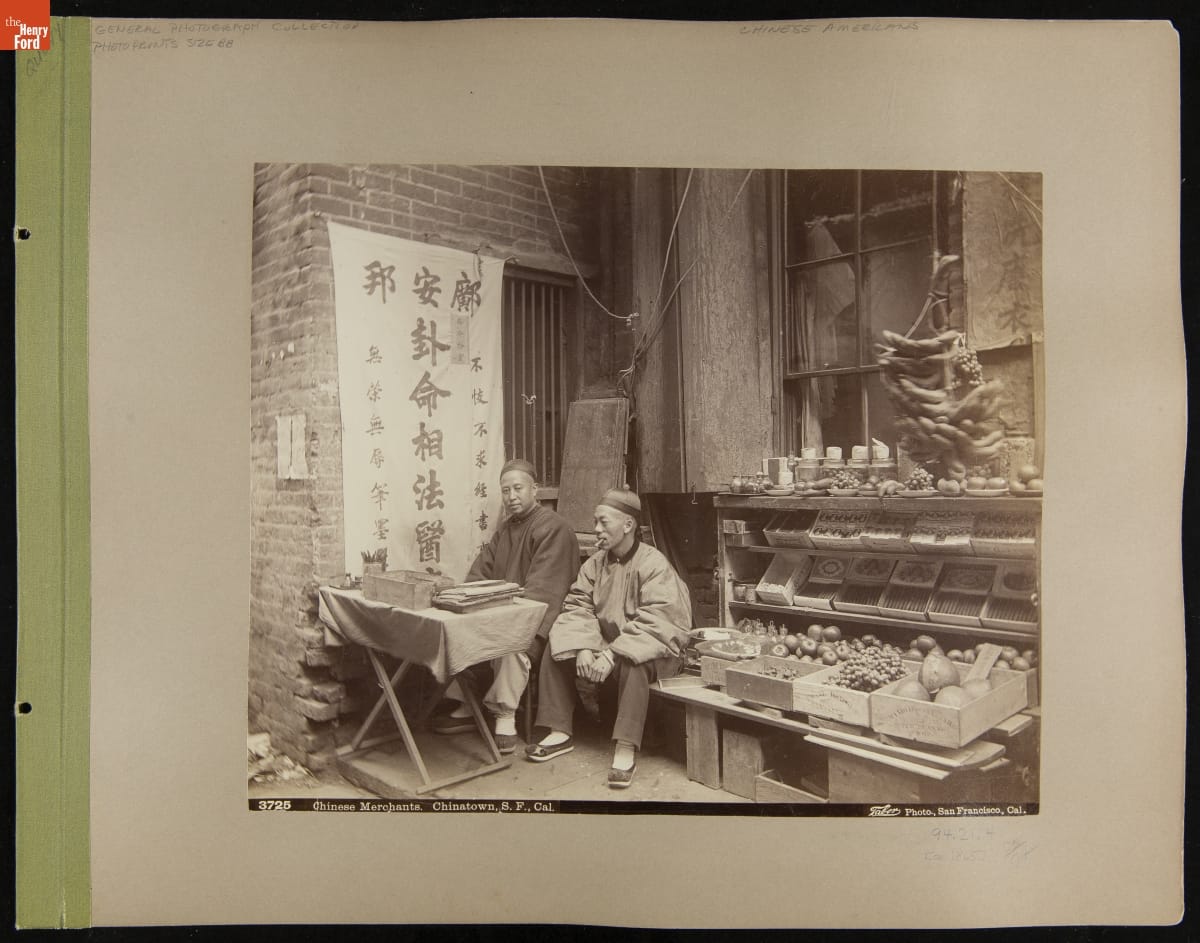
- "Chinese Merchants. Chinatown, S.F., Cal." -
- circa 1865
- Collections - Artifact
"Chinese Merchants. Chinatown, S.F., Cal."
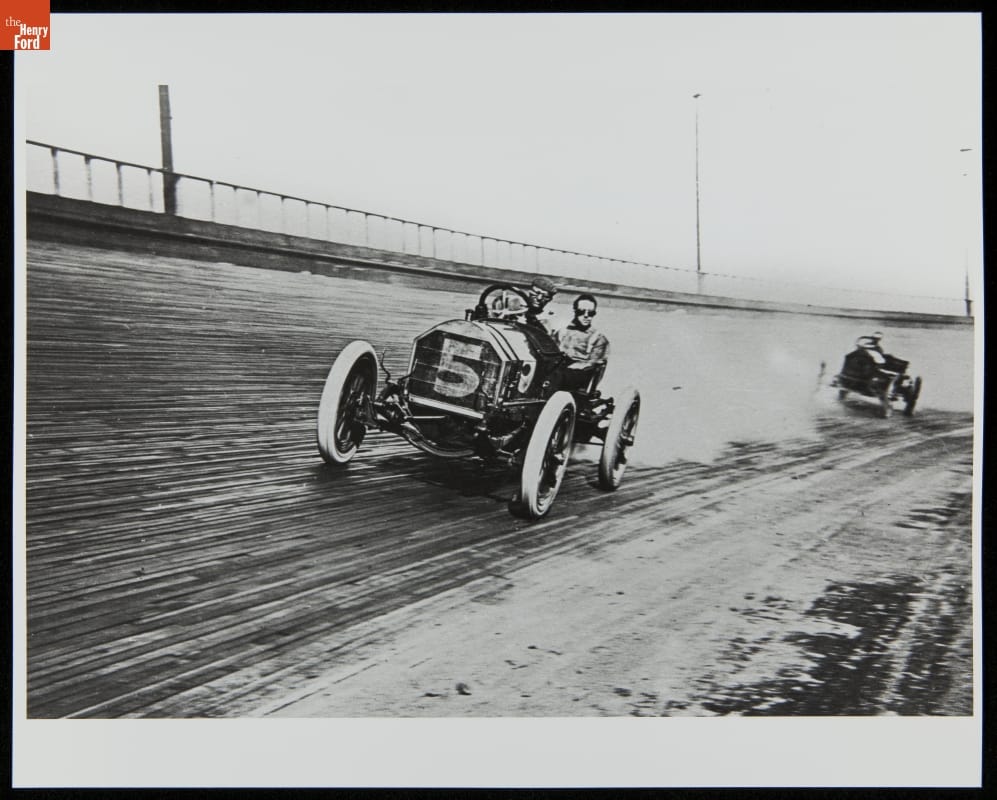
- Board Track, Playa Del Rey, California - Faster race cars prompted promoters to build board tracks in the 1910s. Wooden boards provided a smooth road surface and were less expensive than bricks or concrete. But rotting wood required frequent replacement. Improvements in concrete and asphalt made board tracks obsolete in the 1930s. The one-mile Los Angeles Motordrome at Playa del Rey, California, operated from 1910-1913.
- circa 1911
- Collections - Artifact
Board Track, Playa Del Rey, California
Faster race cars prompted promoters to build board tracks in the 1910s. Wooden boards provided a smooth road surface and were less expensive than bricks or concrete. But rotting wood required frequent replacement. Improvements in concrete and asphalt made board tracks obsolete in the 1930s. The one-mile Los Angeles Motordrome at Playa del Rey, California, operated from 1910-1913.
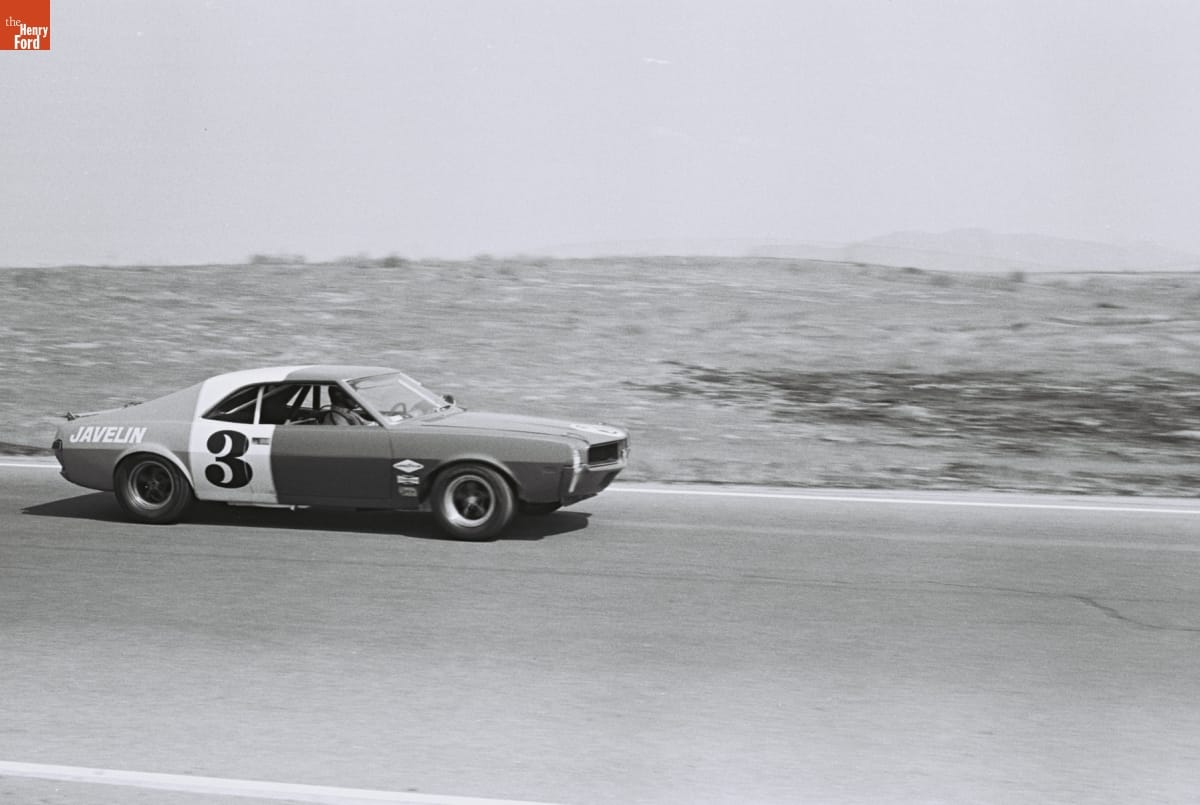
- Mission Bell 250 Trans Am, Riverside, California, September 1968 - Dave Friedman captured and preserved auto racing history through his photography. His work -- and his collection of works by other photographers -- documents key races, cars, drivers, and teams. This photo was taken at the Mission Bell 250, a Trans-Am race at California's Riverside International Raceway on September 8, 1968. Horst Kwech won with the #2 Ford Mustang from Shelby Racing.
- September 08, 1968
- Collections - Artifact
Mission Bell 250 Trans Am, Riverside, California, September 1968
Dave Friedman captured and preserved auto racing history through his photography. His work -- and his collection of works by other photographers -- documents key races, cars, drivers, and teams. This photo was taken at the Mission Bell 250, a Trans-Am race at California's Riverside International Raceway on September 8, 1968. Horst Kwech won with the #2 Ford Mustang from Shelby Racing.
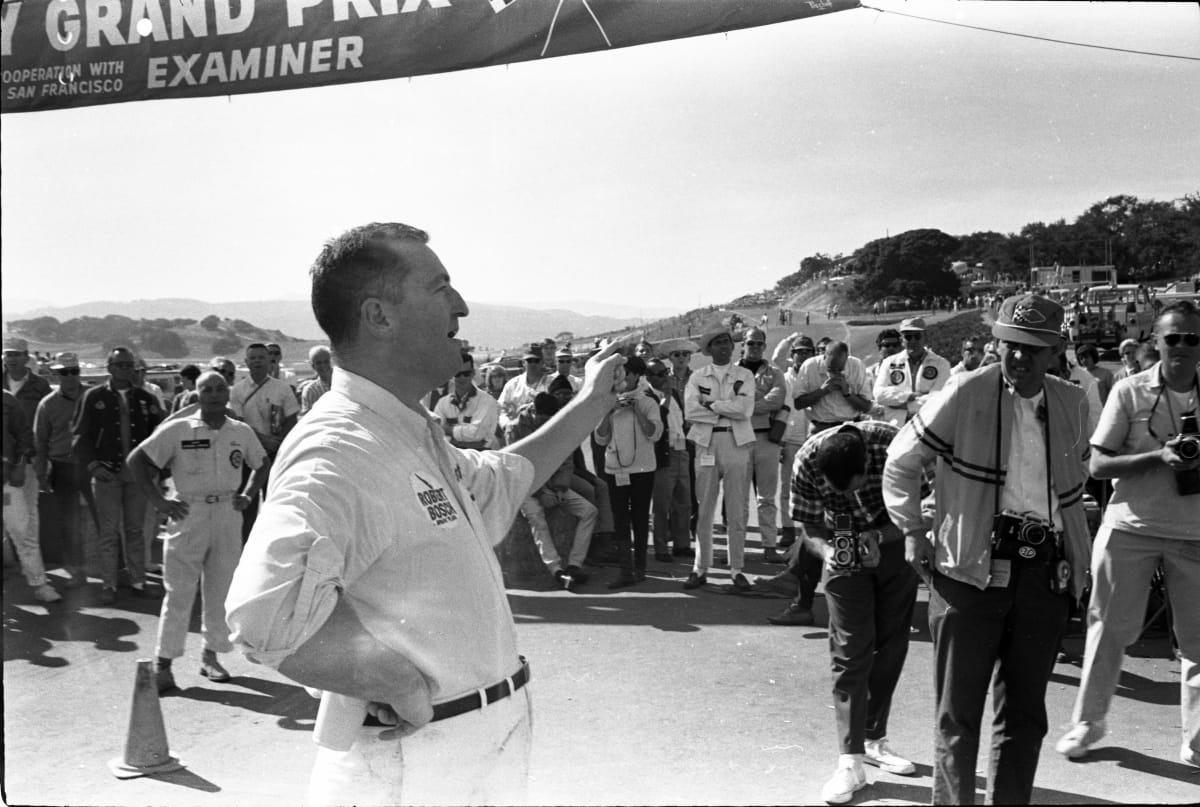
- Hap Sharp at the Monterey Grand Prix (Laguna Seca 200 Miles), October 1965 - Dave Friedman captured and preserved auto racing history through his photography. His work -- and his collection of works by other photographers -- documents key races, cars, drivers, and teams. This photo is from the 1965 Monterey Grand Prix, held at Laguna Seca Raceway near Monterey, California. Walt Hansgen earned the overall victory at the 200-mile race in the #17 Ford-powered Lola T70.
- 15 October 1965 - 17 October 1965
- Collections - Artifact
Hap Sharp at the Monterey Grand Prix (Laguna Seca 200 Miles), October 1965
Dave Friedman captured and preserved auto racing history through his photography. His work -- and his collection of works by other photographers -- documents key races, cars, drivers, and teams. This photo is from the 1965 Monterey Grand Prix, held at Laguna Seca Raceway near Monterey, California. Walt Hansgen earned the overall victory at the 200-mile race in the #17 Ford-powered Lola T70.
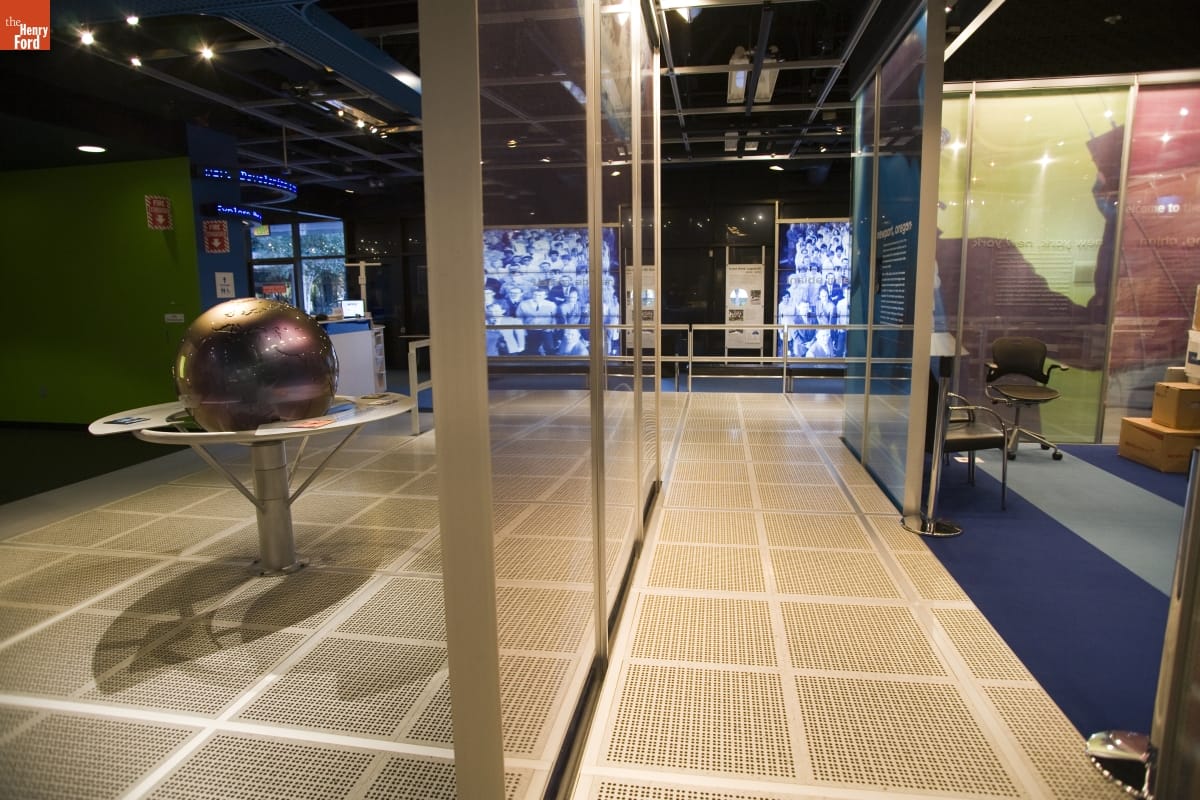
- Oral History Interview with Gordon Moore, September 24, 2008--Photographs--Digital Images--Item 37 - Gordon Moore is one of Silicon Valley's founding fathers. In 1968, Moore and Bob Noyce founded Intel Corporation. Intel produced the world's first microprocessor and became the world's largest producer of computer microchips. In 2008, staff from The Henry Ford interviewed Moore at Intel Corporation offices in Santa Clara, California, as part of the Collecting Innovation Today Oral History Project.
- September 24, 2008
- Collections - Artifact
Oral History Interview with Gordon Moore, September 24, 2008--Photographs--Digital Images--Item 37
Gordon Moore is one of Silicon Valley's founding fathers. In 1968, Moore and Bob Noyce founded Intel Corporation. Intel produced the world's first microprocessor and became the world's largest producer of computer microchips. In 2008, staff from The Henry Ford interviewed Moore at Intel Corporation offices in Santa Clara, California, as part of the Collecting Innovation Today Oral History Project.
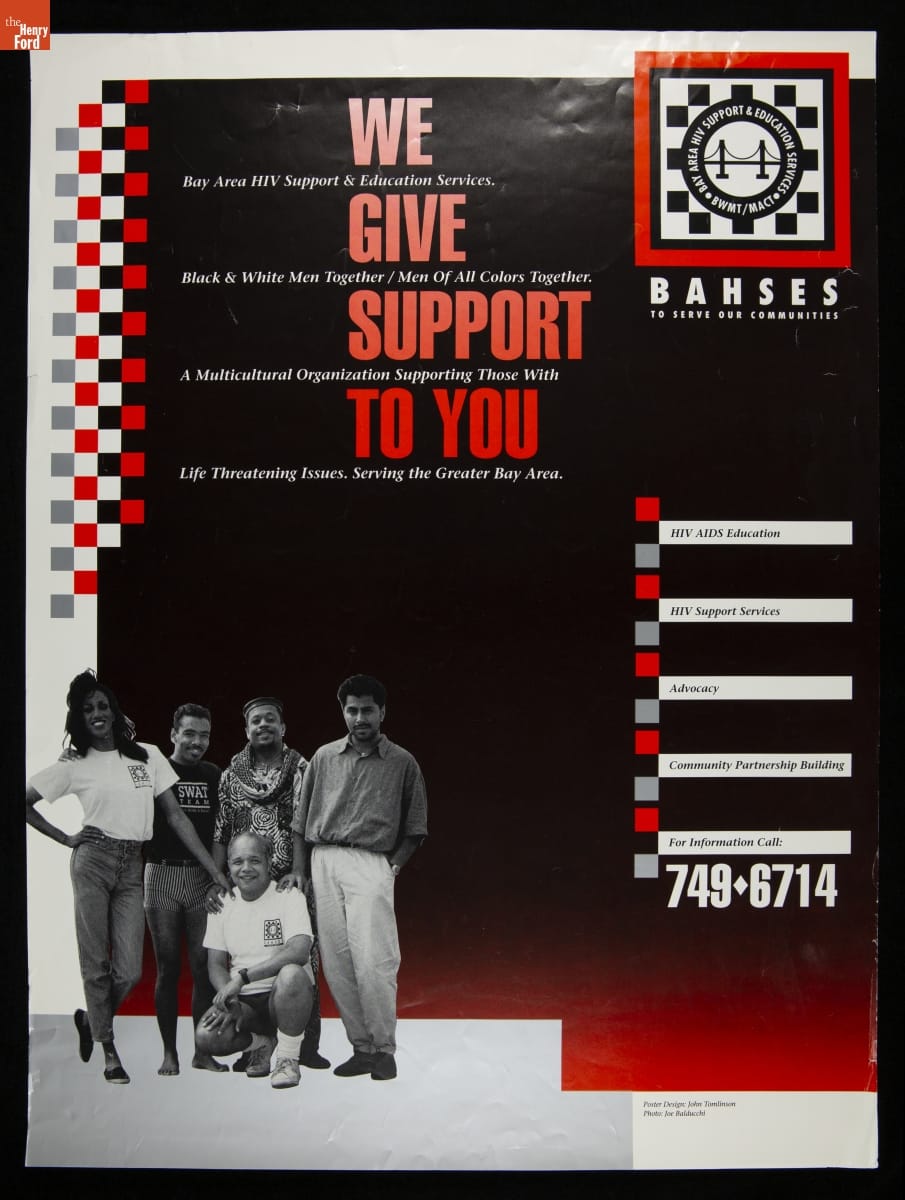
- "We Give Support to You," 1988-1999 -
- 1988-1999
- Collections - Artifact
"We Give Support to You," 1988-1999
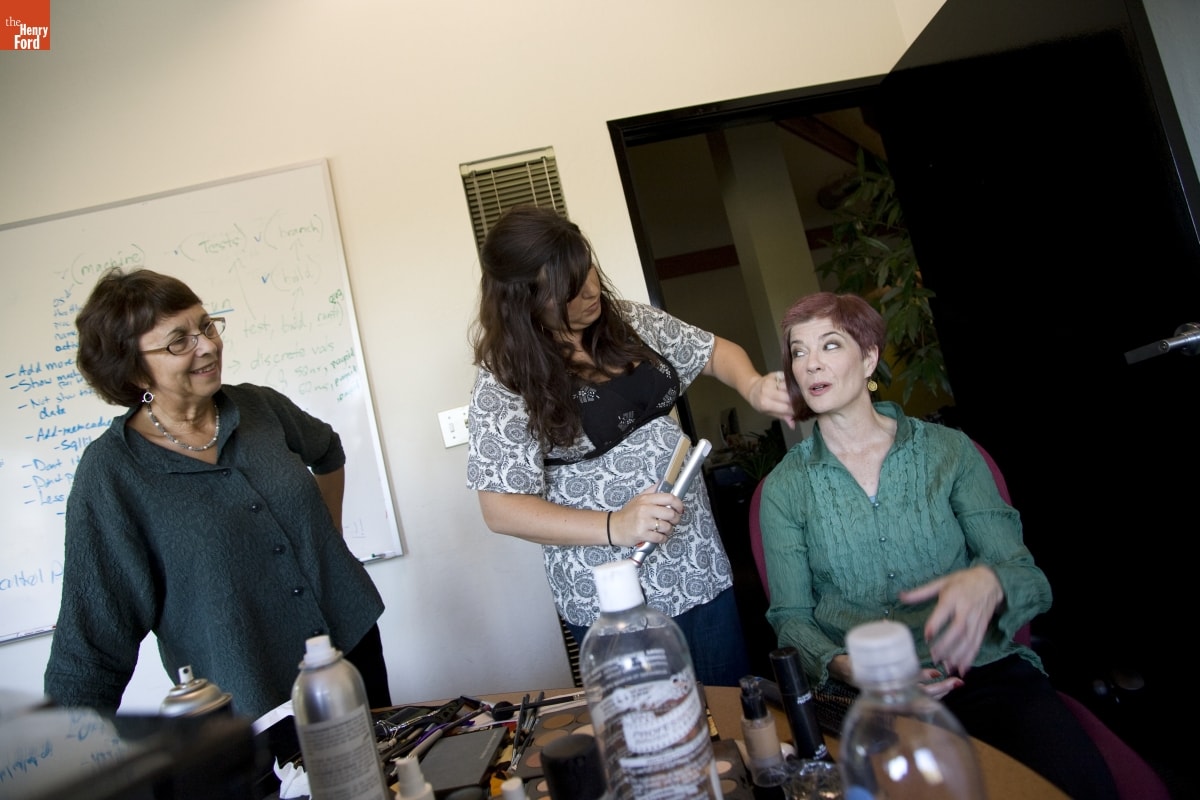
- Oral History Interview with Mitchell Baker, September, 2008--Photographs--Digital Images--Item 40 - Mitchell Baker, chair of the Mozilla Foundation, envisions building internet resources that are open and accessible to all. In 2005, her efforts led to the release of the Firefox browser. Staff from The Henry Ford interviewed Baker in 2008 at the offices of Mozilla Foundation in Mountain View, California, as part of the Collecting Innovation Today Oral History Project.
- September 22, 2008
- Collections - Artifact
Oral History Interview with Mitchell Baker, September, 2008--Photographs--Digital Images--Item 40
Mitchell Baker, chair of the Mozilla Foundation, envisions building internet resources that are open and accessible to all. In 2005, her efforts led to the release of the Firefox browser. Staff from The Henry Ford interviewed Baker in 2008 at the offices of Mozilla Foundation in Mountain View, California, as part of the Collecting Innovation Today Oral History Project.