
Search
- Lincoln Beachey Stunt Flying over San Francisco, California, circa 1915 - Lincoln Beachey is remembered as America's first great stunt flyer. He perfected a series of aerobatic maneuvers -- including spins, dives, spirals, and loops -- and earned fame and fortune by staging heart-stopping exhibition flights for audiences across the country. Beachey died when the wings broke loose from his airplane during a stunt flight over San Francisco Bay in 1915.
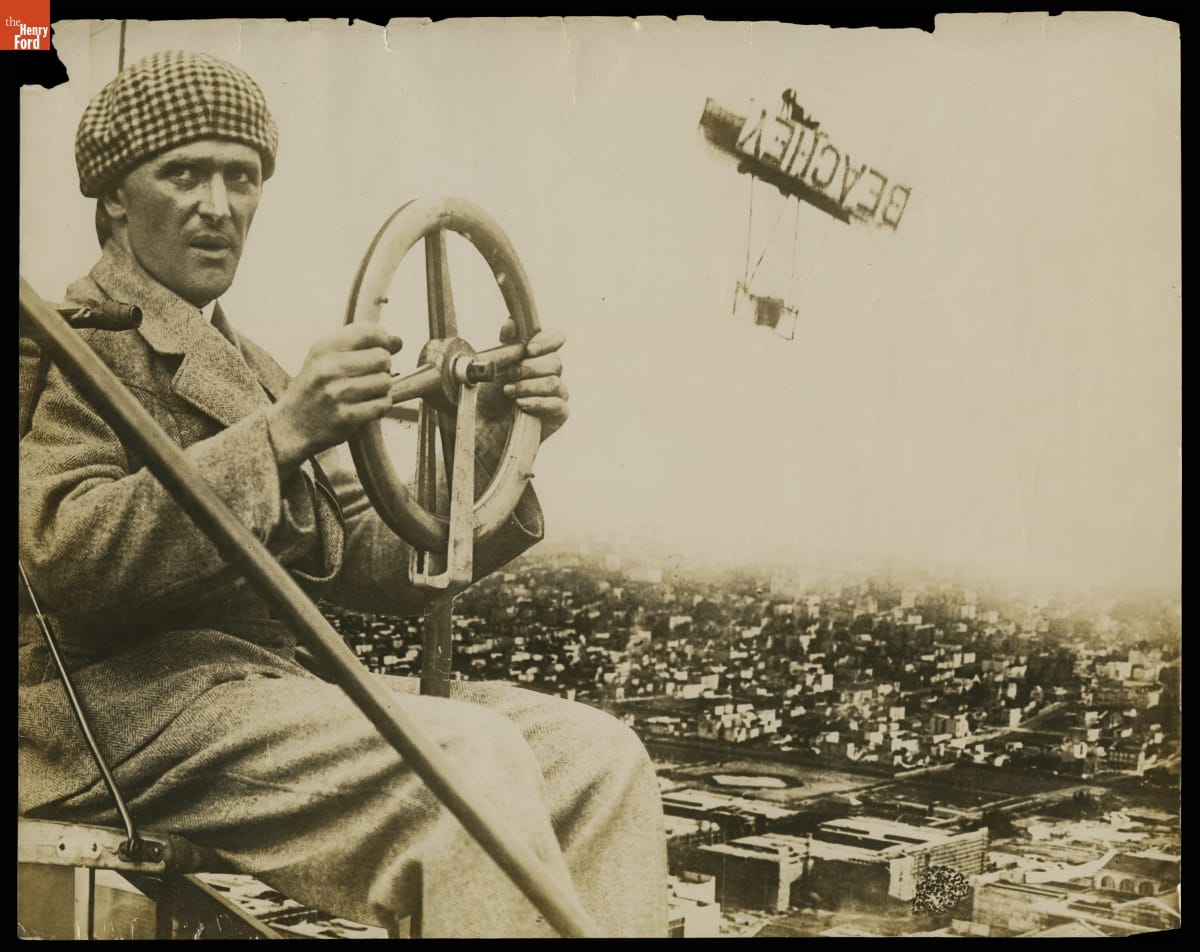
- circa 1915
- Collections - Artifact
Lincoln Beachey Stunt Flying over San Francisco, California, circa 1915
Lincoln Beachey is remembered as America's first great stunt flyer. He perfected a series of aerobatic maneuvers -- including spins, dives, spirals, and loops -- and earned fame and fortune by staging heart-stopping exhibition flights for audiences across the country. Beachey died when the wings broke loose from his airplane during a stunt flight over San Francisco Bay in 1915.
- First McDonald's Restaurant Crew, Des Plains, Illinois, circa 1964 - In its early years as a franchise, McDonald's hired only males, dressed neatly in white as seen at this restaurant in Des Plaines, Illinois, about 1964.
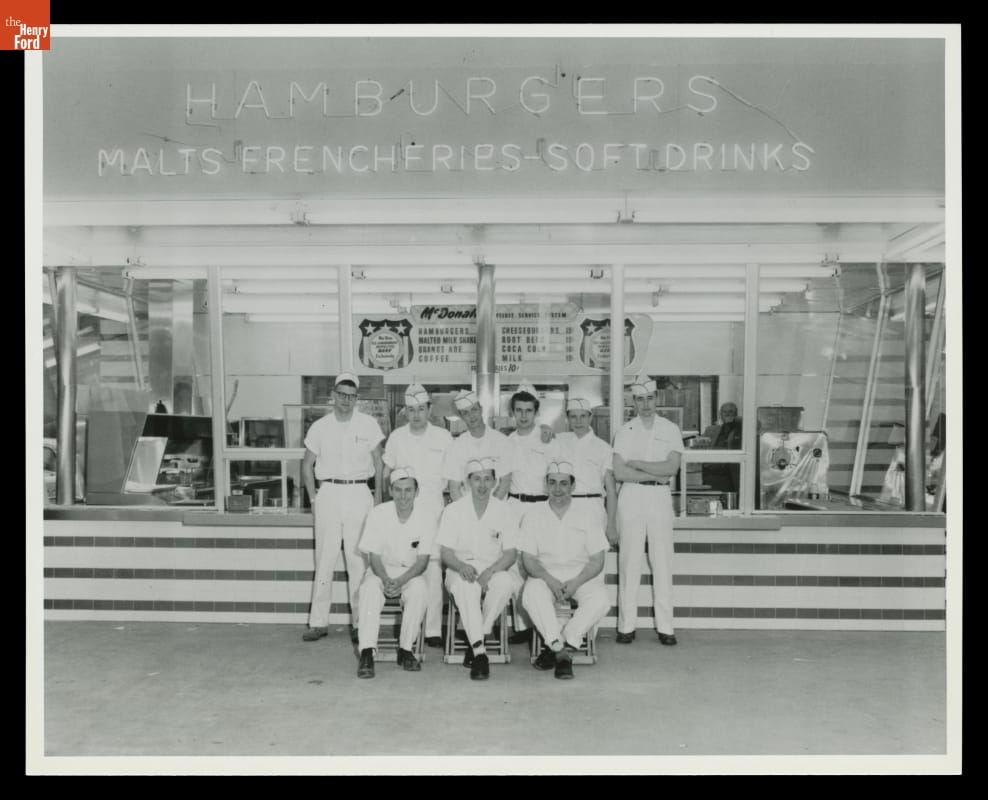
- circa 1964
- Collections - Artifact
First McDonald's Restaurant Crew, Des Plains, Illinois, circa 1964
In its early years as a franchise, McDonald's hired only males, dressed neatly in white as seen at this restaurant in Des Plaines, Illinois, about 1964.
- Label, "J. Berry's Fine Confections," 1886-1905 -
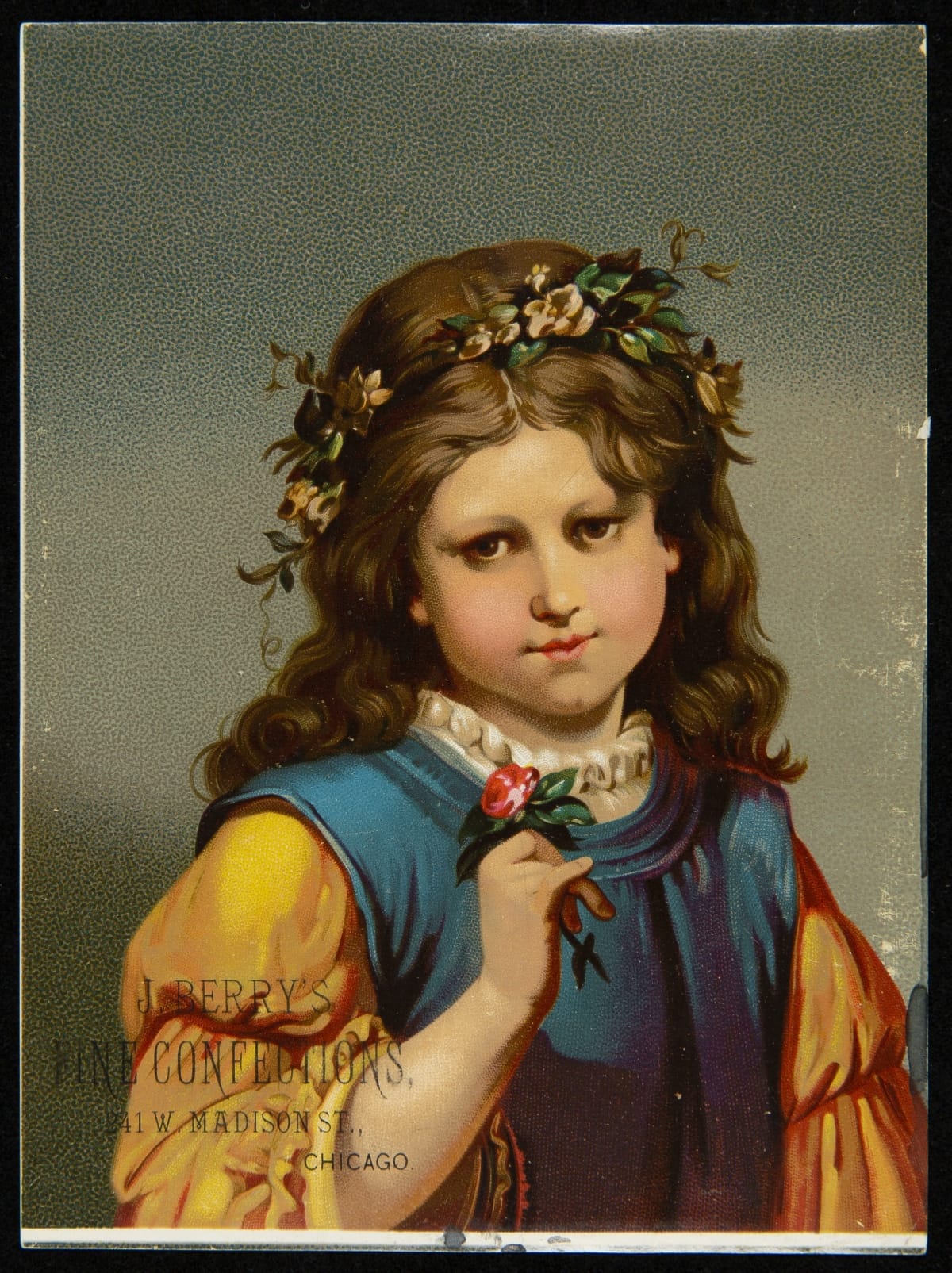
- 1886-1905
- Collections - Artifact
Label, "J. Berry's Fine Confections," 1886-1905
- Workers Installing a Sign for the Ticker Tape Parade Honoring the Apollo 11 Astronauts, August 13, 1969 - The crew of Apollo 11 -- Neil Armstrong, Edwin "Buzz" Aldrin (the first men to walk on the Moon) and Michael Collins (command module pilot) -- were given a hero's welcome upon their return from space. On August 13, 1969, Chicago, Illinois, hosted a ticker-tape parade for the astronauts. This photograph shows workers placing a sign along the parade route.
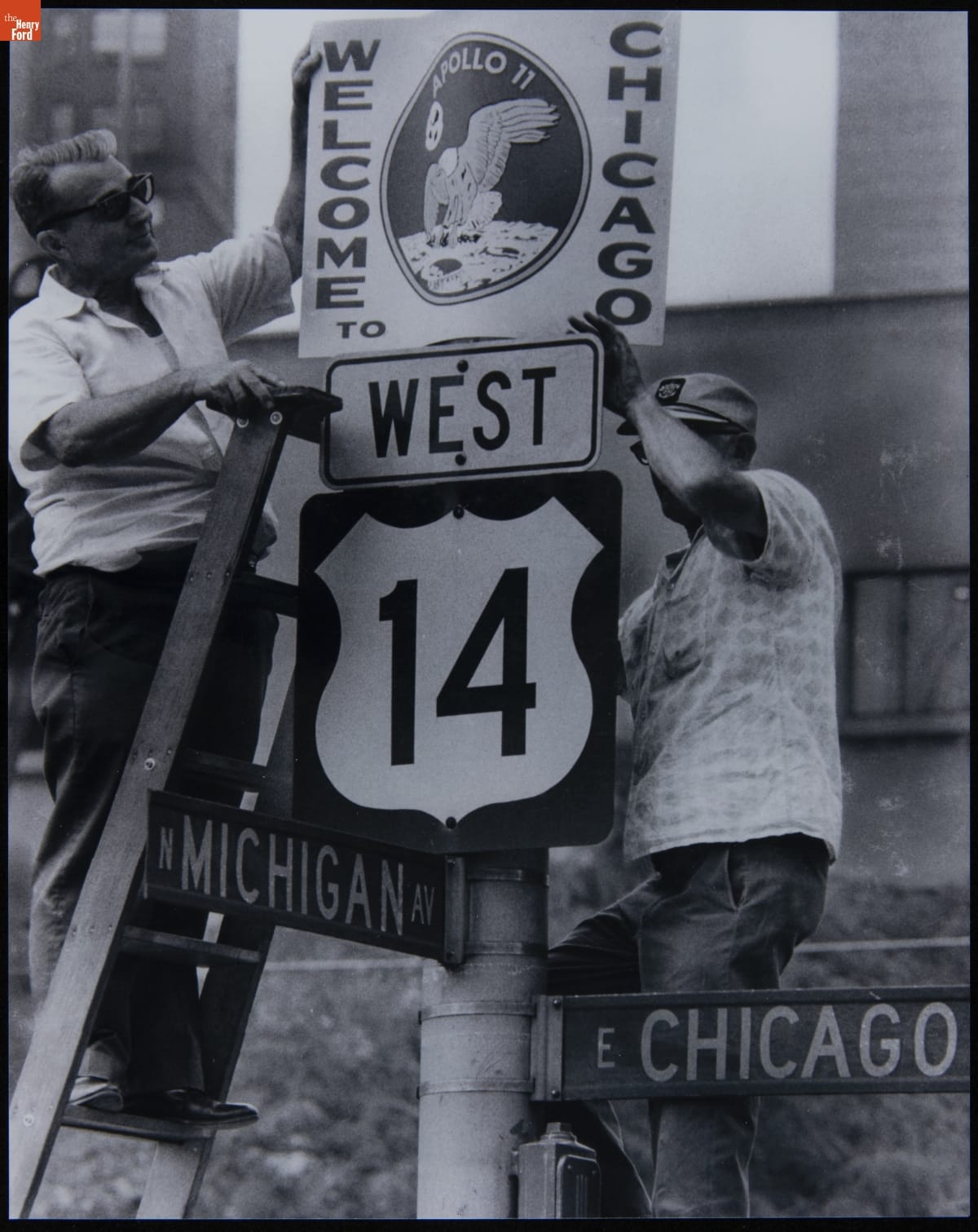
- August 13, 1969
- Collections - Artifact
Workers Installing a Sign for the Ticker Tape Parade Honoring the Apollo 11 Astronauts, August 13, 1969
The crew of Apollo 11 -- Neil Armstrong, Edwin "Buzz" Aldrin (the first men to walk on the Moon) and Michael Collins (command module pilot) -- were given a hero's welcome upon their return from space. On August 13, 1969, Chicago, Illinois, hosted a ticker-tape parade for the astronauts. This photograph shows workers placing a sign along the parade route.
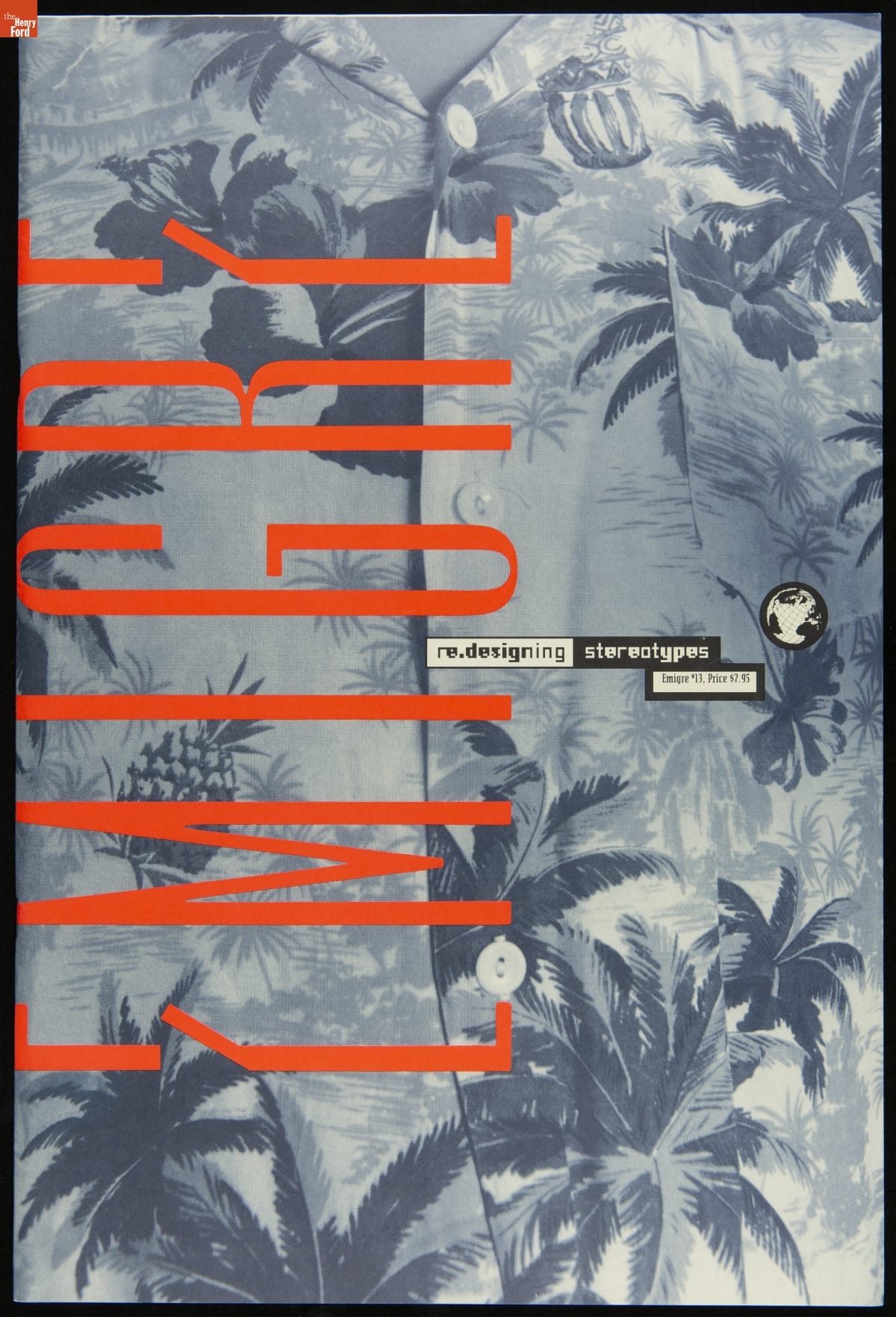
- Magazine, Emigre No. 13, "Redesigning Stereotypes," 1989 - Emigre is a digital type foundry established by Rudy VanderLans and Zuzana Licko. The company's history is linked with the introduction of the 1984 Macintosh computer, used to design their early bitmapped typefaces. Emigre's digital work gained notoriety -- defying visual communication standards with fractured, layered combinations of text and image. <em>Emigre</em> magazine showcased their fonts and promoted groundbreaking designers.
- 1989
- Collections - Artifact
Magazine, Emigre No. 13, "Redesigning Stereotypes," 1989
Emigre is a digital type foundry established by Rudy VanderLans and Zuzana Licko. The company's history is linked with the introduction of the 1984 Macintosh computer, used to design their early bitmapped typefaces. Emigre's digital work gained notoriety -- defying visual communication standards with fractured, layered combinations of text and image. Emigre magazine showcased their fonts and promoted groundbreaking designers.
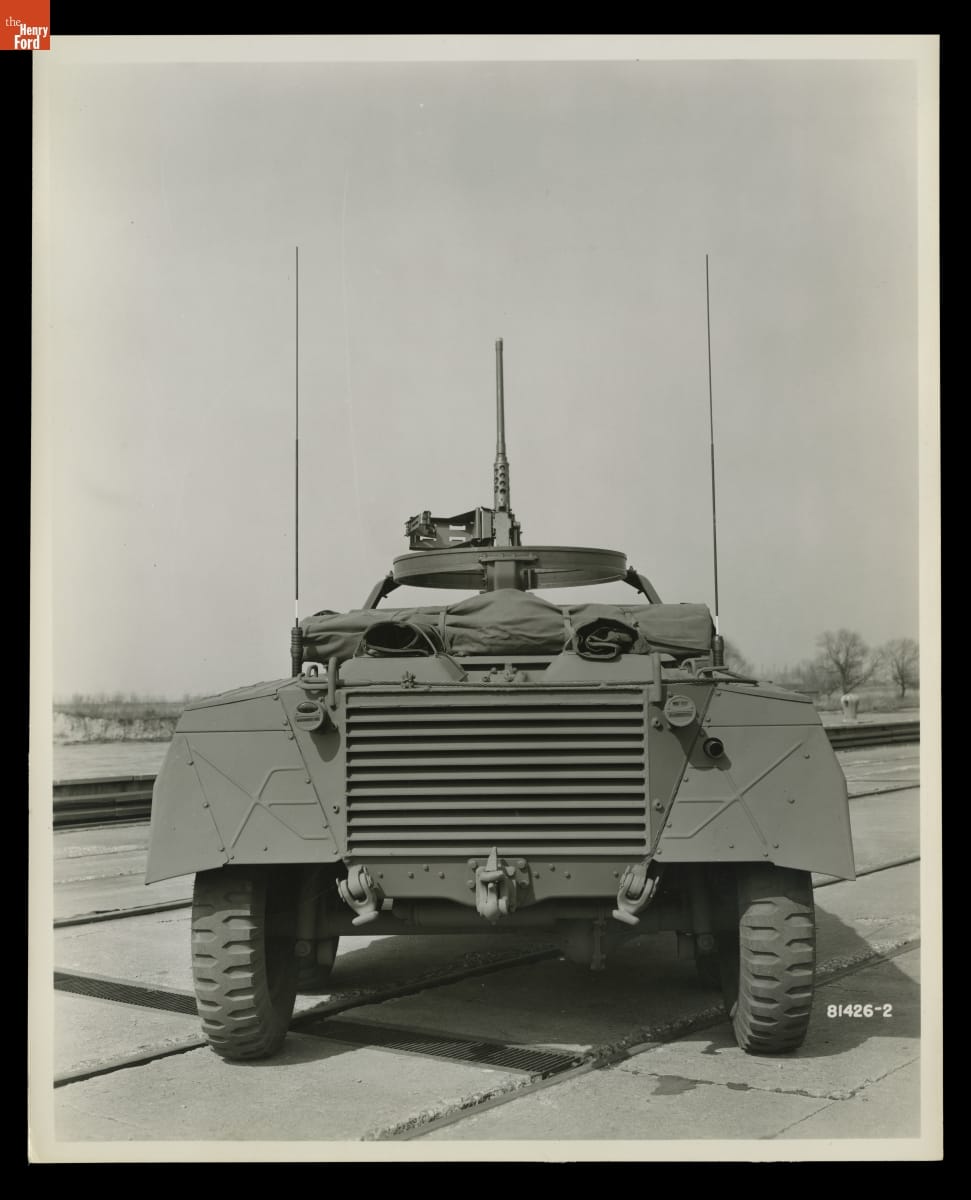
- M20 Armored Car Built at the Ford Motor Company Chicago Assembly Plant, March 1945 - Ford's T-26 Command Car, designated M20 by the U.S. Army, combined speed with protection. The vehicle featured six-wheel drive, a cruising range of 400 miles, and a top speed of 56 miles per hour. Armor plating, up to 3/4-inch thick, and a top-mounted .50 caliber machine gun provided further defense. Ford built 3,791 M20 vehicles, all at its Chicago plant.
- March 12, 1945
- Collections - Artifact
M20 Armored Car Built at the Ford Motor Company Chicago Assembly Plant, March 1945
Ford's T-26 Command Car, designated M20 by the U.S. Army, combined speed with protection. The vehicle featured six-wheel drive, a cruising range of 400 miles, and a top speed of 56 miles per hour. Armor plating, up to 3/4-inch thick, and a top-mounted .50 caliber machine gun provided further defense. Ford built 3,791 M20 vehicles, all at its Chicago plant.
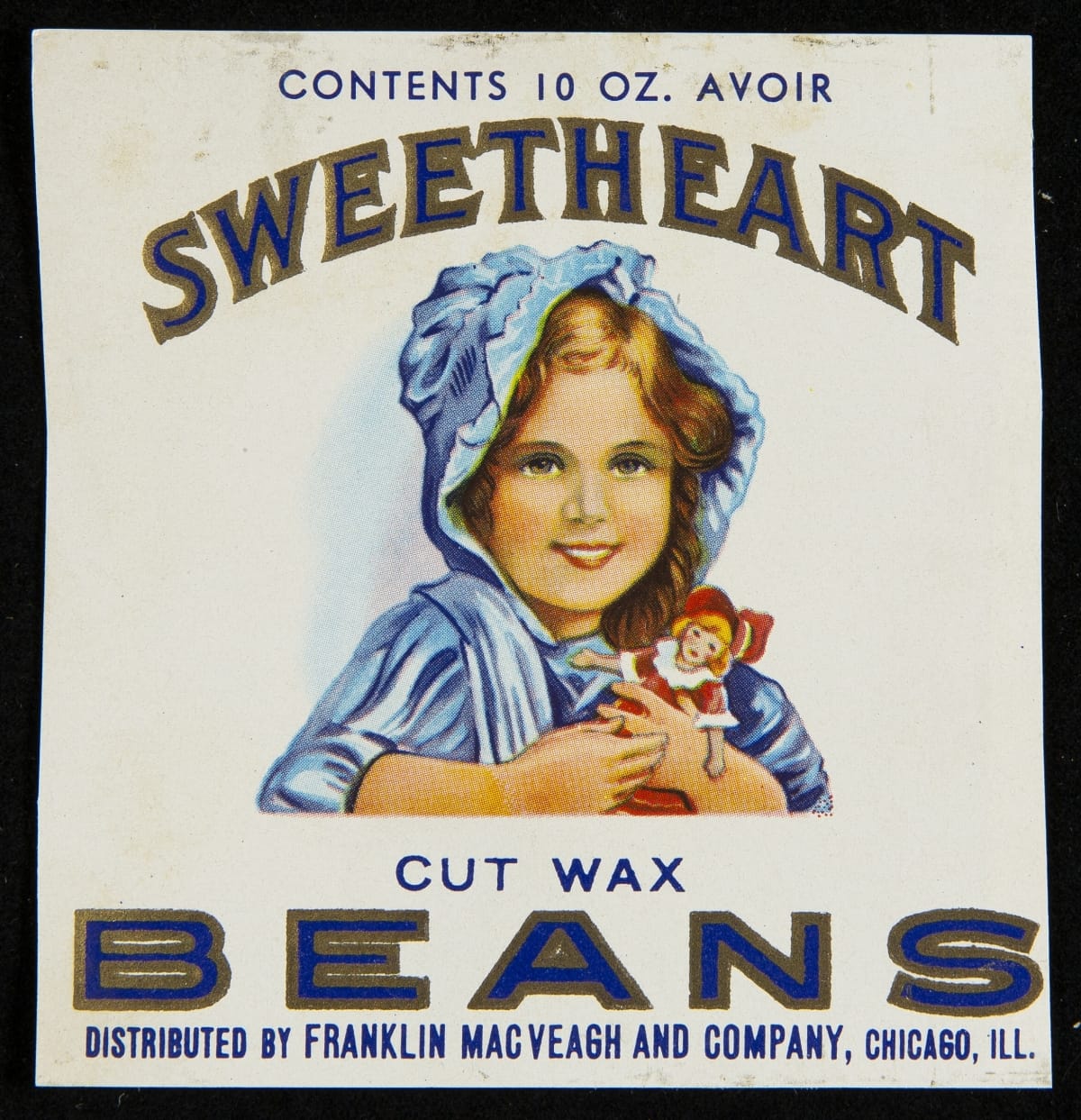
- Crate Label, "Sweetheart Brand Beans," circa 1930 - In 1869, the transcontinental railroad opened eastern markets to the West Coast produce industry for the first time. As produce companies shipped crates of fruits and vegetables across the country, they needed a way to distinguish their goods from their competitors'. Colorful, eye-catching labels, like this one for Sweetheart Brand Beans, were created to attract grocers purchasing goods from wholesale markets.
- circa 1930
- Collections - Artifact
Crate Label, "Sweetheart Brand Beans," circa 1930
In 1869, the transcontinental railroad opened eastern markets to the West Coast produce industry for the first time. As produce companies shipped crates of fruits and vegetables across the country, they needed a way to distinguish their goods from their competitors'. Colorful, eye-catching labels, like this one for Sweetheart Brand Beans, were created to attract grocers purchasing goods from wholesale markets.
- "Alton Trials: of Winthrop S. Gilman...Enoch Long/Written out from Notes Taken at the Time of Trial," 1838 -
- 1838
- Collections - Artifact
"Alton Trials: of Winthrop S. Gilman...Enoch Long/Written out from Notes Taken at the Time of Trial," 1838
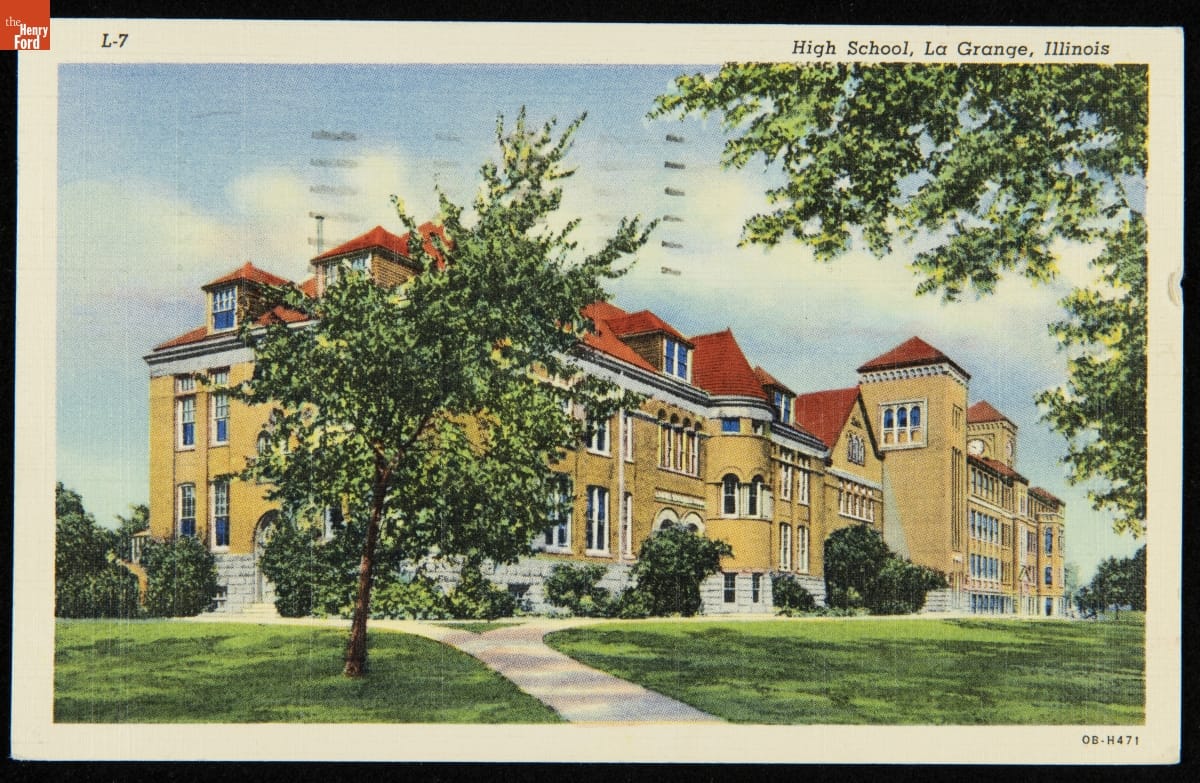
- High School, La Grange, Illinois, circa 1940 - Public high schools built in the late-19th and early-20th centuries not only provided education for children but also served the needs of the community. Besides classrooms, high schools usually included athletic facilities and auditoriums--spaces used by students and local citizens alike. High schools became a symbol of a community's progress and were proudly depicted on postcards sent to family and friends.
- circa 1940
- Collections - Artifact
High School, La Grange, Illinois, circa 1940
Public high schools built in the late-19th and early-20th centuries not only provided education for children but also served the needs of the community. Besides classrooms, high schools usually included athletic facilities and auditoriums--spaces used by students and local citizens alike. High schools became a symbol of a community's progress and were proudly depicted on postcards sent to family and friends.
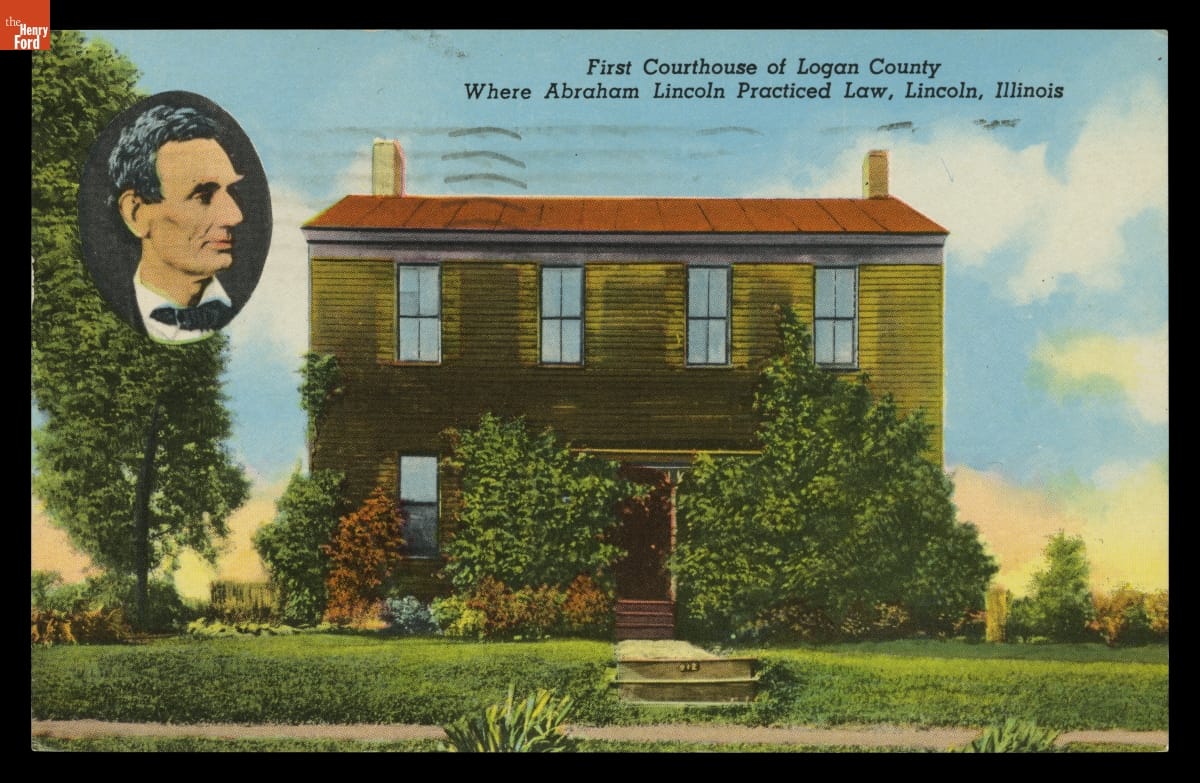
- "First Court House of Logan County Where Abraham Lincoln Practiced Law, Lincoln, Ill.," 1927 Postcard - Between 1840 and 1847, Abraham Lincoln tried cases as a traveling lawyer in this courthouse when it was located in Postville (later Lincoln), Illinois. When the Logan County seat moved to Mt. Pulaski, this courthouse was reused as a general store, jail, post office, and private dwelling. Henry Ford purchased it in 1929 and brought it to Greenfield Village.
- 1927
- Collections - Artifact
"First Court House of Logan County Where Abraham Lincoln Practiced Law, Lincoln, Ill.," 1927 Postcard
Between 1840 and 1847, Abraham Lincoln tried cases as a traveling lawyer in this courthouse when it was located in Postville (later Lincoln), Illinois. When the Logan County seat moved to Mt. Pulaski, this courthouse was reused as a general store, jail, post office, and private dwelling. Henry Ford purchased it in 1929 and brought it to Greenfield Village.