
Search
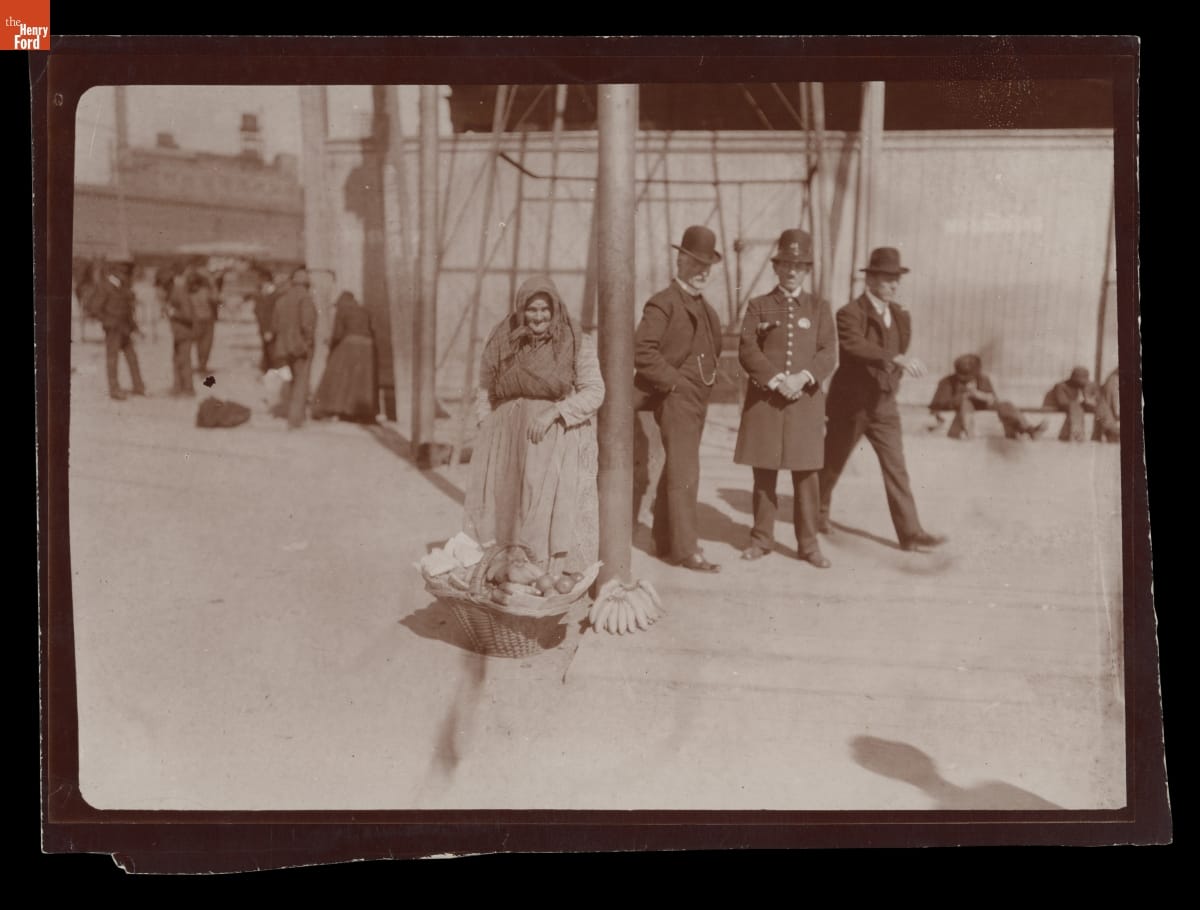
- Woman with Basket of Fruit, New Orleans, Louisiana, circa 1905 -
- circa 1905
- Collections - Artifact
Woman with Basket of Fruit, New Orleans, Louisiana, circa 1905
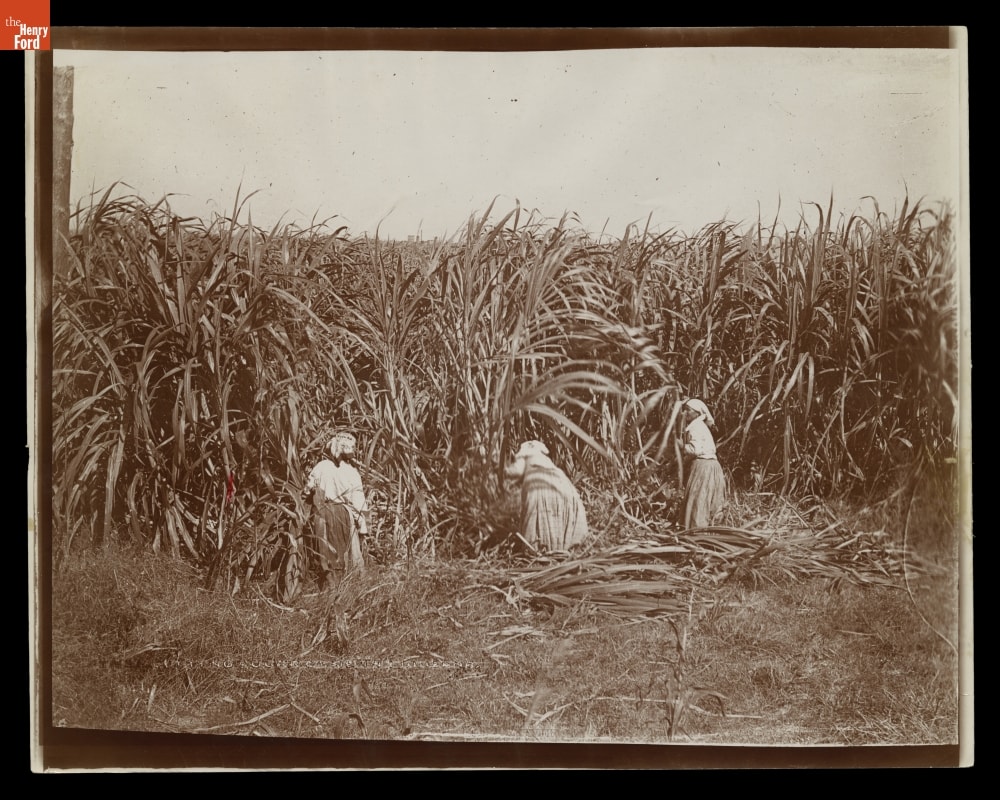
- Women Cutting Sugar Cane, Baton Rouge, Louisiana, 1912 - From 1895 to 1924, the Detroit Publishing Company was one of the major image publishers in the world. The company's wide-ranging stock of original photographs documented life and landscapes from across the nation and around the globe. From the tens of thousands of negatives, the company created prints, postcards, lantern slides, panoramas, and other merchandise for sale to educators, businessmen, advertisers, homeowners and travelers.
- circa 1890
- Collections - Artifact
Women Cutting Sugar Cane, Baton Rouge, Louisiana, 1912
From 1895 to 1924, the Detroit Publishing Company was one of the major image publishers in the world. The company's wide-ranging stock of original photographs documented life and landscapes from across the nation and around the globe. From the tens of thousands of negatives, the company created prints, postcards, lantern slides, panoramas, and other merchandise for sale to educators, businessmen, advertisers, homeowners and travelers.
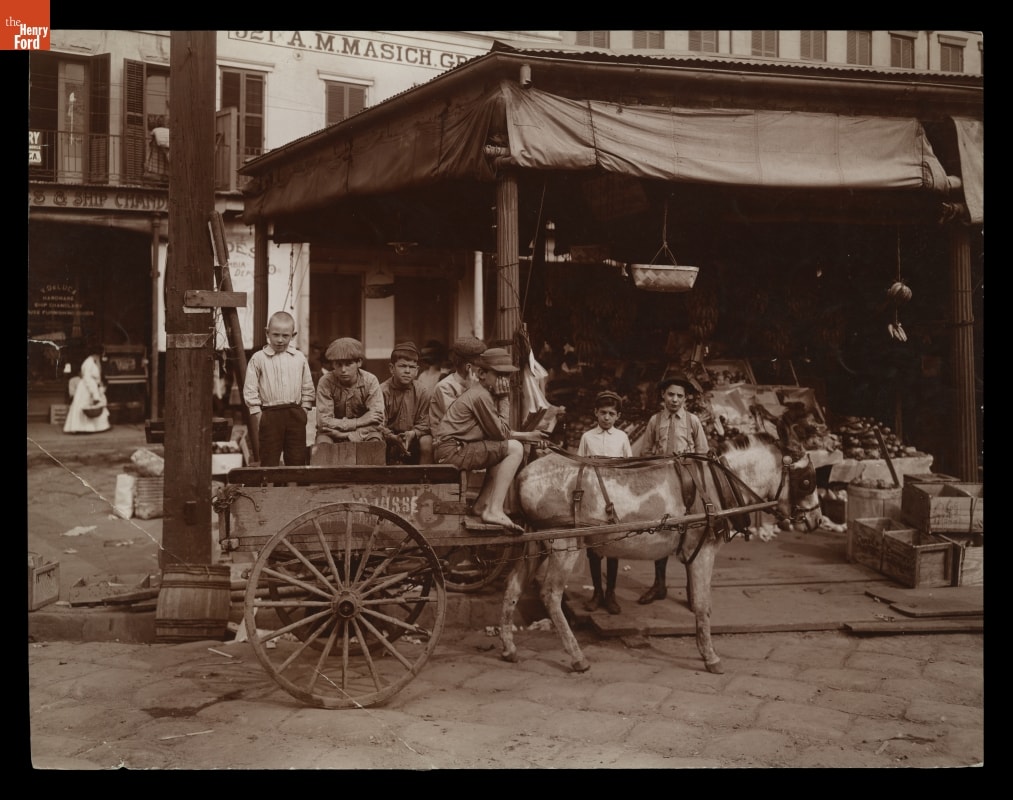
- Boys on Donkey Cart, Street Corner of the French Market, New Orleans, Louisiana, circa 1905 - From 1895 to 1924, the Detroit Publishing Company was one of the major image publishers in the world. The company's wide-ranging stock of original photographs documented life and landscapes from across the nation and around the globe. From the tens of thousands of negatives, the company created prints, postcards, lantern slides, panoramas, and other merchandise for sale to educators, businessmen, advertisers, homeowners and travelers.
- circa 1905
- Collections - Artifact
Boys on Donkey Cart, Street Corner of the French Market, New Orleans, Louisiana, circa 1905
From 1895 to 1924, the Detroit Publishing Company was one of the major image publishers in the world. The company's wide-ranging stock of original photographs documented life and landscapes from across the nation and around the globe. From the tens of thousands of negatives, the company created prints, postcards, lantern slides, panoramas, and other merchandise for sale to educators, businessmen, advertisers, homeowners and travelers.
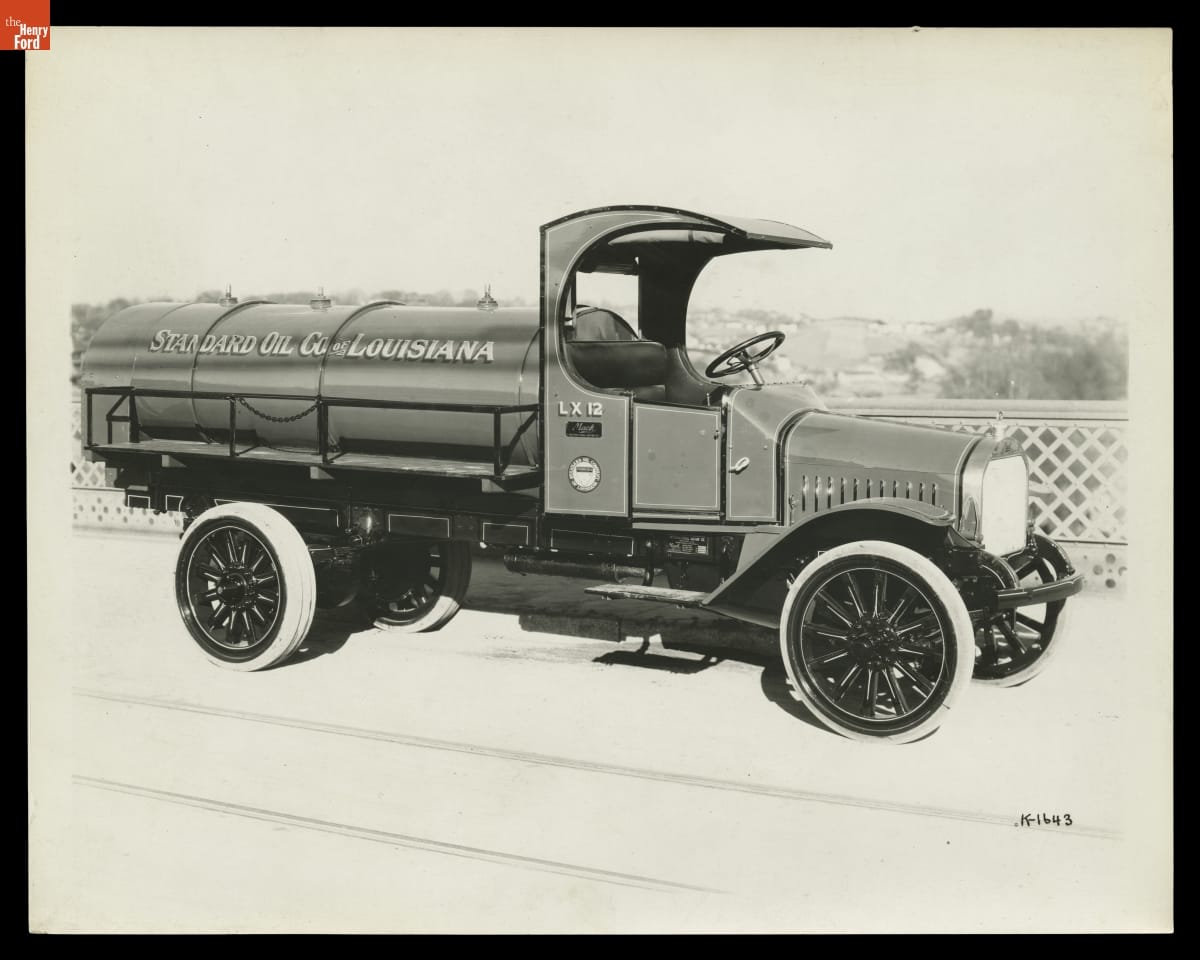
- Mack Truck Used by Standard Oil Co. of Louisiana, circa 1920 - Founded in Brooklyn, New York, in 1900, Mack Brothers Company relocated to Allentown, Pennsylvania, in 1905 and adopted the name Mack Trucks in 1922. Mack-built tank trucks like this had separate compartments for gasoline, diesel fuel, lubricants, and other oil and petroleum products. The delivery trucks transported these products from distributors to gas stations.
- circa 1920
- Collections - Artifact
Mack Truck Used by Standard Oil Co. of Louisiana, circa 1920
Founded in Brooklyn, New York, in 1900, Mack Brothers Company relocated to Allentown, Pennsylvania, in 1905 and adopted the name Mack Trucks in 1922. Mack-built tank trucks like this had separate compartments for gasoline, diesel fuel, lubricants, and other oil and petroleum products. The delivery trucks transported these products from distributors to gas stations.
- French Market, New Orleans, Louisiana, circa 1906 -
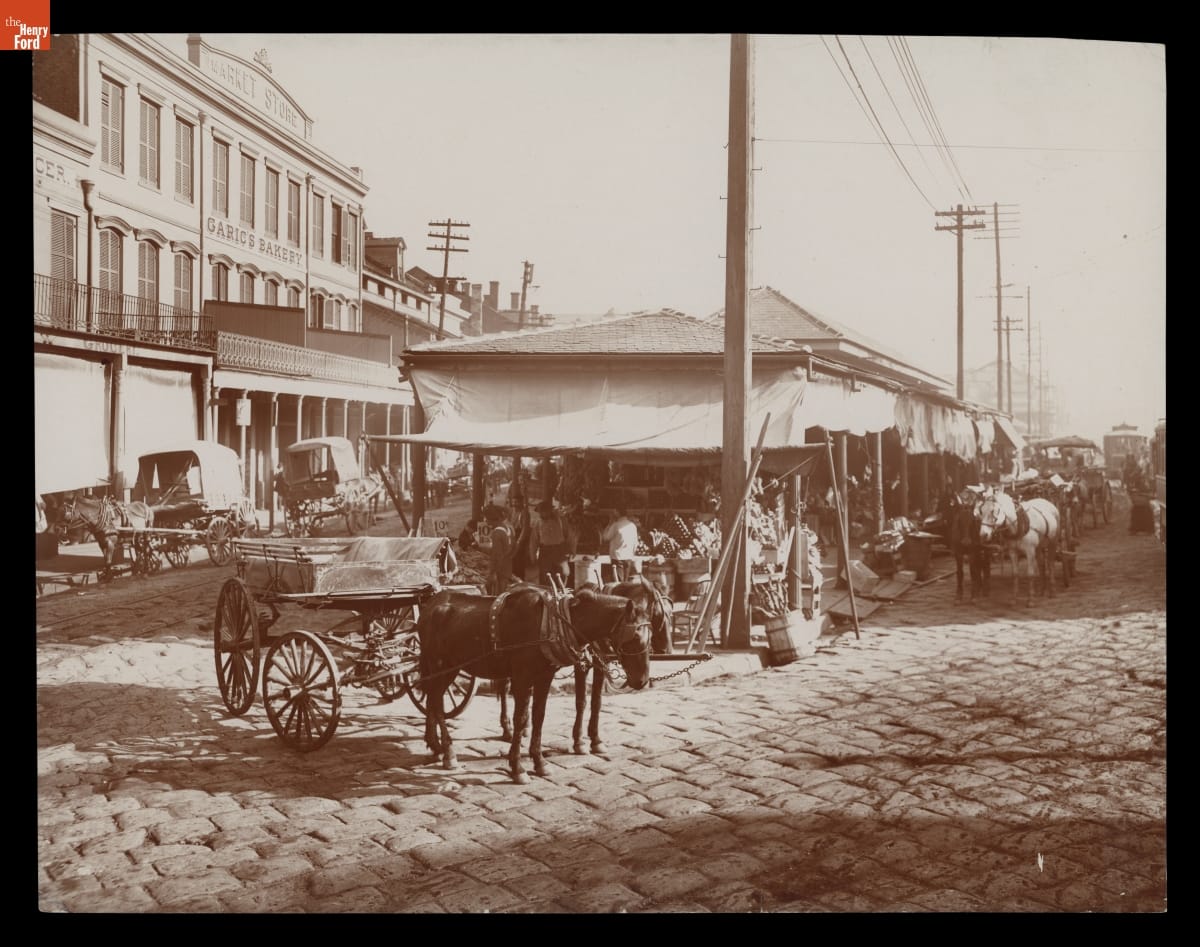
- circa 1906
- Collections - Artifact
French Market, New Orleans, Louisiana, circa 1906
- Ford Motor Company--Plant Construction--New Orleans, Louisiana--1922-1923--Item25 - Starting in the early 1910s, Ford Motor Company opened domestic assembly plants throughout the United States. Assembling automobiles closer to regional markets reduced shipping costs -- parts were cheaper to ship than completed automobiles. Albert Kahn, America's foremost industrial architect, designed Ford's modern, one-story New Orleans Assembly plant. The plant, which opened in 1923, supplied automobiles to three states until it closed in 1933.
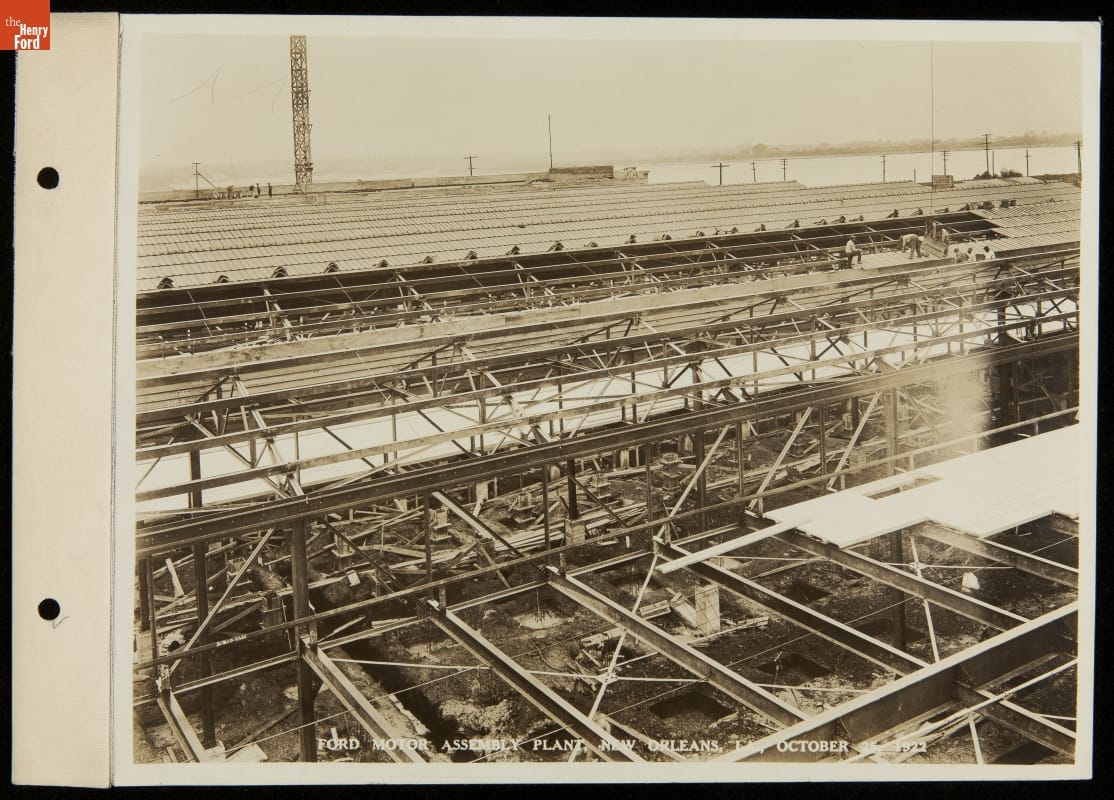
- October 25, 1922
- Collections - Artifact
Ford Motor Company--Plant Construction--New Orleans, Louisiana--1922-1923--Item25
Starting in the early 1910s, Ford Motor Company opened domestic assembly plants throughout the United States. Assembling automobiles closer to regional markets reduced shipping costs -- parts were cheaper to ship than completed automobiles. Albert Kahn, America's foremost industrial architect, designed Ford's modern, one-story New Orleans Assembly plant. The plant, which opened in 1923, supplied automobiles to three states until it closed in 1933.
- Second Line Funeral Parade Honoring Danny Barker, New Orleans, Louisiana, May 3, 1995 -
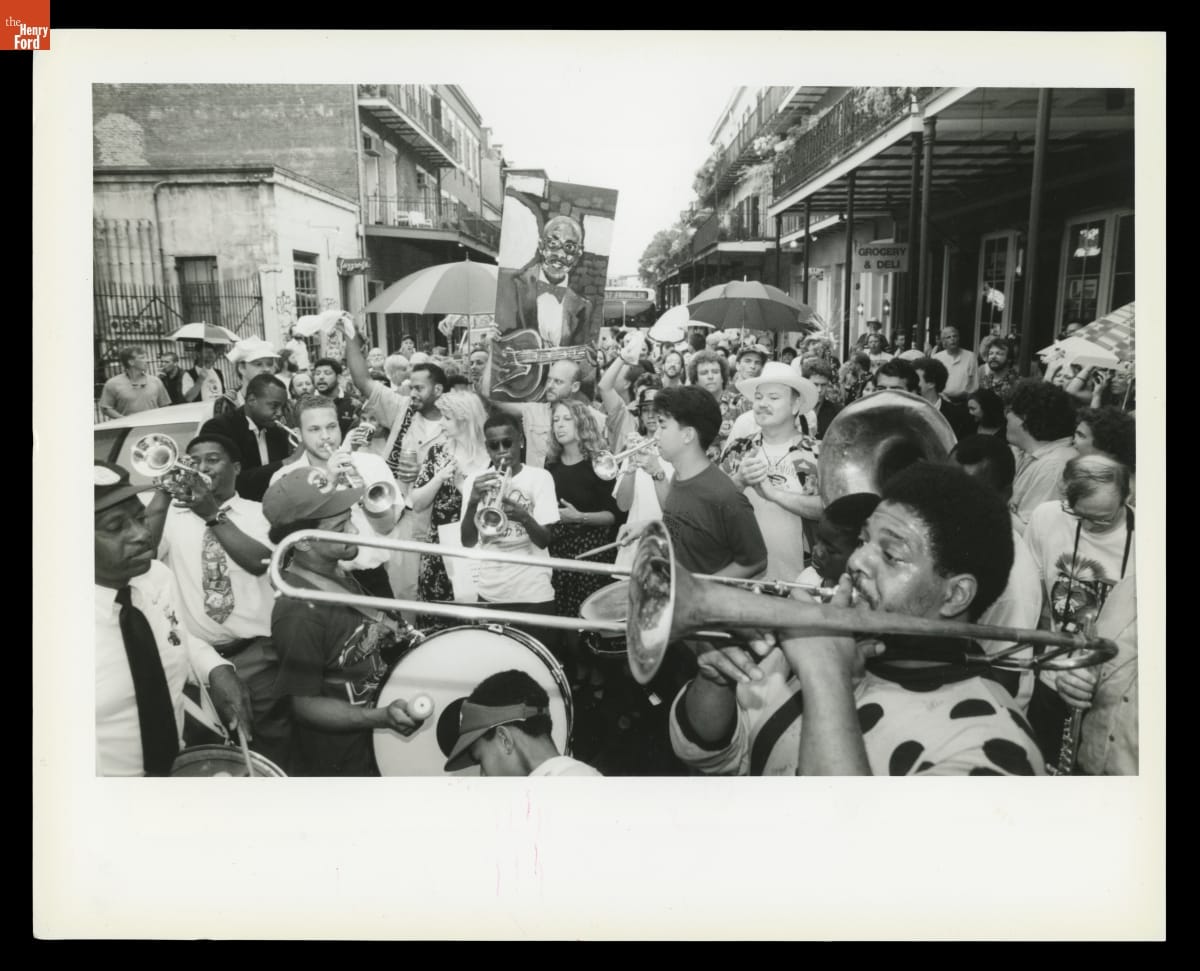
- May 03, 1995
- Collections - Artifact
Second Line Funeral Parade Honoring Danny Barker, New Orleans, Louisiana, May 3, 1995
- Ford Motor Company--Plant Construction--New Orleans, Louisiana--1922-1923--Item1 - Starting in the early 1910s, Ford Motor Company opened domestic assembly plants throughout the United States. Assembling automobiles closer to regional markets reduced shipping costs -- parts were cheaper to ship than completed automobiles. Albert Kahn, America's foremost industrial architect, designed Ford's modern, one-story New Orleans Assembly plant. The plant, which opened in 1923, supplied automobiles to three states until it closed in 1933.
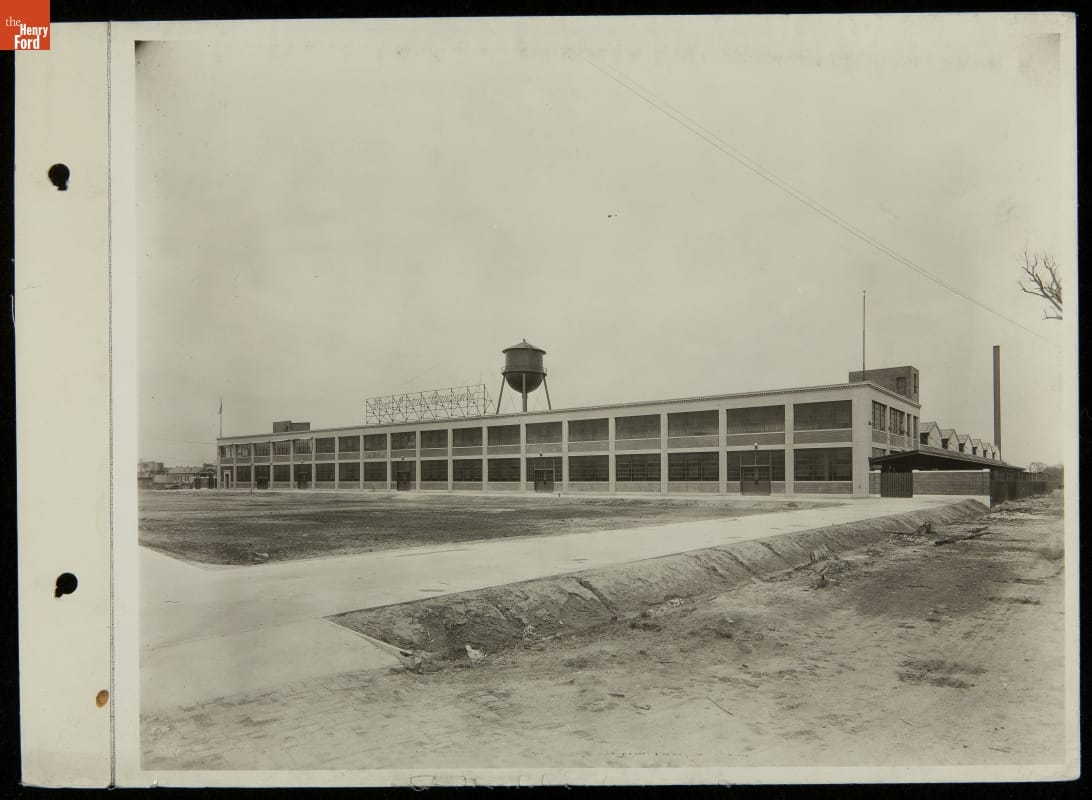
- April 14, 1923
- Collections - Artifact
Ford Motor Company--Plant Construction--New Orleans, Louisiana--1922-1923--Item1
Starting in the early 1910s, Ford Motor Company opened domestic assembly plants throughout the United States. Assembling automobiles closer to regional markets reduced shipping costs -- parts were cheaper to ship than completed automobiles. Albert Kahn, America's foremost industrial architect, designed Ford's modern, one-story New Orleans Assembly plant. The plant, which opened in 1923, supplied automobiles to three states until it closed in 1933.
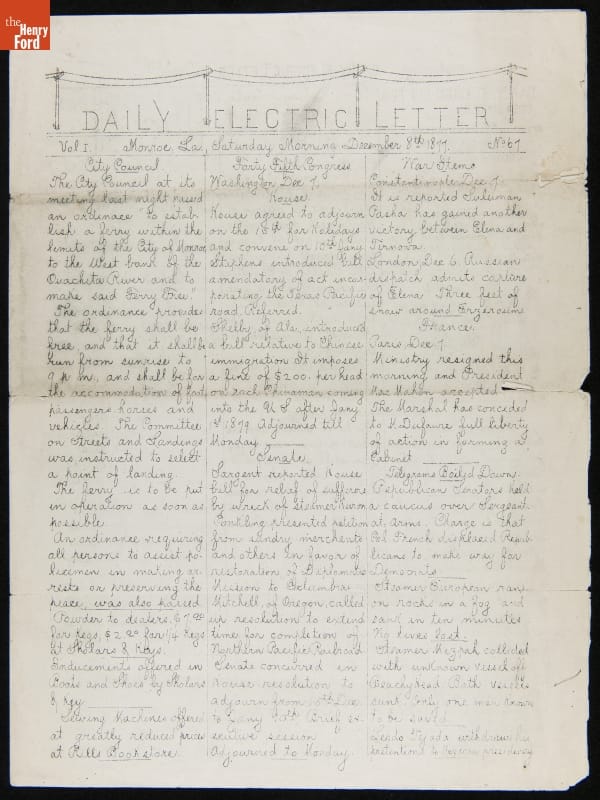
- "Daily Electric Letter" Newspaper for December 8, 1877, Vol. 1, No. 69, Made with the Edison Electric Pen and Duplicating Press -
- December 08, 1877
- Collections - Artifact
"Daily Electric Letter" Newspaper for December 8, 1877, Vol. 1, No. 69, Made with the Edison Electric Pen and Duplicating Press
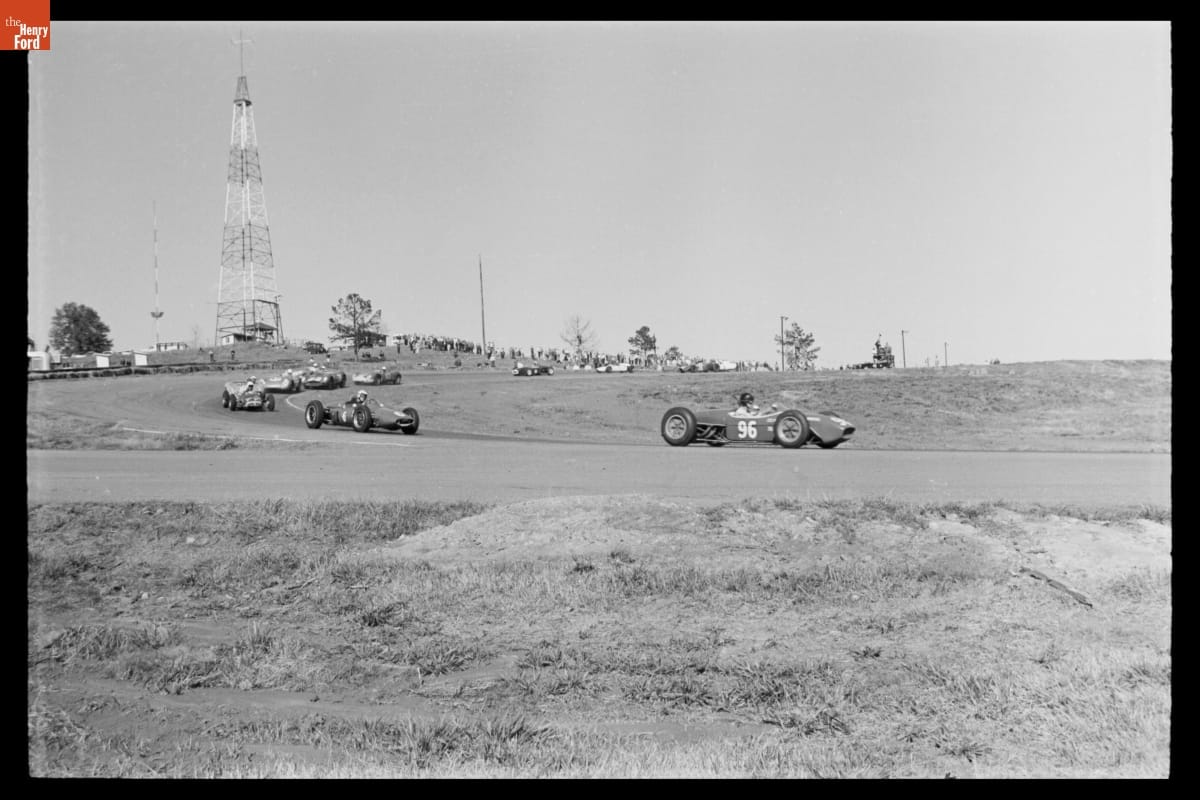
- Dan Gurney Driving Lotus 18 Climax in Louisiana Formula Libre 200 Mile Race (Pipeline 200), March-April 1962 -
- 31 March 1962 - 01 April 1962
- Collections - Artifact
Dan Gurney Driving Lotus 18 Climax in Louisiana Formula Libre 200 Mile Race (Pipeline 200), March-April 1962