
Search
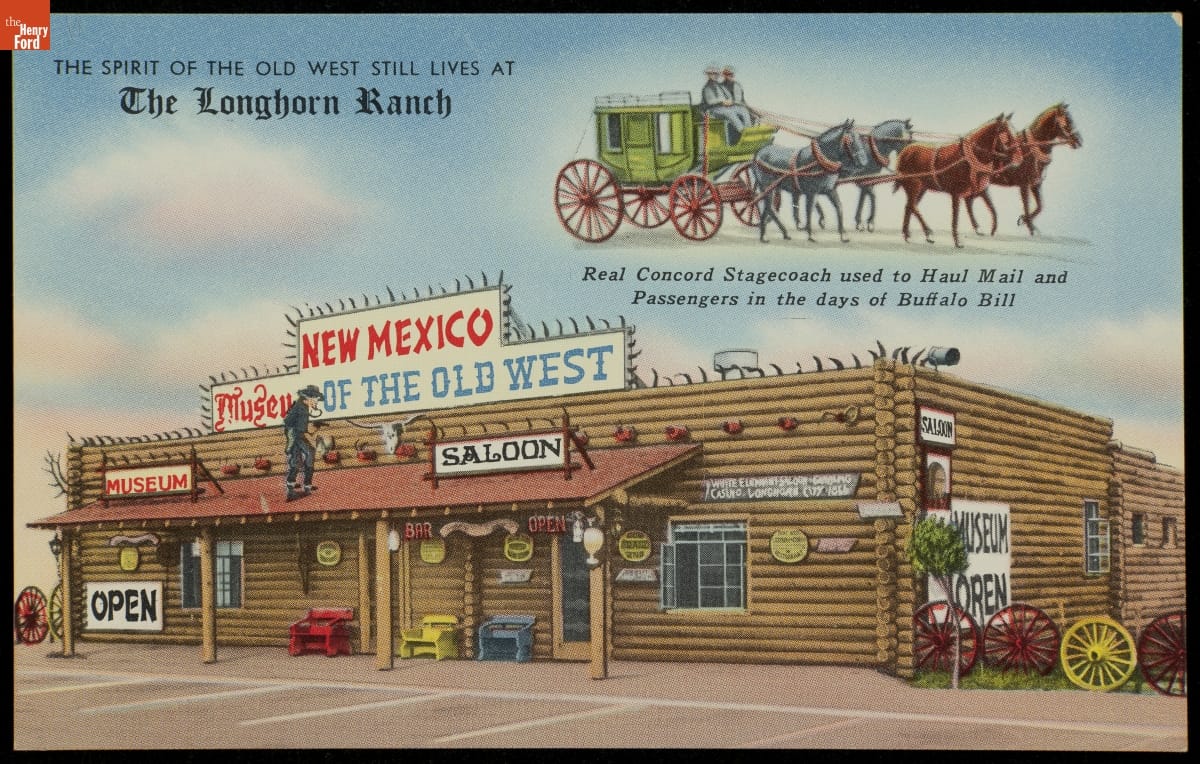
- Souvenir Postcard, "The Longhorn Ranch," Moriarty, New Mexico, 1940-1950 - Federal Highway 66 (more commonly known as Route 66) was established in 1926, and spanned 2,448 miles from Chicago, Illinois, to Los Angeles, California. Longhorn Ranch, located 48 miles east of Albuquerque, New Mexico, consisted of a restaurant, gas station, and curio shop. It promised travelers "a revival of the Old West amid a setting of modern convenience."
- 1940-1950
- Collections - Artifact
Souvenir Postcard, "The Longhorn Ranch," Moriarty, New Mexico, 1940-1950
Federal Highway 66 (more commonly known as Route 66) was established in 1926, and spanned 2,448 miles from Chicago, Illinois, to Los Angeles, California. Longhorn Ranch, located 48 miles east of Albuquerque, New Mexico, consisted of a restaurant, gas station, and curio shop. It promised travelers "a revival of the Old West amid a setting of modern convenience."
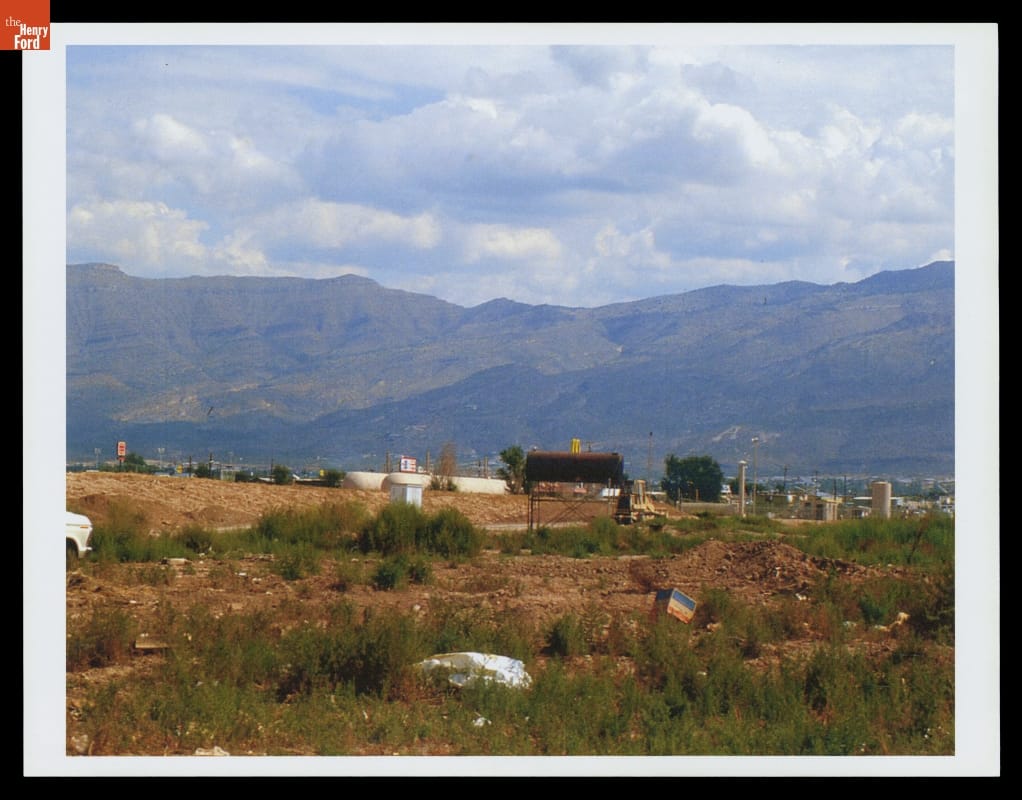
- Alamogordo, New Mexico Landfill in September 1983, Site of the Atari Video Game Burial - In 1983, rumors circulated: Atari was bankrupt, and was dumping truckloads of games into a New Mexico landfill. Victim to the "Video Game Crash," the company buried 700,000 cartridges in the desert. The story became an obscure pop culture legend -- until "The Atari Tomb" was unearthed in 2014. This image documents the original 1983 burial of material.
- September 01, 1983
- Collections - Artifact
Alamogordo, New Mexico Landfill in September 1983, Site of the Atari Video Game Burial
In 1983, rumors circulated: Atari was bankrupt, and was dumping truckloads of games into a New Mexico landfill. Victim to the "Video Game Crash," the company buried 700,000 cartridges in the desert. The story became an obscure pop culture legend -- until "The Atari Tomb" was unearthed in 2014. This image documents the original 1983 burial of material.
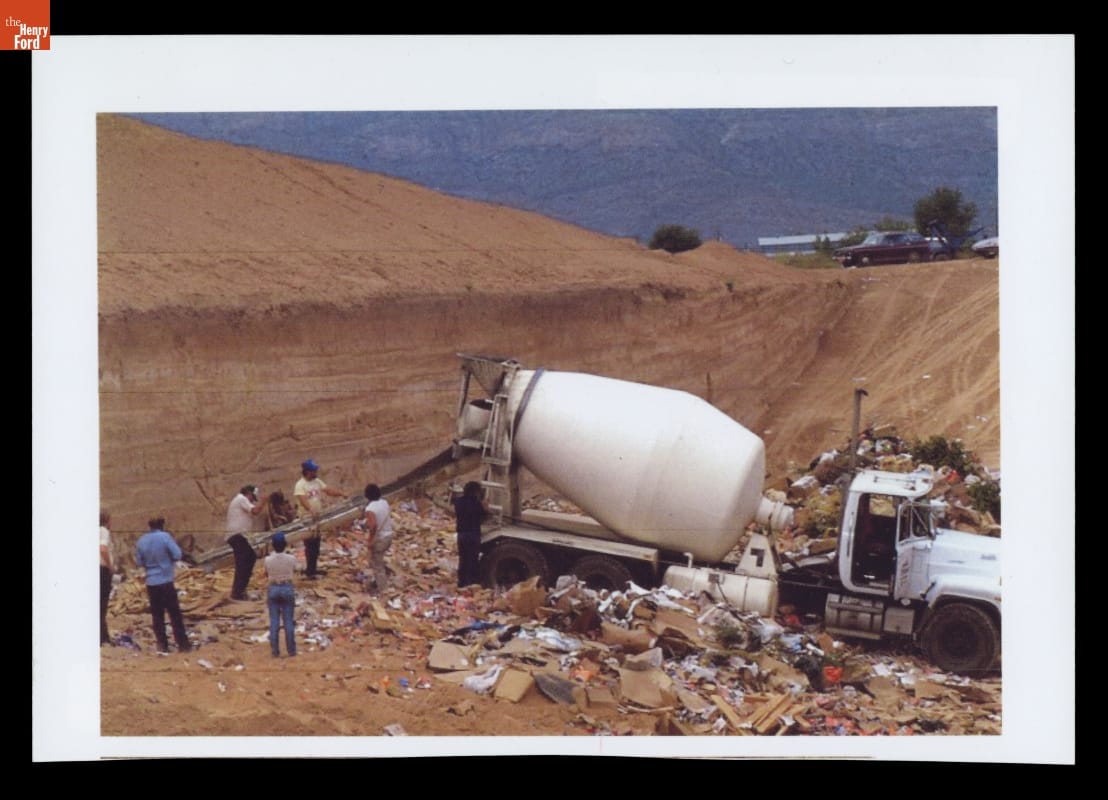
- Cementing over Refuse at the Atari Video Game Burial in September 1983, Alamogordo, New Mexico Landfill - In 1983, rumors circulated: Atari was bankrupt, and was dumping truckloads of games into a New Mexico landfill. Victim to the "Video Game Crash," the company buried 700,000 cartridges in the desert. The story became an obscure pop culture legend -- until "The Atari Tomb" was unearthed in 2014. This image documents the original 1983 burial of material.
- September 01, 1983
- Collections - Artifact
Cementing over Refuse at the Atari Video Game Burial in September 1983, Alamogordo, New Mexico Landfill
In 1983, rumors circulated: Atari was bankrupt, and was dumping truckloads of games into a New Mexico landfill. Victim to the "Video Game Crash," the company buried 700,000 cartridges in the desert. The story became an obscure pop culture legend -- until "The Atari Tomb" was unearthed in 2014. This image documents the original 1983 burial of material.
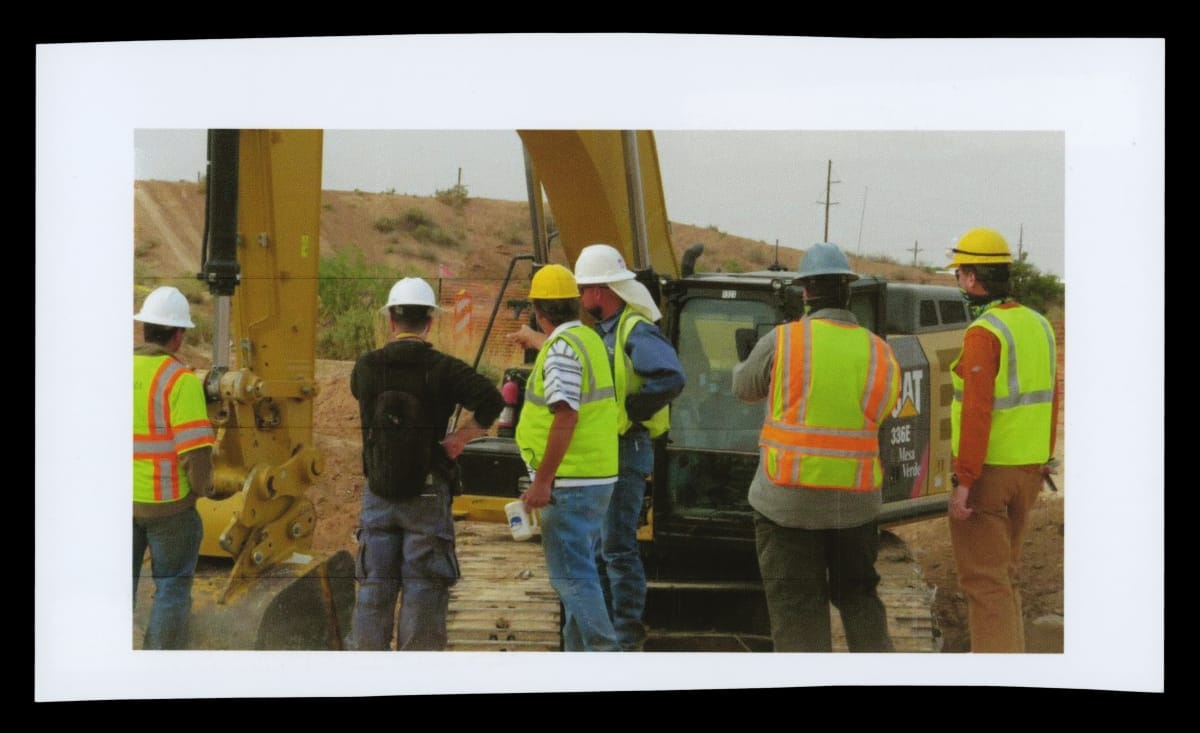
- Excavation Crew in April 2014 at the Alamogordo, New Mexico Landfill, Site of the 1983 Atari Video Game Burial - In 1983, rumors circulated: Atari was bankrupt, and was dumping truckloads of games into a New Mexico landfill. Victim to the "Video Game Crash," the company buried 700,000 cartridges in the desert. The story became an obscure pop culture legend -- until "The Atari Tomb" was unearthed in 2014. These images document the world's first video game excavation.
- April 26, 2014
- Collections - Artifact
Excavation Crew in April 2014 at the Alamogordo, New Mexico Landfill, Site of the 1983 Atari Video Game Burial
In 1983, rumors circulated: Atari was bankrupt, and was dumping truckloads of games into a New Mexico landfill. Victim to the "Video Game Crash," the company buried 700,000 cartridges in the desert. The story became an obscure pop culture legend -- until "The Atari Tomb" was unearthed in 2014. These images document the world's first video game excavation.
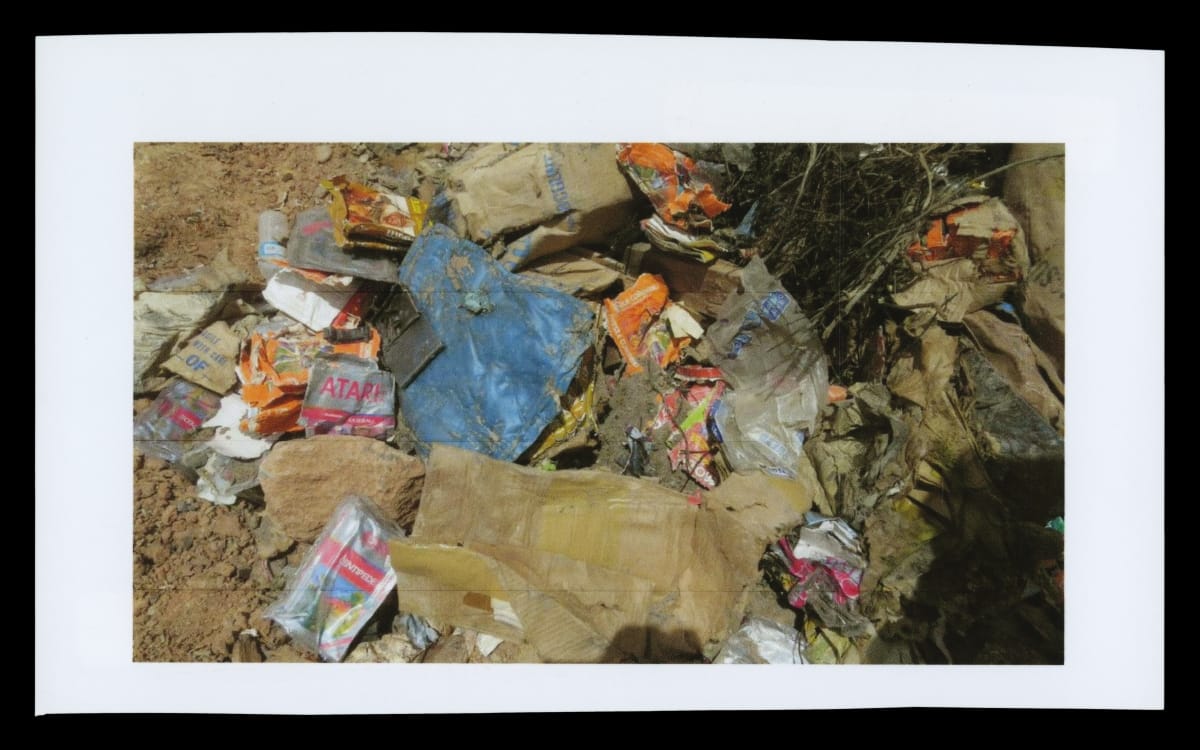
- Atari Products Excavated April 2014 from the Alamogordo, New Mexico Landfill, Site of the 1983 Atari Video Game Burial - In 1983, rumors circulated: Atari was bankrupt, and was dumping truckloads of games into a New Mexico landfill. Victim to the "Video Game Crash," the company buried 700,000 cartridges in the desert. The story became an obscure pop culture legend -- until "The Atari Tomb" was unearthed in 2014. These images document the world's first video game excavation.
- April 26, 2014
- Collections - Artifact
Atari Products Excavated April 2014 from the Alamogordo, New Mexico Landfill, Site of the 1983 Atari Video Game Burial
In 1983, rumors circulated: Atari was bankrupt, and was dumping truckloads of games into a New Mexico landfill. Victim to the "Video Game Crash," the company buried 700,000 cartridges in the desert. The story became an obscure pop culture legend -- until "The Atari Tomb" was unearthed in 2014. These images document the world's first video game excavation.
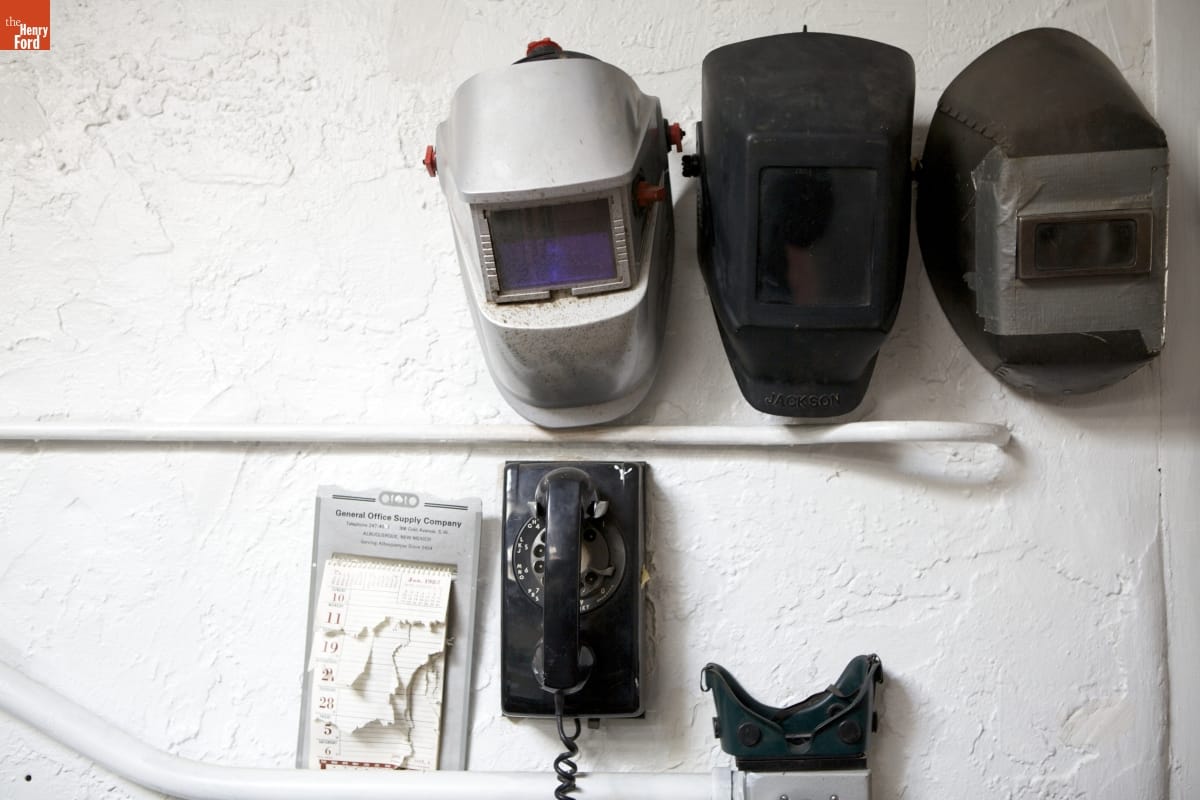
- Oral History Interview with Bobby Unser, January 7, 2009--Photographs--Digital Images--Item 19 - Bobby Unser's racing career spanned 32 years and included three wins at the Indianapolis 500, in addition to 13 wins at the Pikes Peak International Hill Climb. He later provided commentary for televised races. In 2009, staff from The Henry Ford interviewed Unser at his home and at his father Jerry's garage in Albuquerque, New Mexico, as part of the Collecting Innovation Today Oral History Project.
- January 07, 2009
- Collections - Artifact
Oral History Interview with Bobby Unser, January 7, 2009--Photographs--Digital Images--Item 19
Bobby Unser's racing career spanned 32 years and included three wins at the Indianapolis 500, in addition to 13 wins at the Pikes Peak International Hill Climb. He later provided commentary for televised races. In 2009, staff from The Henry Ford interviewed Unser at his home and at his father Jerry's garage in Albuquerque, New Mexico, as part of the Collecting Innovation Today Oral History Project.
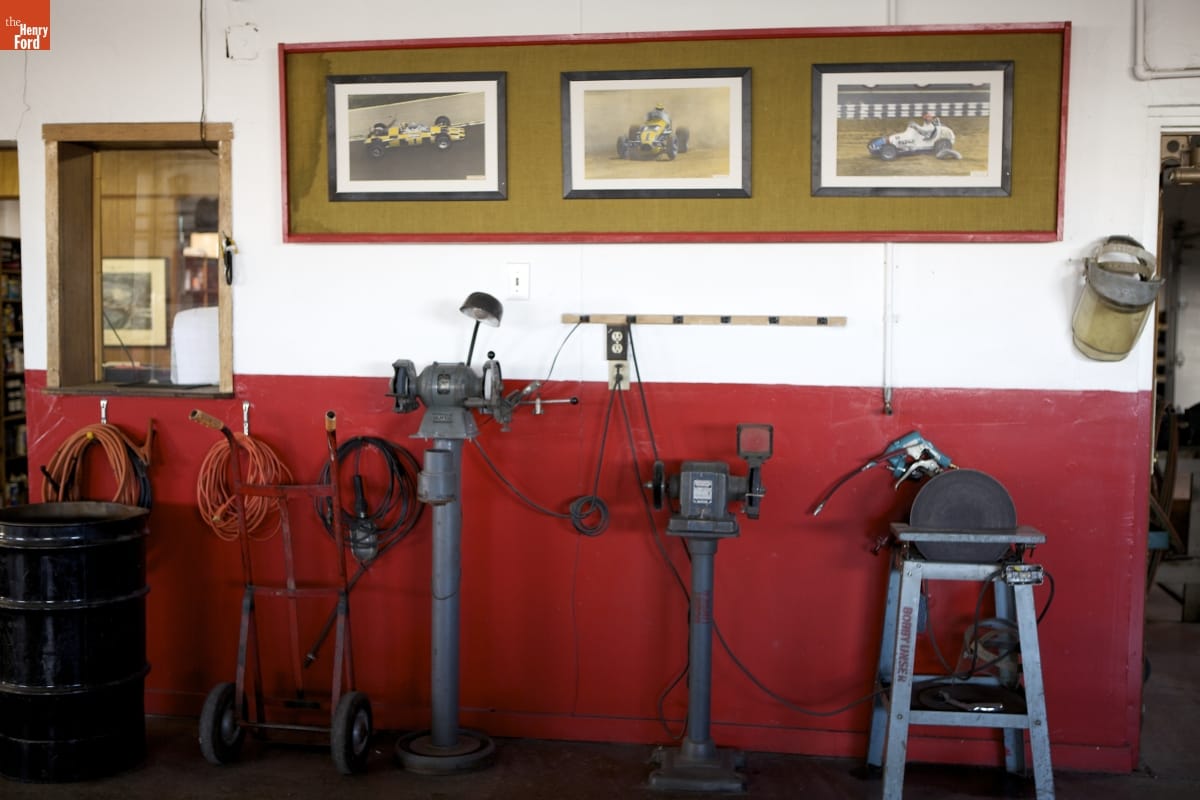
- Oral History Interview with Bobby Unser, January 7, 2009--Photographs--Digital Images--Item 22 - Bobby Unser's racing career spanned 32 years and included three wins at the Indianapolis 500, in addition to 13 wins at the Pikes Peak International Hill Climb. He later provided commentary for televised races. In 2009, staff from The Henry Ford interviewed Unser at his home and at his father Jerry's garage in Albuquerque, New Mexico, as part of the Collecting Innovation Today Oral History Project.
- January 07, 2009
- Collections - Artifact
Oral History Interview with Bobby Unser, January 7, 2009--Photographs--Digital Images--Item 22
Bobby Unser's racing career spanned 32 years and included three wins at the Indianapolis 500, in addition to 13 wins at the Pikes Peak International Hill Climb. He later provided commentary for televised races. In 2009, staff from The Henry Ford interviewed Unser at his home and at his father Jerry's garage in Albuquerque, New Mexico, as part of the Collecting Innovation Today Oral History Project.
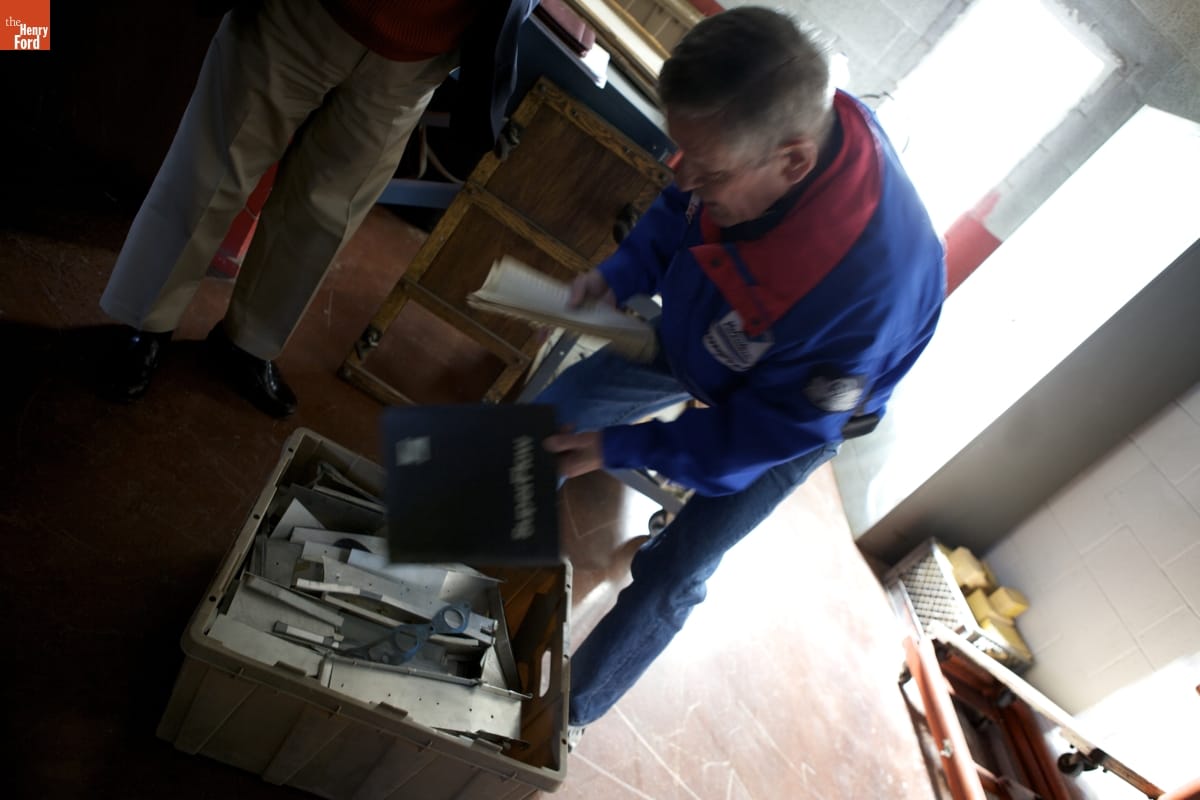
- Oral History Interview with Bobby Unser, January 7, 2009--Photographs--Digital Images--Item 26 - Bobby Unser's racing career spanned 32 years and included three wins at the Indianapolis 500, in addition to 13 wins at the Pikes Peak International Hill Climb. He later provided commentary for televised races. In 2009, staff from The Henry Ford interviewed Unser at his home and at his father Jerry's garage in Albuquerque, New Mexico, as part of the Collecting Innovation Today Oral History Project.
- January 07, 2009
- Collections - Artifact
Oral History Interview with Bobby Unser, January 7, 2009--Photographs--Digital Images--Item 26
Bobby Unser's racing career spanned 32 years and included three wins at the Indianapolis 500, in addition to 13 wins at the Pikes Peak International Hill Climb. He later provided commentary for televised races. In 2009, staff from The Henry Ford interviewed Unser at his home and at his father Jerry's garage in Albuquerque, New Mexico, as part of the Collecting Innovation Today Oral History Project.
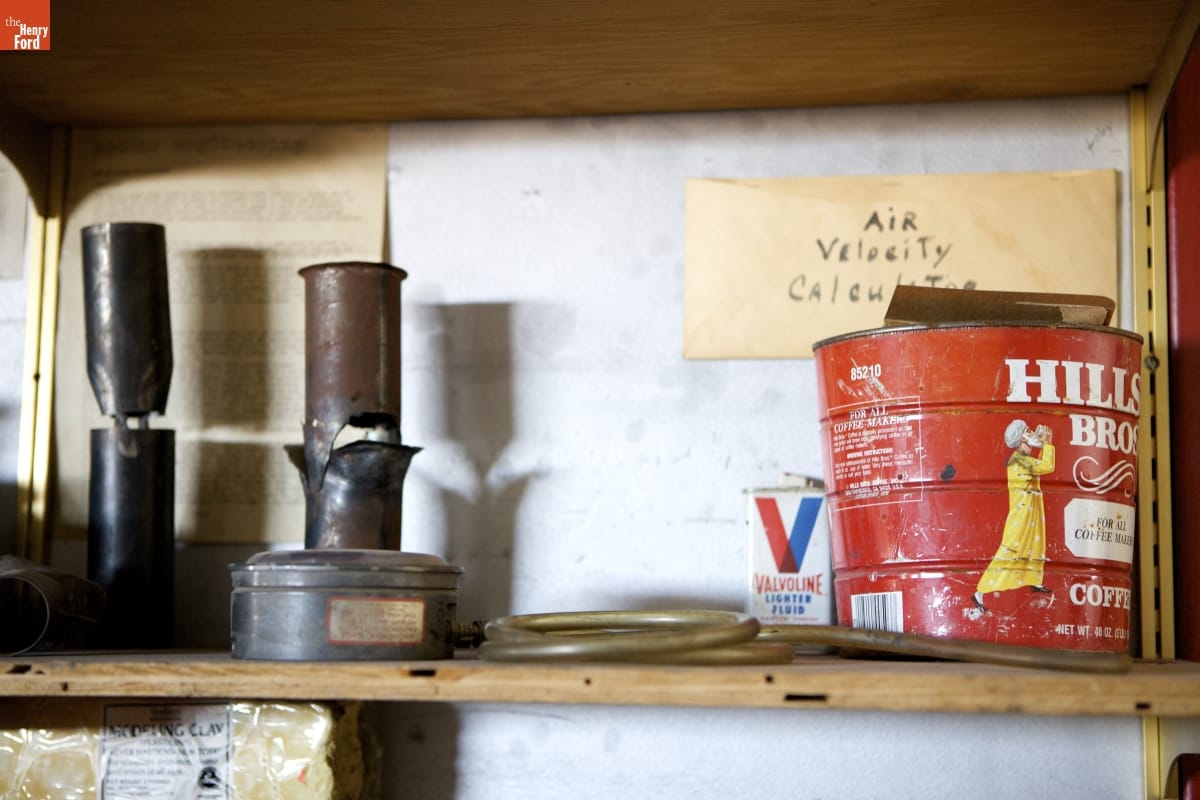
- Oral History Interview with Bobby Unser, January 7, 2009--Photographs--Digital Images--Item 32 - Bobby Unser's racing career spanned 32 years and included three wins at the Indianapolis 500, in addition to 13 wins at the Pikes Peak International Hill Climb. He later provided commentary for televised races. In 2009, staff from The Henry Ford interviewed Unser at his home and at his father Jerry's garage in Albuquerque, New Mexico, as part of the Collecting Innovation Today Oral History Project.
- January 07, 2009
- Collections - Artifact
Oral History Interview with Bobby Unser, January 7, 2009--Photographs--Digital Images--Item 32
Bobby Unser's racing career spanned 32 years and included three wins at the Indianapolis 500, in addition to 13 wins at the Pikes Peak International Hill Climb. He later provided commentary for televised races. In 2009, staff from The Henry Ford interviewed Unser at his home and at his father Jerry's garage in Albuquerque, New Mexico, as part of the Collecting Innovation Today Oral History Project.
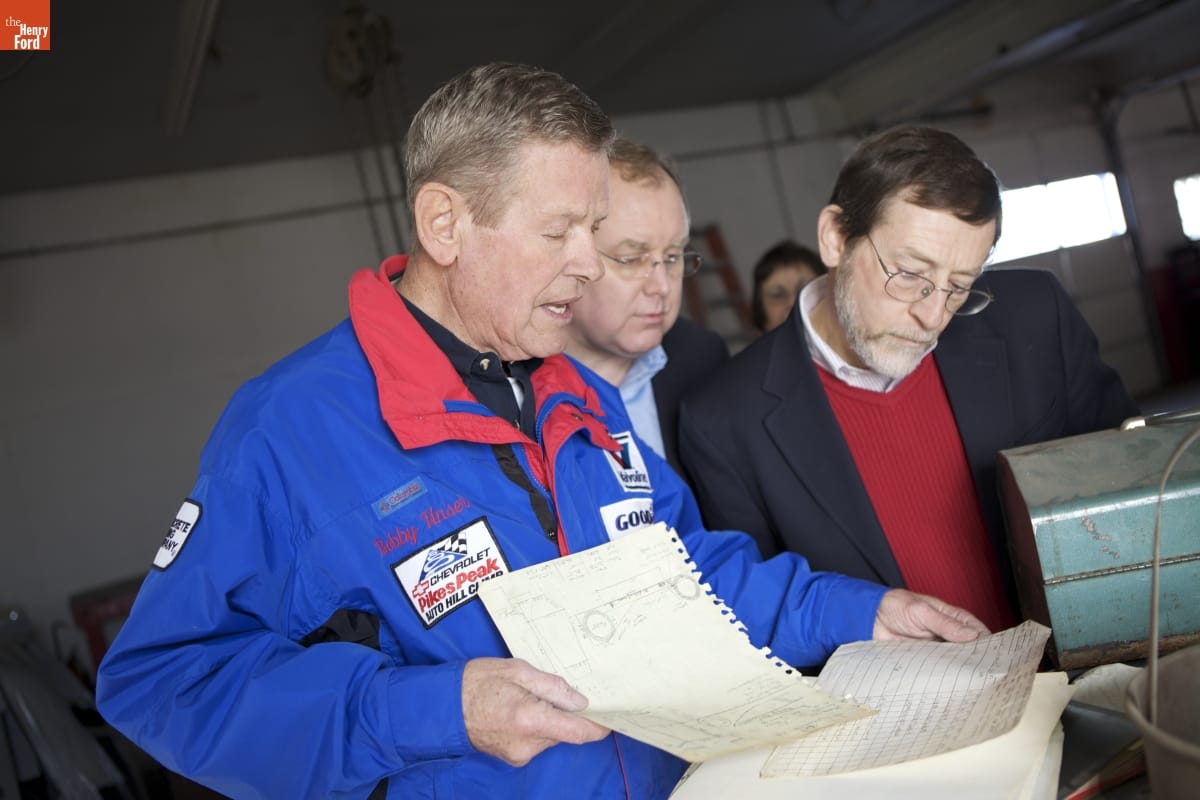
- Oral History Interview with Bobby Unser, January 7, 2009--Photographs--Digital Images--Item 35 - Bobby Unser's racing career spanned 32 years and included three wins at the Indianapolis 500, in addition to 13 wins at the Pikes Peak International Hill Climb. He later provided commentary for televised races. In 2009, staff from The Henry Ford interviewed Unser at his home and at his father Jerry's garage in Albuquerque, New Mexico, as part of the Collecting Innovation Today Oral History Project.
- January 07, 2009
- Collections - Artifact
Oral History Interview with Bobby Unser, January 7, 2009--Photographs--Digital Images--Item 35
Bobby Unser's racing career spanned 32 years and included three wins at the Indianapolis 500, in addition to 13 wins at the Pikes Peak International Hill Climb. He later provided commentary for televised races. In 2009, staff from The Henry Ford interviewed Unser at his home and at his father Jerry's garage in Albuquerque, New Mexico, as part of the Collecting Innovation Today Oral History Project.