
Search
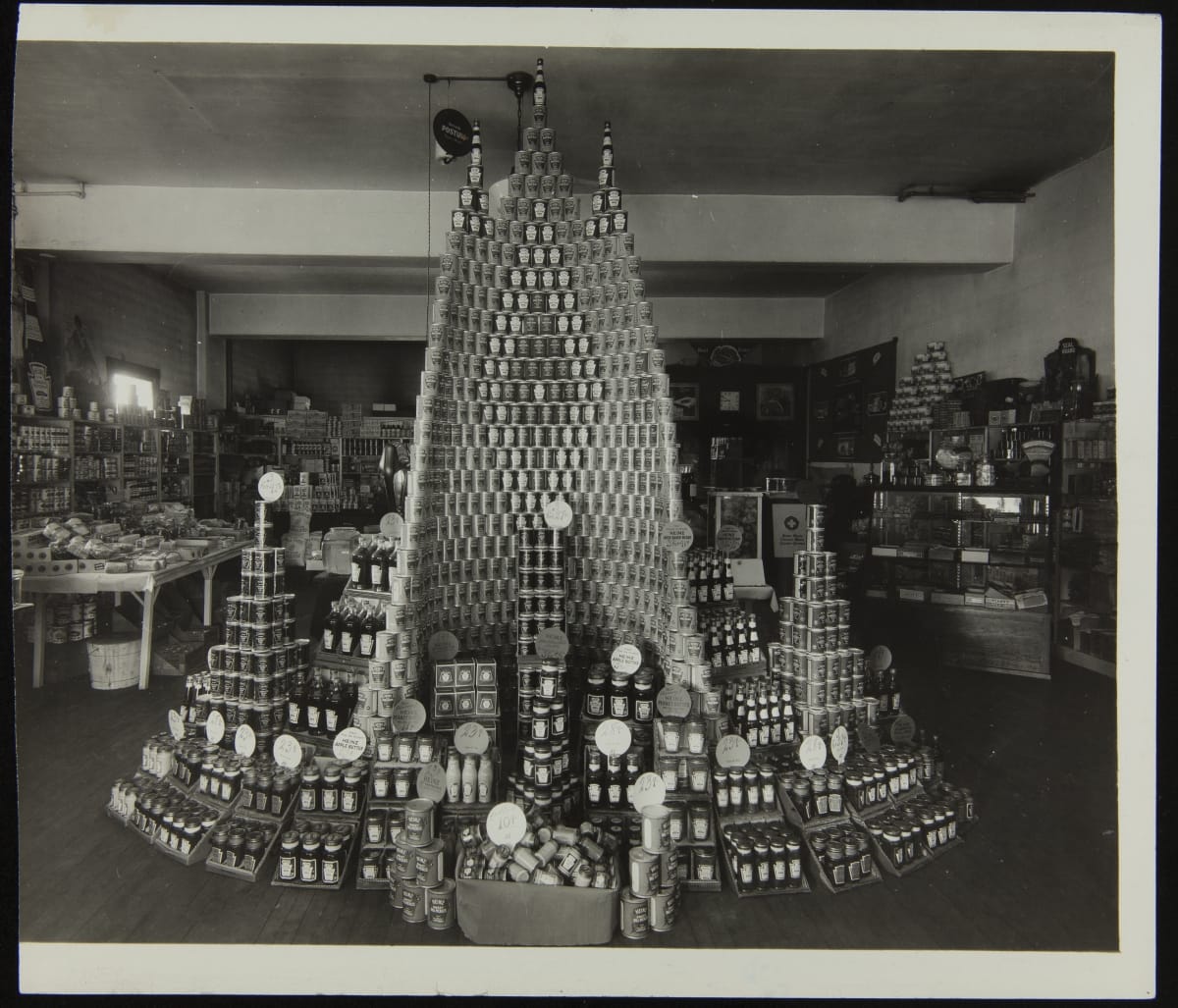
- O. C. Bedell Grocery Store, Floor Display of Heinz Products, Newton, Ohio, circa 1930 - H. J. Heinz was at the forefront of creative marketing in the manufactured food industry. He developed a comprehensive advertising strategy that included elaborate product displays in local grocery stores. Shoppers were greeted with colorful posters and meticulously designed floor-to-ceiling pyramids of canned and jarred products created by Heinz salespeople.
- circa 1930
- Collections - Artifact
O. C. Bedell Grocery Store, Floor Display of Heinz Products, Newton, Ohio, circa 1930
H. J. Heinz was at the forefront of creative marketing in the manufactured food industry. He developed a comprehensive advertising strategy that included elaborate product displays in local grocery stores. Shoppers were greeted with colorful posters and meticulously designed floor-to-ceiling pyramids of canned and jarred products created by Heinz salespeople.
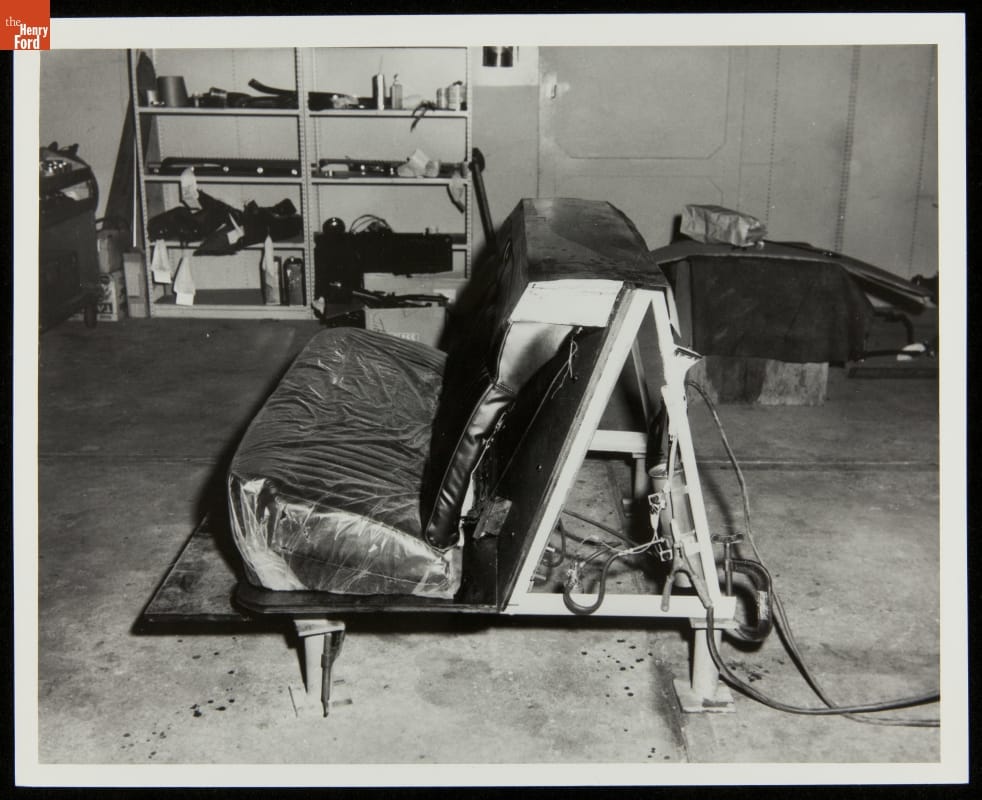
- Lincoln Continental Presidential Limousine Customization, Testing Adjustable Hydraulic Seat, 1961 - The Hess & Eisenhardt Company of Cincinnati, Ohio, transformed a stock 1961 Lincoln Continental convertible into the presidential limousine. Among the special modifications was a hydraulic lift installed on the rear seat. At the touch of a button, the president could raise the seat 10-1/2 inches to make himself and his passengers more visible to crowds watching the limousine pass.
- 1961
- Collections - Artifact
Lincoln Continental Presidential Limousine Customization, Testing Adjustable Hydraulic Seat, 1961
The Hess & Eisenhardt Company of Cincinnati, Ohio, transformed a stock 1961 Lincoln Continental convertible into the presidential limousine. Among the special modifications was a hydraulic lift installed on the rear seat. At the touch of a button, the president could raise the seat 10-1/2 inches to make himself and his passengers more visible to crowds watching the limousine pass.
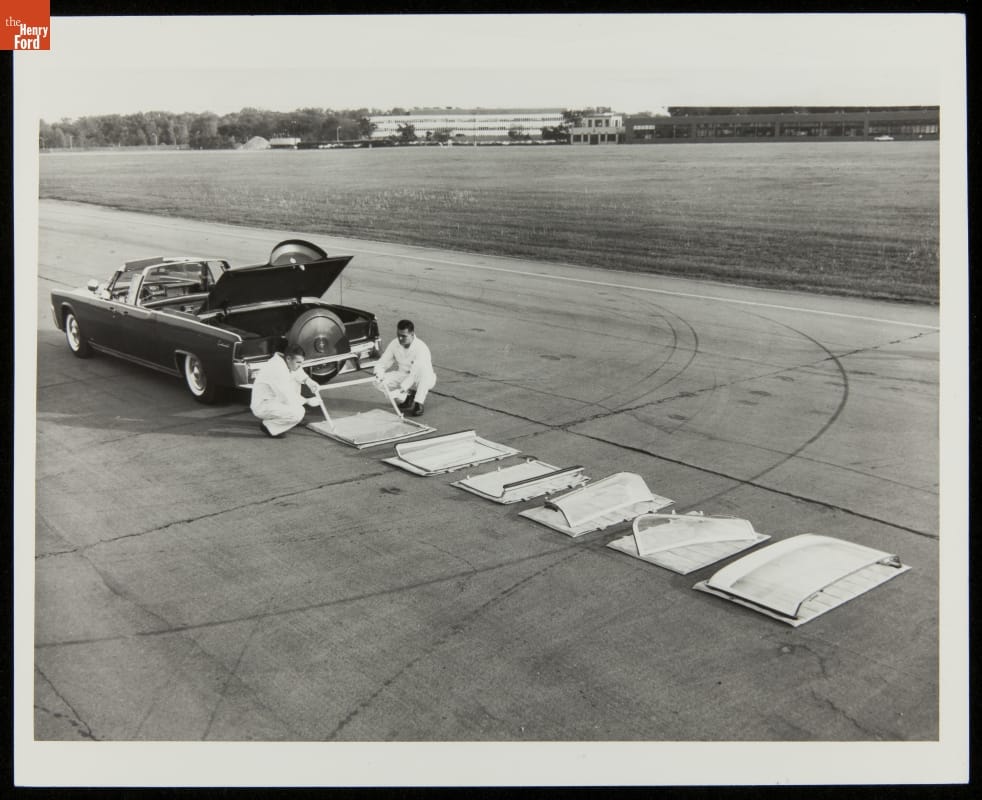
- Lincoln Continental Presidential Limousine Customization, Removable Transparent Top Sections Stored in Trunk, 1961 - As originally built, the 1961 Lincoln Continental Presidential Limousine had three different roof options. A removable steel section provided privacy, clear plastic sections provided weather protection, and a completely open top gave the president maximum visibility. The plastic panels fit neatly into the trunk and were available whenever needed. None of the removable tops was armored.
- 1961
- Collections - Artifact
Lincoln Continental Presidential Limousine Customization, Removable Transparent Top Sections Stored in Trunk, 1961
As originally built, the 1961 Lincoln Continental Presidential Limousine had three different roof options. A removable steel section provided privacy, clear plastic sections provided weather protection, and a completely open top gave the president maximum visibility. The plastic panels fit neatly into the trunk and were available whenever needed. None of the removable tops was armored.
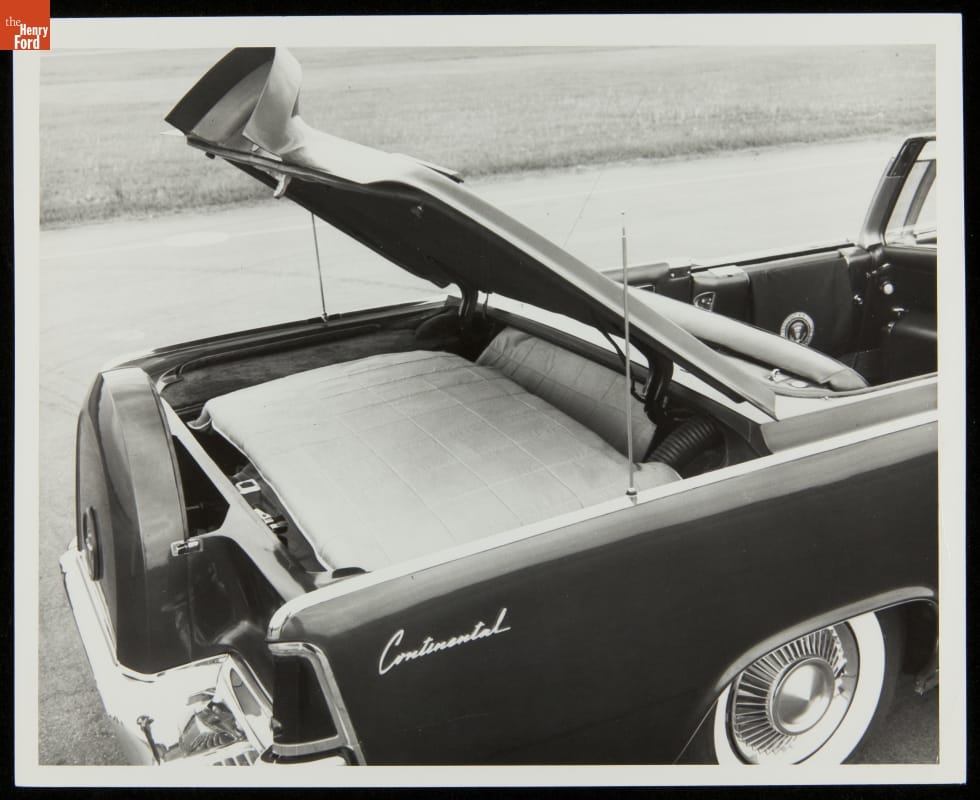
- Lincoln Continental Presidential Limousine, Showing Customized Removable Transparent Top Sections in Trunk, 1961 - As originally built, the 1961 Lincoln Continental Presidential Limousine had three different roof options. A removable steel section provided privacy, clear plastic sections provided weather protection, and a completely open top gave the president maximum visibility. The plastic panels fit neatly into the trunk and were available whenever needed. None of the removable tops was armored.
- 1961
- Collections - Artifact
Lincoln Continental Presidential Limousine, Showing Customized Removable Transparent Top Sections in Trunk, 1961
As originally built, the 1961 Lincoln Continental Presidential Limousine had three different roof options. A removable steel section provided privacy, clear plastic sections provided weather protection, and a completely open top gave the president maximum visibility. The plastic panels fit neatly into the trunk and were available whenever needed. None of the removable tops was armored.
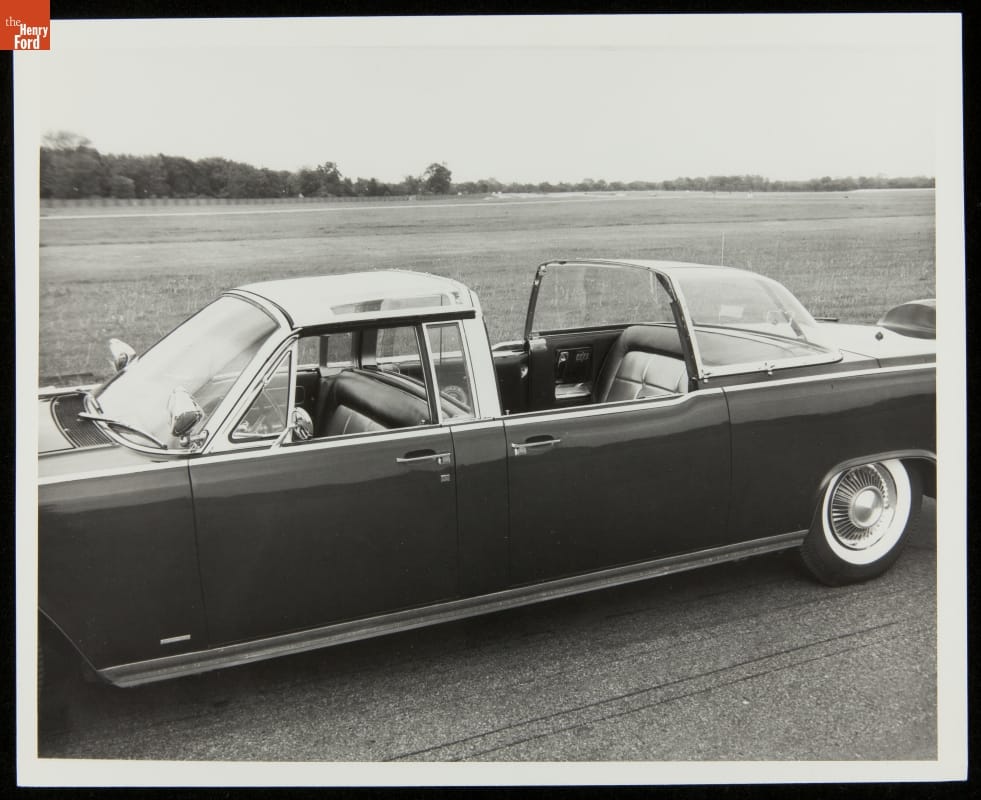
- Lincoln Continental Presidential Limousine, Showing Partial Transparent Tops, 1961 - As originally built, the 1961 Lincoln Continental Presidential Limousine had three different roof options. A removable steel section provided privacy, clear plastic sections provided weather protection, and a completely open top gave the president maximum visibility. The plastic panels fit neatly into the trunk and were available whenever needed. None of the removable tops was armored.
- 1961
- Collections - Artifact
Lincoln Continental Presidential Limousine, Showing Partial Transparent Tops, 1961
As originally built, the 1961 Lincoln Continental Presidential Limousine had three different roof options. A removable steel section provided privacy, clear plastic sections provided weather protection, and a completely open top gave the president maximum visibility. The plastic panels fit neatly into the trunk and were available whenever needed. None of the removable tops was armored.
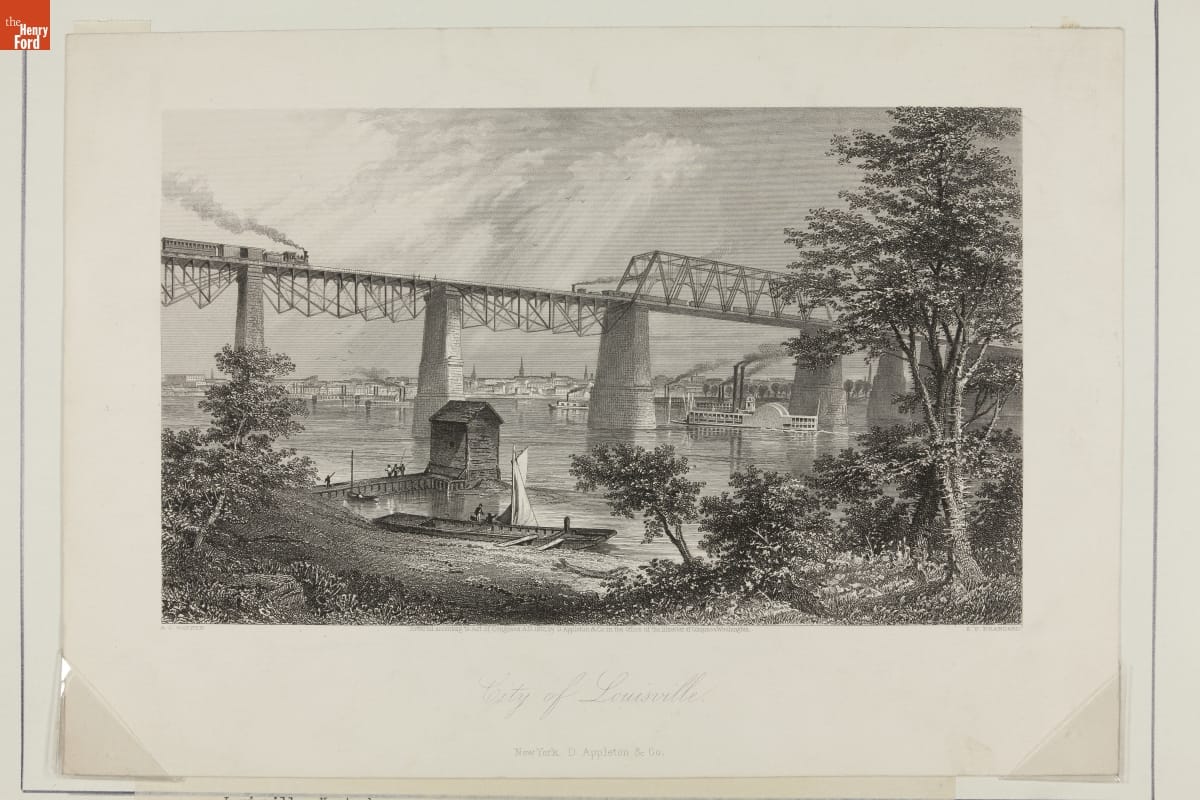
- Steel Engraving, "City of Louisville," circa 1870 - This circa 1870 steel engraving shows the city of Louisville, Kentucky, from a point across the Ohio River. Founded in 1780, Louisville grew rapidly into a major shipping port along the river, and this steel railroad bridge was the first to span the Ohio River in Louisville.
- circa 1872
- Collections - Artifact
Steel Engraving, "City of Louisville," circa 1870
This circa 1870 steel engraving shows the city of Louisville, Kentucky, from a point across the Ohio River. Founded in 1780, Louisville grew rapidly into a major shipping port along the river, and this steel railroad bridge was the first to span the Ohio River in Louisville.
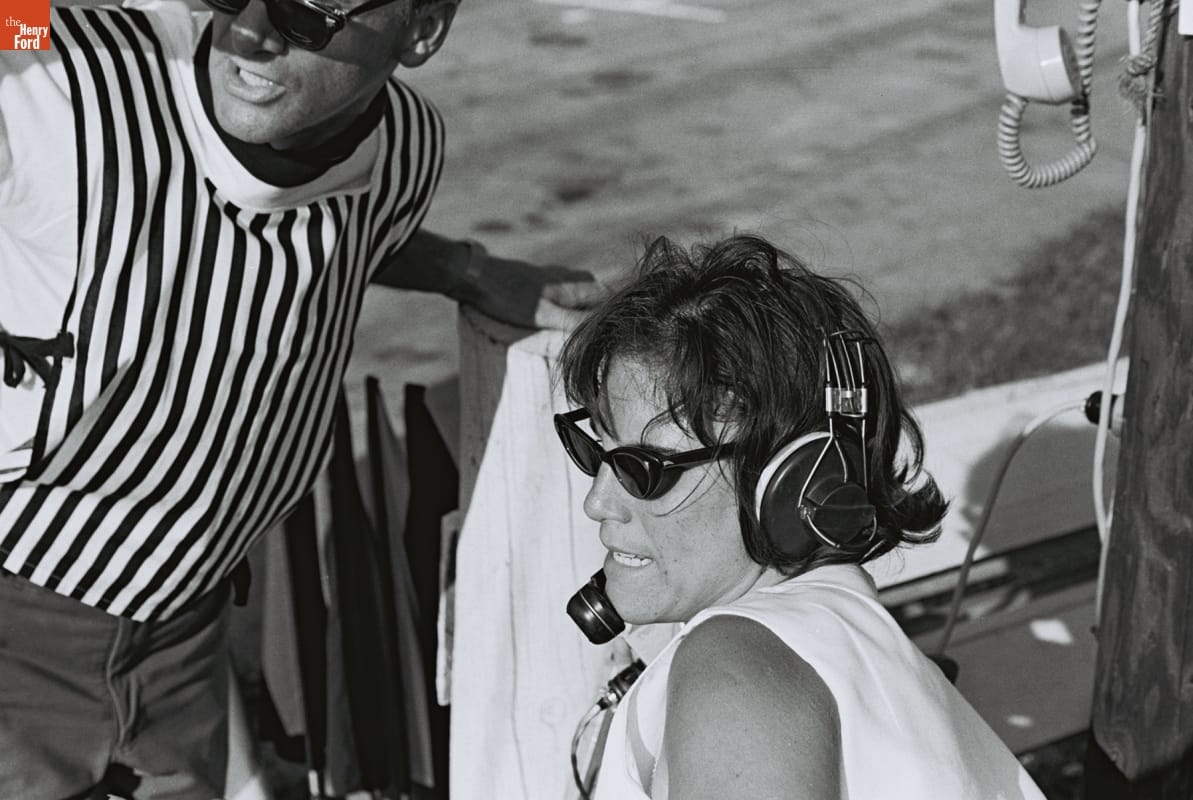
- USRRC Sports Car Race, Mid-Ohio Sports Car Course, Lexington, Ohio, 1966--Item 14 - Dave Friedman has captured and preserved auto racing history through his photography. His work -- and his collection of works by other photographers -- documents key races, vehicles, drivers, and teams. This image was taken at the Mid-Ohio Sports Car course in Lexington, Ohio, during the 1966 United States Road Racing Championship series' Buckeye Cup race. Lothar Motschenbacher's victory was his first USRRC series win.
- 1966
- Collections - Artifact
USRRC Sports Car Race, Mid-Ohio Sports Car Course, Lexington, Ohio, 1966--Item 14
Dave Friedman has captured and preserved auto racing history through his photography. His work -- and his collection of works by other photographers -- documents key races, vehicles, drivers, and teams. This image was taken at the Mid-Ohio Sports Car course in Lexington, Ohio, during the 1966 United States Road Racing Championship series' Buckeye Cup race. Lothar Motschenbacher's victory was his first USRRC series win.
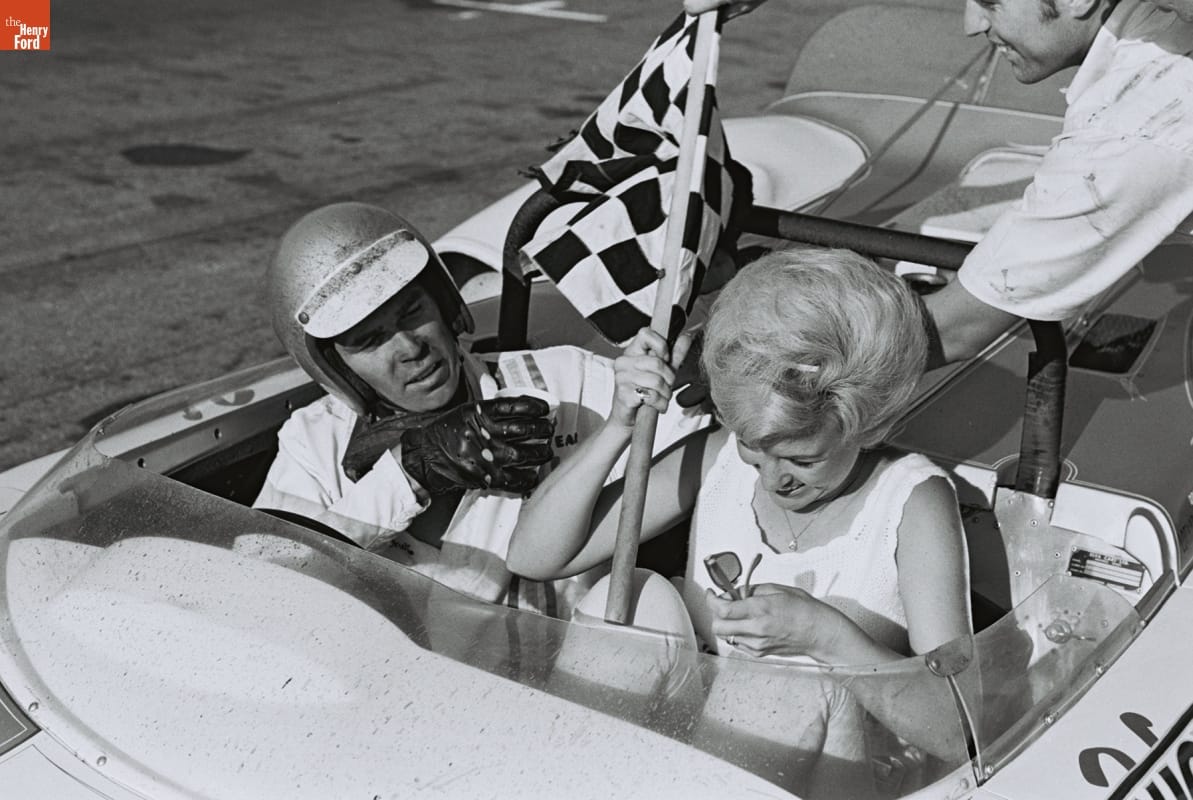
- USRRC Sports Car Race, Mid-Ohio Sports Car Course, Lexington, Ohio, 1966--Item 22 - Dave Friedman has captured and preserved auto racing history through his photography. His work -- and his collection of works by other photographers -- documents key races, vehicles, drivers, and teams. This image was taken at the Mid-Ohio Sports Car course in Lexington, Ohio, during the 1966 United States Road Racing Championship series' Buckeye Cup race. Lothar Motschenbacher's victory was his first USRRC series win.
- 1966
- Collections - Artifact
USRRC Sports Car Race, Mid-Ohio Sports Car Course, Lexington, Ohio, 1966--Item 22
Dave Friedman has captured and preserved auto racing history through his photography. His work -- and his collection of works by other photographers -- documents key races, vehicles, drivers, and teams. This image was taken at the Mid-Ohio Sports Car course in Lexington, Ohio, during the 1966 United States Road Racing Championship series' Buckeye Cup race. Lothar Motschenbacher's victory was his first USRRC series win.
- USRRC Sports Car Race, Mid-Ohio Sports Car Course, Lexington, Ohio, 1966--Item 23 - Dave Friedman has captured and preserved auto racing history through his photography. His work -- and his collection of works by other photographers -- documents key races, vehicles, drivers, and teams. This image was taken at the Mid-Ohio Sports Car course in Lexington, Ohio, during the 1966 United States Road Racing Championship series' Buckeye Cup race. Lothar Motschenbacher's victory was his first USRRC series win.
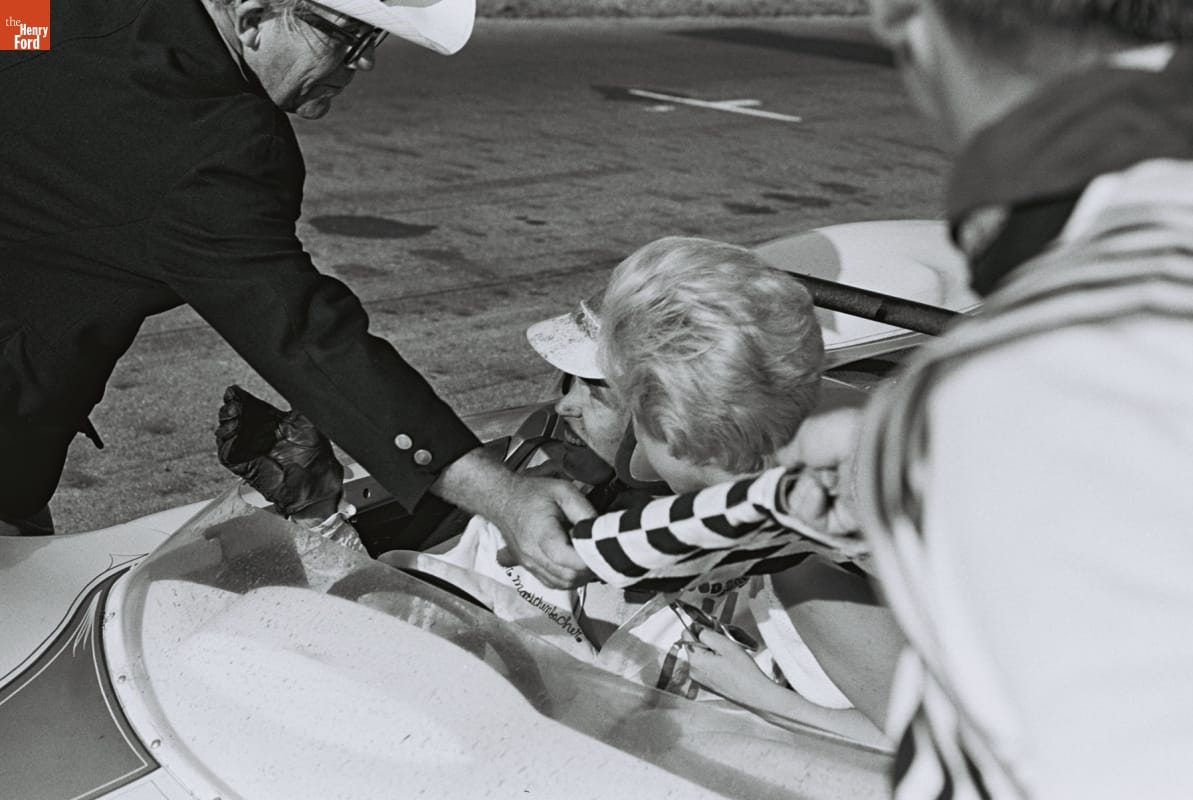
- 1966
- Collections - Artifact
USRRC Sports Car Race, Mid-Ohio Sports Car Course, Lexington, Ohio, 1966--Item 23
Dave Friedman has captured and preserved auto racing history through his photography. His work -- and his collection of works by other photographers -- documents key races, vehicles, drivers, and teams. This image was taken at the Mid-Ohio Sports Car course in Lexington, Ohio, during the 1966 United States Road Racing Championship series' Buckeye Cup race. Lothar Motschenbacher's victory was his first USRRC series win.
- USRRC Sports Car Race, Mid-Ohio Sports Car Course, Lexington, Ohio, 1966--Item 26 - Dave Friedman has captured and preserved auto racing history through his photography. His work -- and his collection of works by other photographers -- documents key races, vehicles, drivers, and teams. This image was taken at the Mid-Ohio Sports Car course in Lexington, Ohio, during the 1966 United States Road Racing Championship series' Buckeye Cup race. Lothar Motschenbacher's victory was his first USRRC series win.
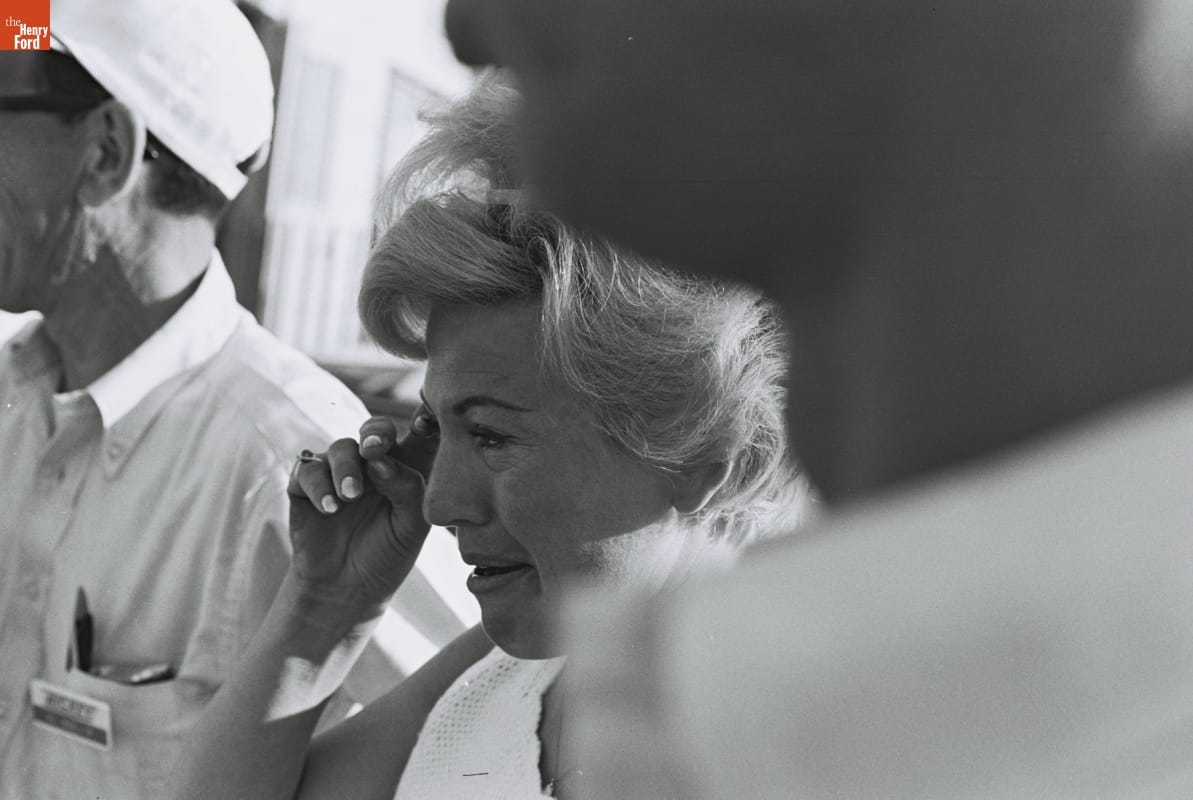
- 1966
- Collections - Artifact
USRRC Sports Car Race, Mid-Ohio Sports Car Course, Lexington, Ohio, 1966--Item 26
Dave Friedman has captured and preserved auto racing history through his photography. His work -- and his collection of works by other photographers -- documents key races, vehicles, drivers, and teams. This image was taken at the Mid-Ohio Sports Car course in Lexington, Ohio, during the 1966 United States Road Racing Championship series' Buckeye Cup race. Lothar Motschenbacher's victory was his first USRRC series win.