
Search
- Oral History Interview with William McDonough, Sustainable Design Architect, September 2008--Photographs--Digital Images--Item 52 - A leader in the field of sustainable design, William McDonough creates strategies for "environmentally intelligent" buildings. His constructions incorporate nature into design and feature daylight, fresh air, diversity, life, and creativity. In 2008, staff from The Henry Ford interviewed McDonough at his office in Charlottesville, Virginia, as part of the Collecting Innovation Today Oral History Project.
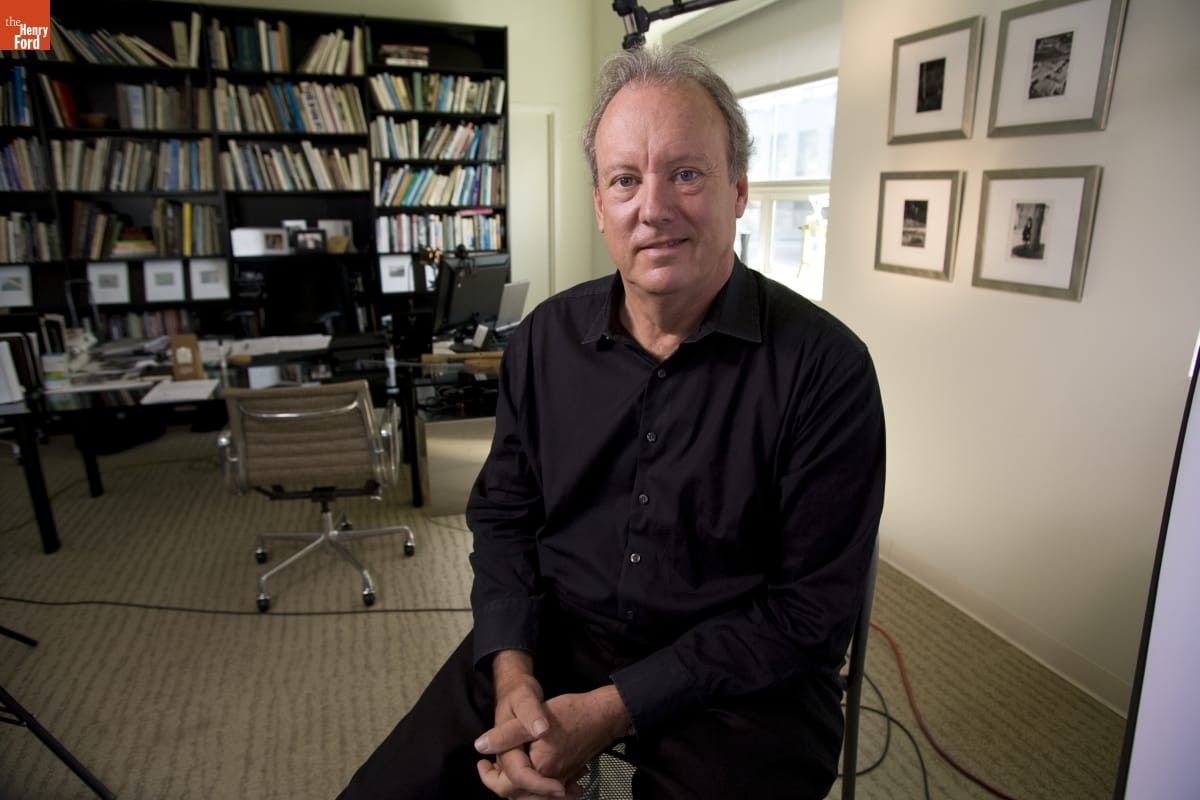
- September 08, 2008
- Collections - Artifact
Oral History Interview with William McDonough, Sustainable Design Architect, September 2008--Photographs--Digital Images--Item 52
A leader in the field of sustainable design, William McDonough creates strategies for "environmentally intelligent" buildings. His constructions incorporate nature into design and feature daylight, fresh air, diversity, life, and creativity. In 2008, staff from The Henry Ford interviewed McDonough at his office in Charlottesville, Virginia, as part of the Collecting Innovation Today Oral History Project.
- Oral History Interview with William McDonough, Sustainable Design Architect, September 2008--Photographs--Digital Images--Item 54 - A leader in the field of sustainable design, William McDonough creates strategies for "environmentally intelligent" buildings. His constructions incorporate nature into design and feature daylight, fresh air, diversity, life, and creativity. In 2008, staff from The Henry Ford interviewed McDonough at his office in Charlottesville, Virginia, as part of the Collecting Innovation Today Oral History Project.
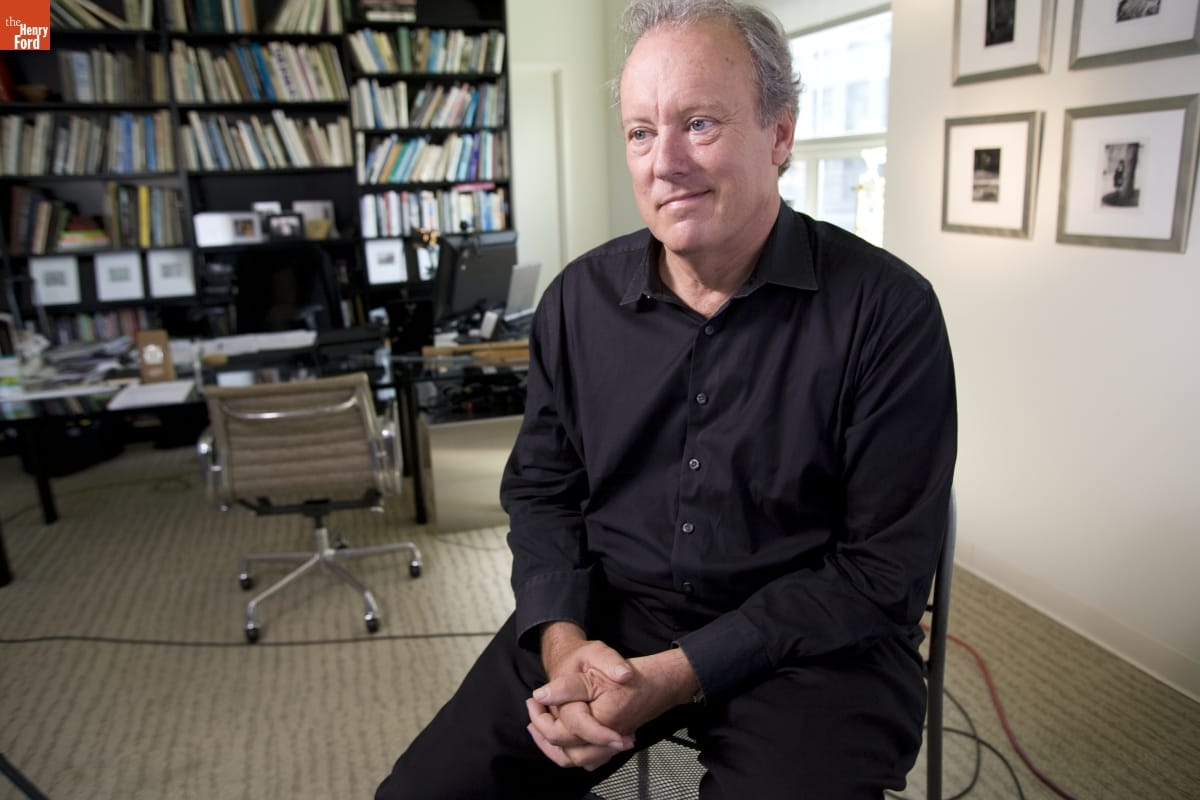
- September 08, 2008
- Collections - Artifact
Oral History Interview with William McDonough, Sustainable Design Architect, September 2008--Photographs--Digital Images--Item 54
A leader in the field of sustainable design, William McDonough creates strategies for "environmentally intelligent" buildings. His constructions incorporate nature into design and feature daylight, fresh air, diversity, life, and creativity. In 2008, staff from The Henry Ford interviewed McDonough at his office in Charlottesville, Virginia, as part of the Collecting Innovation Today Oral History Project.
- Oral History Interview with William McDonough, Sustainable Design Architect, September 2008--Photographs--Digital Images--Item 58 - A leader in the field of sustainable design, William McDonough creates strategies for "environmentally intelligent" buildings. His constructions incorporate nature into design and feature daylight, fresh air, diversity, life, and creativity. In 2008, staff from The Henry Ford interviewed McDonough at his office in Charlottesville, Virginia, as part of the Collecting Innovation Today Oral History Project.
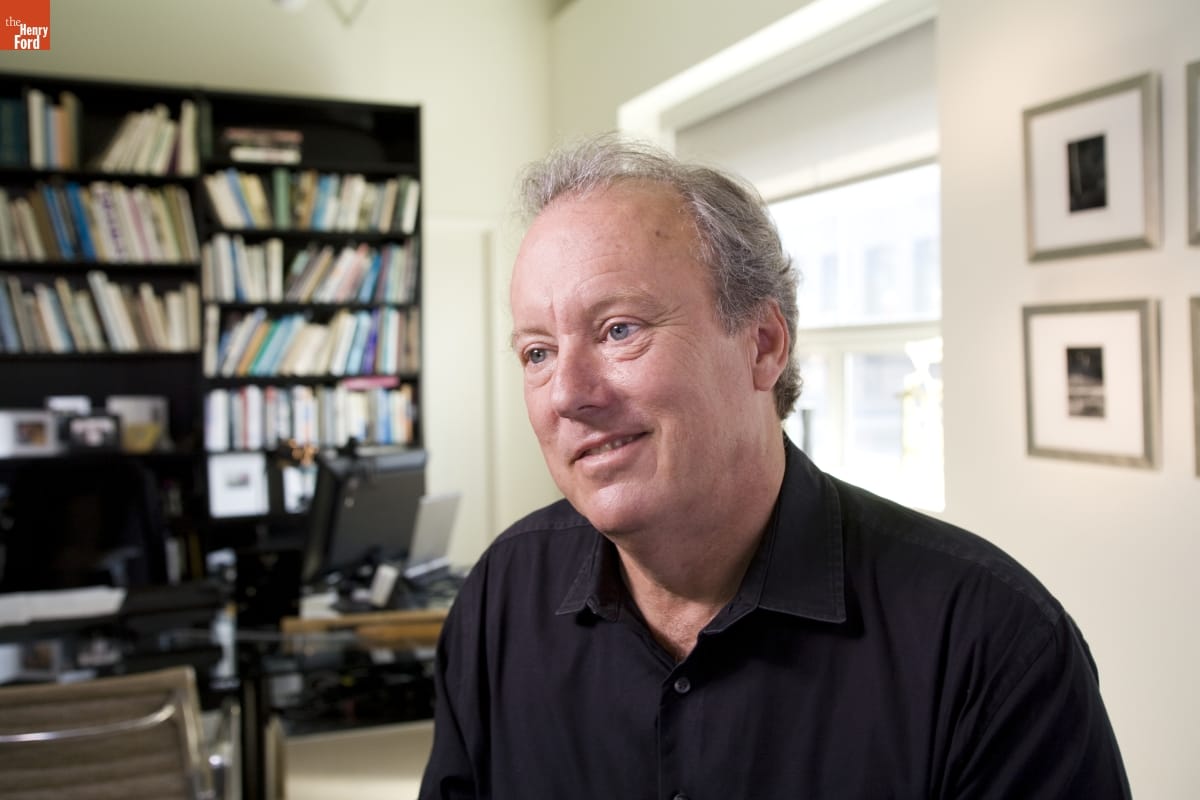
- September 08, 2008
- Collections - Artifact
Oral History Interview with William McDonough, Sustainable Design Architect, September 2008--Photographs--Digital Images--Item 58
A leader in the field of sustainable design, William McDonough creates strategies for "environmentally intelligent" buildings. His constructions incorporate nature into design and feature daylight, fresh air, diversity, life, and creativity. In 2008, staff from The Henry Ford interviewed McDonough at his office in Charlottesville, Virginia, as part of the Collecting Innovation Today Oral History Project.
- Oral History Interview with William McDonough, Sustainable Design Architect, September 2008--Photographs--Digital Images--Item 62 - A leader in the field of sustainable design, William McDonough creates strategies for "environmentally intelligent" buildings. His constructions incorporate nature into design and feature daylight, fresh air, diversity, life, and creativity. In 2008, staff from The Henry Ford interviewed McDonough at his office in Charlottesville, Virginia, as part of the Collecting Innovation Today Oral History Project.
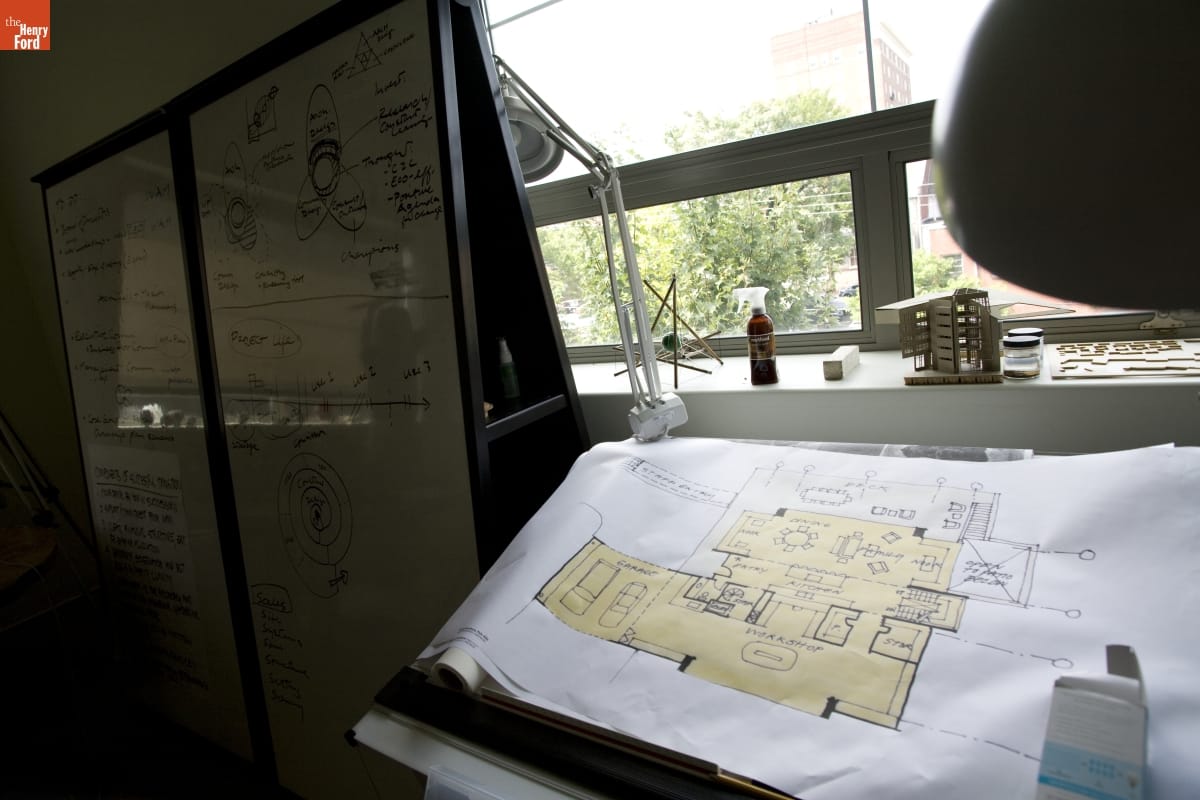
- September 08, 2008
- Collections - Artifact
Oral History Interview with William McDonough, Sustainable Design Architect, September 2008--Photographs--Digital Images--Item 62
A leader in the field of sustainable design, William McDonough creates strategies for "environmentally intelligent" buildings. His constructions incorporate nature into design and feature daylight, fresh air, diversity, life, and creativity. In 2008, staff from The Henry Ford interviewed McDonough at his office in Charlottesville, Virginia, as part of the Collecting Innovation Today Oral History Project.
- Oral History Interview with William McDonough, Sustainable Design Architect, September 2008--Photographs--Digital Images--Item 63 - A leader in the field of sustainable design, William McDonough creates strategies for "environmentally intelligent" buildings. His constructions incorporate nature into design and feature daylight, fresh air, diversity, life, and creativity. In 2008, staff from The Henry Ford interviewed McDonough at his office in Charlottesville, Virginia, as part of the Collecting Innovation Today Oral History Project.
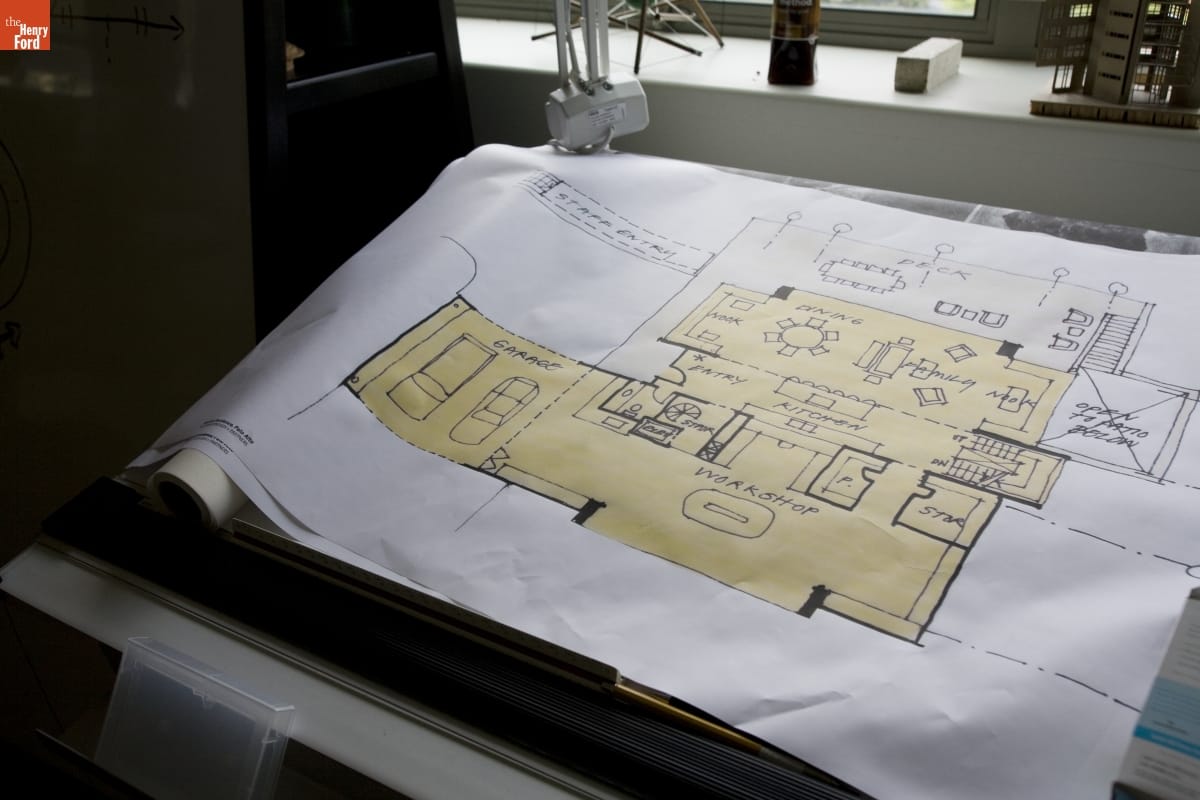
- September 08, 2008
- Collections - Artifact
Oral History Interview with William McDonough, Sustainable Design Architect, September 2008--Photographs--Digital Images--Item 63
A leader in the field of sustainable design, William McDonough creates strategies for "environmentally intelligent" buildings. His constructions incorporate nature into design and feature daylight, fresh air, diversity, life, and creativity. In 2008, staff from The Henry Ford interviewed McDonough at his office in Charlottesville, Virginia, as part of the Collecting Innovation Today Oral History Project.
- Oral History Interview with William McDonough, Sustainable Design Architect, September 2008--Photographs--Digital Images--Item 71 - A leader in the field of sustainable design, William McDonough creates strategies for "environmentally intelligent" buildings. His constructions incorporate nature into design and feature daylight, fresh air, diversity, life, and creativity. In 2008, staff from The Henry Ford interviewed McDonough at his office in Charlottesville, Virginia, as part of the Collecting Innovation Today Oral History Project.
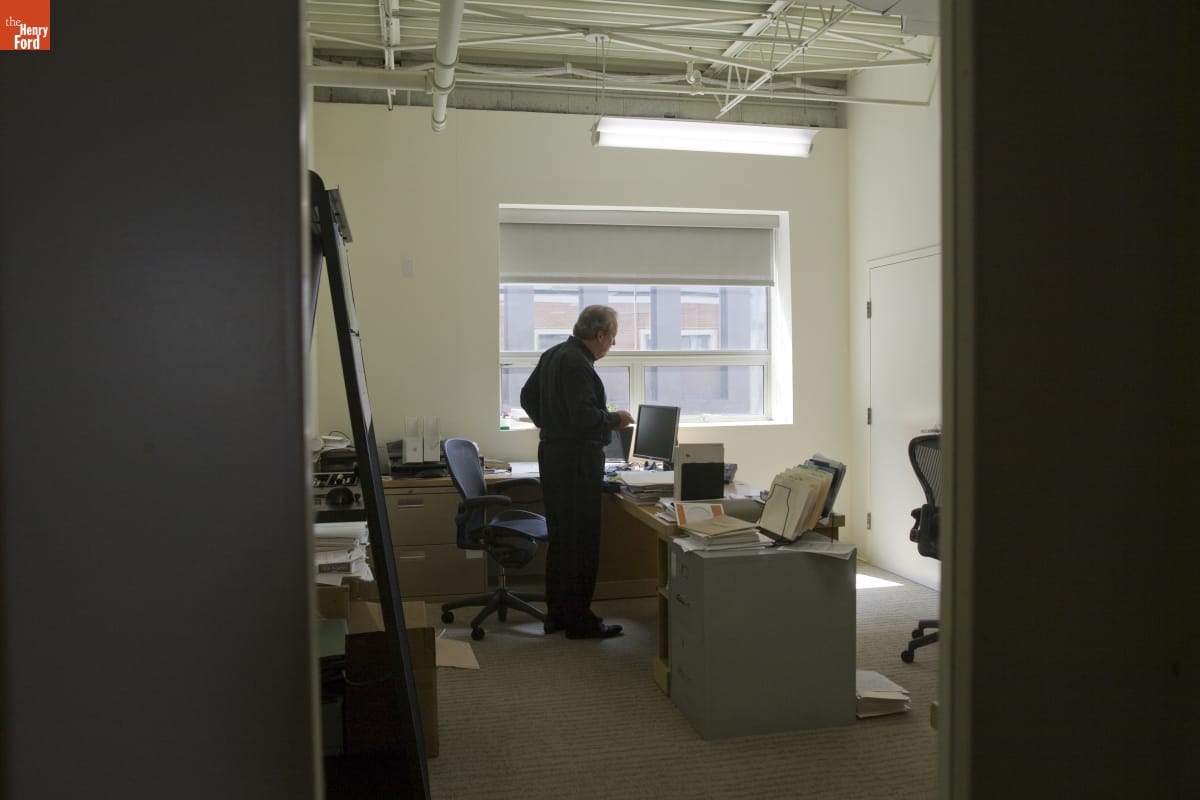
- September 08, 2008
- Collections - Artifact
Oral History Interview with William McDonough, Sustainable Design Architect, September 2008--Photographs--Digital Images--Item 71
A leader in the field of sustainable design, William McDonough creates strategies for "environmentally intelligent" buildings. His constructions incorporate nature into design and feature daylight, fresh air, diversity, life, and creativity. In 2008, staff from The Henry Ford interviewed McDonough at his office in Charlottesville, Virginia, as part of the Collecting Innovation Today Oral History Project.
- Oral History Interview with William McDonough, Sustainable Design Architect, September 2008--Photographs--Digital Images--Item 73 - A leader in the field of sustainable design, William McDonough creates strategies for "environmentally intelligent" buildings. His constructions incorporate nature into design and feature daylight, fresh air, diversity, life, and creativity. In 2008, staff from The Henry Ford interviewed McDonough at his office in Charlottesville, Virginia, as part of the Collecting Innovation Today Oral History Project.
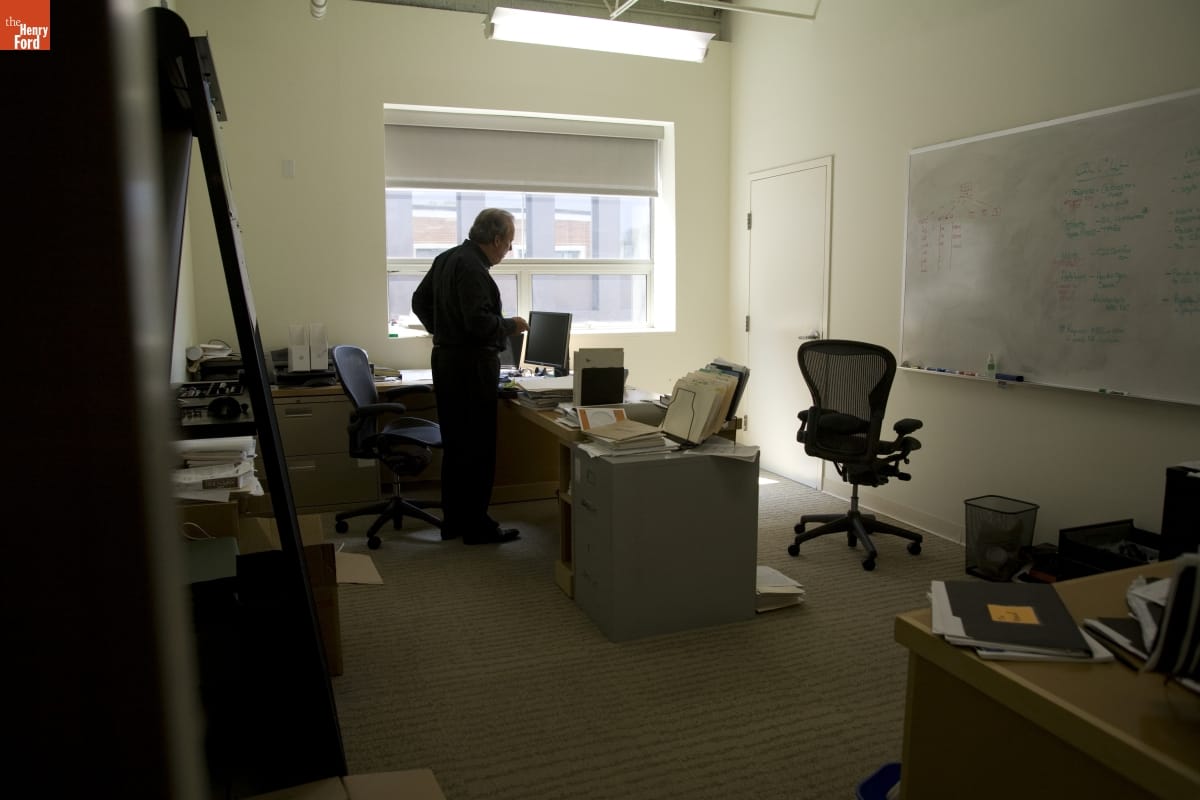
- September 08, 2008
- Collections - Artifact
Oral History Interview with William McDonough, Sustainable Design Architect, September 2008--Photographs--Digital Images--Item 73
A leader in the field of sustainable design, William McDonough creates strategies for "environmentally intelligent" buildings. His constructions incorporate nature into design and feature daylight, fresh air, diversity, life, and creativity. In 2008, staff from The Henry Ford interviewed McDonough at his office in Charlottesville, Virginia, as part of the Collecting Innovation Today Oral History Project.
- Oral History Interview with William McDonough, Sustainable Design Architect, September 2008--Photographs--Digital Images--Item 82 - A leader in the field of sustainable design, William McDonough creates strategies for "environmentally intelligent" buildings. His constructions incorporate nature into design and feature daylight, fresh air, diversity, life, and creativity. In 2008, staff from The Henry Ford interviewed McDonough at his office in Charlottesville, Virginia, as part of the Collecting Innovation Today Oral History Project.

- September 08, 2008
- Collections - Artifact
Oral History Interview with William McDonough, Sustainable Design Architect, September 2008--Photographs--Digital Images--Item 82
A leader in the field of sustainable design, William McDonough creates strategies for "environmentally intelligent" buildings. His constructions incorporate nature into design and feature daylight, fresh air, diversity, life, and creativity. In 2008, staff from The Henry Ford interviewed McDonough at his office in Charlottesville, Virginia, as part of the Collecting Innovation Today Oral History Project.
- Oral History Interview with William McDonough, Sustainable Design Architect, September 2008--Photographs--Digital Images--Item 83 - A leader in the field of sustainable design, William McDonough creates strategies for "environmentally intelligent" buildings. His constructions incorporate nature into design and feature daylight, fresh air, diversity, life, and creativity. In 2008, staff from The Henry Ford interviewed McDonough at his office in Charlottesville, Virginia, as part of the Collecting Innovation Today Oral History Project.

- September 08, 2008
- Collections - Artifact
Oral History Interview with William McDonough, Sustainable Design Architect, September 2008--Photographs--Digital Images--Item 83
A leader in the field of sustainable design, William McDonough creates strategies for "environmentally intelligent" buildings. His constructions incorporate nature into design and feature daylight, fresh air, diversity, life, and creativity. In 2008, staff from The Henry Ford interviewed McDonough at his office in Charlottesville, Virginia, as part of the Collecting Innovation Today Oral History Project.
- Oral History Interview with William McDonough, Sustainable Design Architect, September 2008--Photographs--Digital Images--Item 84 - A leader in the field of sustainable design, William McDonough creates strategies for "environmentally intelligent" buildings. His constructions incorporate nature into design and feature daylight, fresh air, diversity, life, and creativity. In 2008, staff from The Henry Ford interviewed McDonough at his office in Charlottesville, Virginia, as part of the Collecting Innovation Today Oral History Project.

- September 08, 2008
- Collections - Artifact
Oral History Interview with William McDonough, Sustainable Design Architect, September 2008--Photographs--Digital Images--Item 84
A leader in the field of sustainable design, William McDonough creates strategies for "environmentally intelligent" buildings. His constructions incorporate nature into design and feature daylight, fresh air, diversity, life, and creativity. In 2008, staff from The Henry Ford interviewed McDonough at his office in Charlottesville, Virginia, as part of the Collecting Innovation Today Oral History Project.