
Search
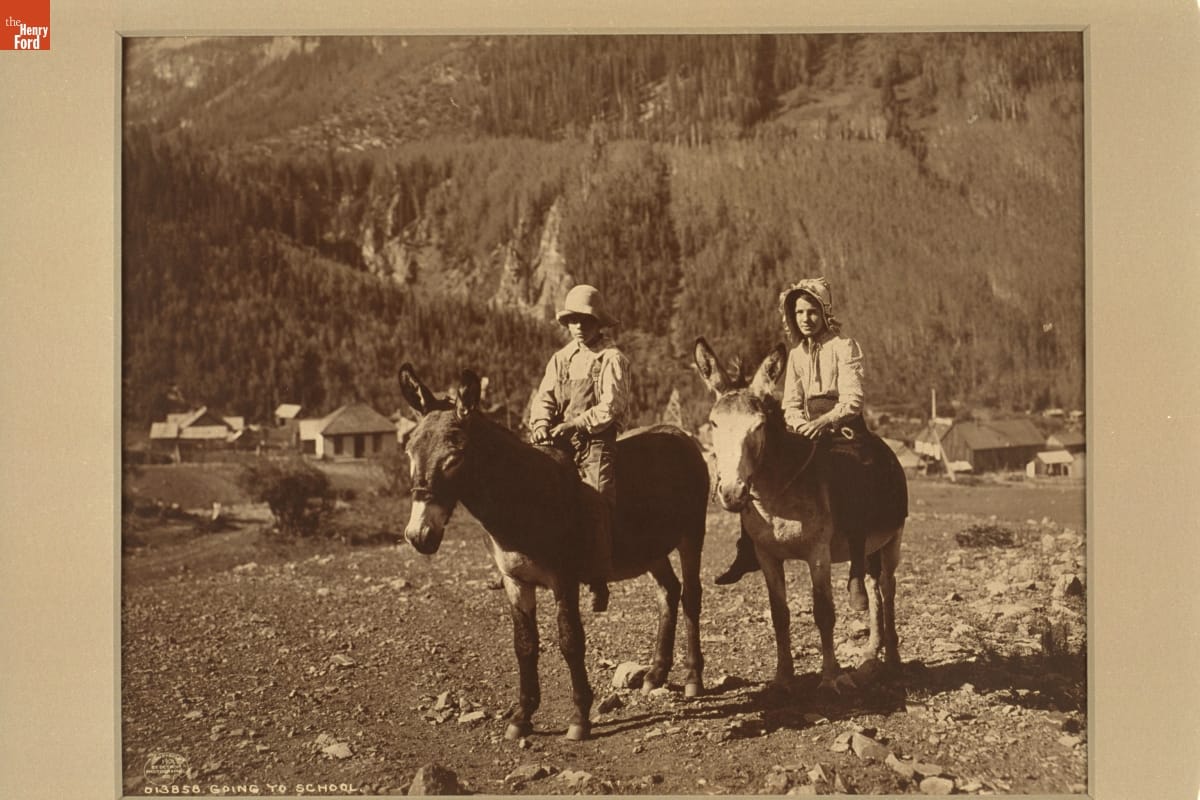
- Children Riding Donkeys, "Going to School," circa 1885 - From 1895 to 1924, the Detroit Publishing Company was one of the major image publishers in the world. The company's wide-ranging stock of original photographs documented life and landscapes from across the nation and around the globe. From the tens of thousands of negatives, the company created prints, postcards, lantern slides, panoramas, and other merchandise for sale to educators, businessmen, advertisers, homeowners and travelers.
- circa 1885
- Collections - Artifact
Children Riding Donkeys, "Going to School," circa 1885
From 1895 to 1924, the Detroit Publishing Company was one of the major image publishers in the world. The company's wide-ranging stock of original photographs documented life and landscapes from across the nation and around the globe. From the tens of thousands of negatives, the company created prints, postcards, lantern slides, panoramas, and other merchandise for sale to educators, businessmen, advertisers, homeowners and travelers.
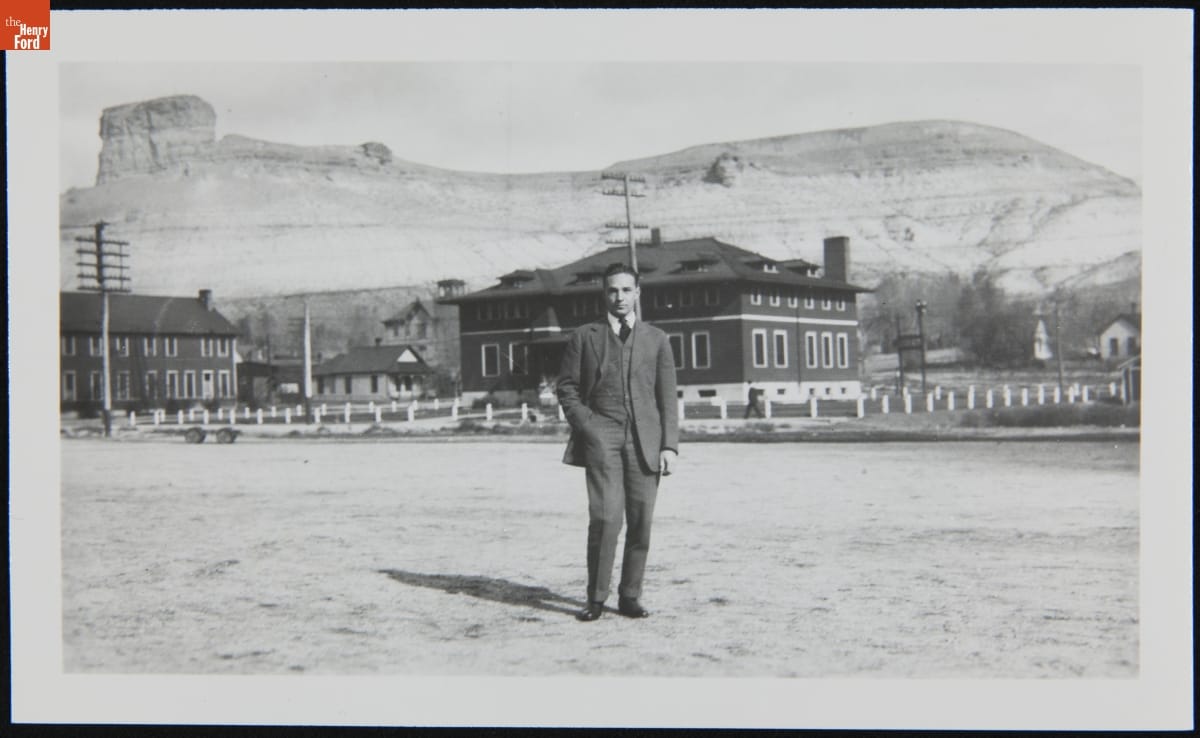
- Edsel Ford in Colorado on His 1915 Cross-Country Road Trip - At 21 years old, eager for one last adventure before tackling adult life, Edsel Ford took a road trip from Detroit to San Francisco in 1915. Ford and six of his friends, traveling in a Model T, a Cadillac and a Stutz, took five weeks to cover the 2,400 miles. Muddy roads and flat tires did little to dampen their enthusiasm.
- 1915
- Collections - Artifact
Edsel Ford in Colorado on His 1915 Cross-Country Road Trip
At 21 years old, eager for one last adventure before tackling adult life, Edsel Ford took a road trip from Detroit to San Francisco in 1915. Ford and six of his friends, traveling in a Model T, a Cadillac and a Stutz, took five weeks to cover the 2,400 miles. Muddy roads and flat tires did little to dampen their enthusiasm.
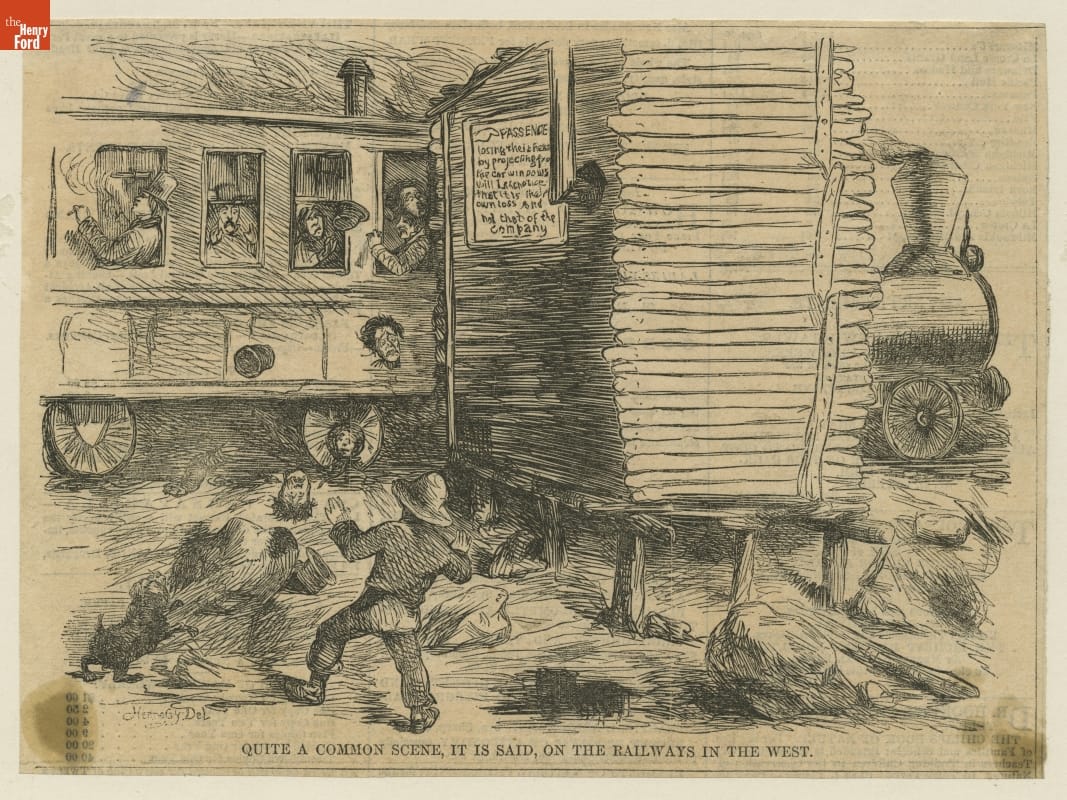
- Wood Engraving, "Quite a Common Scene, it is Said, on the Railways in the West," 1858 - While close clearances -- tight spaces between railroad cars and trackside structures -- did exist, this 1858 illustration from <em>Harper's Weekly</em> exaggerated the dangers faced by passengers who stuck their heads through windows. More likely threats from an open window included sparks, cinders and smoke from the steam locomotive pulling the train -- all of which could irritate eyes and damage clothing.
- 1858
- Collections - Artifact
Wood Engraving, "Quite a Common Scene, it is Said, on the Railways in the West," 1858
While close clearances -- tight spaces between railroad cars and trackside structures -- did exist, this 1858 illustration from Harper's Weekly exaggerated the dangers faced by passengers who stuck their heads through windows. More likely threats from an open window included sparks, cinders and smoke from the steam locomotive pulling the train -- all of which could irritate eyes and damage clothing.
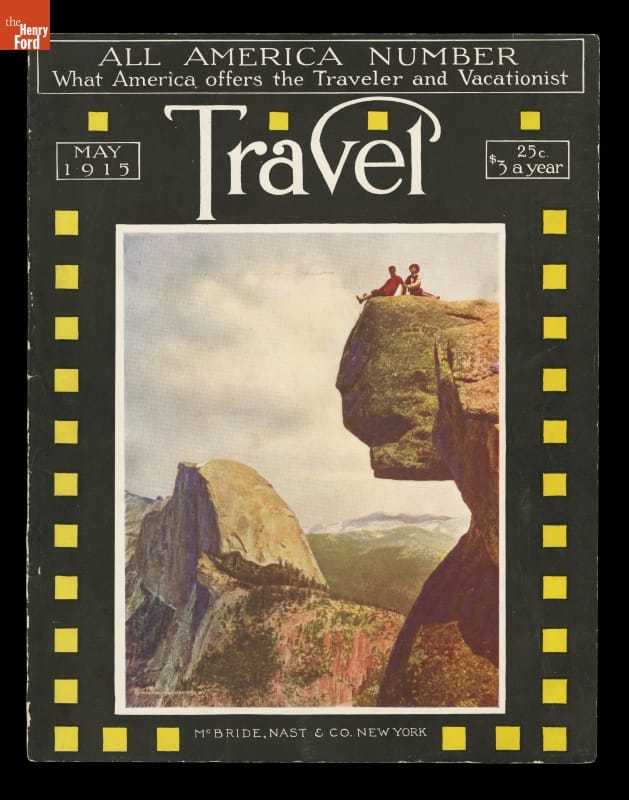
- Magazine, "Travel," May 1915 - The cover of this May 1915 <EM>Travel</EM> magazine tempted readers to imagine themselves at Yosemite National Park in California.
- 1915
- Collections - Artifact
Magazine, "Travel," May 1915
The cover of this May 1915 Travel magazine tempted readers to imagine themselves at Yosemite National Park in California.
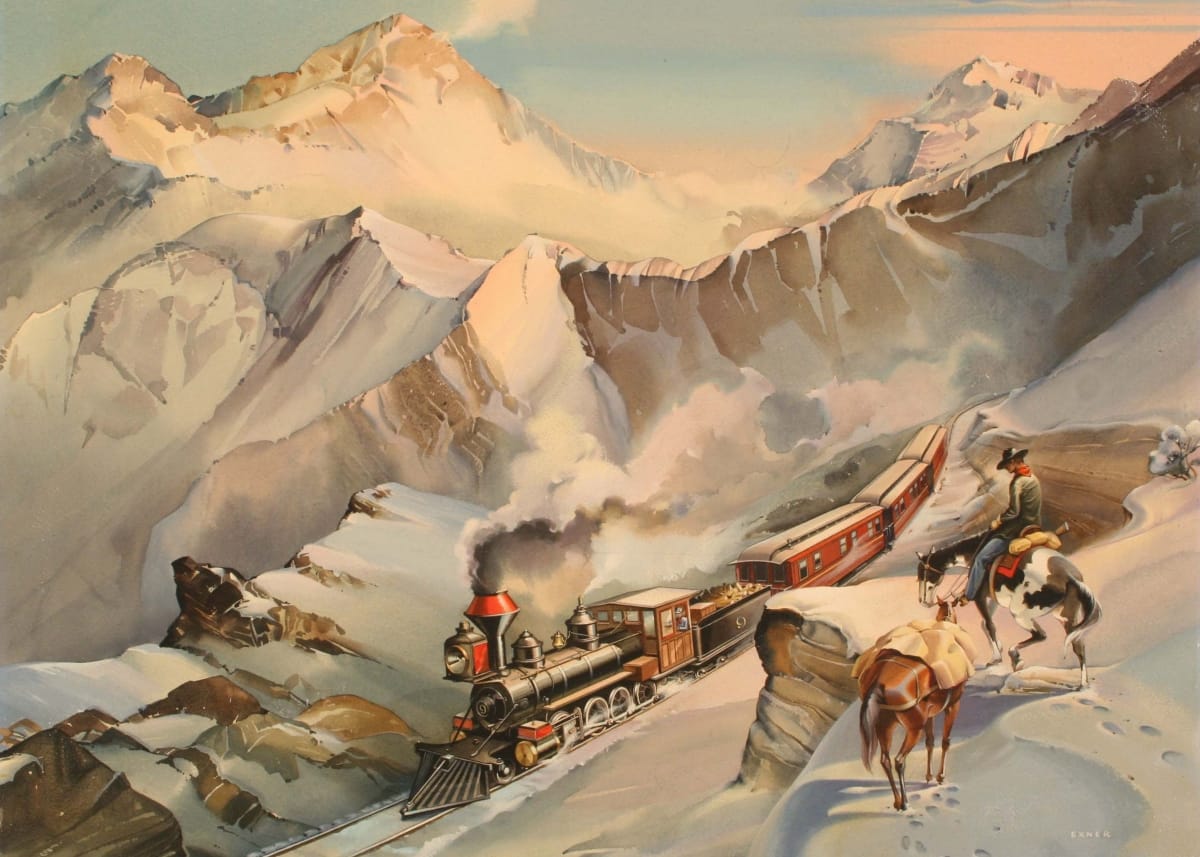
- Light Snow in the Pass, Painted by Virgil M. Exner circa 1970 - Though best remembered for his design work under Harley Earl at General Motors Corporation, at Raymond Loewy's industrial design firm, at Studebaker Corporation, and in Chrysler Corporation's Advanced Styling Studio, Virgil Exner made time to practice the fine arts. Exner painted this scenic piece during "retirement" (he continued work on design projects from home until his death in late 1973).
- circa 1885
- Collections - Artifact
Light Snow in the Pass, Painted by Virgil M. Exner circa 1970
Though best remembered for his design work under Harley Earl at General Motors Corporation, at Raymond Loewy's industrial design firm, at Studebaker Corporation, and in Chrysler Corporation's Advanced Styling Studio, Virgil Exner made time to practice the fine arts. Exner painted this scenic piece during "retirement" (he continued work on design projects from home until his death in late 1973).
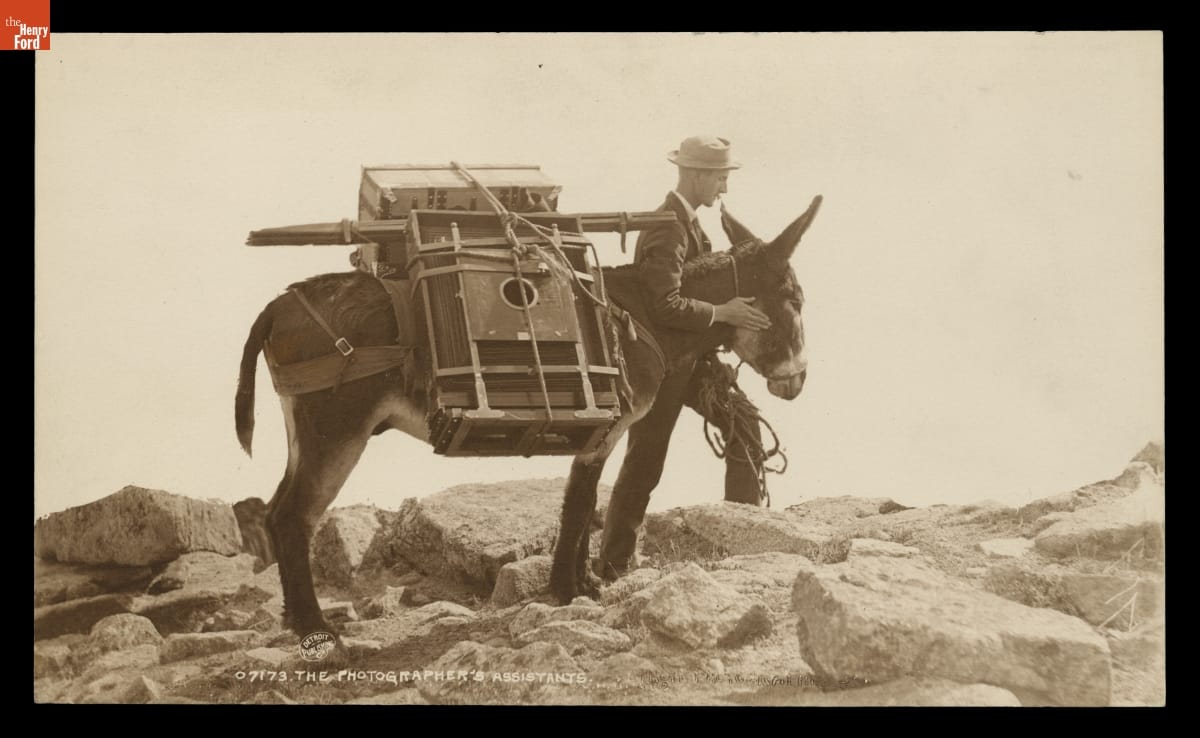
- "The Photographer's Assistants," Photographer with Donkey Carrying Equipment, 1873 -
- 1873
- Collections - Artifact
"The Photographer's Assistants," Photographer with Donkey Carrying Equipment, 1873
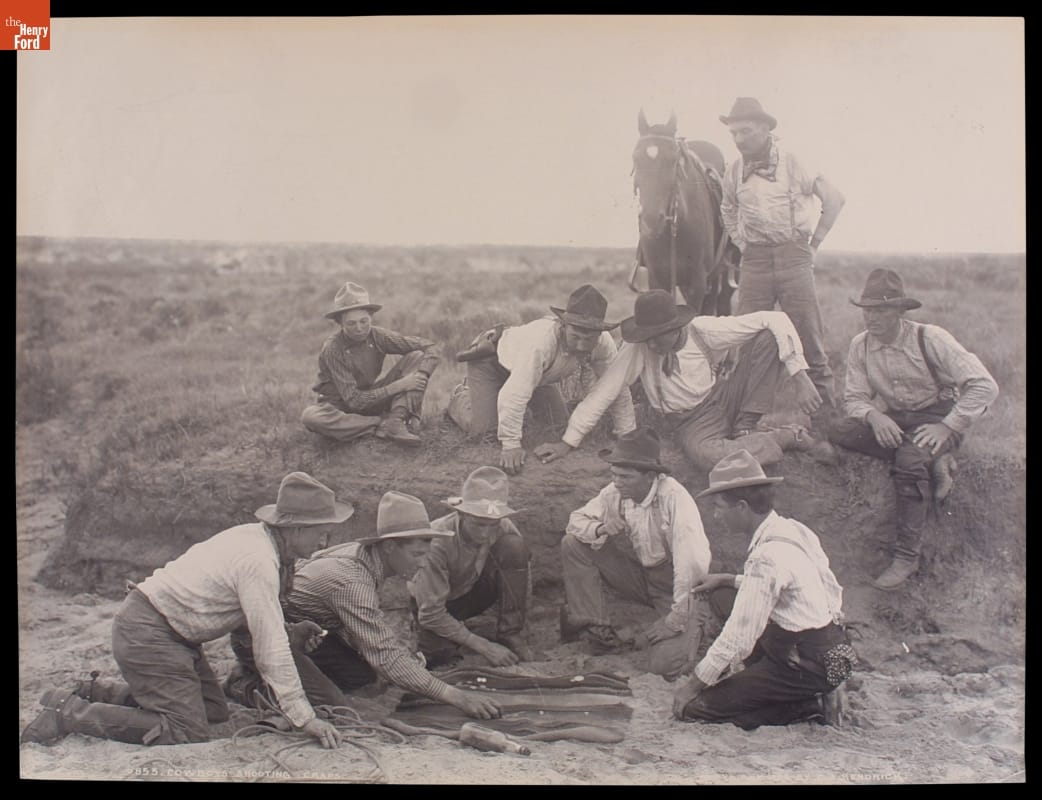
- Cowboys Shooting Craps, 1904 - From 1895 to 1924, the Detroit Publishing Company was one of the major image publishers in the world. The company's wide-ranging stock of original photographs documented life and landscapes from across the nation and around the globe. From the tens of thousands of negatives, the company created prints, postcards, lantern slides, panoramas, and other merchandise for sale to educators, businessmen, advertisers, homeowners and travelers.
- 1904
- Collections - Artifact
Cowboys Shooting Craps, 1904
From 1895 to 1924, the Detroit Publishing Company was one of the major image publishers in the world. The company's wide-ranging stock of original photographs documented life and landscapes from across the nation and around the globe. From the tens of thousands of negatives, the company created prints, postcards, lantern slides, panoramas, and other merchandise for sale to educators, businessmen, advertisers, homeowners and travelers.
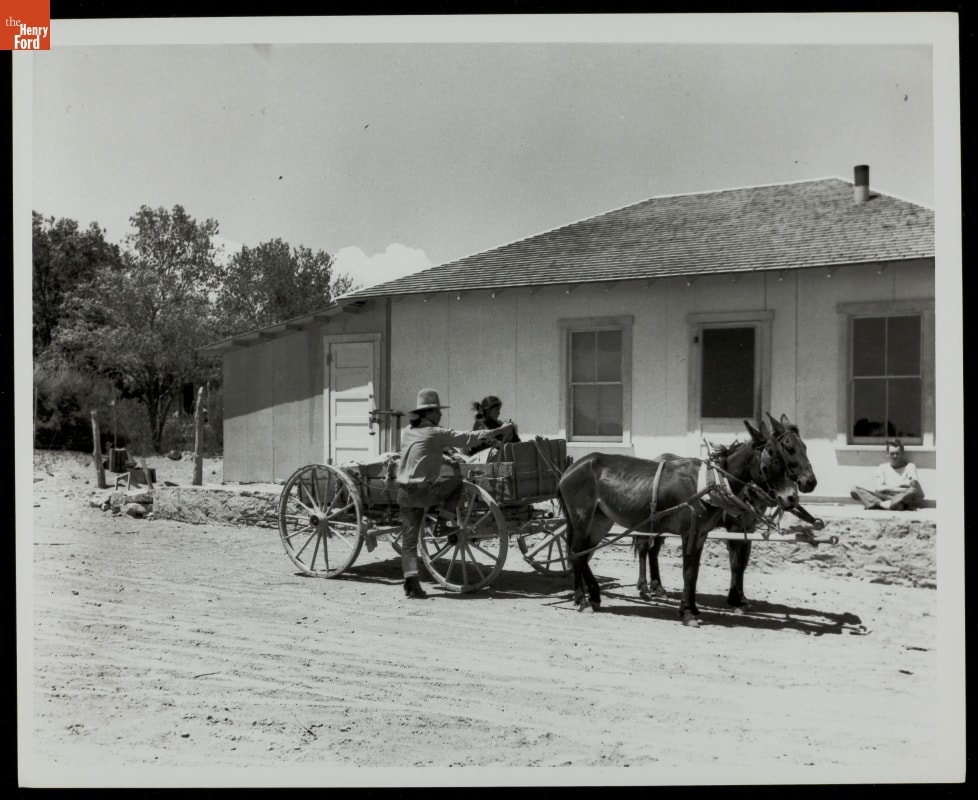
- People with Wagon Pulled by Mules, Southwestern United States - In 1913, Henry Ford established Ford Motor Company's photographic department. Though few internal records describe company photography, remaining photographs reveal a wide range of departmental activity. Over nearly 100 years, Ford photographers documented company ventures, personal affairs, and daily life across the country and around the world.
- circa 1950
- Collections - Artifact
People with Wagon Pulled by Mules, Southwestern United States
In 1913, Henry Ford established Ford Motor Company's photographic department. Though few internal records describe company photography, remaining photographs reveal a wide range of departmental activity. Over nearly 100 years, Ford photographers documented company ventures, personal affairs, and daily life across the country and around the world.
- "Zane Grey on an Escarpment Overlooking the Painted Desert Made Famous by His Fiction," circa 1924 -
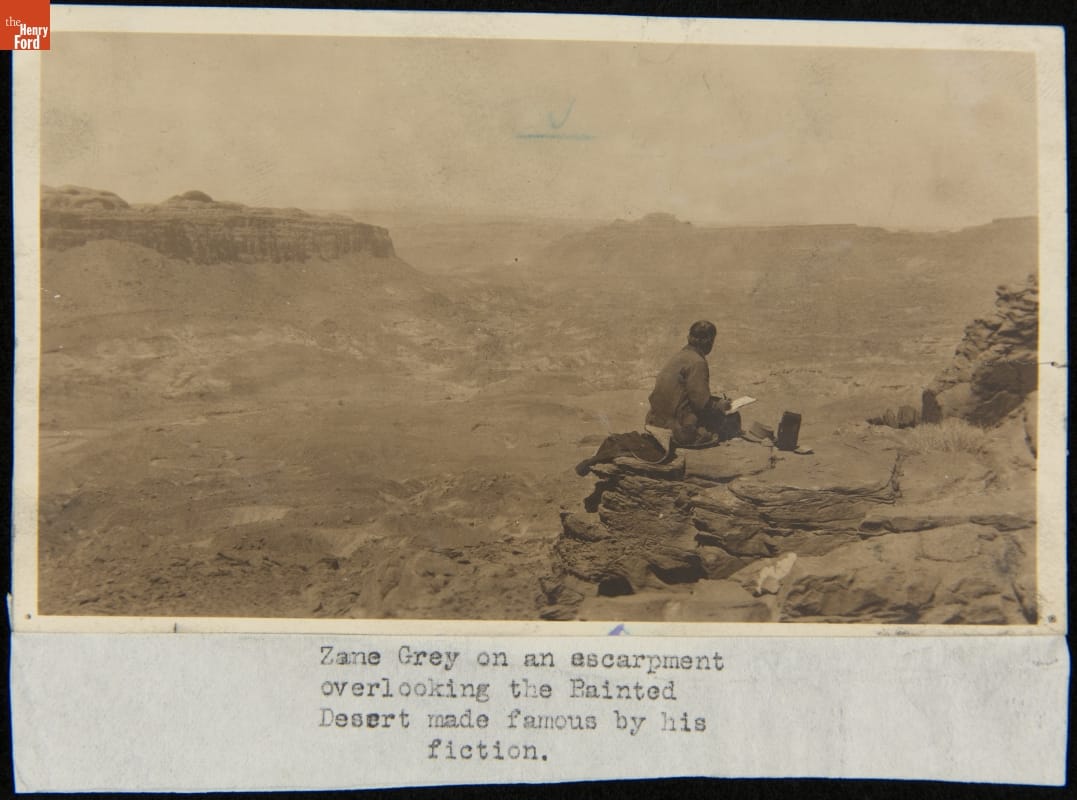
- circa 1924
- Collections - Artifact
"Zane Grey on an Escarpment Overlooking the Painted Desert Made Famous by His Fiction," circa 1924
- "The Rainbow Bridge in Utah Where Grey Goes to Get Color for His Books," circa 1924 -
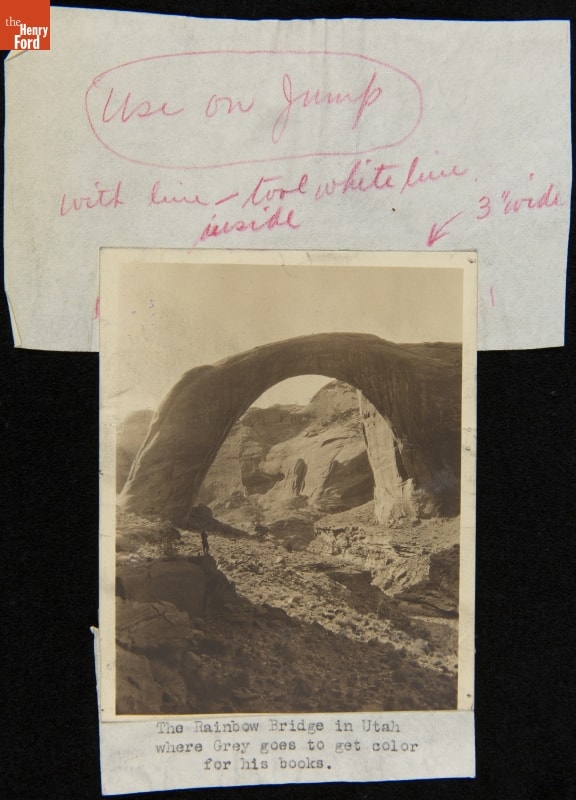
- circa 1924
- Collections - Artifact
"The Rainbow Bridge in Utah Where Grey Goes to Get Color for His Books," circa 1924