
Search
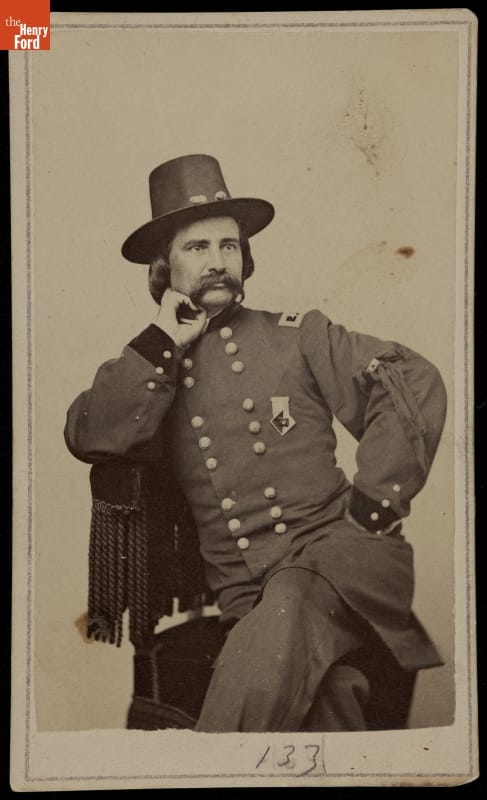
- Portrait of Union Army General John A. Logan, 1863-1865 - Cartes-de-visite, small, professionally made photographs on cardboard stock, remained popular in the United States from the Civil War in the 1860s through the 1880s. Many were given to friends and loved ones, but enterprising photographers also produced images of famous individuals to sell to the collecting-crazed public. Admired politicians or military officers, such as General John A. Logan, were popular subjects.
- 1863-1865
- Collections - Artifact
Portrait of Union Army General John A. Logan, 1863-1865
Cartes-de-visite, small, professionally made photographs on cardboard stock, remained popular in the United States from the Civil War in the 1860s through the 1880s. Many were given to friends and loved ones, but enterprising photographers also produced images of famous individuals to sell to the collecting-crazed public. Admired politicians or military officers, such as General John A. Logan, were popular subjects.
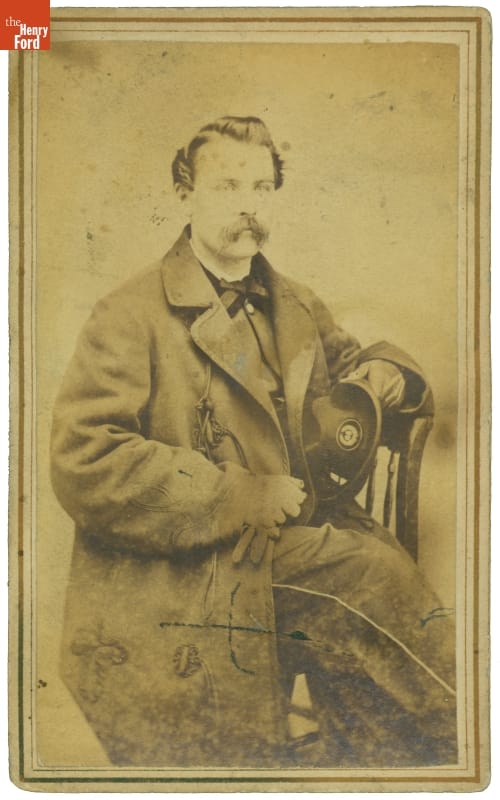
- Portrait of 1st Lieutenant DeLoss C. LeBaron, 18th Michigan Infantry, Company B, 1865 - A.J. Hoag of Tecumseh, Michigan, made this bust portrait of Union Army infantry officer DeLoss C. LeBaron. Professional photographers made cartes-de-visite beginning in the 1860s. Mounted on small cardboard stock, these early photographic prints proved popular in the United States from the Civil War through the 1880s. Americans exchanged and collected CdVs to help them remember family and celebrities.
- 1865
- Collections - Artifact
Portrait of 1st Lieutenant DeLoss C. LeBaron, 18th Michigan Infantry, Company B, 1865
A.J. Hoag of Tecumseh, Michigan, made this bust portrait of Union Army infantry officer DeLoss C. LeBaron. Professional photographers made cartes-de-visite beginning in the 1860s. Mounted on small cardboard stock, these early photographic prints proved popular in the United States from the Civil War through the 1880s. Americans exchanged and collected CdVs to help them remember family and celebrities.
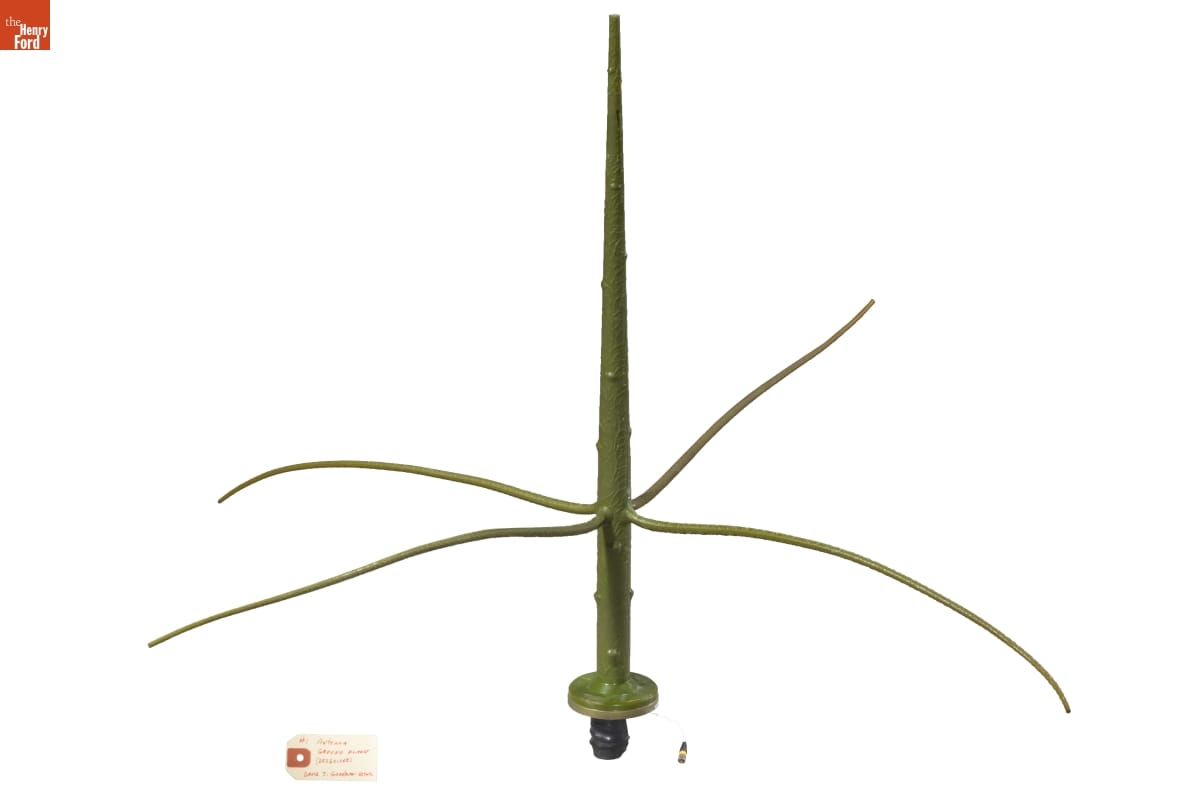
- Antenna for an Acoustic Seismic Intrusion Detector, 1967-1972 -
- 1942-1965
- Collections - Artifact
Antenna for an Acoustic Seismic Intrusion Detector, 1967-1972
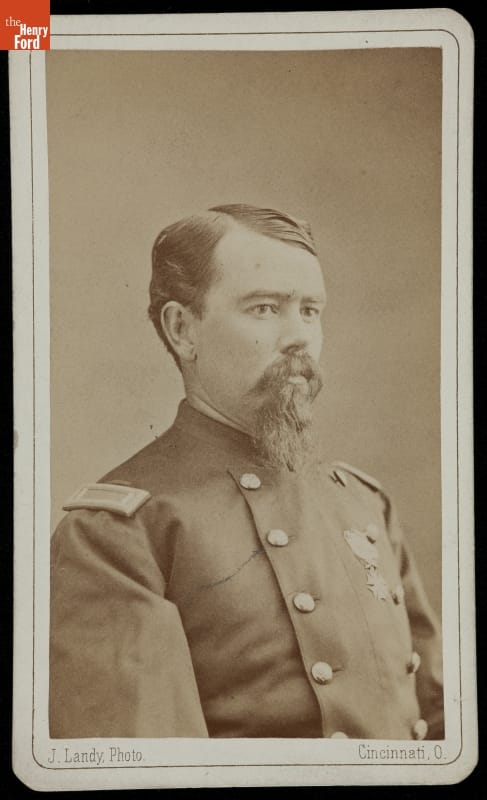
- U.S. Army 1st Lieutenant Wearing the Society of the Army of the Potomac Medal, circa 1877 -
- circa 1877
- Collections - Artifact
U.S. Army 1st Lieutenant Wearing the Society of the Army of the Potomac Medal, circa 1877
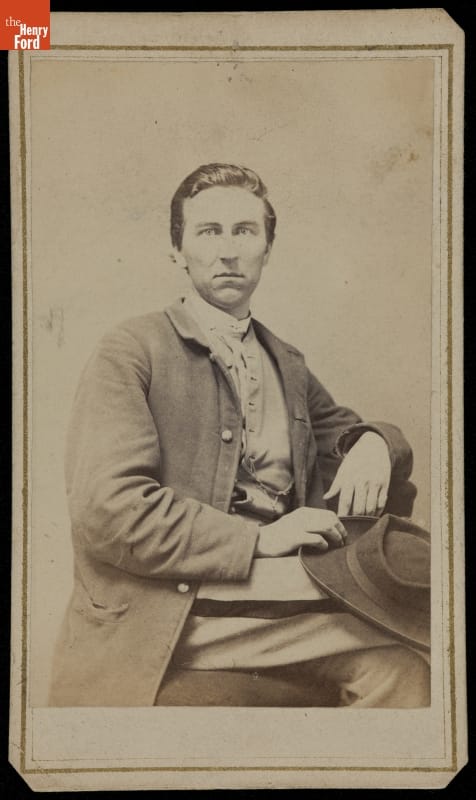
- Union Army Soldier, 1861-1865 - This carte-de-visite made by A. S. Baldwin, Columbus, Ohio, shows an unknown Union Army soldier. Carte-de-visite was a small photographic print on cardboard stock made by professional photographers. Popular in the United States during the Civil War, soldiers often sent these inexpensive images back home as a reminder to friends and family members of their loved ones in service.
- 1861-1865
- Collections - Artifact
Union Army Soldier, 1861-1865
This carte-de-visite made by A. S. Baldwin, Columbus, Ohio, shows an unknown Union Army soldier. Carte-de-visite was a small photographic print on cardboard stock made by professional photographers. Popular in the United States during the Civil War, soldiers often sent these inexpensive images back home as a reminder to friends and family members of their loved ones in service.
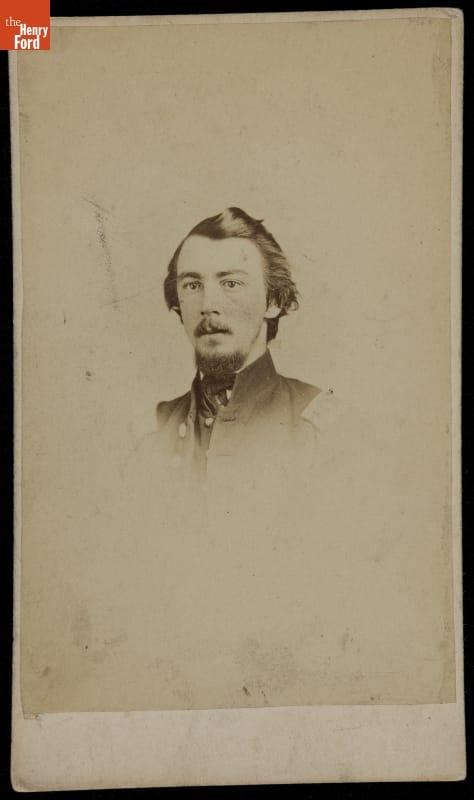
- Union Army Officer, 1861-1865 - This carte-de-visite made by Francis Keeler, Philadelphia, Pennsylvania, shows an unknown Union Army officer. Carte-de-visite was a small photographic print on cardboard stock made by professional photographers. Popular in the United States during the Civil War, soldiers often sent these inexpensive images back home as a reminder to friends and family members of their loved ones in service.
- 1861-1865
- Collections - Artifact
Union Army Officer, 1861-1865
This carte-de-visite made by Francis Keeler, Philadelphia, Pennsylvania, shows an unknown Union Army officer. Carte-de-visite was a small photographic print on cardboard stock made by professional photographers. Popular in the United States during the Civil War, soldiers often sent these inexpensive images back home as a reminder to friends and family members of their loved ones in service.
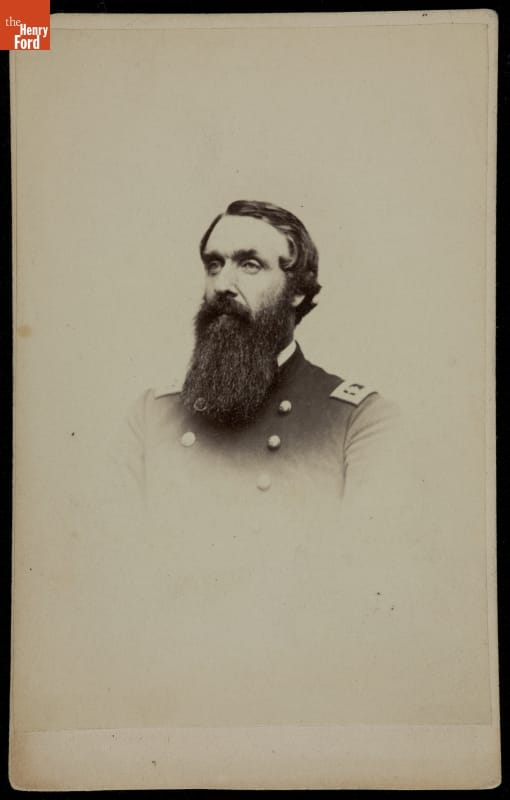
- Union Army Officer, 1861-1865 - This carte-de-visite made by B. F. Smith and Son, Portland, Maine, shows an unknown Union Army officer. Carte-de-visite was a small photographic print on cardboard stock made by professional photographers. Popular in the United States during the Civil War, soldiers often sent these inexpensive images back home as a reminder to friends and family members of their loved ones in service.
- 1861-1865
- Collections - Artifact
Union Army Officer, 1861-1865
This carte-de-visite made by B. F. Smith and Son, Portland, Maine, shows an unknown Union Army officer. Carte-de-visite was a small photographic print on cardboard stock made by professional photographers. Popular in the United States during the Civil War, soldiers often sent these inexpensive images back home as a reminder to friends and family members of their loved ones in service.
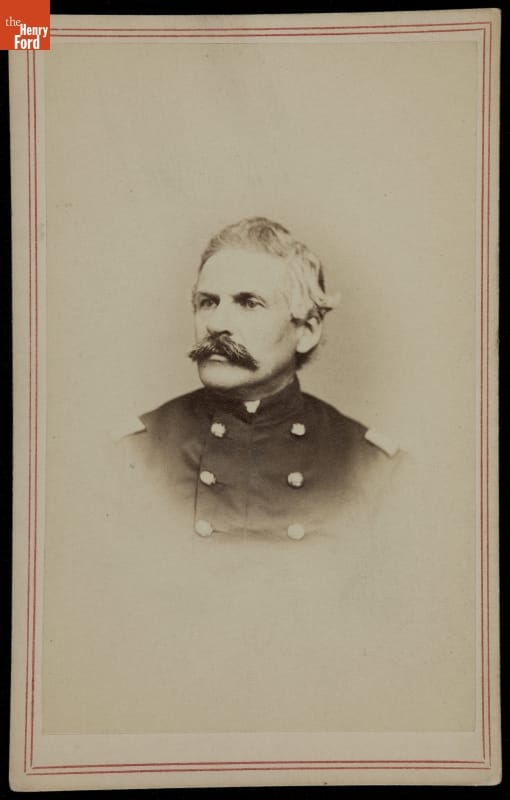
- Union Army Field Officer, 1861-1865 - This carte-de-visite made by J. E. McClees of Philadelphia, Pennsylvania, shows an unknown Union Army field officer, about 1863. Carte-de-visite was a small photographic print on cardboard stock made by professional photographers. Popular in the United States from the Civil War in the 1860s through the 1880s, people exchanged and collected CdVs to help them remember family and celebrities.
- 1861-1865
- Collections - Artifact
Union Army Field Officer, 1861-1865
This carte-de-visite made by J. E. McClees of Philadelphia, Pennsylvania, shows an unknown Union Army field officer, about 1863. Carte-de-visite was a small photographic print on cardboard stock made by professional photographers. Popular in the United States from the Civil War in the 1860s through the 1880s, people exchanged and collected CdVs to help them remember family and celebrities.
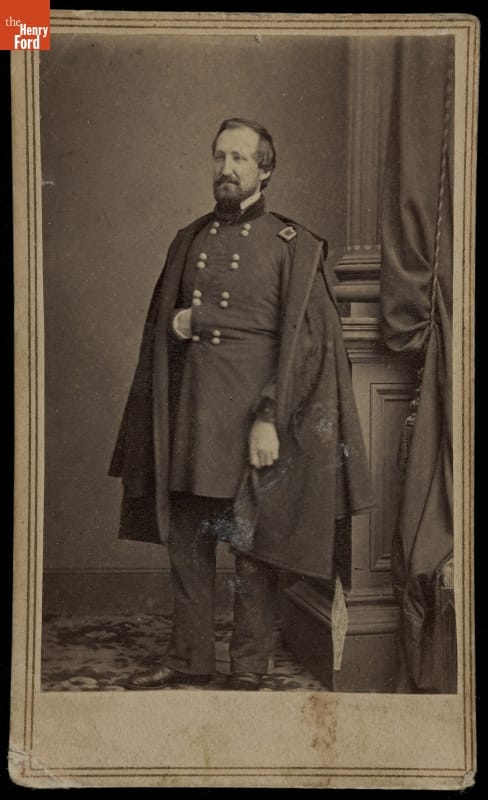
- General William Starke Rosecrans, circa 1861-1865 - Cartes-de-visite, small, professionally made photographs on cardboard stock, remained popular in the United States from the Civil War in the 1860s through the 1880s. Many were given to friends and loved ones, but enterprising photographers also produced images of famous individuals to sell to the collecting-crazed public. Admired politicians or military officers, such as General William Rosencrans, were popular subjects.
- 1861-1865
- Collections - Artifact
General William Starke Rosecrans, circa 1861-1865
Cartes-de-visite, small, professionally made photographs on cardboard stock, remained popular in the United States from the Civil War in the 1860s through the 1880s. Many were given to friends and loved ones, but enterprising photographers also produced images of famous individuals to sell to the collecting-crazed public. Admired politicians or military officers, such as General William Rosencrans, were popular subjects.
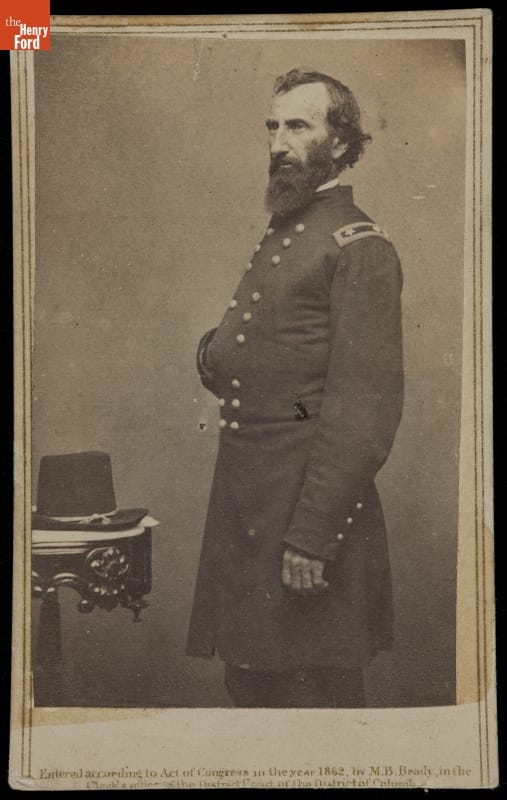
- Union Army Major General John Alexander McClernand, 1862 - Cartes-de-visite, small, professionally made photographs on cardboard stock, remained popular in the United States from the Civil War in the 1860s through the 1880s. Many were given to friends and loved ones, but enterprising photographers also produced images of famous individuals to sell to the collecting-crazed public. Admired politicians or military officers, such as General John Alexander McClernand, were popular subjects.
- 1862
- Collections - Artifact
Union Army Major General John Alexander McClernand, 1862
Cartes-de-visite, small, professionally made photographs on cardboard stock, remained popular in the United States from the Civil War in the 1860s through the 1880s. Many were given to friends and loved ones, but enterprising photographers also produced images of famous individuals to sell to the collecting-crazed public. Admired politicians or military officers, such as General John Alexander McClernand, were popular subjects.