
Search
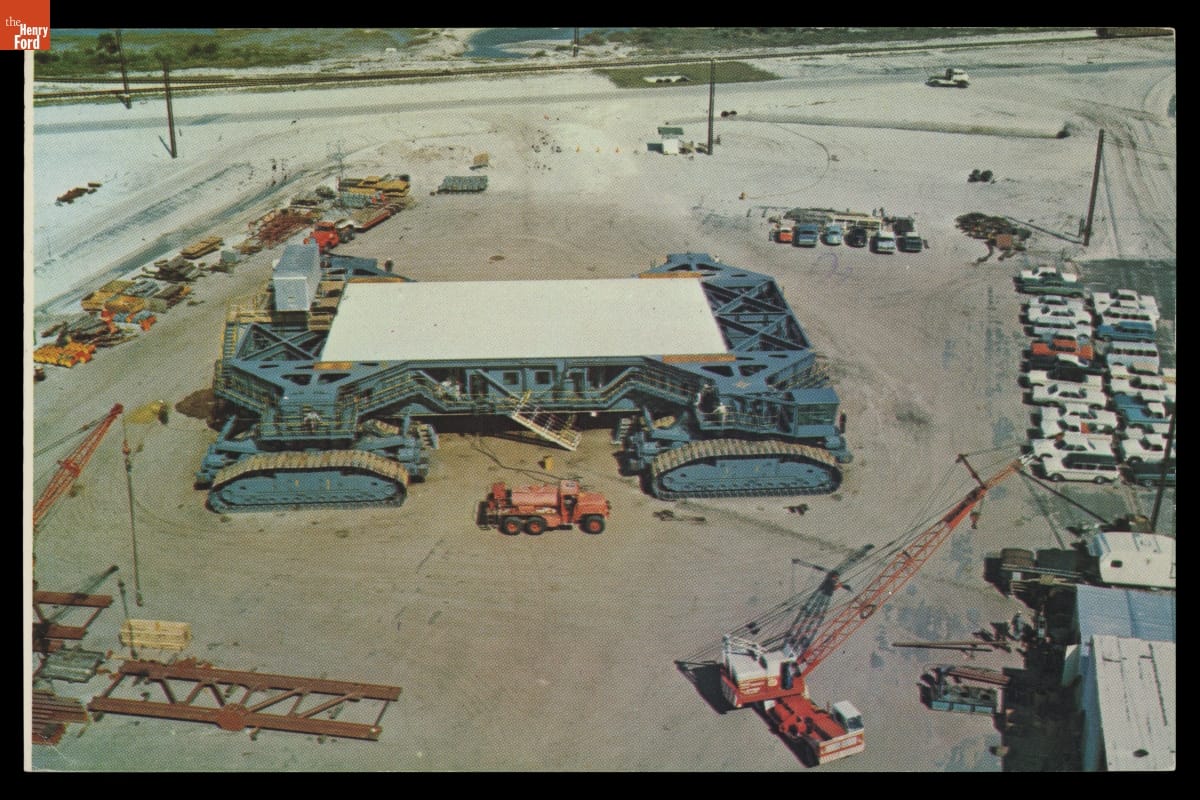
- NASA Crawler-Transporter #1, Used to Carry Apollo/Saturn V Launch Vehicle -
- 1967-1973
- Collections - Artifact
NASA Crawler-Transporter #1, Used to Carry Apollo/Saturn V Launch Vehicle
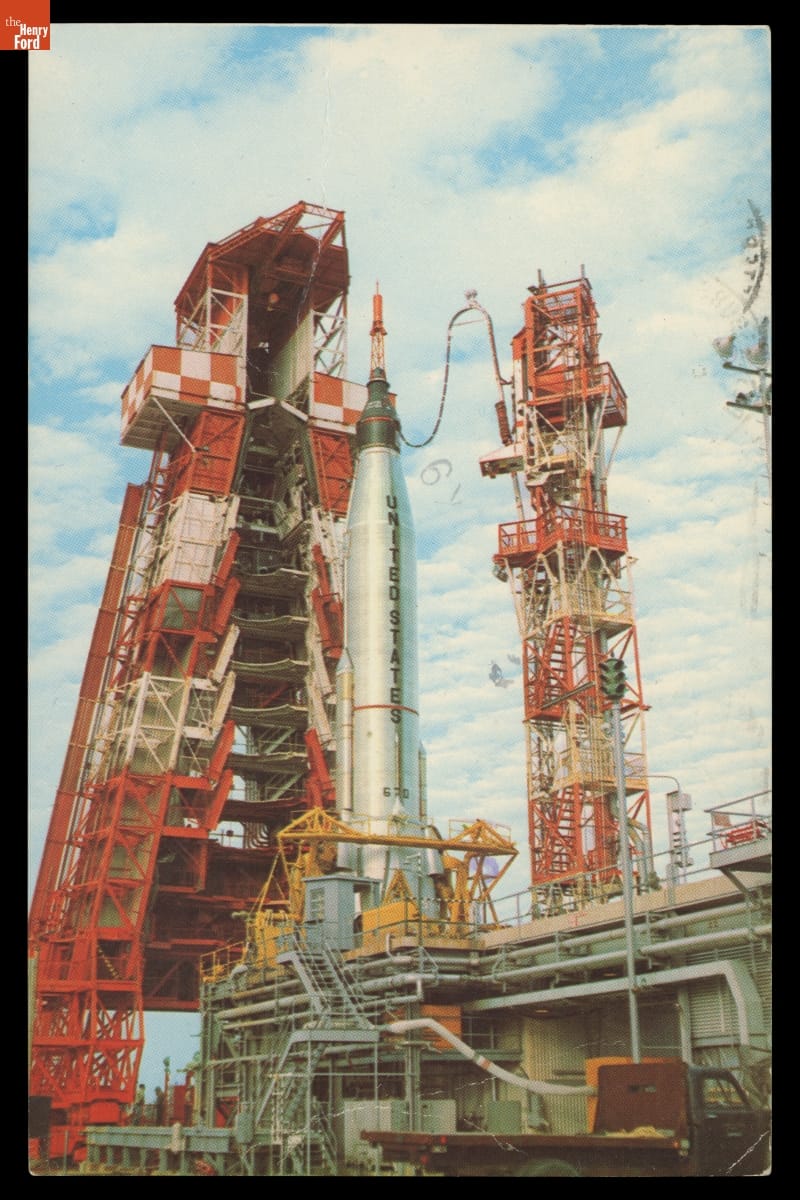
- Postcard, NASA Mercury-Atlas 2 (MA-2) Using the Atlas Launch Vehicle 67-D, 1961 -
- February 21, 1961
- Collections - Artifact
Postcard, NASA Mercury-Atlas 2 (MA-2) Using the Atlas Launch Vehicle 67-D, 1961
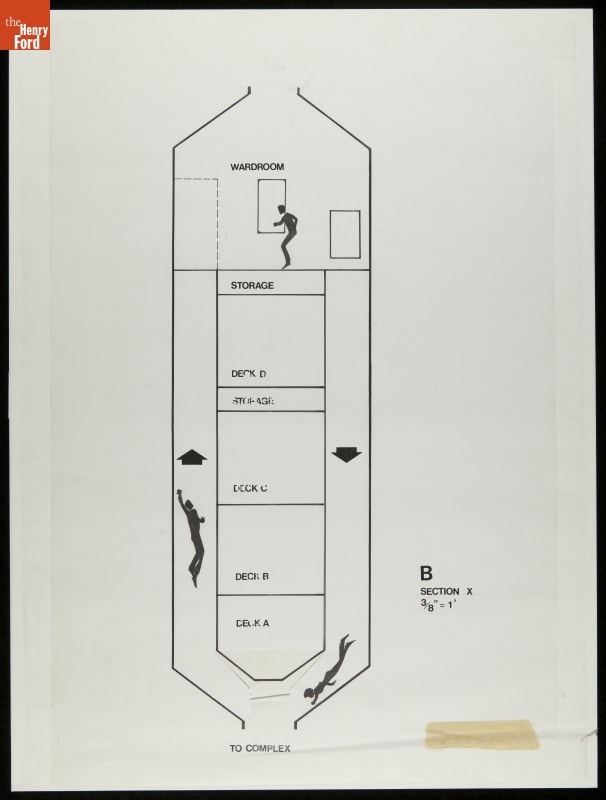
- Sundberg-Ferar--Space Station Interior Concept Drawings--Item 17 - Based in Walled Lake, Michigan, the industrial design firm Sundberg-Ferar was founded in 1934. The firm designed everything from airplanes to appliances but, starting in the 1960s, focused on mass transit vehicles. In the 1980s, Sundberg-Ferar worked with NASA and Lockheed Corporation on a series of design concepts for a proposed Earth-orbiting space station.
- circa 1984
- Collections - Artifact
Sundberg-Ferar--Space Station Interior Concept Drawings--Item 17
Based in Walled Lake, Michigan, the industrial design firm Sundberg-Ferar was founded in 1934. The firm designed everything from airplanes to appliances but, starting in the 1960s, focused on mass transit vehicles. In the 1980s, Sundberg-Ferar worked with NASA and Lockheed Corporation on a series of design concepts for a proposed Earth-orbiting space station.
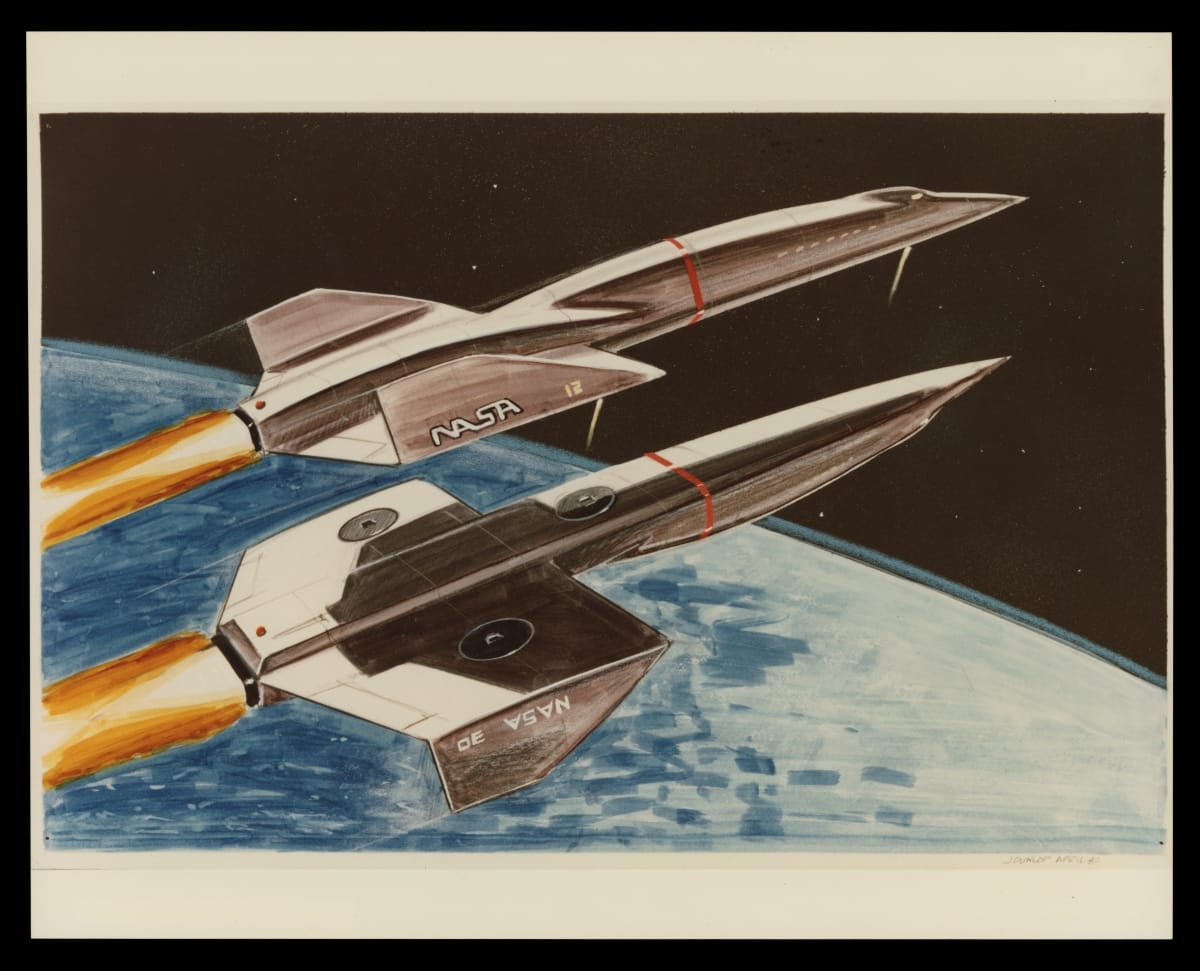
- Rendering of Spacecraft Design Concept by William L. Mitchell Design, circa 1980 - Following his retirement after 42 years in design at General Motors, Bill Mitchell operated his own consulting firm, William L. Mitchell Design, from 1977 to 1984. Mitchell's firm produced multiple spacecraft design concepts for aerospace conglomerate Rockwell International. The renderings included proposals for various civil, military and research spacecraft.
- April 01, 1982
- Collections - Artifact
Rendering of Spacecraft Design Concept by William L. Mitchell Design, circa 1980
Following his retirement after 42 years in design at General Motors, Bill Mitchell operated his own consulting firm, William L. Mitchell Design, from 1977 to 1984. Mitchell's firm produced multiple spacecraft design concepts for aerospace conglomerate Rockwell International. The renderings included proposals for various civil, military and research spacecraft.
- Record Album, "First Men on the Moon," 1969 - Scholastic Magazines, Inc., a well-respected educational publisher founded in the 1920s, produced this documentary record commemorating the 1969 Apollo 11 Moon landing. The album uses narration and excerpts from official NASA transcripts to recreate this significant event. The Scholastic company also produced a poster with space imagery and the album's text on the back so young readers could follow along.
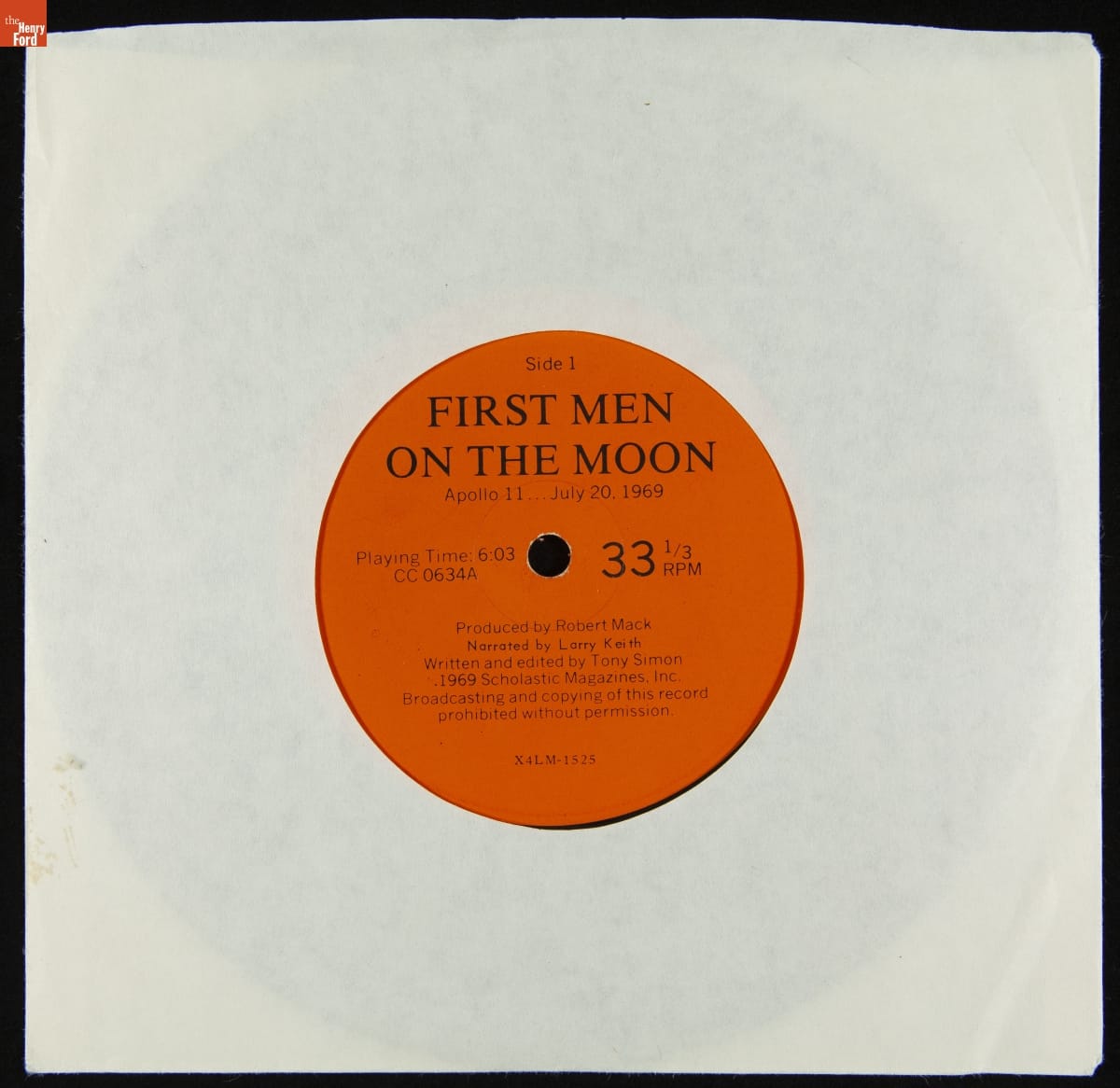
- 1969
- Collections - Artifact
Record Album, "First Men on the Moon," 1969
Scholastic Magazines, Inc., a well-respected educational publisher founded in the 1920s, produced this documentary record commemorating the 1969 Apollo 11 Moon landing. The album uses narration and excerpts from official NASA transcripts to recreate this significant event. The Scholastic company also produced a poster with space imagery and the album's text on the back so young readers could follow along.
- Sundberg-Ferar Space Station Interior Concept Drawings, 1984 - Based in Walled Lake, Michigan, the industrial design firm Sundberg-Ferar was founded in 1934. The firm designed everything from airplanes to appliances but, starting in the 1960s, focused on mass transit vehicles. In the 1980s, Sundberg-Ferar worked with NASA and Lockheed Corporation on a series of design concepts for a proposed Earth-orbiting space station.
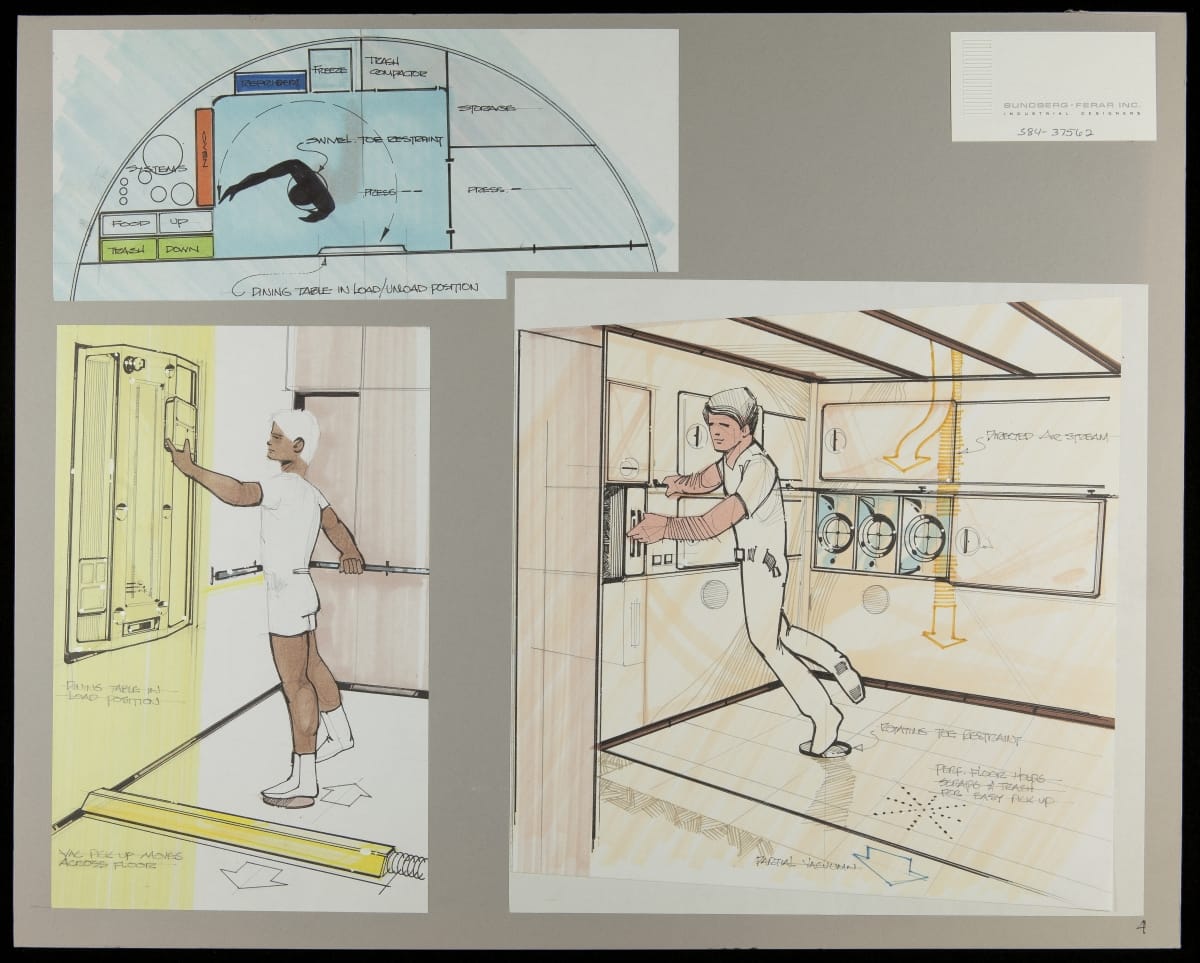
- circa 1984
- Collections - Artifact
Sundberg-Ferar Space Station Interior Concept Drawings, 1984
Based in Walled Lake, Michigan, the industrial design firm Sundberg-Ferar was founded in 1934. The firm designed everything from airplanes to appliances but, starting in the 1960s, focused on mass transit vehicles. In the 1980s, Sundberg-Ferar worked with NASA and Lockheed Corporation on a series of design concepts for a proposed Earth-orbiting space station.
- Sundberg-Ferar--Space Station Interior Concept Drawings--Item 2 - Based in Walled Lake, Michigan, the industrial design firm Sundberg-Ferar was founded in 1934. The firm designed everything from airplanes to appliances but, starting in the 1960s, focused on mass transit vehicles. In the 1980s, Sundberg-Ferar worked with NASA and Lockheed Corporation on a series of design concepts for a proposed Earth-orbiting space station.
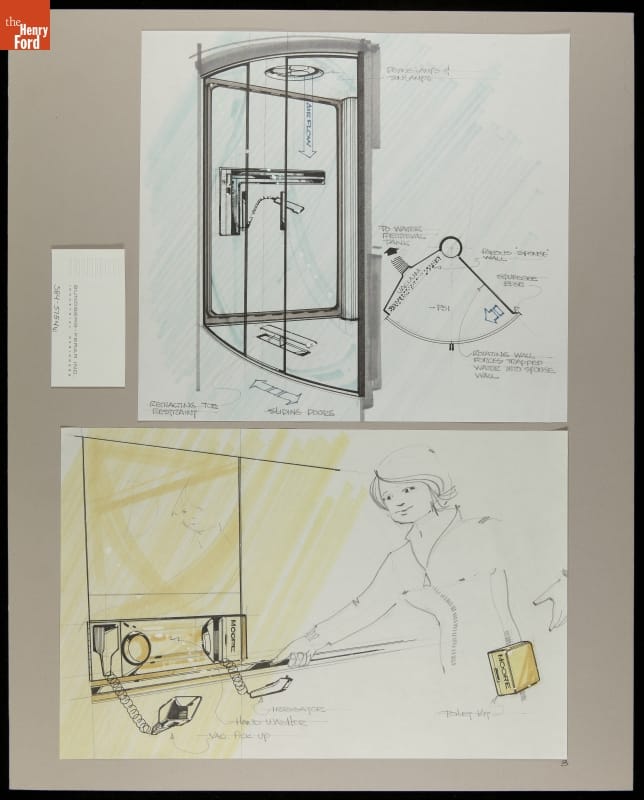
- circa 1984
- Collections - Artifact
Sundberg-Ferar--Space Station Interior Concept Drawings--Item 2
Based in Walled Lake, Michigan, the industrial design firm Sundberg-Ferar was founded in 1934. The firm designed everything from airplanes to appliances but, starting in the 1960s, focused on mass transit vehicles. In the 1980s, Sundberg-Ferar worked with NASA and Lockheed Corporation on a series of design concepts for a proposed Earth-orbiting space station.
- Sundberg-Ferar--Space Station Interior Concept Drawings--Item 12 - Based in Walled Lake, Michigan, the industrial design firm Sundberg-Ferar was founded in 1934. The firm designed everything from airplanes to appliances but, starting in the 1960s, focused on mass transit vehicles. In the 1980s, Sundberg-Ferar worked with NASA and Lockheed Corporation on a series of design concepts for a proposed Earth-orbiting space station.
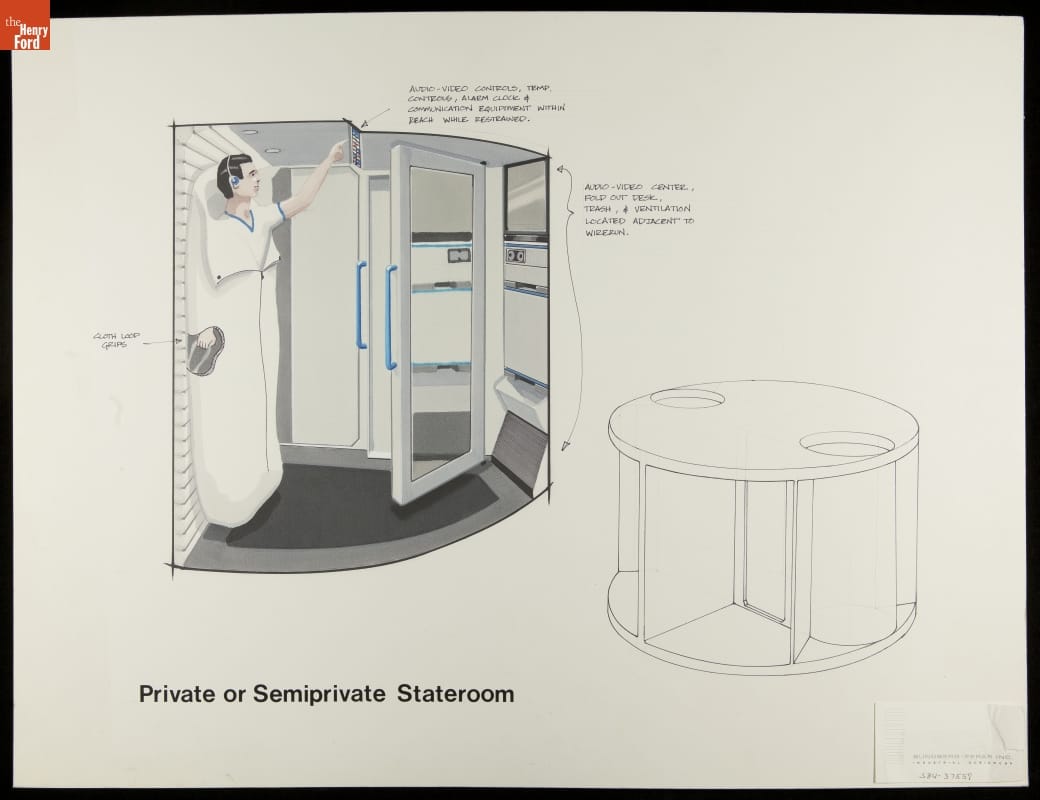
- circa 1984
- Collections - Artifact
Sundberg-Ferar--Space Station Interior Concept Drawings--Item 12
Based in Walled Lake, Michigan, the industrial design firm Sundberg-Ferar was founded in 1934. The firm designed everything from airplanes to appliances but, starting in the 1960s, focused on mass transit vehicles. In the 1980s, Sundberg-Ferar worked with NASA and Lockheed Corporation on a series of design concepts for a proposed Earth-orbiting space station.
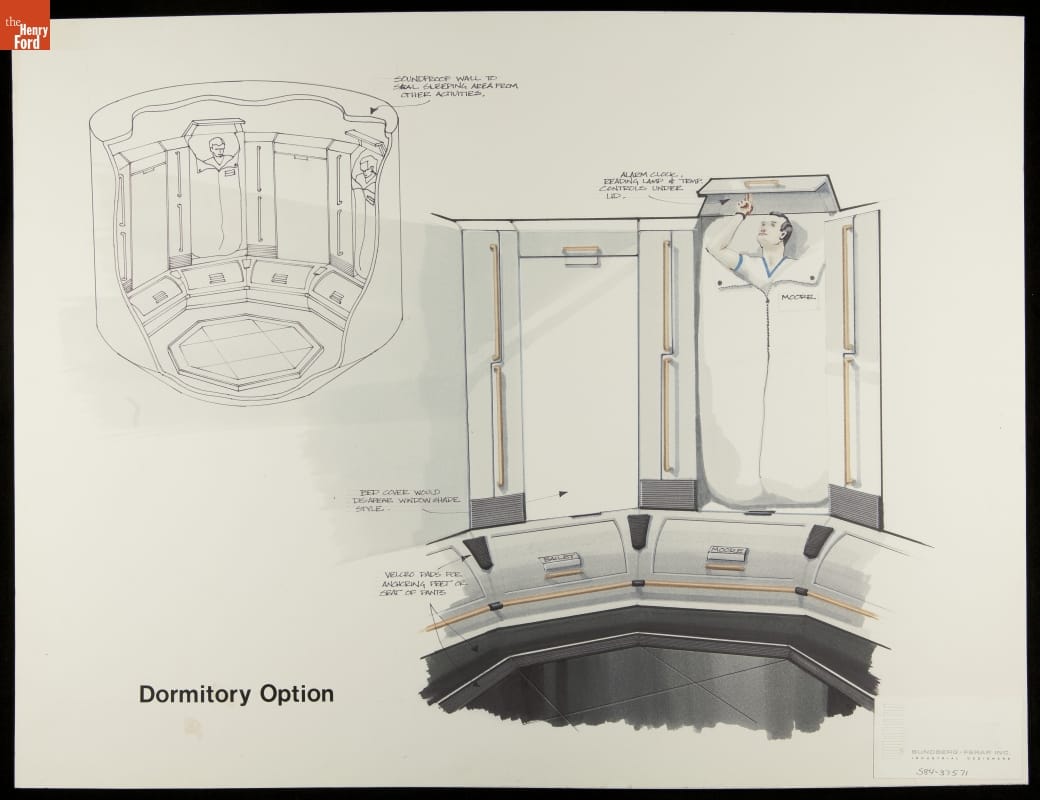
- Sundberg-Ferar--Space Station Interior Concept Drawings--Item 13 - Based in Walled Lake, Michigan, the industrial design firm Sundberg-Ferar was founded in 1934. The firm designed everything from airplanes to appliances but, starting in the 1960s, focused on mass transit vehicles. In the 1980s, Sundberg-Ferar worked with NASA and Lockheed Corporation on a series of design concepts for a proposed Earth-orbiting space station.
- circa 1984
- Collections - Artifact
Sundberg-Ferar--Space Station Interior Concept Drawings--Item 13
Based in Walled Lake, Michigan, the industrial design firm Sundberg-Ferar was founded in 1934. The firm designed everything from airplanes to appliances but, starting in the 1960s, focused on mass transit vehicles. In the 1980s, Sundberg-Ferar worked with NASA and Lockheed Corporation on a series of design concepts for a proposed Earth-orbiting space station.
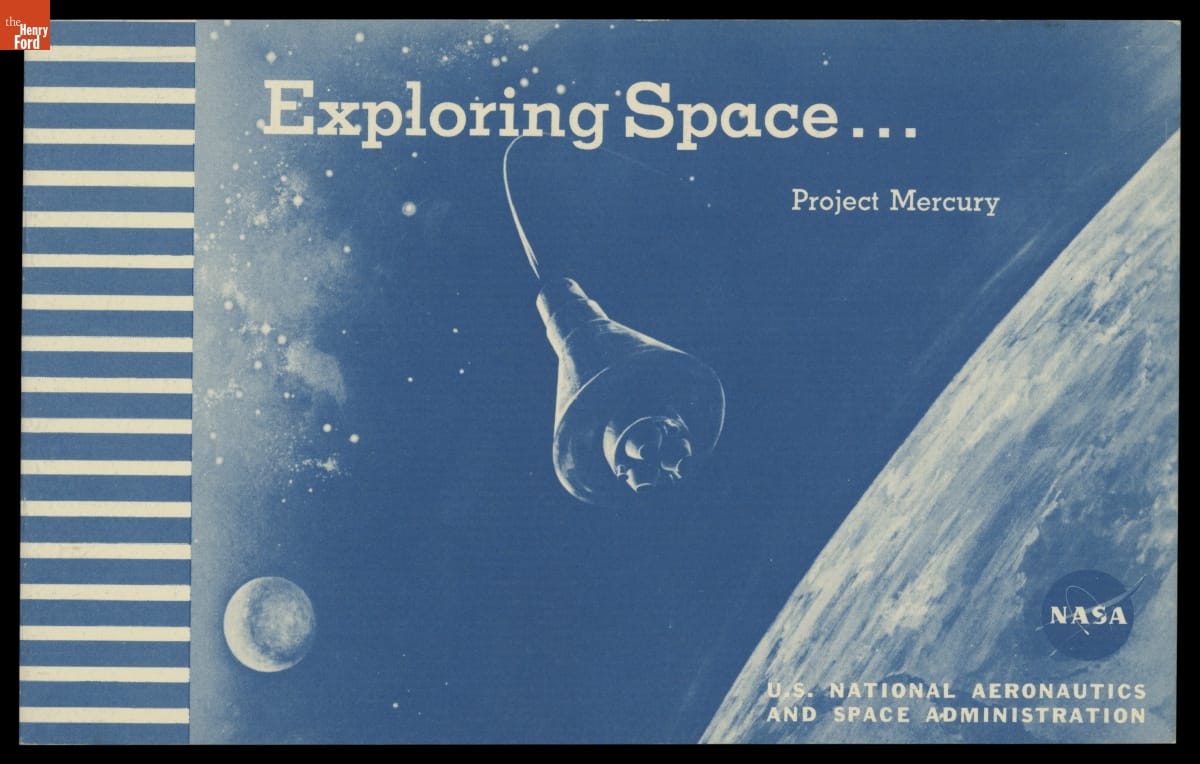
- Brochure, "Exploring Space... Project Mercury," 1961 - The National Aeronautics and Space Administration developed Project Mercury in 1958 to send a manned spacecraft into orbit. This brochure, published in early 1961, explained NASA's progress toward achieving that goal. Later, in May 1961, NASA would launch its first manned capsule. And in 1962, John Glenn orbited the Earth. Project Mercury ended in 1963 after six successful crewed missions.
- 1961
- Collections - Artifact
Brochure, "Exploring Space... Project Mercury," 1961
The National Aeronautics and Space Administration developed Project Mercury in 1958 to send a manned spacecraft into orbit. This brochure, published in early 1961, explained NASA's progress toward achieving that goal. Later, in May 1961, NASA would launch its first manned capsule. And in 1962, John Glenn orbited the Earth. Project Mercury ended in 1963 after six successful crewed missions.