
Search
- Old Market House, Mobile, Alabama, -
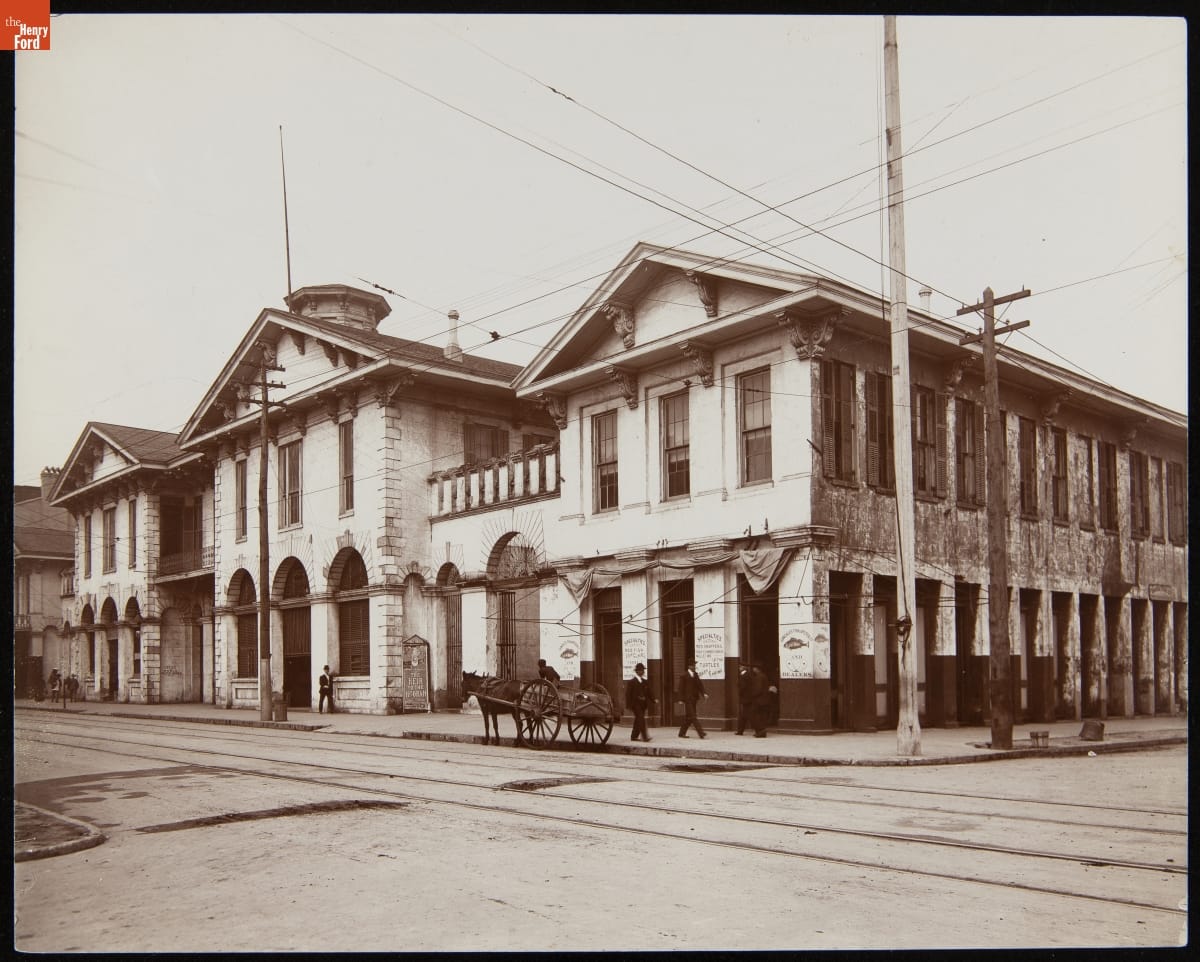
- circa 1906
- Collections - Artifact
Old Market House, Mobile, Alabama,
- Michigan Central Depot, Detroit, Michigan, circa 1890 - From 1884 to 1913, the Michigan Central Railroad served Detroit from this depot at the corner of Third and Jefferson Avenues. In combination with the opening of its tunnel under the Detroit River, the Michigan Central relocated to a new station in Detroit's Corktown neighborhood. The former depot was heavily damaged by a fire in December 1913 and soon demolished.
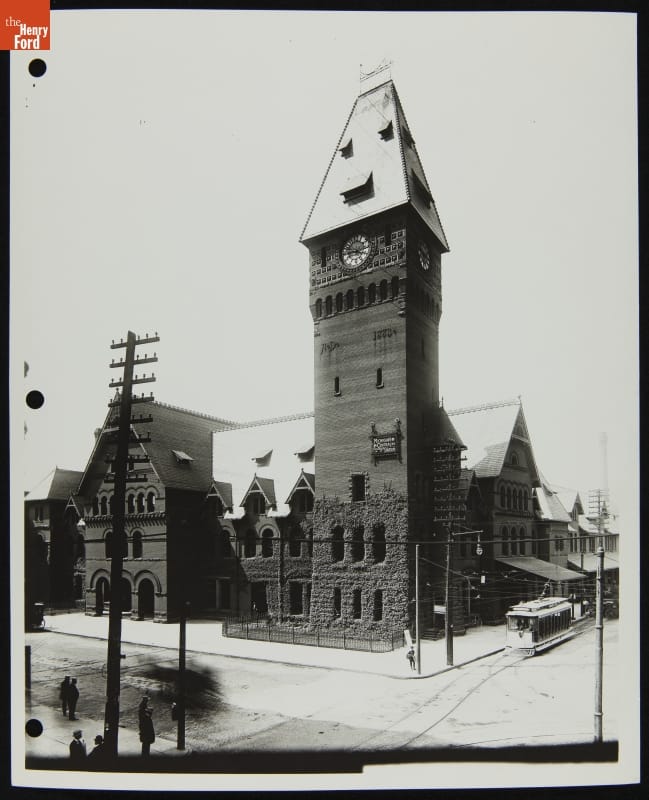
- circa 1890
- Collections - Artifact
Michigan Central Depot, Detroit, Michigan, circa 1890
From 1884 to 1913, the Michigan Central Railroad served Detroit from this depot at the corner of Third and Jefferson Avenues. In combination with the opening of its tunnel under the Detroit River, the Michigan Central relocated to a new station in Detroit's Corktown neighborhood. The former depot was heavily damaged by a fire in December 1913 and soon demolished.
- Ramblersville, Harbor Scene, 1890-1915 - In 1890, Jenny Young Chandler, 25 years old and recently widowed, began working for the <EM>New York Herald</EM>. As a photojournalist and feature writer, Chandler captured life in Brooklyn, New York, and vicinity. By 1922, the time of her death, she had produced over 800 glass plate negatives. Her sensitive, insightful photographs depict people from all walks of life and the world in which they lived.
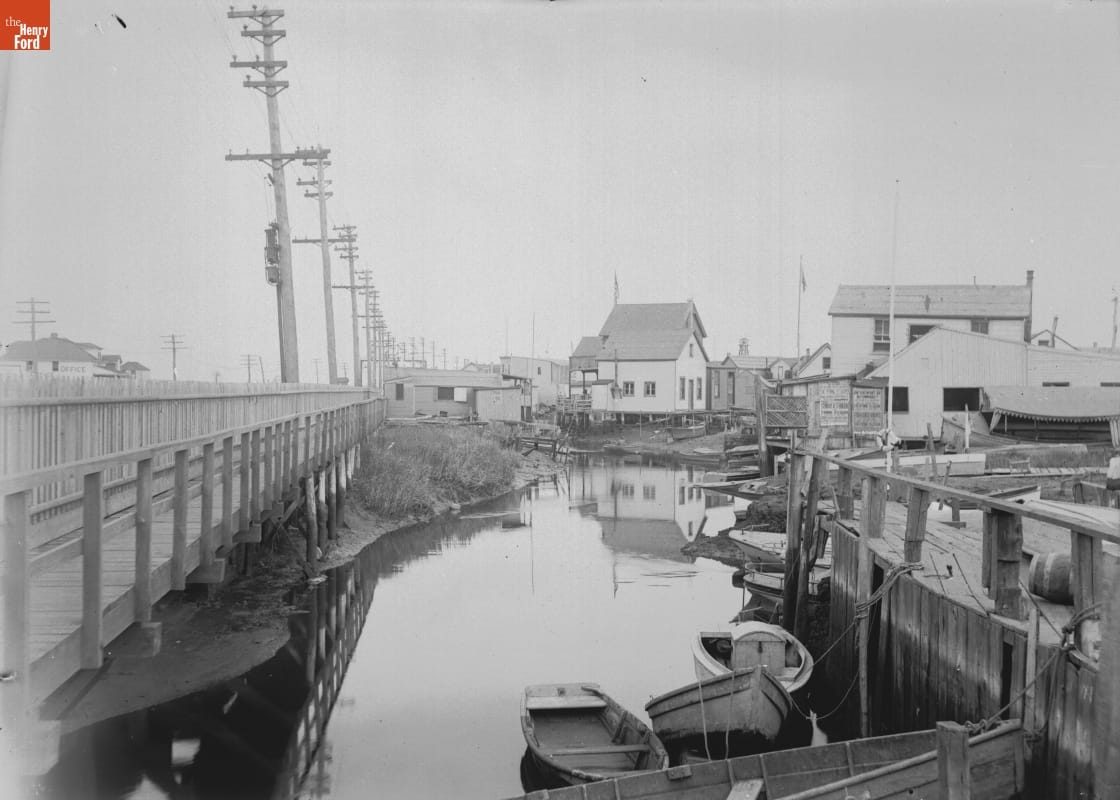
- 1890-1915
- Collections - Artifact
Ramblersville, Harbor Scene, 1890-1915
In 1890, Jenny Young Chandler, 25 years old and recently widowed, began working for the New York Herald. As a photojournalist and feature writer, Chandler captured life in Brooklyn, New York, and vicinity. By 1922, the time of her death, she had produced over 800 glass plate negatives. Her sensitive, insightful photographs depict people from all walks of life and the world in which they lived.
- Noah Webster House at its Original Site, New Haven, Connecticut, 1932 - This is textbook pioneer and spelling reformer Noah Webster's home on its original site in New Haven, Connecticut. Henry Ford admired Webster and recognized his house as an important piece of American history. Ford had the building moved to Greenfield Village - his historical outdoor museum in Dearborn, Michigan. This view documents architectural details, including second floor bay windows not moved with the house.
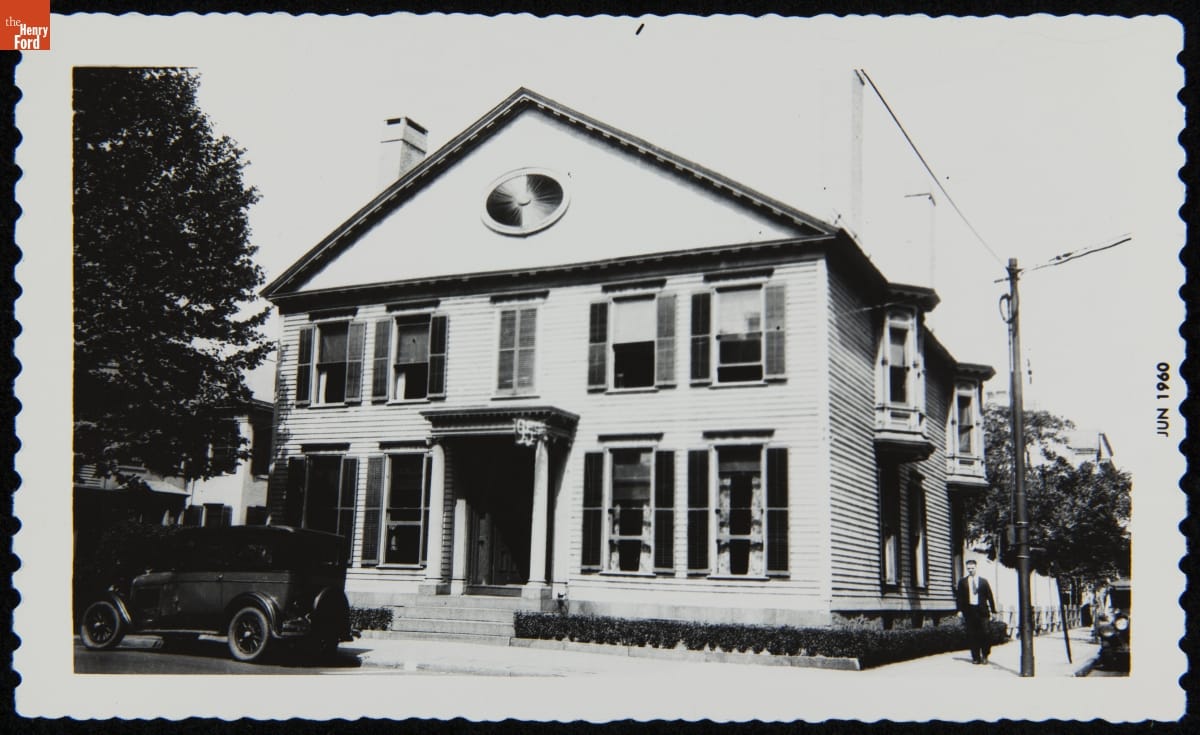
- 1932
- Collections - Artifact
Noah Webster House at its Original Site, New Haven, Connecticut, 1932
This is textbook pioneer and spelling reformer Noah Webster's home on its original site in New Haven, Connecticut. Henry Ford admired Webster and recognized his house as an important piece of American history. Ford had the building moved to Greenfield Village - his historical outdoor museum in Dearborn, Michigan. This view documents architectural details, including second floor bay windows not moved with the house.
- Noah Webster House at its Original Site, New Haven, Connecticut, March 31, 1934 - This is textbook pioneer and spelling reformer Noah Webster's home on its original site in New Haven, Connecticut. Henry Ford admired Webster and recognized his house as an important piece of American history. Ford had the building moved to Greenfield Village - his historical outdoor museum in Dearborn, Michigan. This view documents architectural details, including second floor bay windows not moved with the house.
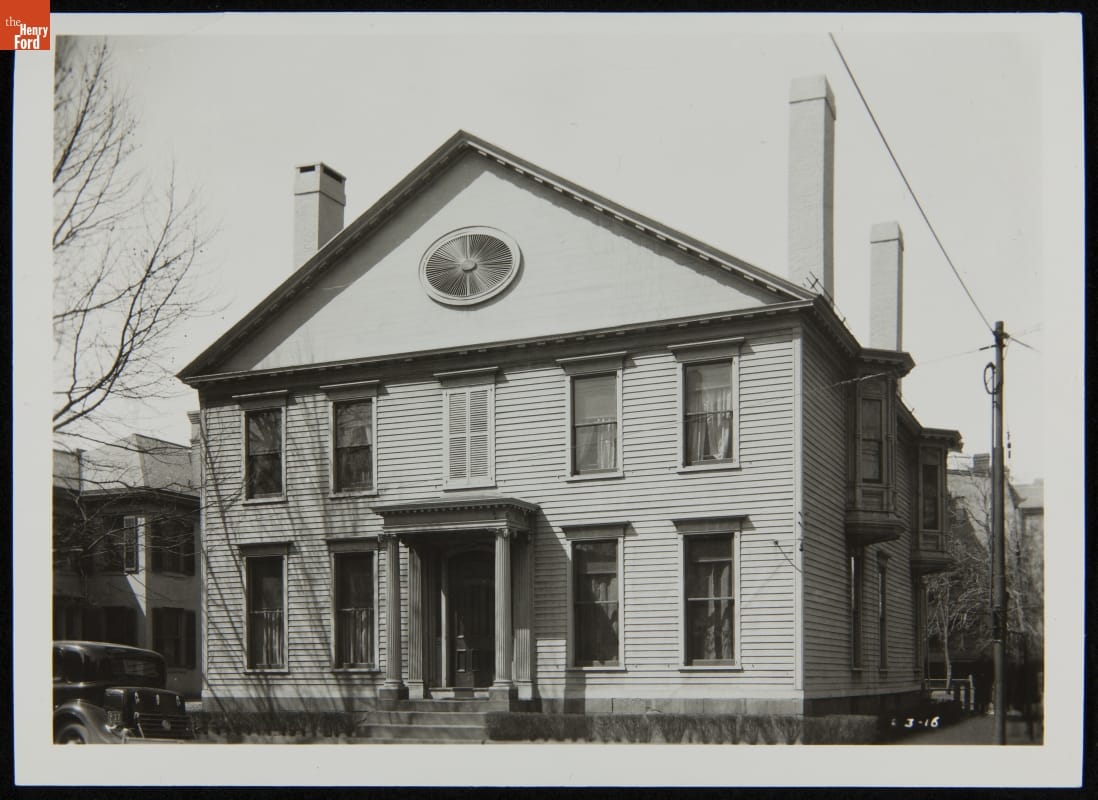
- March 31, 1934
- Collections - Artifact
Noah Webster House at its Original Site, New Haven, Connecticut, March 31, 1934
This is textbook pioneer and spelling reformer Noah Webster's home on its original site in New Haven, Connecticut. Henry Ford admired Webster and recognized his house as an important piece of American history. Ford had the building moved to Greenfield Village - his historical outdoor museum in Dearborn, Michigan. This view documents architectural details, including second floor bay windows not moved with the house.
- Former Ford Motor Company Piquette Avenue Plant, Detroit, Michigan, 1936 - Ford Motor Company quickly outgrew its first factory on Detroit's Mack Avenue and, in 1904, moved into the newly constructed Piquette Avenue Plant. At first, the three-story building seemed too large. One employee wondered if the company could ever use all the space, but his concerns soon seemed quaint. In 1910, the burgeoning company again moved into more spacious quarters.
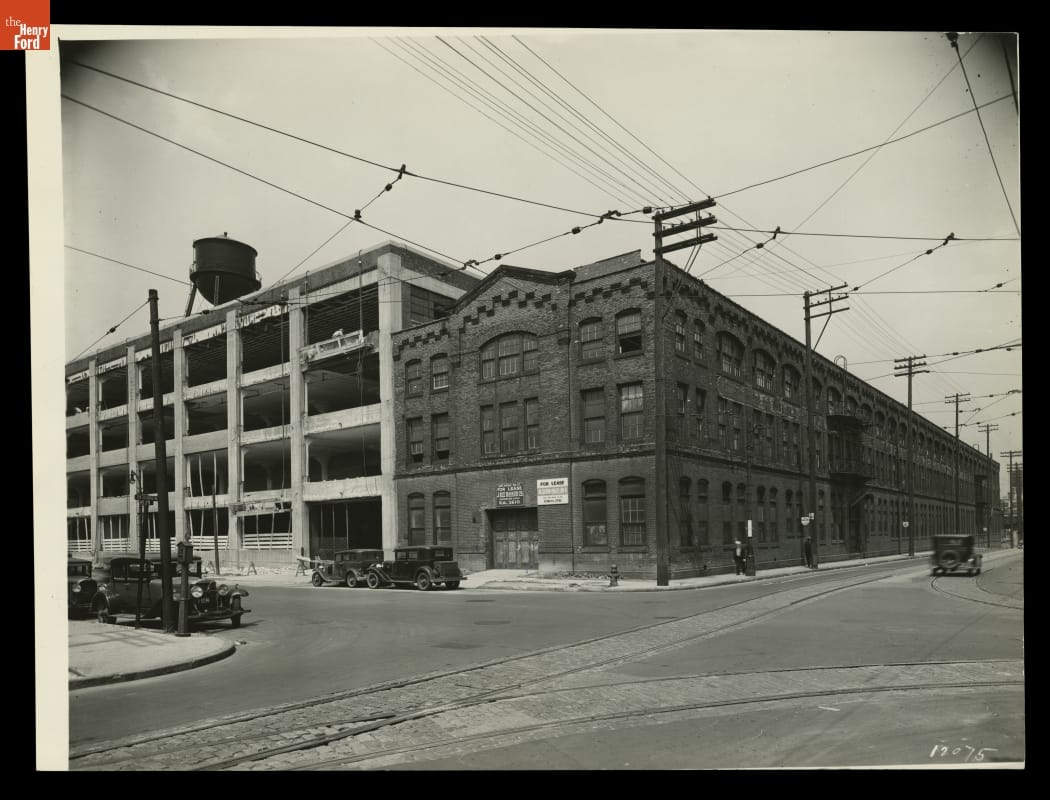
- 1936
- Collections - Artifact
Former Ford Motor Company Piquette Avenue Plant, Detroit, Michigan, 1936
Ford Motor Company quickly outgrew its first factory on Detroit's Mack Avenue and, in 1904, moved into the newly constructed Piquette Avenue Plant. At first, the three-story building seemed too large. One employee wondered if the company could ever use all the space, but his concerns soon seemed quaint. In 1910, the burgeoning company again moved into more spacious quarters.
- "Eastford Village, Looking North," Eastford, Connecticut, before 1913 -
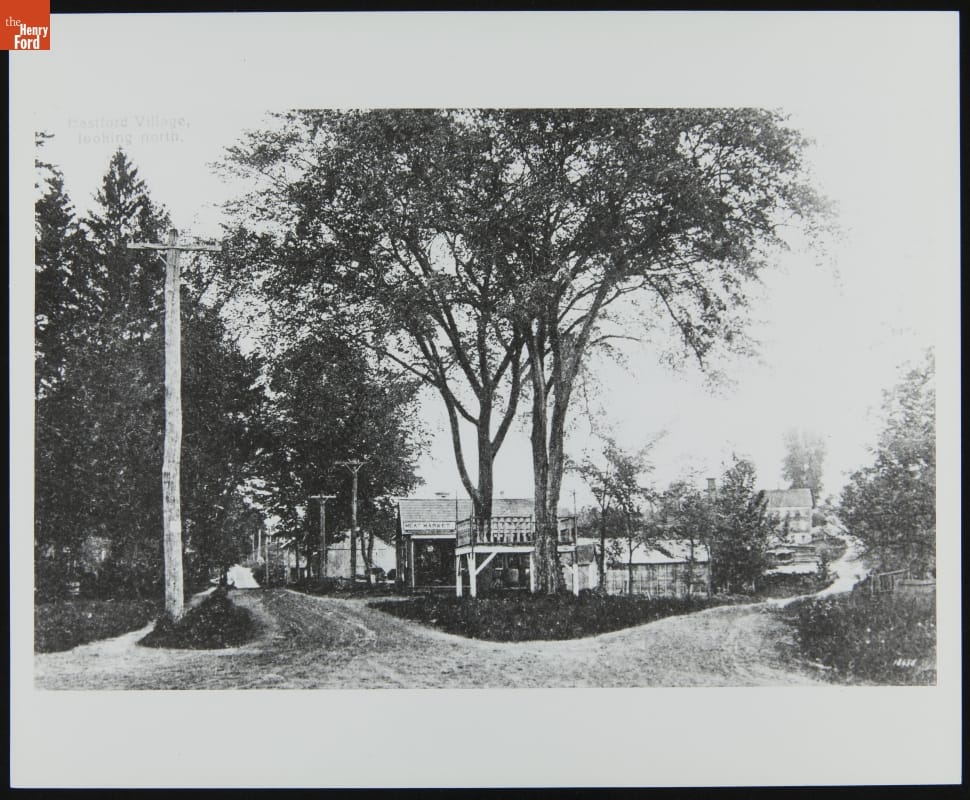
- before 1913
- Collections - Artifact
"Eastford Village, Looking North," Eastford, Connecticut, before 1913
- "The Prado, Looking North, Havana, Cuba," circa 1904 - From 1895 to 1924, the Detroit Publishing Company was one of the major image publishers in the world. The company had a wide-ranging stock of original photographs, including many scenes from around the world. These colorful prints were reproduced for ads, purchased to decorate homes and offices, bought as souvenirs, and used as teaching tools in schools and libraries.
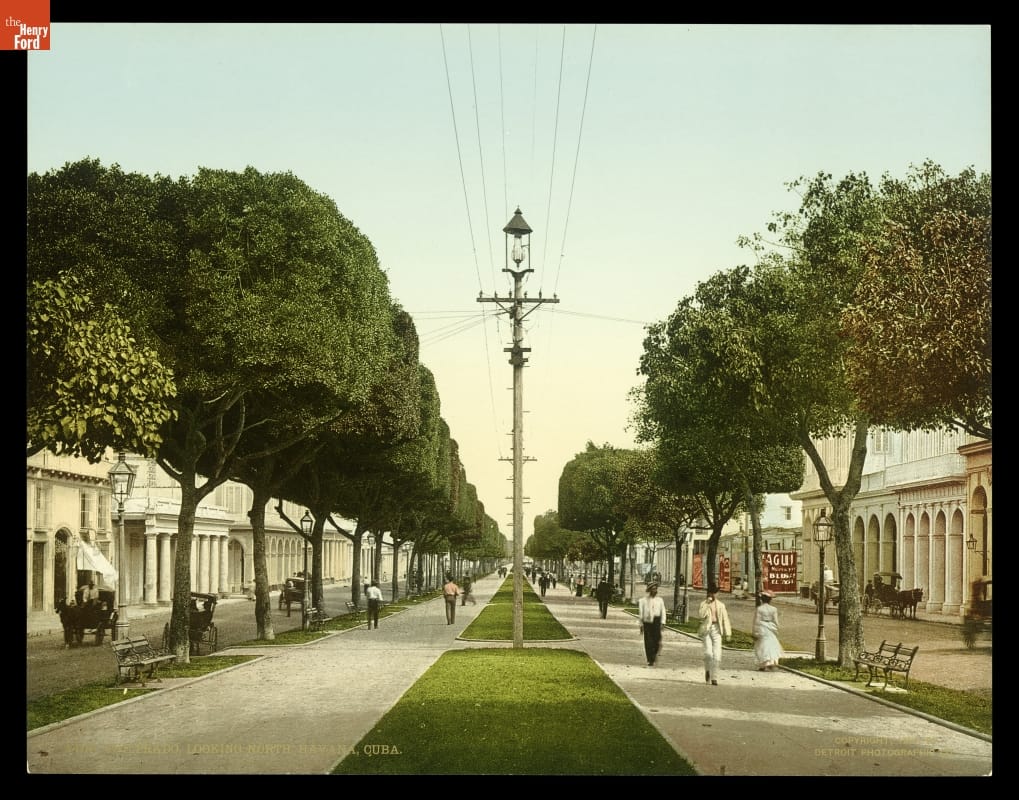
- circa 1904
- Collections - Artifact
"The Prado, Looking North, Havana, Cuba," circa 1904
From 1895 to 1924, the Detroit Publishing Company was one of the major image publishers in the world. The company had a wide-ranging stock of original photographs, including many scenes from around the world. These colorful prints were reproduced for ads, purchased to decorate homes and offices, bought as souvenirs, and used as teaching tools in schools and libraries.
- City Market, Mobile, Alabama, circa 1906 -
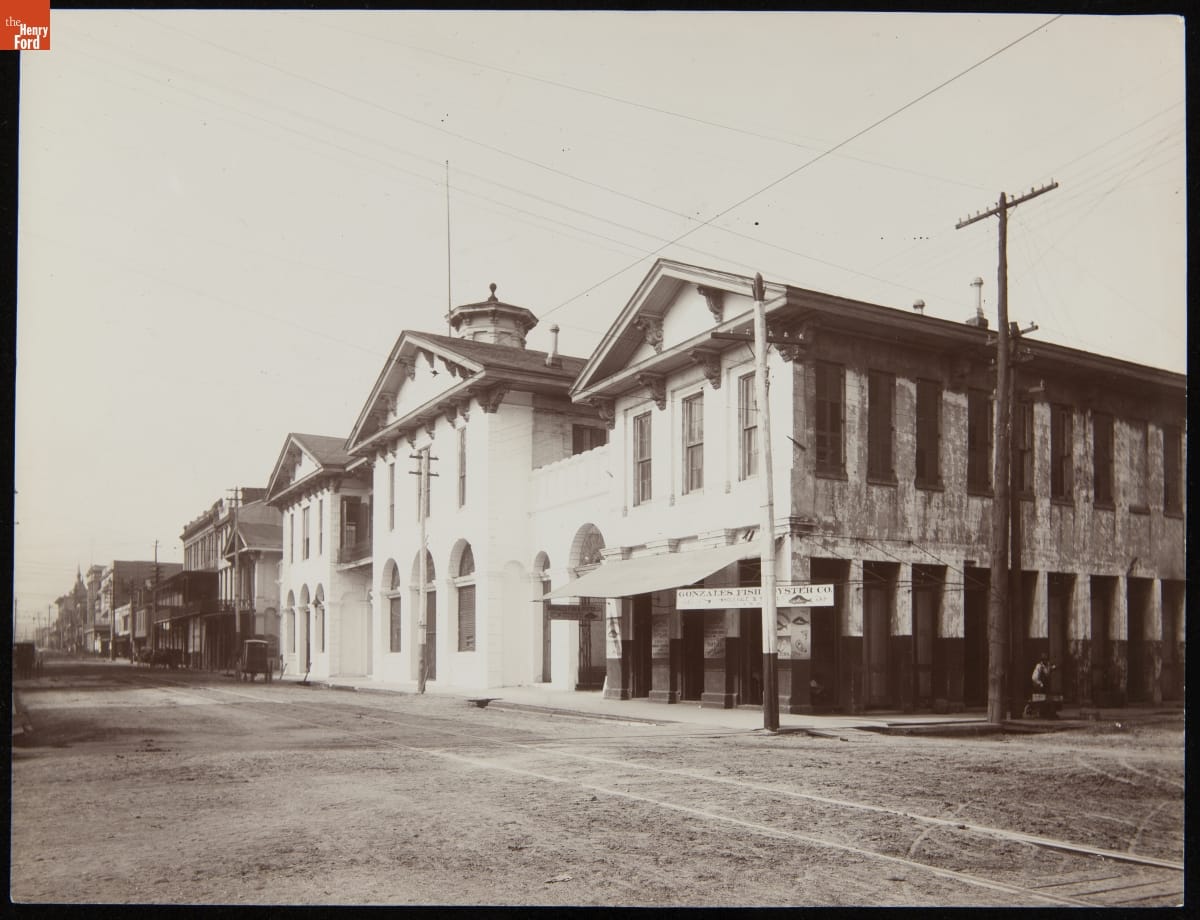
- circa 1906
- Collections - Artifact
City Market, Mobile, Alabama, circa 1906
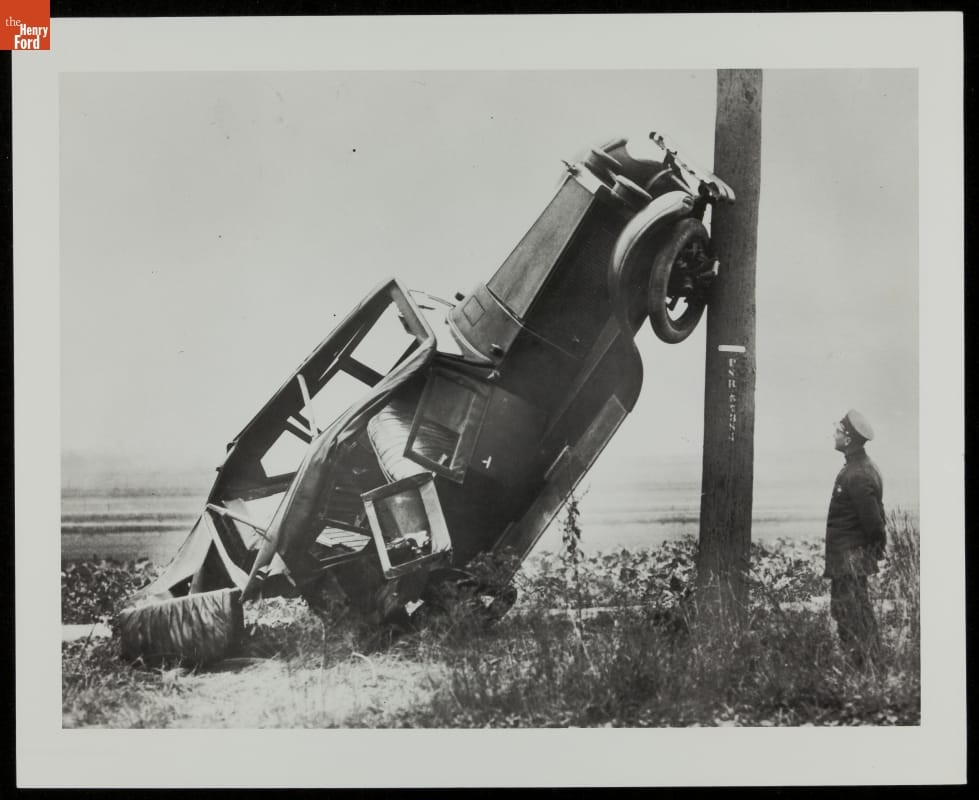
- Officer Observing Car Leaning Against Utility Pole, circa 1920 - Automobiles are fast, powerful, and potentially dangerous. Accidents like the wreck pictured here became more commonplace as automotive speeds and the number of drivers on American roads rapidly increased in the 20th century. Eventually, manufacturers, governments, and drivers themselves were compelled to improve automotive safety.
- Collections - Artifact
Officer Observing Car Leaning Against Utility Pole, circa 1920
Automobiles are fast, powerful, and potentially dangerous. Accidents like the wreck pictured here became more commonplace as automotive speeds and the number of drivers on American roads rapidly increased in the 20th century. Eventually, manufacturers, governments, and drivers themselves were compelled to improve automotive safety.