
Search
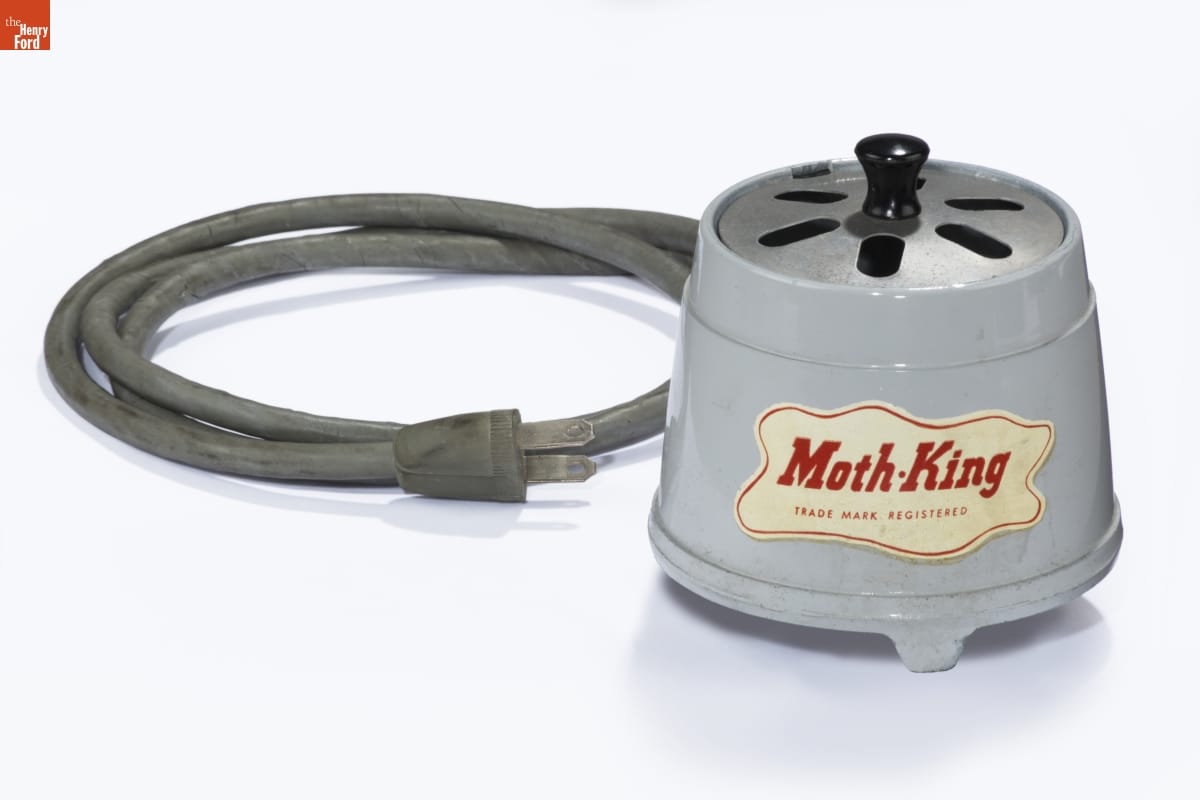
- Moth King Insecticide Vaporizer, Used by the Harvey S. Firestone Family, circa 1947 -
- circa 1947
- Collections - Artifact
Moth King Insecticide Vaporizer, Used by the Harvey S. Firestone Family, circa 1947
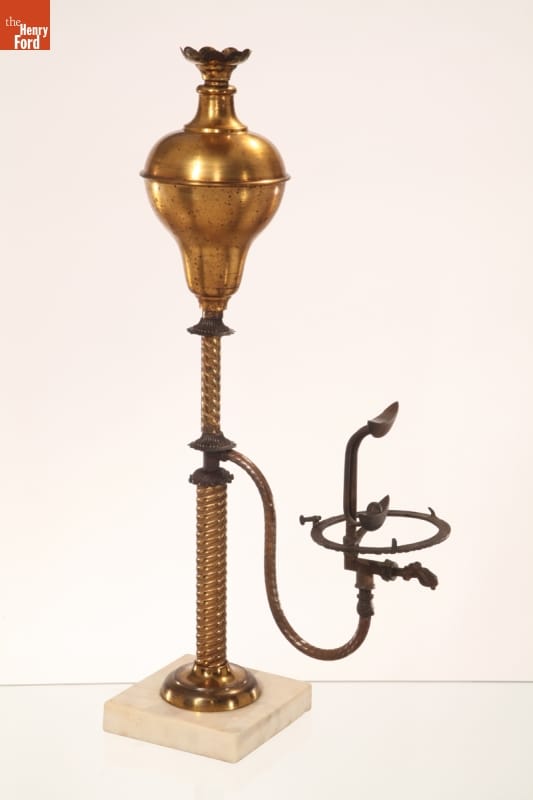
- Vapor Lamp, circa 1860 - Vapor lamps burned naphtha, a substance similar to gasoline, which burned brightly under pressure and contact with air. Used for general illumination, this stylish lamp would have been used in a public space or sat on a mantle in a home.
- circa 1860
- Collections - Artifact
Vapor Lamp, circa 1860
Vapor lamps burned naphtha, a substance similar to gasoline, which burned brightly under pressure and contact with air. Used for general illumination, this stylish lamp would have been used in a public space or sat on a mantle in a home.
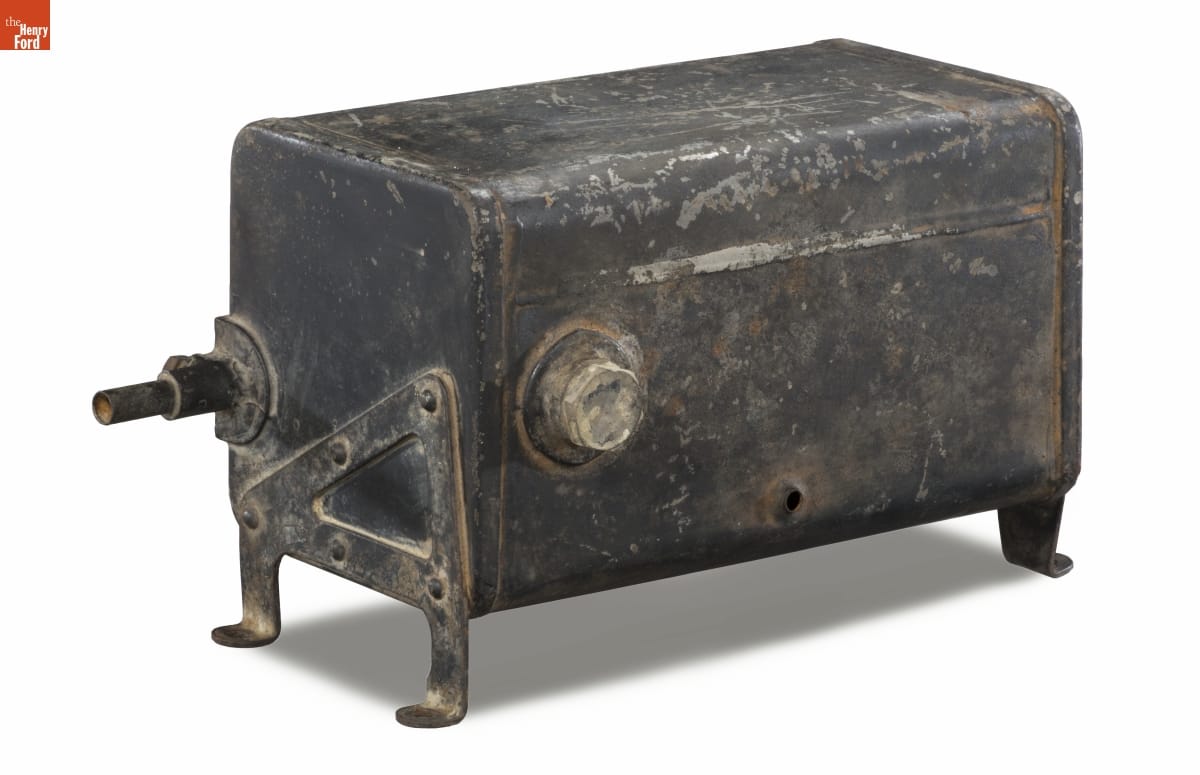
- Condenser Tank -
- Collections - Artifact
Condenser Tank
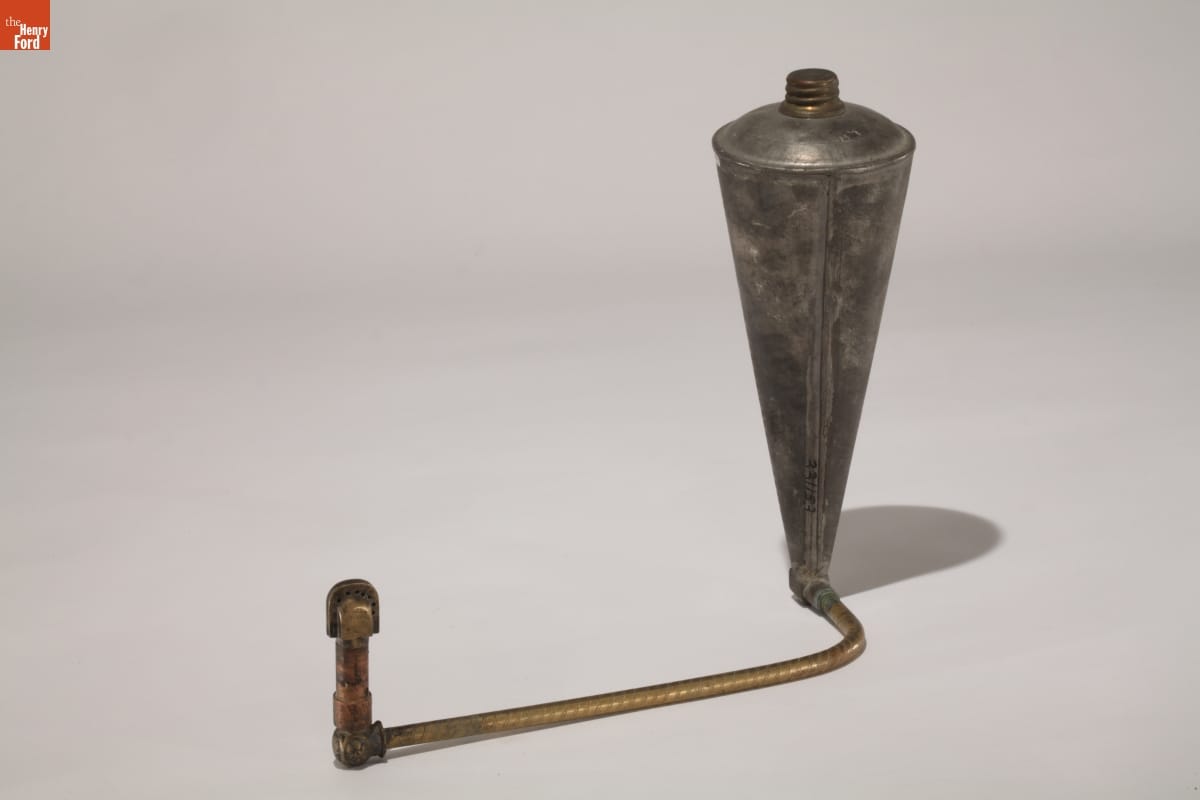
- Patent Model of Vapor Lamp Burner, 1870 - From 1790 to 1880, the U.S. Patent Office required applicants to submit a miniature model along with diagrams and written descriptions detailing the operation of their invention. Patent models could be no larger than 12" by 12" by 12". Though they were usually not operational, these models helped explain an inventor's idea and protect it from competitors.
- March 22, 1870
- Collections - Artifact
Patent Model of Vapor Lamp Burner, 1870
From 1790 to 1880, the U.S. Patent Office required applicants to submit a miniature model along with diagrams and written descriptions detailing the operation of their invention. Patent models could be no larger than 12" by 12" by 12". Though they were usually not operational, these models helped explain an inventor's idea and protect it from competitors.
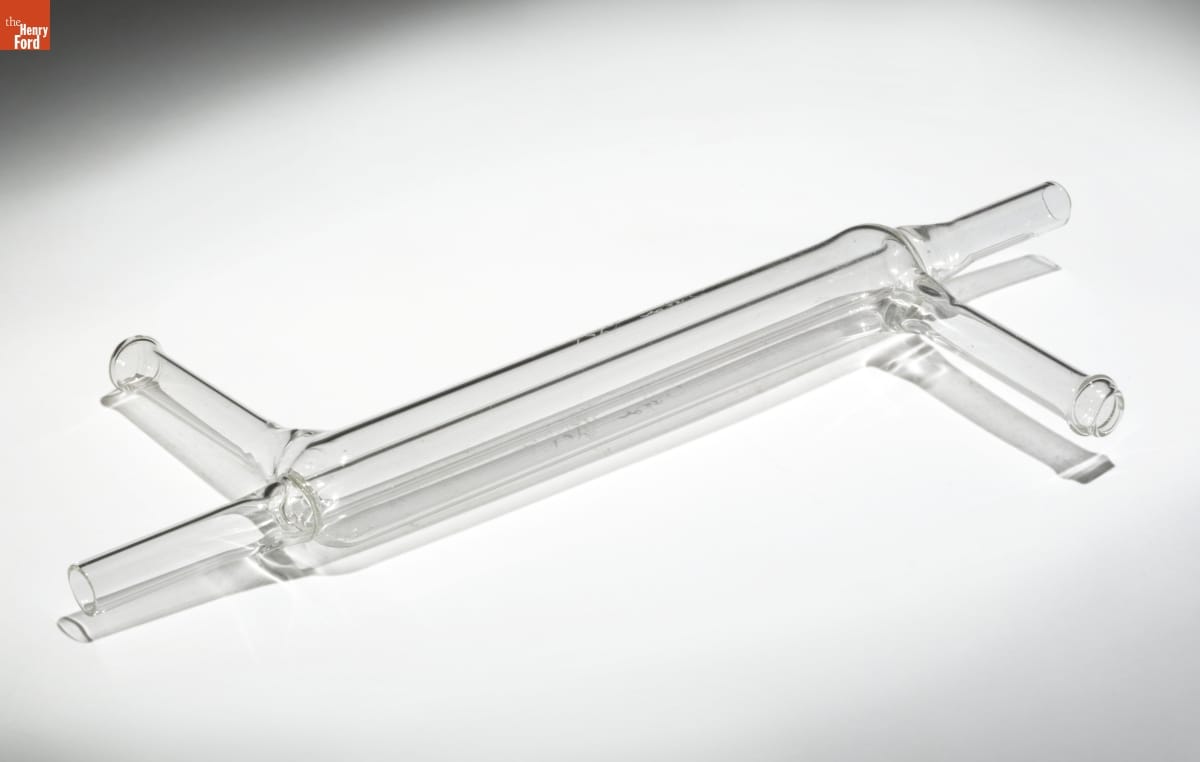
- Condenser, 1961 - Paul Stankard, one of the founders of the Studio Glass movement, began working with glass in the early 1960s. He graduated with a degree in Scientific Glassblowing in 1963, then worked for various chemical laboratories making scientific instruments, like this condenser. Paul, however, dreamed of being an artist and in the late 1960s experimented with making paperweights--a creative form in which he would excel.
- 1961
- Collections - Artifact
Condenser, 1961
Paul Stankard, one of the founders of the Studio Glass movement, began working with glass in the early 1960s. He graduated with a degree in Scientific Glassblowing in 1963, then worked for various chemical laboratories making scientific instruments, like this condenser. Paul, however, dreamed of being an artist and in the late 1960s experimented with making paperweights--a creative form in which he would excel.
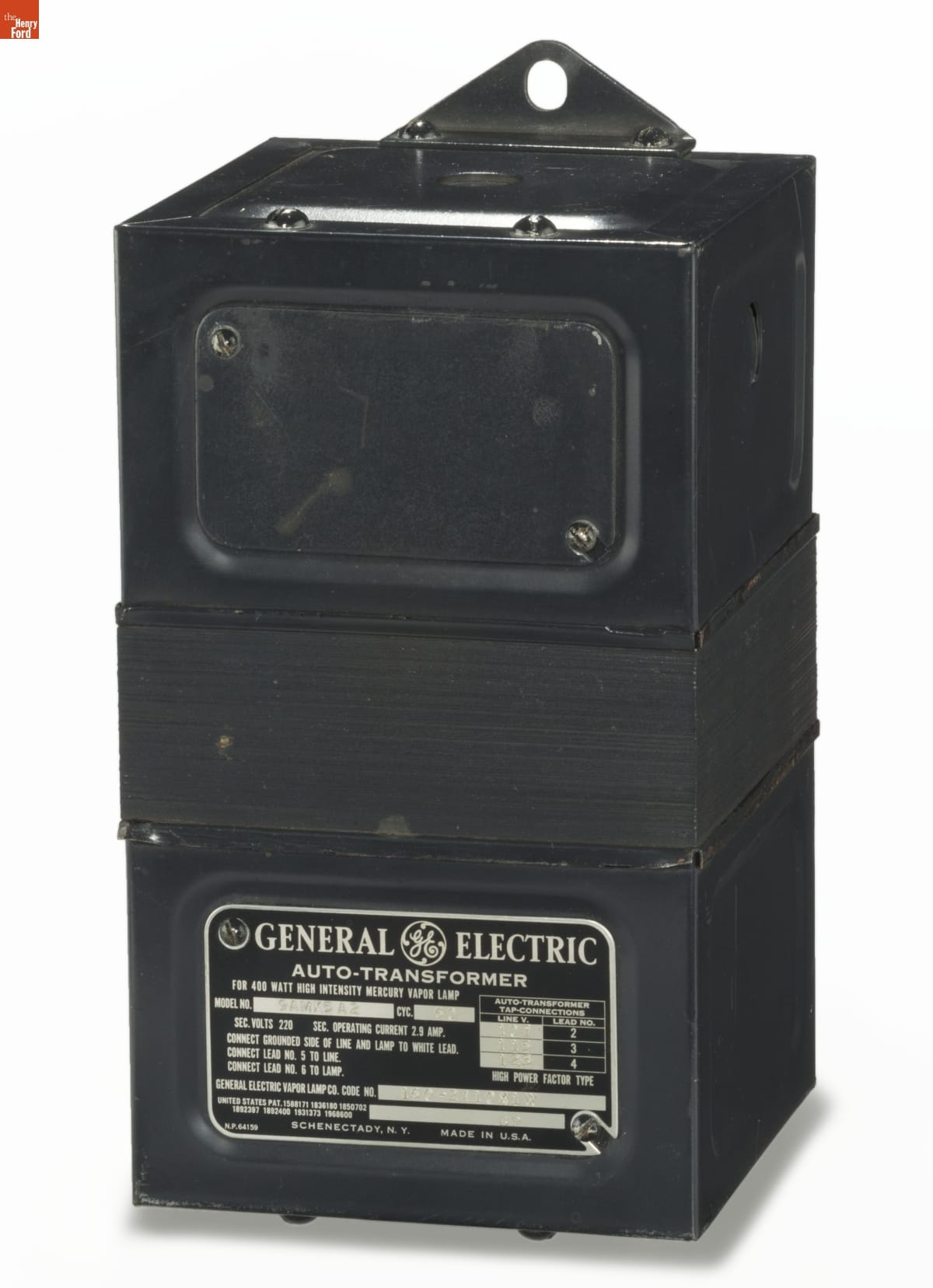
- General Electric Auto-Transformer, circa 1934 - Transformers increase or decrease voltage and are essential to alternating current (AC) power systems. In the late 1800s, with the help of transformers, AC power systems proved more efficient and economical than their direct current competitors. Transformers helped convert electricity to high voltage for transmission across long distances, then reduced it to lower, safer voltages for use in homes and factories.
- circa 1934
- Collections - Artifact
General Electric Auto-Transformer, circa 1934
Transformers increase or decrease voltage and are essential to alternating current (AC) power systems. In the late 1800s, with the help of transformers, AC power systems proved more efficient and economical than their direct current competitors. Transformers helped convert electricity to high voltage for transmission across long distances, then reduced it to lower, safer voltages for use in homes and factories.
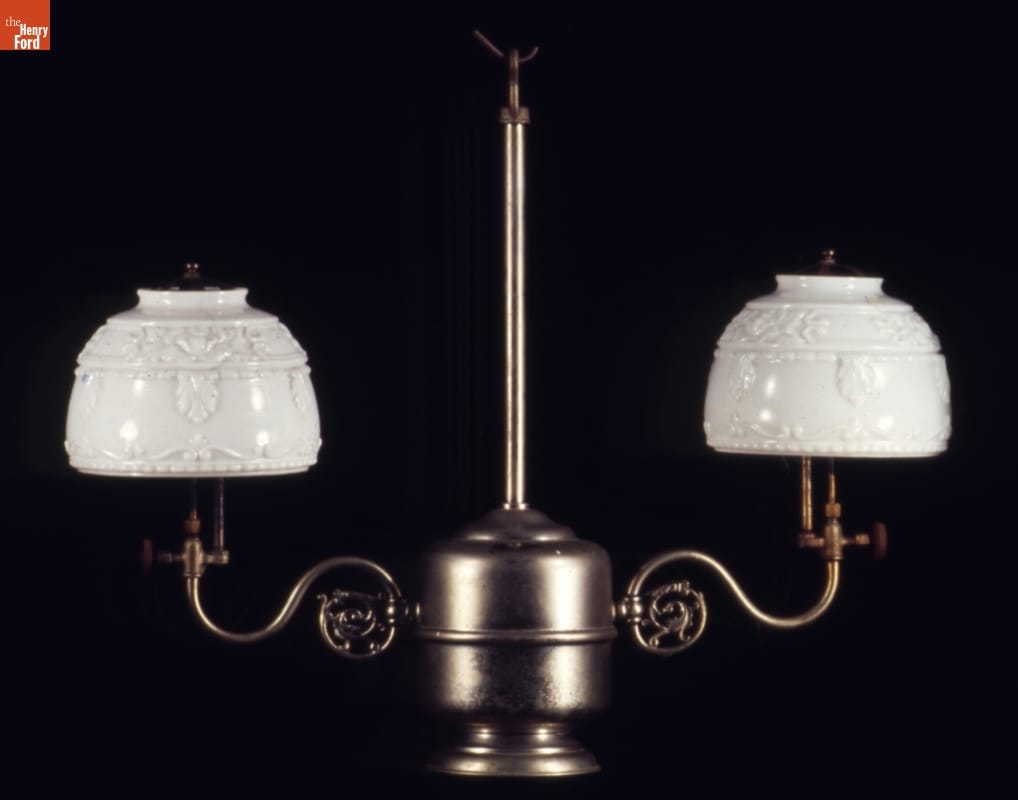
- Model Nulite 202M Hanging Gasoline Lamp, 1923-1933 -
- 1923-1933
- Collections - Artifact
Model Nulite 202M Hanging Gasoline Lamp, 1923-1933
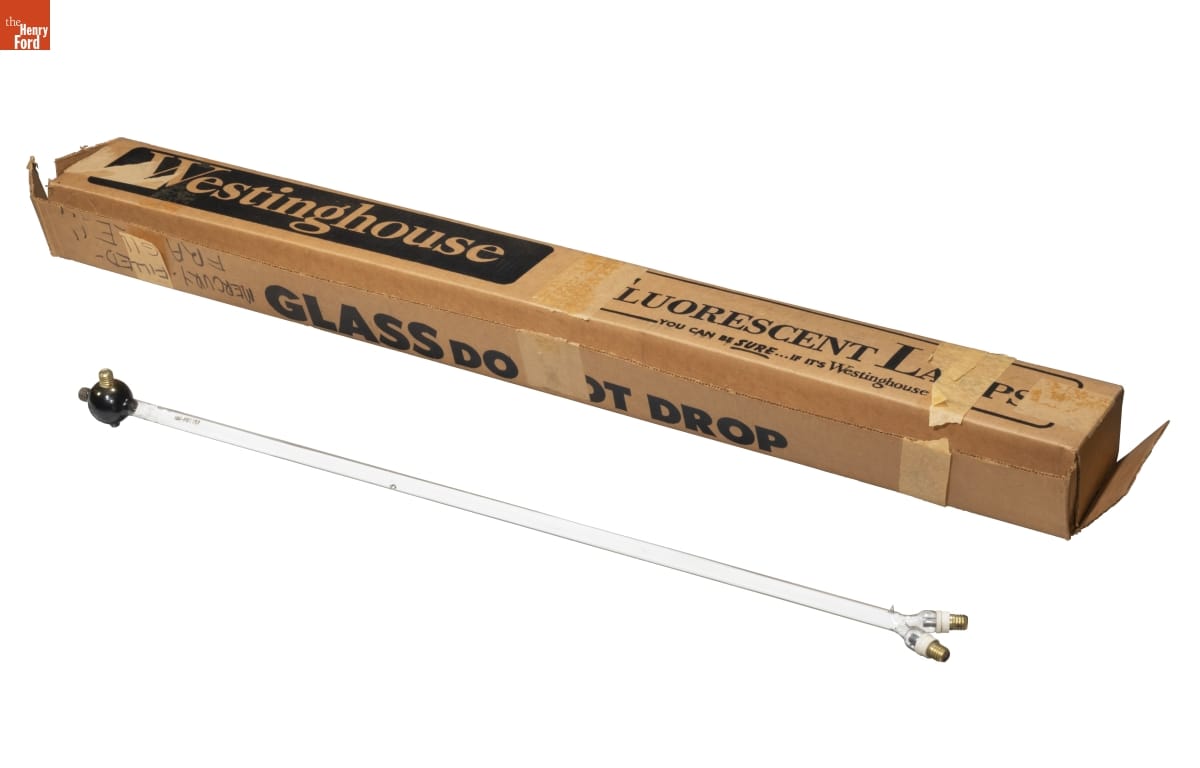
- Cooper Hewitt Mercury Vapor Lamp, 1902-1919 -
- 1902-1919
- Collections - Artifact
Cooper Hewitt Mercury Vapor Lamp, 1902-1919
- Patent Model of Vapor Lamp Burner, 1871 - From 1790 to 1880, the U.S. Patent Office required applicants to submit a miniature model along with diagrams and written descriptions detailing the operation of their invention. Patent models could be no larger than 12" by 12" by 12". Though they were usually not operational, these models helped explain an inventor's idea and protect it from competitors.
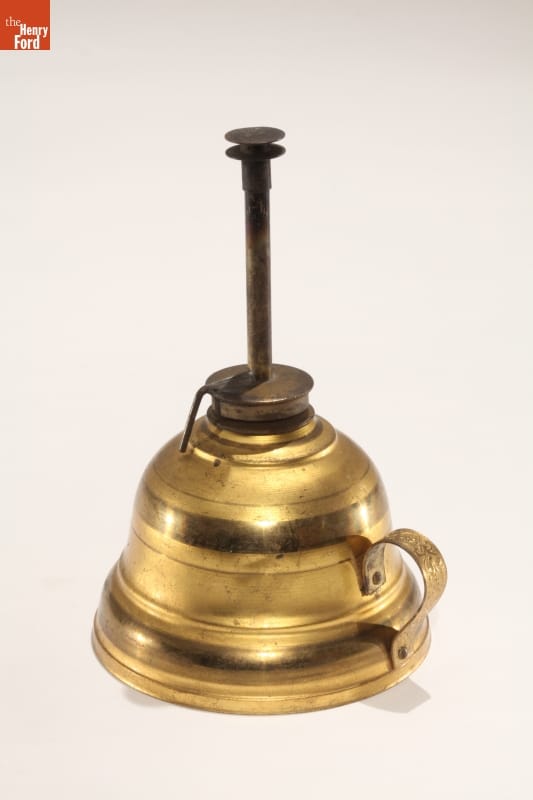
- December 05, 1871
- Collections - Artifact
Patent Model of Vapor Lamp Burner, 1871
From 1790 to 1880, the U.S. Patent Office required applicants to submit a miniature model along with diagrams and written descriptions detailing the operation of their invention. Patent models could be no larger than 12" by 12" by 12". Though they were usually not operational, these models helped explain an inventor's idea and protect it from competitors.
- Patent Model of Vapor Lamp Burner, 1858 - From 1790 to 1880, the U.S. Patent Office required applicants to submit a miniature model along with diagrams and written descriptions detailing the operation of their invention. Patent models could be no larger than 12" by 12" by 12". Though they were usually not operational, these models helped explain an inventor's idea and protect it from competitors.
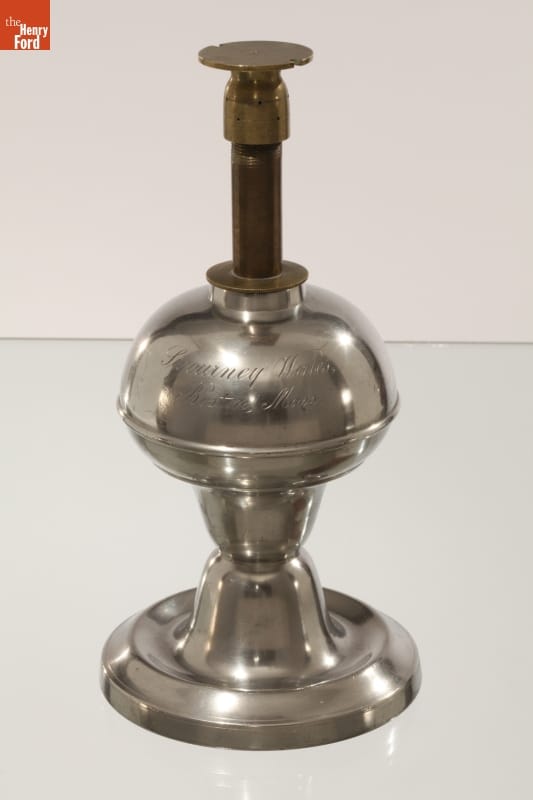
- December 28, 1858
- Collections - Artifact
Patent Model of Vapor Lamp Burner, 1858
From 1790 to 1880, the U.S. Patent Office required applicants to submit a miniature model along with diagrams and written descriptions detailing the operation of their invention. Patent models could be no larger than 12" by 12" by 12". Though they were usually not operational, these models helped explain an inventor's idea and protect it from competitors.