
Search
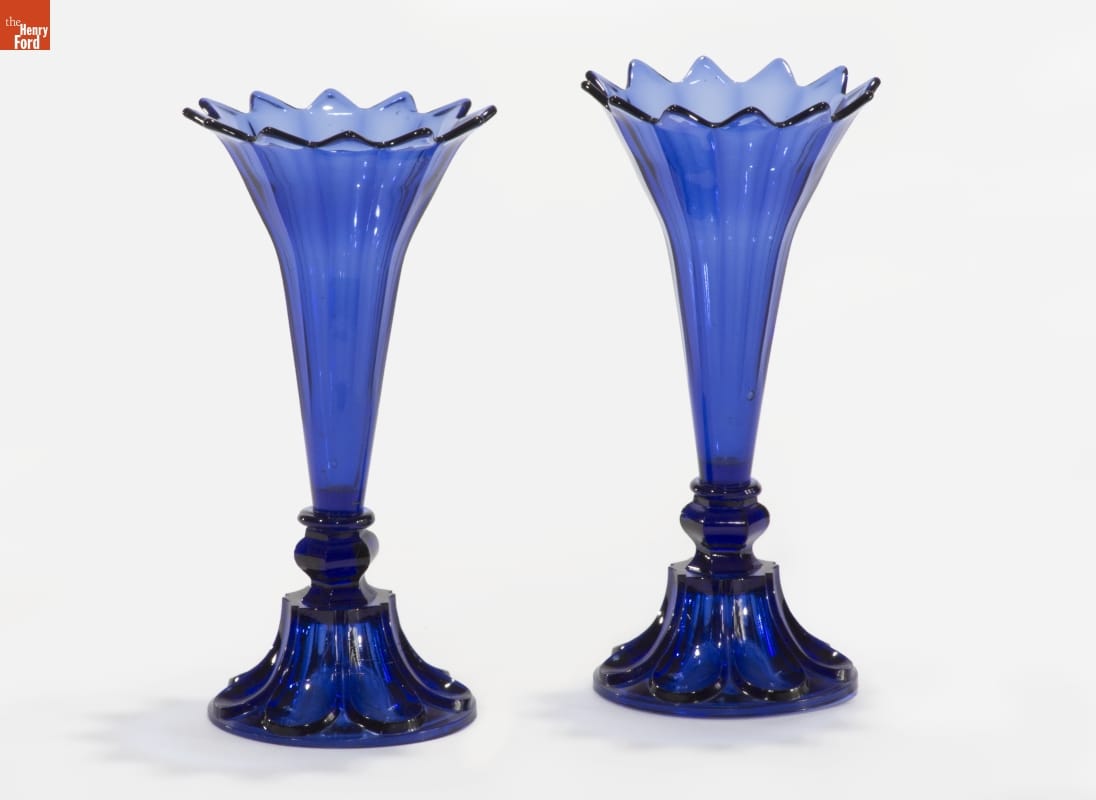
- Vases, 1840-1855 - Nineteenth-century American glassmakers experimented with new methods to create products for a growing consumer market. In the 1820s, pressing glass into metal molds by machine was perfected, and by the mid-1800s, manufacturers were creating a variety of inexpensive pressed glass housewares. America's middle-class consumers could now decorate their homes with attractive glass bowls, creamers, dishes, plates, vases, and other tableware.
- 1840-1855
- Collections - Artifact
Vases, 1840-1855
Nineteenth-century American glassmakers experimented with new methods to create products for a growing consumer market. In the 1820s, pressing glass into metal molds by machine was perfected, and by the mid-1800s, manufacturers were creating a variety of inexpensive pressed glass housewares. America's middle-class consumers could now decorate their homes with attractive glass bowls, creamers, dishes, plates, vases, and other tableware.
- Frankoma Shell Vase, 1960-1990 -
- 1960-1990
- Collections - Artifact
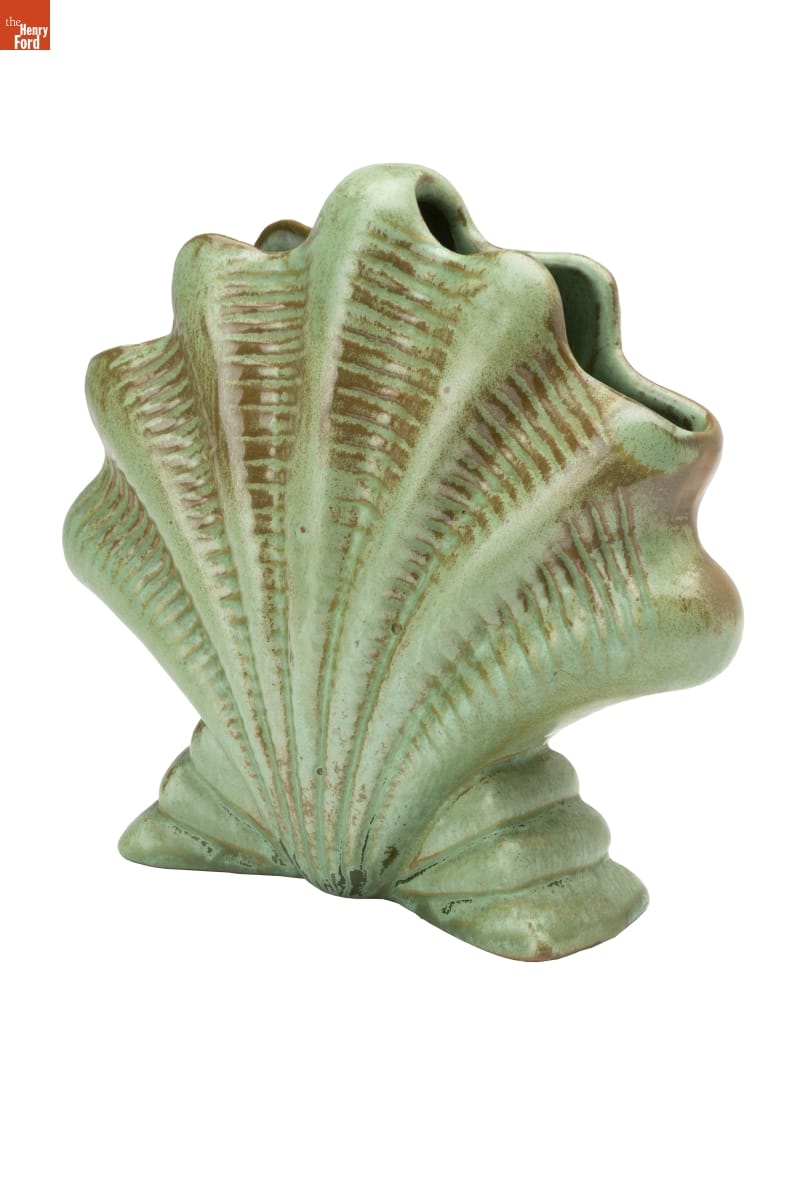
Frankoma Shell Vase, 1960-1990
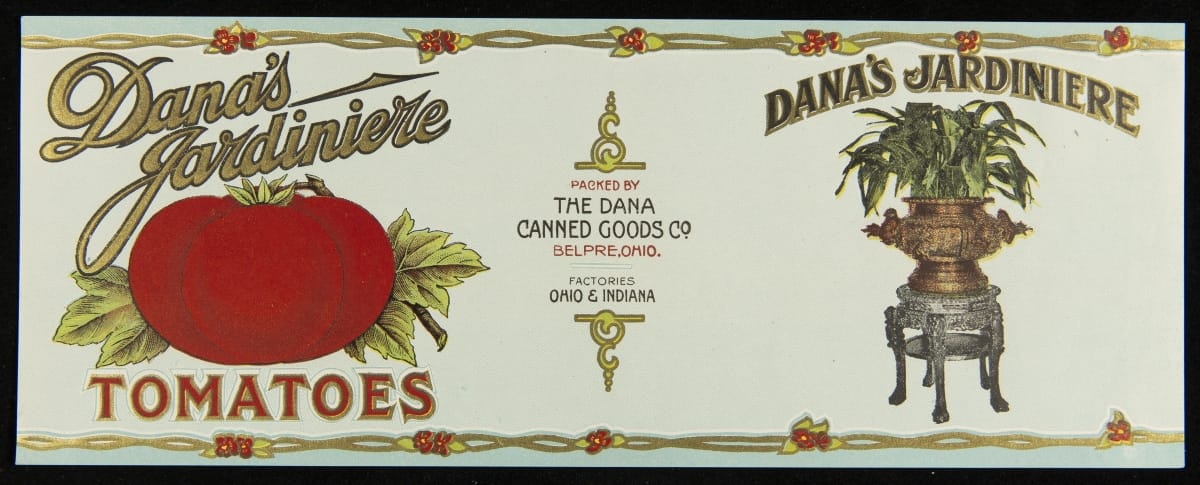
- Can Label, "Dana's Jardiniere Brand Tomatoes," 1912-1920 - Manufacturers of similar products sought ways to make their company's goods stand out on store shelves. Attractive labels, like this design for Dana's Jardiniere Brand Tomatoes, helped catch the attention of potential customers -- hopefully encouraging them to purchase the company's product rather than that of a competitor.
- 1912-1920
- Collections - Artifact
Can Label, "Dana's Jardiniere Brand Tomatoes," 1912-1920
Manufacturers of similar products sought ways to make their company's goods stand out on store shelves. Attractive labels, like this design for Dana's Jardiniere Brand Tomatoes, helped catch the attention of potential customers -- hopefully encouraging them to purchase the company's product rather than that of a competitor.
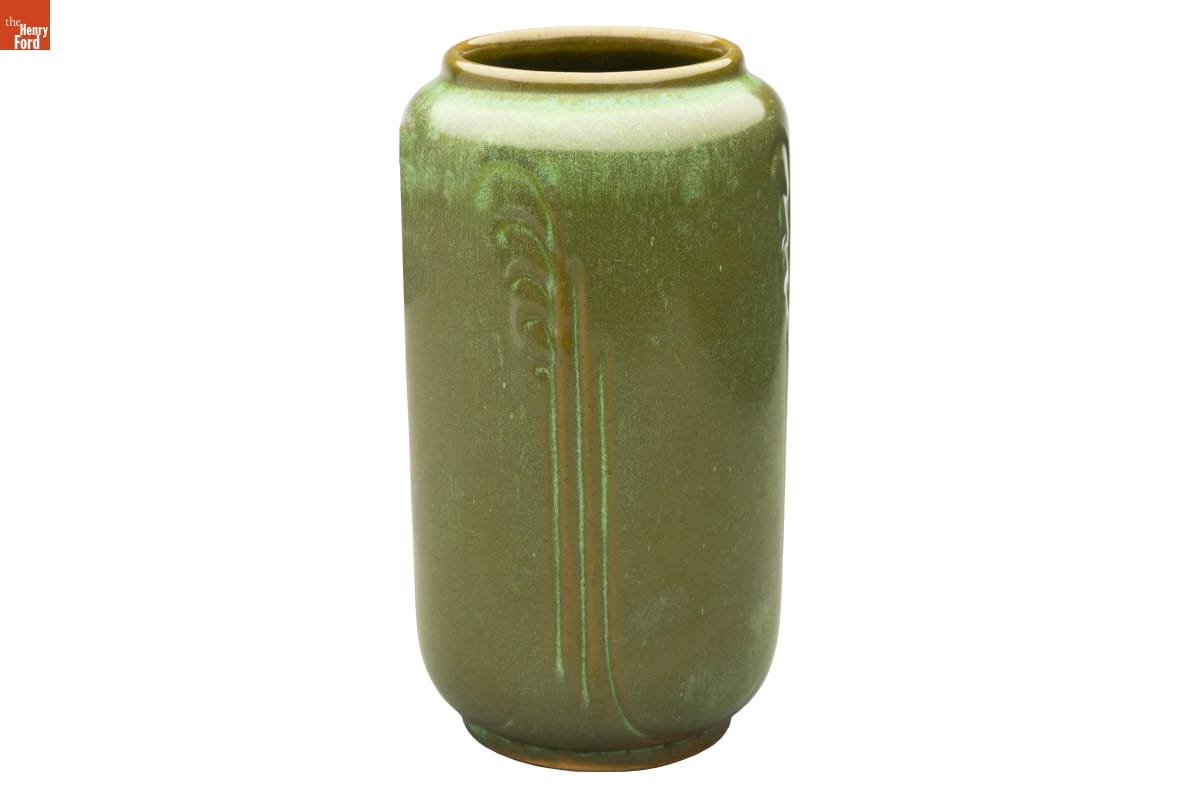
- Vase, 1934-1938 - The native clays of Oklahoma provided a foundation for the decorative ceramics and dinnerware produced by Frankoma Pottery. John Frank, who headed the ceramics department at the University of Oklahoma, and his wife Grace Lee began the business in 1933. They moved to Sapulpa, Oklahoma, in 1938 and sold their Southwestern-inspired wares coated with prairie-colored glazes at an affordable price. The pottery remained family-owned until 1990.
- 1934-1938
- Collections - Artifact
Vase, 1934-1938
The native clays of Oklahoma provided a foundation for the decorative ceramics and dinnerware produced by Frankoma Pottery. John Frank, who headed the ceramics department at the University of Oklahoma, and his wife Grace Lee began the business in 1933. They moved to Sapulpa, Oklahoma, in 1938 and sold their Southwestern-inspired wares coated with prairie-colored glazes at an affordable price. The pottery remained family-owned until 1990.
- Vase by Richard Ritter, 1972 -
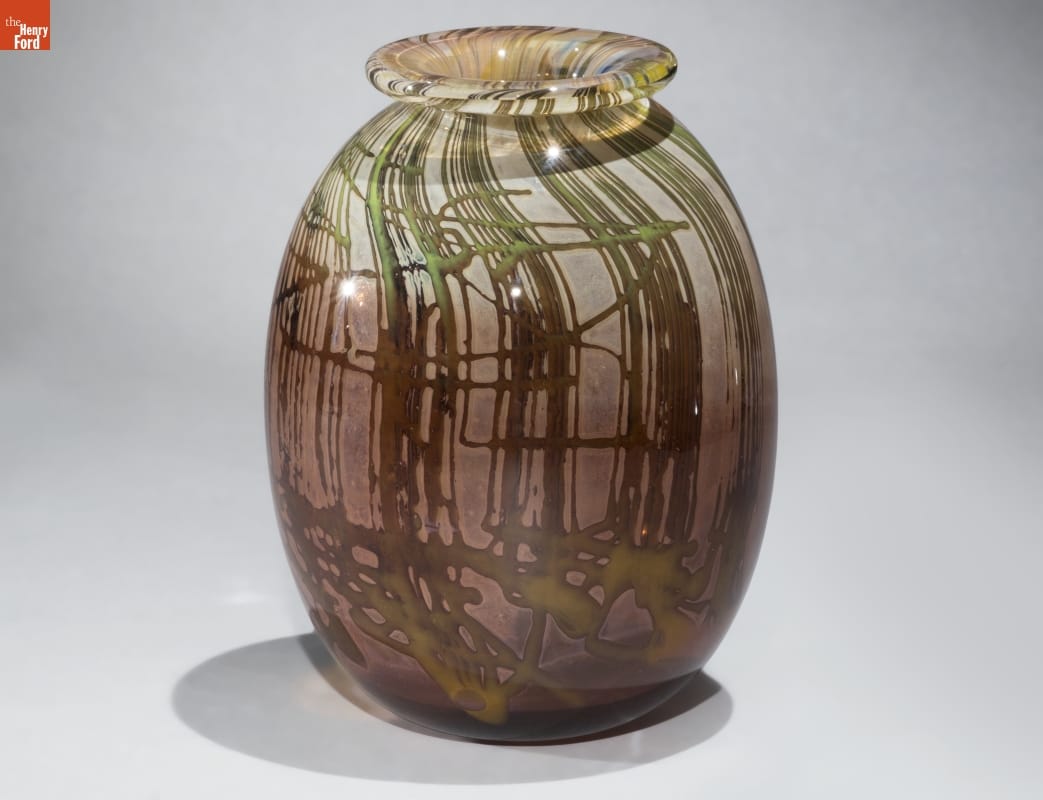
- 1972
- Collections - Artifact
Vase by Richard Ritter, 1972
- Vase, 1840-1855 - Nineteenth-century American glassmakers experimented with new methods to create products for a growing consumer market. In the 1820s, pressing glass into metal molds by machine was perfected, and by the mid-1800s, manufacturers were creating a variety of inexpensive pressed glass housewares. America's middle-class consumers could now decorate their homes with attractive glass bowls, creamers, dishes, plates, vases, and other tableware.
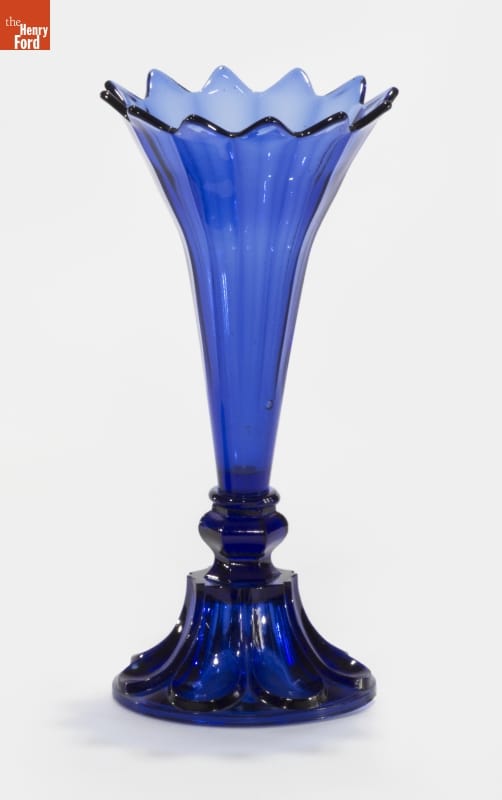
- 1840-1855
- Collections - Artifact
Vase, 1840-1855
Nineteenth-century American glassmakers experimented with new methods to create products for a growing consumer market. In the 1820s, pressing glass into metal molds by machine was perfected, and by the mid-1800s, manufacturers were creating a variety of inexpensive pressed glass housewares. America's middle-class consumers could now decorate their homes with attractive glass bowls, creamers, dishes, plates, vases, and other tableware.
- Vase, 1902 -
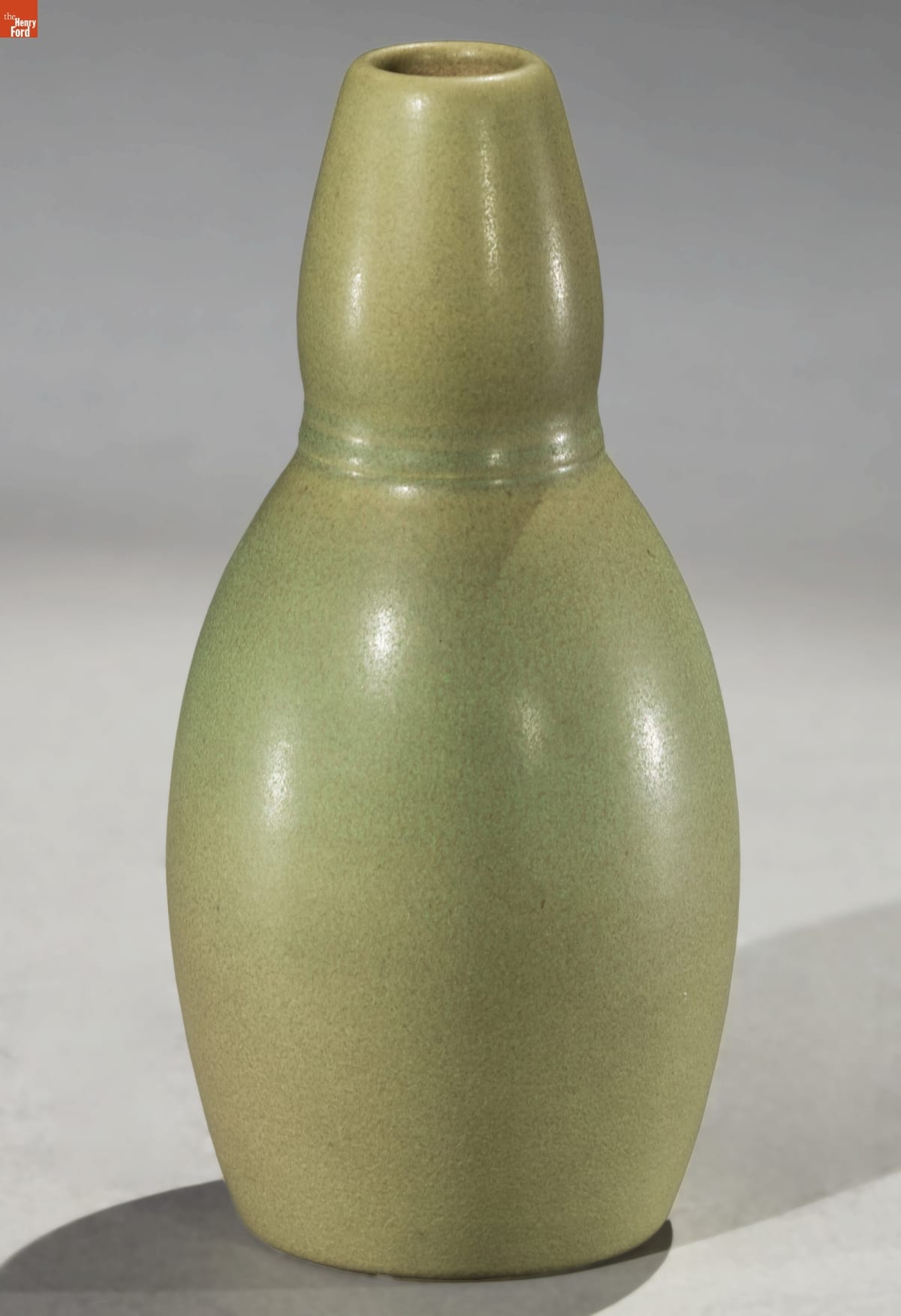
- 1902
- Collections - Artifact
Vase, 1902
- Vase, 1921-1941 -
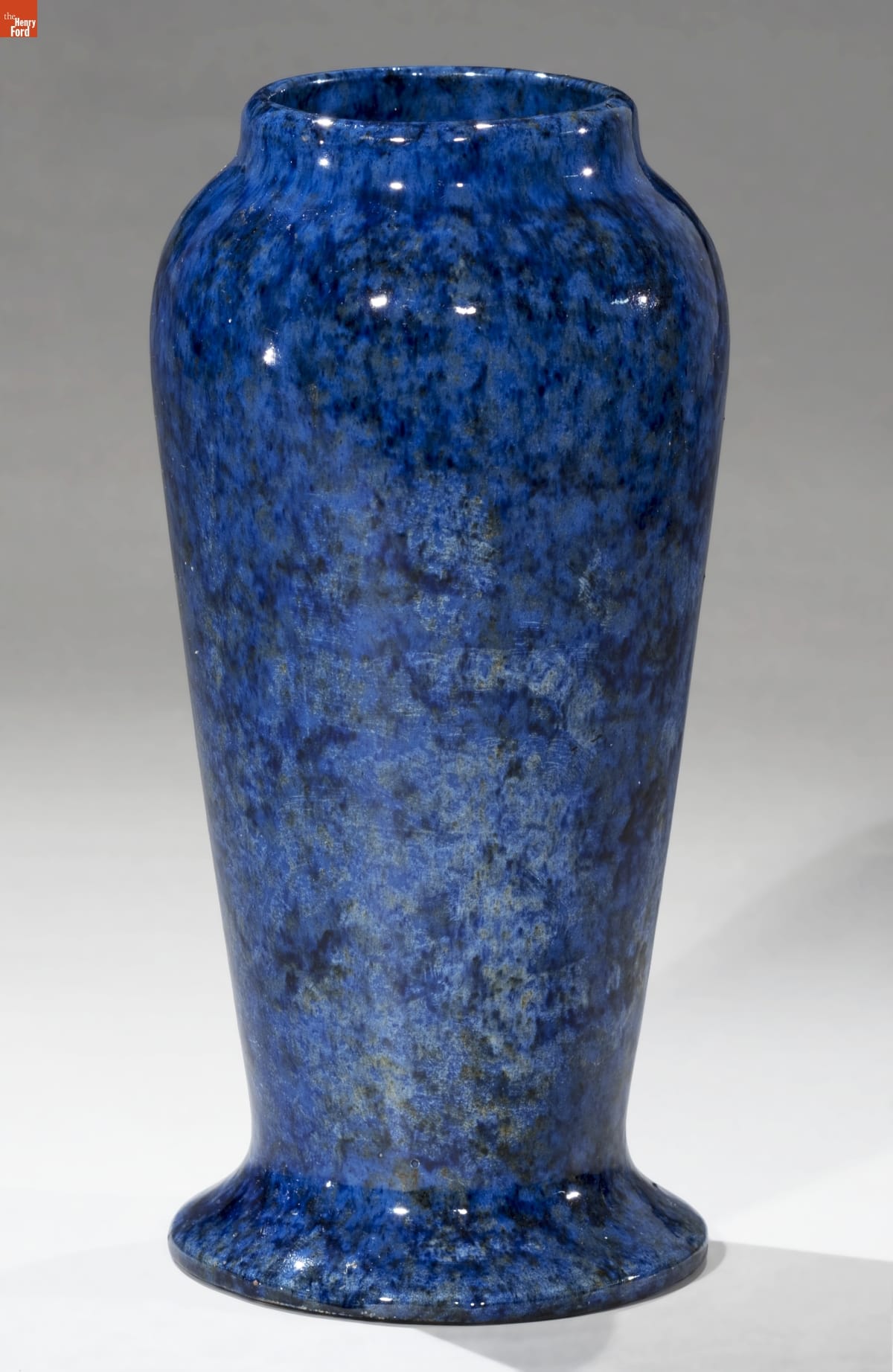
- 1921-1941
- Collections - Artifact
Vase, 1921-1941
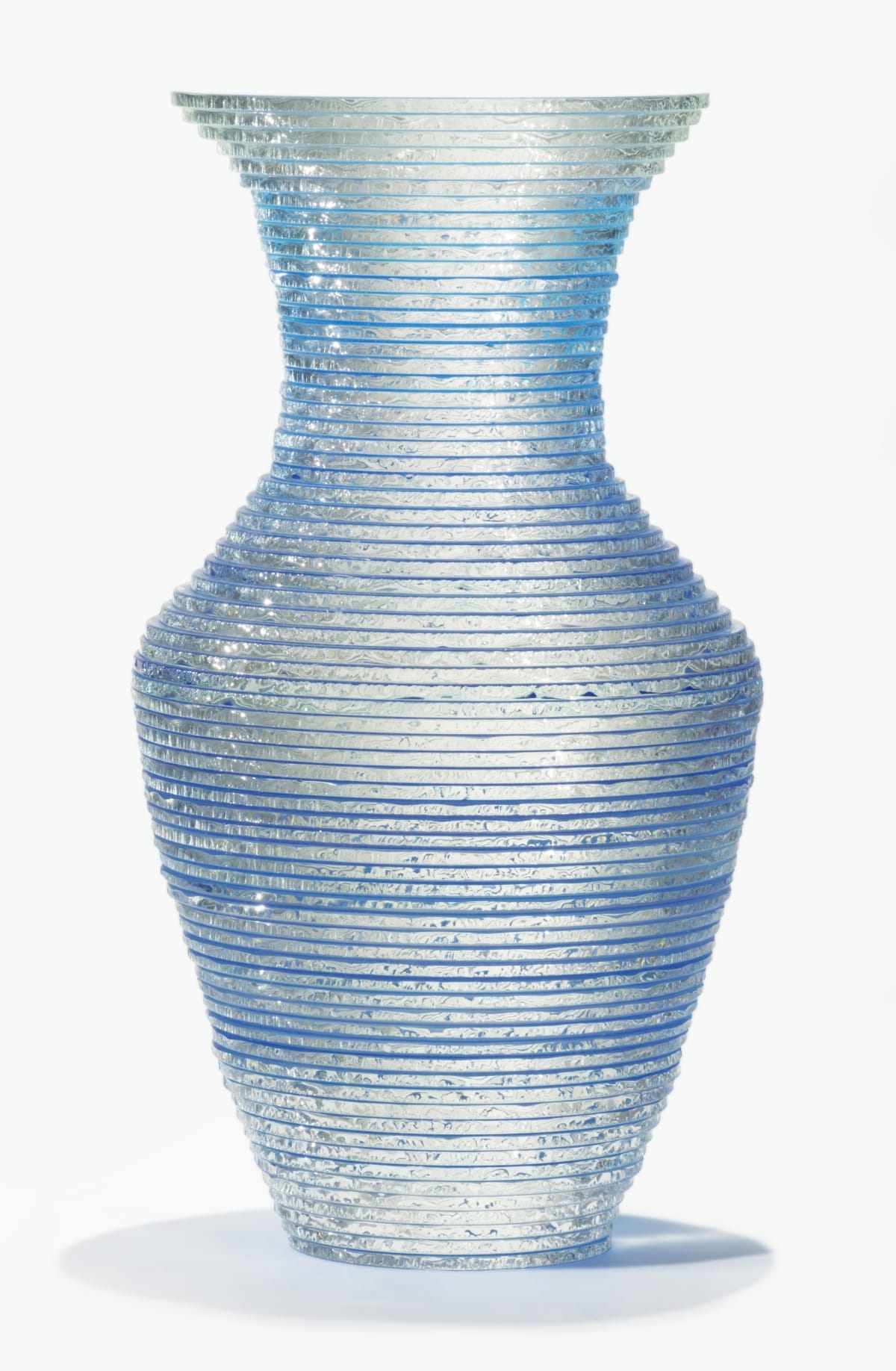
- "Solid Vase Form #15" by Sidney R. Hutter, 1994 - Sidney Hutter creates nonfunctional vessels through cold working (grinding and polishing) slabs of industrial plate glass. The slabs are held together by an adhesive cured by ultraviolet light. Hutter adds color to the adhesive between each layer of glass to create his prismatic artwork. Not everything he creates is fine art, however. Hutter also has a commercial line of home décor.
- 1994
- Collections - Artifact
"Solid Vase Form #15" by Sidney R. Hutter, 1994
Sidney Hutter creates nonfunctional vessels through cold working (grinding and polishing) slabs of industrial plate glass. The slabs are held together by an adhesive cured by ultraviolet light. Hutter adds color to the adhesive between each layer of glass to create his prismatic artwork. Not everything he creates is fine art, however. Hutter also has a commercial line of home décor.
- Covered Vase, 1889 -
- 1889
- Collections - Artifact
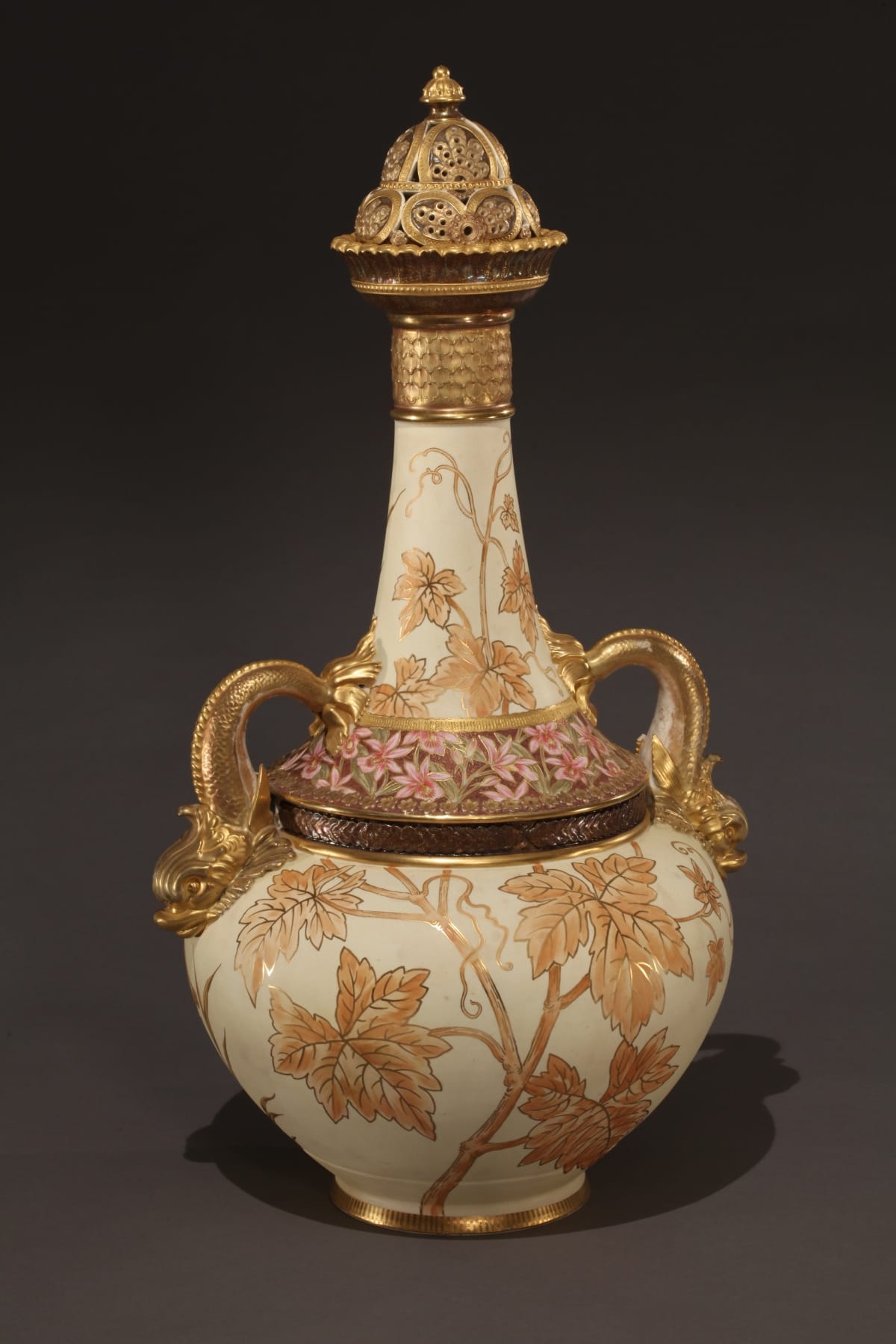
Covered Vase, 1889