
Search
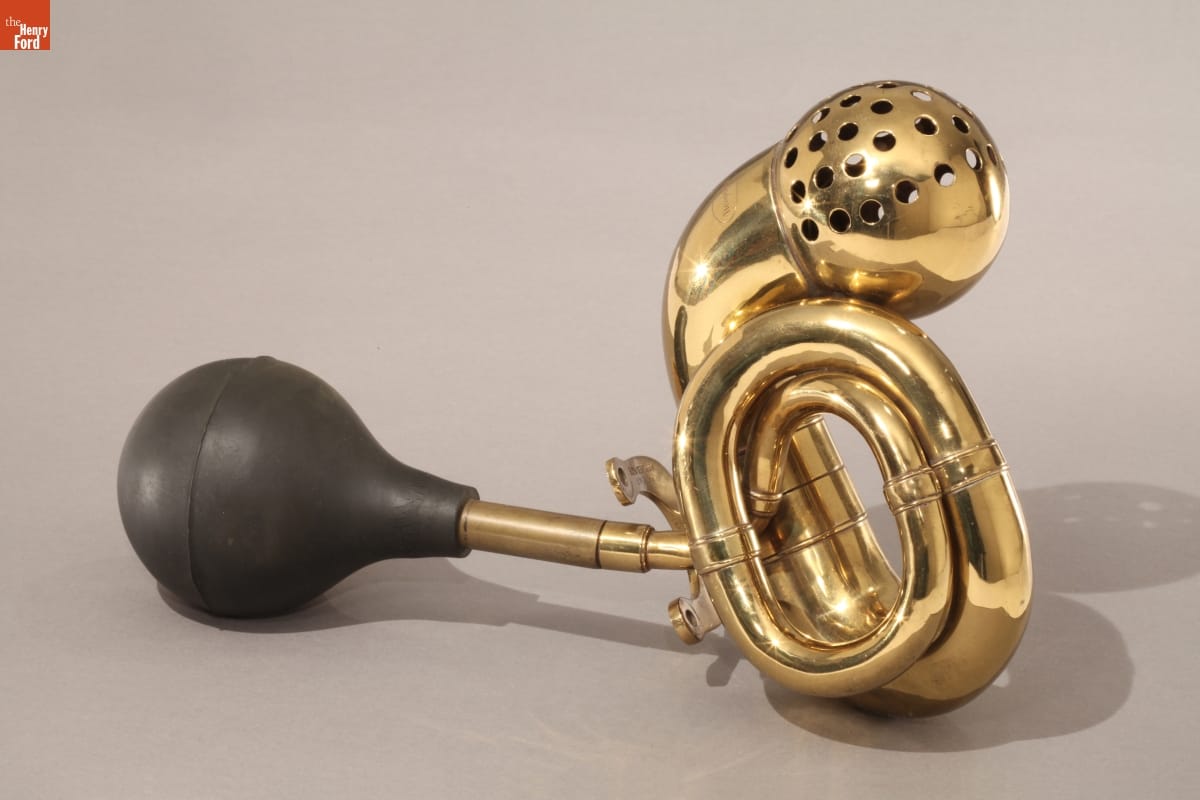
- Brass Automobile Bulb Horn, circa 1910 - Pedestrians, animals, and horse-drawn vehicles needed to be alerted when early motorists travelled down America's rural dirt roads or urban paved streets. Brass horns were one option, along with whistles and bells, available to motorists to signal others to oncoming automobiles.
- circa 1910
- Collections - Artifact
Brass Automobile Bulb Horn, circa 1910
Pedestrians, animals, and horse-drawn vehicles needed to be alerted when early motorists travelled down America's rural dirt roads or urban paved streets. Brass horns were one option, along with whistles and bells, available to motorists to signal others to oncoming automobiles.
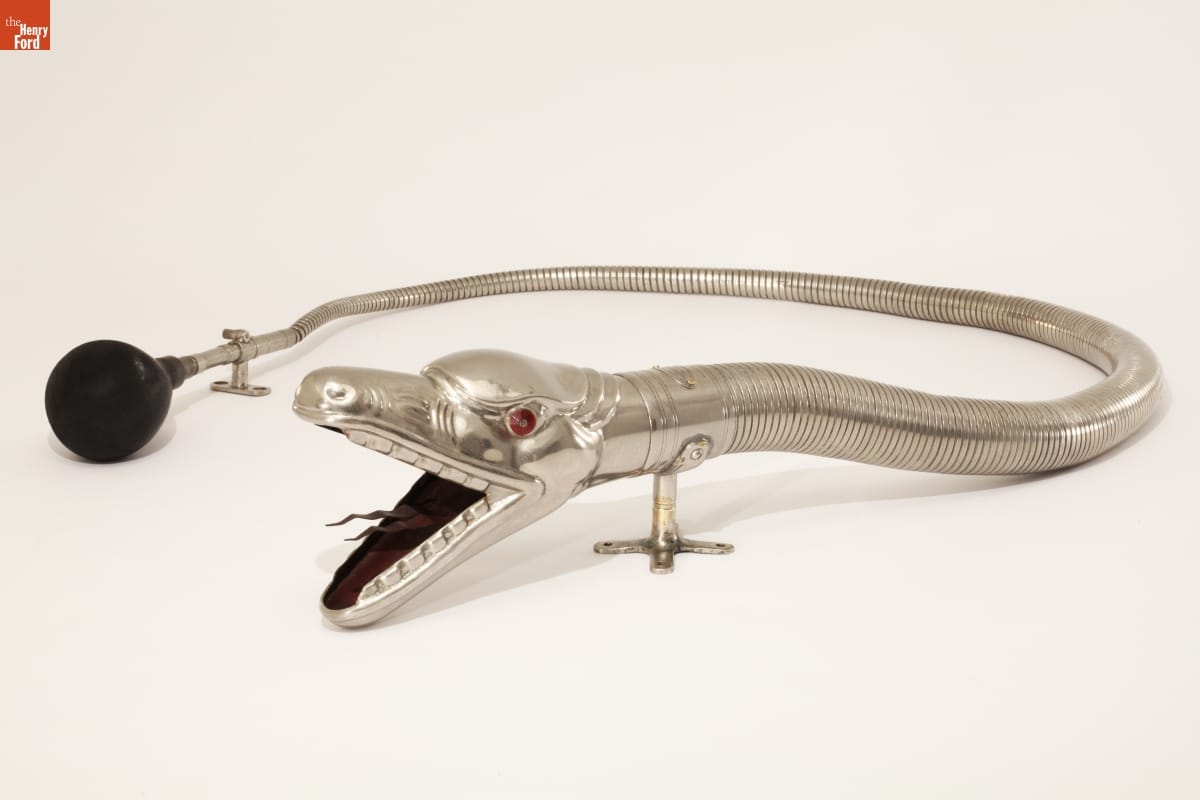
- Boa Constrictor Automobile Horn, circa 1910 - Motor vehicles can be dangerous if you don't hear them coming. Early automobiles were required to have some sort of horn to alert pedestrians, animals and horse-drawn vehicles. Some motorists used whistles or bells. Others installed brass, bulb horns. In addition to the sound this horn made, its snake-like appearance provided an added incentive to move quickly out of the way.
- circa 1910
- Collections - Artifact
Boa Constrictor Automobile Horn, circa 1910
Motor vehicles can be dangerous if you don't hear them coming. Early automobiles were required to have some sort of horn to alert pedestrians, animals and horse-drawn vehicles. Some motorists used whistles or bells. Others installed brass, bulb horns. In addition to the sound this horn made, its snake-like appearance provided an added incentive to move quickly out of the way.
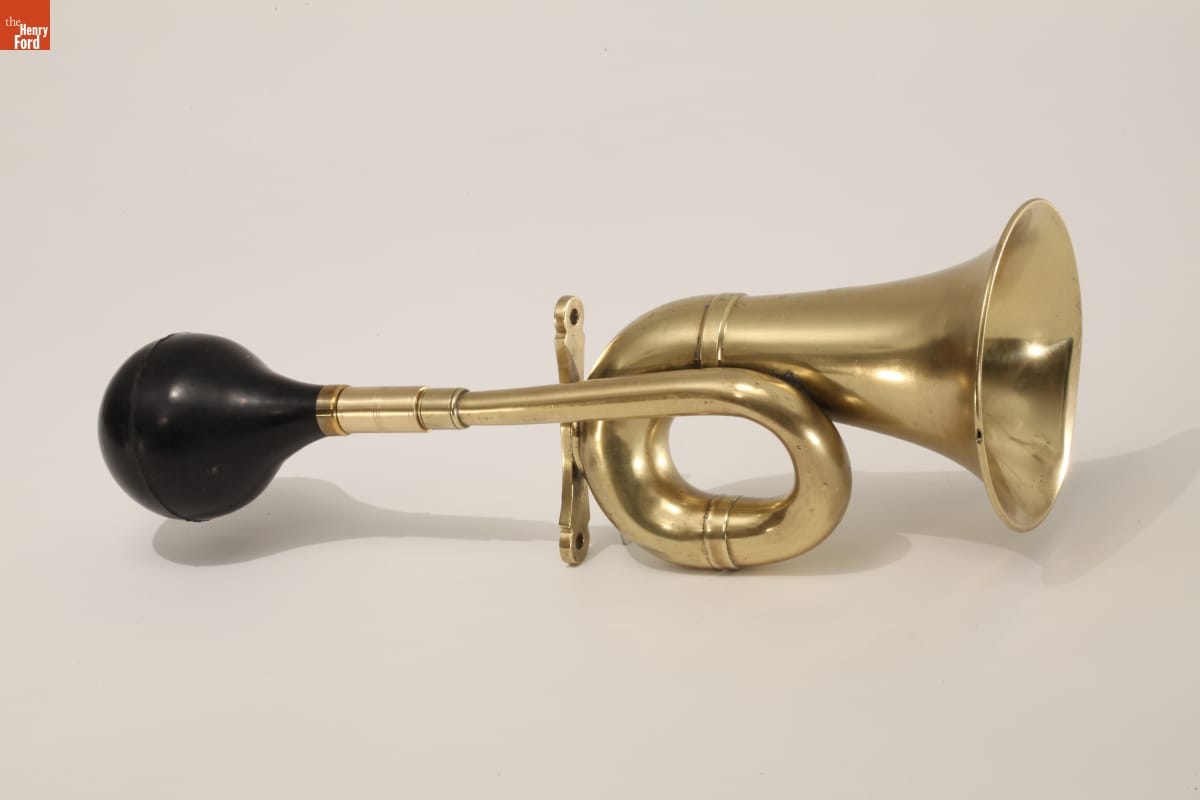
- Volier & Fils Automobile Horn, 1905-1915 - Pedestrians, animals, and horse-drawn vehicles needed to be alerted when early motorists travelled down America's rural dirt roads or urban paved streets. Brass horns were one option, along with whistles and bells, available to motorists to signal others to oncoming automobiles.
- 1905-1915
- Collections - Artifact
Volier & Fils Automobile Horn, 1905-1915
Pedestrians, animals, and horse-drawn vehicles needed to be alerted when early motorists travelled down America's rural dirt roads or urban paved streets. Brass horns were one option, along with whistles and bells, available to motorists to signal others to oncoming automobiles.
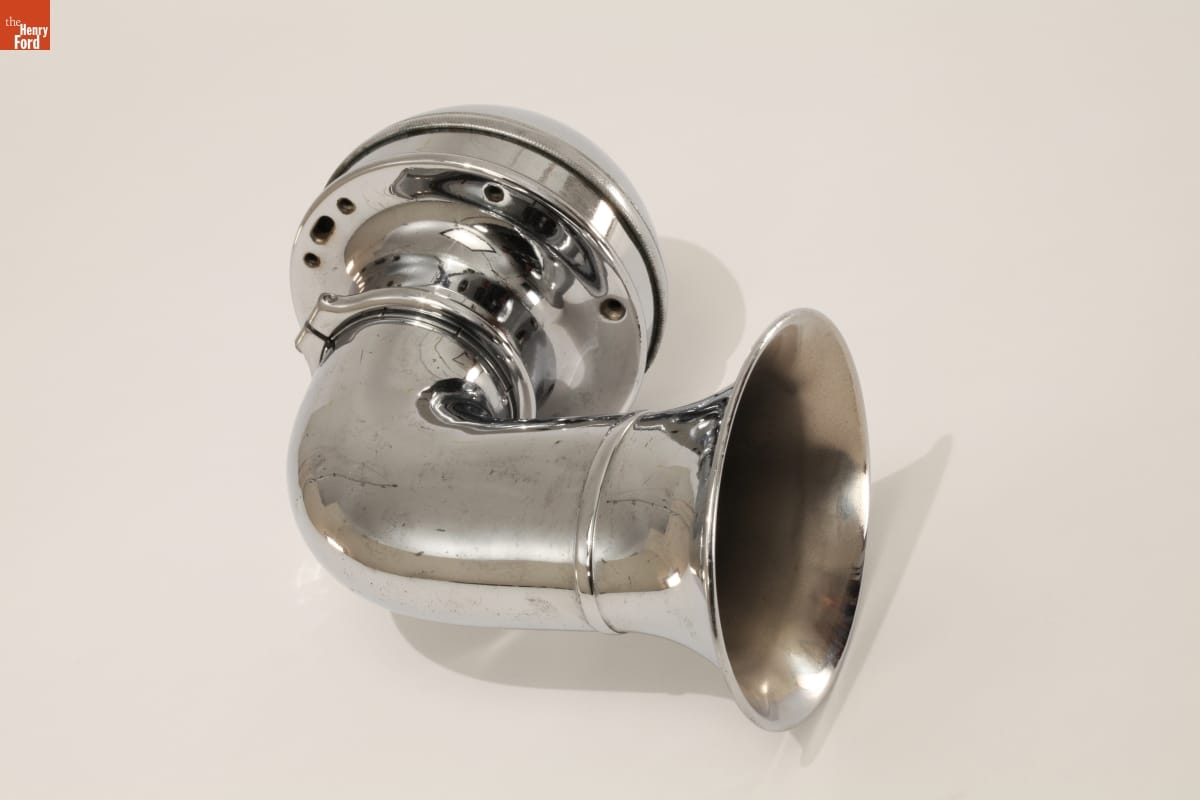
- Bosch Automobile Horn, circa 1930 - Robert Bosch founded his company in Stuttgart, Germany, in 1886. The firm initially manufactured magnetos for stationary internal combustion engines, but it began building automobile magnetos in 1906. Over time, its auto parts line expanded to include batteries, brakes, fuel pumps, light bulbs, wiper blades, and horns -- among many other items.
- circa 1930
- Collections - Artifact
Bosch Automobile Horn, circa 1930
Robert Bosch founded his company in Stuttgart, Germany, in 1886. The firm initially manufactured magnetos for stationary internal combustion engines, but it began building automobile magnetos in 1906. Over time, its auto parts line expanded to include batteries, brakes, fuel pumps, light bulbs, wiper blades, and horns -- among many other items.
- Brass Automobile Air Horn, 1900-1920 - Pedestrians, animals, and horse-drawn vehicles needed to be alerted when early motorists travelled down America's rural dirt roads or urban paved streets. Brass horns were one option, along with whistles and bells, available to motorists to signal others to oncoming automobiles.
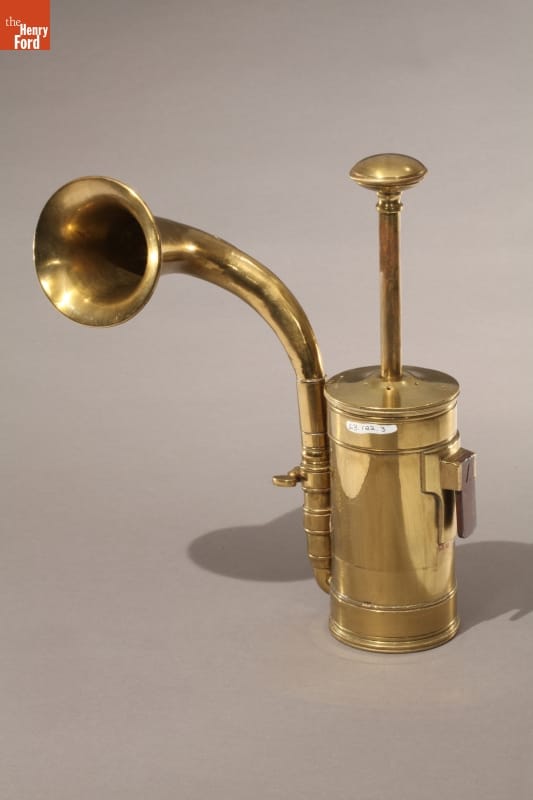
- 1900-1920
- Collections - Artifact
Brass Automobile Air Horn, 1900-1920
Pedestrians, animals, and horse-drawn vehicles needed to be alerted when early motorists travelled down America's rural dirt roads or urban paved streets. Brass horns were one option, along with whistles and bells, available to motorists to signal others to oncoming automobiles.
- Automobile Bulb Horn, 1895-1915 - Pedestrians, animals, and horse-drawn vehicles needed to be alerted when early motorists travelled down America's rural dirt roads or urban paved streets. Brass horns were one option, along with whistles and bells, available to motorists to signal others to oncoming automobiles.
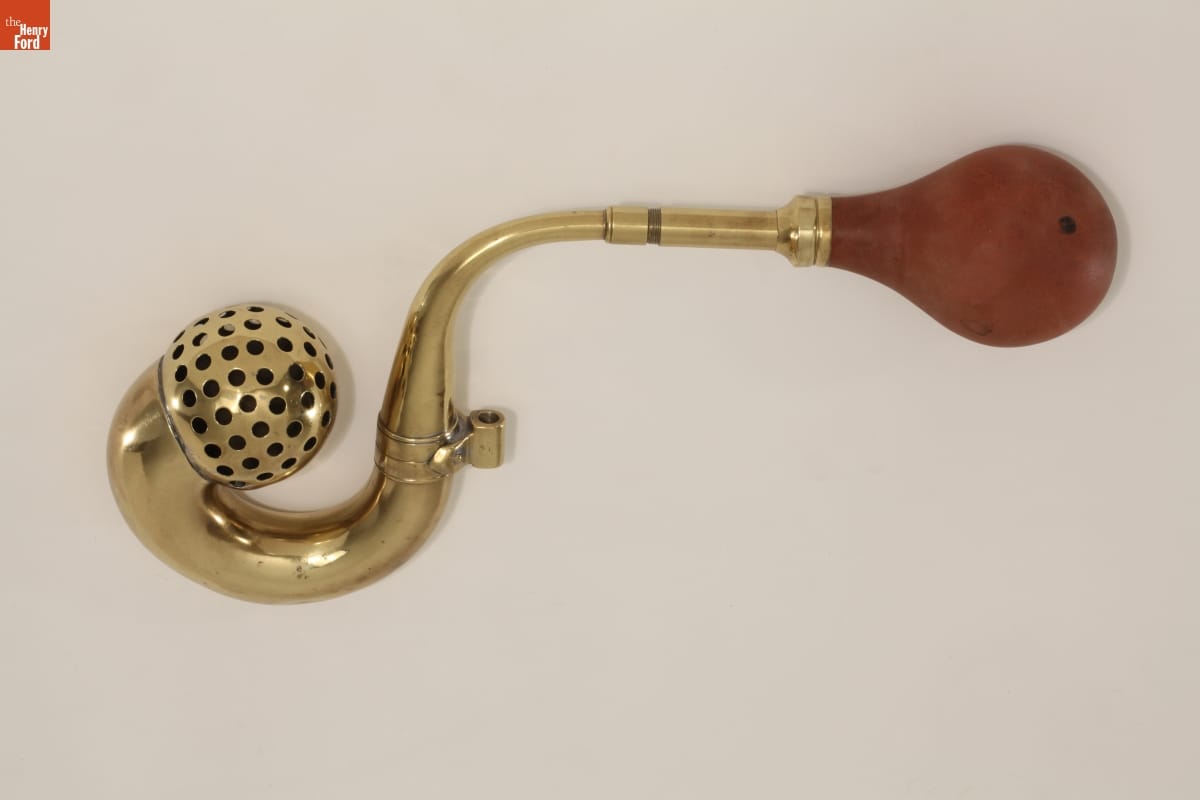
- 1895-1915
- Collections - Artifact
Automobile Bulb Horn, 1895-1915
Pedestrians, animals, and horse-drawn vehicles needed to be alerted when early motorists travelled down America's rural dirt roads or urban paved streets. Brass horns were one option, along with whistles and bells, available to motorists to signal others to oncoming automobiles.
- Automobile Bulb Horn, circa 1905 - Motor vehicles can be dangerous if you don't hear them coming. Early automobiles were required to have some sort of horn to alert pedestrians, animals and horse-drawn vehicles. Some motorists used whistles or bells. Others installed brass, bulb horns. In addition to the sound this horn made, its snake-like appearance provided an added incentive to move quickly out of the way.
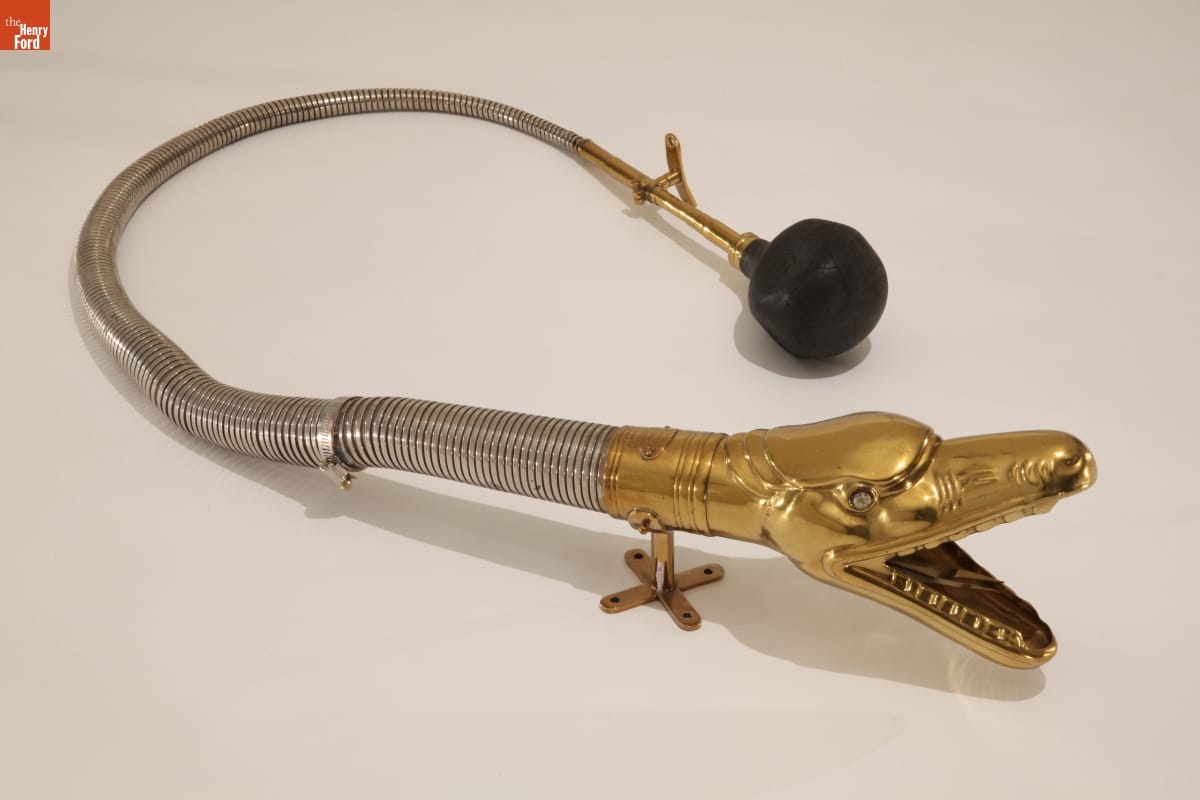
- circa 1905
- Collections - Artifact
Automobile Bulb Horn, circa 1905
Motor vehicles can be dangerous if you don't hear them coming. Early automobiles were required to have some sort of horn to alert pedestrians, animals and horse-drawn vehicles. Some motorists used whistles or bells. Others installed brass, bulb horns. In addition to the sound this horn made, its snake-like appearance provided an added incentive to move quickly out of the way.
- Klaxon Automobile Horn, circa 1908 - Klaxon horns produced noise via an electrically operated vibrating metal diaphragm. They were a significant improvement over basic bulb horns. Drivers only needed to push a button to sound a warning -- easier than squeezing a bulb. Franklyn Lovell, founder of the Lovell-McConnell Manufacturing Company, coined the term "klaxon" from the Greek word "klazo," meaning "to scream."
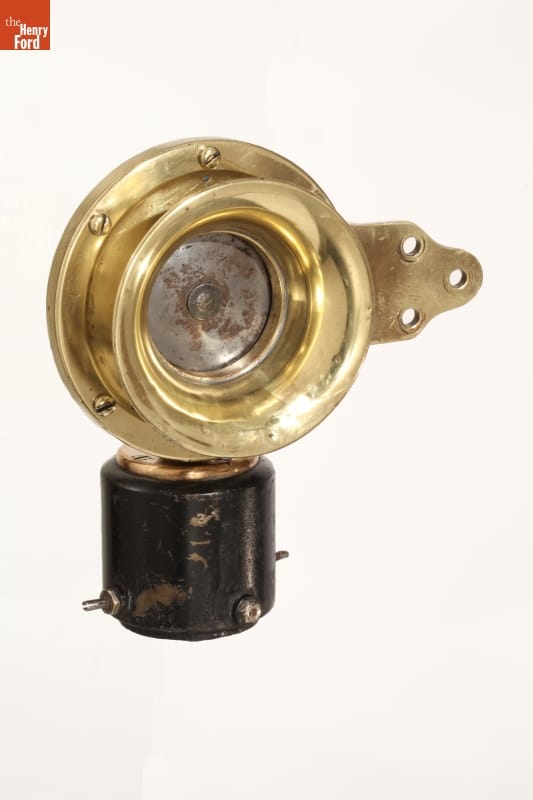
- circa 1908
- Collections - Artifact
Klaxon Automobile Horn, circa 1908
Klaxon horns produced noise via an electrically operated vibrating metal diaphragm. They were a significant improvement over basic bulb horns. Drivers only needed to push a button to sound a warning -- easier than squeezing a bulb. Franklyn Lovell, founder of the Lovell-McConnell Manufacturing Company, coined the term "klaxon" from the Greek word "klazo," meaning "to scream."
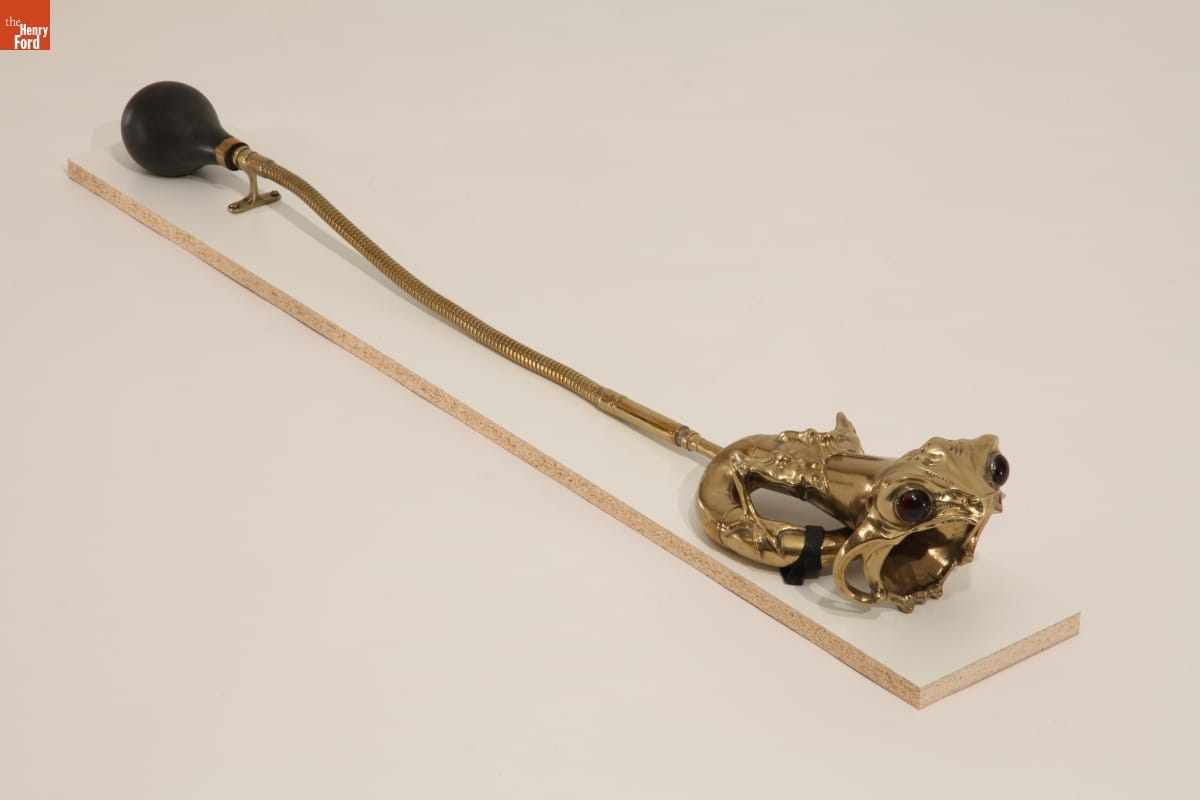
- Automobile Horn, circa 1905 - Pedestrians, animals, and horse-drawn vehicles needed to be alerted when early motorists travelled down America's rural dirt roads or urban paved streets. Brass horns were one option, along with whistles and bells, available to motorists to signal others to oncoming automobiles.
- circa 1905
- Collections - Artifact
Automobile Horn, circa 1905
Pedestrians, animals, and horse-drawn vehicles needed to be alerted when early motorists travelled down America's rural dirt roads or urban paved streets. Brass horns were one option, along with whistles and bells, available to motorists to signal others to oncoming automobiles.
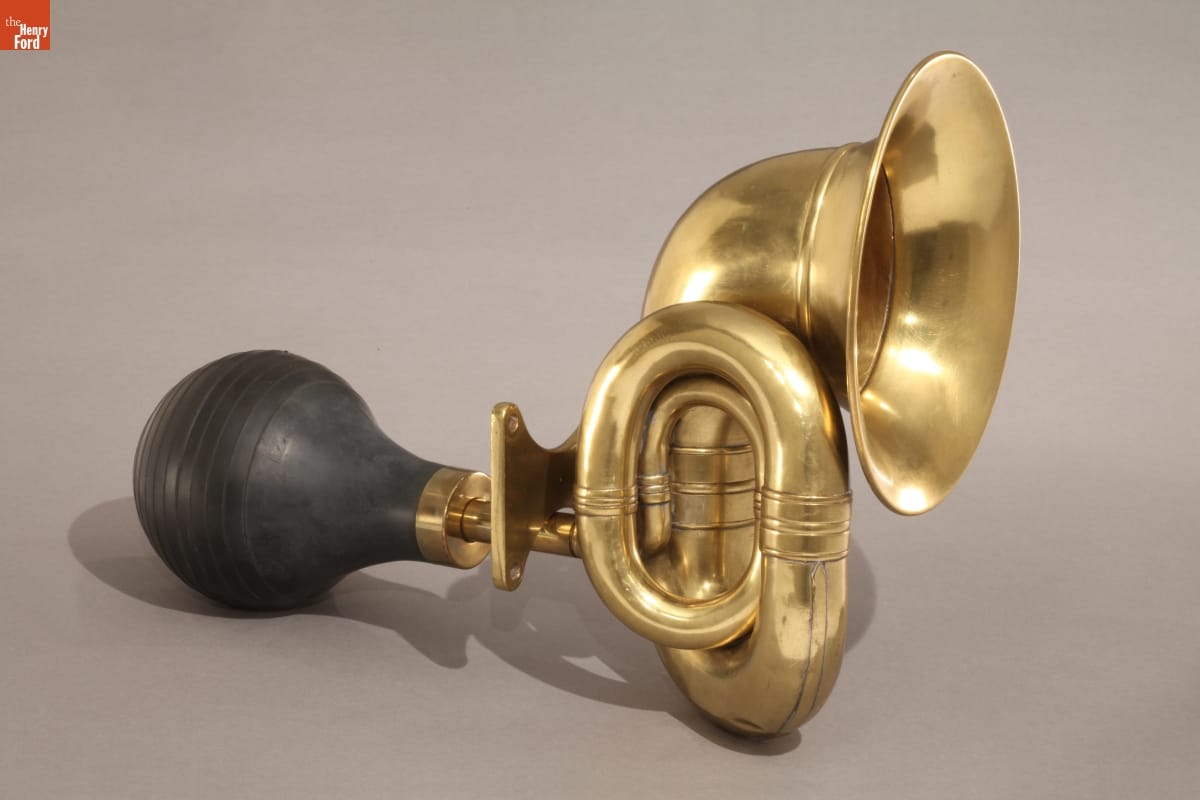
- Volier & Fils Brass Automobile Horn, 1905-1910 - Pedestrians, animals, and horse-drawn vehicles needed to be alerted when early motorists travelled down America's rural dirt roads or urban paved streets. Brass horns were one option, along with whistles and bells, available to motorists to signal others to oncoming automobiles.
- 1905-1910
- Collections - Artifact
Volier & Fils Brass Automobile Horn, 1905-1910
Pedestrians, animals, and horse-drawn vehicles needed to be alerted when early motorists travelled down America's rural dirt roads or urban paved streets. Brass horns were one option, along with whistles and bells, available to motorists to signal others to oncoming automobiles.