
Search
- Portrait of an American Civil War Veteran, circa 1890 -
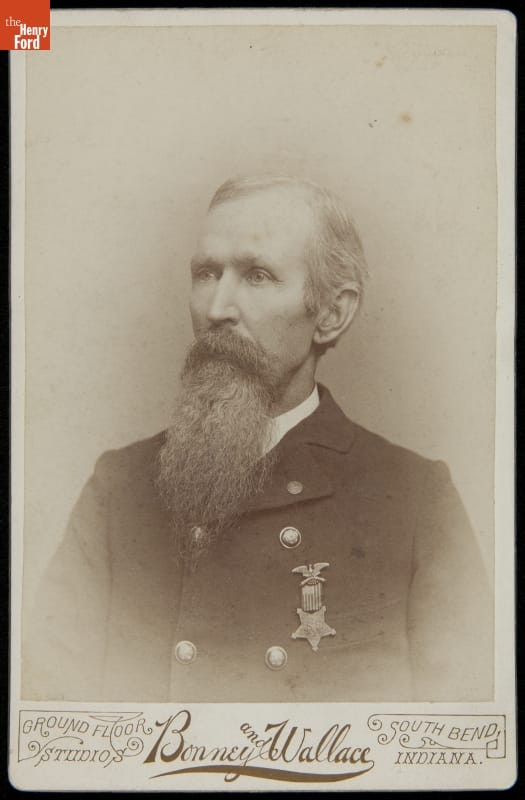
- circa 1890
- Collections - Artifact
Portrait of an American Civil War Veteran, circa 1890
- Disabled Veteran Carl Bronner Displays Typing Abilities, Dearborn Independent, September 1922 -
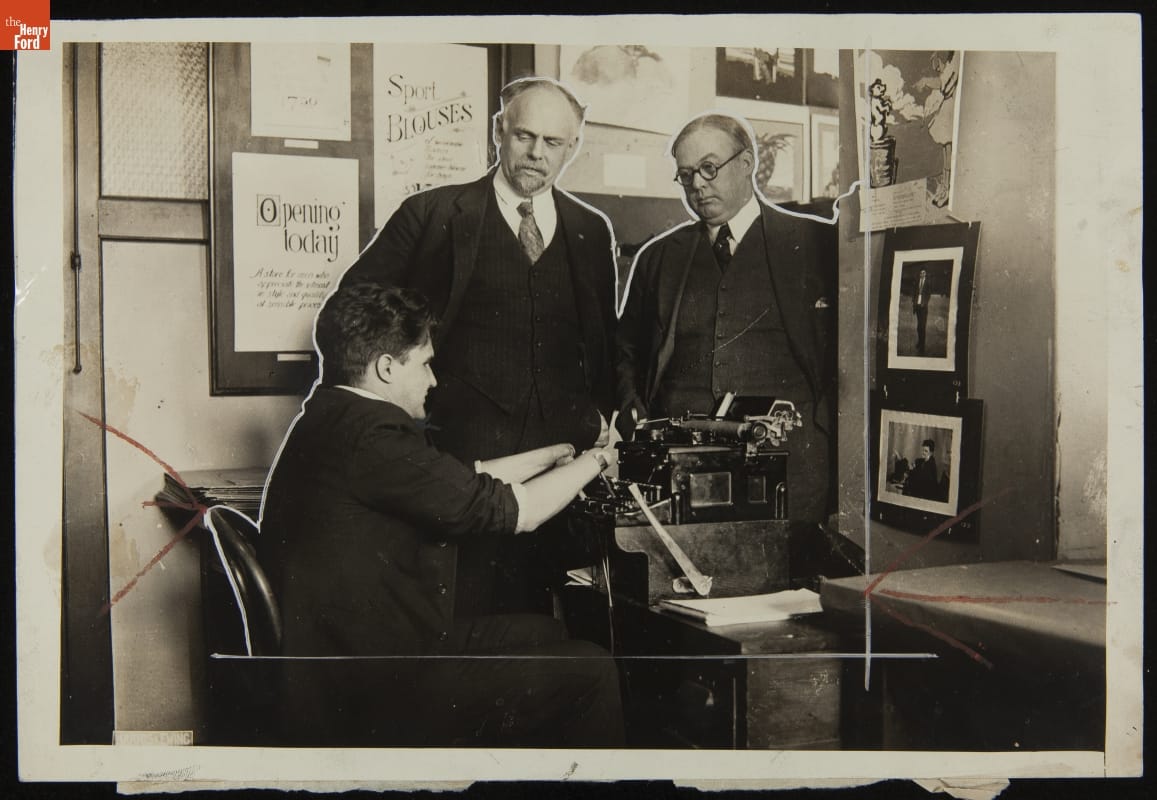
- 1921-1922
- Collections - Artifact
Disabled Veteran Carl Bronner Displays Typing Abilities, Dearborn Independent, September 1922
- Disabled Veteran Learning Precision Casting Work, Camp Legion Vocational School, November 1944 - Henry Ford opened Camp Legion, near Dearborn, Michigan, in 1938 for sons of dead or disabled World War I veterans. The young men earned steady wages working there seasonally from April-November. The camp's mission was modified in 1944 to include rehabilitation of World War II veterans with disabilities. Veterans learned new skills to help them reenter the workforce.
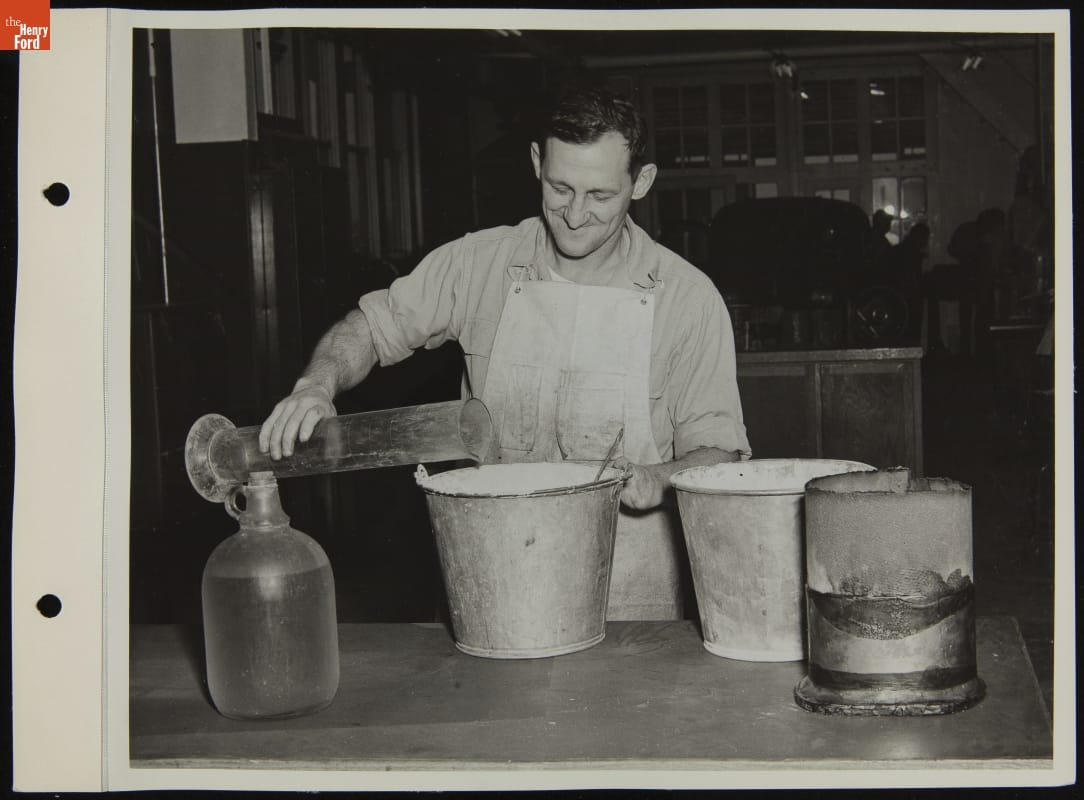
- November 28, 1944
- Collections - Artifact
Disabled Veteran Learning Precision Casting Work, Camp Legion Vocational School, November 1944
Henry Ford opened Camp Legion, near Dearborn, Michigan, in 1938 for sons of dead or disabled World War I veterans. The young men earned steady wages working there seasonally from April-November. The camp's mission was modified in 1944 to include rehabilitation of World War II veterans with disabilities. Veterans learned new skills to help them reenter the workforce.
- World War I Veterans Demonstrate Use of Their Artificial Limbs to World War II Veterans at Camp Legion, July 1944 - Henry Ford opened Camp Legion, near Dearborn, Michigan, in 1938 for sons of dead or disabled World War I veterans. The young men earned steady wages working there seasonally from April-November. The camp's mission was modified in 1944 to include rehabilitation of World War II veterans with disabilities. Veterans learned new skills to help them reenter the workforce.
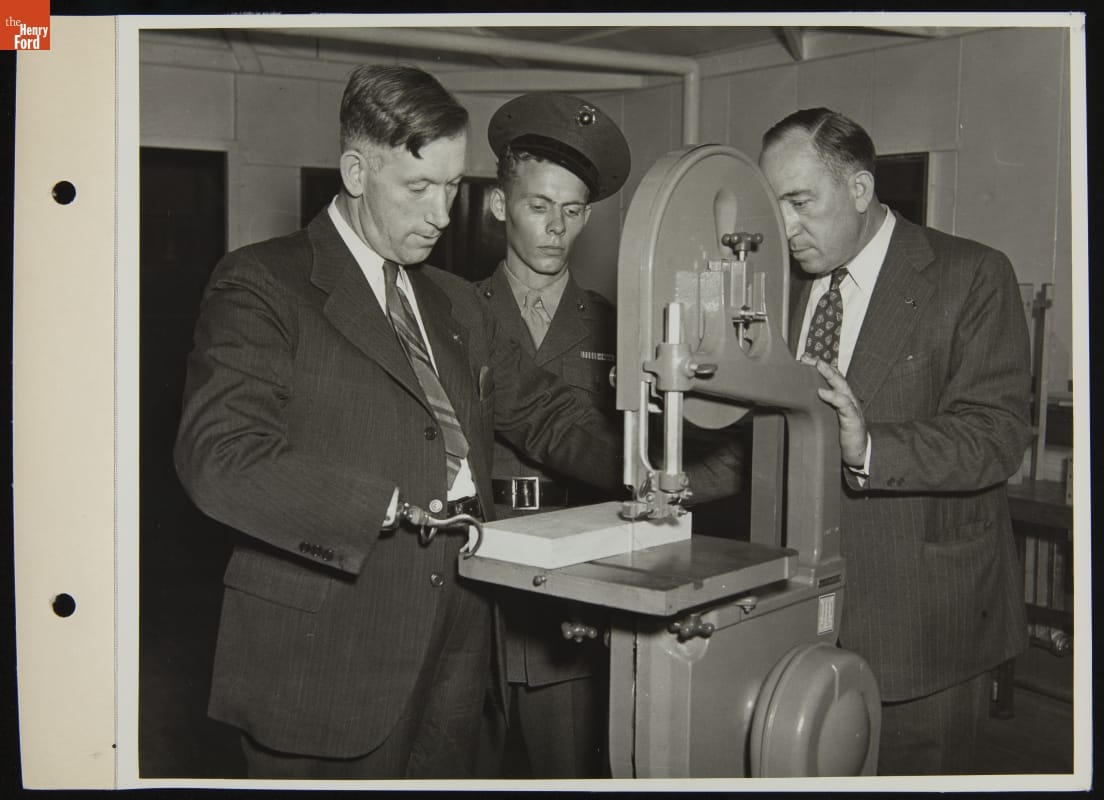
- July 18, 1944
- Collections - Artifact
World War I Veterans Demonstrate Use of Their Artificial Limbs to World War II Veterans at Camp Legion, July 1944
Henry Ford opened Camp Legion, near Dearborn, Michigan, in 1938 for sons of dead or disabled World War I veterans. The young men earned steady wages working there seasonally from April-November. The camp's mission was modified in 1944 to include rehabilitation of World War II veterans with disabilities. Veterans learned new skills to help them reenter the workforce.
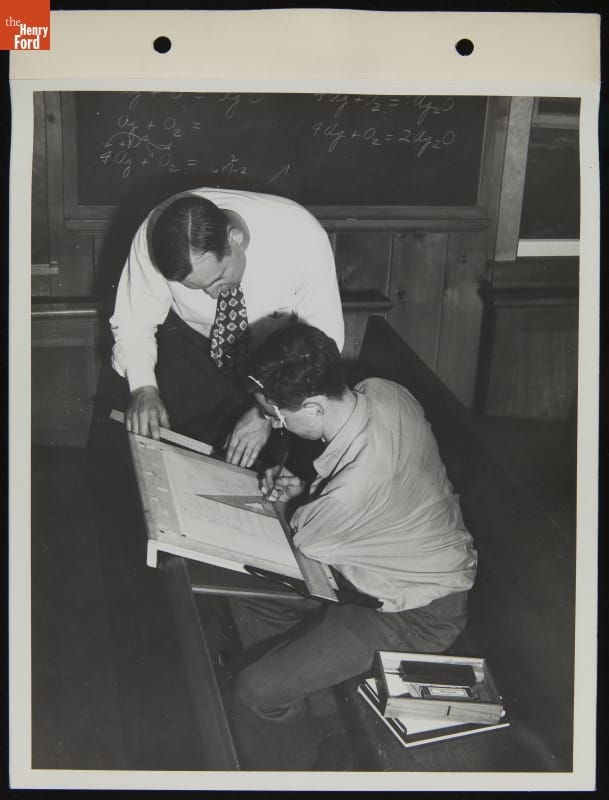
- Disabled Veteran in Class at Camp Legion Vocational School, August 1944 - Henry Ford opened Camp Legion, near Dearborn, Michigan, in 1938 for sons of dead or disabled World War I veterans. The young men earned steady wages working there seasonally from April-November. The camp's mission was modified in 1944 to include rehabilitation of World War II veterans with disabilities. Veterans learned new skills to help them reenter the workforce.
- August 12, 1944
- Collections - Artifact
Disabled Veteran in Class at Camp Legion Vocational School, August 1944
Henry Ford opened Camp Legion, near Dearborn, Michigan, in 1938 for sons of dead or disabled World War I veterans. The young men earned steady wages working there seasonally from April-November. The camp's mission was modified in 1944 to include rehabilitation of World War II veterans with disabilities. Veterans learned new skills to help them reenter the workforce.
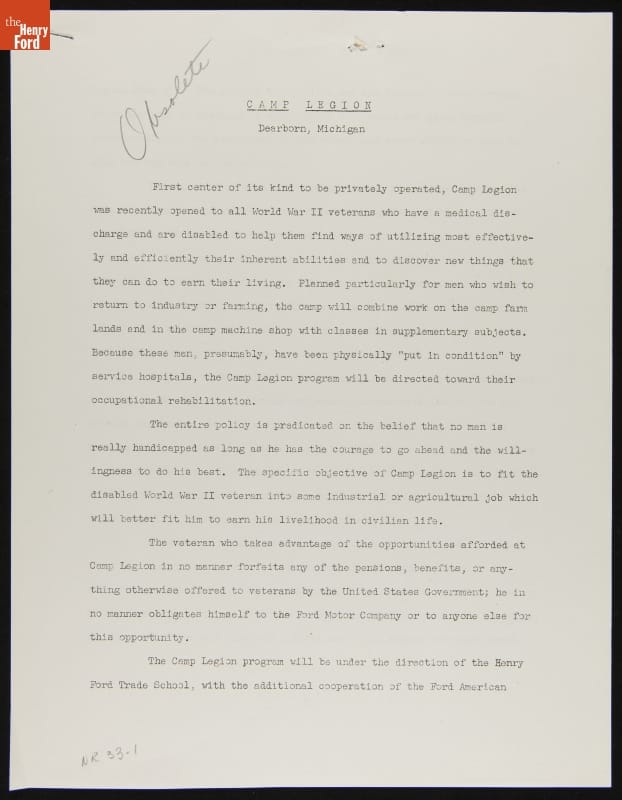
- Camp Legion Opened to Give Occupational Rehabilitation to Disabled Veterans, Ford Press Release, 1944 - Henry Ford opened Camp Legion, near Dearborn, Michigan, in 1938 for sons of dead or disabled World War I veterans. The young men earned steady wages working there seasonally from April-November. The camp's mission was modified in 1944 to include rehabilitation of World War II veterans with disabilities. Veterans learned new skills to help them reenter the workforce.
- 1944
- Collections - Artifact
Camp Legion Opened to Give Occupational Rehabilitation to Disabled Veterans, Ford Press Release, 1944
Henry Ford opened Camp Legion, near Dearborn, Michigan, in 1938 for sons of dead or disabled World War I veterans. The young men earned steady wages working there seasonally from April-November. The camp's mission was modified in 1944 to include rehabilitation of World War II veterans with disabilities. Veterans learned new skills to help them reenter the workforce.
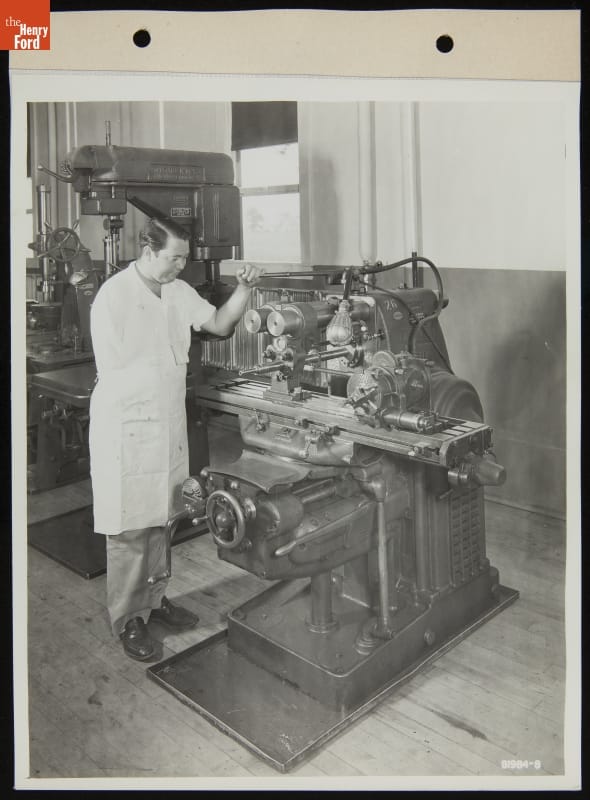
- Disabled Veteran Operating Machinery at Camp Legion Vocational School, July 1945 - Henry Ford opened Camp Legion, near Dearborn, Michigan, in 1938 for sons of dead or disabled World War I veterans. The young men earned steady wages working there seasonally from April-November. The camp's mission was modified in 1944 to include rehabilitation of World War II veterans with disabilities. Veterans learned new skills to help them reenter the workforce.
- July 24, 1945
- Collections - Artifact
Disabled Veteran Operating Machinery at Camp Legion Vocational School, July 1945
Henry Ford opened Camp Legion, near Dearborn, Michigan, in 1938 for sons of dead or disabled World War I veterans. The young men earned steady wages working there seasonally from April-November. The camp's mission was modified in 1944 to include rehabilitation of World War II veterans with disabilities. Veterans learned new skills to help them reenter the workforce.
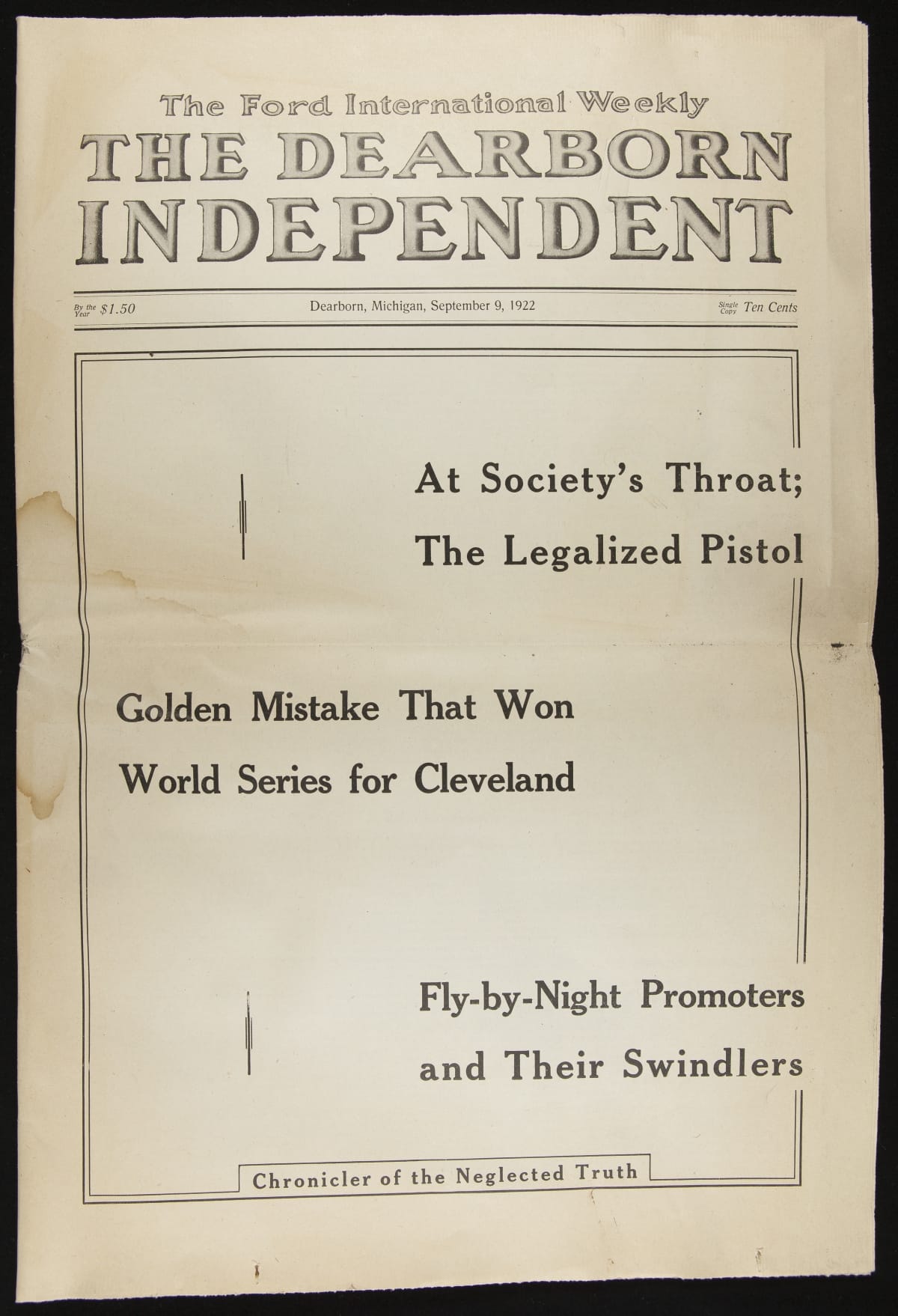
- Dearborn Independent Newspaper for September 9, 1922 - Henry Ford purchased <em>The Dearborn Independent</em> and published it under his name from 1919 to 1927. It served as a forum for Ford's views, free from other media outlets that had attacked his work and values and were outside his control. <em>The Dearborn Independent</em> covered world events, business and economic news, and fiction from noted authors. Sadly, it also served as an outlet for Ford's anti-Semitic sentiments. Between 1920 and 1922, the weekly paper ran a series of front-page articles that denounced all things Jewish. Even after this series, many articles contained anti-Jewish language. Though Ford later apologized and printed a retraction, these notoriously anti-Semitic editorials and articles forever tarnished the influential automaker's reputation.
- September 09, 1922
- Collections - Artifact
Dearborn Independent Newspaper for September 9, 1922
Henry Ford purchased The Dearborn Independent and published it under his name from 1919 to 1927. It served as a forum for Ford's views, free from other media outlets that had attacked his work and values and were outside his control. The Dearborn Independent covered world events, business and economic news, and fiction from noted authors. Sadly, it also served as an outlet for Ford's anti-Semitic sentiments. Between 1920 and 1922, the weekly paper ran a series of front-page articles that denounced all things Jewish. Even after this series, many articles contained anti-Jewish language. Though Ford later apologized and printed a retraction, these notoriously anti-Semitic editorials and articles forever tarnished the influential automaker's reputation.
- Veterans Hospital Dedication, Southfield and Outer Drive, Allen Park, Michigan, June 1939 - Clara and Henry Ford donated land in Allen Park, Michigan, for a veterans hospital. Ground was broken in 1937, and the facility opened two years later. Expanded multiple times after World War II, the hospital ultimately was replaced by an all-new facility in nearby Detroit in 1996. The original Allen Park VA Medical Center buildings were demolished starting in 2002.
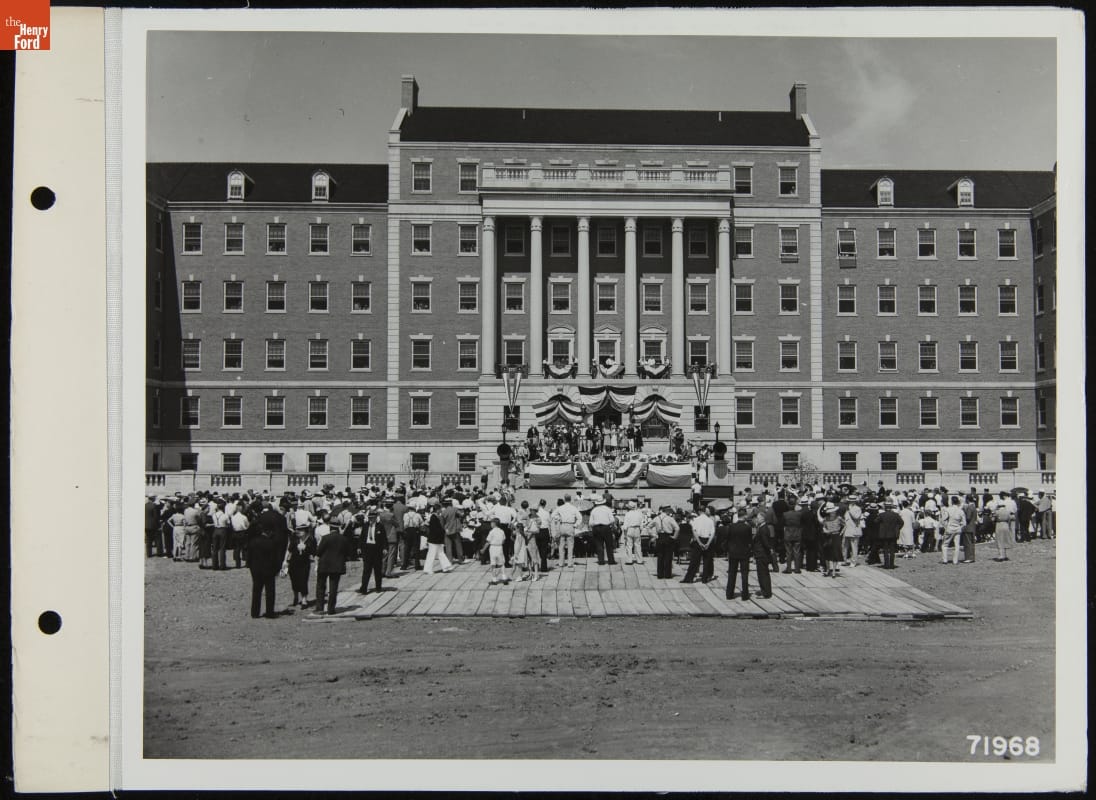
- June 20, 1939
- Collections - Artifact
Veterans Hospital Dedication, Southfield and Outer Drive, Allen Park, Michigan, June 1939
Clara and Henry Ford donated land in Allen Park, Michigan, for a veterans hospital. Ground was broken in 1937, and the facility opened two years later. Expanded multiple times after World War II, the hospital ultimately was replaced by an all-new facility in nearby Detroit in 1996. The original Allen Park VA Medical Center buildings were demolished starting in 2002.
- Entertainment at the Allen Park Veterans Hospital, March 1945 - Clara and Henry Ford donated land in Allen Park, Michigan, for a veterans hospital. Ground was broken in 1937, and the facility opened two years later. Expanded multiple times after World War II, the hospital ultimately was replaced by an all-new facility in nearby Detroit in 1996. The original Allen Park VA Medical Center buildings were demolished starting in 2002.
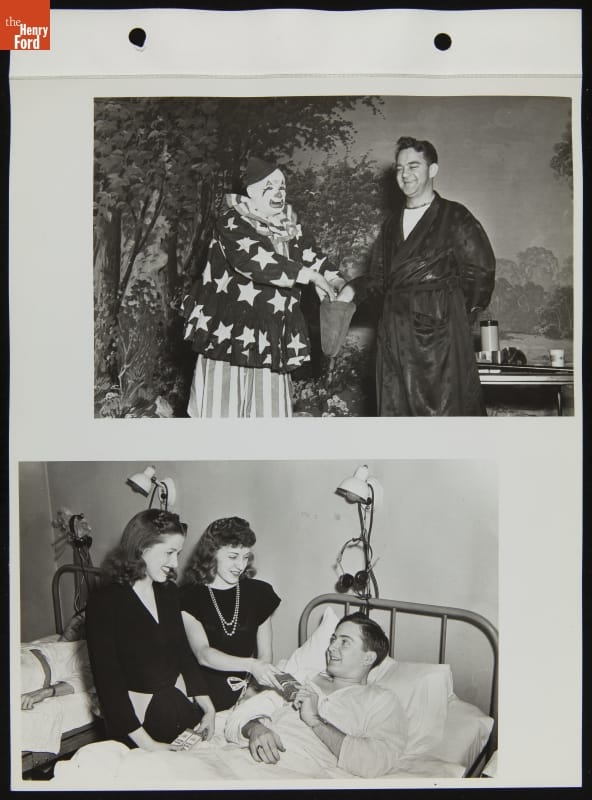
- March 08, 1945
- Collections - Artifact
Entertainment at the Allen Park Veterans Hospital, March 1945
Clara and Henry Ford donated land in Allen Park, Michigan, for a veterans hospital. Ground was broken in 1937, and the facility opened two years later. Expanded multiple times after World War II, the hospital ultimately was replaced by an all-new facility in nearby Detroit in 1996. The original Allen Park VA Medical Center buildings were demolished starting in 2002.