
Search
- Veterinary Pharmaceutical Kit, 1910-1920 - Veterinarians carried medicines and drugs in kits like this as they traveled to care for animals. This case, emblazoned with the name of Parke, Davis and Company, a large pharmaceutical firm that manufactured high-quality drugs, contained medicines they might need to do their work. Dr. F. Eugene Eads, who once headed the veterinary department at Parke-Davis, owned this case.
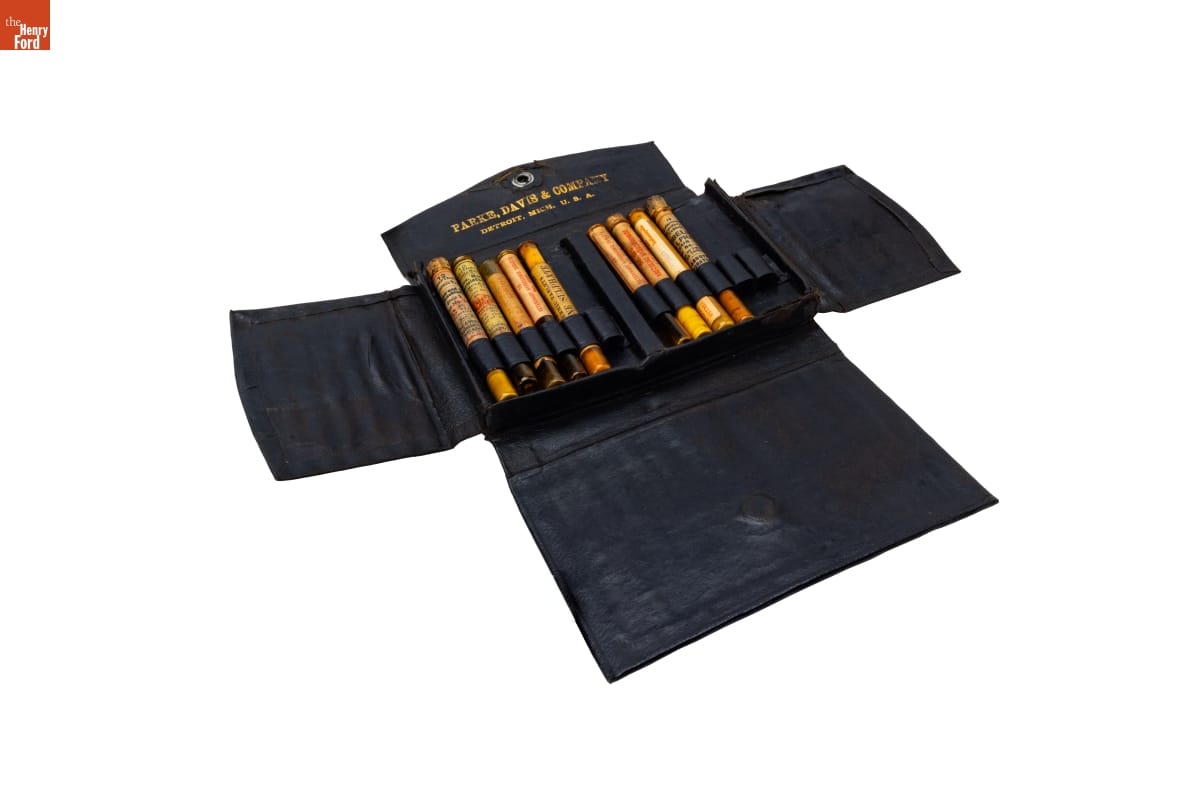
- 1910-1920
- Collections - Artifact
Veterinary Pharmaceutical Kit, 1910-1920
Veterinarians carried medicines and drugs in kits like this as they traveled to care for animals. This case, emblazoned with the name of Parke, Davis and Company, a large pharmaceutical firm that manufactured high-quality drugs, contained medicines they might need to do their work. Dr. F. Eugene Eads, who once headed the veterinary department at Parke-Davis, owned this case.
- Medication Dispensing Envelopes, circa 1960 -
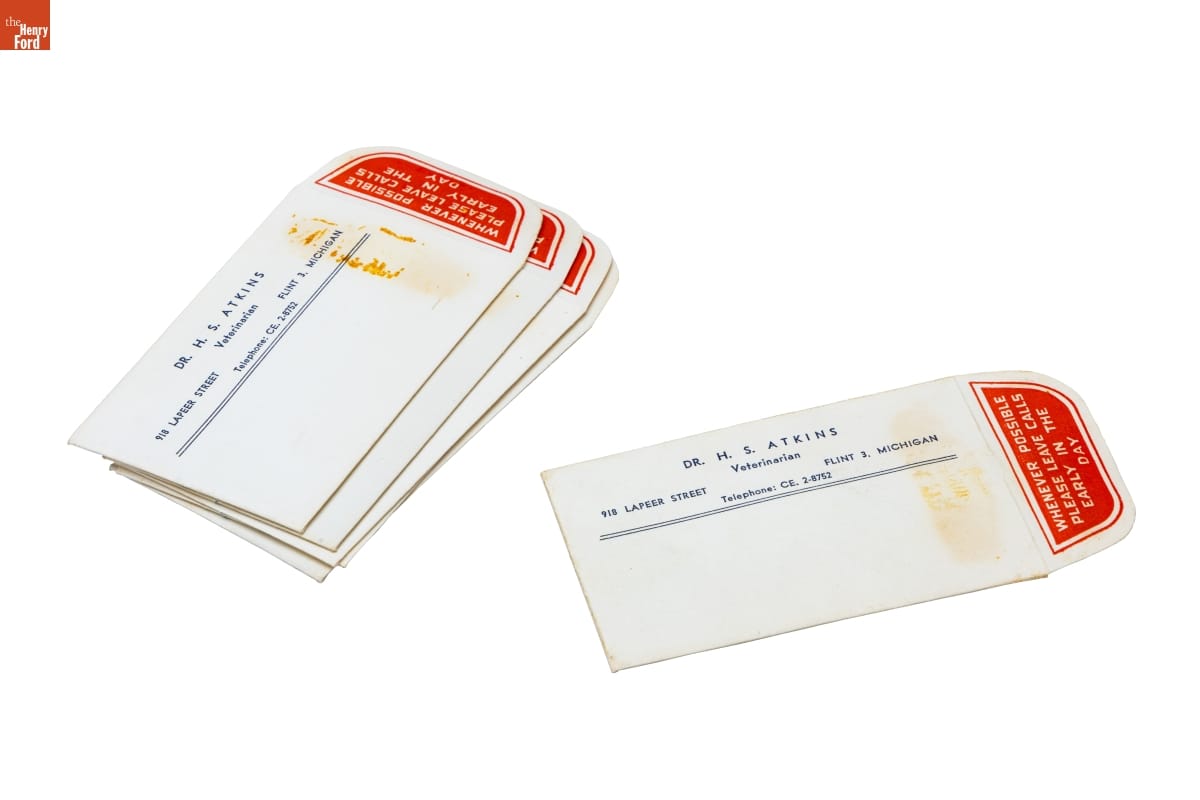
- circa 1960
- Collections - Artifact
Medication Dispensing Envelopes, circa 1960
- Veterinary Pharmaceutical Kit, circa 1920 - Parke, Davis and Company was a leading pharmaceutical firm that manufactured high-quality drugs in the late 19th and 20th centuries. The Detroit, Michigan, company distributed its products to physicians and veterinarians. Dr. F. Eugene Eads, who once headed the veterinary department at Parke-Davis, owned this case.
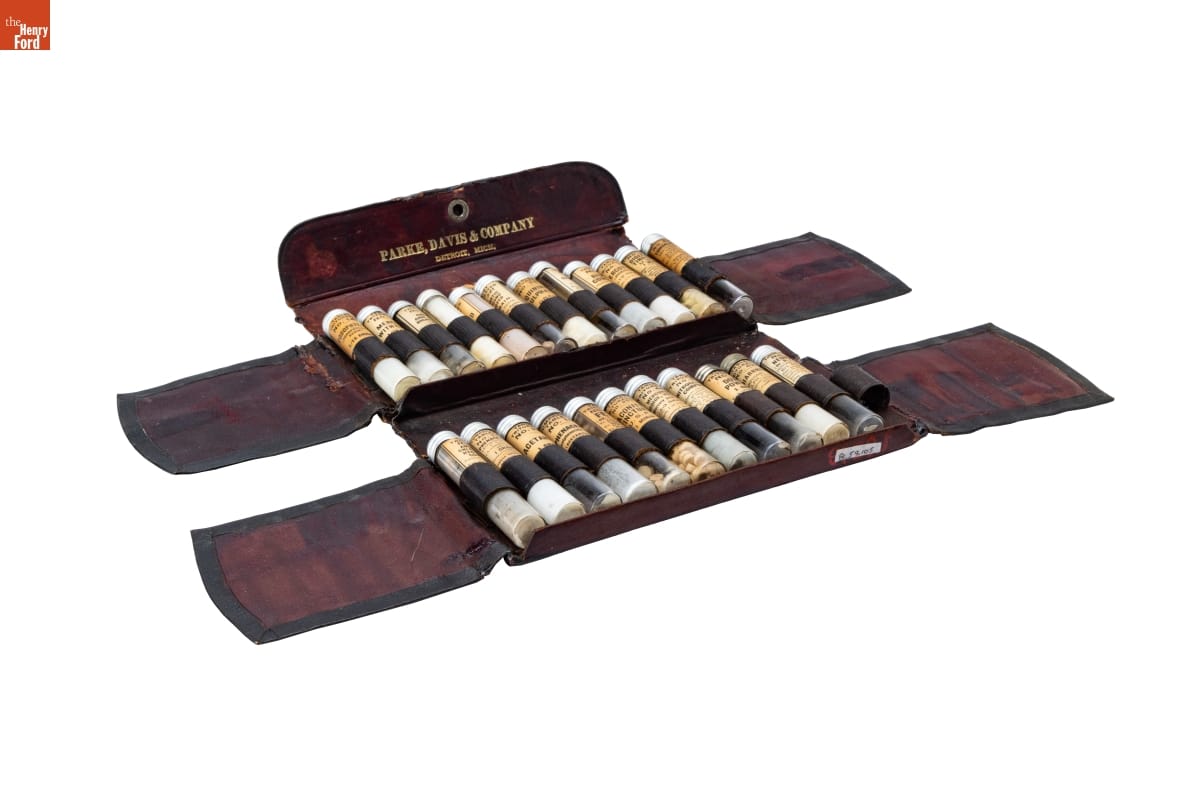
- circa 1920
- Collections - Artifact
Veterinary Pharmaceutical Kit, circa 1920
Parke, Davis and Company was a leading pharmaceutical firm that manufactured high-quality drugs in the late 19th and 20th centuries. The Detroit, Michigan, company distributed its products to physicians and veterinarians. Dr. F. Eugene Eads, who once headed the veterinary department at Parke-Davis, owned this case.
- Test Strips -
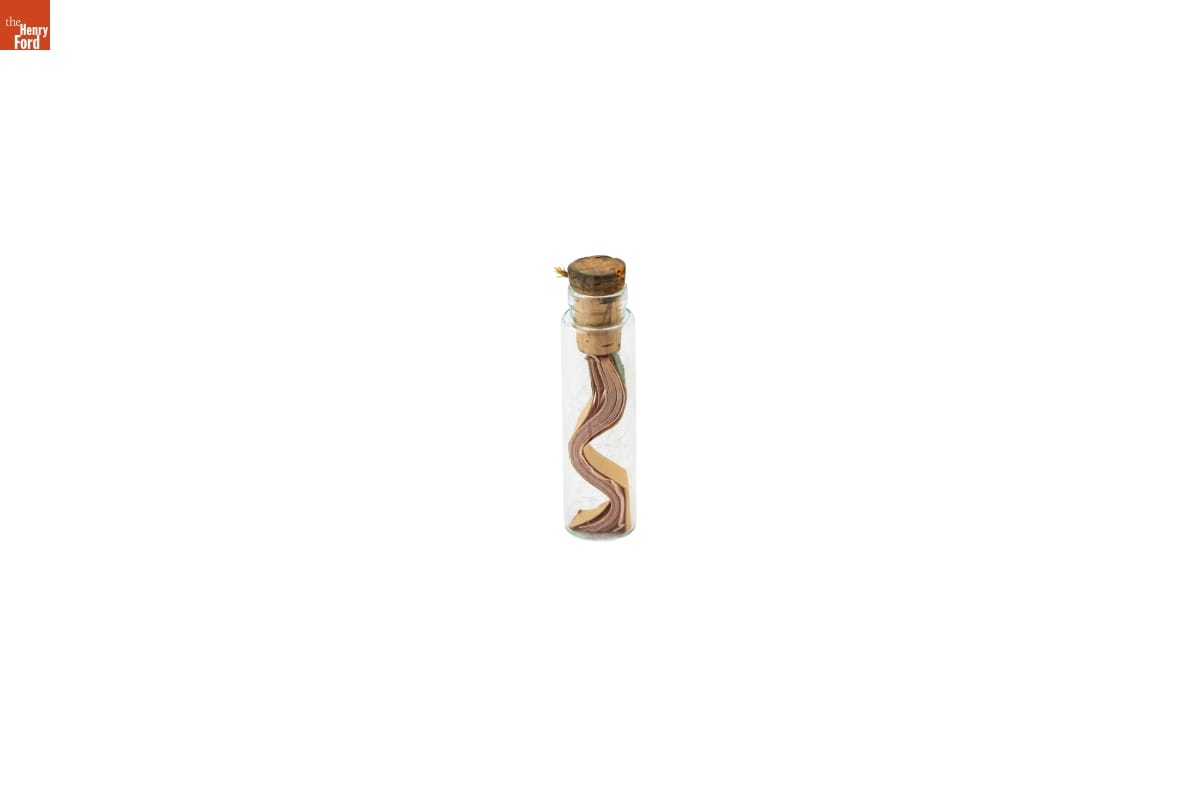
- Collections - Artifact
Test Strips
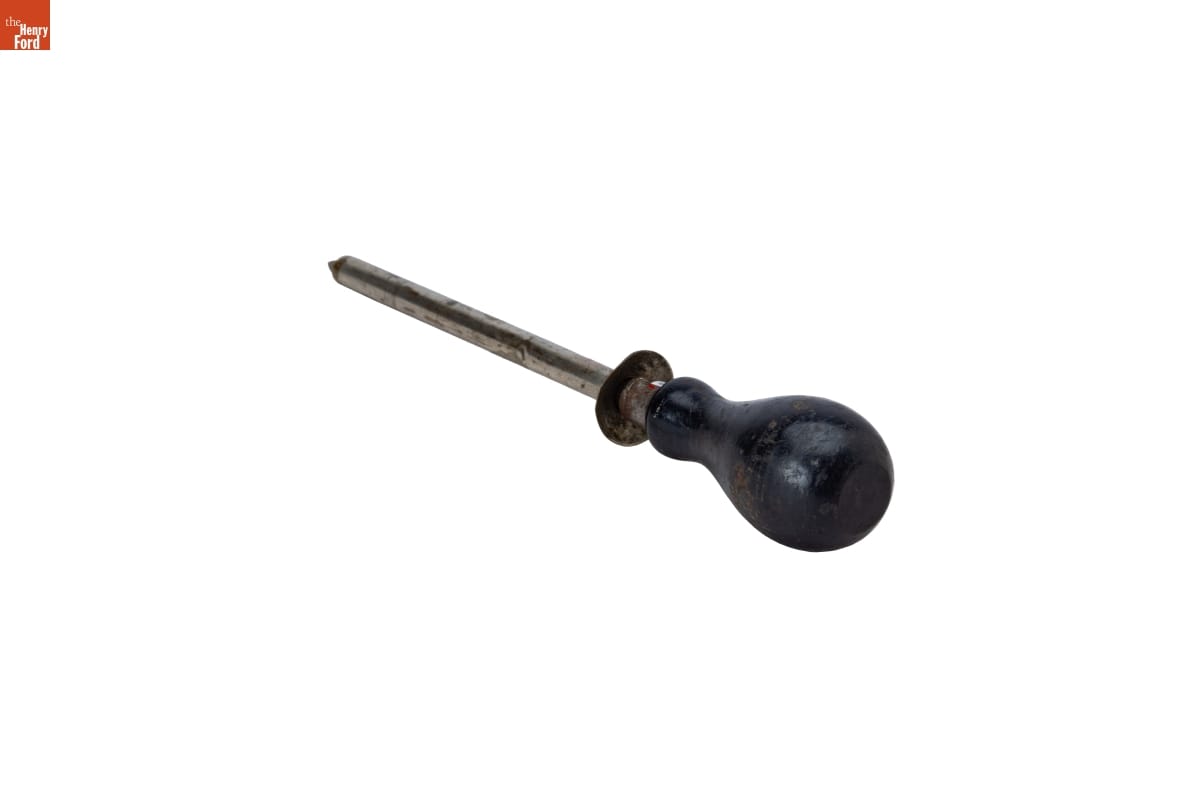
- Trocar and Cannula, circa 1915 - Bloat is a condition usually caused by improper feed for cattle, sheep, or horses. The stomach swells with gas, and the pressure must be relieved. A trocar is a tool that allows a veterinarian to puncture the animal's stomach and let the gas escape through a tube--a cannula. This sounds desperate, but it is better than the alternative of letting the animal die.
- circa 1915
- Collections - Artifact
Trocar and Cannula, circa 1915
Bloat is a condition usually caused by improper feed for cattle, sheep, or horses. The stomach swells with gas, and the pressure must be relieved. A trocar is a tool that allows a veterinarian to puncture the animal's stomach and let the gas escape through a tube--a cannula. This sounds desperate, but it is better than the alternative of letting the animal die.
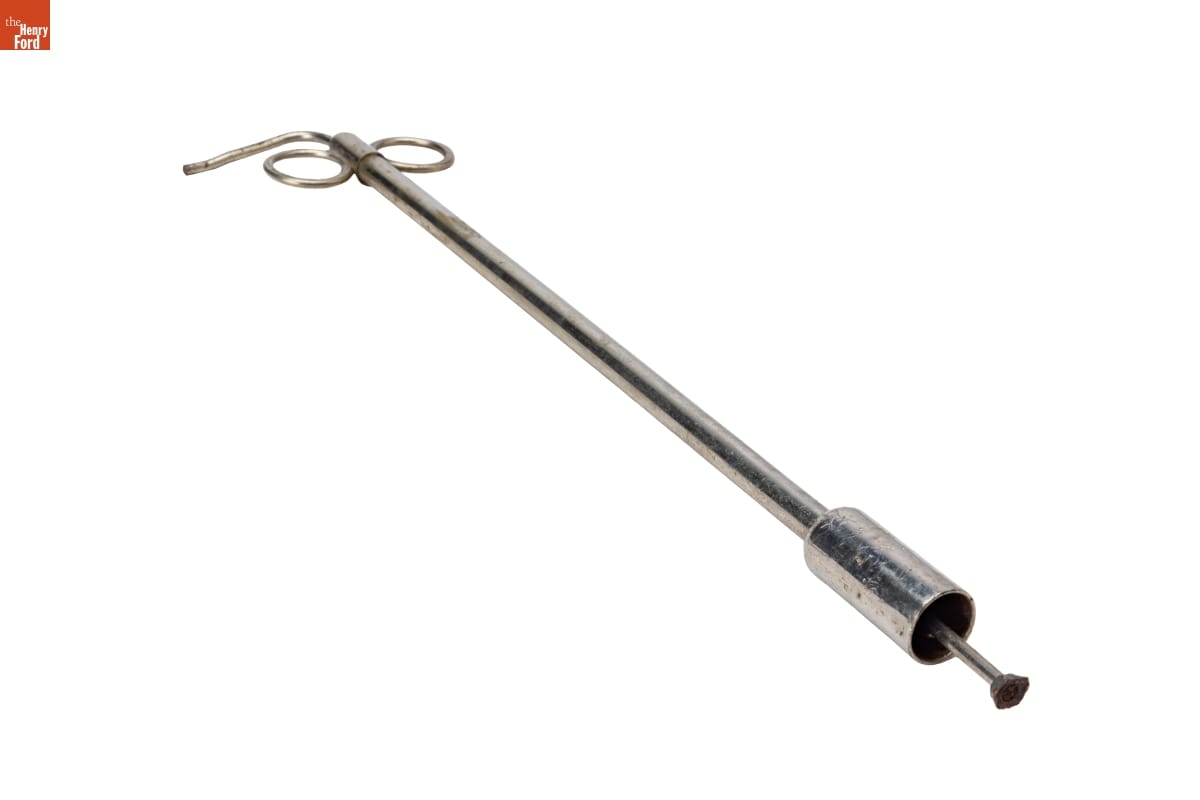
- Balling Gun, circa 1910 - Veterinarians often administer oral medications to sick animals with a balling gun or "pill gun." The animal's size and the type of medication usually determine the size of the instrument used. In addition to delivering pills and other oral medications, balling guns protect veterinarians, keeping their hands away from an animal's mouth and any unwanted bites.
- circa 1920
- Collections - Artifact
Balling Gun, circa 1910
Veterinarians often administer oral medications to sick animals with a balling gun or "pill gun." The animal's size and the type of medication usually determine the size of the instrument used. In addition to delivering pills and other oral medications, balling guns protect veterinarians, keeping their hands away from an animal's mouth and any unwanted bites.
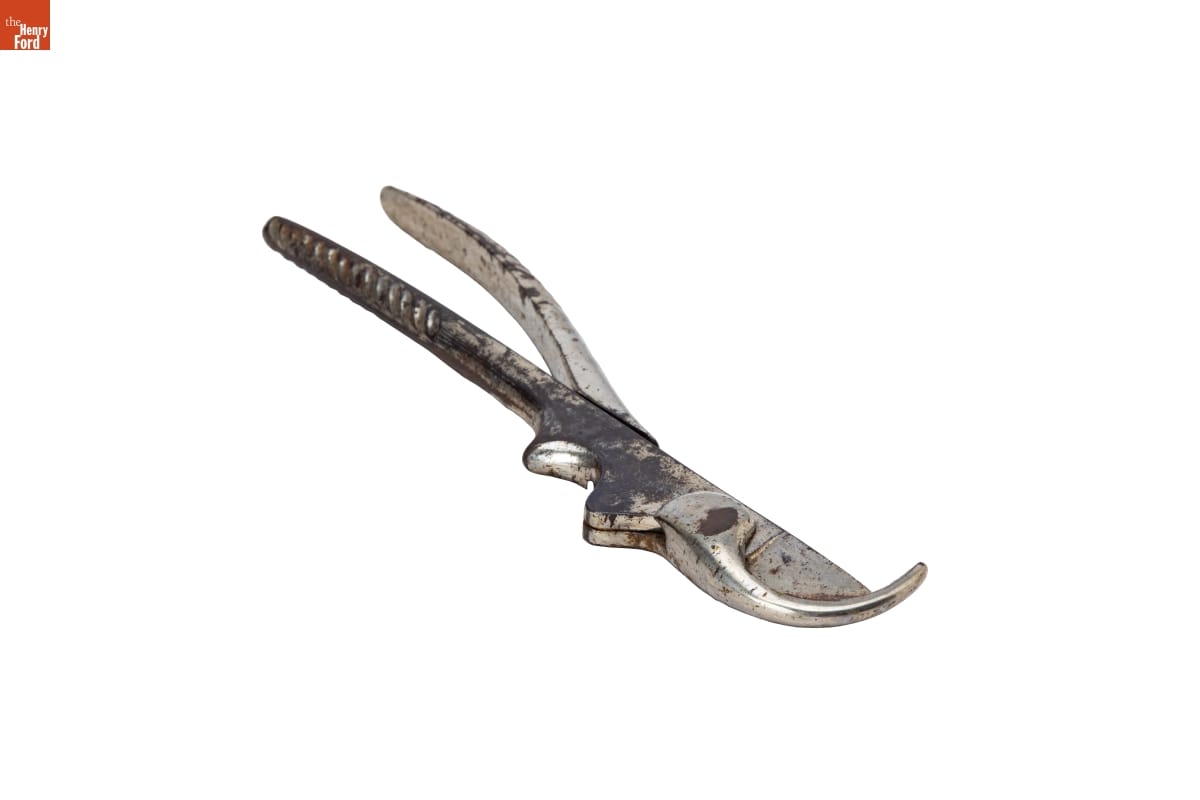
- Emasculator, circa 1920 - When farmers used horses for farm work, they worked with mares or geldings. A mare is a female horse, and a gelding is a castrated male. Castrating makes the animal more even-tempered, and easier to work. A veterinarian used this tool to crush the testicular cords on young stallions in order to geld them.
- circa 1920
- Collections - Artifact
Emasculator, circa 1920
When farmers used horses for farm work, they worked with mares or geldings. A mare is a female horse, and a gelding is a castrated male. Castrating makes the animal more even-tempered, and easier to work. A veterinarian used this tool to crush the testicular cords on young stallions in order to geld them.
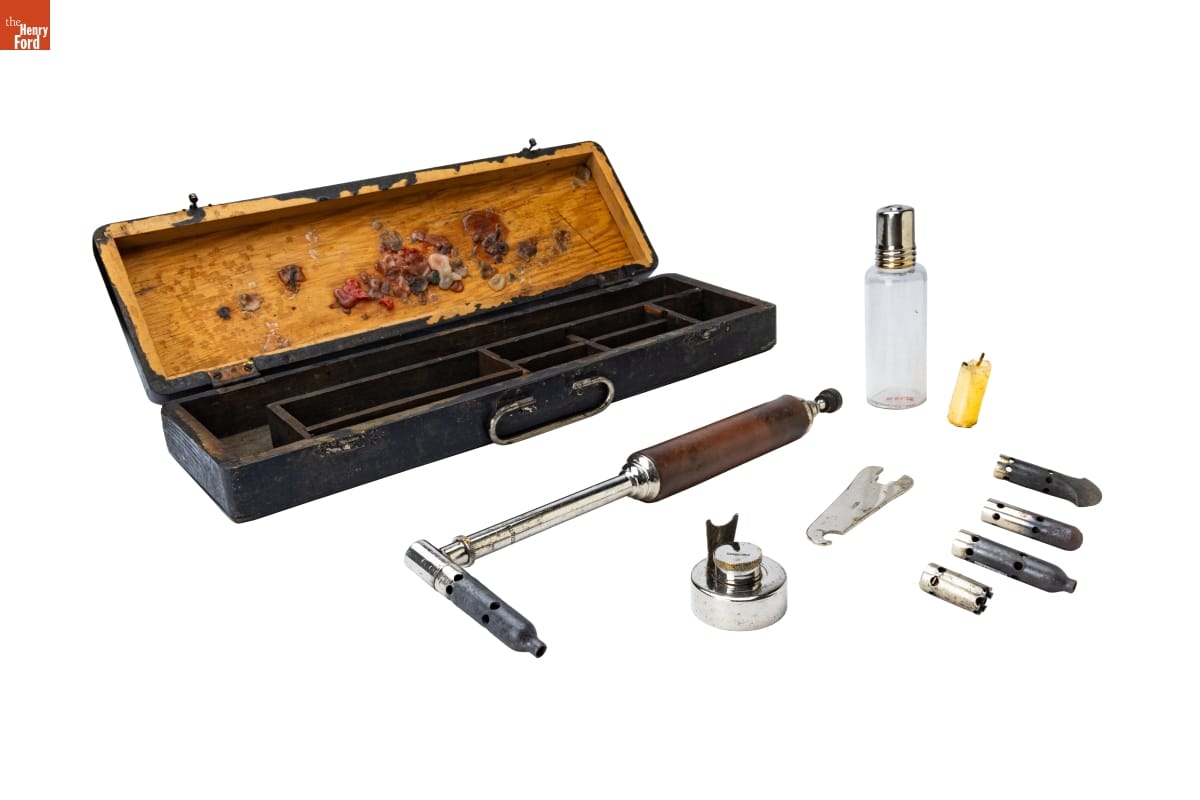
- Cautery Kit, circa 1910 -
- circa 1910
- Collections - Artifact
Cautery Kit, circa 1910
- Ecraseur, circa 1900 -
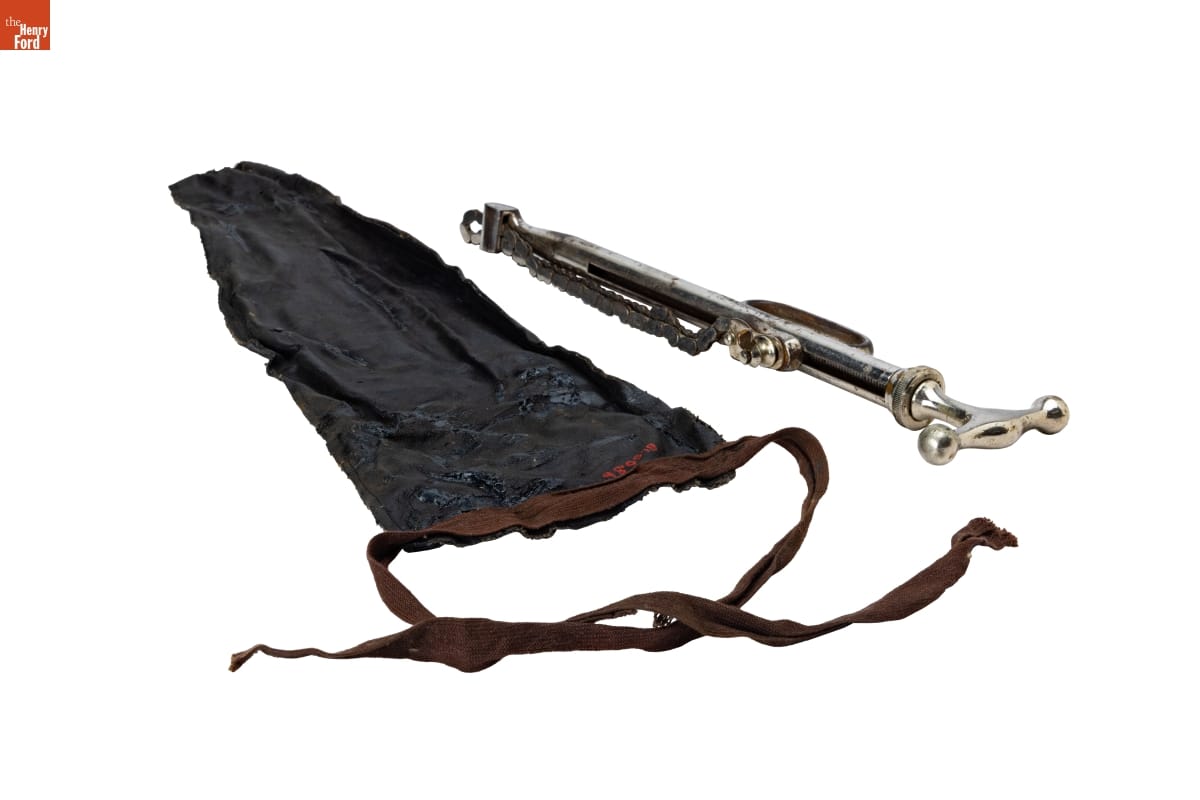
- circa 1900
- Collections - Artifact
Ecraseur, circa 1900
- Hemostatic Clamp, circa 1935 - Veterinarians use forceps or clamps to perform various functions during surgery. Forceps grasp and manipulate tissue and aid in suturing or closing wounds. Hemostatic clamps or hemostats -- specialized forceps -- also hold tissue but mainly help control bleeding, clamping blood vessels and providing constant pressure.
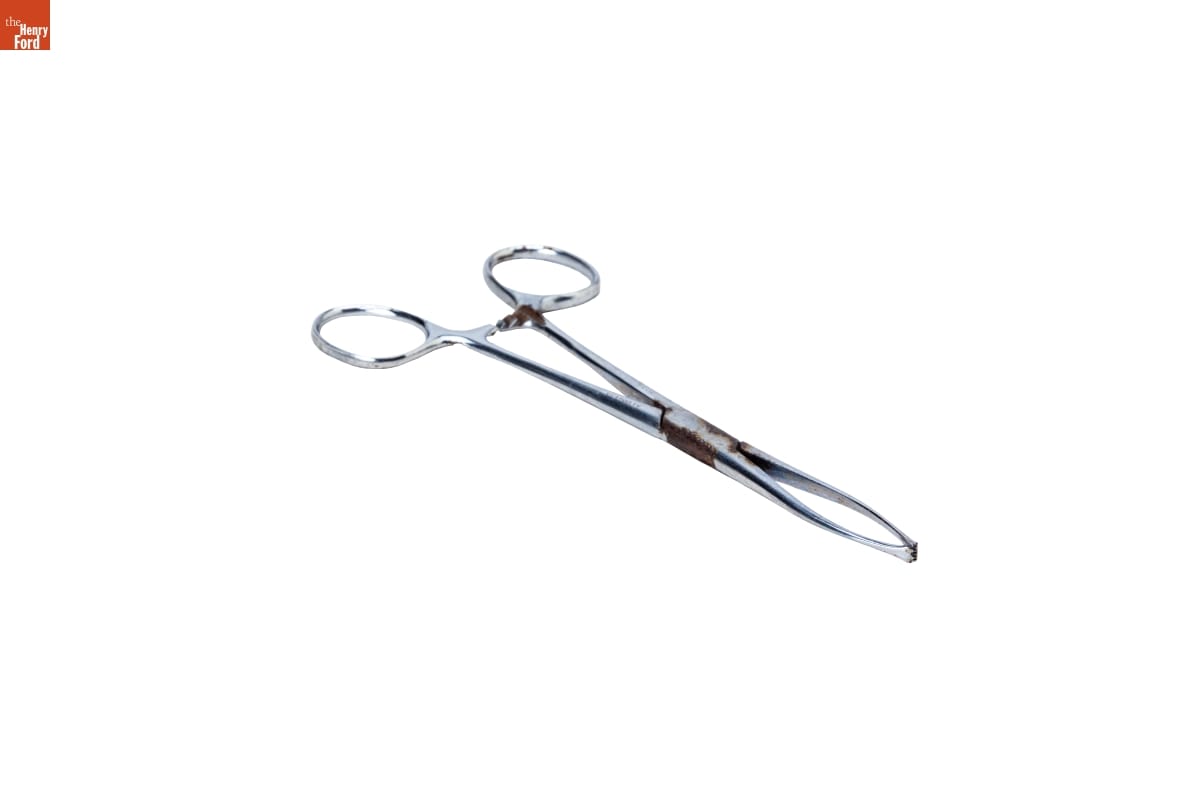
- circa 1935
- Collections - Artifact
Hemostatic Clamp, circa 1935
Veterinarians use forceps or clamps to perform various functions during surgery. Forceps grasp and manipulate tissue and aid in suturing or closing wounds. Hemostatic clamps or hemostats -- specialized forceps -- also hold tissue but mainly help control bleeding, clamping blood vessels and providing constant pressure.