
Search
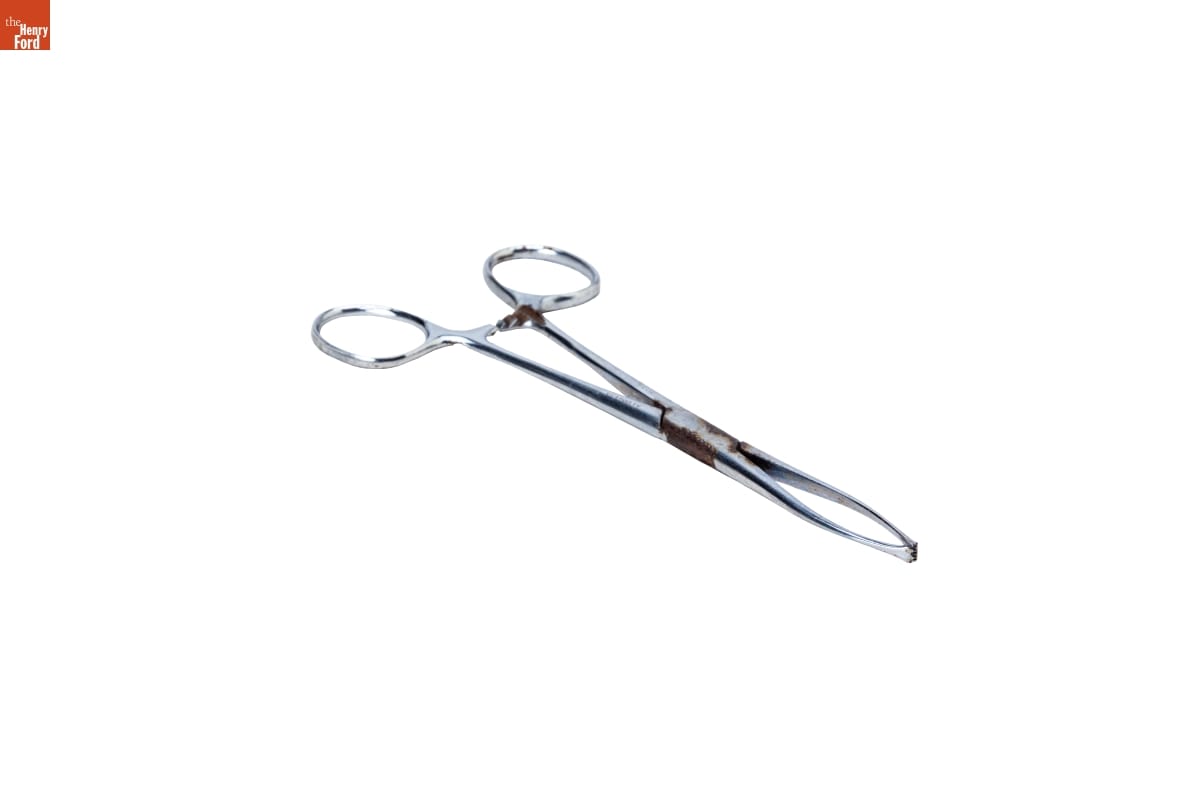
- Hemostatic Clamp, circa 1935 - Veterinarians use forceps or clamps to perform various functions during surgery. Forceps grasp and manipulate tissue and aid in suturing or closing wounds. Hemostatic clamps or hemostats -- specialized forceps -- also hold tissue but mainly help control bleeding, clamping blood vessels and providing constant pressure.
- circa 1935
- Collections - Artifact
Hemostatic Clamp, circa 1935
Veterinarians use forceps or clamps to perform various functions during surgery. Forceps grasp and manipulate tissue and aid in suturing or closing wounds. Hemostatic clamps or hemostats -- specialized forceps -- also hold tissue but mainly help control bleeding, clamping blood vessels and providing constant pressure.
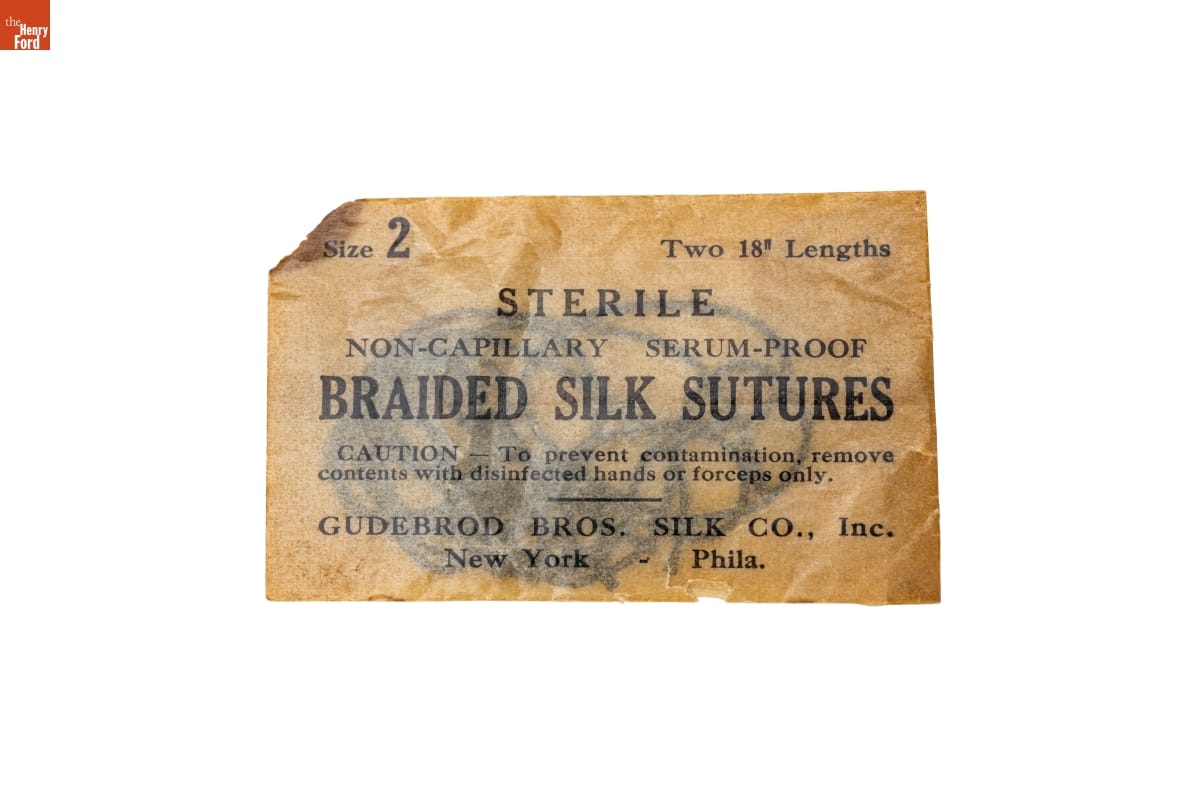
- Braided Silk Sutures, circa 1935 - The Gudebrod brothers, German immigrants in the mid-1800s, became proficient in manufacturing silk. They purchased a small mill and expanded to form the Gudebrod Brothers Silk Company in the late 1800s. The company developed a braided silk suture -- surgical thread used to close incisions and wounds -- that became a standard in the medical industry. Veterinarian Hazen Atkins from Clarkston, Michigan owned these sutures.
- circa 1935
- Collections - Artifact
Braided Silk Sutures, circa 1935
The Gudebrod brothers, German immigrants in the mid-1800s, became proficient in manufacturing silk. They purchased a small mill and expanded to form the Gudebrod Brothers Silk Company in the late 1800s. The company developed a braided silk suture -- surgical thread used to close incisions and wounds -- that became a standard in the medical industry. Veterinarian Hazen Atkins from Clarkston, Michigan owned these sutures.
- Scalpels with Case, 1915-1956 -
- 1915-1956
- Collections - Artifact
Scalpels with Case, 1915-1956
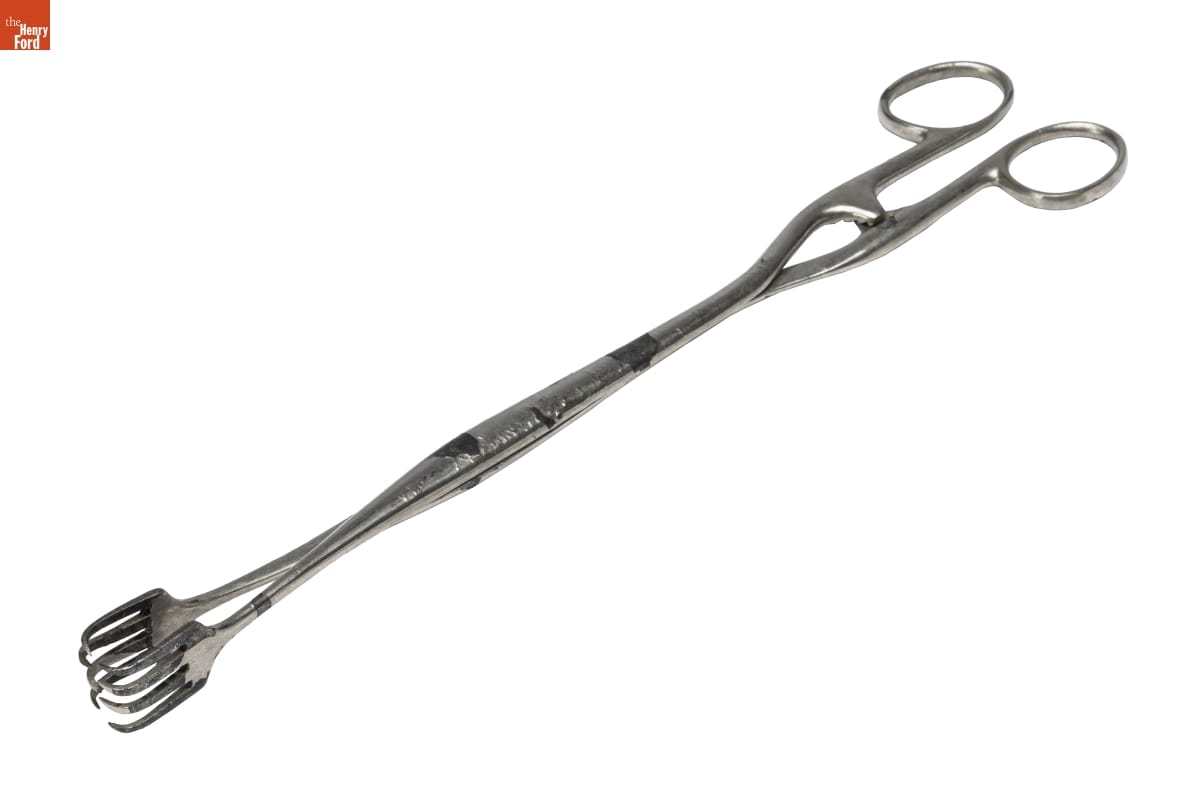
- Forceps - Veterinarians sometimes perform surgery on sick or injured animals. They use specially designed tools like traction forceps to grasp and hold the patient's tissue. The ratcheted locking system on the long handle ensures a firm grip on the delicate tissue until disengaged.
- Collections - Artifact
Forceps
Veterinarians sometimes perform surgery on sick or injured animals. They use specially designed tools like traction forceps to grasp and hold the patient's tissue. The ratcheted locking system on the long handle ensures a firm grip on the delicate tissue until disengaged.
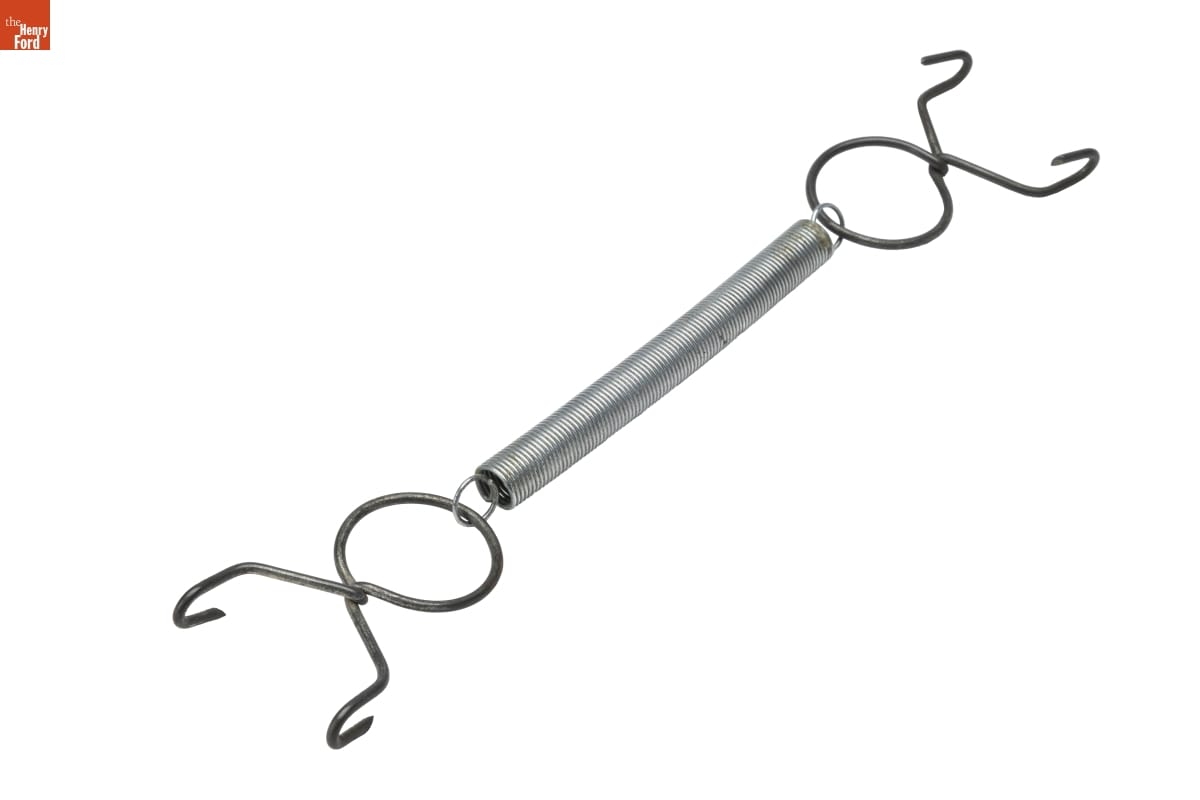
- Bandage Retractor - Veterinarians use a number of instruments when they perform surgery on animals. Retractors hold open incisions and push back tissue and organs so veterinarians can operate without obstructions. Retractors also come in multiple styles, shapes, and designs for various procedures.
- Collections - Artifact
Bandage Retractor
Veterinarians use a number of instruments when they perform surgery on animals. Retractors hold open incisions and push back tissue and organs so veterinarians can operate without obstructions. Retractors also come in multiple styles, shapes, and designs for various procedures.
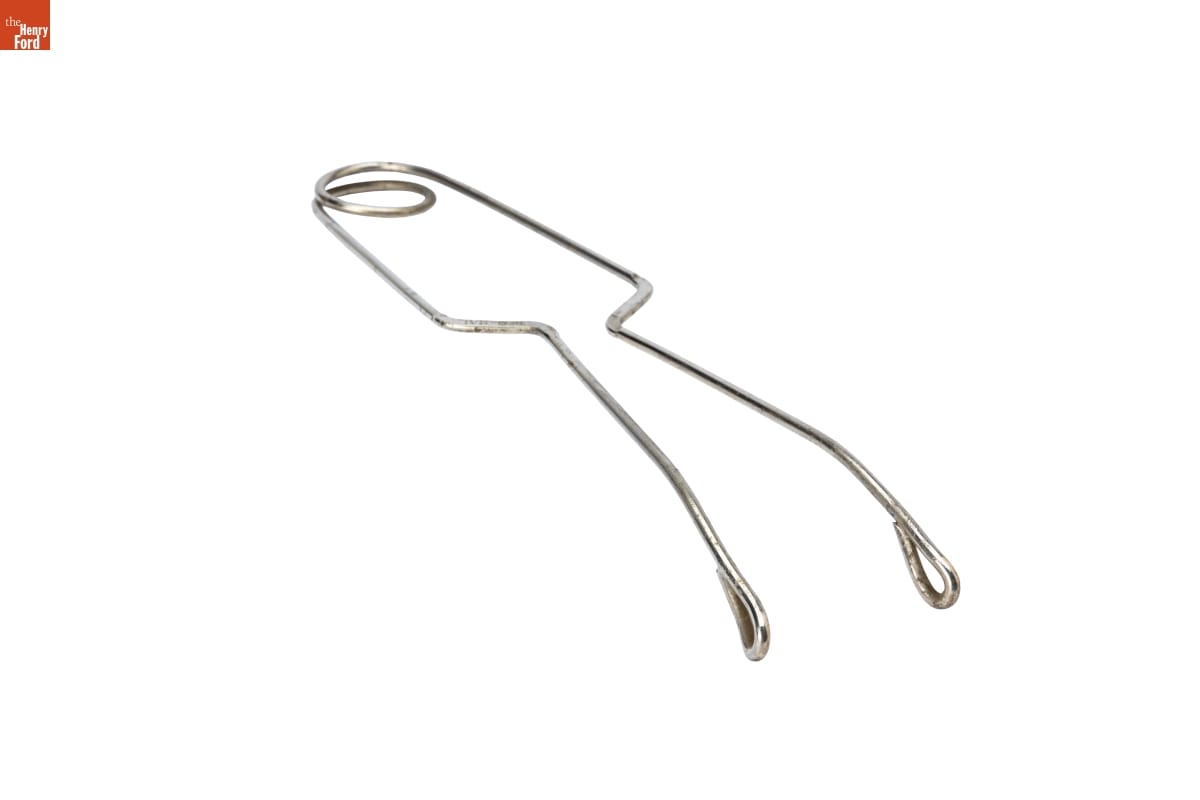
- Forceps, circa 1920 -
- circa 1920
- Collections - Artifact
Forceps, circa 1920
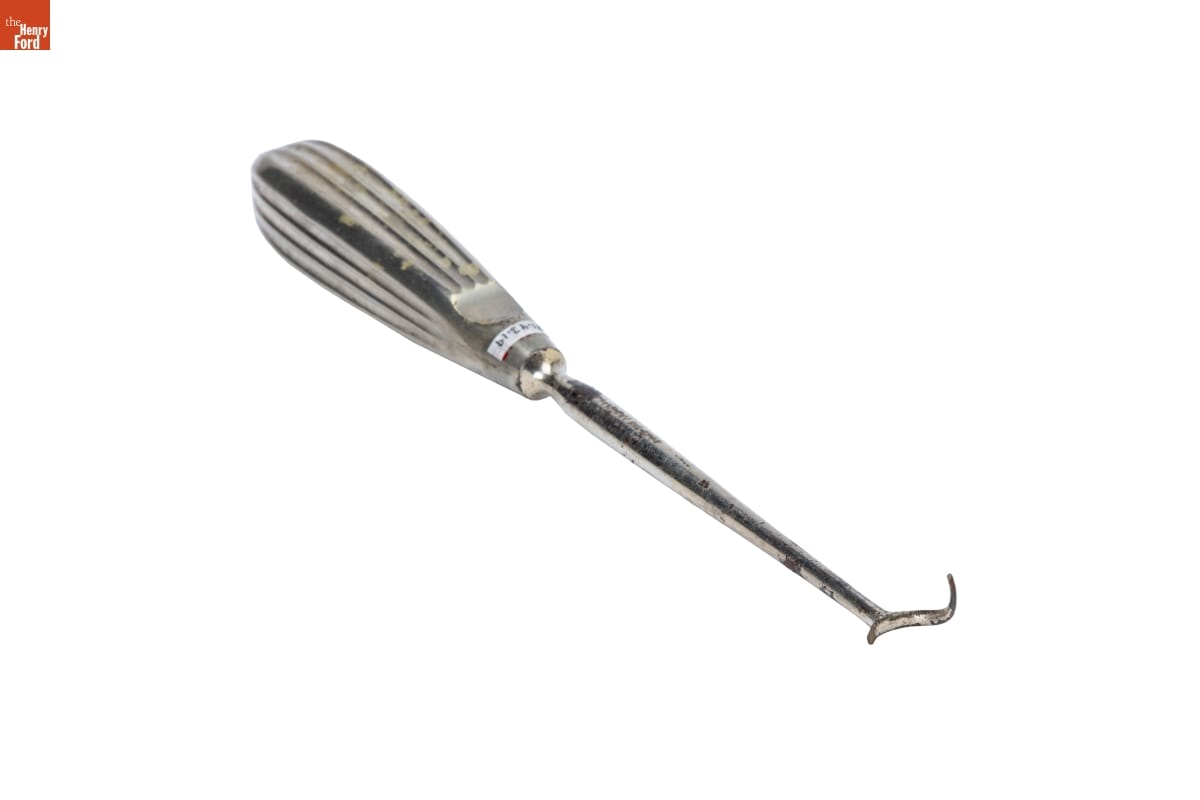
- Surgical Retractor, circa 1900 - Veterinarians use a number of instruments when they perform surgery on animals. Retractors hold open incisions and push back tissue and organs so veterinarians can operate without obstructions. Retractors also come in multiple styles, shapes, and designs for various procedures.
- circa 1905
- Collections - Artifact
Surgical Retractor, circa 1900
Veterinarians use a number of instruments when they perform surgery on animals. Retractors hold open incisions and push back tissue and organs so veterinarians can operate without obstructions. Retractors also come in multiple styles, shapes, and designs for various procedures.
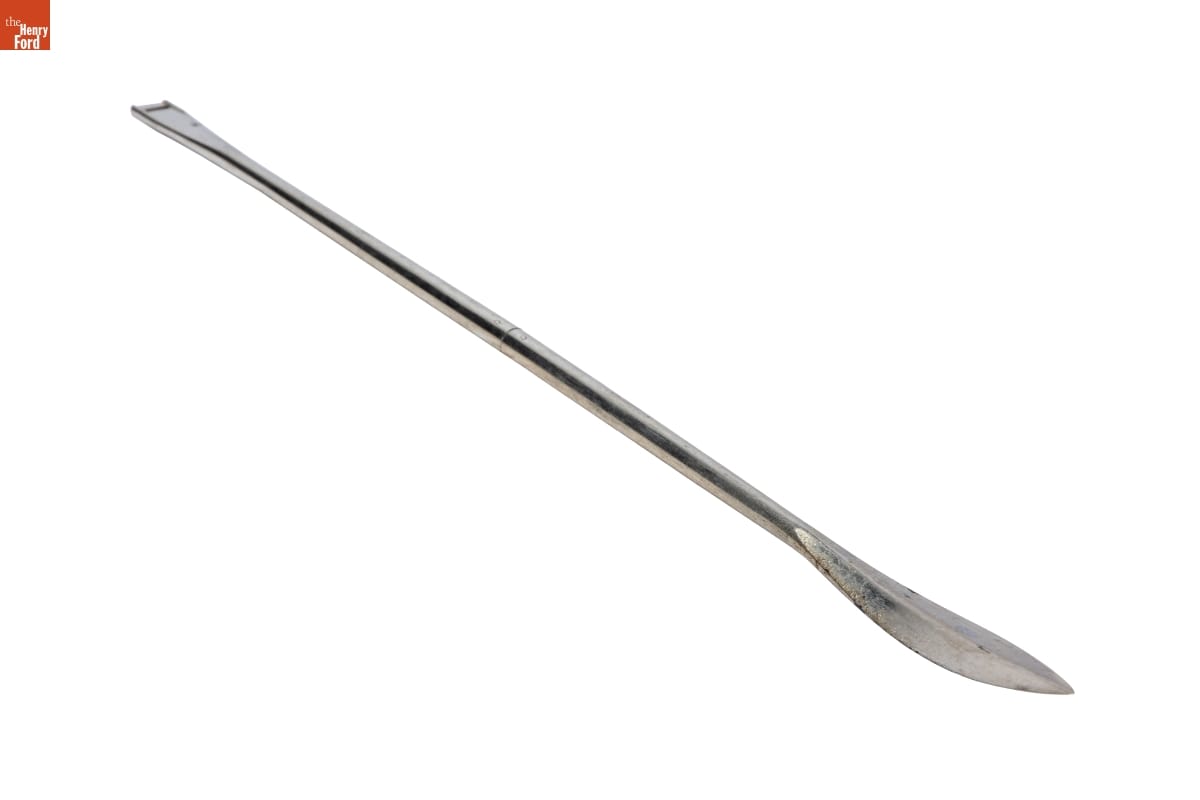
- Seton Needle, 1890-1925 - Veterinarians used a seton needle to insert a thread or cord (called a seton) beneath the skin around a wound or abscess to encourage drainage. This needle belonged to M. C. Bigelow, a veterinary doctor from Flushing, Michigan.
- 1890-1925
- Collections - Artifact
Seton Needle, 1890-1925
Veterinarians used a seton needle to insert a thread or cord (called a seton) beneath the skin around a wound or abscess to encourage drainage. This needle belonged to M. C. Bigelow, a veterinary doctor from Flushing, Michigan.
- Seton Needle, 1890-1925 - Veterinarians used a seton needle to insert a thread or cord (called a seton) beneath the skin around a wound or abscess to encourage drainage. This needle belonged to M. C. Bigelow, a veterinary doctor from Flushing, Michigan.
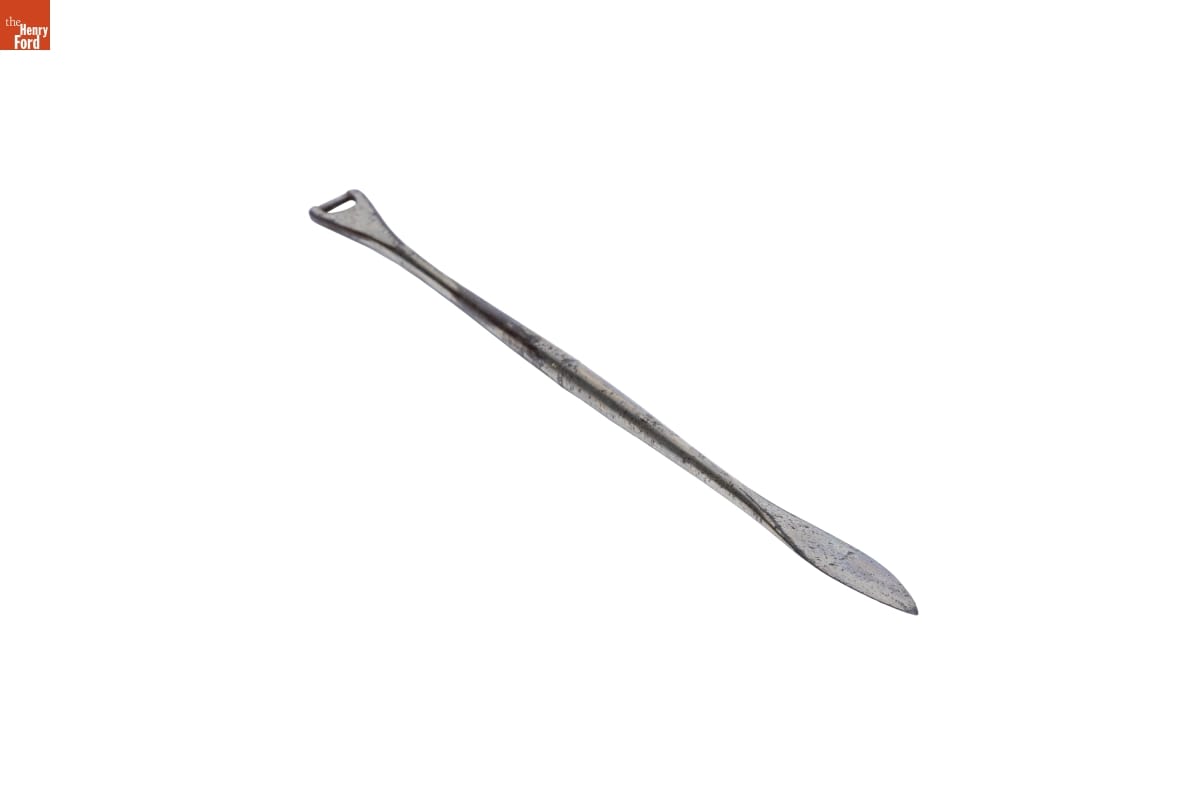
- 1890-1925
- Collections - Artifact
Seton Needle, 1890-1925
Veterinarians used a seton needle to insert a thread or cord (called a seton) beneath the skin around a wound or abscess to encourage drainage. This needle belonged to M. C. Bigelow, a veterinary doctor from Flushing, Michigan.
- Abdominal Retractor, circa 1910 - Veterinarians use a number of instruments when they perform surgery on animals. Retractors hold open incisions and push back tissue and organs so veterinarians can operate without obstructions. Retractors also come in multiple styles, shapes, and designs for various procedures.
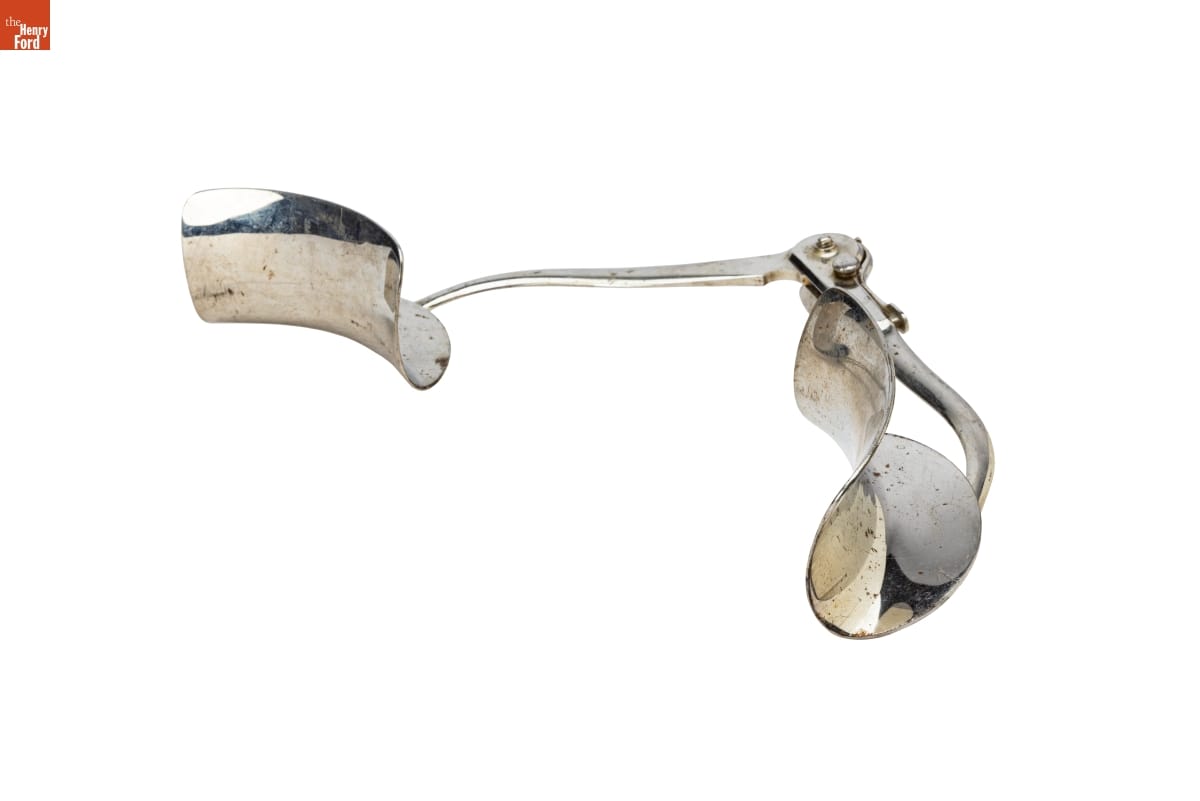
- circa 1910
- Collections - Artifact
Abdominal Retractor, circa 1910
Veterinarians use a number of instruments when they perform surgery on animals. Retractors hold open incisions and push back tissue and organs so veterinarians can operate without obstructions. Retractors also come in multiple styles, shapes, and designs for various procedures.