
Search
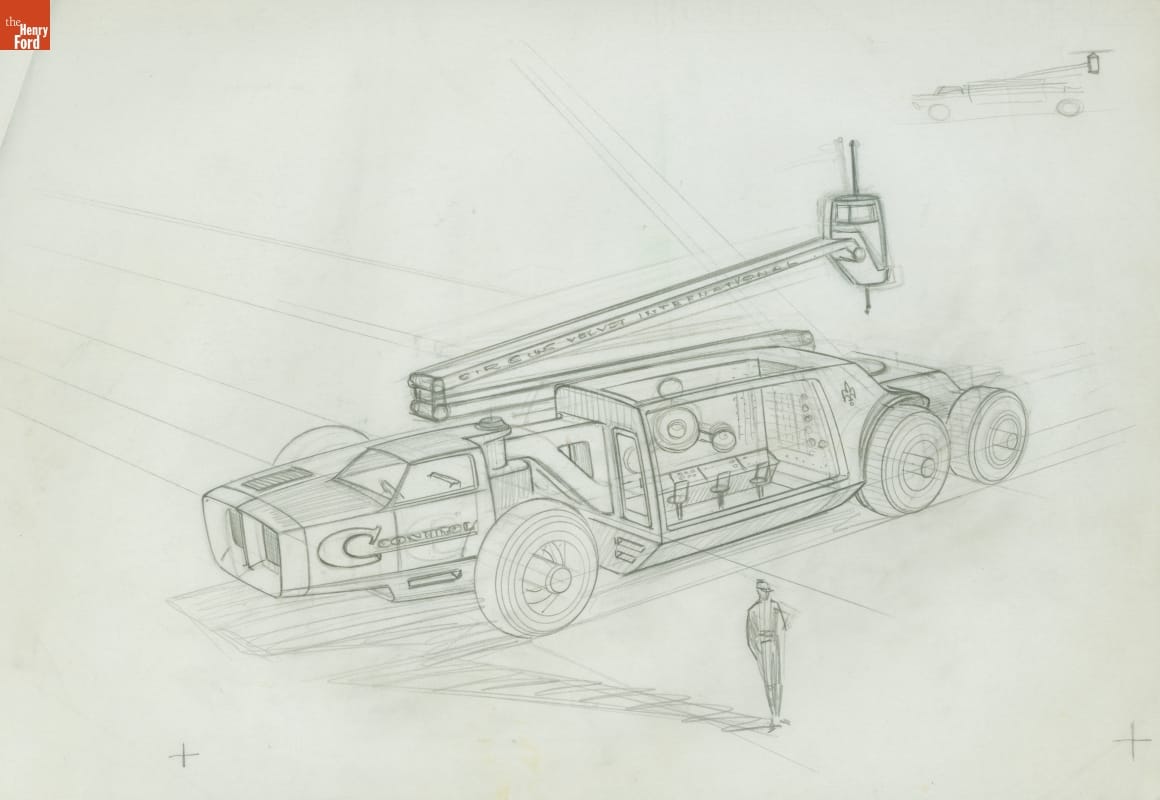
- Circus Performance Control Vehicle, 1967 - In 1966, automobile designer Virgil Exner was approached by a wealthy man with an unusual dream: to build a motorized circus with vehicles for transporting performers and constructing the big top. Exner was eager to begin the novel - though soon abandoned - project and created several concepts, including this control vehicle designed to erect the big top.
- 1967
- Collections - Artifact
Circus Performance Control Vehicle, 1967
In 1966, automobile designer Virgil Exner was approached by a wealthy man with an unusual dream: to build a motorized circus with vehicles for transporting performers and constructing the big top. Exner was eager to begin the novel - though soon abandoned - project and created several concepts, including this control vehicle designed to erect the big top.
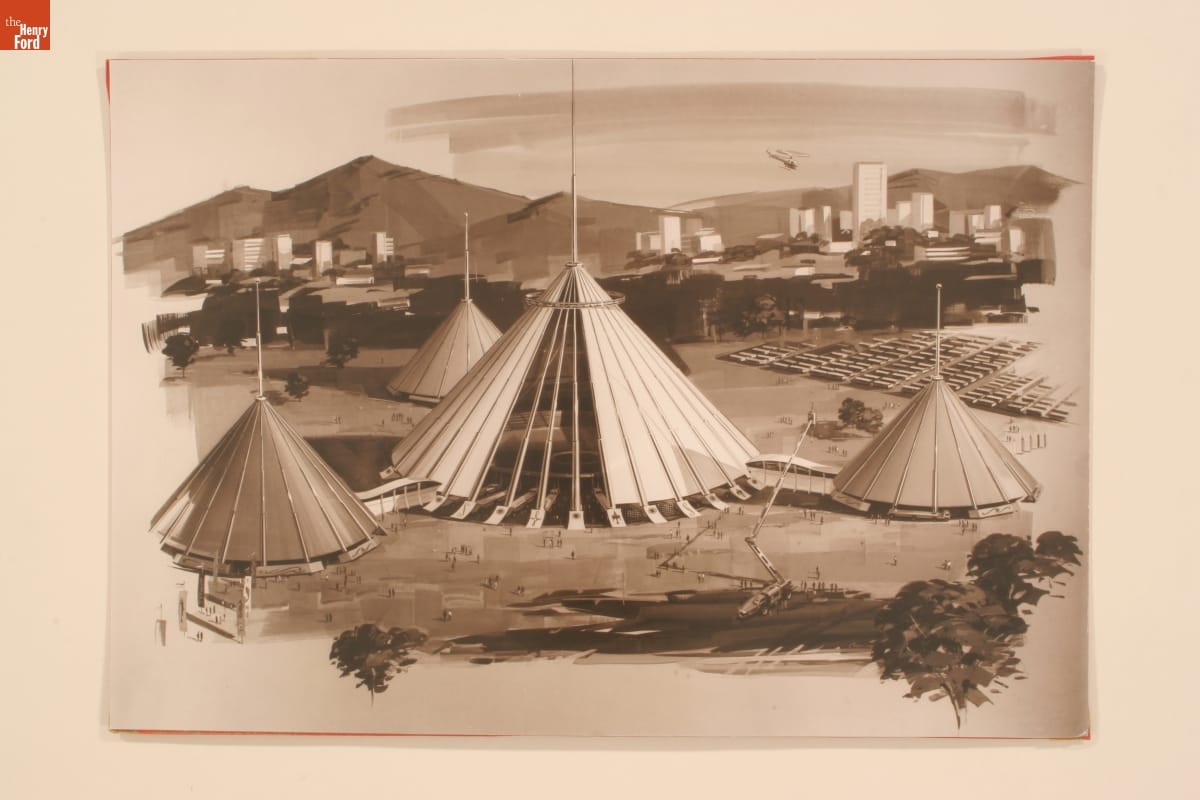
- "Circus Velvet," circa 1967 - In 1966, automobile designer Virgil Exner was approached by a wealthy man with an unusual dream: to build a motorized circus with vehicles for transporting performers and constructing the big top. Exner was eager to begin the novel, though soon abandoned, project. He created several concept vehicles and structures for the spectacle, known as Circus Velvet.
- circa 1967
- Collections - Artifact
"Circus Velvet," circa 1967
In 1966, automobile designer Virgil Exner was approached by a wealthy man with an unusual dream: to build a motorized circus with vehicles for transporting performers and constructing the big top. Exner was eager to begin the novel, though soon abandoned, project. He created several concept vehicles and structures for the spectacle, known as Circus Velvet.
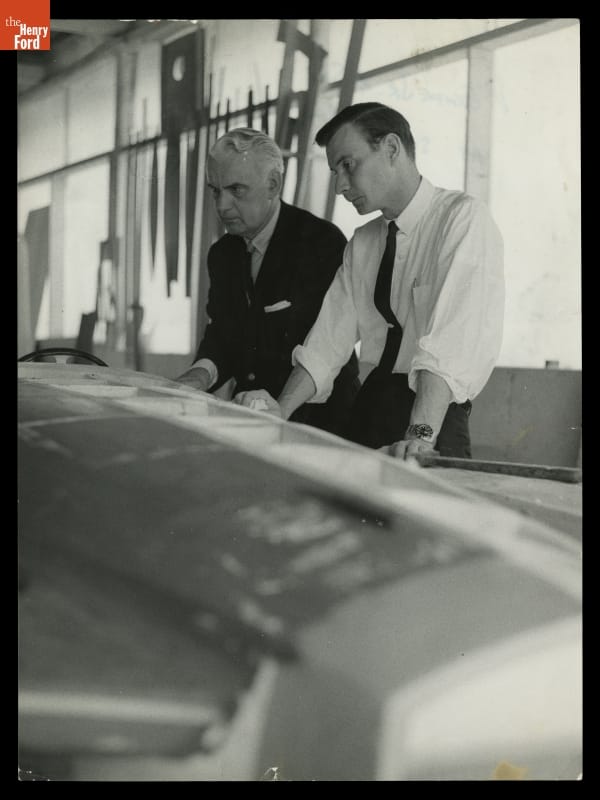
- Virgil M. Exner and Virgil Exner, Jr. Overseeing Design of Mercer-Cobra Automobile, 1964 - Virgil Exner's long career in automotive design included work with General Motors, Raymond Loewy Associates, and Studebaker. He is best remembered for his tenure at Chrysler, where he headed design from 1953 to 1961. Exner designed the Mercer-Cobra concept car in 1963. The Copper Development Association later funded a promotional prototype -- finished with much copper and brass.
- 1964
- Collections - Artifact
Virgil M. Exner and Virgil Exner, Jr. Overseeing Design of Mercer-Cobra Automobile, 1964
Virgil Exner's long career in automotive design included work with General Motors, Raymond Loewy Associates, and Studebaker. He is best remembered for his tenure at Chrysler, where he headed design from 1953 to 1961. Exner designed the Mercer-Cobra concept car in 1963. The Copper Development Association later funded a promotional prototype -- finished with much copper and brass.
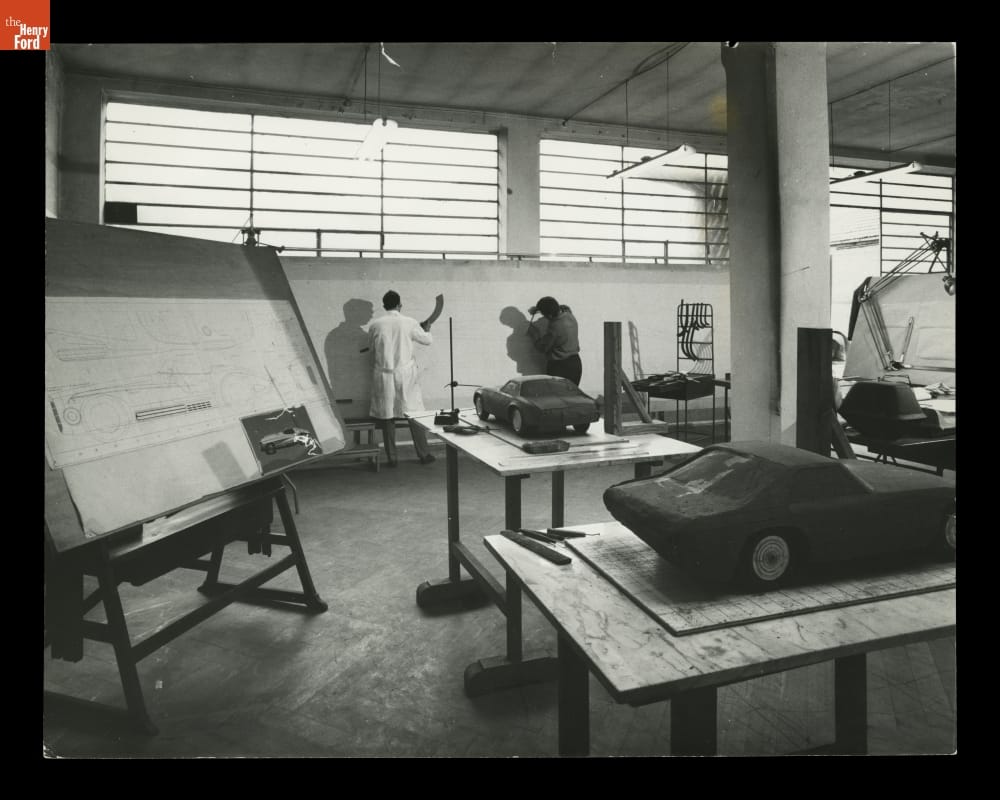
- Technicians Working on Mercer-Cobra, Torino, Italy, 1964 - Virgil Exner's long career in automotive design included work with General Motors, Raymond Loewy Associates, and Studebaker. He is best remembered for his tenure at Chrysler, where he headed design from 1953 to 1961. Exner designed the Mercer-Cobra concept car in 1963. The Copper Development Association later funded a promotional prototype -- finished with much copper and brass.
- 1964
- Collections - Artifact
Technicians Working on Mercer-Cobra, Torino, Italy, 1964
Virgil Exner's long career in automotive design included work with General Motors, Raymond Loewy Associates, and Studebaker. He is best remembered for his tenure at Chrysler, where he headed design from 1953 to 1961. Exner designed the Mercer-Cobra concept car in 1963. The Copper Development Association later funded a promotional prototype -- finished with much copper and brass.
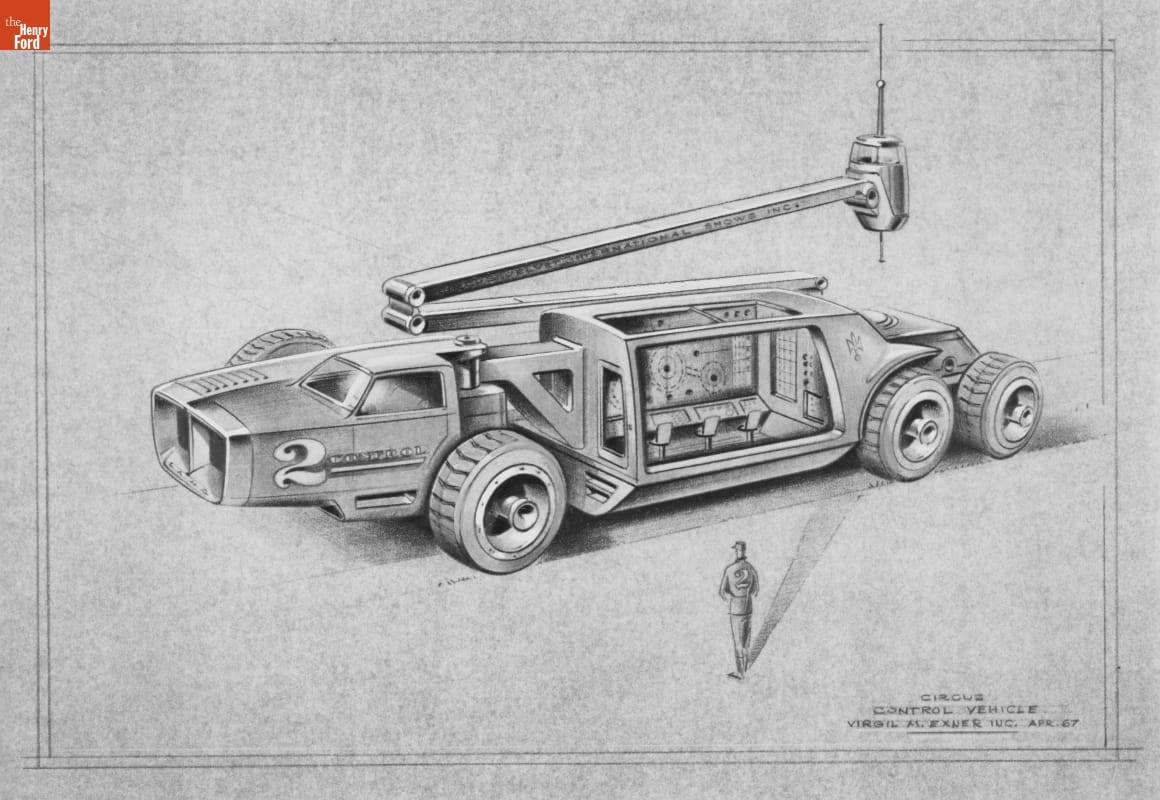
- Photograph of a Design Drawing, Circus Velvet Concept Vehicle, 1967 - In 1966, automobile designer Virgil Exner was approached by a wealthy man with an unusual dream: to build a motorized circus with vehicles for transporting performers and constructing the big top. Exner was eager to begin the novel - though soon abandoned - project and created several concepts, including this control vehicle designed to erect the big top.
- April 01, 1967
- Collections - Artifact
Photograph of a Design Drawing, Circus Velvet Concept Vehicle, 1967
In 1966, automobile designer Virgil Exner was approached by a wealthy man with an unusual dream: to build a motorized circus with vehicles for transporting performers and constructing the big top. Exner was eager to begin the novel - though soon abandoned - project and created several concepts, including this control vehicle designed to erect the big top.
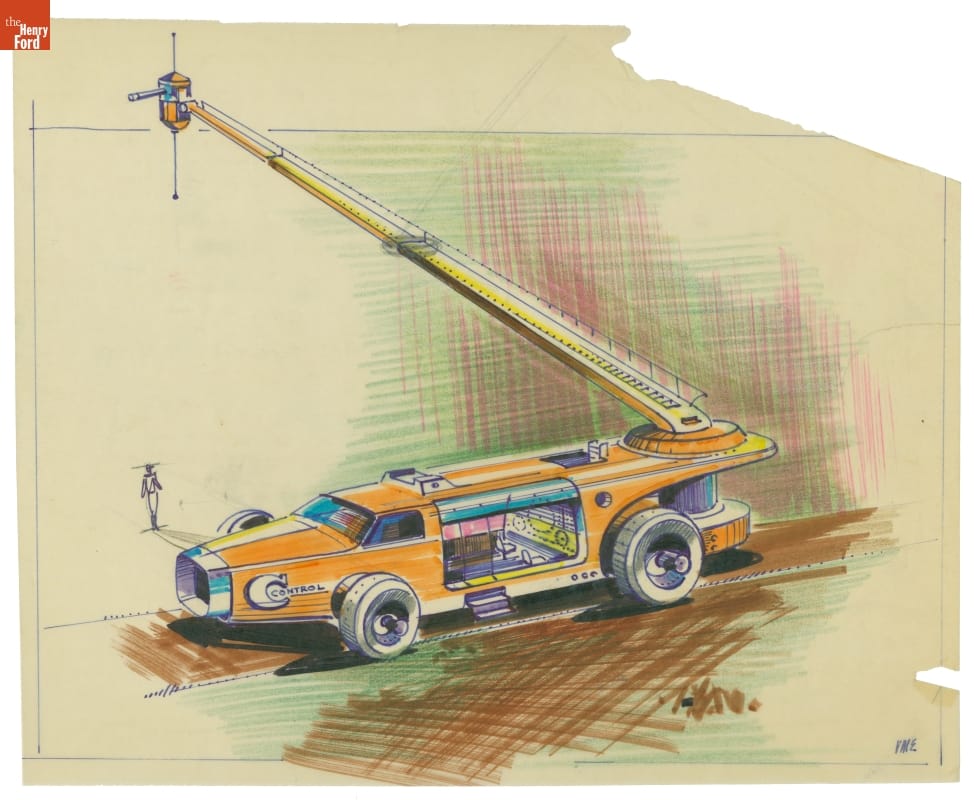
- Circus Performance Control Vehicle Concept Drawing, 1967 - In 1966, automobile designer Virgil Exner was approached by a wealthy man with an unusual dream: to build a motorized circus with vehicles for transporting performers and constructing the big top. Exner was eager to begin the novel - though soon abandoned - project and created several concepts, including this control vehicle designed to erect the big top.
- 1967
- Collections - Artifact
Circus Performance Control Vehicle Concept Drawing, 1967
In 1966, automobile designer Virgil Exner was approached by a wealthy man with an unusual dream: to build a motorized circus with vehicles for transporting performers and constructing the big top. Exner was eager to begin the novel - though soon abandoned - project and created several concepts, including this control vehicle designed to erect the big top.
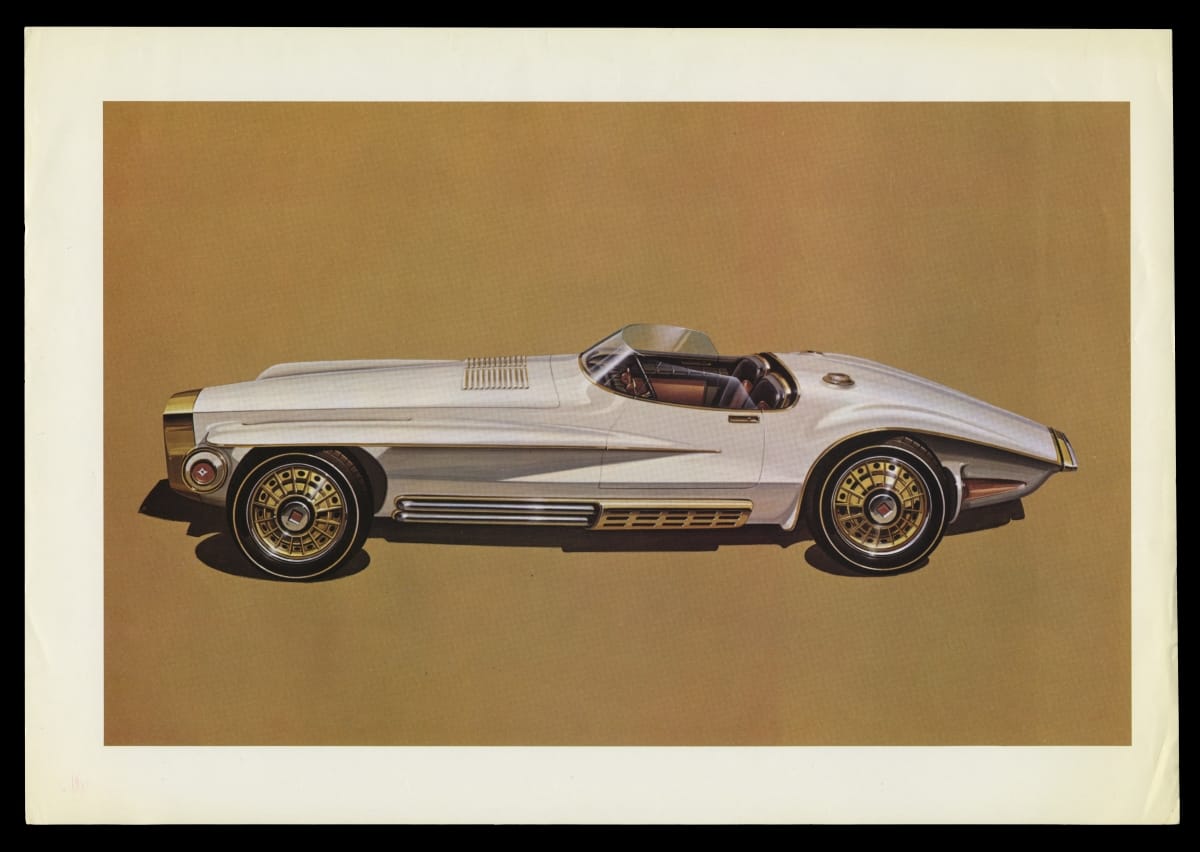
- Photograph of a Virgil Exner Design Drawing for the Mercer-Cobra, 1964 - Virgil Exner's long career in automotive design included work with General Motors, Raymond Loewy Associates, and Studebaker. He is best remembered for his tenure at Chrysler, where he headed design from 1953 to 1961. Exner designed the Mercer-Cobra concept car in 1963. The Copper Development Association later funded a promotional prototype -- finished with much copper and brass.
- 1964
- Collections - Artifact
Photograph of a Virgil Exner Design Drawing for the Mercer-Cobra, 1964
Virgil Exner's long career in automotive design included work with General Motors, Raymond Loewy Associates, and Studebaker. He is best remembered for his tenure at Chrysler, where he headed design from 1953 to 1961. Exner designed the Mercer-Cobra concept car in 1963. The Copper Development Association later funded a promotional prototype -- finished with much copper and brass.
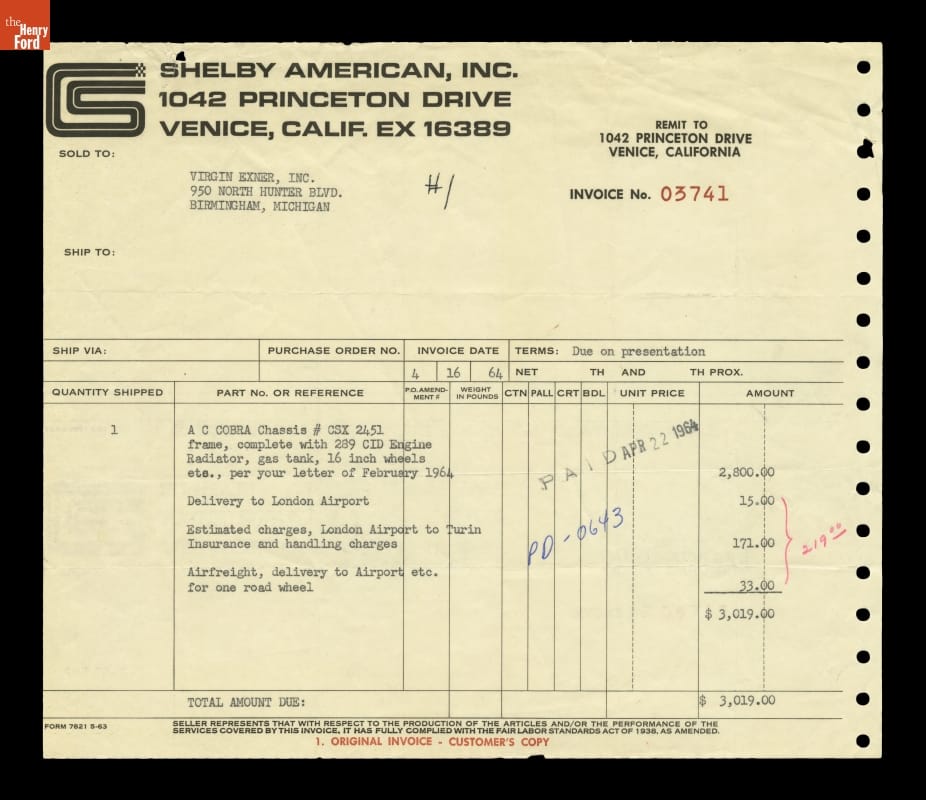
- Invoice for AC Cobra Chassis #CSX2451, from Shelby American, Inc. to Virgil Exner, Inc., 1964 - Carroll Shelby took the auto enthusiast world by storm when he pulled the straight-6 engine from a lightweight British AC Ace roadster, replaced it with a Ford V-8, and created the Shelby Cobra. Chassis number CSX2451 was sold to former Chrysler design head Virgil Exner. It became the basis for Exner's Mercer-Cobra concept car, built in collaboration with the Copper Development Association.
- April 16, 1964
- Collections - Artifact
Invoice for AC Cobra Chassis #CSX2451, from Shelby American, Inc. to Virgil Exner, Inc., 1964
Carroll Shelby took the auto enthusiast world by storm when he pulled the straight-6 engine from a lightweight British AC Ace roadster, replaced it with a Ford V-8, and created the Shelby Cobra. Chassis number CSX2451 was sold to former Chrysler design head Virgil Exner. It became the basis for Exner's Mercer-Cobra concept car, built in collaboration with the Copper Development Association.
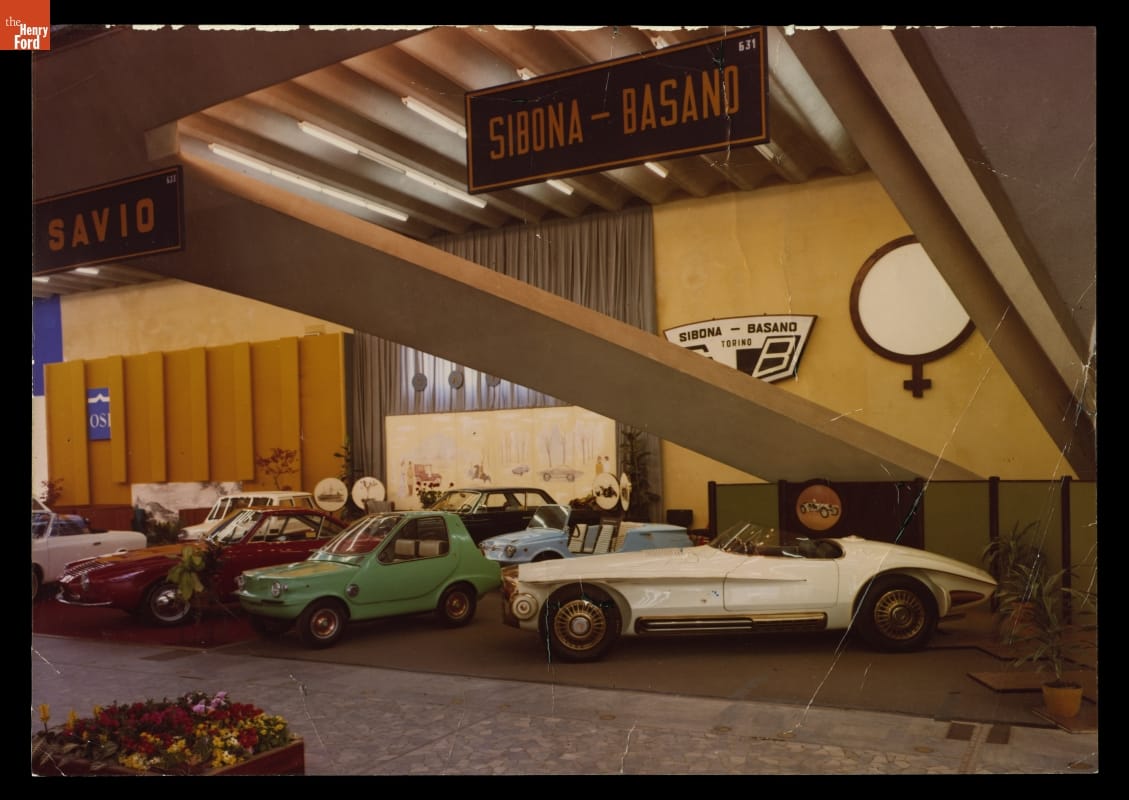
- Mercer-Cobra Displayed at Torino Auto Show, 1964 - Virgil Exner's long career in automotive design included work with General Motors, Raymond Loewy Associates, and Studebaker. He is best remembered for his tenure at Chrysler, where he headed design from 1953 to 1961. Exner designed the Mercer-Cobra concept car in 1963. The Copper Development Association later funded a promotional prototype -- finished with much copper and brass.
- October 1964-November 1964
- Collections - Artifact
Mercer-Cobra Displayed at Torino Auto Show, 1964
Virgil Exner's long career in automotive design included work with General Motors, Raymond Loewy Associates, and Studebaker. He is best remembered for his tenure at Chrysler, where he headed design from 1953 to 1961. Exner designed the Mercer-Cobra concept car in 1963. The Copper Development Association later funded a promotional prototype -- finished with much copper and brass.
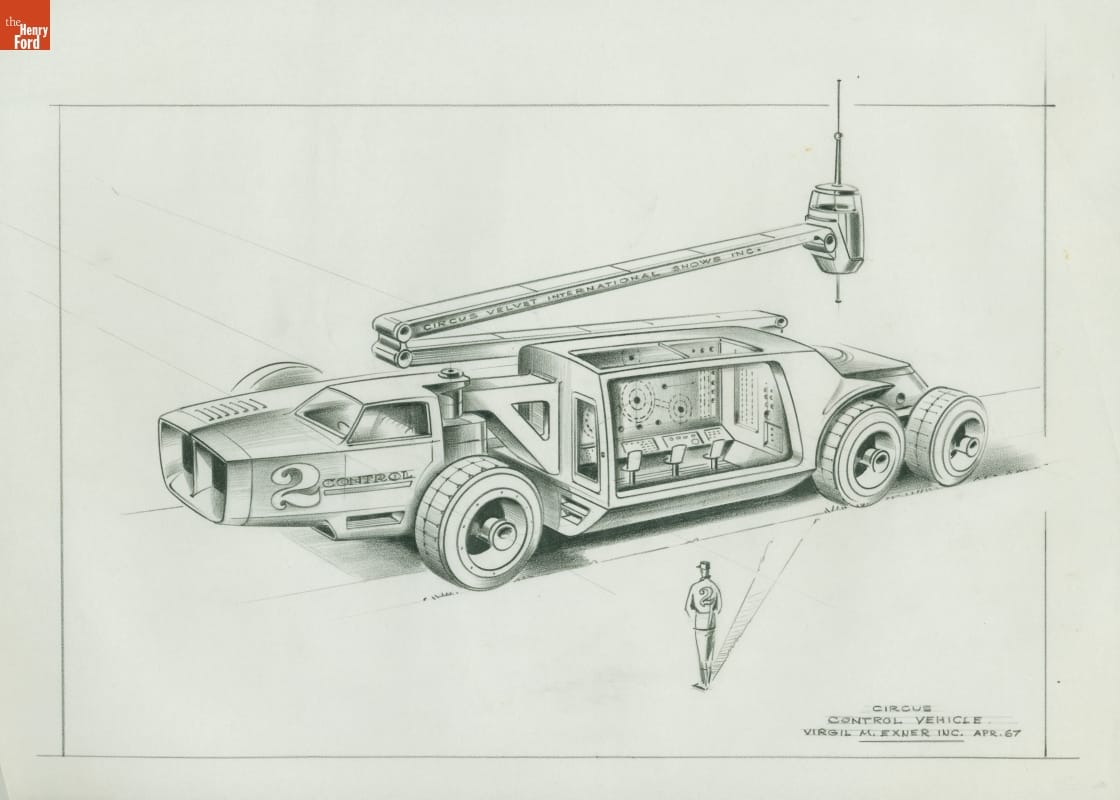
- Circus Performance Control Vehicle, 1967 - In 1966, automobile designer Virgil Exner was approached by a wealthy man with an unusual dream: to build a motorized circus with vehicles for transporting performers and constructing the big top. Exner was eager to begin the novel - though soon abandoned - project and created several concepts, including this control vehicle designed to erect the big top.
- April 01, 1967
- Collections - Artifact
Circus Performance Control Vehicle, 1967
In 1966, automobile designer Virgil Exner was approached by a wealthy man with an unusual dream: to build a motorized circus with vehicles for transporting performers and constructing the big top. Exner was eager to begin the novel - though soon abandoned - project and created several concepts, including this control vehicle designed to erect the big top.