
Search
- Woodworking Vise -
- Collections - Artifact
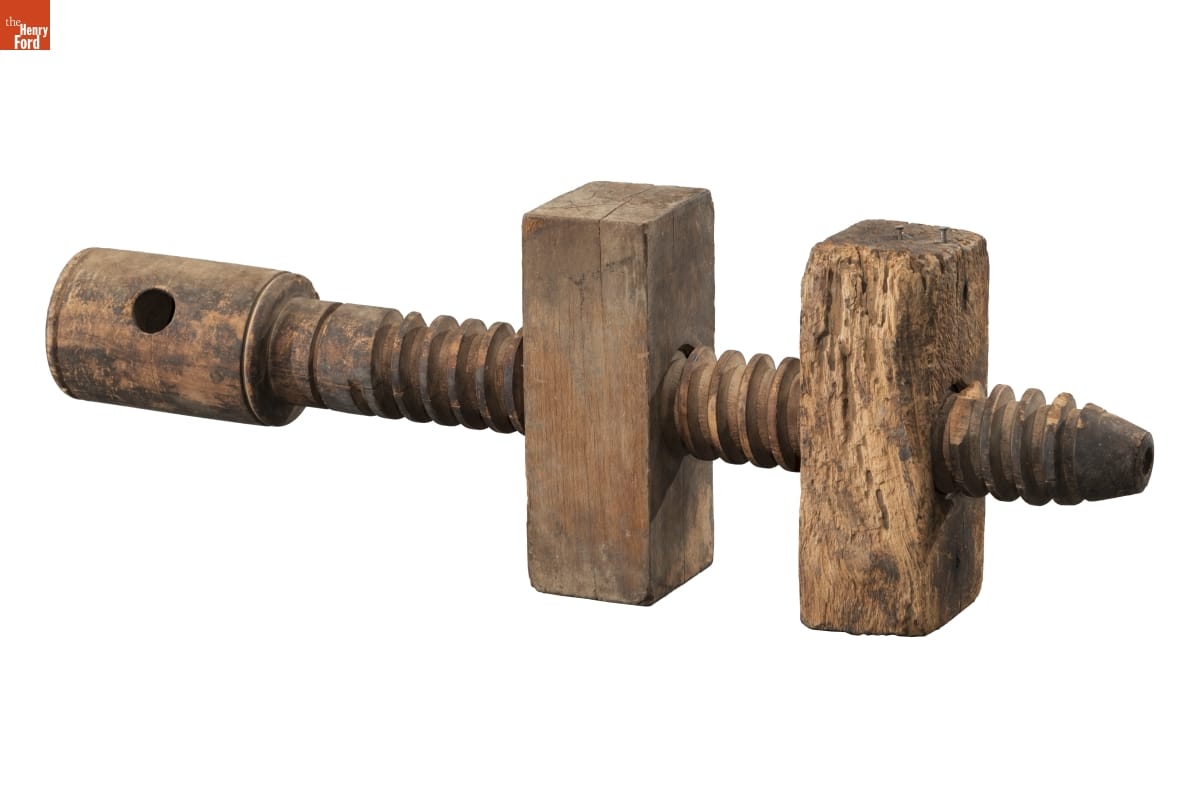
Woodworking Vise
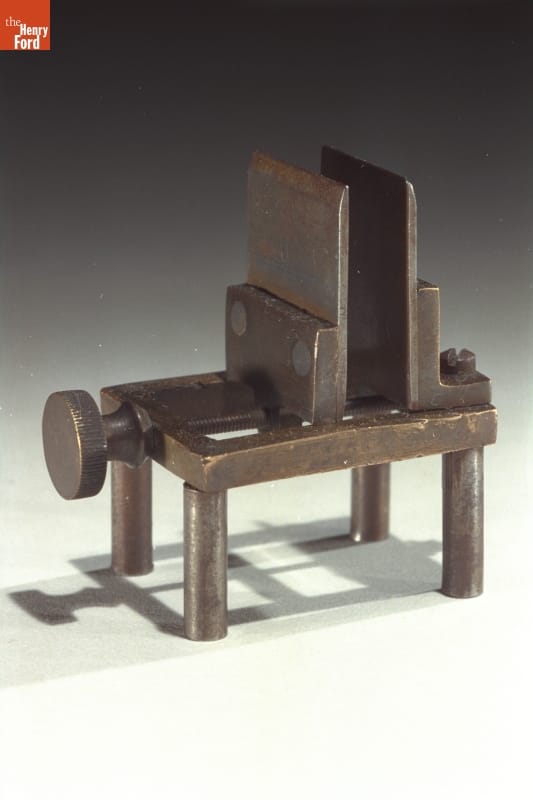
- Vise, Used by Henry Ford for Watch Repair, 1876-1878 - Watches were some of the first machines to catch Henry Ford's interest. He received a pocket watch for his 13th birthday which he quickly took apart -- and then put back together in perfect working order. Young Ford often repaired watches for friends and neighbors. He never charged for his services; the experience he gained was reward enough.
- 1876-1878
- Collections - Artifact
Vise, Used by Henry Ford for Watch Repair, 1876-1878
Watches were some of the first machines to catch Henry Ford's interest. He received a pocket watch for his 13th birthday which he quickly took apart -- and then put back together in perfect working order. Young Ford often repaired watches for friends and neighbors. He never charged for his services; the experience he gained was reward enough.
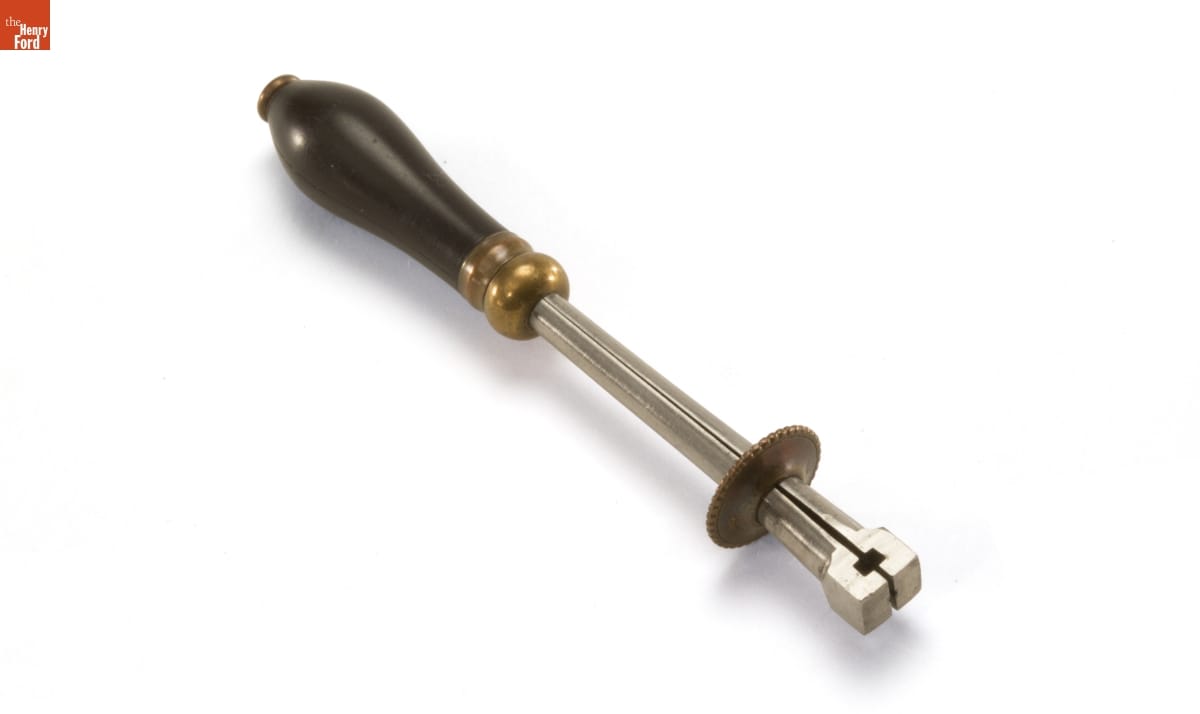
- Vise, 1900-1920 - A clock and watchmaker uses a range of tools to create and repair timepieces. Among this skilled craftsperson's many tools are files, saws, hammers, burnishers and vises and tongs. A pin vise or tongs grasp and hold small pin-like components. The tool's jaws open and close by means of the brass slide or thimble.
- 1900-1920
- Collections - Artifact
Vise, 1900-1920
A clock and watchmaker uses a range of tools to create and repair timepieces. Among this skilled craftsperson's many tools are files, saws, hammers, burnishers and vises and tongs. A pin vise or tongs grasp and hold small pin-like components. The tool's jaws open and close by means of the brass slide or thimble.
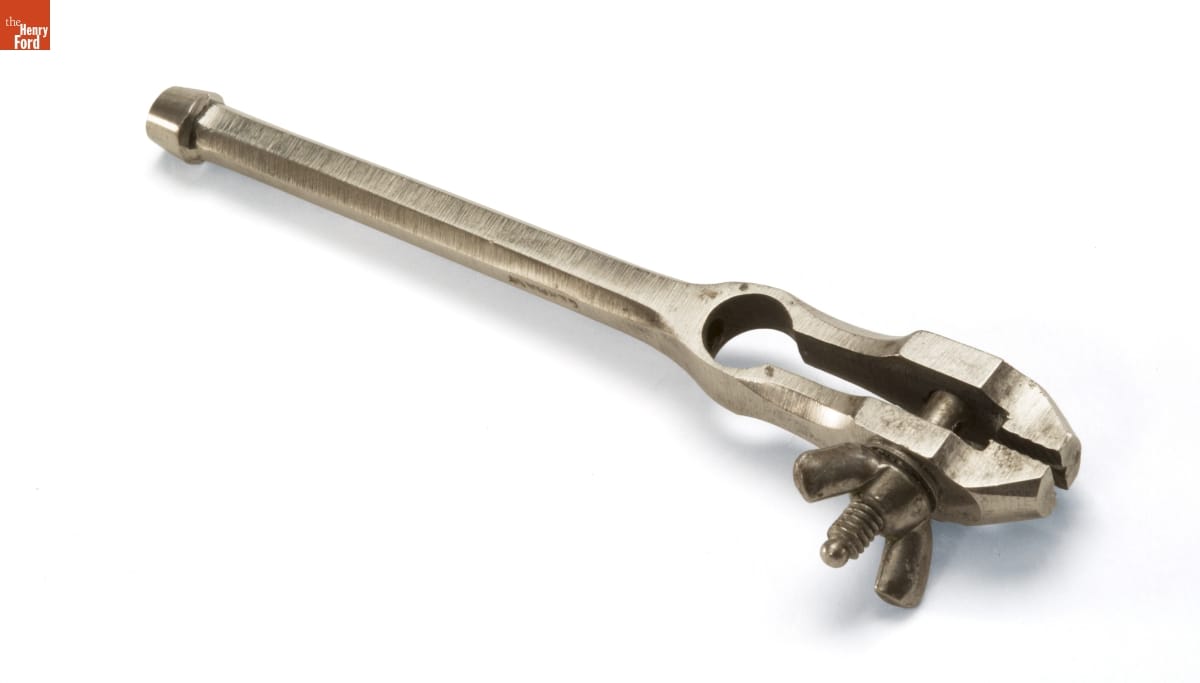
- Vise, 1900-1920 - A clock and watchmaker uses a range of tools to create or repair timepieces. Among this skilled craftsperson's many tools are files, saws, reamers, burnishers and vises, like this one. Vises grasp and hold small components or other tools. With the part or tool secure, the craftsperson can then file, shape and complete their work.
- 1900-1920
- Collections - Artifact
Vise, 1900-1920
A clock and watchmaker uses a range of tools to create or repair timepieces. Among this skilled craftsperson's many tools are files, saws, reamers, burnishers and vises, like this one. Vises grasp and hold small components or other tools. With the part or tool secure, the craftsperson can then file, shape and complete their work.
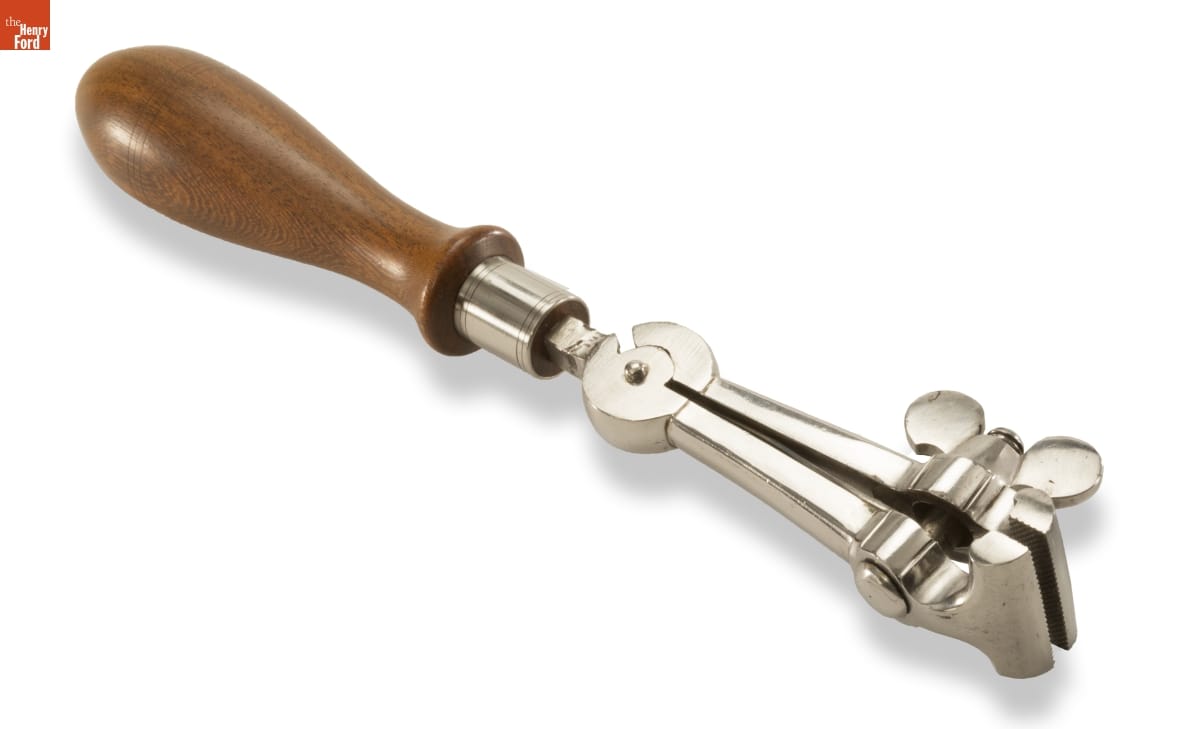
- Vise, 1900-1920 - A clock and watchmaker uses a range of tools to create or repair timepieces. Among this skilled craftsperson's many tools are files, saws, reamers, burnishers and vises, like this one. Vises grasp and hold small components or other tools. With the part or tool secure, the craftsperson can then file, shape and complete their work.
- 1900-1920
- Collections - Artifact
Vise, 1900-1920
A clock and watchmaker uses a range of tools to create or repair timepieces. Among this skilled craftsperson's many tools are files, saws, reamers, burnishers and vises, like this one. Vises grasp and hold small components or other tools. With the part or tool secure, the craftsperson can then file, shape and complete their work.
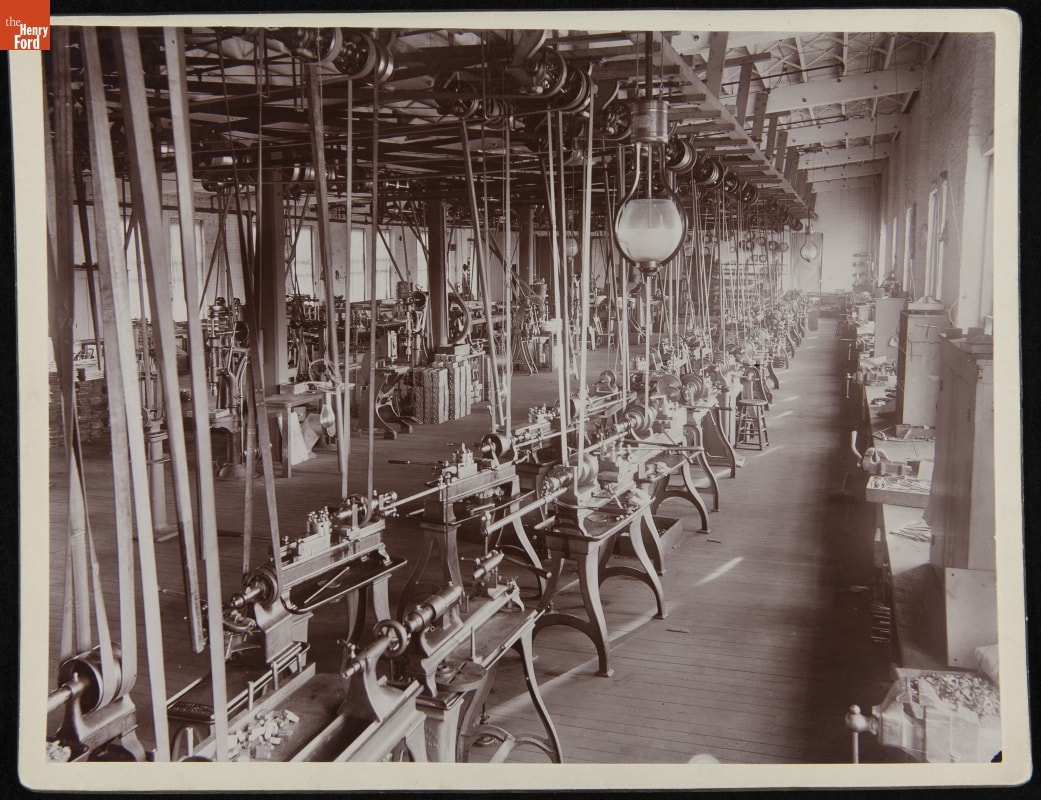
- Screw Machines at the Fort Wayne Electrical Corporation, circa 1894 - Established in 1881, the Fort Wayne Electric Corporation manufactured arc lamps, dynamos, and other lighting and electrical equipment. By 1894, the company had survived financial difficulties, a corporate reorganization, and a recent name change. Aided by well-respected electricians, engineers, and inventors, the Indiana company expanded and increased its production efforts. This photograph shows the belt-driven machinery located inside its factory.
- circa 1894
- Collections - Artifact
Screw Machines at the Fort Wayne Electrical Corporation, circa 1894
Established in 1881, the Fort Wayne Electric Corporation manufactured arc lamps, dynamos, and other lighting and electrical equipment. By 1894, the company had survived financial difficulties, a corporate reorganization, and a recent name change. Aided by well-respected electricians, engineers, and inventors, the Indiana company expanded and increased its production efforts. This photograph shows the belt-driven machinery located inside its factory.
- Leg Vise, 1840-1865 -
- 1840-1865
- Collections - Artifact
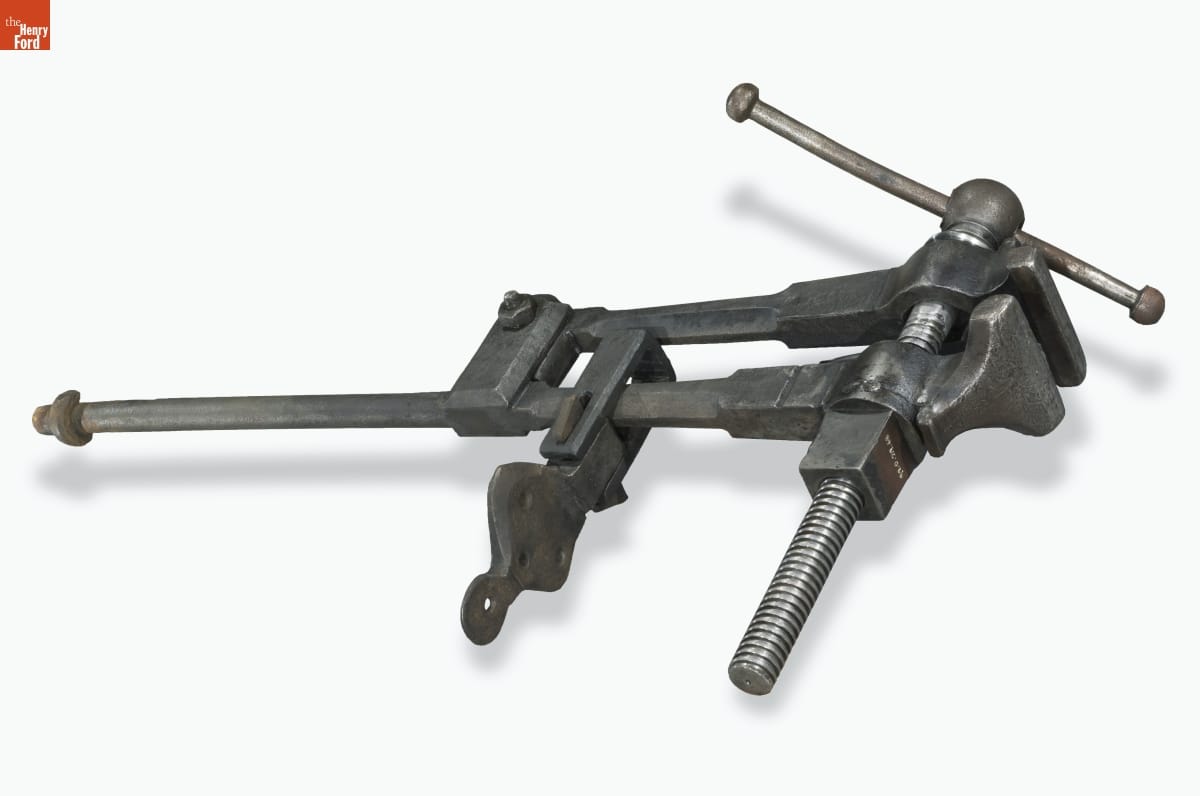
Leg Vise, 1840-1865
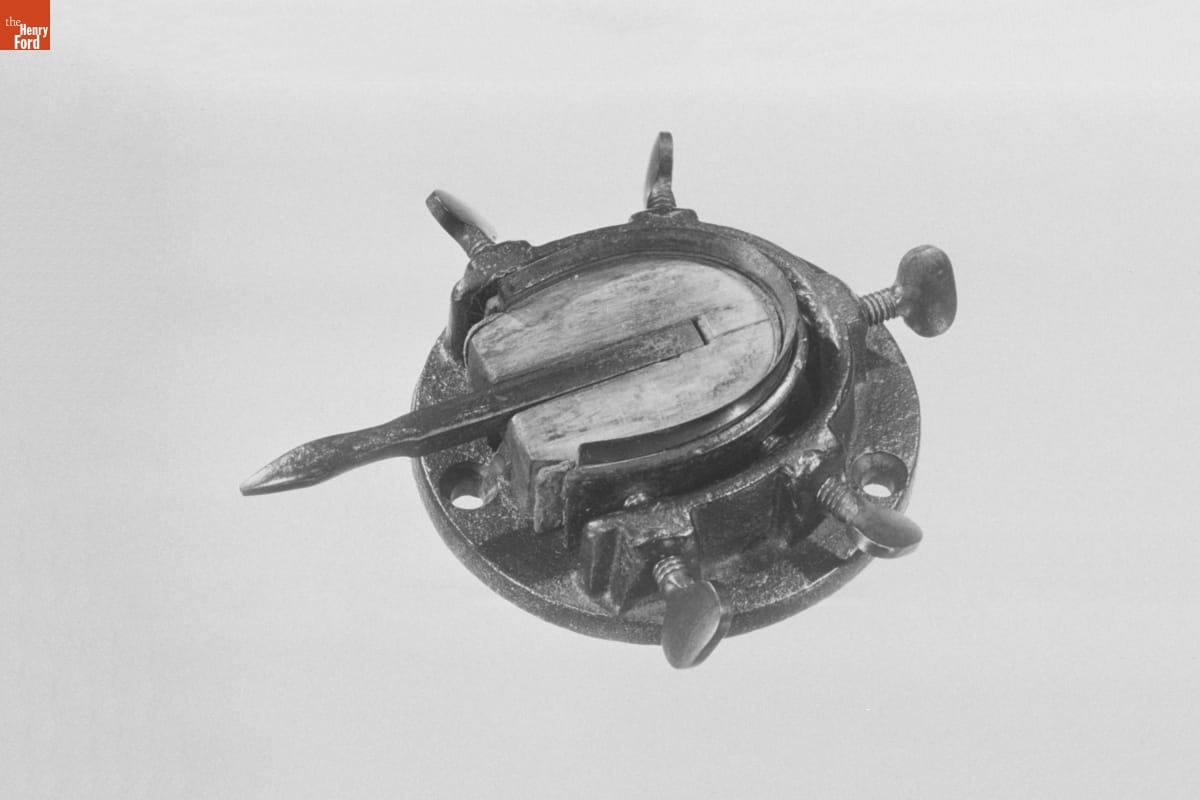
- Shoemaking Vise, 1880-1920 - Late-nineteenth and early-twentieth-century shoemakers turned pieces of leather into footwear. These craftspeople used a wide range of specialized tools to measure, cut, shape, stitch, trim, finish, and decorate their handiwork. Their tools included a variety of knives, hammers, punches, clamps, awls, and polishers and burnishers. Though these tools seem highly specialized, shoemakers were always adapting, using whatever tools were at hand to make shoes.
- 1880-1920
- Collections - Artifact
Shoemaking Vise, 1880-1920
Late-nineteenth and early-twentieth-century shoemakers turned pieces of leather into footwear. These craftspeople used a wide range of specialized tools to measure, cut, shape, stitch, trim, finish, and decorate their handiwork. Their tools included a variety of knives, hammers, punches, clamps, awls, and polishers and burnishers. Though these tools seem highly specialized, shoemakers were always adapting, using whatever tools were at hand to make shoes.