
Search
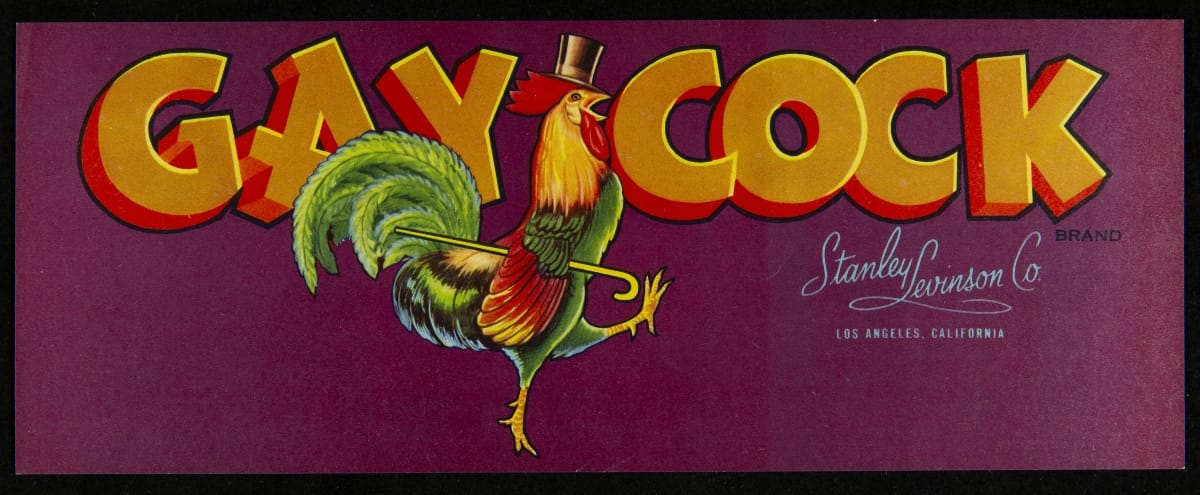
- Crate Label, "Gay Cock Brand Product," 1940-1950 - In 1869, the transcontinental railroad opened eastern markets to the West Coast produce industry for the first time. As produce companies shipped crates of fruits and vegetables across the country, they needed a way to distinguish their goods from their competitors'. Colorful, eye-catching labels, like this one for Gay Cock Brand products, were created to attract grocers purchasing goods from wholesale markets.
- 1940-1950
- Collections - Artifact
Crate Label, "Gay Cock Brand Product," 1940-1950
In 1869, the transcontinental railroad opened eastern markets to the West Coast produce industry for the first time. As produce companies shipped crates of fruits and vegetables across the country, they needed a way to distinguish their goods from their competitors'. Colorful, eye-catching labels, like this one for Gay Cock Brand products, were created to attract grocers purchasing goods from wholesale markets.
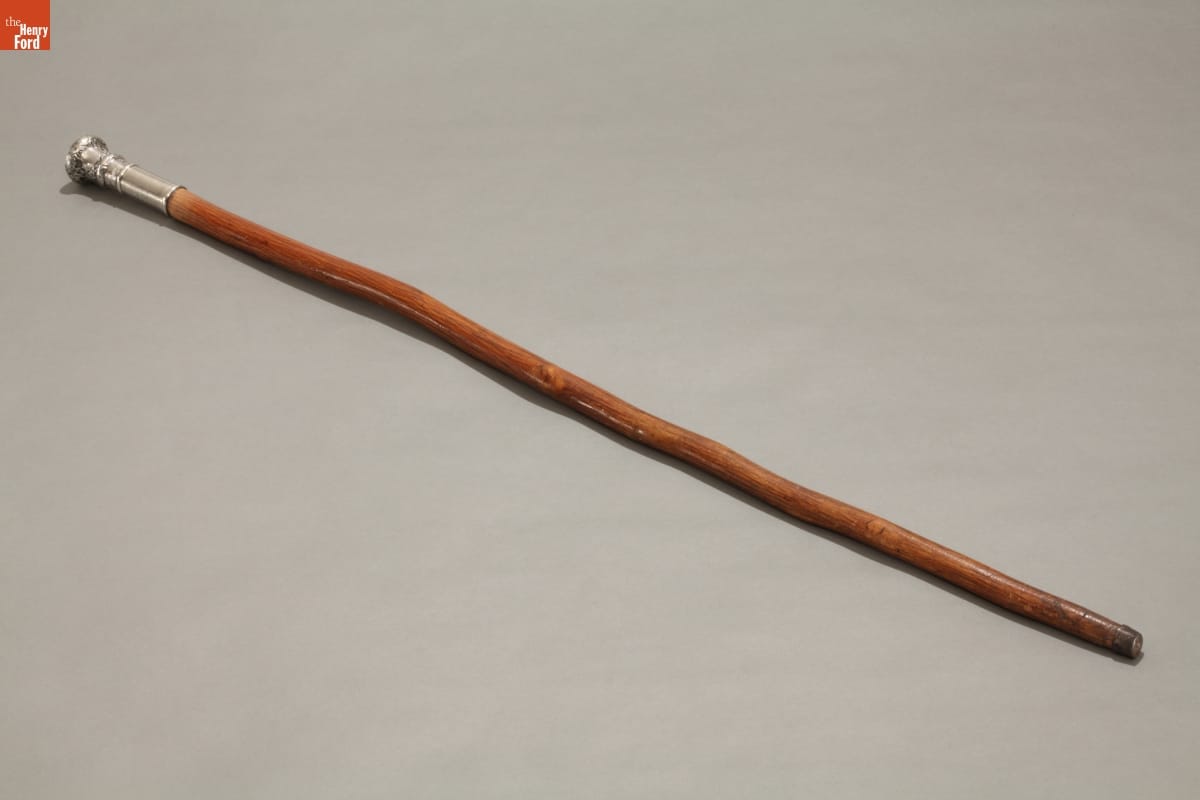
- Walking Stick Commemorating Battle of Shiloh - In April 1862, Union Army Captain Milton Russell retrieved a tree branch from the battlefield just after the fighting ended at Shiloh in Tennessee -- a costly Union victory with a staggering loss of life. Russell sent the branch home to his father in Indiana. It was later made into this walking stick as a memento of the Civil War.
- April 07, 1862
- Collections - Artifact
Walking Stick Commemorating Battle of Shiloh
In April 1862, Union Army Captain Milton Russell retrieved a tree branch from the battlefield just after the fighting ended at Shiloh in Tennessee -- a costly Union victory with a staggering loss of life. Russell sent the branch home to his father in Indiana. It was later made into this walking stick as a memento of the Civil War.
- Adjustable Cane, 2006 - Starting in the early 1980s--and already established as an internationally recognized architect--Michael Graves began to pursue a parallel career as a product designer. Over the following three and a half decades he and his collaborators designed everything from humble household goods to limited edition luxury items for clients as diverse as Steuben, Alessi, Target, J. C. Penney, and Disney.

- 2006
- Collections - Artifact
Adjustable Cane, 2006
Starting in the early 1980s--and already established as an internationally recognized architect--Michael Graves began to pursue a parallel career as a product designer. Over the following three and a half decades he and his collaborators designed everything from humble household goods to limited edition luxury items for clients as diverse as Steuben, Alessi, Target, J. C. Penney, and Disney.
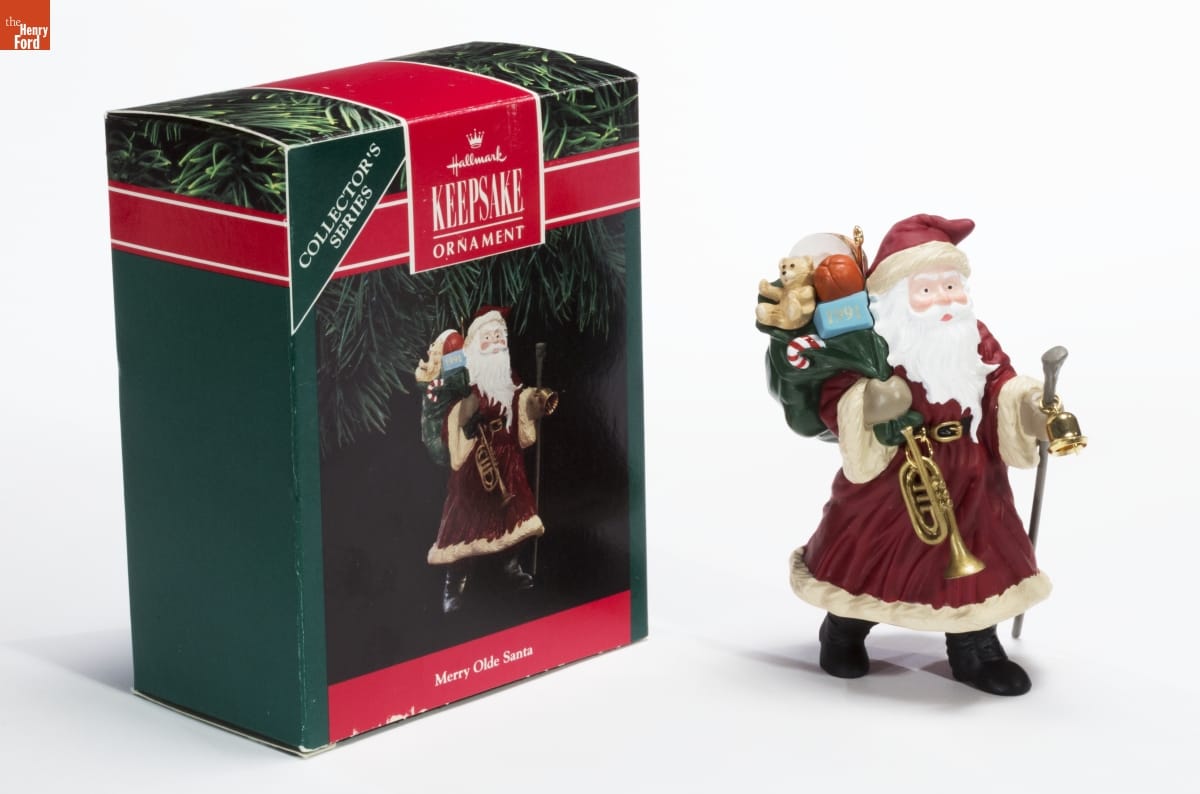
- Hallmark "Merry Olde Santa Series" Christmas Ornament, 1991 - Already known for greeting cards, Hallmark introduced a line of Christmas ornaments in 1973. The company's annual release of an increasing array of ornaments revolutionized Christmas decorating, appealing to customers' interest in marking memories and milestones as well as expressing one's personality and unique tastes.
- 1991
- Collections - Artifact
Hallmark "Merry Olde Santa Series" Christmas Ornament, 1991
Already known for greeting cards, Hallmark introduced a line of Christmas ornaments in 1973. The company's annual release of an increasing array of ornaments revolutionized Christmas decorating, appealing to customers' interest in marking memories and milestones as well as expressing one's personality and unique tastes.
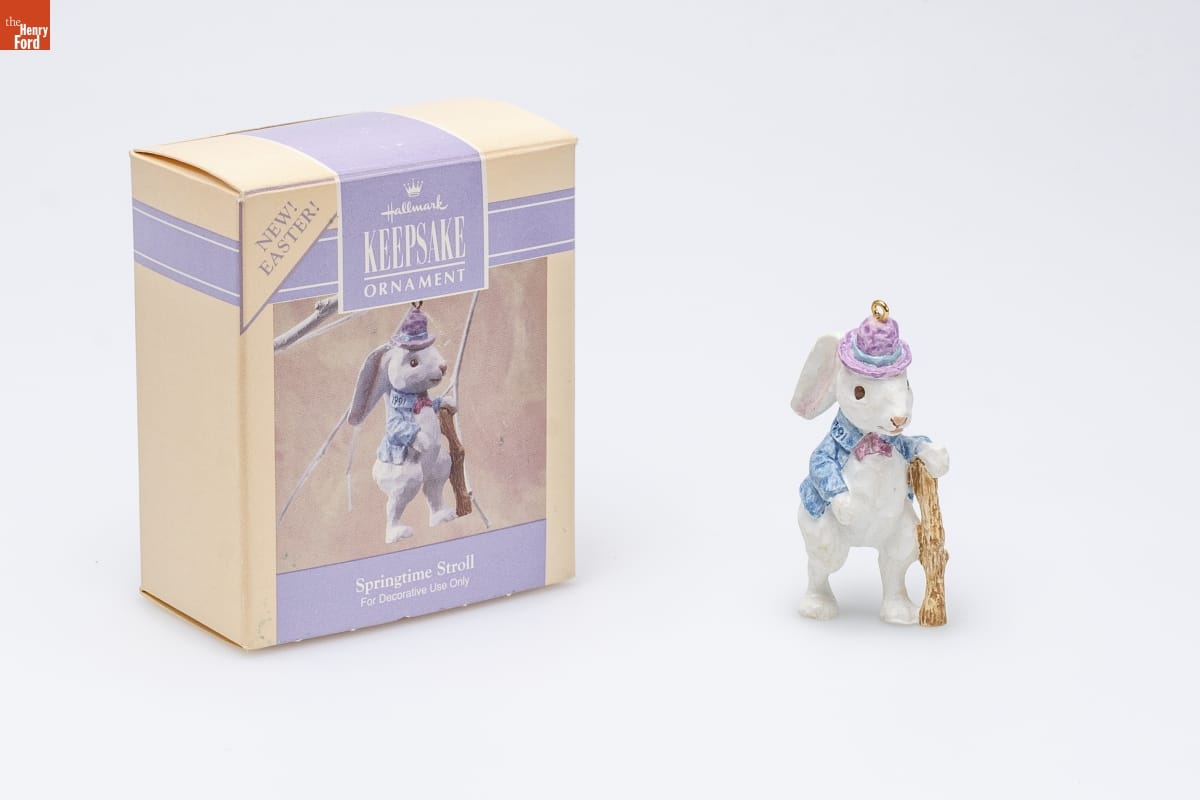
- Hallmark "Springtime Stroll" Easter Ornament, 1991 - Hallmark introduced a line of Christmas ornaments in 1973. These ornaments appealed to customers' interest in marking memories, commemorating milestones, and expressing one's personality and unique tastes. This success led the company to produce ornaments for other holidays. Hallmark marketed and sold Easter and springtime ornaments in several series dating back to the 1990s.
- 1991
- Collections - Artifact
Hallmark "Springtime Stroll" Easter Ornament, 1991
Hallmark introduced a line of Christmas ornaments in 1973. These ornaments appealed to customers' interest in marking memories, commemorating milestones, and expressing one's personality and unique tastes. This success led the company to produce ornaments for other holidays. Hallmark marketed and sold Easter and springtime ornaments in several series dating back to the 1990s.
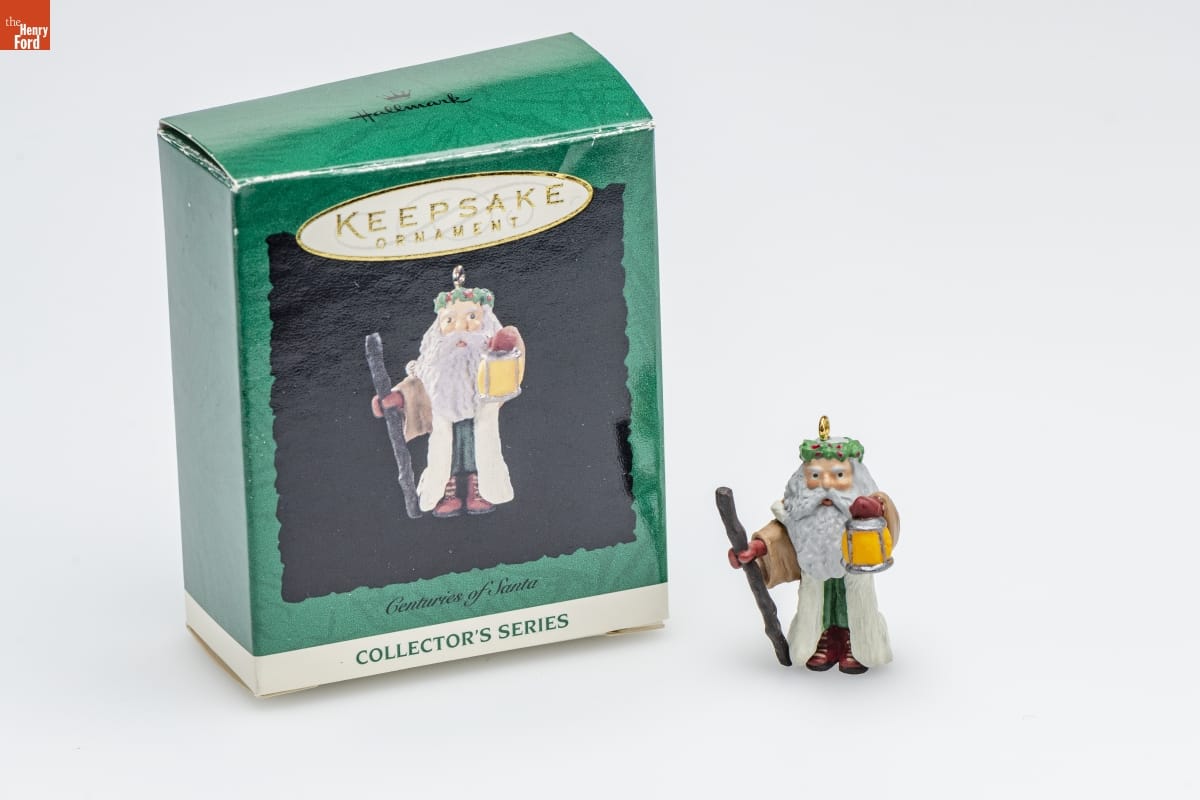
- Hallmark "Centuries of Santa Series" Miniature Christmas Ornament, 1996 - Already known for greeting cards, Hallmark introduced a line of Christmas ornaments in 1973. The company's annual release of an increasing array of ornaments revolutionized Christmas decorating, appealing to customers' interest in marking memories and milestones as well as expressing one's personality and unique tastes.
- 1996
- Collections - Artifact
Hallmark "Centuries of Santa Series" Miniature Christmas Ornament, 1996
Already known for greeting cards, Hallmark introduced a line of Christmas ornaments in 1973. The company's annual release of an increasing array of ornaments revolutionized Christmas decorating, appealing to customers' interest in marking memories and milestones as well as expressing one's personality and unique tastes.
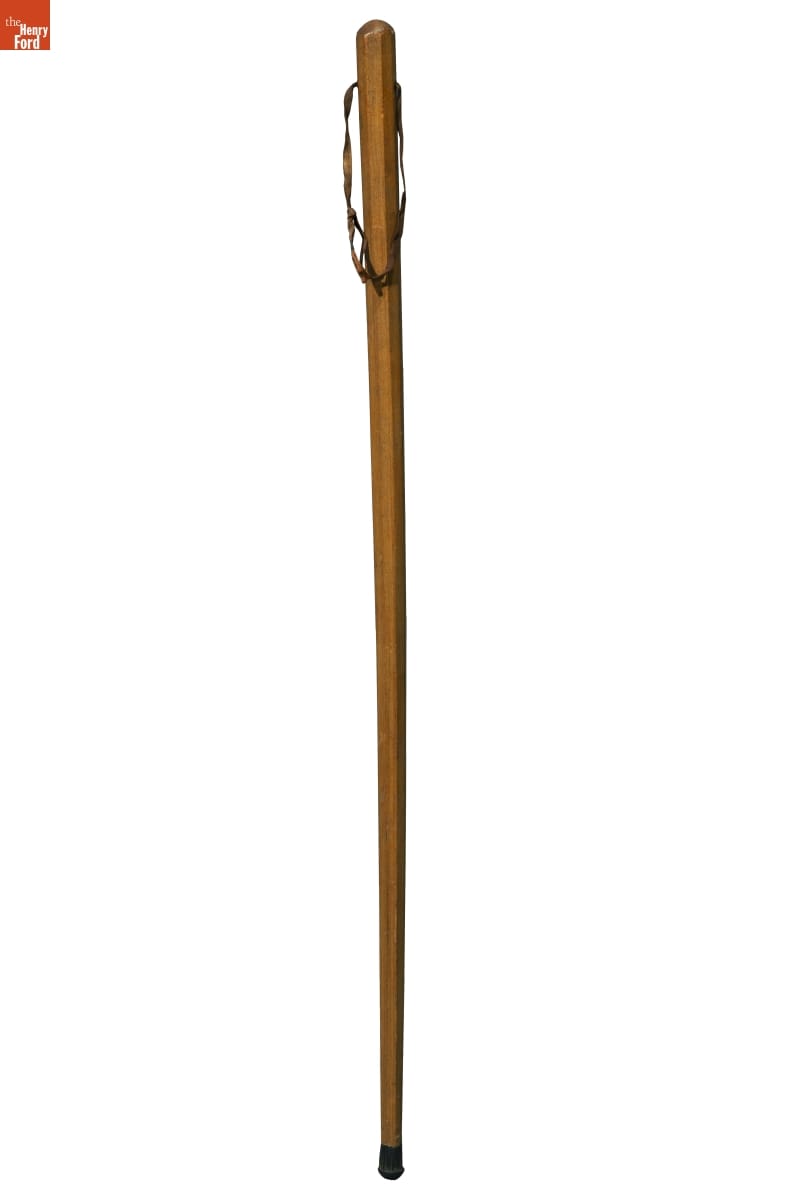
- Walking Stick, "Part of the Covered Bridge at Williamsburg, Ohio," circa 1935 - Covered bridges were built across the United States throughout the 19th century. Walls and roofs protected their wooden truss systems and kept structural timbers dry. Despite their purely practical design, covered bridges had nostalgic appeal, and local residents treasured them long after their utility faded. This walking stick was made from part of a Civil War-era bridge razed in the 1930s.
- 1864-1935
- Collections - Artifact
Walking Stick, "Part of the Covered Bridge at Williamsburg, Ohio," circa 1935
Covered bridges were built across the United States throughout the 19th century. Walls and roofs protected their wooden truss systems and kept structural timbers dry. Despite their purely practical design, covered bridges had nostalgic appeal, and local residents treasured them long after their utility faded. This walking stick was made from part of a Civil War-era bridge razed in the 1930s.
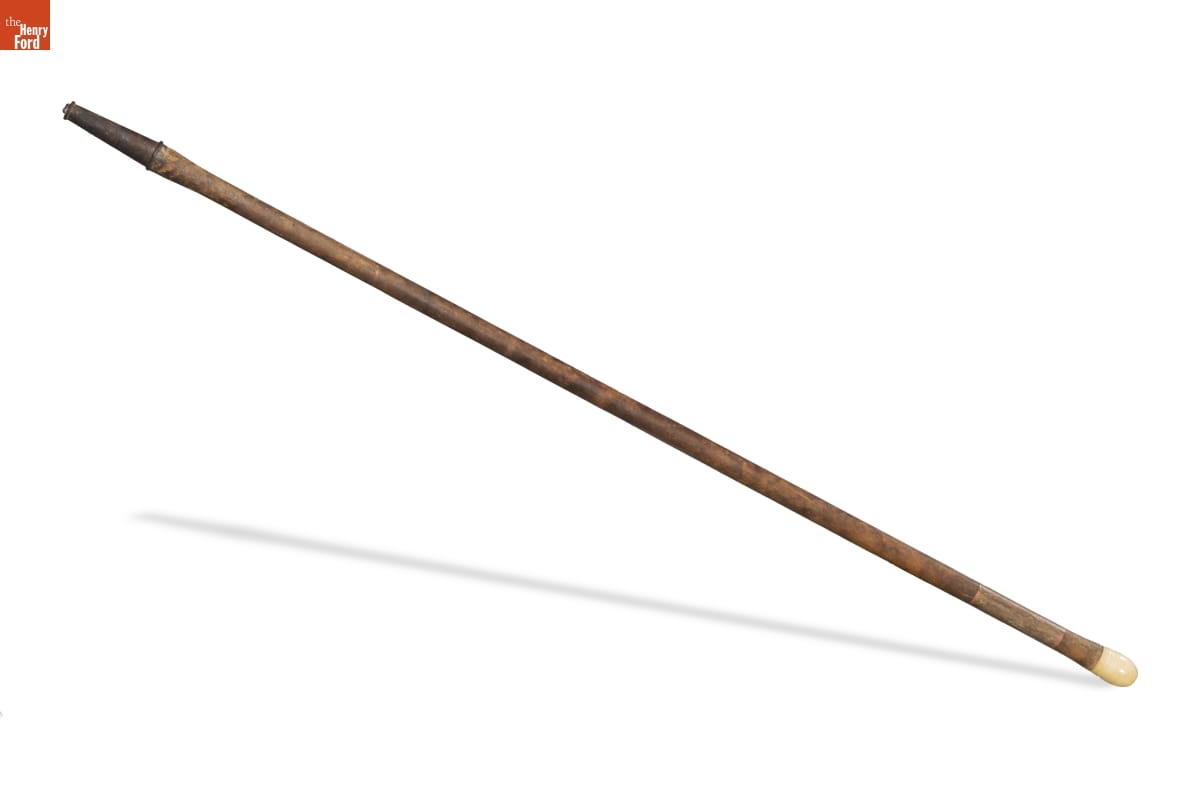
- Tithing Cane -
- Collections - Artifact
Tithing Cane
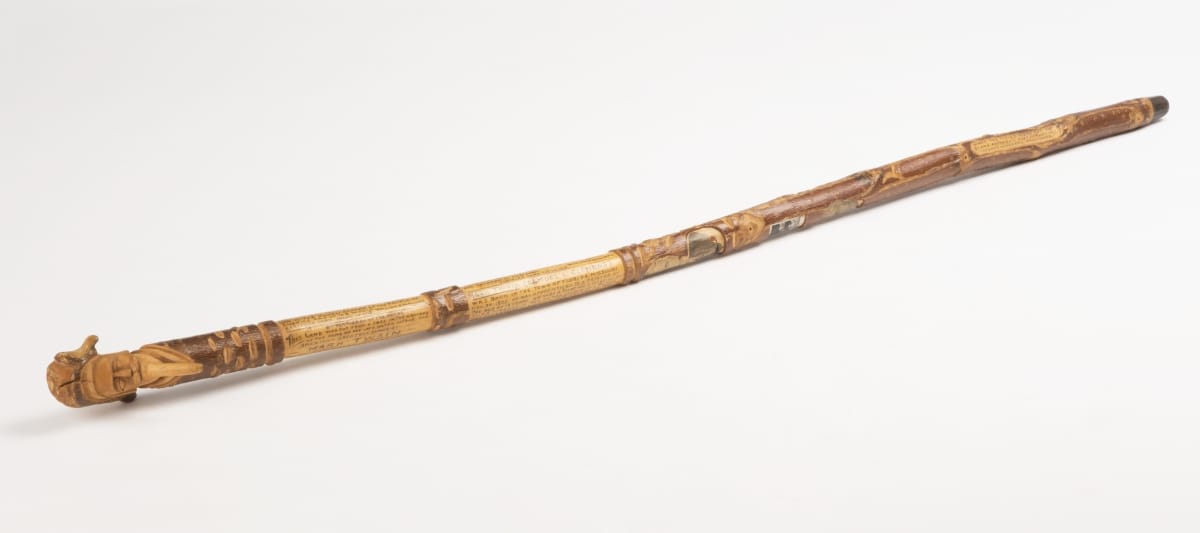
- Hand Carved Walking Stick Presented to Henry Ford, 1928 - Acknowledging Henry Ford's innovative spirit, individuals employing their own original and imaginative efforts bestowed hundreds of handmade gifts upon him. This walking cane was carved from wood removed from a tree on the grounds of the home of Samuel Clemens. Most of the surface of the cane is covered with inscriptions that, in part, honor Henry Ford.
- August 20, 1928
- Collections - Artifact
Hand Carved Walking Stick Presented to Henry Ford, 1928
Acknowledging Henry Ford's innovative spirit, individuals employing their own original and imaginative efforts bestowed hundreds of handmade gifts upon him. This walking cane was carved from wood removed from a tree on the grounds of the home of Samuel Clemens. Most of the surface of the cane is covered with inscriptions that, in part, honor Henry Ford.
- Cleveland-Hendricks Campaign Walking Stick, 1884 - Grover Cleveland defeated Republican James G. Blaine in 1884 to become the first Democrat to win the presidency since 1856. The reform-minded Cleveland would lose four years later to Benjamin Harrison; but in an 1892 presidential rematch he returned to the White House. Cleveland is the only U. S. President to have served two nonconsecutive terms.

- 1884
- Collections - Artifact
Cleveland-Hendricks Campaign Walking Stick, 1884
Grover Cleveland defeated Republican James G. Blaine in 1884 to become the first Democrat to win the presidency since 1856. The reform-minded Cleveland would lose four years later to Benjamin Harrison; but in an 1892 presidential rematch he returned to the White House. Cleveland is the only U. S. President to have served two nonconsecutive terms.